Best Day Trips from Casablanca
in 2026
11 incredible day trips from coastal towns and imperial cities to mountain lakes and alpine villages. Train trips from 15 MAD, guided tours from 300 MAD.
Which Day Trips from Casablanca Should You Take?
The easiest day trips from Casablanca are Rabat (87 km, 1 hour by train), Mohammedia (25 km, 30 minutes), El Jadida (106 km, 1.5 hours) and Azemmour (85 km, 1.5 hours). Marrakech is a long day by train (about 3 hours 25 minutes each way). Trains start from 15 MAD and guided tours from 300 MAD.
Why Casablanca Is a Great Base for Day Trips in Morocco
Casablanca's position on Morocco's Atlantic coast and its role as the country's transport hub make it an excellent launchpad for day trips in every direction. The Al Boraq high-speed train connects you to Rabat in 45 minutes, and regular ONCF trains reach Marrakech in about 3 hours 25 minutes and a dozen other cities. Modern highways fan out to the coast, the plains, and the mountains.
To the south, the Portuguese-era coastal towns of El Jadida and Azemmour offer history and art. North along the coast, beach towns like Mohammedia and Bouznika provide easy seaside escapes. Inland, the Middle Atlas Mountains hold surprises like the alpine town of Ifrane, the hot springs of Oulmes, and the turquoise waters of Bin El Ouidane lake.
This guide covers the 11 best day trips from Casablanca with honest advice on transport options, costs, what to expect, the best season for each trip, and whether to go DIY or book a guided tour.
11 Best Day Trips from Casablanca
From 20-minute train rides to full-day mountain adventures, these are the top excursions from Casablanca for every type of traveler.
All prices are starting prices and may vary by season, group size, and provider. Always confirm current rates before booking.
Rabat
Guided: From 400 MAD per person | DIY: From 40 MAD per person
Rabat, Morocco's capital city, is one of the easiest and most rewarding day trips from Casablanca. The city blends imperial history with modern elegance. The iconic Hassan Tower, the ornate Mohammed V Mausoleum, and the ancient Chellah necropolis are must-sees. The Kasbah of the Udayas, perched above the Bou Regreg river, has a tranquil Andalusian garden and blue-and-white painted streets reminiscent of Chefchaouen. Rabat's medina is compact and hassle-free compared to other Moroccan cities.
Highlights
Getting There
ONCF trains run every 30 minutes from Casa Voyageurs to Rabat Ville (from 40 MAD, 1 hour). Al Boraq high-speed train takes 45 minutes (from 79 MAD). Grand taxis also available.
Guided Tour Includes
Hotel pickup, transport, guided city tour covering Hassan Tower, Kasbah, Chellah, and medina walk with lunch
Tip: Take an early train and start with the Hassan Tower area, then walk through the medina to the Kasbah of the Udayas for lunch with river views. Save Chellah for the afternoon when the light is golden.
El Jadida
Guided: From 450 MAD per person | DIY: From 60 MAD per person
El Jadida is home to one of Morocco's most atmospheric historical sites: the Portuguese Cistern, a UNESCO World Heritage underground chamber where stone columns are reflected in a shallow pool of water. The fortified old town, known as the Cite Portugaise, was built by the Portuguese in the 16th century and retains its European character with rampart walks offering Atlantic views. Outside the walls, El Jadida has a lovely beach, a long promenade, and some of the best seafood on the Atlantic coast.
Highlights
Getting There
CTM and other buses from Casablanca bus station (from 40 MAD, 1.5 hours). By car via the A1 highway, the drive is fast and straightforward. No direct train service.
Guided Tour Includes
Hotel pickup, transport, guided tour of the Cite Portugaise and cistern, rampart walk, and seafood lunch
Tip: The Portuguese Cistern is small; combine it with a walk around the ramparts and lunch at a seafood restaurant near the port. The beach is best in summer. Visit midweek to avoid weekend crowds from Casablanca.
Mohammedia
Guided: From 300 MAD per person | DIY: From 15 MAD per person
Mohammedia is Casablanca's nearest beach escape, just 25 km up the coast. This relaxed seaside town has clean sandy beaches, a lively promenade, and excellent fish restaurants along the waterfront. Known as the "City of Flowers and Golf," Mohammedia has a colonial-era charm with tree-lined boulevards and two golf courses. It is where Casablanca residents go on weekends to escape the city heat, making it perfect for a half-day or full-day beach outing.
Highlights
Getting There
ONCF trains from Casa Voyageurs (from 15 MAD, 20 minutes, frequent service). Grand taxis from Casablanca are also cheap and fast. By car, take the coastal highway A3.
Guided Tour Includes
Hotel pickup, transport, beach time, golf course visit option, and fresh fish lunch at a local restaurant
Tip: Go on a weekday to have the beach almost to yourself. The fish market near the port sells incredibly fresh catch that nearby restaurants will cook for you. Combine with a morning in Casablanca.
Azemmour
Guided: From 400 MAD per person | DIY: From 50 MAD per person
Azemmour is a hidden gem that few tourists visit, making it one of the most authentic day trips from Casablanca. This small fortified town on the Oum Er-Rbia river has Portuguese-era ramparts, a whitewashed medina filled with colorful street art murals, and a peaceful atmosphere worlds away from Morocco's bustling cities. Local artists have transformed abandoned houses into open-air galleries. The nearby Haouzia beach is vast, uncrowded, and backed by a pine forest ideal for picnics.
Highlights
Getting There
Buses from Casablanca to Azemmour (from 35 MAD, 1.5 hours). Often combined with El Jadida as they are only 17 km apart. By car, take the A1 highway toward El Jadida and exit at Azemmour.
Guided Tour Includes
Hotel pickup, transport, guided medina and street art walk, rampart visit, and often combined with El Jadida
Tip: Combine Azemmour and El Jadida in a single day trip as they are only 20 minutes apart. Start at Azemmour in the morning for the street art and quiet medina, then continue to El Jadida for the cistern and lunch.
Bouznika
Guided: From 350 MAD per person | DIY: From 25 MAD per person
Bouznika is a popular beach resort town halfway between Casablanca and Rabat, known for its long golden beach and laid-back atmosphere. The town has developed into a weekend retreat with beachside restaurants, water sports rentals, and family-friendly facilities. Bouznika Bay is particularly scenic with a crescent-shaped beach sheltered from strong Atlantic winds. Surfing, bodyboarding, and jet skiing are available in season. The town itself is quiet and pleasant for a stroll.
Highlights
Getting There
ONCF trains from Casa Voyageurs stop at Bouznika (from 20 MAD, 30 minutes). By car, take the A1 highway toward Rabat and exit at Bouznika. Grand taxis also available.
Guided Tour Includes
Hotel pickup, transport, beach time, water sports option, and grilled fish lunch at a beachside restaurant
Tip: Bouznika is at its best from June to September when the water is warm enough for swimming. The beach can get crowded on weekends; go on a weekday for a more relaxed experience. There are several good beachside cafes for fresh juice and grilled fish.
Settat
Guided: From 350 MAD per person | DIY: From 35 MAD per person
Settat offers a glimpse into everyday Moroccan life that most tourists never see. This agricultural market town on the Chaouia plain is home to the historic Kasbah Ismailia, built by Sultan Moulay Ismail in the 17th century. The weekly souk is a colorful affair with local produce, livestock, and household goods. Settat is not a tourist town, which makes it perfect for travelers seeking authentic Morocco. The surrounding countryside is a patchwork of wheat fields, olive groves, and rural villages.
Highlights
Getting There
ONCF trains from Casa Voyageurs to Settat (from 30 MAD, 50 minutes). Buses also available from Casablanca bus station. By car, take the A7 highway south.
Guided Tour Includes
Hotel pickup, transport, Kasbah Ismailia visit, souk walk, local lunch, and countryside drive
Tip: Time your visit with the weekly souk (check locally for the day) for the most lively experience. Settat is a working town, so dress modestly and be respectful. Try the local specialties: rfissa and msemen with honey.
Ifrane
Guided: From 600 MAD per person | DIY: From 120 MAD per person
Ifrane is Morocco's most unexpected town: a clean, orderly alpine-style settlement in the Middle Atlas Mountains that looks more like Switzerland than North Africa. Built by the French in the 1930s, Ifrane has red-roofed chalets, manicured gardens, and a famous stone lion sculpture. Nearby, the Azrou cedar forest is home to endangered Barbary macaques that you can observe from close range. In winter, Michlifen ski resort offers Morocco's best skiing. The cool mountain air is a welcome contrast to Casablanca's heat.
Highlights
Getting There
No direct train. CTM buses from Casablanca to Ifrane (from 90 MAD, 3-3.5 hours). By car, drive via Meknes on the A2 highway then south on the N13. A rental car is recommended for flexibility.
Guided Tour Includes
Hotel pickup, transport, Ifrane town tour, cedar forest visit with macaque spotting, and lunch at a local restaurant
Tip: This is a long day trip. Leave Casablanca early (7 AM) and plan to return by evening. Stop at the Azrou cedar forest to see Barbary macaques. In winter (December-March), bring warm clothing as temperatures drop below zero.
Oulmes
Guided: From 500 MAD per person | DIY: From 80 MAD per person
Oulmes is a small mountain town in the Middle Atlas known throughout Morocco for its mineral water that is sold nationwide. The area around Oulmes has natural hot springs where locals bathe, the scenic Lalla Haya waterfall, and beautiful mountain terrain covered in cork oak and cedar forests. The town sits at 1,100 meters altitude, making it pleasantly cool even in summer. This is rural Morocco at its most authentic, with traditional Berber villages dotting the surrounding hills.
Highlights
Getting There
No direct train or regular bus service. Best reached by rental car via the R401 from Rommani. Grand taxis from Casablanca are unreliable for this route. A car is strongly recommended.
Guided Tour Includes
Hotel pickup, transport, hot springs visit, Lalla Haya waterfall, village tour, and picnic lunch
Tip: Combine Oulmes with a visit to the Lalla Haya waterfall (about 10 km from town). The hot springs are most enjoyable in cooler months. Bring your own lunch or eat at one of the simple local restaurants.
Khouribga
Guided: From 400 MAD per person | DIY: From 50 MAD per person
Khouribga is the capital of Morocco's phosphate mining region, sitting atop one of the world's largest phosphate reserves. While not a typical tourist destination, it offers a fascinating look at an industry that drives Morocco's economy. The OCP geological museum showcases impressive mineral and fossil collections. The town has some interesting art deco colonial architecture and a vibrant weekly souk. The surrounding plateau landscape is dramatic, with red earth and vast horizons.
Highlights
Getting There
ONCF trains from Casa Voyageurs to Khouribga (from 45 MAD, 1.5 hours). Buses also run regularly. By car, take the A11 highway east.
Guided Tour Includes
Hotel pickup, transport, geological museum visit, town tour, souk walk, and local lunch
Tip: Visit the OCP museum for a unique perspective on Morocco's mining heritage. The town is best visited on souk day for atmosphere. Combine with a drive through the dramatic phosphate plateau landscape.
Bin El Ouidane
Guided: From 650 MAD per person | DIY: From 150 MAD per person
Bin El Ouidane is one of Morocco's most beautiful inland lakes, a vast turquoise reservoir nestled among the foothills of the High Atlas Mountains. The dam, built in the 1950s, created a stunning body of water surrounded by barren mountains that change color throughout the day. Boat trips, kayaking, and fishing are available on the lake. The drive from Casablanca passes through the Tadla plain and climbs into the mountains, offering increasingly dramatic scenery. Several lakeside guesthouses serve fresh trout.
Highlights
Getting There
No direct train or regular bus service. Best reached by rental car via Beni Mellal on the A8 highway then south on the R304. The last stretch is a winding mountain road with spectacular views.
Guided Tour Includes
Hotel pickup, transport, boat trip on the lake, dam viewpoint, Beni Mellal stop, and lakeside trout lunch
Tip: This is a long day trip best started early. Combine with a stop in Beni Mellal for breakfast. The lake is most beautiful in spring when the water level is highest. Consider an overnight stay at a lakeside guesthouse for a more relaxed experience.
Marrakech (by Train)
Guided: From 700 MAD per person | DIY: From 100 MAD per person
Marrakech is a long but feasible day trip from Casablanca by regular ONCF train. Departing from Casa Voyageurs station, you arrive at Marrakech station in about 3 hours 25 minutes. With an early start and a late return, this gives you around 6 hours to explore the Red City's highlights: the bustling Jemaa el-Fnaa square, the intricate Bahia Palace, the labyrinthine souks, and the stunning Ben Youssef Madrasa. Take an early morning departure and a late evening return to maximize your time in one of Morocco's most captivating cities.
Highlights
Getting There
Regular ONCF trains from Casa Voyageurs to Marrakech (from 100 MAD 2nd class / 150 MAD 1st class, about 3 hr 25 min). The Al Boraq high-speed line does not run to Marrakech yet; the extension is under construction. Book online at oncf.ma for best prices.
Guided Tour Includes
Train tickets, local guide in Marrakech, Bahia Palace and Ben Youssef Madrasa entry, souk tour, and traditional lunch in the medina
Tip: Take the earliest ONCF departure to arrive mid-morning. Head straight to the medina and souks while it is cool. Visit palaces midday when the sun is strong. Return to Jemaa el-Fnaa in the late afternoon for the food stalls and entertainment.
Quick Comparison Table
All 11 day trips at a glance with distances, prices, and difficulty levels.
| Day Trip | Distance | Travel Time | Guided Price | DIY Price | Difficulty |
|---|---|---|---|---|---|
| Rabat | 87 km | 1 hr | From 400 MAD | From 40 MAD | Easy |
| El Jadida | 106 km | 1.5 hrs | From 450 MAD | From 60 MAD | Easy |
| Mohammedia | 25 km | 30 min | From 300 MAD | From 15 MAD | Easy |
| Azemmour | 85 km | 1.5 hrs | From 400 MAD | From 50 MAD | Easy |
| Bouznika | 50 km | 40 min | From 350 MAD | From 25 MAD | Easy |
| Settat | 72 km | 1 hr | From 350 MAD | From 35 MAD | Easy |
| Ifrane | 260 km | 3 hrs | From 600 MAD | From 120 MAD | Long day |
| Oulmes | 170 km | 2.5 hrs | From 500 MAD | From 80 MAD | Moderate |
| Khouribga | 120 km | 1.5 hrs | From 400 MAD | From 50 MAD | Easy |
| Bin El Ouidane | 260 km | 3.5 hrs | From 650 MAD | From 150 MAD | Long day |
| Marrakech | 240 km | 3 hr 25 | From 700 MAD | From 100 MAD | Long day |
Guided prices are per person for group tours. Private tours are typically 2-3x higher. All prices are starting prices and seasonal pricing may apply.
Train vs Self-Drive vs Guided Tour
Casablanca has excellent rail connections, but some destinations require a car. Here is an honest comparison of your transport options.
Train (ONCF / Al Boraq)
Advantages
Drawbacks
Best for: Rabat, Mohammedia, Bouznika, Settat, Khouribga, Marrakech
Rental Car (Self-Drive)
Advantages
Drawbacks
Best for: El Jadida, Azemmour, Ifrane, Oulmes, Bin El Ouidane, Khouribga
Organized Tour (Guided)
Advantages
Drawbacks
Best for: First-time visitors, solo travelers, multi-stop day trips
Destinations Around Casablanca
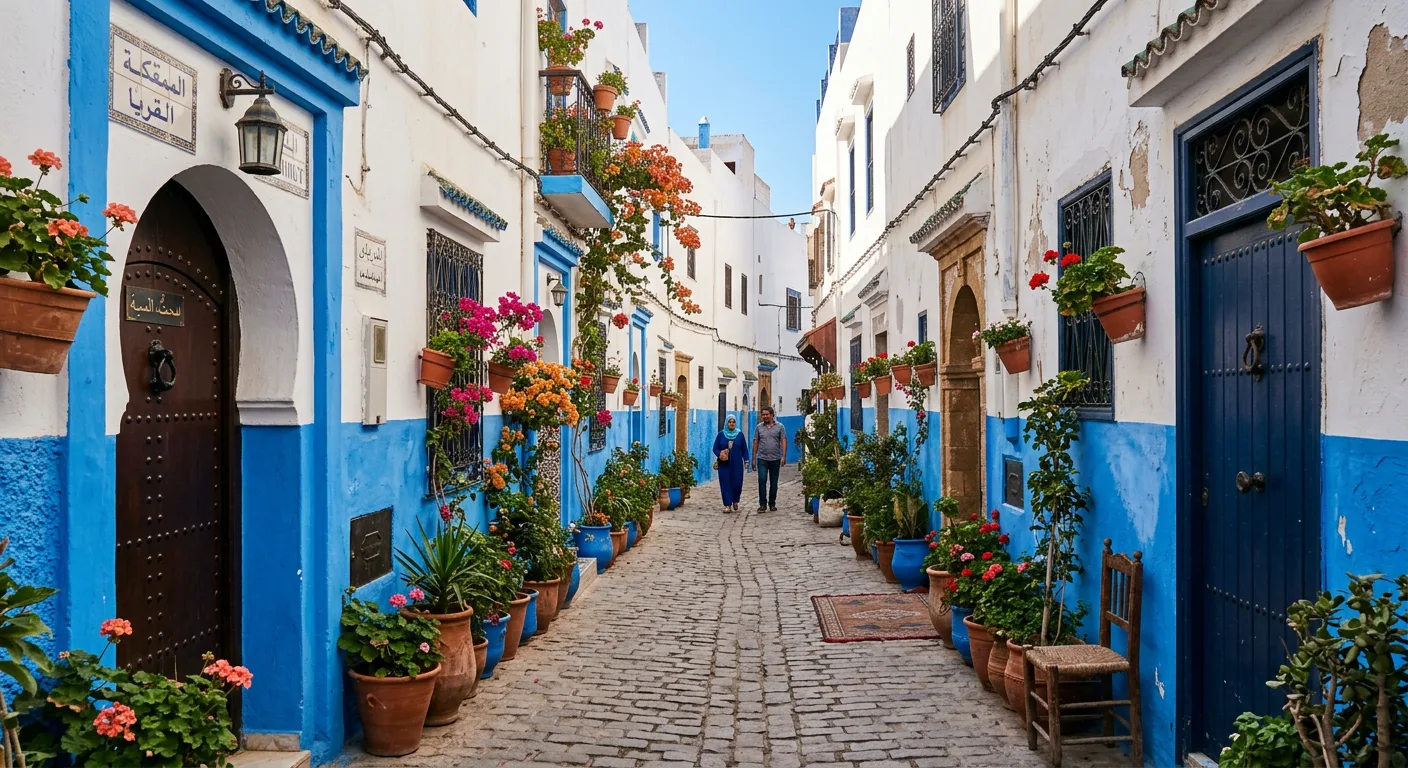
Rabat - Kasbah of the Udayas
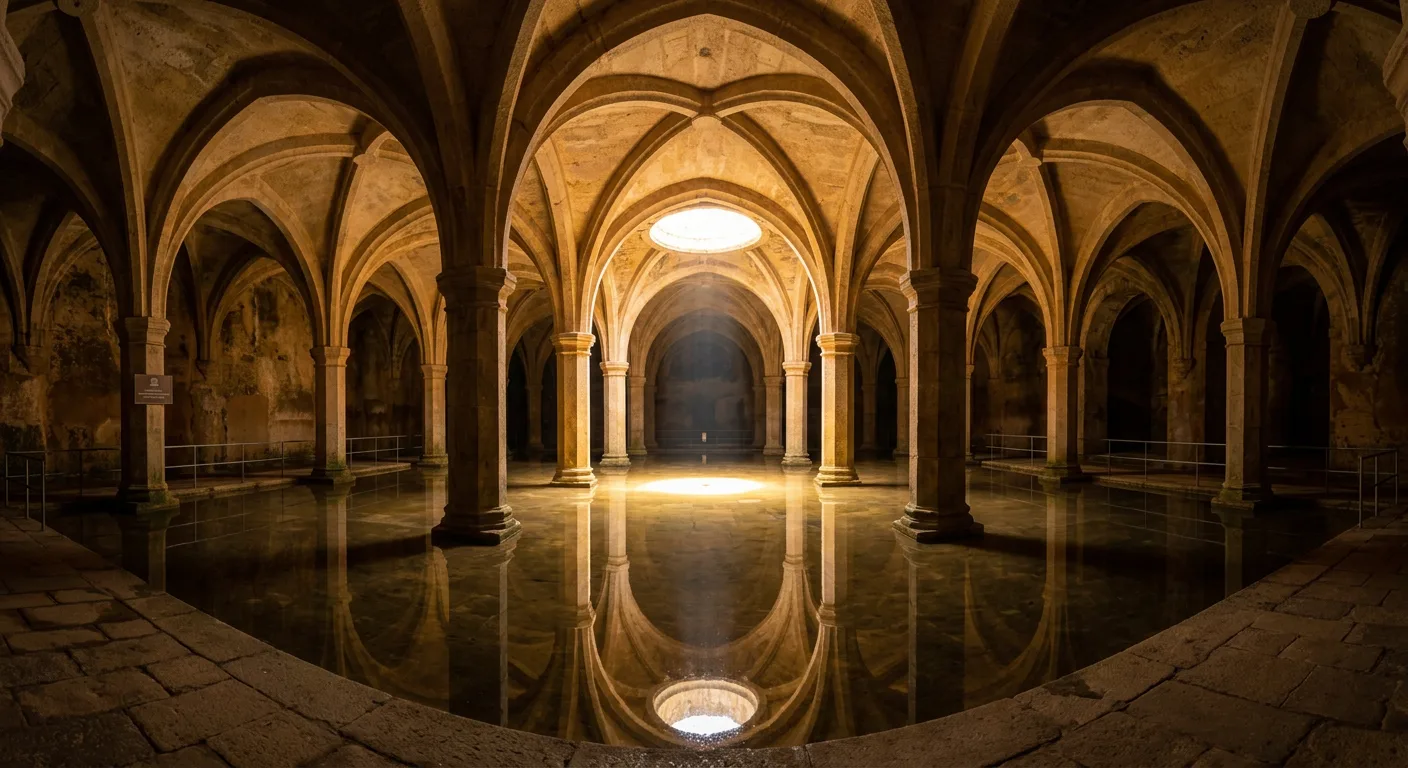
El Jadida - Portuguese Cistern
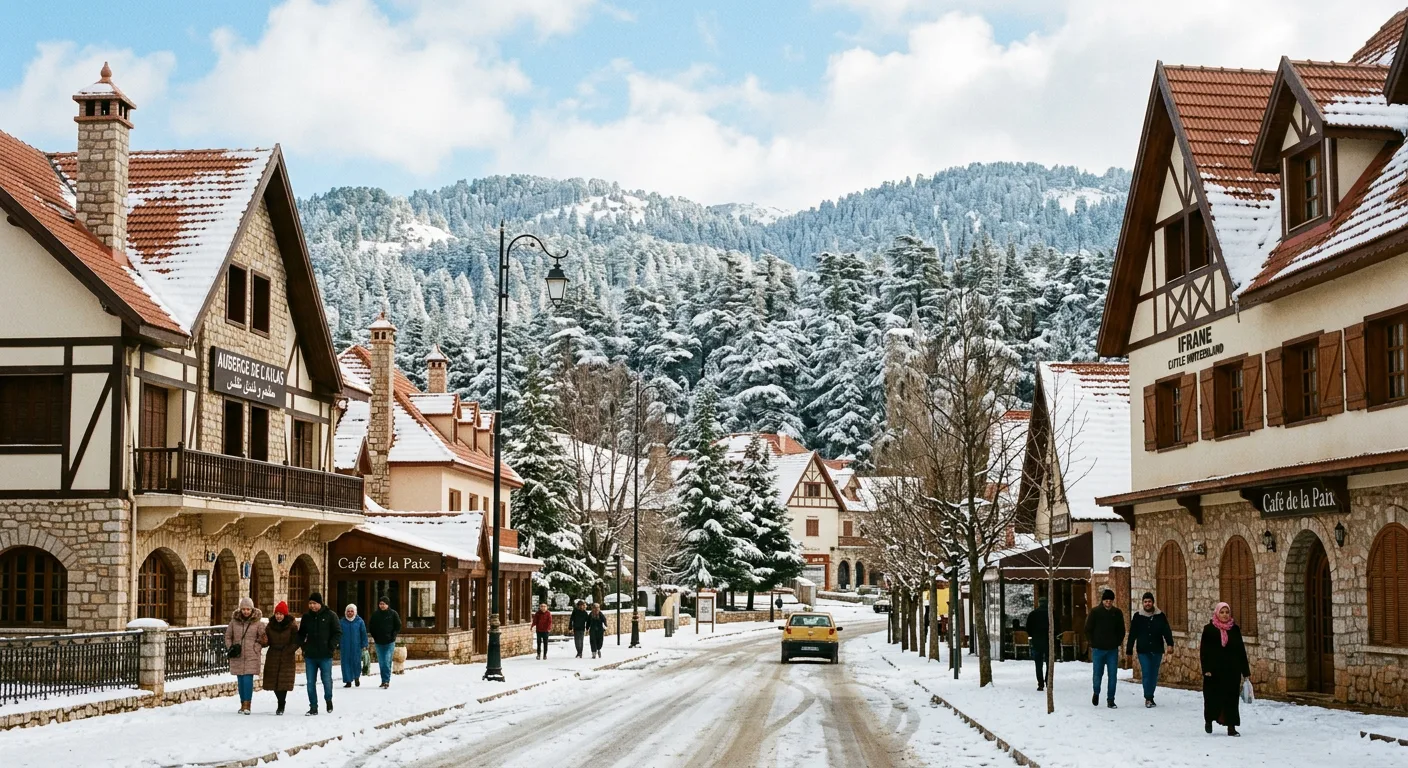
Ifrane - Switzerland of Morocco
Best Season for Each Day Trip
Casablanca's Atlantic coast enjoys mild weather year-round, but inland and mountain destinations vary significantly by season.
Spring (March-May)
The best all-round season. Pleasant coastal temperatures, wildflowers in the countryside, and comfortable driving conditions. Green landscapes throughout the Chaouia plain and Middle Atlas.
Best Trips This Season
Summer (June-August)
Beach season is in full swing. Atlantic coast towns are perfect, but inland trips can be very hot. Ifrane offers cool mountain relief. Avoid midday travel on inland routes.
Best Trips This Season
Autumn (September-November)
Excellent for all destinations. Warm but manageable temperatures, fewer tourists, and beautiful golden light. Harvest season in rural areas with olive and date picking.
Best Trips This Season
Winter (December-February)
Mild on the coast with occasional rain. Mountain destinations can be cold with snow. Fewer tourists and lower prices. Cultural city trips work well. Ifrane transforms into a winter wonderland.
Best Trips This Season
Practical Tips for Day Trips from Casablanca
Frequently Asked Questions
What are the best day trips from Casablanca?
The most popular day trips from Casablanca are Rabat (the capital, only 1 hour by train), El Jadida (UNESCO Portuguese cistern, 1.5 hours by car), Mohammedia (beach town, just 30 minutes), Azemmour (artistic village with street art, 1.5 hours), and Marrakech by regular ONCF train (about 3 hours 25 minutes each way, so a long day). For nature lovers, Ifrane (Swiss-style mountain town), Bin El Ouidane (turquoise lake), and Oulmes (hot springs) are excellent options.
How much do day trips from Casablanca cost?
DIY day trips can cost as little as from 15 MAD per person for a train to Mohammedia or from 40 MAD for a train to Rabat. Guided group tours range from 300 MAD to 700 MAD per person depending on the destination. Private guided tours start from 1,500 MAD per vehicle. The ONCF train to Marrakech costs from 100 MAD one-way in 2nd class or from 150 MAD in 1st class. Prices are seasonal and may change during peak periods.
Can I take a day trip from Casablanca to Marrakech?
Yes, but it is a long day. The Al Boraq high-speed train does not serve Marrakech yet (it runs Tangier to Casablanca, and the extension to Marrakech is under construction), so you take a regular ONCF train from Casa Voyageurs station, which takes about 3 hours 25 minutes each way (from 100 MAD in 2nd class, 150 MAD in 1st class). Take the earliest departure and a late evening return to get around 6 hours in Marrakech. You can explore Jemaa el-Fnaa, visit Bahia Palace, browse the souks, and enjoy a traditional lunch in the medina.
How do I get from Casablanca to Rabat?
The easiest way is by train. ONCF trains run from Casa Voyageurs to Rabat Ville every 30 minutes, taking about 1 hour and costing from 40 MAD in second class. The Al Boraq high-speed train takes only 45 minutes from 79 MAD. Grand taxis and CTM buses are also available but trains are faster, more comfortable, and more reliable.
Is El Jadida worth visiting from Casablanca?
Absolutely. El Jadida has the stunning UNESCO-listed Portuguese Cistern, one of Morocco's most unique historical sites. The fortified Cite Portugaise has charming streets, rampart walks with Atlantic views, and excellent seafood restaurants. The beach is good for swimming in summer. The drive takes about 1.5 hours on a modern highway. Combine it with nearby Azemmour for a full day.
What is the best season for day trips from Casablanca?
Spring (March-May) and autumn (September-November) are ideal for most day trips with pleasant temperatures from 18-28 degrees. Summer (June-August) is perfect for beach trips to Mohammedia, Bouznika, and El Jadida, though inland destinations can be hot. Winter (December-February) is mild on the coast with occasional rain, and it is a great time for cultural trips to Rabat or snowy visits to Ifrane.
Should I rent a car or take the train for day trips from Casablanca?
For Rabat and Marrakech, the train is the best option: fast, reliable, and avoids traffic. For El Jadida, Azemmour, and coastal towns, a rental car gives more flexibility. For remote destinations like Bin El Ouidane, Oulmes, or Ifrane, a car is essential as public transport is limited. For shorter beach trips (Mohammedia, Bouznika), the train is cheapest and easiest.
How far is Mohammedia from Casablanca?
Mohammedia is only 25 km north of Casablanca, the closest day trip option. By train it takes about 20 minutes from Casa Voyageurs station with fares from 15 MAD. By car the drive takes 25-30 minutes via the coastal highway. It is a popular beach escape for Casablanca residents and is perfect for a half-day outing or a relaxed full-day beach trip.
Related Guides
Casablanca City Guide
Everything you need to know about Casablanca: Hassan II Mosque, corniche, Art Deco architecture, and practical travel tips.
Read moreThings to Do in Casablanca
The complete guide to attractions, activities, and experiences within Casablanca itself.
Read moreDay Trips from Marrakech
12 best excursions from Marrakech including Ouzoud Falls, Ourika Valley, Essaouira, and Ait Ben Haddou.
Read moreDay Trips from Fes
Explore Volubilis, Meknes, Ifrane, and the Middle Atlas from Morocco's cultural capital.
Read moreMorocco Road Trip Guide
Self-drive routes, rental car tips, road conditions, and scenic driving itineraries across Morocco.
Read morePublic Transport Guide
Trains, buses, grand taxis, and city transport across Morocco. Schedules, prices, and booking tips.
Read morePlan it with a local expert
Travel Morocco with Serenity Morocco Tours
Crafting extraordinary journeys through Morocco's timeless landscapes. 100% private journeys, handcrafted around you.
 from $2,011
Sahara Desert Luxury Expedition
 from $2,054
Essential Morocco: Imperial Cities Circuit
 from $5,978
Sahara to Sea: Morocco Complete