Discovering...
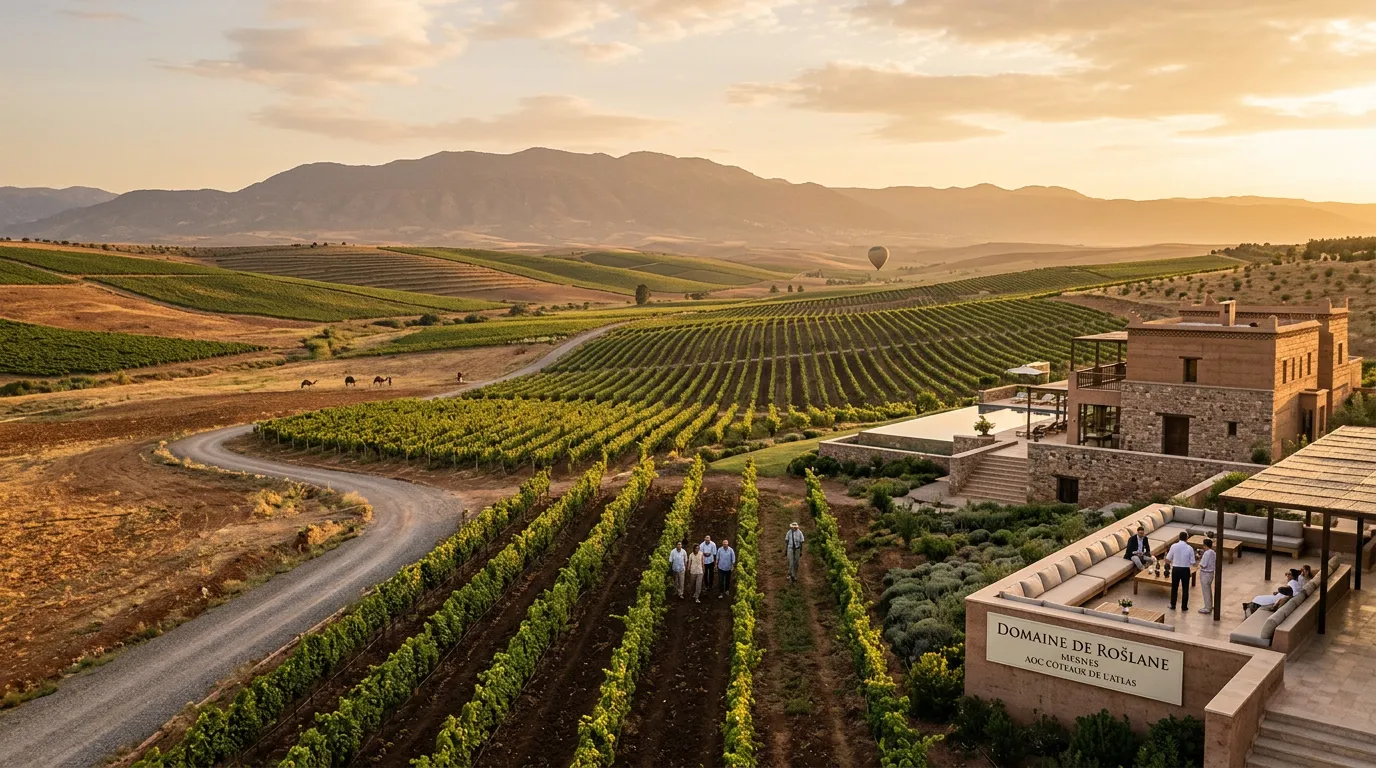
Morocco Wine Guide
Discover Morocco'sWine Heritage
From ancient Roman vineyards to modern award-winning estates, explore a winemaking tradition spanning two millennia. Taste bold Syrah, elegant Cabernet Sauvignon, and sun-kissed rose across five distinctive wine regions.
5
Wine Regions
30+
Wineries
2000+
Years of History
35M
Bottles/Year
An Unexpected Wine Destination
Morocco: Where Ancient Terroir Meets Modern Winemaking
Morocco surprises most visitors with its flourishing wine industry. As the second-largest wine producer in the Arab world and one of the oldest wine-producing regions on Earth, the country offers a wine tourism experience that combines ancient history, stunning landscapes, warm hospitality, and increasingly world-class wines.
The story begins with Phoenician traders who planted the first vines over 3,000 years ago, continues through the golden age of Roman winemaking at Volubilis, and picks up again with French protectorate-era plantings in the early 20th century. Today, a new generation of passionate Moroccan and Franco-Moroccan winemakers is crafting wines that regularly earn international medals and draw comparisons to the Rhone Valley, southern Spain, and the New World.
With approximately 45,000 hectares under vine and annual production exceeding 35 million bottles, Morocco is far more than a curiosity on the global wine map. It is a genuine wine destination waiting to be discovered.

Gold Medalsat Concours Mondial de Bruxelles & Vinalies Internationales
A Story 3,000 Years in the Making
The History of Moroccan Wine
From Phoenician traders to modern estate wineries, trace the remarkable journey of wine across Moroccan civilization.
1100 - 500 BCE
Phoenician Origins
Phoenician traders from present-day Lebanon established trading posts along the Moroccan coast, bringing grapevines and basic winemaking knowledge to North Africa.
40 BCE - 400 CE
Roman Golden Age
Under Roman rule, Volubilis became a major wine-producing center. Elaborate olive and wine presses have been excavated at the site. Moroccan wine was exported across the Roman Empire, and the Meknes region was recognized for its viticultural potential.
700 - 1912 CE
Islamic Period
The arrival of Islam brought religious prohibition on alcohol consumption, but grape cultivation continued for table grapes, raisins, and grape juice. Viticulture knowledge was preserved, particularly by Jewish and Christian communities in Morocco.
1912 - 1956
French Protectorate
French colonists planted extensive vineyards across Morocco, introducing Bordeaux and Rhone grape varieties and modern winemaking techniques. Production peaked at over 300,000 hectares of vineyards. Many of today's established wineries trace their origins to this period.
1956 - 1990s
Post-Independence Transition
After independence, many French winemakers departed and vineyards fell into neglect. The government maintained some production, but quality declined significantly. Morocco's wine industry entered a long dormant period.
1994 - Present
Modern Renaissance
A new generation of Moroccan and Franco-Moroccan winemakers began reinvesting in quality. Chateau Roslane and Val d'Argan were founded in 1994, marking the start of Morocco's wine renaissance. International varieties were replanted, modern cellars built, and Moroccan wines began winning international awards.
Terroir & Territory
Morocco's Wine Regions
Five distinct wine-growing regions, each with unique terroir, climate, and character. From the continental heights of the Atlas foothills to the Atlantic-kissed coastal plains.

Meknes-Fes (Saiss Plateau)
مكناسThe undisputed heart of Moroccan winemaking. The Saiss Plateau surrounding Meknes sits at 500-600 meters elevation with rich alluvial soils, continental climate, and significant diurnal temperature variation that produces wines of remarkable depth and complexity. Home to over 60% of Morocco's total wine production, the region draws natural parallels to the Rhone Valley and parts of southern Spain.
elevation
500-600m
soil
Clay-limestone, alluvial
climate
Semi-arid continental
grapes
Syrah, Cabernet Sauvignon, Merlot, Grenache
production
60% of national output
Notable wineries:Les Celliers de MeknesChateau RoslaneDomaine de la ZouinaVolubilia
Guerrouane
غروانMorocco's first Appellation d'Origine Garantie (AOG), established to protect and promote the quality of wines from this distinctive terroir between Meknes and Fes. The Guerrouane appellation covers rolling hills with calcareous clay soils and benefits from cooling Atlantic breezes that moderate the summer heat. Wines here tend toward elegance rather than power, with particularly impressive rose and lighter red wines.
elevation
400-550m
soil
Calcareous clay, limestone
climate
Mediterranean-continental
grapes
Cinsault, Carignan, Grenache, Cabernet Sauvignon
production
First AOG designation in Morocco
Notable wineries:Domaine Brahim ZniberVignobles de Guerrouane
Boulaouane
بولعوانLocated along the Oum Er-Rbia River in the Doukkala region south of Casablanca, Boulaouane is one of Morocco's oldest wine-producing areas. The region's proximity to the Atlantic coast provides natural humidity regulation and cooling sea breezes. The gris wine tradition here dates back centuries, and the famous Boulaouane Gris -- a pale, dry rose -- remains one of Morocco's most recognizable and widely exported wines. The ancient kasbah overlooking the river adds historical romance to any wine touring visit.
elevation
100-200m
soil
Sandy loam, alluvial
climate
Atlantic maritime
grapes
Cinsault, Grenache, Carignan
production
Famous for gris (rose) wines
Notable wineries:Boulaouane Estate
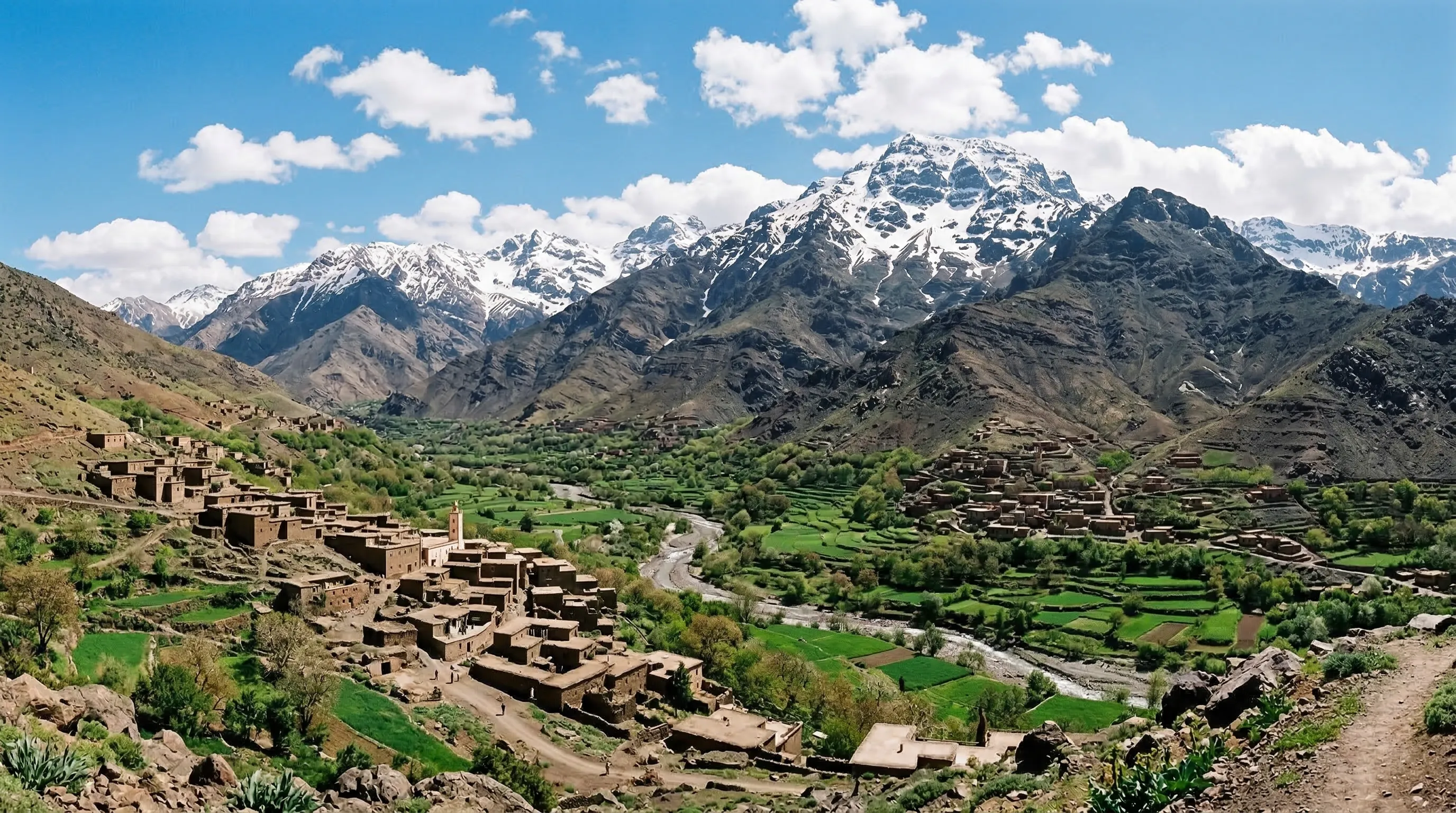
Atlas Foothills (Beni M'Tir & Zerhoun)
سفوح الأطلسThe dramatic landscapes where the Middle Atlas mountains begin their ascent provide some of Morocco's most exciting emerging wine terroirs. Higher elevations mean cooler nights and longer growing seasons, producing grapes with intense aromatics and balanced acidity. The volcanic and schist soils around Beni M'Tir and the limestone ridges near Zerhoun (close to the Roman ruins of Volubilis) create distinct mineral-driven wines that are attracting international attention from sommeliers and critics.
elevation
600-900m
soil
Volcanic, schist, limestone
climate
Continental with mountain influence
grapes
Syrah, Tempranillo, Viognier, Chardonnay
production
Premium boutique wines
Notable wineries:Domaine de la ZouinaVolubilia
Benslimane-Zenata
بن سليمانSituated between Casablanca and Rabat along the Atlantic coastal plain, the Benslimane-Zenata region benefits from the moderating influence of the ocean. The sandy-clay soils and consistent maritime breezes produce fresh, fruit-forward wines with bright acidity. This region has historically focused on large-volume production, but a new generation of winemakers is pushing toward premium quality. Its proximity to Casablanca and Rabat makes it the most accessible wine region for visitors based in Morocco's major cities.
elevation
100-300m
soil
Sandy clay, coastal alluvial
climate
Atlantic maritime
grapes
Cabernet Sauvignon, Merlot, Syrah, Sauvignon Blanc
production
Accessible from Casablanca and Rabat
Notable wineries:ThalvinLes Deux Domaines
Estate Profiles
Top Moroccan Wineries to Visit
From boutique estates to Africa's largest producer, these wineries welcome visitors with open cellars and generous hospitality.
#1
Domaine de la Zouina
Meknes / Atlas FoothillsEst. 2001
A partnership between Moroccan and French winemaking families, Domaine de la Zouina has rapidly become Morocco's most critically acclaimed boutique winery. Spread across 80 hectares of vines at 600 meters elevation on the Saiss Plateau, the estate benefits from the same terroir that drew Roman winemakers two millennia ago. French winemaker Christophe Doubre brings Bordeaux and Rhone expertise, while the Moroccan team contributes intimate knowledge of local soil and climate. Their flagship wines consistently earn medals at international competitions.
Signature Wines
Volubilia Red
Syrah-Cabernet Sauvignon blend
Dark fruit, leather, spice, long finish
Epicuria White
Viognier-Chardonnay
Stone fruit, floral, elegant minerality
Les Aureliens Rose
Grenache-Cinsault
Provence-style, dry, wild strawberry
Visitor Information
Tours
Daily vineyard and cellar tours with tasting
Duration
1.5-2 hours
Price
200-400 MAD per person
Booking
Advance reservation recommended
Dining
On-site restaurant with wine pairing menu
#2
Chateau Roslane
Meknes (Guerrouane AOG)Est. 1994
The crown jewel of Les Celliers de Meknes, Chateau Roslane is Morocco's answer to the grand chateaux of Bordeaux. The estate sprawls across 2,000 hectares of prime Guerrouane terroir, though only the finest parcels are selected for the Chateau Roslane label. The Bordeaux-trained winemaking team employs modern French techniques while respecting the unique character of Moroccan terroir. Barrel aging in French oak barrels for 12-18 months produces structured, age-worthy reds that have won gold medals at the Concours Mondial de Bruxelles and the Vinalies Internationales.
Signature Wines
Chateau Roslane Premier Cru
Cabernet Sauvignon-Merlot-Syrah
Blackcurrant, cedar, vanilla, velvety tannins
Chateau Roslane AOG Rouge
Cabernet Sauvignon-Syrah
Plum, black pepper, garrigue herbs
Chateau Roslane Blanc
Chardonnay-Sauvignon Blanc
Citrus, green apple, crisp minerality
Visitor Information
Tours
Guided estate tours with premium tasting flight
Duration
2-3 hours
Price
300-600 MAD per person
Booking
Required 48 hours in advance
Dining
Fine dining restaurant with seasonal Moroccan-French menu
#3
Val d'Argan
Essaouira (Atlantic Coast)Est. 1994
Morocco's most westerly winery and one of the most unexpected wine destinations in the country. Founded by Charles Melia, a French-Moroccan winemaker who saw potential in the Essaouira hinterland, Val d'Argan's 35 hectares of vines sit just 20 kilometers inland from the Atlantic coast. The maritime influence creates a unique microclimate with cool, foggy mornings and warm afternoons -- conditions that extend the growing season and develop intense aromatics in the grapes. The combination of argan tree-dotted landscapes, Atlantic breezes, and Berber culture makes visiting Val d'Argan a distinctly Moroccan wine experience unlike anything in Europe.
Signature Wines
Le Val d'Argan Rouge
Syrah-Marselan-Grenache
Red fruit, herbs, Atlantic salinity, medium body
Le Val d'Argan Blanc
Vermentino-Clairette
Sea breeze, white flowers, citrus zest
Gazelle de Mogador Rose
Cinsault-Grenache
Pale salmon, dry, melon and peach
Visitor Information
Tours
Vineyard walks, cellar tour, and coastal tasting
Duration
1.5-2 hours
Price
150-350 MAD per person
Booking
Walk-ins possible but reservation preferred
Dining
Terrace bistro with seafood and wine pairings
#4
Les Celliers de Meknes
MeknesEst. 1964
The largest and most historic wine producer in Morocco, Les Celliers de Meknes accounts for approximately 85% of the country's total wine output. Founded by Brahim Zniber, the company has grown from a modest post-independence venture into a wine empire encompassing multiple estates, brands, and appellations. While the volume brands (Guerrouane, Beau Vallon, Amazir) provide accessible everyday drinking, the premium tiers -- particularly Chateau Roslane and the single-vineyard selections -- compete seriously at international level. The main production facility in Meknes is one of the largest and most modern in Africa.
Signature Wines
Beauvallon Rouge
Carignan-Cinsault-Grenache
Approachable, cherry, soft tannins, everyday wine
Amazir
Cabernet Sauvignon-Merlot
Berber-inspired label, medium body, dark fruit
Guerrouane AOG
Regional blend
Terroir-driven, earthy, balanced
Visitor Information
Tours
Production facility tour and multi-brand tasting
Duration
2-3 hours
Price
150-300 MAD per person
Booking
Available Monday-Saturday, reservation required
Dining
Tasting room with charcuterie and cheese boards
#5
Volubilia
Meknes (Near Volubilis Ruins)Est. 2003
Named after the ancient Roman city of Volubilis -- where wine was produced over 2,000 years ago -- this estate beautifully connects Morocco's modern wine renaissance with its deep viticultural roots. Located just minutes from the UNESCO World Heritage Roman ruins, Volubilia's 70 hectares of vines grow in the same soils that nourished Roman vineyards. The winemaking philosophy blends traditional methods with modern precision: hand harvesting, gravity-fed processing, and aging in a combination of French and American oak. The estate's visitor center includes a small museum exploring the Roman wine heritage of the region.
Signature Wines
Volubilia Reserve
Syrah-Cabernet Sauvignon
Complex, dark fruit, tobacco, oak spice
Volubilia Blanc
Sauvignon Blanc-Viognier
Tropical, herbaceous, refreshing acidity
Volubilia Gris
Grenache-Cinsault
Classic Moroccan gris, copper-tinted, bone dry
Visitor Information
Tours
Combined winery and Roman ruins excursion
Duration
3-4 hours (with Volubilis ruins)
Price
250-500 MAD per person
Booking
Advance booking required, minimum 2 persons
Dining
Garden terrace with Roman-inspired Moroccan menu
The Grapes of Morocco
Key Grape Varieties
Predominantly French and Spanish varieties that have adapted beautifully to Morocco's warm, sun-drenched terroir over decades of cultivation.
Syrah
Origin: Rhone Valley, France
Morocco's star red grape. The warm days and cool nights of the Meknes plateau develop intense dark fruit flavors with the peppery spice that Syrah is known for. Moroccan Syrah tends to be fuller-bodied than Northern Rhone examples, closer to Australian Shiraz in richness but with a distinctly Mediterranean aromatic profile of garrigue herbs, leather, and dried violet.
Flavor Profile
BlackberryBlack pepperLeatherVioletSmoke
Pairs with:
Lamb tagine with prunes, mechoui, grilled merguez
Expanding rapidly -- now Morocco's most-planted premium red variety
Cabernet Sauvignon
Origin: Bordeaux, France
The king of Bordeaux thrives in Morocco's warm continental climate. Moroccan Cabernet Sauvignon tends toward ripe, concentrated expressions with softer tannins than classic Bordeaux, thanks to the abundant sunshine. The best examples, particularly from Chateau Roslane and the Guerrouane AOG region, show impressive structure and aging potential, developing complex secondary aromas of cedar, tobacco, and truffle after several years in bottle.
Flavor Profile
BlackcurrantCedarTobaccoGreen pepperVanilla
Pairs with:
Tangia marrakchia, beef kefta, aged cheese
Well established across all major regions
Merlot
Origin: Bordeaux, France
Often blended with Cabernet Sauvignon to add softness and plummy fruit, Merlot also appears as a varietal wine from several Moroccan producers. The grape performs particularly well in the slightly warmer, lower-elevation sites where it develops generous fruit without losing its characteristic velvet texture. Moroccan Merlot offers excellent value and approachability, making it a popular choice in restaurants and hotels.
Flavor Profile
PlumCherryChocolateHerbsVanilla
Pairs with:
Chicken pastilla, vegetable couscous, aged Gouda
Significant plantings across Meknes and Benslimane
Grenache
Origin: Aragon, Spain
Historically one of Morocco's most important grape varieties, Grenache is particularly suited to the hot, dry conditions and is the backbone of many traditional Moroccan wines and the famous gris rose style. It brings warmth, ripe red fruit, and generous body to blends. As a varietal, Moroccan Grenache delivers sun-drenched raspberry and strawberry flavors with subtle white pepper and herbal notes.
Flavor Profile
RaspberryStrawberryWhite pepperHerbsOrange peel
Pairs with:
Moroccan salads, bastilla, grilled sardines
Widely planted, essential for rose production
Cinsault
Origin: Southern France
The unsung hero of Moroccan winemaking. Cinsault has been grown in Morocco since the French protectorate era and is perfectly adapted to the climate. It produces the light, fresh, easy-drinking wines and gris roses that Moroccans consume in the greatest volume. While rarely celebrated as a prestige grape, Cinsault is indispensable in Moroccan winemaking, providing the aromatic lift and fresh acidity that balance the richer varieties in blends.
Flavor Profile
Red cherryPeachRose petalAlmondFresh herbs
Pairs with:
Seafood, zaalouk, briouats, light appetizers
Morocco's most widely planted grape variety
White & Emerging Varieties
While Morocco is predominantly a red wine country, white varieties are gaining ground. Chardonnay and Sauvignon Blanc perform well in cooler Atlas foothill sites, while Viognier produces aromatic, full-bodied whites. Vermentino and Clairette are found at Val d'Argan near Essaouira, benefiting from the Atlantic climate. Tempranillo, the great Spanish grape, is an exciting new addition being trialed at several estates, reflecting Morocco's Iberian connection.
The Perfect Match
Moroccan Wine & Food Pairings
Moroccan cuisine's complex spice profiles, sweet-savory balance, and rich tagine traditions create extraordinary pairing opportunities with local wines.
Lamb Tagine with Prunes & Almonds
Moroccan Syrah or Syrah-Grenache blend
The dark fruit and spice of Syrah mirrors the sweetness of the prunes while the tannins cut through the rich lamb. The peppery finish echoes the warming spices of the tagine.
Try at: Al Fassia, Marrakech
Chicken Pastilla (B'stilla)
Chateau Roslane Blanc or a Moroccan Chardonnay
The buttery richness of Chardonnay complements the flaky warqa pastry, while the wine's acidity cuts through the layers of almonds and cinnamon-sugar. The subtle sweetness of pastilla needs a wine that won't overwhelm the delicate balance.
Try at: Dar Hatim, Fes
Grilled Sardines with Chermoula
Val d'Argan Blanc or Moroccan Sauvignon Blanc
The herbaceous, citrus-driven white wine mirrors the cilantro and lemon in chermoula. The wine's acidity lifts the oily richness of the sardines, and if from Essaouira, you get a poetic terroir match -- coastal fish with coastal wine.
Try at: Port de peche, Essaouira
Mechoui (Slow-Roasted Whole Lamb)
Volubilia Reserve or Cabernet Sauvignon-Merlot blend
Mechoui's intense, smoky-tender lamb needs a wine of equal stature. The structured tannins and dark fruit of a premium Moroccan red stand up to the richness while the oak-derived smoke notes create harmony.
Try at: Mechoui Alley, Marrakech
Vegetable Couscous (Seven Vegetables)
Moroccan Rose (Gris) or light Grenache-Cinsault
The delicate broth and steamed vegetables call for a wine that won't dominate. A pale, dry Moroccan gris provides refreshment and subtle fruit without overpowering the gentle flavors.
Try at: La Sqala, Casablanca
Tangia Marrakchia
Chateau Roslane Premier Cru or bold Cabernet-Syrah blend
This intensely flavored slow-cooked beef dish with preserved lemons, saffron, and smen (aged butter) demands a powerful, complex wine. The wine's tannins tame the richness while its fruit complements the umami depth.
Try at: Chez Lamine, Marrakech
Moroccan Salads (Zaalouk, Taktouka, Carrot)
Dry Moroccan Rose or crisp white blend
The array of flavors in a traditional Moroccan salad course -- smoky eggplant, sweet tomato, cumin-spiced carrot -- pairs beautifully with a versatile, food-friendly rose that can bridge all the different tastes.
Try at: Any traditional Moroccan restaurant
Seafood Tagine (Fish with Chermoula)
Moroccan Viognier or Vermentino
The aromatic, slightly floral character of Viognier harmonizes with the cumin and paprika in the tagine sauce, while the wine's body handles the richness of the slow-cooked fish. A genuinely exciting pairing.
Try at: Le Relais de Paris, Casablanca
General Pairing Principles for Moroccan Cuisine
Spice-Friendly Reds
Syrah and Grenache handle cumin, ras el hanout, and harissa heat beautifully. Avoid very tannic wines with chili-heavy dishes.
Sweet-Savory Balance
Dishes with dried fruit or honey (pastilla, lamb with prunes) pair best with wines that have ripe fruit and a touch of residual warmth.
Rose Versatility
Dry Moroccan rose (gris) is the most versatile pairing for a mixed Moroccan table. When in doubt, order rose.
Coastal Matches
Seafood dishes from Essaouira and the coast call for white wines or light roses. The Atlantic influence in coastal wines creates natural harmony.
Curated Experiences
Wine Tasting Tours
From half-day tastings to multi-day wine safaris, these curated tours bring Morocco's wine country to life with expert guides and insider access.
Meknes Grand Cru Circuit
Full day (8-10 hours)2-8 guests
The definitive Moroccan wine tour. Depart from Meknes or Fes to visit three premier wineries: Chateau Roslane, Domaine de la Zouina, and Volubilia. Includes guided tastings at each estate, a gourmet lunch with wine pairings, and a stop at the Roman ruins of Volubilis. The route traverses the heart of Moroccan wine country through olive groves, wheat fields, and vineyard-covered hills.
Tour Includes
Hotel pickup/drop-off
Three winery visits
Lunch with wine pairing
Volubilis ruins entrance
English-speaking guide
Price
1,200-2,500 MAD per person
Best Season
September-November (harvest season)
Essaouira Coastal Wine & Argan Experience
Half day (4-5 hours)2-12 guests
Combine Atlantic coastal charm with wine at Val d'Argan winery. The tour departs from Essaouira, passing through argan forests and Berber villages before reaching the vineyard. After a vineyard walk and cellar tour, enjoy a tasting paired with local goat cheese and argan oil bread. On the return, stop at an argan oil cooperative for the full Essaouira terroir experience.
Tour Includes
Essaouira hotel pickup
Val d'Argan tour and tasting
Argan oil cooperative visit
Light snacks
Guide
Price
600-1,200 MAD per person
Best Season
Year-round (mild coastal climate)
Volubilis Heritage Wine & History Tour
Half day (5-6 hours)2-6 guests
A journey through 2,000 years of Moroccan winemaking. Begin at the UNESCO World Heritage Roman ruins of Volubilis, where your guide explains the ancient olive presses and wine production facilities visible in the archaeological site. Then drive to the nearby Volubilia winery to taste wines made from vines growing in the same soil that nourished Roman vineyards. The connection between ancient and modern is visceral and unforgettable.
Tour Includes
Transport from Meknes
Volubilis guided tour
Volubilia winery tour and tasting
Artisanal lunch
History booklet
Price
800-1,500 MAD per person
Best Season
March-May and September-November
Private Luxury Wine Safari
2-3 days2-4 guests
The ultimate Moroccan wine experience for serious oenophiles. A private, chauffeur-driven tour visiting five to seven wineries across multiple regions, with overnight stays at luxury wine estates and riads. Includes private tastings with winemakers, barrel sampling of unreleased wines, sommelier-guided dinners, and a customized itinerary based on your wine preferences. This is how Morocco's wine insiders experience the country.
Tour Includes
Luxury 4x4 transport
5-7 private winery visits
Boutique riad accommodations
Winemaker dinners
Sommelier guide
All meals with wine
Price
8,000-20,000 MAD per person
Best Season
September-October (harvest participation available)
Where to Drink
Best Restaurants for Moroccan Wine
Restaurants across Morocco that champion local wines with curated lists, knowledgeable staff, and menus designed for pairing.
Marrakech
La Table du Riad at Riad 72
An intimate fine dining experience in a beautifully restored riad with one of Marrakech's most thoughtful Moroccan wine lists. The sommelier is passionate about promoting local wines.
500-900 MAD per person
Extensive Moroccan wine list with rare vintages
Marrakech
Le Jardin
Hidden garden restaurant in the Medina with a modern Moroccan menu. Excellent selection of Moroccan wines by the glass, making it perfect for exploring different producers.
300-600 MAD per person
Wines by the glass, garden terrace ambiance
Fes
Nur
Contemporary Moroccan cuisine in a stunning Fes riad. The chef works closely with local wineries to create bespoke pairings for the seasonal tasting menu.
600-1,200 MAD per person
Tasting menus with wine pairing flights
Casablanca
La Sqala
Set inside an 18th-century Portuguese bastion, La Sqala serves classic Moroccan-French cuisine in a romantic garden setting. The wine list favors Moroccan reds from Meknes.
300-600 MAD per person
Strong Moroccan red selection, historical setting
Meknes Region
Restaurant at Domaine de la Zouina
Dine among the vines at this estate restaurant offering a farm-to-table menu designed to showcase the winery's entire portfolio. The harvest dinner series is legendary.
400-800 MAD per person
Complete estate portfolio, vineyard views
Casablanca
Le Relais de Paris
Classic French brasserie with an extensive cellar that champions Moroccan wines alongside French imports. Excellent wine flight options for comparison tasting.
400-900 MAD per person
Morocco vs. France comparison flights
Celebrate
Wine Festivals & Events
Time your visit to coincide with Morocco's growing calendar of wine events, from grand festivals to intimate harvest experiences.
Festival des Vins du Maroc
MeknesOctober (during harvest season)
Morocco's premier wine festival brings together producers from across the country for three days of tastings, masterclasses, vineyard tours, and gala dinners. The festival takes place at various estates around Meknes and attracts international wine journalists, sommeliers, and enthusiasts.
Highlights
Grand tasting with 50+ producers
Winemaker masterclasses
Vineyard harvest participation
Gala dinner with live Andalusian music
Salon du Vin de Casablanca
CasablancaNovember
An urban wine salon held in Casablanca's modern conference facilities. More trade-focused than the Meknes festival, this event is where new vintages are unveiled to the hospitality industry, but it also opens to the public for weekend tasting sessions.
Highlights
New vintage launches
Industry networking
Public tasting weekends
Wine and gastronomy workshops
Essaouira Wine & Music Weekend
EssaouiraJune (alongside Gnaoua Festival)
A satellite event during Essaouira's famous Gnaoua World Music Festival, bringing Val d'Argan and guest wineries into the medina for pop-up wine bars and food pairing events. The collision of Gnaoua music and Moroccan wine creates a uniquely atmospheric experience.
Highlights
Pop-up wine bars in the medina
Music and wine pairing evenings
Beach sunset tastings
Val d'Argan special releases
Harvest Experience Events
Various estatesLate August - October
Individual wineries host their own harvest events, inviting visitors to participate in grape picking, crushing, and the first stages of winemaking. Domaine de la Zouina, Chateau Roslane, and Volubilia all offer harvest day programs with varying levels of hands-on involvement.
Highlights
Hands-on grape picking
Traditional foot crushing
First-press juice tasting
Harvest dinner under the stars
Know Before You Go
Practical Tips for Wine Tourists
Essential advice for navigating Morocco's wine scene with respect, confidence, and maximum enjoyment.
Purchasing Wine
Wine is available at licensed supermarkets (Carrefour, Marjane, Acima), specialist wine shops, and hotel restaurants throughout major cities.
Prices range from 40-80 MAD for everyday wines (Beauvallon, Guerrouane) to 200-500 MAD for premium estate wines (Chateau Roslane, Volubilia Reserve).
The best selection is found in Casablanca, Rabat, Marrakech, and Meknes. Smaller cities and rural areas have limited availability.
Buy directly from wineries when visiting for the best prices and exclusive wines not available in shops.
Wine shops may close during Ramadan or reduce hours. Hotel bars and international restaurants typically continue to serve.
Cultural Sensitivity
Morocco is a Muslim-majority country where alcohol is legally permitted but culturally sensitive. Drink respectfully and discreetly.
Never drink alcohol in public spaces, near mosques, or during the call to prayer. Consumption should be in licensed establishments, private homes, or winery premises.
During Ramadan, be especially discreet about alcohol consumption. Many restaurants stop serving alcohol during the holy month, though hotels and licensed establishments typically continue.
Do not offer alcohol to Moroccan hosts unless you are certain they drink. Many Moroccans abstain for religious reasons.
In conservative rural areas, it is best to limit wine consumption to your hotel or riad.
Moroccan winery workers and winemakers are generally cosmopolitan and comfortable discussing wine openly.
Customs & Transport
You may export up to 1 bottle of wine per person duty-free when leaving Morocco. Check your destination country's import limits.
Wine purchased at wineries can usually be packed and shipped internationally for a fee. Ask about export services.
If renting a car for wine tours, Morocco has strict zero-tolerance drink-driving laws. Use a designated driver or hire a tour driver.
Major airports (Casablanca, Marrakech, Fes) have duty-free shops with limited Moroccan wine selections.
Pack wine in checked luggage wrapped in clothing. Consider purchasing a wine carrier if visiting multiple estates.
Best Time to Visit
Harvest season (late August to October) is the most exciting time, with estates buzzing with activity and special events.
Spring (March to May) offers beautiful green vineyards, wildflowers, and pleasant touring weather.
Summer (June to August) is very hot in the Meknes region (35-42 degrees Celsius). Visit early morning or switch to coastal Val d'Argan.
Winter (November to February) is quiet at most estates but still possible to visit. Meknes can be cold and rainy.
Avoid major Islamic holidays when many establishments may be closed or operating on reduced schedules.
Important: Drink-Driving Laws
Morocco enforces strict drink-driving laws with a near zero-tolerance blood alcohol limit (0.02%). Penalties include heavy fines, license suspension, and imprisonment. If you plan to visit multiple wineries in a day, always hire a driver, join an organized tour, or designate a non-drinking driver. This is non-negotiable -- the consequences are severe and the mountain roads around Meknes demand full attention.
Getting There
How to Reach Morocco's Wine Country
Fes-Saiss Airport (FEZ)
Meknes Wine Region
60 km / 45 minutes
The nearest airport to the main Meknes wine region. Direct flights from major European cities. Hire a car at the airport or arrange a transfer to Meknes city, which serves as the base for wine touring.
Marrakech Menara Airport (RAK)
Day trips to Atlas wineries
Varies by estate
Morocco's busiest tourist airport. While the main wine regions are further north, many tour operators run multi-day wine trips departing from Marrakech. Val d'Argan near Essaouira is accessible as a day trip.
Casablanca Mohammed V Airport (CMN)
Benslimane & All regions
Hub airport
Morocco's main international hub with the most connections. The Benslimane wine region is just 45 minutes from the airport. Excellent train connections to Meknes (3 hours) for onward wine touring.
Travel by Train: ONCF Rail Network
Morocco's national rail service (ONCF) connects Casablanca, Rabat, Meknes, and Fes with frequent, comfortable trains. The Casablanca-Meknes route takes approximately 3 hours and costs 130-200 MAD in first class. From Meknes train station, taxis and hired drivers can reach the major wineries in 20-40 minutes. This is an excellent option for visitors who want to avoid driving and enjoy the scenery.
Visual Journey
Scenes from Morocco's Wine Country
Common Questions
Frequently Asked Questions
QIs wine legal in Morocco?
Yes. Morocco produces, sells, and exports wine legally. As a Muslim-majority country, alcohol is culturally sensitive but legally permitted for non-Muslims and many Moroccans. Wine is available in licensed restaurants, hotels, supermarkets, and at wineries themselves.
QDo I need to book winery visits in advance?
Strongly recommended for most estates. Major wineries like Chateau Roslane and Domaine de la Zouina require 24-48 hours advance booking. Val d'Argan sometimes accepts walk-ins. During harvest season (September-October), booking well in advance is essential as tours fill up quickly.
QWhat is the average cost of a wine tasting?
Basic tastings range from 100-200 MAD (approximately $10-20 USD). Premium tastings with food pairings cost 300-600 MAD. A full-day guided tour covering multiple wineries typically runs 1,200-2,500 MAD per person including transport and lunch.
QCan I visit wineries without joining a tour?
Yes, if you have a rental car and a designated non-drinking driver. Most estates around Meknes are within 20-40 minutes of the city center. However, organized tours are recommended for first-time visitors because the wineries can be hard to find, signage is limited, and having a guide enhances the experience enormously.
QWhat is Moroccan gris wine?
Gris is a traditional Moroccan rose style, particularly associated with Boulaouane. It's made from red grapes (typically Cinsault and Grenache) using very short skin contact, producing a pale, copper-tinted, dry wine. It's Morocco's most popular wine style and pairs beautifully with the local cuisine.
QHow does Moroccan wine compare to French or Spanish wine?
Moroccan wines are often compared to Southern Rhone and Spanish Priorat styles -- warm-climate wines with ripe fruit, moderate acidity, and generous body. The best Moroccan wines (Chateau Roslane Premier Cru, Volubilia Reserve) can stand alongside mid-range Chateauneuf-du-Pape or Priorat at a fraction of the price. They offer exceptional value.
QIs it appropriate to discuss wine openly in Morocco?
In tourist areas, hotels, licensed restaurants, and at wineries, absolutely. Moroccans in the hospitality and wine industry are cosmopolitan and happy to discuss wine. However, avoid discussing wine or alcohol consumption with religious strangers, in conservative rural areas, or near mosques. Read the room and be respectful.
QCan I buy Moroccan wine abroad?
Moroccan wine is exported to France, Belgium, Canada, the US, and several other countries, but availability varies greatly. Boulaouane Gris and Beauvallon are the most widely distributed export brands. Premium estate wines are harder to find abroad, which is another compelling reason to taste them at the source.
Ready to Explore Morocco's Wine Country?
Plan your wine tourism adventure across Morocco. Combine vineyard visits with ancient Roman ruins, Atlas Mountain scenery, and the culinary treasures of Meknes and Fes.