Discovering...
Nightlife Guide
Morocco Nightlife:
Bars, Clubs & Live Music
From lantern-lit rooftop bars above ancient medinas to world-class nightclubs with international DJs and Gnawa rhythms on Atlantic terraces. The complete guide to going out after dark in Morocco.
Morocco After Dark: What to Expect
Morocco's nightlife defies the expectations most visitors arrive with. This is a Muslim-majority country with deep religious traditions, but it is also a place where rooftop cocktail bars glow above ancient medinas, world-class DJs play to packed nightclubs until 4:00 AM, and Gnawa musicians channel centuries of spiritual tradition through hypnotic live performances. The scene is growing more sophisticated every year, and genuinely different from anything in Europe or the Americas.
Each city offers a different after-dark experience. Marrakech is the glamour capital with rooftop bars and mega-clubs. Casablanca has the most cosmopolitan scene with wine bars, jazz clubs, and underground DJ nights. Tangier channels bohemian literary heritage through atmospheric bars overlooking the Mediterranean. Agadir is beach-party energy. Essaouira is the soul of Morocco's music scene. And Rabat surprises with refined jazz bars and wine lounges. This guide covers venues, alcohol laws, dress codes, safety tips, late-night dining, Jemaa el-Fnaa after dark, cultural shows, costs, and FAQs.
Nightlife by City
Every Moroccan city has its own after-dark personality. Here is what to expect in each major destination.
Venue availability and prices vary by season. Seasonal pricing can change during peak months.

Marrakech
Glamorous, International, Rooftop Culture
From 50 MAD (beer) to 150 MAD (cocktails)Peak: Thursday, Friday, Saturday
Marrakech is the undisputed nightlife capital of Morocco. The scene revolves around glamorous rooftop bars with Atlas Mountain views, high-energy nightclubs that book international DJs, and intimate cocktail lounges hidden inside restored riads. The city draws a cosmopolitan crowd of tourists, expats, and wealthy Moroccans, creating an atmosphere unlike anywhere else in North Africa. Start the evening on a lantern-lit rooftop above Jemaa el-Fnaa, then move to the Hivernage district where clubs pulse until 4:00 AM.
Top Venues
Le Salama Rooftop - iconic medina views, cocktails, weekend DJs
Theatro Marrakech - former theater turned mega-club, world-class DJs
Barometre - craft cocktail bar in Gueliz, creative mixology
Cafe Arabe - rooftop terrace, Moroccan-Italian fusion, excellent wine list
So Lounge (Sofitel) - upscale lounge with live music and premium spirits
Best areas: Hivernage (clubs), Gueliz (bars), Medina (rooftop bars)
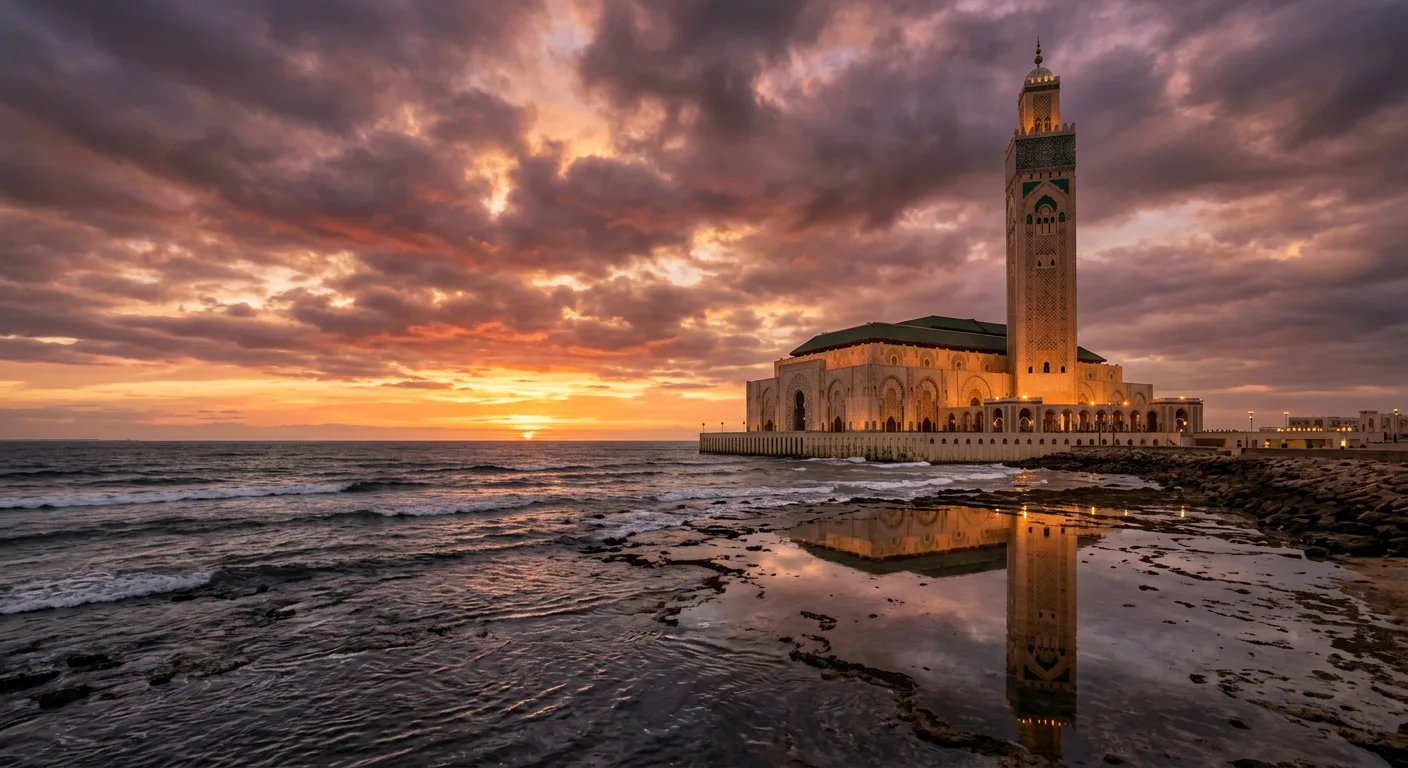
Casablanca
Cosmopolitan, Urban, Underground
From 40 MAD (beer) to 130 MAD (cocktails)Peak: Wednesday, Thursday, Friday
Casablanca has Morocco's most diverse bar and club scene, driven by a sophisticated local crowd of young professionals rather than tourists. Sleek hotel rooftop lounges with Atlantic Ocean views sit alongside underground DJ nights and live jazz bars. The Corniche along the coast and the Maarif district downtown are the two main nightlife zones. Casablanca starts later and finishes later than other Moroccan cities. The city's wine bars and jazz clubs rival anything you would find in a European capital.
Top Venues
Sky 28 (Twin Center) - highest rooftop bar in Morocco, panoramic views
Le Cabestan - oceanfront restaurant and lounge on the Corniche
La Bodega - lively tapas bar with Latin music and sangria
L'Atelier du Vin - sophisticated wine bar with Moroccan and French selections
Ain Diab beach clubs - cluster of nightclubs along the coast
Best areas: Corniche / Ain Diab (beach clubs), Maarif (downtown bars)
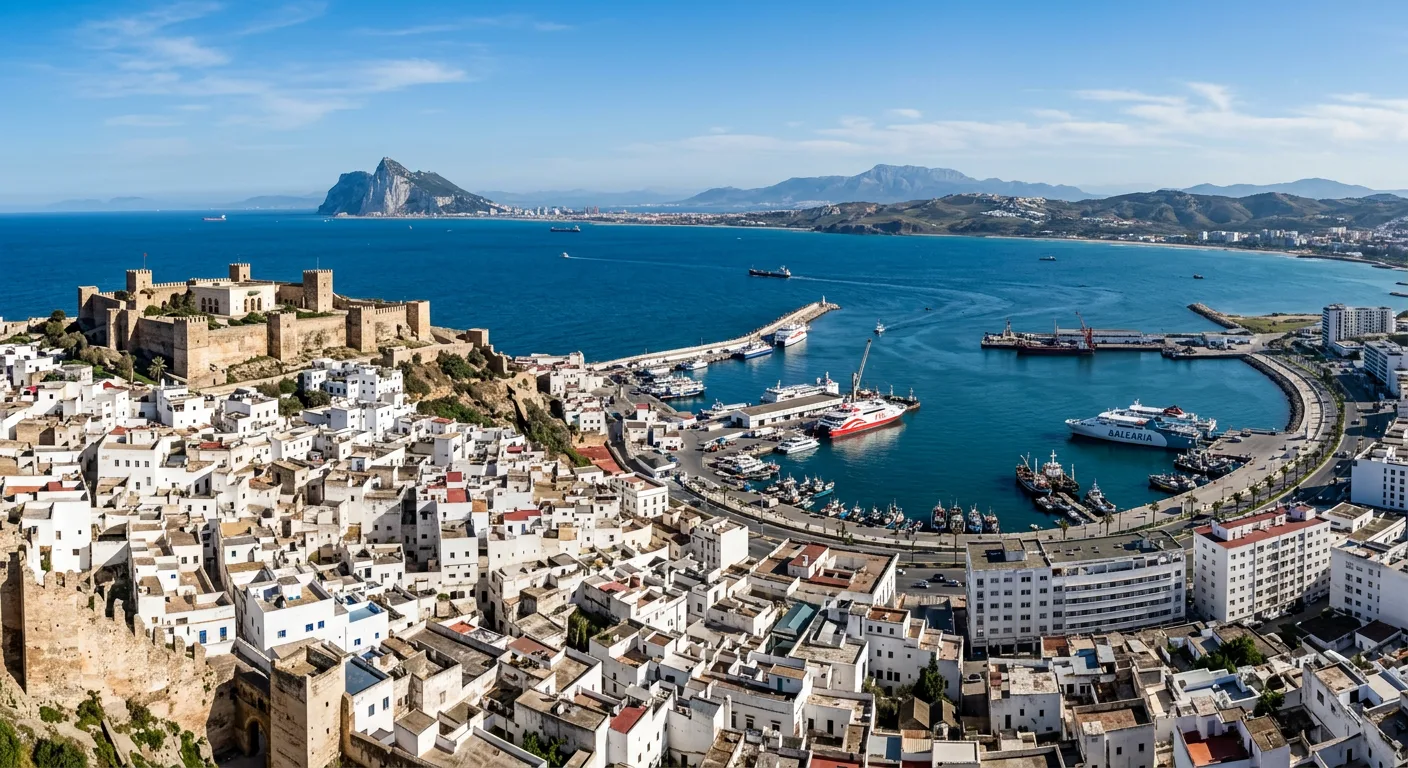
Tangier
Bohemian, Literary, Mediterranean Chic
From 35 MAD (beer) to 120 MAD (cocktails)Peak: Thursday, Friday, Saturday
Tangier has a legendary nightlife heritage. This was the city of Paul Bowles, William Burroughs, and the Beat Generation, where artists drank absinthe in smoky bars overlooking the Strait of Gibraltar. Today, new cocktail bars and rooftop lounges sit alongside historic literary haunts in the old kasbah. The Mediterranean coast provides a stunning backdrop for sunset drinks. The crowd is an intriguing mix of Moroccan creatives, Spanish visitors from across the strait, and international artists drawn by the city's bohemian history.
Top Venues
El Morocco Club - elegant cocktail bar in a restored medina mansion
Cafe Hafa - legendary cliffside terrace, the Rolling Stones drank tea here
Le Salon Bleu - atmospheric rooftop bar with kasbah and sea views
La Terrasse des Paresseux - sunset drinks overlooking the port
Numero Uno - modern cocktail lounge in the new city
Best areas: Kasbah (rooftop bars), Ville Nouvelle (modern bars)
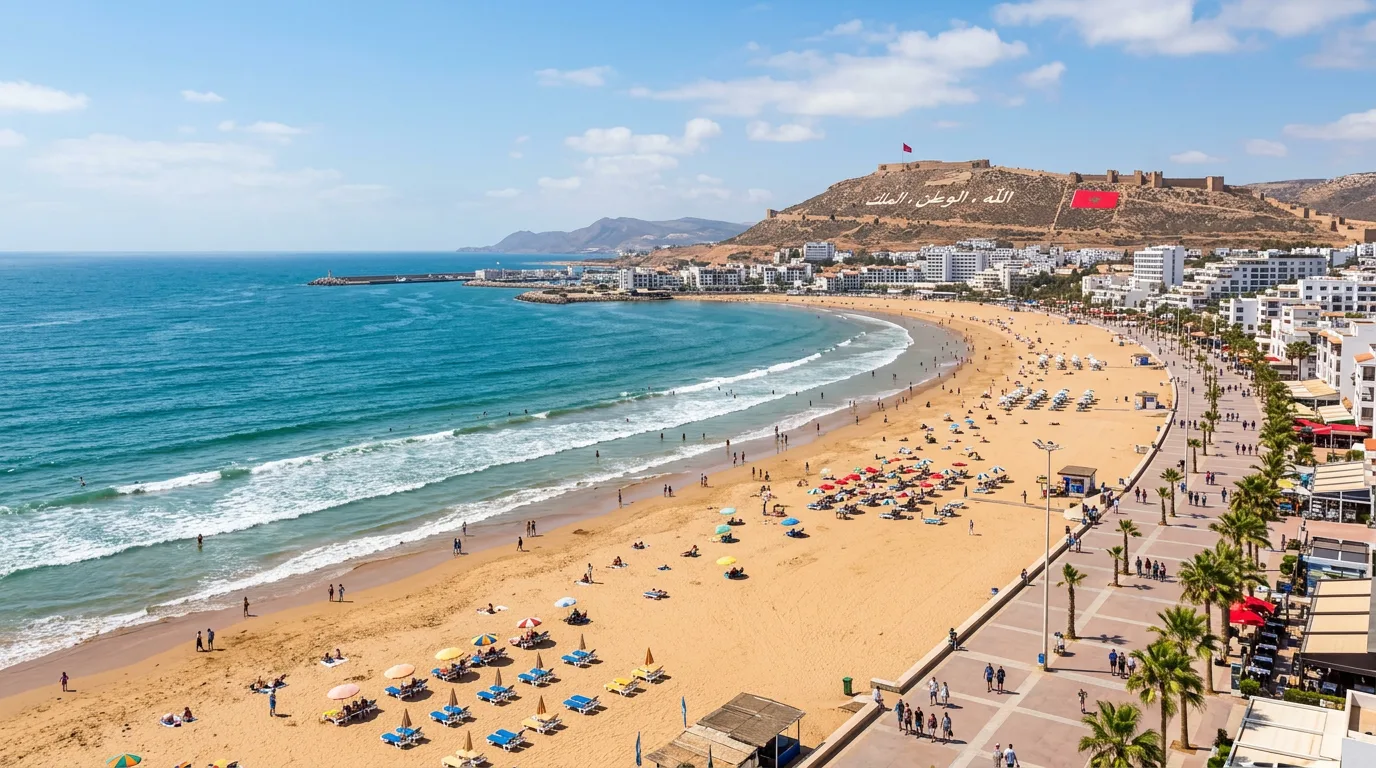
Agadir
Beachfront, Resort, All-Night Parties
From 30 MAD (beer) to 100 MAD (cocktails)Peak: Thursday, Friday, Saturday
Agadir is Morocco's beach party capital. Rebuilt after the 1960 earthquake, the city has a modern resort feel with a long Atlantic beach lined with hotels, restaurants, and nightlife venues. Beach clubs play music through the afternoon into sunset, then the action shifts to the clubs in the Secteur Touristique that go until dawn. European charter tourists, young Moroccans from the south, and surfers create a fun, unpretentious crowd. Agadir has Morocco's most relaxed and permissive nightlife atmosphere.
Top Venues
Papagayo - large nightclub on the beach strip, resident DJs
So Lounge Agadir - upscale beach club to nightclub transition
English Pub - lively expat bar with live sport and pool tables
Jour et Nuit - popular local nightclub with mixed music
Beach clubs along Chemin des Dunes - sunset cocktails on the sand
Best areas: Secteur Touristique (main strip), Chemin des Dunes (beach clubs)
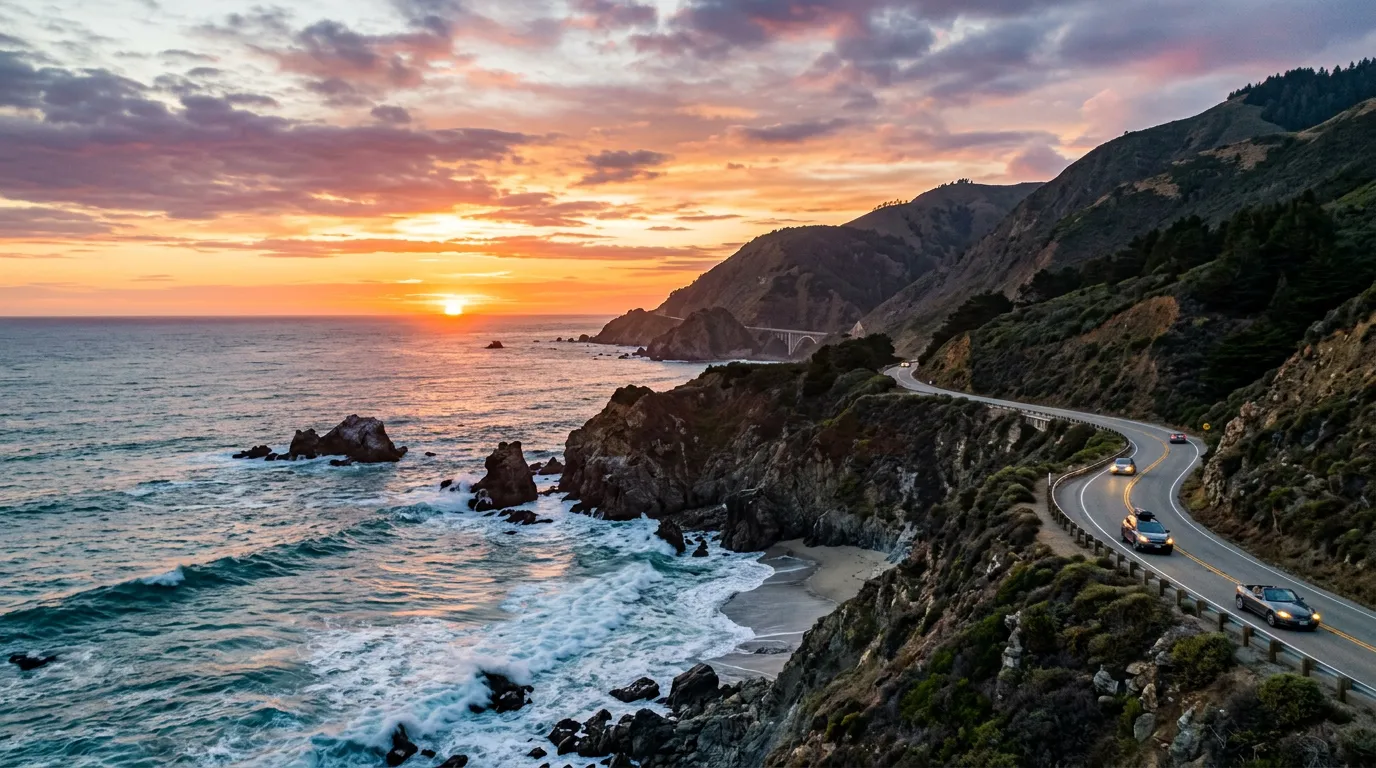
Essaouira
Live Music, Bohemian, Laid-Back
From 30 MAD (beer) to 90 MAD (cocktails)Peak: Friday, Saturday (June festival is every night)
Essaouira is not about nightclubs. This windswept coastal town is the spiritual home of Gnawa music, a hypnotic fusion of sub-Saharan African rhythms, Berber traditions, and Sufi mysticism. Nightlife centers on live music in intimate venues, rooftop bars above the medina walls, and casual beachfront gatherings. The annual Gnawa World Music Festival (June) transforms the entire town into an open-air concert. Year-round, Gnawa musicians perform in small restaurants and riads. This town attracts musicians, surfers, and travelers who prefer culture and authenticity over bottle service.
Top Venues
Taros Cafe - rooftop bar overlooking the port, live music nightly
Gnawa music venues - small medina restaurants with nightly performances
Beach bonfires - informal gatherings with drums and guitars at sunset
Le Patio - courtyard wine bar in a restored riad
Ocean Vagabond - beachfront cafe with sunset cocktails and live music
Best areas: Medina (rooftop bars), Port area (Taros), Beach (sunset)
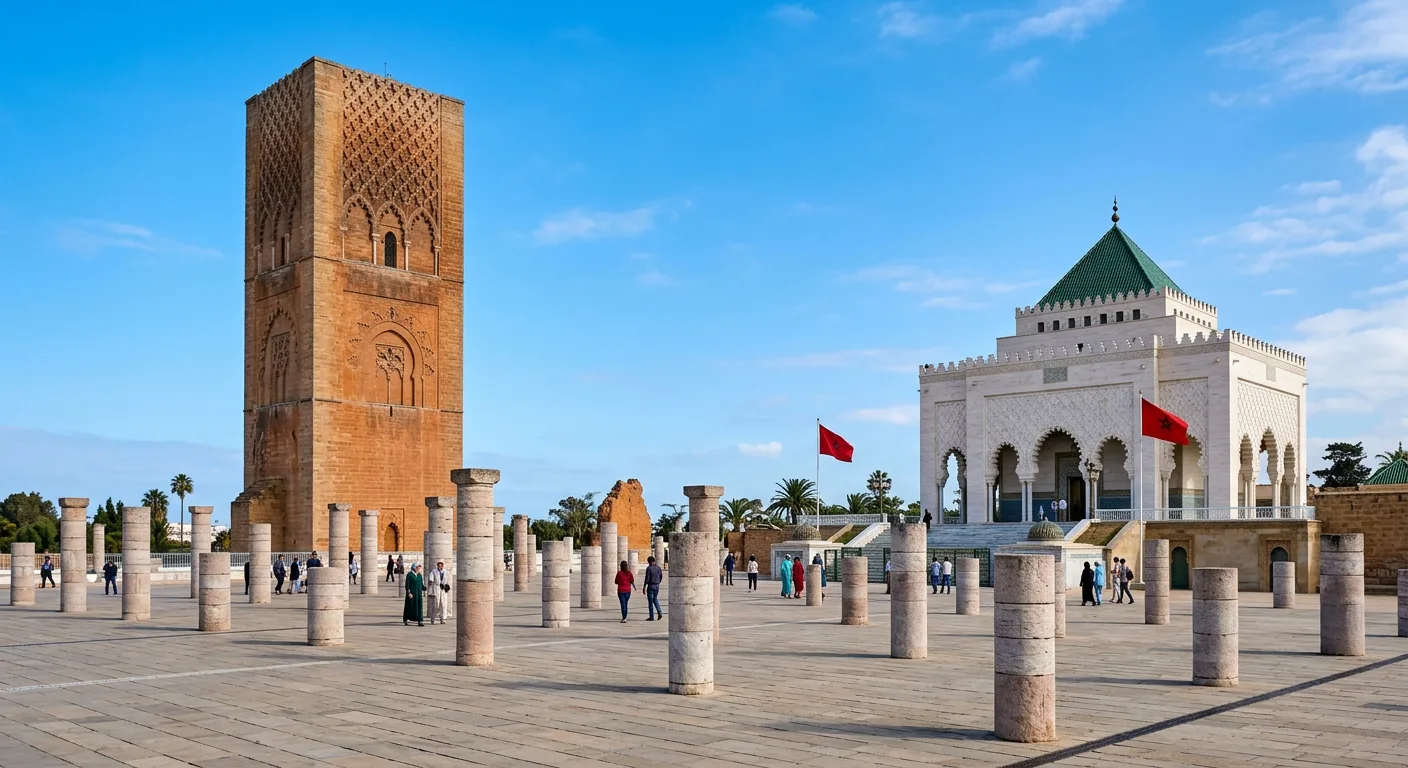
Rabat
Refined, Jazz-Focused, Cultural Capital
From 35 MAD (beer) to 110 MAD (cocktails)Peak: Thursday, Friday
Rabat, Morocco's capital, has a quieter but more refined after-dark scene. The city is known for jazz bars, wine lounges, and cultural events rather than thumping nightclubs. The Agdal and Hassan neighborhoods have upscale cocktail spots frequented by diplomats and government officials. Rabat hosts the Jazzablanca-affiliated jazz nights and the annual Mawazine festival (June), one of the largest music festivals in Africa. The pace is slower than Marrakech or Casablanca, but the quality is high and the crowds are discerning.
Top Venues
Le Dhow - floating restaurant and lounge on the Bou Regreg river
Hotel La Tour Hassan bar - elegant hotel lounge, classic cocktails
Amnesia Club - one of Rabat's few dedicated nightclubs
Villa Mandarine bar - boutique hotel garden bar with live jazz evenings
Cafe Maure (Kasbah des Oudaias) - sunset tea terrace above the river
Best areas: Agdal (lounges), Hassan (hotel bars), Kasbah des Oudaias (sunset)
Best Rooftop Bars in Morocco
Lantern-lit terraces above ancient medinas, mountain sunsets, and cocktails crafted with local ingredients. The signature Morocco nightlife experience.
Le Salama
Marrakech
From 80 MAD per cocktail
Perched above Jemaa el-Fnaa, Le Salama is the most famous rooftop bar in Morocco. The terrace offers a panoramic view of the square's nightly spectacle, the Koutoubia minaret, and the Atlas Mountains. Brass lanterns, low seating, and live DJ sets on weekends. Arrive before sunset to secure the best table.
Sky 28
Casablanca
From 100 MAD per cocktail
On the 28th floor of the Twin Center, Sky 28 is Morocco's highest bar. 360-degree views of Casablanca's skyline and the Atlantic. Sleek interior, cocktail menu rivaling European capitals. Dress code enforced. Best on clear evenings when city lights stretch to the horizon.
Le Salon Bleu
Tangier
From 60 MAD per cocktail
Restored kasbah mansion with a rooftop terrace overlooking the Strait of Gibraltar. On clear evenings, Spain is visible across the water. Blue and white tilework, candlelit tables, Moroccan-inspired cocktails with fresh mint and orange blossom.
Cafe Arabe
Marrakech
From 70 MAD per cocktail
Multi-level restaurant and bar in the Marrakech medina with a rooftop sweeping to the Koutoubia and Atlas. Excellent Moroccan wine list. More refined and less party-focused than Le Salama, ideal for a sophisticated evening drink and real conversation.
Taros Cafe
Essaouira
From 50 MAD per cocktail
Essaouira's most iconic bar above the old port. The rooftop catches Atlantic breezes with sunset views that draw visitors back nightly. Live Gnawa, jazz, and acoustic performances. Bohemian, welcoming, distinctly Essaouiran. Come for sunset, stay for the music.
Le Dhow
Rabat
From 70 MAD per cocktail
Traditional dhow boat converted into a floating bar on the Bou Regreg river between Rabat and Sale. Open deck views of both cities as the sun sets behind the Kasbah des Oudaias. Cocktails, Moroccan wines, and seafood. Completely unique in Morocco.
Jemaa el-Fnaa After Dark
Morocco's most famous night spectacle requires no drinks. The UNESCO-recognized square transforms every evening into an open-air carnival of food, music, and performance.
Food Stalls
After sunset, over 100 food stalls set up in the square. Grilled meats, snail soup, harira, fresh-squeezed orange juice, and Moroccan pastries. A full meal costs from 30-80 MAD. Stall numbers 1, 14, and 31 are long-standing favorites among locals. Look for the stalls with the most Moroccan diners, not the ones with the most aggressive touts.
Musicians & Gnawa Circles
Gnawa musicians form circles in the square and play well into the night. The guembri bass, krakebs castanets, and call-and-response chanting create an atmosphere that has drawn visitors for centuries. Drop from 10-20 MAD into the collection if you stay and listen. Halqa (street performer circles) feature comedians, acrobats, and storytellers performing in Darija.
Henna Artists & Fortune Tellers
Henna artists work the edges of the square offering hand and foot designs. Negotiate the price before sitting down; expect from 50-150 MAD for detailed work. Fortune tellers, herbalists, and tooth-pullers add to the carnival atmosphere that earned the square its UNESCO recognition.
Snake Charmers & Storytellers
Snake charmers operate in the late afternoon and early evening. Be aware they will place a snake on you for a photo and demand payment. The halaiqis (storytellers) perform in Darija; even without understanding the language, watching the crowd react is part of the experience.
Timing tip: Jemaa el-Fnaa peaks between 8:00 and 11:00 PM. Arrive before sunset to watch the transformation from daytime market to nighttime spectacle. The food stalls wind down around midnight. Pair this with a rooftop bar visit at Le Salama or Cafe de France for the overhead view before descending into the square itself.
Live Music & Cultural Shows
One of the most authentic and captivating live music scenes in Africa and the Arab world.
Gnawa Music
Gnawa is Morocco's most distinctive musical tradition. Originating from sub-Saharan African spiritual practices blended with Berber and Sufi traditions, Gnawa features hypnotic rhythms played on the guembri (a three-stringed bass lute), krakebs (iron castanets), and call-and-response chanting that can last for hours. The best places to experience live Gnawa are Essaouira (the spiritual home), Marrakech (Jemaa el-Fnaa and riad performances), and the annual Gnawa World Music Festival in June.
The Gnawa World Music Festival in Essaouira (June) draws 500,000+ visitors for free outdoor concerts. One of the most extraordinary music events in Africa.
Andalusian Classical Music
The elegant counterpart to Gnawa, Andalusian classical music traces its roots to medieval Moorish Spain. Performed with oud, violin, and percussion, this refined tradition is best experienced in Fes and Tetouan. Several upscale restaurants in the Fes medina feature live Andalusian ensembles during dinner. The sacred music festival in Fes (June) is a world-renowned celebration of this art form.
Modern DJ & Electronic Scene
Morocco has a growing electronic music scene centered in Marrakech and Casablanca. Theatro Marrakech hosts international DJs from Europe and the Middle East. The Oasis Festival near Marrakech has become one of North Africa's premier electronic music events. Local Moroccan DJs blend traditional rhythms with house, techno, and Afrobeats, creating a sound unique to the region.
Dinner Shows & Cultural Performances
Several Marrakech restaurants combine dinner with live entertainment. Comptoir Darna features belly dance and live music nightly. Chez Ali offers a large-scale fantasia show with horseback acrobatics, fire dancers, and traditional musicians under a tent complex outside the city (from 400 MAD including dinner). These shows are tourist-oriented but genuinely entertaining. Seasonal pricing can change during peak months.
Jazz & Contemporary
Rabat and Casablanca have developing jazz scenes. The Mawazine festival in Rabat (June) brings international headliners and draws millions of attendees, making it one of the largest music festivals on the planet. Throughout the year, hotel bars in both cities host live jazz evenings. Villa Mandarine in Rabat and L'Atelier du Vin in Casablanca are reliable spots for weekend jazz sets.
When to Go Out: Timing Your Night
Moroccan nightlife follows its own rhythm. Understanding the timing is key to getting the best experience.
Sunset (6:00 - 8:00 PM)
Golden hour drinks on a rooftop bar or beach club. Marrakech rooftops, Essaouira's Taros Cafe, and Agadir beach bars are at their most magical during this window. Arrive early to claim the best seats; popular terraces fill up 30 minutes before sunset.
Evening (8:00 - 10:30 PM)
Dinner and cocktails at restaurant-bars. Many venues offer live music during this window. Moroccan diners eat late, so restaurants buzz at 9:00-10:00 PM. Wine bars and cocktail lounges peak during this period. Cultural shows and belly dance performances start at most venues around 9:00 PM.
Late Night (10:30 PM - 1:00 AM)
Nightclubs start filling around 11:00 PM. DJ sets kick off at most venues. The transition from bar to club typically happens around midnight. Some clubs waive or reduce cover charges before 11:00 PM. Jemaa el-Fnaa food stalls wind down around midnight.
Peak Hours (1:00 - 4:00 AM)
The main event. From 1:00 AM, clubs in Marrakech, Casablanca, and Agadir hit full energy. International DJs at venues like Theatro perform their prime sets. Dance floors are packed and the atmosphere is electric. This is when Morocco's party scene truly comes alive.
Late-Night Dining
Morocco eats late. Dinner at 10:00 PM is normal, and finding food after midnight is easier than in most European cities.
Marrakech
Jemaa el-Fnaa food stalls - open until midnight, from 30 MAD
Cafe de France - overlooks the square, open late, mint tea and snacks
Comptoir Darna - dinner with live belly dance show, open until 1:00 AM
Al Fassia Aguedal - upscale Moroccan cuisine, last seating 10:30 PM
Casablanca
Rick's Cafe - Bogart-themed restaurant, dinner until 11:00 PM
La Sqala - courtyard dining inside old Portuguese fortress, until 11:00 PM
Corniche seafood restaurants - many open past midnight on weekends
Maarif district sandwich shops and rotisseries - open until 2:00 AM
Tangier
El Morocco Club - dinner and drinks in a restored palace, until midnight
Populaire Saveur de Poisson - legendary fixed-menu fish restaurant, book ahead
Grand Socco street food vendors - late-night msemmen and harira
Marina Bay restaurants - seafood with port views, open until midnight
Alcohol Laws & Cultural Considerations
Alcohol Is Legal but Regulated
Morocco is a Muslim-majority country where alcohol is legal for non-Muslims and widely available in licensed hotels, bars, restaurants, nightclubs, and select supermarkets (Carrefour, Acima, Marjane). Drinking on the street, in public spaces, or near mosques is illegal and disrespectful. Medina restaurants rarely serve alcohol unless licensed. International hotel bars are always the safest, most comfortable option.
Respect Ramadan
During Ramadan, most bars and nightclubs close or run severely reduced hours. Some international hotel bars stay open for non-Muslim guests but are much quieter. Drinking or eating openly in public during daylight hours of Ramadan is deeply disrespectful. If you want a lively nightlife scene, plan your trip outside Ramadan. Dates change each year following the Islamic lunar calendar.
Moroccan Wine and Beer
Morocco has a growing wine industry, especially in the Meknes and Atlas foothills regions. Labels like Chateau Roslane, Domaine de la Zouina, and Medaillon are excellent. Flag Speciale and Casablanca Beer are the most popular local beers. Try Moroccan rose wine with tagine. A good Moroccan red costs from 150-300 MAD per bottle at a restaurant, significantly less than imported alternatives.
Dress Code Awareness
Dress codes vary widely. Upscale hotel bars and rooftop lounges expect smart casual. Nightclubs in Marrakech and Casablanca enforce strict dress codes and will refuse entry in shorts, sandals, flip-flops, or sportswear. Beach clubs in Agadir are relaxed during the day but expect a change of clothing for the evening. Women will find the atmosphere most comfortable at international hotel bars and established upscale venues.
Safety and Transport at Night
Always arrange transport before going out. Use official petit taxis (metered, city-only), your hotel's car service, or ride-hailing apps like inDrive or Careem. Avoid unofficial taxis late at night. Keep valuables minimal and secure. Stick to well-known, reputable venues and avoid deserted areas. Women traveling in groups feel safer than solo. Most hotel staff can recommend trusted drivers for late-night returns.
Local Customs and PDA
Public displays of affection are frowned upon regardless of venue. While rooftop bars and nightclubs are more relaxed, maintain cultural awareness. Overintoxication in public is seen as disrespectful. Tipping bar staff from 10-20 MAD per round is appreciated. Some local bars are predominantly male spaces; international hotel venues are more mixed and comfortable for all travelers.
How Much Does a Night Out Cost?
Realistic prices for drinks, cover charges, and transport across Morocco.
Prices in MAD. 1 USD ~ 10 MAD, 1 EUR ~ 11 MAD. Seasonal pricing can change.
| Item | Standard Bar | Upscale Venue |
|---|---|---|
| Local beer (Flag Speciale, 33cl) | From 25-40 MAD | From 50-80 MAD |
| Imported beer (Heineken, Corona) | From 40-60 MAD | From 70-100 MAD |
| Glass of Moroccan wine | From 40-70 MAD | From 80-120 MAD |
| Cocktail | From 60-90 MAD | From 100-180 MAD |
| Bottle of spirits (club table) | N/A | From 1,500-4,000 MAD |
| Nightclub cover charge | From 0-100 MAD | From 100-300 MAD |
| VIP table reservation | N/A | From 2,000-5,000 MAD |
| Late-night taxi (city center) | From 20-50 MAD | From 50-100 MAD |
Essential Safety Tips for Nights Out
Pre-Arrange Your Transport Home
Always arrange your return transport before heading out. Ask your hotel to arrange a trusted driver, use ride-hailing apps like inDrive or Careem, or take official petit taxis (insist the meter runs). Avoid unofficial cars and never accept rides from strangers. Late-night fares are higher but should still be metered. Save your hotel's phone number and address in your phone.
Manage Your Cash
Carry only the cash you plan to spend. Leave passports, extra cards, and large amounts in your hotel safe. Many upscale bars and clubs accept credit cards, but smaller venues and taxis are cash-only. ATMs are available in Gueliz (Marrakech), Maarif (Casablanca), and the Ville Nouvelle of other cities. Avoid using ATMs in quiet or poorly lit areas after dark.
Stay With Your Group
Going out in a group is always safer, particularly for women travelers. Stick to well-established venues and avoid wandering through unfamiliar neighborhoods late at night. Medina streets can be confusing and poorly lit after dark. If separated from your group, head to the nearest hotel or well-lit commercial area and call a taxi. International hotel bars are safe havens if you feel uncomfortable.
Watch Your Drinks
As in any nightlife destination, never leave drinks unattended and always watch your glass being poured. If you feel unusually ill after a single drink, seek help immediately. Established hotel bars and reputable nightclubs are the safest environments. Drink responsibly; public intoxication is culturally frowned upon and can attract unwanted attention.
Know Key Phone Numbers
Save these before going out: Tourist Police (dial 19), Ambulance (15), and your hotel's front desk number. Morocco's Tourist Police are trained to assist visitors and operate in all major tourist areas. They are generally helpful and many speak French and some English. Your hotel concierge is also an excellent resource and can intervene on your behalf if needed.
Know the Local Laws
Cannabis (kif) is illegal in Morocco despite its visibility in some areas. Possession can result in serious legal consequences. Public drunkenness can lead to police attention. Same-sex relationships are criminalized under Moroccan law, and LGBTQ+ travelers should exercise discretion in all public settings. The legal drinking age is 18, though many premium clubs enforce a minimum of 21 on busy nights.
What to Expect on Your First Night Out
Morocco's nightlife operates on a later schedule than most Western countries. Moroccans eat dinner late, often at 9:00 or 10:00 PM, and the bar scene does not begin until 10:00-11:00 PM. Nightclubs remain nearly empty until midnight and hit peak energy between 1:00 and 3:00 AM. If you arrive at a club at 10:00 PM expecting it to be full, you will be the only person on the dance floor. Start at a rooftop bar or cocktail lounge before transitioning to clubs later in the night.
Expect door policies at popular clubs: bouncers may refuse entry based on dress code or capacity. Arriving with a hotel-booked reservation or as part of a mixed group makes entry smoother. Cover charges typically include one drink. Smoking is common in many bars and some club areas. If you prefer smoke-free, rooftop terraces and hotel bars are your best bet. The energy in Moroccan nightlife is genuinely warm. Moroccans are naturally hospitable, and you may find yourself invited to join tables or drawn into animated conversations. Embrace the spontaneity; it is part of the culture.
Frequently Asked Questions
Is alcohol available in Morocco?
Yes. Morocco is a Muslim-majority country, but alcohol is legal and widely available in licensed bars, hotels, restaurants, nightclubs, and certain supermarkets (Carrefour, Acima, Marjane). Drinking in public spaces or on the street is illegal. International hotels, rooftop bars, and nightclubs serve beer, wine, spirits, and cocktails. Moroccan wine from the Meknes region and beers like Flag Speciale and Casablanca Beer are popular and affordable.
What time do nightclubs close in Morocco?
Most nightclubs stay open until 3:00-4:00 AM on weekends (Thursday, Friday, Saturday). On weekdays, clubs typically close by 2:00 AM. Rooftop bars and cocktail lounges close between midnight and 1:00 AM. During Ramadan, many venues shut entirely or run reduced hours. Peak club hours are 11:00 PM to 2:00 AM; arriving before 11:00 PM means the venue may be nearly empty.
What should I wear to go out in Morocco?
Dress codes vary by venue. Upscale rooftop bars and hotel lounges expect smart casual: collared shirts or blouses, tailored trousers or dresses, closed-toe shoes. Nightclubs in Marrakech and Casablanca enforce stricter codes and will turn away anyone in shorts, flip-flops, or sportswear. Beach clubs in Agadir are relaxed during the day but expect different attire for evening hours. When unsure, dress a level smarter than you think necessary.
Is Morocco nightlife safe for tourists?
Morocco nightlife is generally safe, especially at hotel bars, established nightclubs, and tourist-oriented venues. Standard precautions apply: use official petit taxis or ride-hailing apps (inDrive, Careem), avoid walking alone through unfamiliar areas after midnight, keep valuables minimal and secure, and drink responsibly. Women traveling in groups will find the atmosphere most comfortable at international hotel bars and upscale venues.
How much does a night out cost in Morocco?
Morocco offers good value. A local beer costs from 25-40 MAD at a standard bar and from 50-80 MAD at an upscale venue. Cocktails range from 60-150 MAD. Nightclub cover charges run from 100-300 MAD, often including one drink. A full night out with drinks, club entry, and taxi typically costs from 300-800 MAD per person. VIP table service at premium Marrakech clubs starts from 2,000 MAD. Seasonal pricing can change during peak tourist months.
Does nightlife change during Ramadan?
Yes, significantly. During Ramadan, most bars and nightclubs close entirely or operate with very limited hours. Some international hotel bars stay open for non-Muslim guests but are much quieter. After iftar (the evening meal breaking the fast), cities come alive with a different kind of energy: street food, family gatherings, and festive markets. If nightlife is a priority for your trip, plan around Ramadan. The dates shift each year following the Islamic lunar calendar.
What is the best night of the week to go out in Morocco?
Thursday and Friday nights are the biggest nights out. The Moroccan weekend starts on Friday, so Thursday night functions like a Western Friday night. Saturday is also lively in tourist-heavy cities like Marrakech and Agadir. In Casablanca, Wednesday nights can be surprisingly active. Sunday through Tuesday is quieter, though hotel bars remain open.
Can I experience nightlife in Morocco without drinking alcohol?
Absolutely. Many of Morocco's best after-dark experiences are alcohol-free. Jemaa el-Fnaa in Marrakech is one of the world's great night spectacles with food stalls, musicians, and storytellers. Cultural shows, rooftop cafes serving mint tea, late-night restaurants, and night markets are all entirely non-alcoholic. Gnawa music performances in Essaouira and jazz evenings in Rabat are about the music, not the drinks. Morocco is one of the few destinations where nightlife and sobriety coexist naturally.
Related Guides
Morocco Restaurants
The best restaurants in every major city, from street food to fine dining.
Read moreMorocco Riads Guide
Find the perfect riad with rooftop terraces, courtyards, and authentic Moroccan style.
Read moreSafety Tips
Essential safety advice for travelers in Morocco, from scams to transport.
Read moreMarrakech Guide
Complete guide to Marrakech: medina, souks, riads, restaurants, and day trips.
Read moreReady to Experience Morocco After Dark?
From rooftop cocktails above the medina to Gnawa rhythms on the Atlantic coast. Start planning your nights out today.