Discovering...
Long-Term Living Guide
Living in Morocco
The definitive guide to relocating, working, and building a life in Morocco. From Carte de Sejour to finding your neighborhood, everything an expat needs to know.
50,000+
Foreign Residents
$1,200
Comfortable Monthly Budget
300+
Sunny Days Per Year
3 hrs
Flight to Europe
Why Morocco
Why Expats Choose Morocco
From exceptional value to year-round sunshine, Morocco offers a quality of life that rivals destinations at three times the cost.
Exceptional Value
A comfortable lifestyle for $1,200-2,000/month including rent, food, and entertainment. Luxury experiences at a fraction of European or North American prices.
Year-Round Sunshine
Over 300 sunny days per year in most regions. Mild winters on the coast (15-20C), warm springs and autumns, and a Mediterranean climate in the north.
Strategic Location
Three hours from major European capitals. GMT+1 timezone year-round. International flights from six major airports to dozens of global destinations.
Rich Culture & Heritage
Thousand-year-old medinas, world-class cuisine, vibrant arts scene, and legendary hospitality. Morocco offers deep cultural immersion without complete culture shock.
Safety & Stability
One of the safest countries in Africa and the Arab world. Stable constitutional monarchy with a growing economy and strong tourism infrastructure.
Diverse Landscapes
Atlantic and Mediterranean coasts, the Atlas Mountains, Sahara desert, fertile valleys, and cedar forests. Four seasons of outdoor adventure within a single country.
Making the Move: What to Expect
Morocco has been welcoming foreign residents for centuries. From the French and Spanish colonial era to today's global community of retirees, entrepreneurs, remote workers, and families, the country has a long history of multicultural coexistence. Today, an estimated 50,000+ foreign nationals call Morocco home, concentrated in Casablanca, Marrakech, Rabat, Tangier, and Essaouira.
The appeal is straightforward: a rich, vibrant culture with genuinely warm people, a cost of living that allows for a comfortable lifestyle on a modest budget, excellent weather, strategic proximity to Europe, and a level of everyday beauty — from zellige tilework to Atlas Mountain vistas — that enriches daily life in ways that are difficult to quantify but impossible to ignore.
This guide covers everything you need to navigate the transition successfully: from the practicalities of residency permits and banking, to finding the right neighborhood, enrolling children in school, and building the social connections that will make Morocco feel like home. The information is based on first-hand expat experiences and updated regularly to reflect current conditions and regulations.
Financial Planning
Cost of Living Breakdown
Detailed monthly costs in Moroccan dirhams (MAD) and US dollars. Rates based on mid-range expat lifestyle in major cities.
| Category | Range (MAD) | USD Equivalent | Details |
|---|---|---|---|
| Rent (1-bed, city center) | 3,000 - 8,000 MAD | $300 - $800 | Medina apartments from 3,000 MAD. Modern Ville Nouvelle apartments 5,000-8,000 MAD. Furnished Airbnb-style: 6,000-12,000 MAD. Casablanca is the most expensive. |
| Rent (3-bed family, nice area) | 8,000 - 25,000 MAD | $800 - $2,500 | Gueliz Marrakech: 8,000-15,000 MAD. Hay Riad Rabat: 10,000-18,000 MAD. Anfa Casablanca: 15,000-25,000 MAD. Villas in Marrakech Palmeraie: 20,000+ MAD. |
| Utilities (electricity, water, gas) | 500 - 1,500 MAD | $50 - $150 | Lower in apartments, higher in villas. Summer AC increases electricity. Average 2-bed: 700-900 MAD. Includes water, electricity (LYDEC/RADEEMA), and bottled gas. |
| Internet (fiber broadband) | 200 - 500 MAD | $20 - $50 | Maroc Telecom, Inwi, or Orange. Fiber available in most urban areas: 100 Mbps from 300 MAD/month. ADSL in older areas: 200 MAD/month. |
| Groceries | 2,000 - 5,000 MAD | $200 - $500 | Local souks and Marjane/Carrefour. Fresh produce is excellent and cheap. Imported goods (cheese, wine, specialty items) are significantly more expensive. |
| Eating out | 1,500 - 4,000 MAD | $150 - $400 | Street food: 15-30 MAD. Casual restaurant: 40-80 MAD. Mid-range dining: 100-200 MAD. Fine dining: 300-600 MAD. Daily eating out is very affordable. |
| Transport | 500 - 2,000 MAD | $50 - $200 | Petit taxis: 10-30 MAD per ride. Fuel: 14-16 MAD/liter. Car ownership costs 3,000-5,000 MAD/month total. Trams in Rabat/Casablanca: 6-7 MAD per ride. |
| Healthcare (private insurance) | 5,000 - 12,000 MAD/year | $500 - $1,200/year | CNSS national insurance for employed. Private plans from Saham, AXA, or Allianz. International plans (Cigna Global, Allianz Care) for premium coverage: 15,000-30,000 MAD/year. |
| Domestic help | 2,000 - 4,000 MAD | $200 - $400 | Full-time housekeeper/nanny: 2,500-4,000 MAD/month. Part-time cleaning (3x/week): 1,500-2,500 MAD. Very common among expats. |
| International school (per child) | 30,000 - 120,000 MAD/year | $3,000 - $12,000/year | French Mission schools: 30,000-50,000 MAD. American/British schools: 60,000-120,000 MAD. Spanish schools: 25,000-40,000 MAD. Waiting lists at top schools. |
Where to Live
Best Cities for Expats
Five cities, five distinct lifestyles. Each offers a different experience of long-term life in Morocco.

~15,000 expats
Marrakech
The cultural capital of expat life
Morocco's most popular expat destination combines ancient medina charm with modern amenities. The Gueliz and Hivernage neighborhoods offer European-style living, while the Palmeraie provides villa estates. A massive international community, excellent restaurants, and a thriving arts scene make integration relatively easy. The only downside: intense summer heat (40-45C in July-August).
Rent: 5,000 - 15,000 MAD/mo
Best for: Culture lovers, retirees, entrepreneurs, creatives
Top Neighborhoods
- Gueliz (modern, walkable, cafes and restaurants)
- Hivernage (upscale, near gardens, luxury hotels)
- Palmeraie (villas with pools, families, spacious)
- Medina / Riad District (traditional living, tourists, character)
- Targa (residential, quiet, local feel, good value)

~8,000 expats
Rabat
The calm, organized capital
Morocco's administrative capital is the most Western-feeling city with clean streets, green spaces, a tram system, and a professional atmosphere. Home to embassies, international organizations, and government institutions. Excellent international schools and healthcare. The expat community is smaller but well-established and professional. A superb choice for families and those who value order and infrastructure.
Rent: 5,000 - 18,000 MAD/mo
Best for: Families, diplomats, professionals, those who value order
Top Neighborhoods
- Agdal (modern, university area, restaurants, tram access)
- Hay Riad (upscale residential, embassies, international schools)
- Hassan (central, historic, near government district)
- Souissi (diplomatic quarter, luxury villas, quiet)
- Kasbah des Oudaias (charming, historic, near ocean)
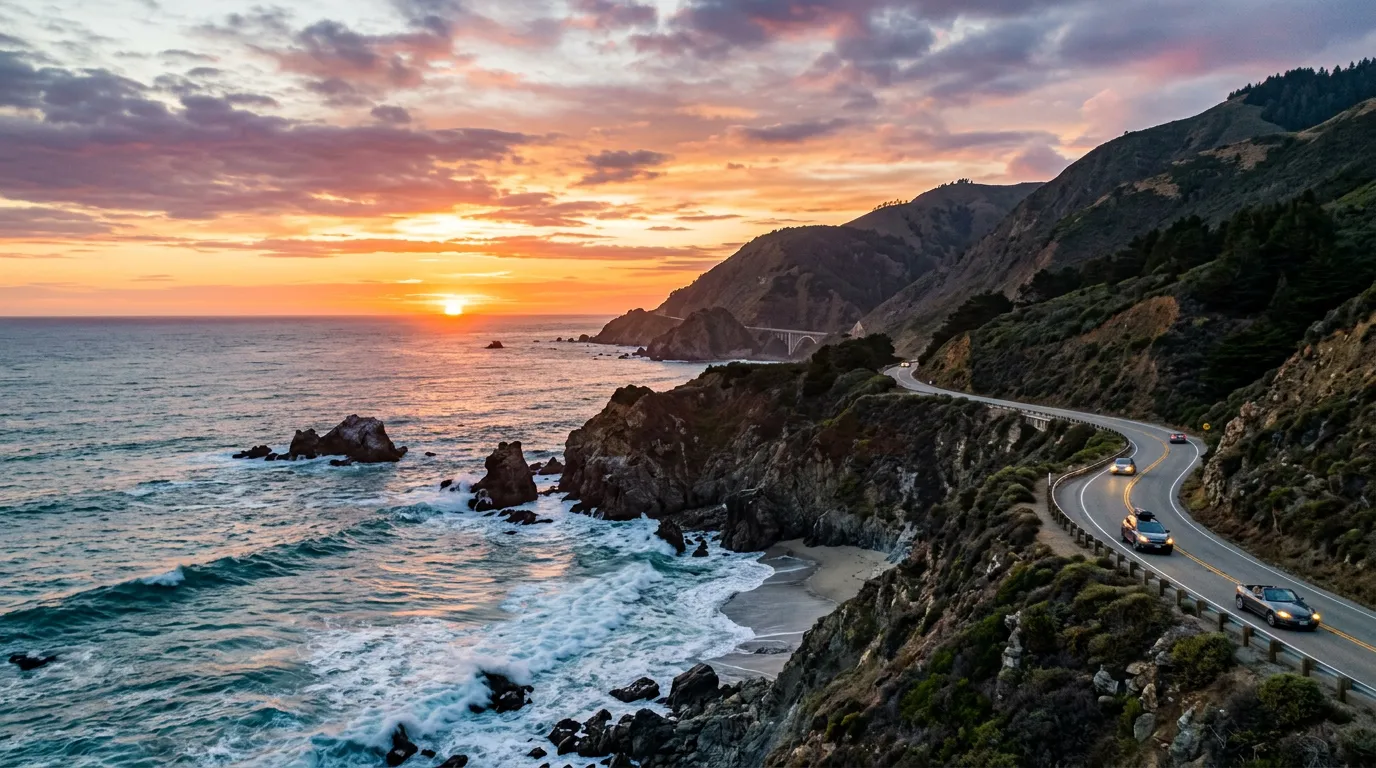
~20,000 expats
Casablanca
The economic engine
Morocco's largest city and business hub offers the most modern infrastructure, best internet, international dining, and a cosmopolitan lifestyle. The Casablanca Finance City zone attracts multinational companies. Cultural diversity, nightlife, and shopping are unmatched. However, it is also the most expensive, most congested, and least traditionally "Moroccan" of the major cities.
Rent: 6,000 - 25,000 MAD/mo
Best for: Business professionals, corporate transfers, cosmopolitan lifestyle
Top Neighborhoods
- Anfa (upscale, ocean views, fine dining, expatriate hub)
- Maarif (trendy, shopping, nightlife, central)
- Gauthier (modern, walkable, business district)
- Ain Diab (beachfront, luxury, resort feel)
- Bouskoura (suburban, green, family villas, golf)
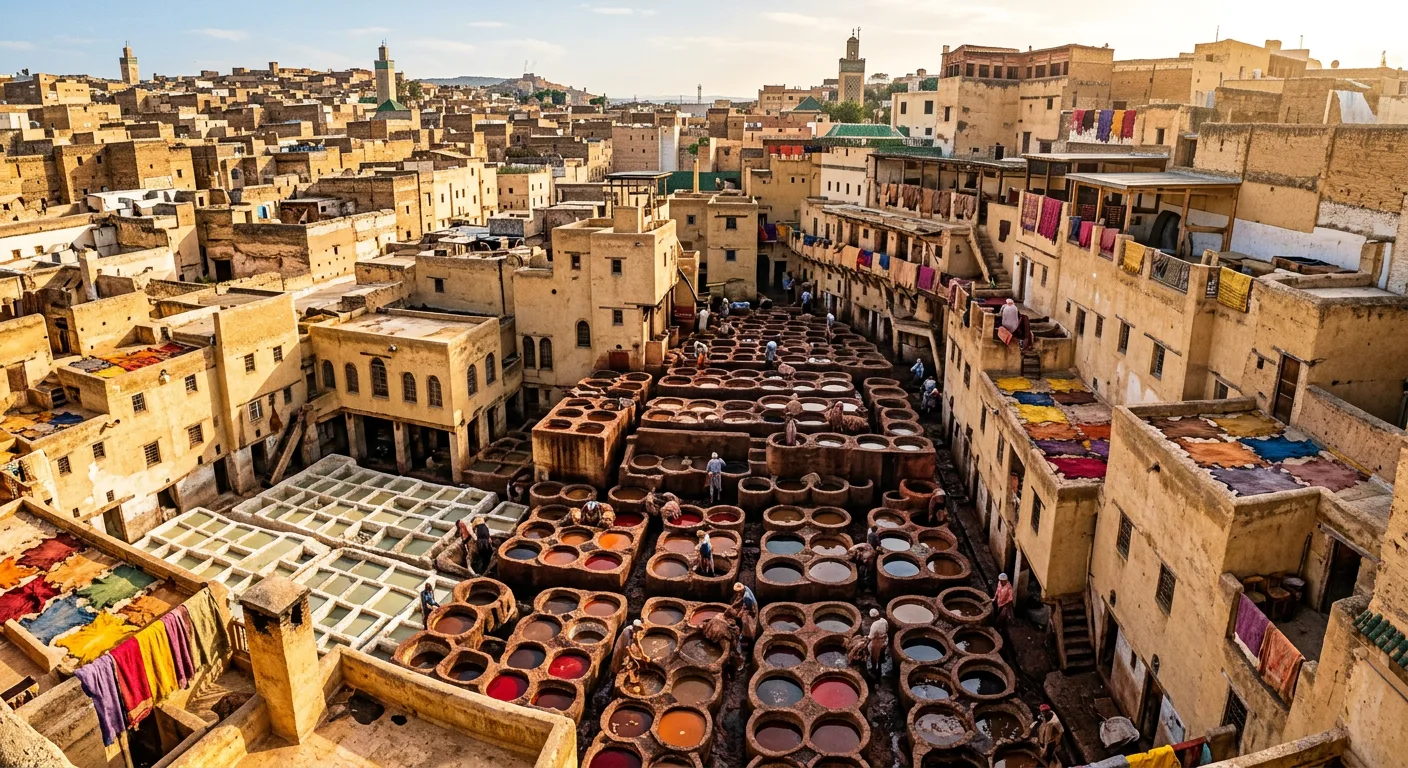
~3,000 expats
Essaouira
The bohemian coastal escape
A small, walkable, artistic city on the Atlantic coast. The medina is a UNESCO World Heritage site, flat and easy to navigate. Strong winds keep temperatures comfortable even in summer. A tight-knit international community of artists, writers, and retirees. Less infrastructure than larger cities, but the quality of life and pace of living are exceptionally appealing for those who prioritize tranquility.
Rent: 3,000 - 10,000 MAD/mo
Best for: Retirees, artists, writers, those seeking peaceful coastal life
Top Neighborhoods
- Medina (historic center, walkable, riad living)
- Diabat (village outskirts, quiet, rural feel)
- Ghazoua (newer area, modern apartments, local feel)
- Route de Marrakech (new developments, spacious)

~5,000 expats
Tangier
The gateway between continents
Tangier sits at the crossroads of Africa and Europe, just 35 minutes by ferry from Spain. A massive urban renewal over the past decade has transformed it into a modern, cosmopolitan city with a booming port, new marina, and growing tech sector. The international literary and artistic heritage (Paul Bowles, William Burroughs, Henri Matisse) continues to attract creative expats.
Rent: 4,000 - 14,000 MAD/mo
Best for: Entrepreneurs, Europe commuters, creatives, francophiles
Top Neighborhoods
- Ville Nouvelle (modern center, walkable, restaurants)
- Cap Spartel (ocean views, villas, prestigious)
- Malabata (waterfront, modern, new developments)
- Medina / Petit Socco (historic, atmospheric, bohemian)
- Boubana (suburban, family, green, good schools)
Residency
Carte de Sejour: Step-by-Step
Morocco's residency permit (Carte de Sejour) is required for stays exceeding 90 days. The process requires patience, but is straightforward with the right preparation.
1
Gather Required Documents
Assemble your dossier before visiting the police station. Requirements differ slightly by city and by the type of residency (employment, family, retirement, business).
Required Documents:
- Valid passport with entry stamp (minimum 6 months validity)
- Completed application form (available at the prefecture)
- Proof of accommodation (rental contract, notarized)
- Proof of financial means (bank statements, pension proof, or employment contract)
- Medical certificate from a Moroccan doctor
- 12 passport-sized photos (white background)
- Criminal background check from home country (apostilled and translated)
- Proof of health insurance valid in Morocco
2
Visit the Prefecture or Police Station
Go to the Bureau des Etrangers (Foreigners Office) at the central police station or prefecture in your city. Arrive very early (7-8 AM) as queues can be long. Some cities (Rabat, Casablanca) have more organized systems than others.
3
Submit Your Application
Present all documents. The officer will review them and may request additional paperwork. You will receive a receipt (recepisse) that serves as temporary proof of your application. This receipt is critical: it allows you to stay legally while your carte is being processed.
4
Wait for Processing
Processing takes 2-6 months depending on the city and your application type. Marrakech and Casablanca tend to be faster. Smaller cities may take longer. You can follow up at the prefecture, but patience is essential. The recepisse covers you legally during this period.
5
Collect Your Carte de Sejour
You will be notified (or can check periodically) when your card is ready. The initial carte is typically valid for 1 year. After three consecutive annual renewals, you can apply for a 10-year carte. Renewal requires similar documents but is generally faster and simpler.
Pro Tips for the Carte de Sejour
- Hire a local fixer or lawyer (1,000-3,000 MAD) to navigate the process. They know which office, which documents, and which order.
- All foreign documents must be apostilled, translated into French by a sworn translator, and legalized. Start this process in your home country before departure.
- Keep photocopies of everything. Offices may request duplicates of documents you already submitted.
- The recepisse (receipt) is your legal safety net. Carry it at all times during the processing period.
- Start the process immediately upon arrival. Do not wait until your 90-day tourist visa is about to expire.
Housing
Housing Market Guide
From traditional riad living to modern villas, Morocco offers housing options to suit every preference and budget.
Riad Living (Medina)
3,000 - 12,000 MAD/month
Traditional Moroccan houses with central courtyards. Charming and atmospheric but can be noisy, have narrow access, and limited parking. Popular with retirees and those seeking authentic Moroccan living. Renovation projects are common among long-term expats.
Pros: Unique character, central location, cultural immersion, often beautifully decorated
Cons: Narrow streets (no car access), potential dampness, noise from neighbors, limited light in some rooms
Modern Apartment (Ville Nouvelle)
4,000 - 15,000 MAD/month
Western-style apartments in modern neighborhoods. Elevators, parking, and proximity to supermarkets and restaurants. The most practical option for families and professionals. Found in Gueliz (Marrakech), Agdal (Rabat), Maarif (Casablanca).
Pros: Modern amenities, elevator, parking, familiar layout, often furnished for expats
Cons: Less character, can be expensive in prime areas, some buildings poorly maintained
Villa with Garden/Pool
12,000 - 30,000+ MAD/month
Detached houses with outdoor space, common in Marrakech Palmeraie, Bouskoura (Casablanca), Souissi (Rabat), and Cap Spartel (Tangier). Ideal for families with children. Often come with gardens, pools, and staff quarters.
Pros: Space, privacy, pool, garden, suitable for families with children and pets
Cons: Higher utilities and maintenance, need for gardener/pool maintenance, may require car
Shared Housing
1,500 - 4,000 MAD/month
Sharing a larger apartment or villa with other expats. Common among younger professionals and newcomers testing the waters. Facebook groups and expat forums are the best resources for finding roommates.
Pros: Affordable, instant social network, shared costs, flexible commitment
Cons: Less privacy, shared spaces, potential personality conflicts
Where to Find Rentals
| Platform | Type | Notes |
|---|---|---|
| Avito.ma | Local classifieds (Morocco's Craigslist) | Best for unfurnished long-term rentals. Listings in French/Arabic. Use Google Translate. |
| Mubawab.ma | Real estate portal | Curated listings with photos. More professional than Avito. Good for apartments and villas. |
| Facebook Groups | Expat housing groups | Search "Expats [City Name] Housing." Very active. Beware of scams: never send money before visiting. |
| Local Real Estate Agents | Simsar (agent/broker) | Traditional method. Agent fee: 1 month rent. Useful for non-French speakers. Ask for references. |
| Airbnb / Booking.com | Short-term furnished | Good for first 1-3 months while apartment hunting. Negotiate monthly rates directly with hosts. |
Rental Contract Essentials
- Always sign a written contract (contrat de bail), even if the landlord prefers informal arrangements. It protects both parties and is required for your Carte de Sejour.
- Standard deposit is 2 months rent. Ensure the contract specifies deposit return conditions.
- Have the contract legalized (legalisee) at the commune. Both parties sign in person with ID.
- The contract should specify who pays for what: utilities, maintenance, syndic (building management) fees.
- Photograph the property condition before moving in. Moroccan law does not have standardized inventory reports.
Finance
Banking & Finance
Managing money in Morocco, from opening accounts to transferring funds internationally.
Opening a Bank Account
Expats with a Carte de Sejour (or recepisse) can open a Moroccan bank account. Required documents: passport, Carte de Sejour or recepisse, proof of address, proof of income. Major banks: Attijariwafa Bank, BMCE Bank of Africa, CIH Bank, Societe Generale Maroc. The process takes 1-3 days. CIH Bank is generally considered the most expat-friendly.
Convertible vs Non-Convertible Accounts
The Moroccan dirham (MAD) is a controlled currency. As a foreign resident, you can open a "compte en dirhams convertibles" which allows you to transfer funds in and out more easily. This is essential for expats who receive income from abroad. Bring your employment contract or pension proof to qualify.
Transferring Money
Wise (TransferWise) is the most popular option among expats for sending money to Morocco (competitive rates, 1-2 business days). Western Union and MoneyGram have extensive networks. Bank wire transfers work but are slower (3-5 days) and more expensive. Currency exchange offices (bureaux de change) offer reasonable rates for cash.
Daily Banking
ATMs are plentiful in all cities. International cards (Visa, Mastercard) are widely accepted in modern establishments. Many traditional restaurants, souks, and taxis are cash-only. Mobile banking apps from major Moroccan banks are reliable. Consider keeping accounts in both Morocco and your home country.
Health
Healthcare for Expats
Morocco offers quality healthcare at affordable prices, with both public and private options available.
Public Healthcare (CNSS/AMO)
Morocco's public health system provides basic coverage through CNSS (for employed) and AMO (general coverage). Public hospitals exist in every city but quality varies significantly. Major public hospitals in Casablanca and Rabat have good specialist departments. Wait times can be long.
Private Healthcare
Most expats use private clinics and hospitals. Quality in major cities (Casablanca, Rabat, Marrakech) is excellent with many French-trained doctors. A private doctor consultation: 200-500 MAD ($20-50). Private hospital stay: 2,000-5,000 MAD/day. Dental care is high quality and very affordable (cleaning: 300-500 MAD, crown: 2,000-4,000 MAD).
Private Health Insurance
Local plans from Saham Assurance, AXA Morocco, or Allianz Morocco: 5,000-12,000 MAD/year for comprehensive coverage. International plans (Cigna Global, Allianz Care, Bupa Global): 15,000-30,000 MAD/year. Essential for expats, especially for hospital stays and specialist treatments.
Pharmacies
Pharmacies are everywhere and pharmacists are well-trained (many French-educated). Many medications available without prescription at low prices. Look for green cross signs. Night pharmacies (pharmacie de garde) operate on rotation in every city. Most pharmacists speak French fluently.
Education
Education Options
Morocco has a well-established network of international schools serving the expat community, from the renowned French Mission system to American, British, and Spanish curricula.
French Mission Schools (AEFE)
30,000 - 50,000 MAD/year
The most established international school system in Morocco. French curriculum with bilingual options. Lycee Descartes (Rabat), Lycee Victor Hugo (Marrakech), Groupe Scolaire La Residence (Casablanca) are among the most prestigious. Globally recognized baccalaureat diploma.
French (primary), Arabic, EnglishAll major cities
American Schools
60,000 - 120,000 MAD/year
American curriculum schools following US standards. American School of Marrakech, Casablanca American School, and Rabat American School are well-regarded. IB program available at some. Strong English-language environment.
English (primary), French, ArabicCasablanca, Rabat, Marrakech, Tangier
British Schools
50,000 - 100,000 MAD/year
British curriculum following IGCSE and A-Level programs. British International School of Casablanca and similar institutions in other cities. Smaller class sizes and strong pastoral care.
English (primary), French, ArabicCasablanca, Rabat, Marrakech
Spanish Schools
25,000 - 40,000 MAD/year
Spanish government-supported schools, particularly strong in northern Morocco (Tangier, Tetouan, Nador). Instituto Espanol and Colegio Espanol provide Spanish curriculum. Most affordable international option.
Spanish (primary), French, ArabicTangier, Tetouan, Nador, Rabat, Casablanca
Communication
Language Requirements
French is the essential language for daily life. Arabic (especially Darija) opens deeper cultural doors. English is growing but insufficient on its own.
French
EssentialThe language of business, administration, and educated conversation. All government forms, contracts, and legal documents are in French or Arabic. Most professionals and service providers speak French fluently. Without basic French, daily life will be significantly more challenging. Invest in French before or shortly after arrival.
Moroccan Arabic (Darija)
Very HelpfulThe everyday language of Moroccans. Distinct from Modern Standard Arabic (MSA) and largely unintelligible to speakers of Gulf or Levantine Arabic. Learning Darija earns enormous respect and opens doors to deeper relationships and better prices. Many expats take lessons from local tutors (100-200 MAD/hour).
Modern Standard Arabic (MSA)
HelpfulUsed in formal settings, news media, and official documents. Understanding MSA helps with reading signs, documents, and following news. However, Moroccans do not speak MSA in daily conversation. If choosing between MSA and Darija, Darija is more practical for daily life.
Amazigh (Berber)
RegionalMorocco's indigenous language, spoken by roughly 40% of the population. Three main dialects: Tashelhit (south), Tamazight (central Atlas), and Tarifit (Rif region). Recognized as an official language since 2011. Learning basics is appreciated in Berber-speaking areas.
English
GrowingIncreasingly common among younger Moroccans, especially in tourism, tech, and international business. However, relying solely on English will limit your daily interactions, especially outside tourist areas. English is not sufficient for bureaucratic or legal matters.
Taxation
Tax Considerations
Understanding Morocco's tax system is essential for financial planning. Professional advice is strongly recommended.
Tax Residency
You become a Moroccan tax resident if you spend 183 or more days in Morocco within a calendar year, or if Morocco is your center of economic or vital interests. Tax residents are subject to tax on worldwide income.
Income Tax (IR)
Progressive rates from 0% to 38%. Annual income up to 30,000 MAD: 0%. 30,001-50,000 MAD: 10%. 50,001-60,000 MAD: 20%. 60,001-80,000 MAD: 30%. 80,001-180,000 MAD: 34%. Above 180,000 MAD: 38%. Pension income has favorable rates.
Double Taxation Treaties
Morocco has tax treaties with over 50 countries including the US, UK, France, Germany, Spain, Canada, and most EU nations. These treaties prevent being taxed twice on the same income. Consult a tax professional to optimize your situation.
Property Tax
Property owners pay annual urban tax (taxe d'habitation) and services tax (taxe de services communaux). Rates are relatively low. New properties may be exempt for the first 5 years. Rental income is taxed at progressive rates.
Community
Building a Social Life
One of the most common concerns for new expats is building a social circle. Morocco makes this surprisingly easy. The culture is inherently social: neighbors introduce themselves, shopkeepers remember your name, and invitations to tea or meals come naturally once you establish a routine in your neighborhood.
For connecting with other expats, Facebook groups are the primary resource. Search for "Expats in [City Name]" and you will find active communities organizing regular meetups, sharing tips, and offering mutual support. InterNations has chapters in Casablanca, Marrakech, and Rabat with monthly events. Language exchange evenings (French-English, Arabic-English) are popular in all major cities and provide a natural way to meet both locals and fellow foreigners.
Volunteering with local organizations, joining a sports club (tennis, golf, running, and surfing all have active communities), enrolling in cooking classes, or attending cultural events at the Institut Francais or British Council are all excellent pathways to meaningful connections. Religious communities (churches, synagogues) also serve as social anchors for many expats.
The key is consistency: frequent the same cafes, shop at the same souk vendors, and attend regular community events. Within a few months, most expats report feeling genuinely embedded in their local community. Moroccan warmth is not performative — once you are known, you become part of the fabric of the neighborhood.
Entrepreneurship
Starting a Business in Morocco
Morocco actively encourages foreign investment with streamlined registration and favorable incentives in priority sectors.
Business Structures
Most common: SARL (LLC equivalent, minimum capital 10,000 MAD, 1-50 shareholders), SA (corporation, minimum capital 300,000 MAD, 5+ shareholders), and Auto-Entrepreneur (simplified sole proprietor, annual revenue under 500,000 MAD for services). The SARL is the most popular choice for expat entrepreneurs.
Registration Process
Register at the Centre Regional d'Investissement (CRI): 1-2 weeks. Required: articles of incorporation, proof of registered office, capital deposit certificate, ID documents. The CRI offers a single window for all steps. Casablanca and Tangier have the most efficient CRI offices.
Key Sectors for Expats
Tourism and hospitality (riads, tours, restaurants), real estate (renovation, rental management), consulting, IT and tech services, import/export, education (language schools, tutoring), agriculture (argan, saffron), and creative industries. Morocco actively encourages foreign investment in several priority sectors.
Challenges to Expect
Bureaucracy and paperwork (patience required), finding reliable local partners, navigating labor laws, language barriers in official dealings (French is essential), and understanding local business culture. Having a trusted Moroccan lawyer and accountant is non-negotiable.
Culture
Cultural Adjustment Tips
Understanding and embracing Moroccan culture is the key to a fulfilling expat experience. These insights will smooth the transition.
Relationships Are Everything
Morocco runs on personal connections. Take time to build relationships before expecting results in business or bureaucracy. Accept tea invitations. Show genuine interest in people. Your network will determine your success.
Pace of Life
Things move at a different speed. Government offices, repairs, and deliveries rarely happen on the first promised date. "Inshallah" (God willing) is not a confirmation. Adapt your expectations and build buffer time into everything.
Ramadan
The holy month affects daily life significantly. Restaurants close during the day, business hours shift, and the pace changes. As a non-Muslim, you are not expected to fast, but eating, drinking, and smoking in public during daylight hours is disrespectful. It is also a beautiful cultural experience.
Dress Code
Morocco is relatively liberal by regional standards, but modesty is appreciated, especially outside tourist areas. Women may want to cover shoulders and knees in more traditional neighborhoods. Men should avoid sleeveless tops in non-tourist areas. Beachwear is for the beach only.
Hospitality Culture
Moroccans are extraordinarily generous hosts. You will be invited to meals, offered tea, and treated with warmth. Reciprocate: bring gifts when visiting homes (pastries, fruit, flowers). Accept hospitality graciously even if you do not need it.
Bargaining
Negotiation is expected in souks and with some service providers. Start at 40-50% of the asking price and work toward a mutually agreeable number. Fixed-price shops (Marjane, Carrefour, chain restaurants) do not negotiate. Learn to enjoy the process.
Connectivity
Internet & Connectivity
Morocco's internet infrastructure has improved dramatically. Fiber optic is available in most urban areas with speeds up to 200 Mbps.
Maroc Telecom (IAM)
Fiber / ADSL / 4G-5G
Morocco's largest operator with the widest coverage. Fiber available in most urban areas (up to 200 Mbps). Best rural coverage for mobile data. Most reliable overall.
Inwi
Fiber / 4G-5G
Strong competitor with competitive pricing. Excellent 4G coverage in cities. Growing fiber network. Popular among younger users. Good customer service in French and Arabic.
Orange Morocco
Fiber / 4G
Third operator with reasonable coverage. Often has promotional pricing. 4G in major cities. Less rural coverage than Maroc Telecom but competitive in urban areas.
Mobile Setup Tips
- Buy a local SIM immediately at the airport. Maroc Telecom has the best nationwide coverage.
- Data plans: 20 GB for ~100 MAD/month. Unlimited social media packages available from 30 MAD/month.
- WhatsApp is the dominant communication platform in Morocco. Businesses, schools, and government offices all use it.
- VoIP calls (WhatsApp, FaceTime) work without restrictions. No VPN needed for any standard services.
Daily Life
Shopping & Daily Life
From traditional souks to modern malls, Morocco offers diverse shopping experiences and everything you need for comfortable daily life.
Supermarkets
Marjane, Carrefour, Acima, Label'Vie, BIM
Modern supermarkets in all cities. Marjane is the largest Moroccan chain. Carrefour has the widest imported product selection. BIM (Turkish chain) offers budget basics. Open 7 days a week, typically 9 AM to 10 PM.
Souks & Markets
Weekly souks, medina shops, vegetable markets
Fresh produce, meat, fish, spices, and household goods at the best prices. Weekly souks in every neighborhood. The medina has everything from spices to leather goods. Cash only. Arrive early for the best selection.
Malls & Shopping Centers
Morocco Mall (Casa), Menara Mall (Marrakech), Mega Mall (Rabat)
Modern shopping malls with international brands (Zara, H&M, IKEA), food courts, cinemas, and entertainment. Morocco Mall in Casablanca is the largest in Africa. Prices for international brands are similar to or slightly higher than Europe.
Online Shopping
Jumia.ma, Avito.ma, Amazon (via forwarding)
Jumia is Morocco's largest e-commerce platform. Delivery times: 2-5 days in major cities. Cash on delivery is common. Amazon does not ship directly; services like MyUS or Aramex Shop & Ship forward packages.
Retirement
Retirement in Morocco
Morocco is increasingly popular among international retirees for its combination of affordable living, excellent climate, and rich cultural life.
Morocco offers one of the best value propositions in the world for retirees. A couple can live very comfortably on $2,000-3,000/month, including a nice apartment or villa, domestic help, excellent food, healthcare, and regular entertainment. The tax treatment of foreign pensions is notably favorable, with reductions of up to 80% on pension income. Add year-round sunshine, a short flight to family in Europe, and a culture that deeply respects elders, and the case for retirement in Morocco becomes compelling.
Key Benefits for Retirees:
- Pension income taxed at favorable rates (up to 80% reduction for foreign pensions)
- Extremely affordable healthcare (private doctor visit: $20-50)
- Domestic help (full-time: $200-400/month) enables comfortable aging
- Year-round mild climate (coastal cities: 15-28C)
- Rich cultural life and endless exploration opportunities
- Growing international retiree community (especially Marrakech, Essaouira)
- Direct flights to Europe for family visits (3 hours to Paris, London)
- High quality of life at a fraction of Western costs
- Safe and stable country with excellent hospitality culture
- Property prices 50-80% lower than comparable locations in Southern Europe
Budget Planning
Monthly Budget Scenarios
Three realistic budget tiers for expat life in Morocco, from modest to luxurious.
Modest Expat
$1,000 - $1,500/month
Comfortable apartment in a good neighborhood, local dining, public transport, basic entertainment. Works well for single expats or retirees in smaller cities like Essaouira or Rabat.
Rent: $300-500
Groceries: $150-200
Eating out: $100-150
Utilities: $50-100
Transport: $50-80
Internet & Phone: $30-50
Health Insurance: $50-100
Entertainment: $100-200
Comfortable Family
$2,000 - $3,500/month
Spacious apartment or small villa, international school for 1-2 children, car, domestic help, regular dining out. The sweet spot for most expat families in major cities.
Rent: $800-1,500
School: $300-800
Groceries: $300-400
Eating out: $200-300
Utilities: $100-150
Car & Transport: $200-300
Domestic Help: $200-300
Health Insurance: $100-200
Luxury Lifestyle
$4,000 - $6,000+/month
Villa with pool, premium international school, full-time staff, fine dining, club memberships, regular travel. Executive-level living at a fraction of Western prices.
Rent: $1,500-2,500+
School: $600-1,000
Groceries: $400-600
Fine Dining: $400-600
Utilities: $150-250
Car & Driver: $400-600
Staff: $400-600
Clubs & Entertainment: $300-500
Preparation
Pre-Move Checklist
Three to Six Months Before
- Research cities and visit for a 2-4 week scouting trip
- Apostille and translate essential documents (birth certificates, marriage certificate, diplomas, criminal record)
- Begin learning French if not already proficient
- Research international schools and begin application process (waiting lists are common)
- Obtain comprehensive health check and dental work (cheaper at home for major procedures)
- Set up Wise or similar international transfer account
- Begin downsizing possessions (shipping to Morocco is expensive)
One to Two Months Before
- Book temporary accommodation for first 1-3 months (Airbnb, serviced apartment)
- Arrange international health insurance valid in Morocco
- Notify banks, pension providers, and tax authorities of your move
- Set up mail forwarding service
- Obtain international driving permit if planning to drive initially
- Research and join expat Facebook groups for your destination city
- Pack strategically: Morocco has most things you need, but specialty items (specific medications, niche electronics) should come with you
First Week in Morocco
- Buy a local SIM card at the airport (Maroc Telecom recommended)
- Register with your embassy or consulate
- Open a convertible dirham bank account (CIH Bank is most expat-friendly)
- Begin apartment hunting with a trusted real estate agent
- Visit potential schools in person
- Start the Carte de Sejour process immediately
- Explore your neighborhood on foot, identify key shops, pharmacies, and services
Essential Expat Resources
SIM Card & Data
Best mobile plans, eSIM options, and internet setup for residents.
Morocco for Locals
Insider tips for living like a local in Morocco.
Safety Tips
Practical safety guidance for everyday life in Morocco.
Train Routes
Navigate ONCF rail for commuting and weekend trips.
Shopping Guide
Master souk bargaining and find the best local shops.
Health Insurance
Compare insurance options for long-term stays.
Ready to Make Morocco Home?
Explore our other guides to prepare for your new life in Morocco. From visa requirements to finding the perfect city, we have everything you need.