Discovering...
Remote Work & Digital Nomads
Morocco Digital Nomad Guide:
Work Remotely in the Kingdom
From 150 MAD/day coworking spaces to fiber internet at 100 Mbps. Your complete guide to living and working remotely in Morocco's top 5 nomad cities.
Why Morocco Is a Digital Nomad Hotspot
Morocco has quietly become one of the most compelling destinations for digital nomads in the world. The combination of affordable living, improving internet infrastructure, a 90-day visa-free entry for most nationalities, and an intoxicating culture that blends African, Arab, and Mediterranean influences makes it uniquely attractive.
A comfortable nomad lifestyle in Morocco costs from 8,000 MAD/month (approximately 800 USD). That covers rent, coworking, food, transport, and entertainment. In cities like Essaouira, you can live well for even less. Compare that to Lisbon, Bali, or Bangkok, and Morocco stands out as genuine value without sacrificing quality of life.
The internet situation has transformed in recent years. Major cities now have fiber coverage reaching 50-100 Mbps, 4G/5G mobile data is affordable and reliable, and coworking spaces with dedicated lines are multiplying. The days of unreliable Moroccan WiFi are fading fast, though a mobile data backup is still recommended for peace of mind.
Cost of Living Breakdown
What to expect to pay as a digital nomad in Morocco. Prices reflect the main cities.
All prices are starting prices. Seasonal pricing applies during peak tourist months (October-April) and holiday periods, when accommodation prices may increase by 20-40%.
Category
Price
Note
Studio apartment (city center)
From 3,000 MAD/month
Modern with fiber internet. Medina riads from 2,500 MAD.
1-bedroom apartment (city center)
From 4,500 MAD/month
Gueliz Marrakech, Maarif Casablanca, Agdal Rabat.
Shared apartment (per room)
From 2,000 MAD/month
Popular among nomads. Facebook groups are the best source.
Coworking membership
From 2,200 MAD/month
Unlimited access. Day passes from 150 MAD.
Daily food (eating out)
From 100 MAD/day
Street food lunch 25-40 MAD, restaurant dinner 60-100 MAD.
Groceries (weekly)
From 300 MAD/week
Markets are cheaper than supermarkets. Fresh produce is excellent.
Mobile data (monthly)
From 100 MAD/month
20GB data. 200 MAD for 50GB. Maroc Telecom or Orange.
Home fiber internet
From 200 MAD/month
20 Mbps plan. 100 Mbps from 400 MAD/month.
Local transport (tram/bus)
From 5 MAD/ride
Tram in Casablanca and Rabat. Petit taxi from 10 MAD.
Gym membership
From 300 MAD/month
Basic gym. Premium gyms from 500 MAD/month.
Coffee (cafe)
From 12 MAD
Espresso or nous-nous. Specialty coffee from 25 MAD.
Mint tea
From 10 MAD
The Moroccan staple. Free refills at some traditional cafes.
Budget Nomad
From 8,000 MAD
per month. Shared room, street food, cafe WiFi, basic social life.
Comfortable Nomad
From 12,000 MAD
per month. Own studio, coworking, mixed dining, active social life.
Premium Nomad
From 18,000 MAD
per month. Nice 1-bed, premium cowork, restaurants, weekend trips.
Top 5 Cities for Remote Work
Each city has a different character. Choose based on your priorities: internet speed, cost, community, or lifestyle.

#1
Marrakech
WiFi Speed
30-80 Mbps (fiber), 15-30 Mbps (cafe)
Cost of Living
From 10,000 MAD/month
Climate
Hot summers, mild winters
The most popular base for digital nomads in Morocco. Marrakech offers a thriving coworking scene, affordable riads to rent, a massive international community, and an energy that keeps you inspired. The medina is chaotic and beautiful, but the Gueliz and Hivernage neighborhoods offer modern apartments with fast fiber internet.
Pros
- Largest nomad community
- Many coworking options
- Vibrant social scene
- International food options
Cons
- Tourist prices in medina
- Hot summers (40C+)
- Persistent touts in tourist areas
#2
Casablanca
WiFi Speed
50-100 Mbps (fiber), 20-40 Mbps (cafe)
Cost of Living
From 12,000 MAD/month
Climate
Mild year-round, Atlantic coast
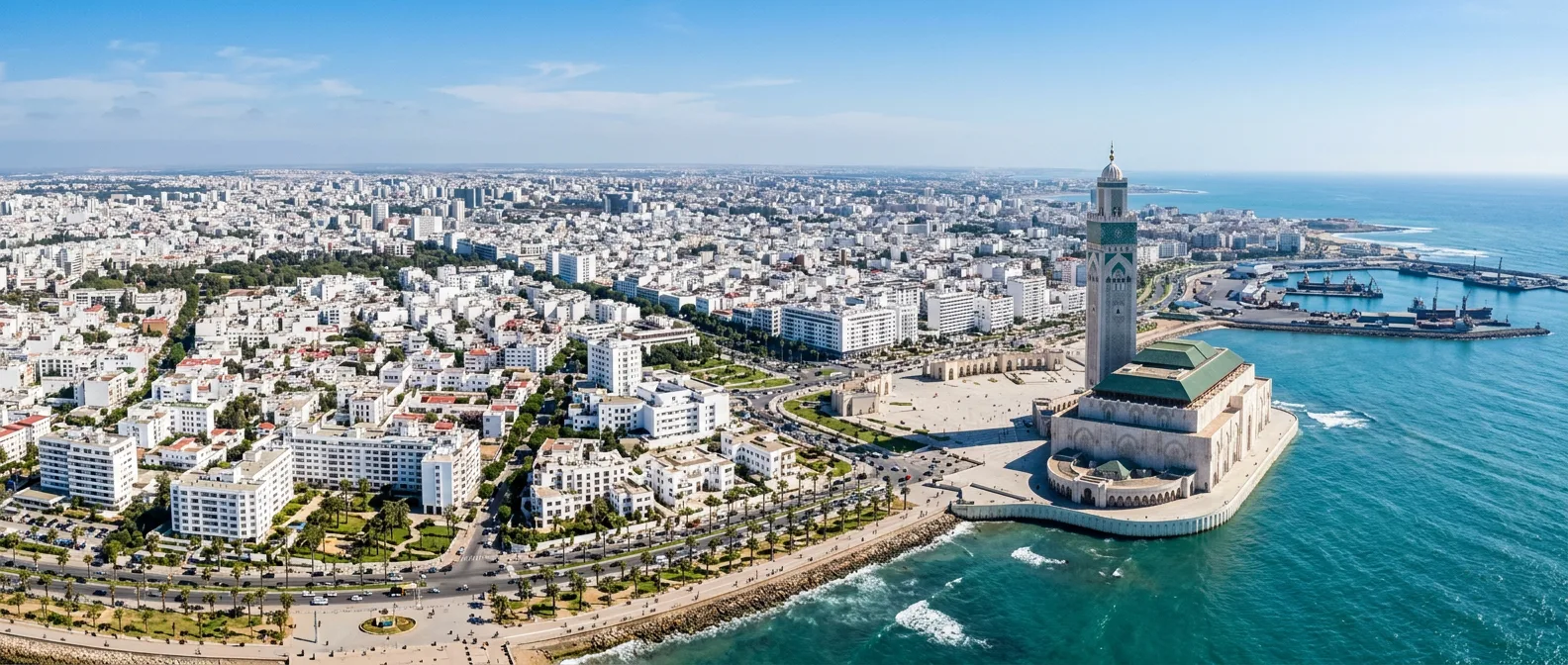
Morocco's economic capital has the fastest internet infrastructure and most professional coworking spaces. Casablanca is not a tourist city, which means real prices, real neighborhoods, and a genuine urban lifestyle. The Maarif, Gauthier, and Anfa districts are the digital nomad hotspots with modern apartments, fast fiber, and walkable amenities.
Pros
- Fastest internet in Morocco
- Professional coworking scene
- Non-tourist prices
- Best flight connections
Cons
- Less photogenic than other cities
- More expensive rent
- Less "exotic" feel
#3
Rabat
WiFi Speed
40-80 Mbps (fiber), 15-30 Mbps (cafe)
Cost of Living
From 9,000 MAD/month
Climate
Mild Atlantic climate year-round
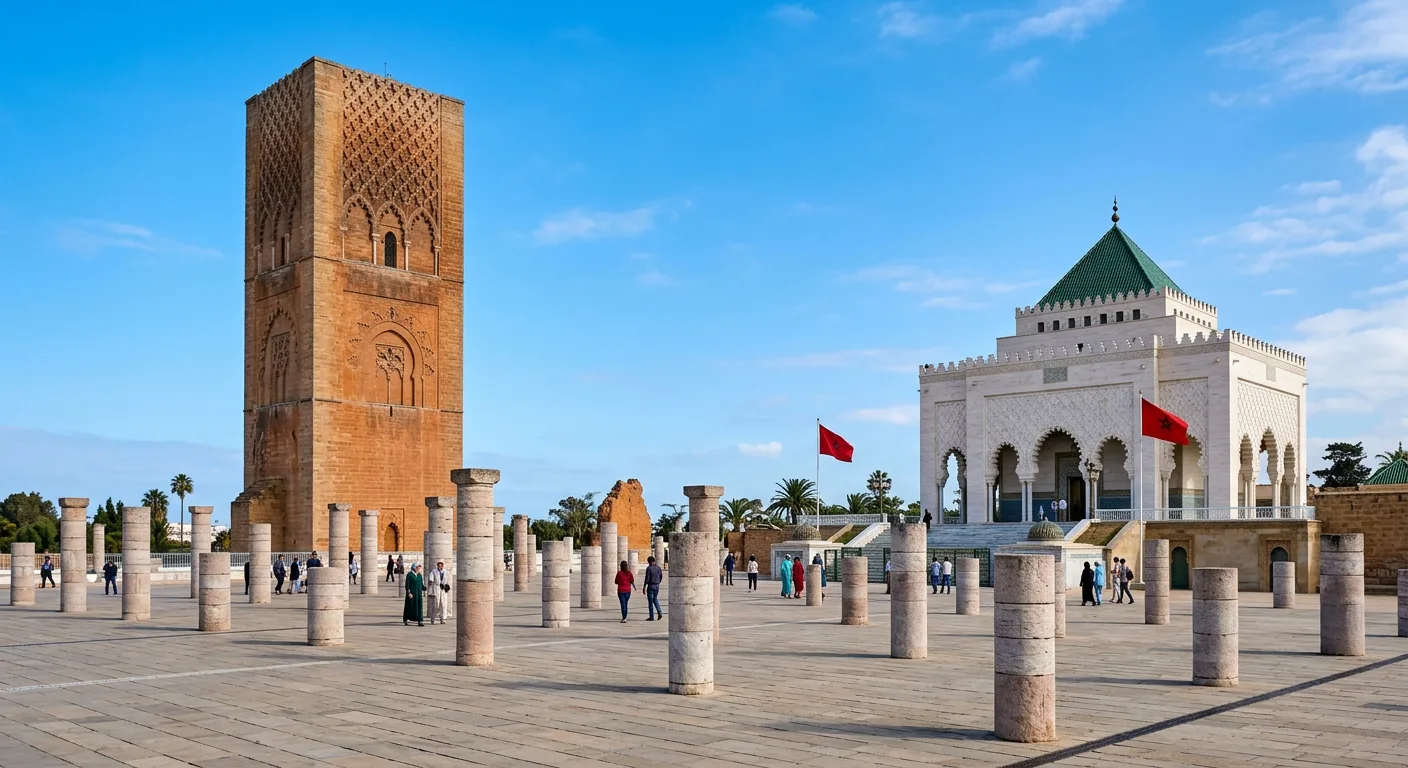
The capital city is Morocco's best-kept secret for digital nomads. Rabat is clean, organized, safe, and has excellent infrastructure. The Hassan and Agdal neighborhoods offer affordable modern apartments with fiber internet. The Kasbah des Oudayas and Chellah ruins provide stunning backdrops for your weekends, and the Atlantic beach is minutes from the city center.
Pros
- Safest city in Morocco
- Affordable for a capital
- Excellent public transport
- Beach + city lifestyle
Cons
- Smaller nomad community
- Quieter nightlife
- Fewer coworking options
#4
Essaouira
WiFi Speed
20-50 Mbps (fiber), 10-20 Mbps (cafe)
Cost of Living
From 8,000 MAD/month
Climate
Cool Atlantic breeze, mild year-round
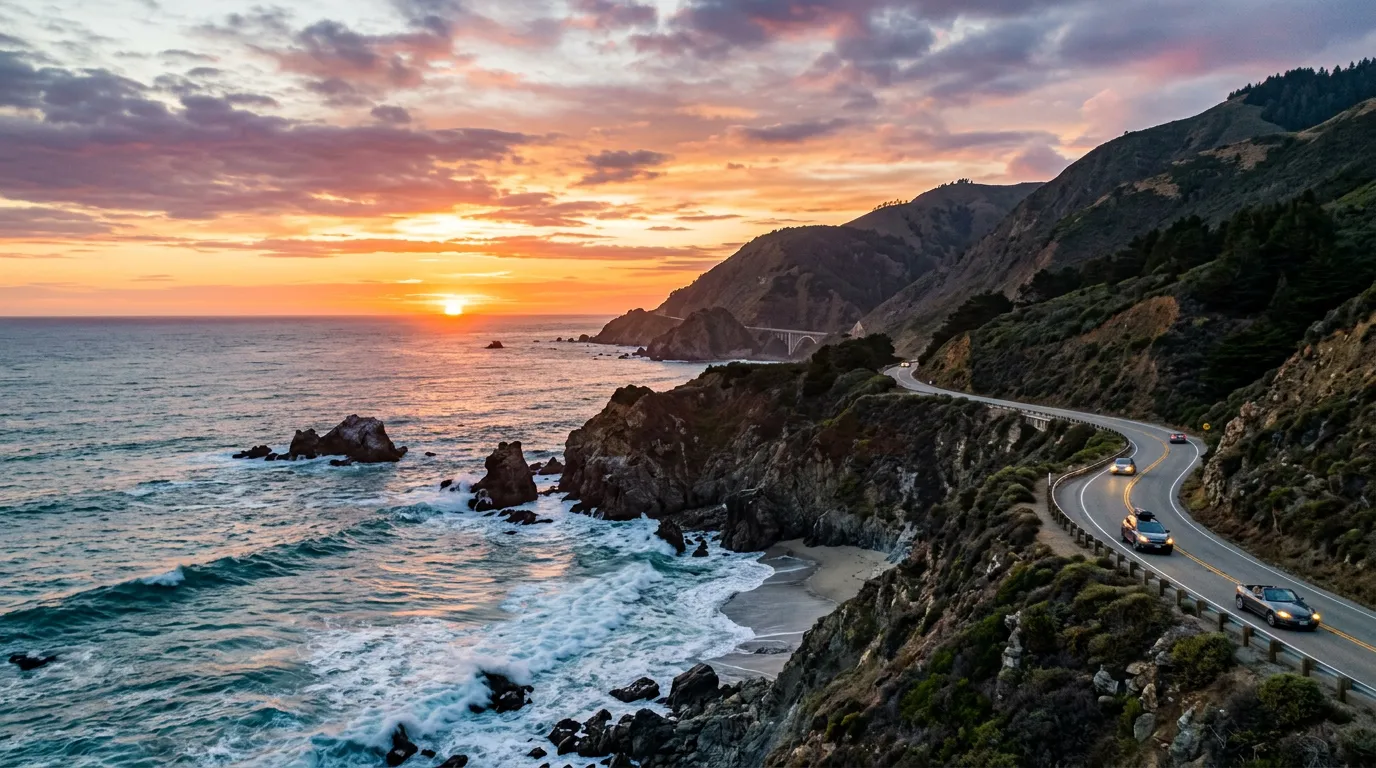
The laid-back coastal town is a magnet for creative digital nomads, surfers, and artists. Essaouira's medina is UNESCO-listed and walkable, the Atlantic breeze keeps temperatures comfortable even in summer, and the cost of living is among the lowest in Morocco. WiFi speeds are improving with fiber rollout, but mobile data is a reliable backup.
Pros
- Lowest cost of living
- Relaxed surf-town vibe
- Cool climate year-round
- Strong creative community
Cons
- Slower WiFi speeds
- Wind can be relentless
- Limited nightlife
- Fewer modern amenities
#5
Tangier
WiFi Speed
30-70 Mbps (fiber), 15-25 Mbps (cafe)
Cost of Living
From 9,500 MAD/month
Climate
Mediterranean, mild winters, warm summers
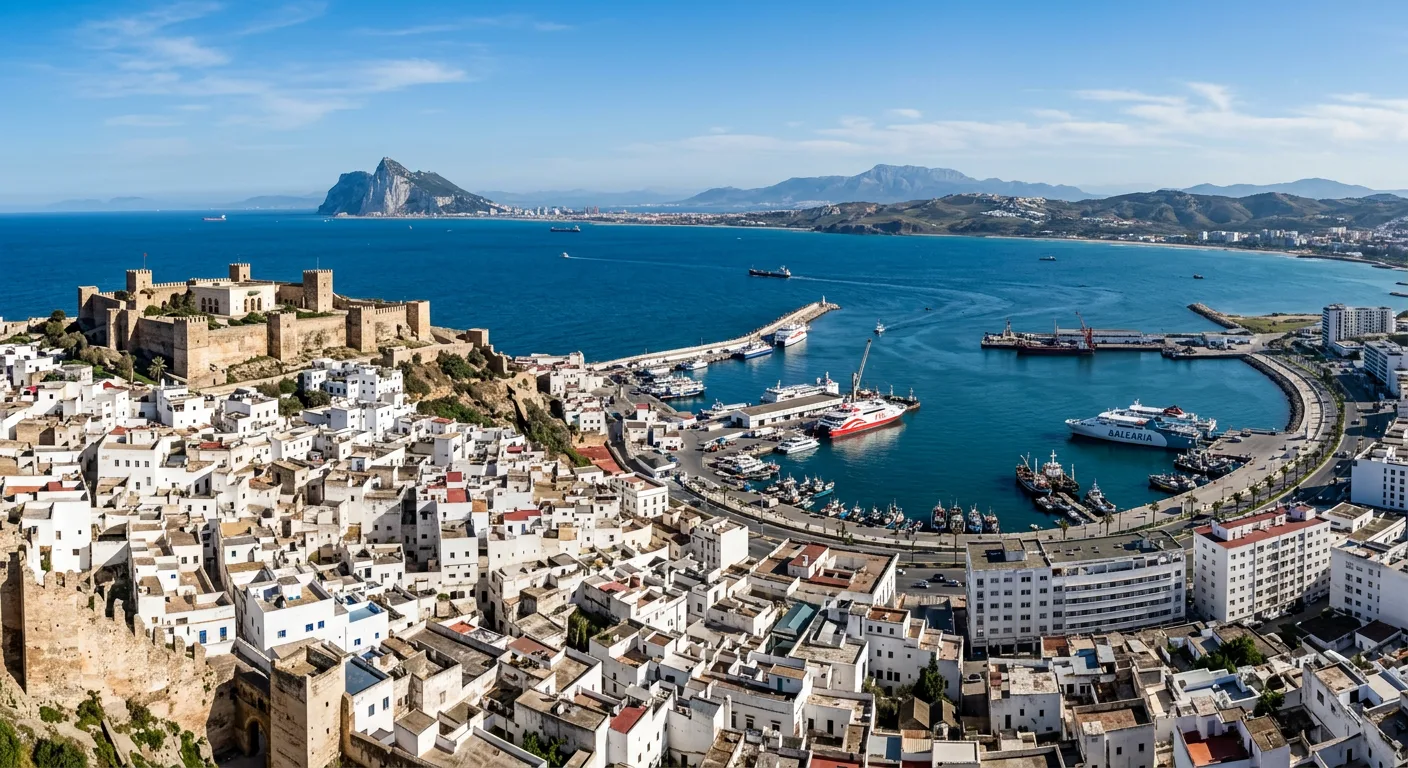
Tangier sits at the crossroads of Africa and Europe, just 35 minutes by ferry from Spain. This makes it ideal for nomads who need to do visa runs or want easy access to Europe. The city has undergone a massive transformation in recent years with new infrastructure, a high-speed train connection to Casablanca, and a growing creative scene in the kasbah and downtown areas.
Pros
- 35 min ferry to Spain (visa runs)
- High-speed train to Casablanca
- Growing creative scene
- Mediterranean + Atlantic coast
Cons
- Hilly terrain
- Developing nomad infrastructure
- Rainy winters
Best Coworking Spaces in Morocco
Eight tried-and-tested coworking spaces across Morocco, from surf-town setups to professional urban hubs.
Prices shown are starting prices. Monthly rates offer significant savings over daily passes.
Sun Desk
Taghazout (near Agadir)
From 150 MAD/dayFrom 2,500 MAD/month
A legendary surf-and-work coworking space in Taghazout village. Combines productive work sessions with world-class surfing. The community is tight-knit with weekly dinners, skill-sharing sessions, and surf lessons. Accommodation packages available from 5,000 MAD/month including workspace.
High-speed WiFi (50 Mbps)
Standing desks
Surf breaks included
Community events
Rooftop terrace
The Spot Cowork
Casablanca
From 200 MAD/dayFrom 3,000 MAD/month
Casablanca's premier professional coworking space in the Maarif district. Attracts a mix of local entrepreneurs and international remote workers. Modern fit-out with Herman Miller chairs, excellent climate control, and a focus on productivity. Regular networking events and startup pitch nights.
100 Mbps fiber
Meeting rooms
Phone booths
Printing services
Kitchen and lounge
Cowork Marrakech
Marrakech
From 180 MAD/dayFrom 2,800 MAD/month
Located in Gueliz, the modern district of Marrakech. A beautiful riad-style building with indoor and outdoor workspaces, including a shaded garden courtyard. The community is heavily international with regular skill-sharing workshops, language exchanges, and social outings to the medina.
60 Mbps WiFi
Garden workspace
Meeting rooms
Free tea and coffee
Networking events
Le 18 Coworking
Marrakech
From 200 MAD/dayFrom 3,200 MAD/month
A premium coworking space near Jardin Majorelle. Purpose-built for serious remote workers with soundproofed rooms, excellent AC, and reliable fiber. The rooftop terrace offers stunning Atlas Mountain views. Hosts monthly "Demo Days" for makers and creators to share their projects.
80 Mbps fiber
Private offices
Event space
Podcast recording room
Rooftop with Atlas views
Rabat Cowork Hub
Rabat
From 170 MAD/dayFrom 2,600 MAD/month
Located in the Agdal neighborhood, this is Rabat's top coworking space. Clean, professional, and quiet. Popular with government consultants, NGO workers, and digital nomads who prefer a calm environment. The dedicated video call rooms with soundproofing are a standout feature.
70 Mbps fiber
Quiet zones
Video call rooms
Lockers
Free parking
Essaouira Cowork
Essaouira
From 150 MAD/dayFrom 2,200 MAD/month
A creative coworking space inside the medina walls with views of the Atlantic. Attracts writers, designers, and location-independent creatives. The pace is slower here, with mid-afternoon yoga sessions and community dinners on the terrace. Good WiFi backed by mobile data hotspots.
40 Mbps WiFi
Ocean-view terrace
Creative studio
Community kitchen
Yoga sessions
Technopark
Casablanca & Tangier
From 160 MAD/dayFrom 2,500 MAD/month
Morocco's largest government-backed tech hub with locations in Casablanca, Tangier, and Rabat. Houses over 200 startups and provides coworking spaces for visiting professionals. The infrastructure is excellent with redundant internet connections. Access to the broader Moroccan tech ecosystem and investment community.
100 Mbps fiber
Startup incubator
Conference rooms
Cafe on-site
Government-backed network
Bwork Tangier
Tangier
From 180 MAD/dayFrom 2,800 MAD/month
A stylish coworking space in downtown Tangier with views of the Strait of Gibraltar. The location is ideal: walking distance to the medina, the port (for Spain ferry), and the Corniche. The community mixes European freelancers who ferry over from Spain with local Moroccan startups.
60 Mbps fiber
Sea view spaces
Workshop room
Printing
Daily fresh pastries
Internet & Connectivity Guide
The most important factor for any digital nomad. Here is the full picture of internet in Morocco in 2026.
Home Fiber (FTTH)
From 200 MAD/monthSpeed: 20-100 MbpsReliability: Excellent
Fiber-to-the-home is available in most urban areas across Morocco. Maroc Telecom (IAM), Orange, and Inwi all offer fiber plans. The 20 Mbps plan at 200 MAD/month is the entry-level option, but the 100 Mbps plan at 400 MAD/month is worth it for video calls and large file uploads. Installation takes 3-7 days.
Mobile Data (4G/5G)
From 100 MAD/month for 20GBSpeed: 10-50 MbpsReliability: Good in cities, variable rural
Mobile data is an essential backup. Maroc Telecom has the best coverage nationwide. Orange offers competitive data packages. Buy a prepaid SIM at any telecom shop for 30 MAD and top up with data bundles. 5G is rolling out in Casablanca and Rabat in 2026 with speeds reaching 100+ Mbps in covered areas.
Cafe WiFi
Free (buy a drink)Speed: 5-30 MbpsReliability: Variable, often shared
Most modern cafes in tourist areas offer free WiFi. Quality varies hugely: specialty coffee shops tend to have the best connections (15-30 Mbps), while traditional cafes may only offer 5-10 Mbps shared among many users. Always test the speed before settling in for a work session. Password is usually on the receipt or ask the waiter.
Coworking WiFi
Included with membershipSpeed: 40-100 MbpsReliability: Excellent (dedicated lines)
Coworking spaces invest in dedicated fiber lines with backup connections. Expect 40-100 Mbps with consistent reliability. Most have Ethernet ports at desks for even faster, more stable connections. This is the most reliable option for video calls, streaming, and any bandwidth-intensive work.
Pro Tips for Reliable Internet
Always have two internet sources: fiber at home and a mobile data SIM as backup. Outages happen and you do not want to miss a client call.
Test WiFi before committing to an apartment. Ask the landlord what provider and speed they have. Run a Speedtest during your viewing.
Maroc Telecom has the best nationwide coverage. Orange has the best data deals. Inwi is the cheapest but with less reliable coverage outside cities.
For important video calls, use a coworking space with a dedicated line and book a private phone booth or meeting room.
Visa & Legal Information
Everything you need to know about staying legally in Morocco as a remote worker.
90-Day Tourist Visa
Most nationalities (including USA, EU, UK, Canada, Australia) get 90 days visa-free on arrival. Your passport must be valid for at least 6 months. No questions asked at immigration, just a stamp. The 90-day clock starts the day you enter Morocco.
Carry a printout of your accommodation booking
Have a return or onward ticket ready (rarely checked)
The 90-day limit is strictly enforced
Visa Renewal (Border Run)
The most common strategy is a "border run" to Spain. Take the ferry from Tangier to Tarifa (35 minutes) or Algeciras (90 minutes). Spend a few days in Spain, then re-enter Morocco for a fresh 90-day stamp. Many nomads alternate between Morocco and Spain every 3 months. Budget from 500 MAD for a round-trip ferry ticket.
Book ferry via Direct Ferries or at the port
FRS and Inter Shipping are the main operators
Go to Tarifa for the shortest crossing
Visa Extension (At Police Station)
It is technically possible to request a visa extension at the local police station (Surete Nationale) before your 90 days expire. Extensions are granted on a case-by-case basis and require documentation including proof of accommodation, financial means, and a valid reason for extending. Success is not guaranteed and the process can take 2-4 weeks.
Apply 2 weeks before your visa expires
Bring bank statements and accommodation proof
Extensions are typically for 30 days
Digital Nomad Visa Prospects
As of 2026, Morocco does not have a dedicated digital nomad visa. However, the government has signaled interest in creating one as part of its broader tech economy strategy. The Morocco Digital 2030 plan includes provisions for attracting remote workers. In the meantime, the 90-day tourist visa with border runs remains the standard approach for long-term nomads.
Follow ANDA (Agence Nationale pour le Developpement du Numerique) for updates
Some nomads register as auto-entrepreneurs for a legal work basis
Long-term stay without work authorization is a gray area
Best Cafes with WiFi for Working
Six tried-and-tested cafes across Morocco where nomads actually get work done.
Cafe Clock
Marrakech & Fes20-30 Mbps
Coffee from 25 MAD
A cultural cafe with locations in both Marrakech and Fes medinas. Known for reliable WiFi, power outlets at every table, and a creative atmosphere. The rooftop terrace in Marrakech is a popular work spot. They host storytelling nights, live music, and language exchanges that make it easy to meet other nomads.
Power outlets at every table
Rooftop terrace
Cultural events
Full food menu
Barometre Marrakech
Marrakech (Gueliz)25-35 Mbps
Coffee from 20 MAD
A modern specialty coffee shop in Gueliz that has become the unofficial HQ for Marrakech digital nomads. Fast WiFi, great coffee, air conditioning, and a laptop-friendly atmosphere. The staff are accustomed to people working for hours. Breakfast and lunch menus are excellent and affordable.
Specialty coffee
Air conditioning
Laptop-friendly
Breakfast and lunch menus
Loft 26
Casablanca (Maarif)30-40 Mbps
Coffee from 22 MAD
A trendy cafe-cowork hybrid in Casablanca's Maarif neighborhood. Two floors with dedicated quiet zones upstairs and a social ground floor. The WiFi is fast and consistent, and they offer a "work package" that includes unlimited coffee and a reserved desk for 100 MAD/day.
Dedicated quiet zones
Work packages available
Two floors
Strong AC
Cafe Hafa
Tangier10-15 Mbps
Mint tea from 12 MAD
The legendary cliffside cafe overlooking the Strait of Gibraltar where the Rolling Stones and Paul Bowles once sat. The WiFi is basic and the tables are small, but the inspiration factor is off the charts. Best for light work, writing, and brainstorming. Not ideal for video calls. Come for the sunset sessions.
Iconic cliffside location
Historic atmosphere
Stunning strait views
Traditional mint tea
The Garden Cafe
Rabat (Hassan)20-25 Mbps
Coffee from 18 MAD
A peaceful garden cafe near the Chellah ruins in Rabat. The outdoor seating is shaded and comfortable, with decent WiFi and plenty of power outlets. Popular with local university students and the growing Rabat nomad crowd. The avocado toast has become legendary among the expat community.
Garden setting
Near Chellah ruins
Power outlets
Student-friendly prices
Taros Cafe
Essaouira15-20 Mbps
Coffee from 20 MAD
A multi-level cafe and restaurant on Place Moulay Hassan with a rooftop terrace overlooking the port and ramparts. The WiFi is reliable for a medina cafe, and the atmosphere is inspiring. Good for morning work sessions before the wind picks up. The rooftop becomes a social spot in the evening with live music on weekends.
Rooftop terrace
Port views
Live music weekends
Full restaurant menu
Nomad Communities & Meetups
Building a social network is key to a fulfilling nomad life. Here is where to find your people in Morocco.
Digital Nomads Morocco (Facebook)
Online Community15,000+ members
The largest online community for digital nomads in Morocco. Active daily with questions about visas, apartments, WiFi, coworking, and meetup announcements. The go-to resource for newcomers. Search the group before posting as most common questions have been answered extensively.
Marrakech Expats & Nomads
Meetup Group3,000+ members
Organizes weekly drinks, coworking sessions, and cultural excursions in Marrakech. The Thursday evening meetup at a rotating Gueliz bar is the best way to meet other nomads when you first arrive. Many lasting friendships and collaborations have started at these events.
Casablanca Startup Community
Professional Network5,000+ members
More business-focused than the typical nomad group. Regular pitch nights, hackathons, and professional networking events. If you are a developer, designer, or startup founder, this is your tribe in Casablanca. Events are held at Technopark and various coworking spaces.
Nomad List Morocco Channel
Slack Community2,000+ members
The Morocco channel on Nomad List's Slack workspace is active with real-time advice, apartment recommendations, and spontaneous meetup plans. Requires a Nomad List membership. The quality of advice tends to be higher than Facebook groups as members are more experienced.
Morocco Surf & Work Retreats
Organized RetreatsRolling cohorts
Several organized retreat programs run year-round in Taghazout, Essaouira, and Imsouane. These combine coworking, accommodation, surf lessons, and community for a fixed monthly fee starting from 8,000 MAD/month. Ideal for first-time nomads who want a built-in social structure.
Health Insurance & Medical Care
Staying healthy while working abroad. Morocco has good healthcare infrastructure at affordable prices.
Travel Health Insurance
International travel health insurance is essential. SafetyWing (from 350 MAD/month) is the most popular among nomads: it covers medical emergencies, hospital stays, and even COVID-19. World Nomads offers more comprehensive adventure coverage. Genki is another option popular with European nomads. Always carry your policy number and emergency contact.
Private Clinics
Morocco has excellent private healthcare in major cities. Clinique Internationale in Marrakech, Clinique du Parc in Casablanca, and Clinique Agdal in Rabat all have English-speaking doctors. A general consultation costs from 200 MAD. Many nomads find the quality of private healthcare surprisingly high, with short wait times and modern equipment.
Pharmacies
Pharmacies (marked with a green cross) are everywhere and many medications that require a prescription in Western countries are available over the counter in Morocco. Pharmacists are knowledgeable and often speak French and some English. Common medications are very affordable, often from 20 MAD for a course of antibiotics.
Dental Care
Dental tourism is growing in Morocco. A dental cleaning costs from 200 MAD, a filling from 300 MAD, and veneers from 2,000 MAD per tooth. Major cities have modern dental clinics with French-trained dentists. Casablanca and Rabat have the best options. Many nomads get dental work done in Morocco at a fraction of Western prices.
Banking & Money Tips
Managing money in Morocco as a foreign remote worker. What works, what does not, and how to save.
Use Wise (TransferWise) for Transfers
The Moroccan dirham (MAD) is a partially controlled currency and cannot be purchased outside Morocco. Use Wise to transfer money to a Moroccan bank account or to withdraw MAD from ATMs at excellent exchange rates. The Wise debit card works at most Moroccan ATMs (BMCE, Attijariwafa, CIH).
Carry Cash for Daily Spending
Morocco is still largely a cash economy, especially in medinas, souks, local restaurants, and for petit taxis. Always have MAD cash on hand. ATMs are widely available in cities (look for BMCE, Attijariwafa, Banque Populaire). Withdraw larger amounts to minimize per-transaction ATM fees, which are typically 25-35 MAD.
Open a Moroccan Bank Account
For longer stays, opening a Moroccan bank account is possible but requires patience. CIH Bank is the most foreigner-friendly, requiring only a passport, proof of Moroccan address, and a minimum deposit from 500 MAD. The process takes 1-2 weeks. Having a local account makes paying rent, utilities, and subscriptions much easier.
Credit Cards Are Limited
Credit and debit cards are accepted at hotels, large restaurants, supermarkets (Marjane, Carrefour), and modern cafes. But most traditional restaurants, souks, taxis, and smaller shops are cash-only. Visa and Mastercard are widely accepted where cards work. American Express is rarely accepted outside luxury hotels.
Negotiate in Cash
In souks and with landlords, cash gets you better prices. When negotiating rent, offering to pay 3-6 months upfront in cash can get you a significant discount (10-20% off). Always count your change carefully and keep small bills (20 and 50 MAD notes) for daily transactions.
Morocco's Digital Nomad Lifestyle
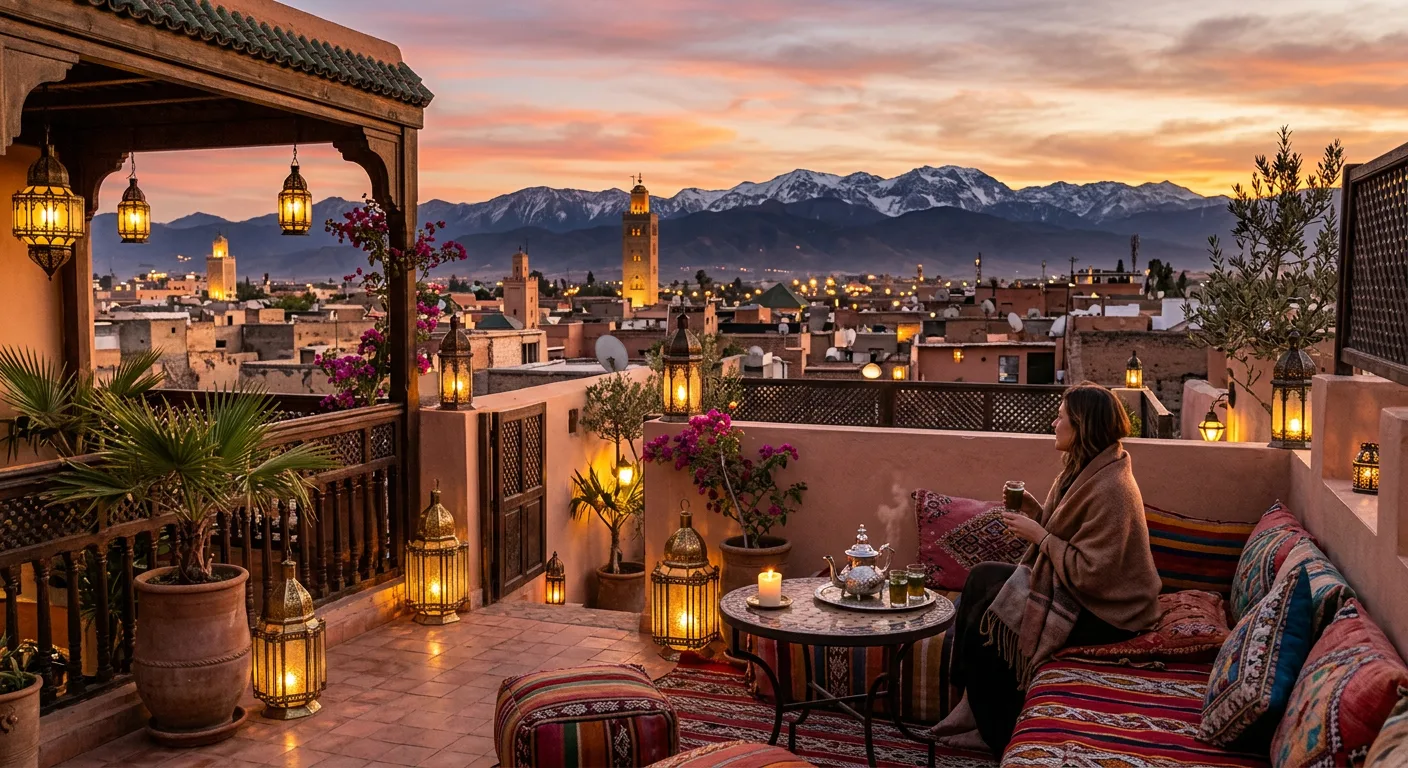
Rooftop Work Sessions

Cafe Culture & Mint Tea
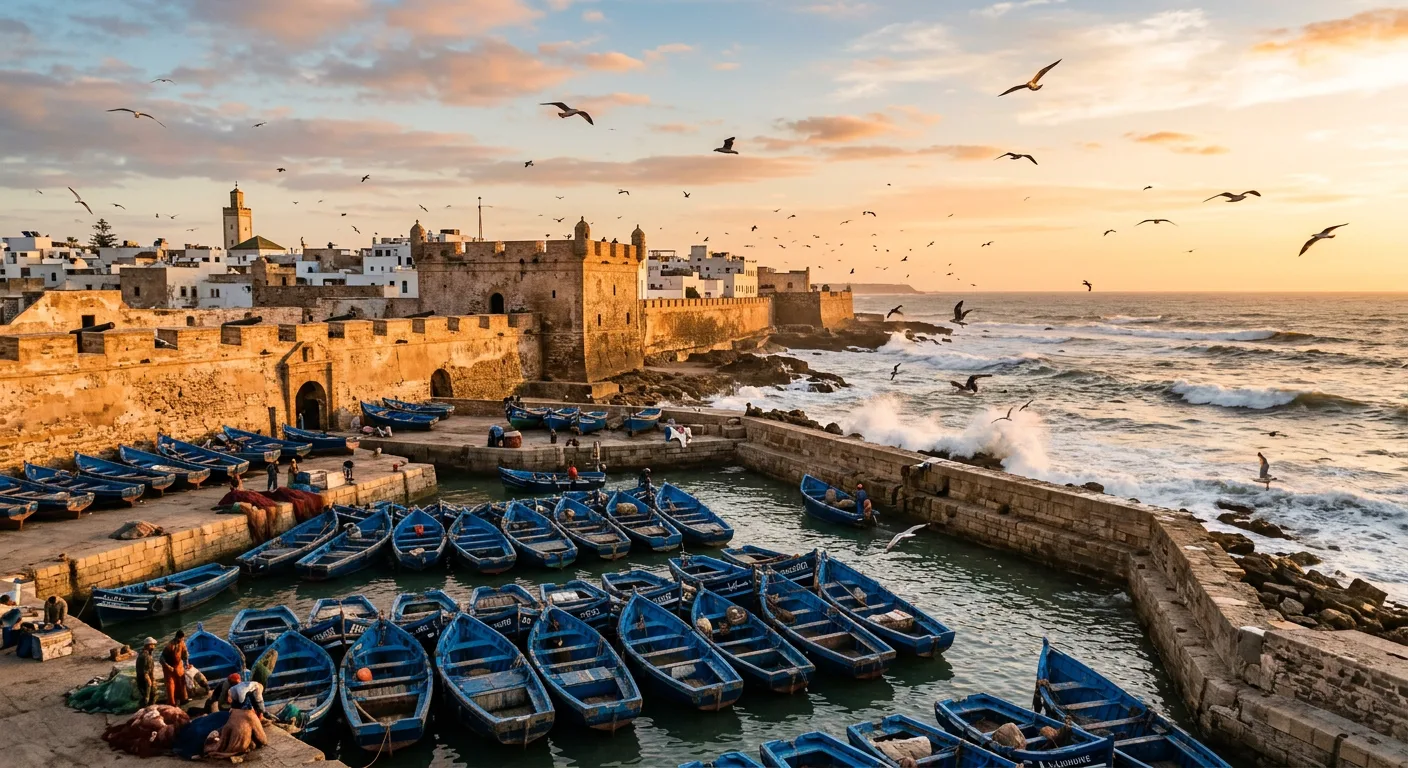
Coastal Nomad Life
Practical Tips for Nomads in Morocco
Time Zone Advantage
Morocco is on UTC+1 year-round (no daylight saving since 2018). This makes it ideal for working with European clients (same timezone as CET in winter, 1 hour behind in summer) and manageable for US East Coast clients (5-6 hours ahead).
Food for Fuel
Eating well in Morocco is easy and cheap. A tagine lunch costs from 35 MAD, a sandwich from a snack shop from 15 MAD, and fresh orange juice from 5 MAD. Weekly markets have fresh produce at excellent prices. Most neighborhoods have a hanout (corner shop) for daily essentials.
Getting Around
Casablanca and Rabat have modern tram systems from 5 MAD/ride. Petit taxis are affordable from 10 MAD for short trips (insist on the meter). The Al Boraq high-speed train connects Tangier to Casablanca in 2 hours for from 150 MAD. InDrive and Careem are the Uber equivalents.
Learn Basic Darija
Moroccan Arabic (Darija) goes a long way. Learn: "salam" (hello), "shukran" (thanks), "bshhal" (how much), "la shukran" (no thanks), "mezian" (good). French is widely spoken in business settings. English is growing among younger Moroccans, especially in tourist cities.
Safety for Nomads
Morocco is generally safe for digital nomads. Use common sense: do not flash expensive equipment in crowded areas, use a laptop lock in cafes, and keep backups of your work. Petty theft exists in tourist areas but violent crime against foreigners is rare. Rabat and Essaouira are the safest cities.
VPN Considerations
VoIP services like WhatsApp calling and FaceTime are blocked in Morocco on mobile networks. Use a VPN (NordVPN, ExpressVPN, or Surfshark all work well) to bypass this restriction. WiFi networks typically do not block VoIP, but having a VPN installed is recommended regardless for security on public networks.
Frequently Asked Questions
Is Morocco good for digital nomads in 2026?
Yes. Morocco has become one of the top digital nomad destinations in Africa and the MENA region. The combination of affordable living (from 8,000 MAD/month), improving internet (fiber up to 100 Mbps), 90-day visa-free access, rich culture, and a growing community of remote workers makes it an excellent choice. The infrastructure continues to improve each year.
Can I work legally as a digital nomad in Morocco?
Morocco does not yet have a dedicated digital nomad visa. Most remote workers enter on a 90-day tourist visa and work for clients outside Morocco. This is a gray area legally. You are not working for a Moroccan employer, but you are technically conducting business activities on a tourist visa. The government has not cracked down on this, and a formal digital nomad visa is under discussion as part of the Morocco Digital 2030 strategy.
What is the best city in Morocco for digital nomads?
Marrakech is the most popular due to its large nomad community, many coworking spaces, and vibrant atmosphere. However, Casablanca has the fastest internet, Rabat is the safest and most organized, Essaouira is the cheapest and most relaxed, and Tangier offers the easiest access to Europe. The best city depends on your priorities and working style.
How reliable is internet in Morocco for video calls?
In 2026, fiber internet in major cities is reliable for video calls with speeds of 40-100 Mbps. Cafe WiFi is hit-or-miss for calls. Coworking spaces offer the most reliable connection with dedicated lines and backup systems. Always have a mobile data SIM as backup. The situation has improved dramatically in recent years.
How do I find an apartment as a digital nomad in Morocco?
Facebook groups (search "Marrakech apartments" or "Casablanca rentals") are the most common method. Avito.ma is Morocco's Craigslist equivalent. For furnished short-term rentals, Airbnb works in all major cities. For the best deals, arrive in the city, stay in a hostel for a few days, and apartment hunt in person. Locals and other nomads in coworking spaces often know of available places.
Is Morocco safe for solo digital nomads?
Yes, Morocco is generally safe for solo travelers and digital nomads, including women. Standard travel precautions apply: avoid unlit areas at night, keep valuables secure, and be cautious in crowded tourist areas. The digital nomad community is welcoming and easy to join through coworking spaces and meetup groups. Rabat and Essaouira are particularly safe and calm.
Continue Exploring Morocco
Morocco SIM Card Guide
Complete guide to buying a SIM card, data plans, and staying connected across Morocco.
Read moreMorocco Budget Guide
Detailed budget breakdowns for every travel style, from backpacker to luxury in Morocco.
Read moreWhere to Stay in Morocco
From riads and hostels to long-term apartment rentals. Find the perfect base for your stay.
Read more