Discovering...
Wellness & Traditional Bathing
Morocco Traditional Hammam
& Spa Guide
The step-by-step guide to Morocco's oldest wellness ritual. From 50 MAD neighborhood bathhouses to world-class luxury spas -- everything a first-timer needs to know.
More Than a Bath: The Cultural Heart of Moroccan Life
Every neighborhood in Morocco has a hammam. For over a thousand years, the weekly visit has been as central to Moroccan life as the Friday couscous or the evening call to prayer. The hammam is where mothers bring daughters before their weddings, where friends trade gossip over buckets of hot water, and where the accumulated grime and stress of the week is literally scraped away with a rough glove and a generous handful of black soap.
For travelers, the hammam offers something rare: genuine participation in everyday Moroccan culture, not a performance staged for tourists. At a public hammam, you sit beside a grandmother scrubbing her grandchildren, a young woman conditioning her hair with ghassoul clay before her engagement party, a laborer rinsing off a week of dust. It is unselfconscious, practical, and deeply human.
Morocco has also developed a modern spa industry that ranks among the finest on the continent. Luxury resorts in Marrakech and Casablanca have elevated the hammam ritual into multi-hour experiences using premium argan oil, rose water, and bespoke product lines. The ritual remains the same at its core -- steam, scrub, clay, rinse, rest -- but the setting and price range from 50 MAD to 2,500 MAD.
The Hammam in Moroccan Culture
Wedding Traditions
The bridal hammam (hammam al-aaroussa) is one of the most important pre-wedding rituals. The bride visits the hammam with her female relatives and friends the day before her wedding. She is scrubbed, masked, oiled, and perfumed in a celebration that can last several hours. The kessala decorates her skin with henna afterward.
Social Gathering Place
Before modern plumbing, the hammam was the only place most Moroccans could take a hot bath. It became a social hub where news was shared, matches were made, and community bonds were strengthened. This social function persists today, especially among older women who treat the weekly hammam as their primary social outing.
Islamic Purification
The hammam has roots in Islamic bathing culture. Ritual cleanliness (tahara) is fundamental to daily prayer. The hammam provided a thorough weekly cleansing beyond the daily ablutions (wudu). Many historic hammams were built adjacent to mosques, and the busiest day remains Friday, when Moroccans prepare for the most important prayer of the week.
Architectural Heritage
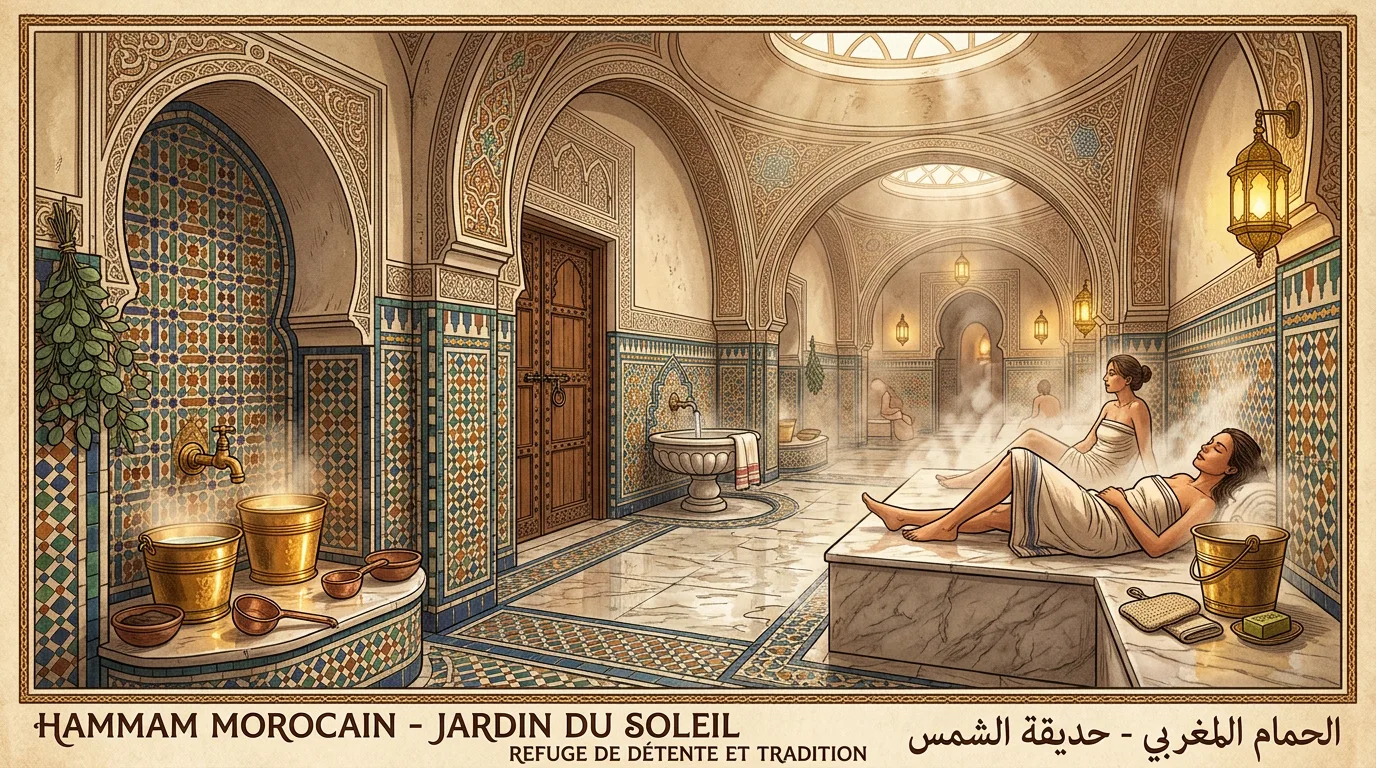
Historic hammams are feats of engineering. Domed ceilings with star-shaped skylights allow light in while trapping steam. Underfloor heating systems (similar to Roman hypocausts) warm the marble floors. Some hammams in Fes and Marrakech date to the 14th century and remain in daily use, making them among the oldest functioning public buildings in North Africa.
The Hammam Ritual: Step by Step
Here is exactly what happens during a hammam visit, from arrival to the final cup of mint tea.
1
Arrive & Change
10 min
At a public hammam, enter the changing room and leave your clothes in a locker or with an attendant. Keep your underwear on. At luxury spas, staff hand you a robe and slippers and walk you to a private changing area.
Tip: Bring a padlock for the locker. Leave valuables at your accommodation when possible.
2
Warm Up in the Cool Room
10-15 min
The hammam has three rooms of increasing temperature. Start in the cool room (bard) to let your body adjust. Pour warm water over yourself using a plastic bucket (satel). Breathe slowly and relax.
Tip: Drink at least half a liter of water before entering. The steam causes heavy sweating.
3
Move to the Hot Room
15-20 min
The hottest room (harr) is where deep steaming happens. The humidity opens every pore. Sit or lie on the heated marble floor. Pour hot water over yourself periodically. This phase prepares the skin for scrubbing.
Tip: If you feel dizzy, move back to a cooler room immediately. There is no shame in pacing yourself.
4
Apply Savon Noir (Black Soap)
10 min
Savon beldi (savon noir), a thick olive-based paste, is applied over your entire body. Let it sit for 5-10 minutes while steam keeps working. The soap softens dead skin cells and primes them for removal.
Tip: Buy quality savon beldi from a herbalist (attar) rather than tourist shops. It should be dark and thick like molasses.
5
The Gommage (Body Scrub with Kessa)
15-20 min
This is the main event. The kessala (scrubber) uses a rough kessa glove to scrub your entire body in firm circular motions. You will see rolls of gray dead skin peeling away. The sensation is intense, but the result is the smoothest skin you have ever felt.
Tip: Say "bezzaf" (enough) or "shwiya" (gently) to adjust pressure. Communication is expected and welcomed.
6
Ghassoul Clay Mask
10-15 min
Natural clay from the Atlas Mountains is mixed with rose water and applied to your body and hair. Ghassoul draws out impurities and conditions the skin with minerals like silica and magnesium. Let it dry slightly, then rinse.
Tip: You can buy ghassoul at any Moroccan herbalist for from 15 MAD per packet to continue the ritual at home.
7
Rinse & Cool Down
10-15 min
Rinse thoroughly with warm water, then gradually switch to cooler water. Move back through the rooms in reverse order. Luxury spas may offer a cold plunge pool. Alternating warm and cool water improves circulation.
Tip: Pour a final splash of orange blossom water (ma zhar) over your hair for a fragrant finish.
8
Rest & Rehydrate
20-30 min
After drying off, sit in the changing room or relaxation lounge. Your skin will feel impossibly soft. At public hammams, locals drink mint tea and chat. At luxury spas, expect to be served tea, dried fruits, and pastries in a quiet lounge.
Tip: Do not rush. The resting period is part of the ritual. Your body needs time to cool down and reabsorb moisture.
Public vs. Boutique vs. Hotel Hammam
Three tiers of hammam experience exist in Morocco. Each serves a different purpose and budget.
Public Neighborhood Hammam
Entry: From 50 MAD entry
Scrub: From 50 MAD for gommage
Products: Bring your own or buy at entrance from 20 MAD
Setting: Tiled rooms with domed ceilings, star-shaped skylights. Often centuries old. Communal, no-frills.
Privacy: Gender-separated (different hours or sections). You wear underwear.
Best for: Budget travelers, culture seekers, those wanting the authentic Moroccan experience. This is how locals bathe weekly.
Booking: Walk in. No reservation needed. Check the men/women schedule in advance.
Private Boutique Spa
Entry: From 300 MAD per package
Scrub: Included in package
Products: All provided (premium natural products)
Setting: Restored riad or dedicated spa with designer interiors, mood lighting, ambient music.
Privacy: Private or semi-private rooms. Robes and slippers provided. Couples welcome.
Best for: First-timers nervous about public hammams, couples, travelers wanting comfort with authenticity.
Booking: Book 1-2 days ahead. Walk-ins sometimes possible on weekdays.
Luxury Hotel Spa
Entry: From 800 MAD per treatment
Scrub: Included in ritual packages
Products: Premium or bespoke product lines, sometimes imported
Setting: Marble interiors, indoor pools, saunas, jacuzzis, fitness centers, relaxation lounges with tea service.
Privacy: Fully private treatment rooms. Couples suites available. Complete discretion.
Best for: Luxury travelers, honeymooners, those wanting a world-class spa experience.
Booking: Book at least 3-7 days ahead, especially during peak season (October-April). Online reservations common.
Traditional Hammam Products
Five natural products refined over centuries form the backbone of the hammam ritual. All can be purchased in Morocco and taken home.
Savon Noir / Savon Beldi (Black Soap)
Made from crushed olives, olive oil, and potash
The foundation of every hammam ritual. This thick, dark paste softens dead skin cells when left on for 5-10 minutes, preparing the body for the kessa scrub. Centuries of use across North Africa. The best savon beldi has a rich olive scent and dark brown color.
From 20 MAD per jarHerbalists (attarine), souks, and some pharmacies
Kessa Glove
Woven from plant fibers, available in medium to coarse textures
The rough exfoliating glove used for the gommage. The kessala at a public hammam uses a professional-grade glove that strips dead skin efficiently. For personal use, start with a medium-grade glove. Replace every 3-4 months.
From 15 MADSouks, pharmacies, and hammam entrances
Ghassoul (Rhassoul) Clay
Mined exclusively from the Atlas Mountains of Morocco
A natural mineral clay rich in silica, magnesium, and potassium. Mixed with rose water to form a paste, it is applied as a body and hair mask after the gommage. Ghassoul absorbs impurities, conditions the skin, and leaves hair silky without stripping natural oils.
From 15 MAD per packetHerbalists, beauty shops, and cooperatives
Argan Oil
Cold-pressed from nuts of the argan tree, unique to southwestern Morocco
Morocco's liquid gold. Applied to damp skin after the hammam, it locks in moisture and delivers vitamin E, fatty acids, and antioxidants. Cosmetic-grade argan oil has a light, nutty scent. Culinary argan oil (darker, roasted) is different and not used on skin.
From 80 MAD for cosmetic gradeWomen's cooperatives (best quality), trusted herbalists, and certified shops
Orange Blossom Water (Ma Zhar)
Distilled from blossoms of bitter orange trees
Used as a final rinse for hair and face, it has a delicate floral scent and mild astringent properties. Also used in Moroccan pastries and mint tea. A bottle lasts for weeks of daily use.
From 15 MAD per bottleHerbalists, souks, and supermarkets
Argan Oil & Specialty Treatments
Beyond the standard hammam ritual, Moroccan spas offer treatments built around the country's most prized natural ingredients.
Argan Oil Full-Body Massage
The signature massage treatment of Moroccan spas. Pure cosmetic-grade argan oil is warmed and worked into the skin using long, flowing strokes. The oil penetrates quickly, delivering vitamin E and essential fatty acids deep into the skin. A 60-minute session leaves the skin luminous and deeply hydrated for days.
From 300 MAD (60 min) at most mid-range and luxury spas
Rose Water & Rose Petal Ritual
Damask roses from the Dades Valley (harvested each May) provide the foundation for this luxury treatment. Rose water is used as a toner, rose oil is blended into the massage, and rose petals float in the rinse water. The scent is extraordinary. Hammam de la Rose in Marrakech specializes exclusively in rose-based treatments.
From 350 MAD at boutique spas. Seasonal pricing can change during rose harvest season.
Thalassotherapy (Seawater Treatments)
Available at coastal spas in Essaouira and El Jadida, thalassotherapy uses heated Atlantic seawater, seaweed wraps, and sea salt scrubs. The mineral-rich seawater is believed to improve circulation and reduce joint stiffness. The Sofitel Essaouira Mogador and Mazagan Beach Resort are the two leading thalassotherapy destinations in Morocco.
From 600 MAD per session at resort spas
Saffron & Honey Body Wrap
A premium treatment using Taliouine saffron (Morocco produces some of the world's finest) and local wildflower honey. The warm honey-saffron mixture is applied after the gommage, wrapped, and left to absorb for 20 minutes. Saffron has anti-inflammatory properties, and honey is a natural humectant. The skin glows for days afterward.
From 450 MAD at select boutique and luxury spas
Best Hammams & Spas by City
Each Moroccan city has a distinct spa character. Here are the top recommendations by location.
Marrakech
The capital of Moroccan wellness. Marrakech has the widest range of hammam and spa options in the country, from 50 MAD public baths in the medina to multi-hour rituals at palace resorts.
Hammam Dar el-Bacha(Historic Public)
From 50 MAD
Hammam Mouassine(Public)
From 50 MAD
Heritage Spa(Boutique)
From 400 MAD
Les Bains de Marrakech(Day Spa)
From 500 MAD
La Mamounia Spa(Ultra-Luxury)
From 1,500 MAD
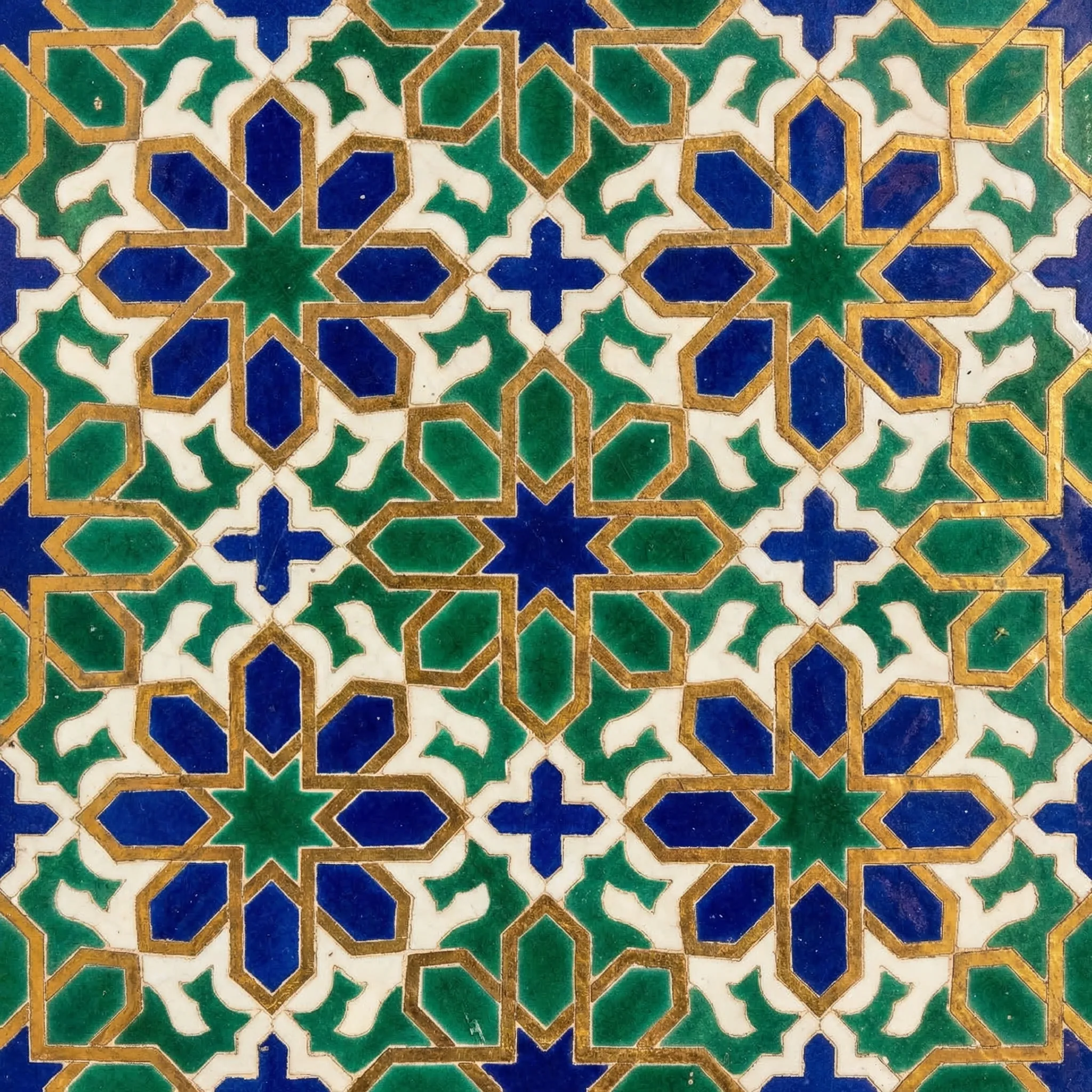
Fes
Fes hammams are among the oldest in Morocco. The spa scene here is less touristy than Marrakech, and the riad-based spas use traditional Fassi techniques with herbs grown in the city's ancient gardens.
Hammam Sidi Ali Ben Harazem(Traditional Public)
From 50 MAD
Riad Laaroussa Spa(Riad Spa)
From 400 MAD
Palais Amani Spa(Boutique)
From 350 MAD
Riad Fes Spa(Luxury Riad)
From 500 MAD
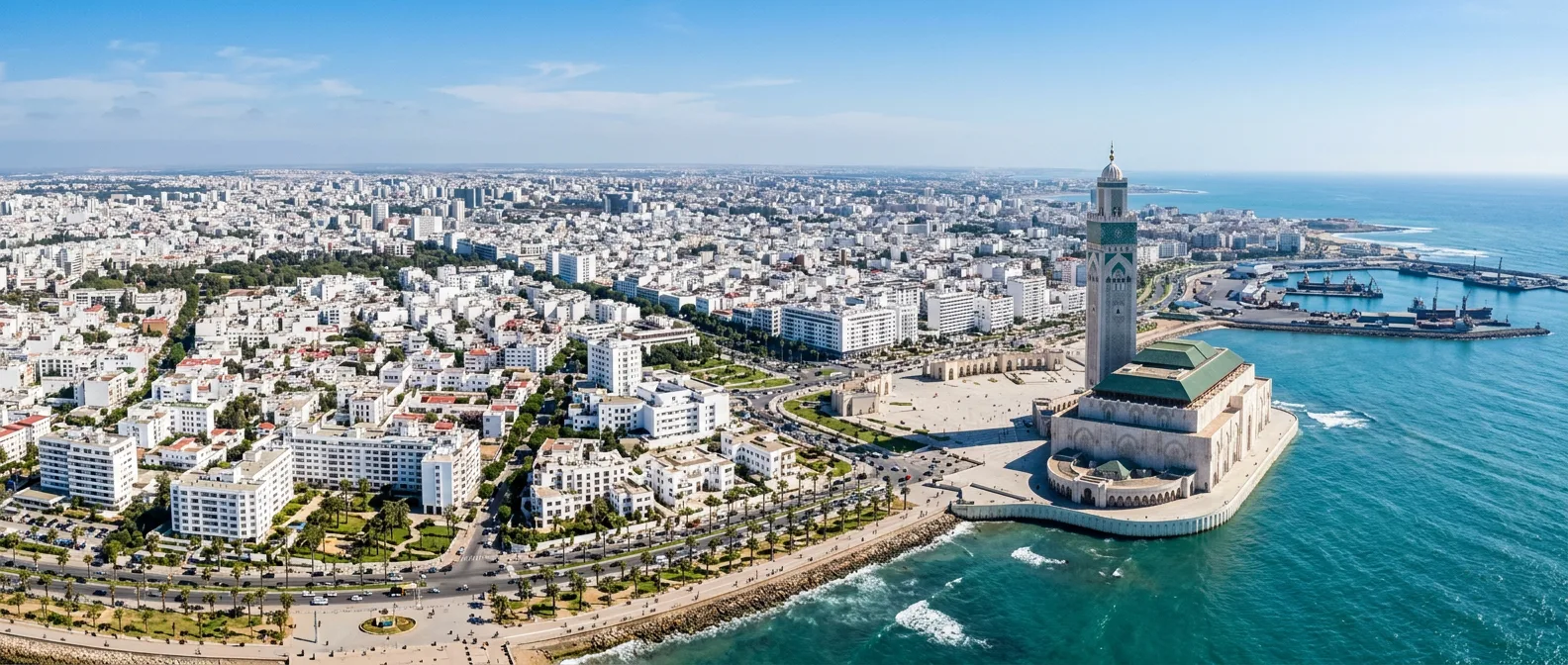
Casablanca
Casablanca's spa scene is more modern and international. Expect contemporary design, international product lines, and a blend of Moroccan and global wellness traditions. Public hammams exist in older neighborhoods.
Four Seasons Casablanca Spa(Luxury Hotel)
From 1,200 MAD
Spa My Blend by Clarins(Luxury Hotel)
From 900 MAD
Mythic Oriental Spa(Day Spa)
From 350 MAD
Hammam & Spa Pricing
What to expect across every tier, from a neighborhood bathhouse to an ultra-luxury resort spa.
All prices are starting prices in Moroccan Dirhams. Seasonal pricing can change during peak months (October-April) when luxury spa rates may increase 20-30%.
Service
Price (MAD)
Details
Public hammam entry
From 50 MAD
Bath only, bring your own supplies
Gommage by kessala (public)
From 50 MAD
Tip on top of entry fee
Savon beldi + kessa glove
From 20 MAD each
At entrance or herbalist
Ghassoul clay packet
From 15 MAD
Sold by weight at herbalists
Boutique spa hammam package
From 300 MAD
Hammam + gommage + short massage
Mid-range full package
From 500 MAD
Hammam + scrub + clay mask + 30-min massage
Luxury spa ritual
From 800 MAD
Full hammam, scrub, mask, massage, facial
Ultra-luxury experience
From 1,500 MAD
Multi-hour ritual with premium products
Couples spa package
From 1,200 MAD
Private room, full treatment for two
Argan oil massage (60 min)
From 300 MAD
Standalone treatment at most spas
Tips for First-Time Hammam Visitors
Six practical pointers to make your first hammam experience smooth and enjoyable.
Start at a Boutique Spa
If the public hammam feels intimidating, book a boutique spa first (from 300 MAD). Staff speak English or French and guide you through everything. Once you know the flow, you can try a public hammam with confidence.
Hydrate Before & After
Drink at least 500 ml of water before entering. The intense steam causes heavy sweating. After the hammam, continue drinking water and avoid alcohol for a few hours.
Avoid Full Stomachs
Wait at least 2 hours after eating. Steam and heat on a full stomach cause nausea. A light snack is fine.
Protect Sensitive Skin
The kessa scrub is vigorous. If you have sensitive skin, ask for a gommage doux (gentle scrub). Avoid the hammam if you have sunburn, open cuts, or skin infections.
Time It Right
Public hammams are busiest on Thursday evenings and Friday mornings. Go on a weekday morning for a quieter experience. Luxury spas are quietest on weekday afternoons.
Skip Sun Exposure After
Your skin will be sensitive for 24 hours after a deep scrub. Avoid direct sunlight. Apply argan oil or a gentle moisturizer. Many Moroccans follow their hammam with mint tea and a nap.
Hammam Etiquette
Respect these unwritten rules and you will be welcomed warmly.
Respect Gender Separation
Public hammams are strictly divided. Some have separate sections; others alternate hours. Always check the schedule before showing up.
Tip the Kessala
The person who scrubs you at a public hammam earns most of their income from tips. From 20-50 MAD is standard. At luxury spas, from 50-100 MAD is appreciated.
Do Not Stare
The hammam is a space of body neutrality. People of all shapes attend. Keep your eyes on your own space and focus on your experience.
Keep It Quiet (in Luxury Spas)
Public hammams can be lively and social. Luxury spas expect quiet. In either setting, avoid loud phone calls. Leave your phone in the locker.
Bring Your Own Supplies to Public Hammams
Towel, underwear, flip-flops, savon beldi, kessa glove, ghassoul clay, shampoo. You can buy supplies at the entrance if you forget.
Clean Up After Yourself
In a public hammam, rinse your area when you are done. Leave your spot cleaner than you found it. This is basic Moroccan hammam courtesy.
Inside the Moroccan Hammam
Traditional Hammam Interior
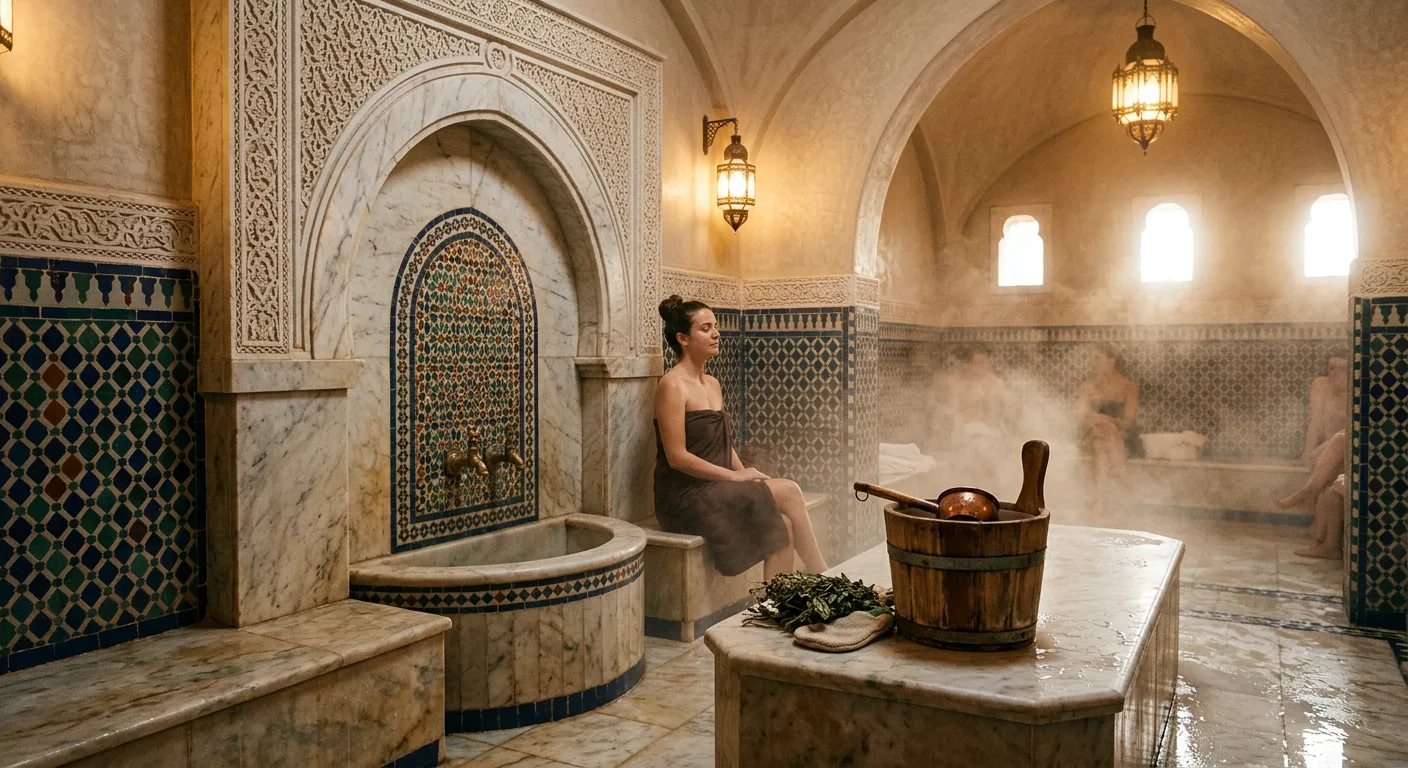
Hammam Steam Room
Luxury Spa Setting
Frequently Asked Questions
Answers to the most common questions from first-time hammam visitors.
What should I bring to a public hammam in Morocco?
Bring a towel, flip-flops, underwear to wear inside, savon beldi (black soap), a kessa exfoliating glove, ghassoul clay, shampoo, and a change of underwear for after. You can buy soap, gloves, and clay at the hammam entrance for from 20 MAD each. Luxury spas provide everything.
Is a Moroccan hammam suitable for first-time visitors?
Yes. If you feel nervous about the public hammam, start with a mid-range spa (from 300 MAD) where staff are accustomed to international guests and will guide you through each step. After that first experience, many travelers feel confident enough to try a public neighborhood hammam.
What do you wear inside a Moroccan hammam?
In a public hammam, women typically wear underwear bottoms and many go topless. Men wear underwear or swim shorts. Full nudity is not the norm in Moroccan hammams, unlike Finnish or Japanese baths. In luxury spas, you receive disposable underwear, a robe, and slippers.
Can couples visit a hammam together in Morocco?
Not in public hammams, which are strictly gender-separated. Some have separate wings; others alternate hours for men and women. Couples who want to be together must book a private session at a luxury or boutique spa. Couples packages start from 1,200 MAD.
How much does a hammam cost in Morocco?
A public hammam costs from 50 MAD for entry plus from 50 MAD for a gommage (scrub) by the kessala. Budget spa packages start from 300 MAD. Mid-range spa packages run from 500 MAD. Luxury hotel spas charge from 800 MAD to 2,500 MAD for a full multi-hour ritual. Seasonal pricing can change during peak tourist months.
How often should I visit the hammam during my Morocco trip?
Moroccans typically visit once a week. For a week-long trip, one or two visits is ideal: one public hammam for cultural immersion and one luxury spa for indulgence. Space visits at least two days apart since the deep scrubbing leaves skin sensitive.
Is the kessa scrub painful? Can I ask for a gentler treatment?
The kessa scrub is firm and thorough. You will see rolls of dead skin peeling off, which looks dramatic but is normal. If the pressure is too strong, say "shwiya" (gently) or "bezzaf" (enough). At luxury spas, therapists check your comfort level throughout. You can always request a gommage doux (gentle scrub).
Are traditional hammam products safe for sensitive skin?
Savon beldi, ghassoul clay, and argan oil are all natural and generally well-tolerated. The kessa scrub is the most likely source of irritation for sensitive skin. Request a softer glove or lighter pressure. Do a patch test with savon beldi on your inner arm before a full application if you have reactive skin.
What is the difference between a public, private, and hotel hammam?
A public hammam is a neighborhood bathhouse used by locals, costing from 50 MAD. A private or boutique hammam is a small spa catering to tourists, from 300 MAD. A hotel hammam is inside a luxury hotel or resort, from 800 MAD. The ritual is similar but the setting, products, and level of personal service differ significantly.
When is the best time to visit a public hammam?
Weekday mornings offer the quietest experience. Avoid Thursday evenings and Friday mornings, which are the busiest times as Moroccans prepare for Friday prayer. During Ramadan, hammams are busiest just before iftar. Luxury spas are quietest on weekday afternoons.
Related Travel Guides
Moroccan Hammam Guide
Deep dive into neighborhood hammam culture with additional city-by-city recommendations.
Read GuideWellness & Yoga Retreats
Yoga retreats, meditation centers, and holistic wellness escapes across Morocco.
Read GuideArgan Oil Guide
How argan oil is made, where to buy authentic cosmetic and culinary grades, and cooperative visits.
Read GuideMorocco Etiquette Guide
Dress code, tipping customs, greetings, and social norms for respectful travel in Morocco.
Read GuideMore Spa & Wellness Resources
Morocco Wellness Retreats
Multi-day retreats combining hammam, yoga, meditation, and healthy cuisine in stunning settings.
Thermal Springs & Spas
Natural hot springs across Morocco, from Moulay Yacoub near Fes to Sidi Harazem and mountain springs.
Spa & Wellness Overview
Broad overview of Morocco's wellness tourism industry, trends, and planning resources.
Spa Resort Guide
The best resort spas in Morocco rated by facilities, treatments, and value for money.
Hammam Deep Dive
Extended guide to the history, architecture, and regional variations of the Moroccan hammam.
Luxury Morocco
The finest hotels, riads, restaurants, and premium experiences for luxury travelers.
Plan it with a local expert
Travel Morocco with Serenity Morocco Tours
Crafting extraordinary journeys through Morocco's timeless landscapes. 100% private journeys, handcrafted around you.
ONMT Licensed 100% Private Tours 100% private tours since 2018
 from $2,011
 5 days Marrakech → Erg Chebbi
Sahara Desert Luxury Expedition
 from $2,054
 7 days Marrakech · Fes · Meknes · Rabat
Essential Morocco: Imperial Cities Circuit
 from $5,978
 14 days Full-country circuit
Sahara to Sea: Morocco Complete