Month-by-month data
Morocco Weather Monthly
Highs, lows and rainfall for every month in six regions, with what to pack and what to do.
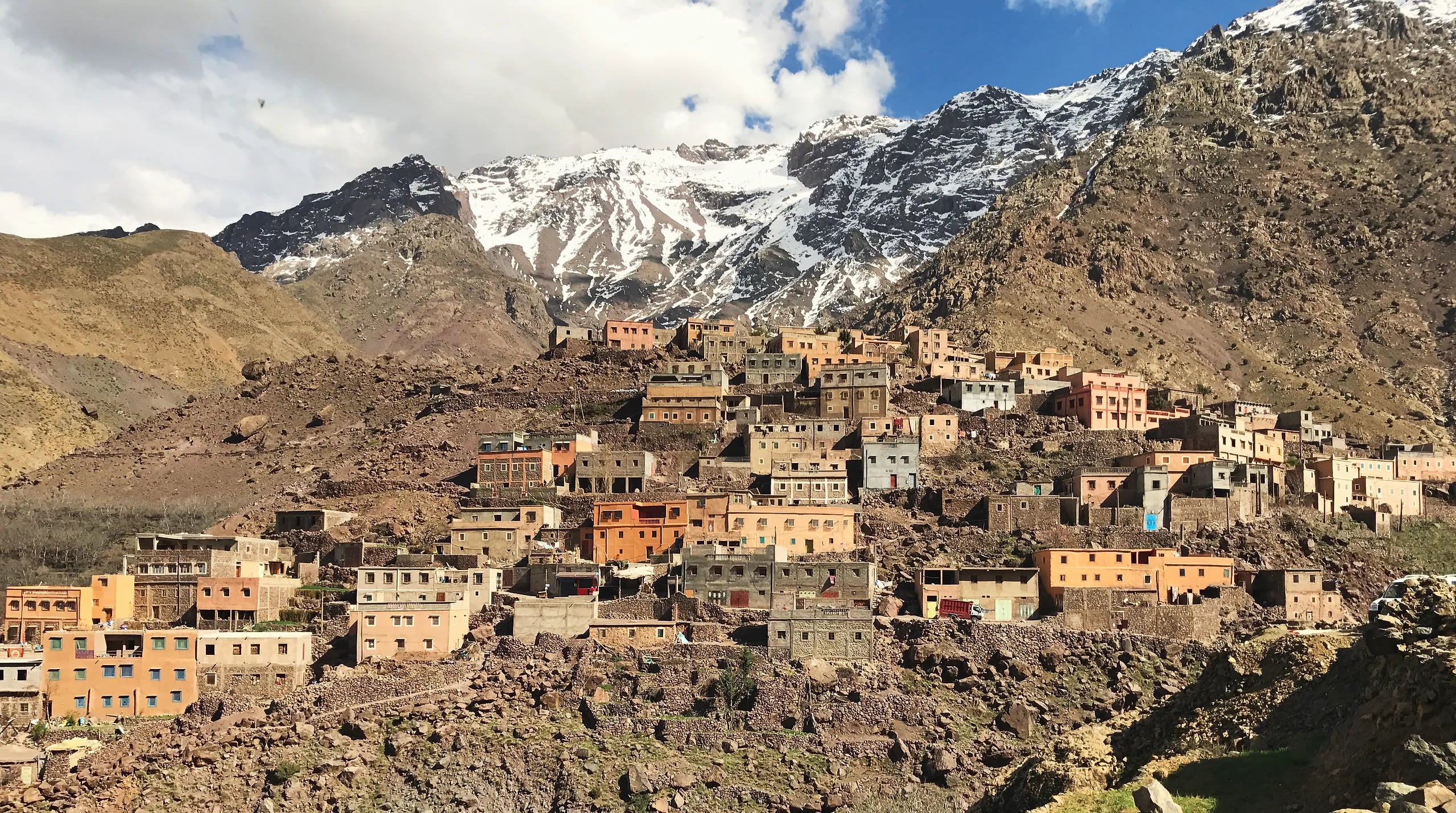
Imlil valley, below Toubkal. Photograph: Erokhin, CC BY-SA 4.0
- Climate regions
- 6
- Best months
- April and October
- Hottest
- August, 46°C in the Sahara
- Wettest
- Tangier, December
Seasonal Overview at a Glance
Morocco runs from the Mediterranean coast to the Sahara, so the weather depends on where you are. The short version first.
- Spring (March - May)
- Best OverallThe ideal season for most travelers. Comfortable temperatures everywhere, wildflowers in the Atlas, minimal rain in the south, and festivals beginning. April and May are peak perfection.
- Summer (June - August)
- Coast OnlyInterior and Sahara are too hot for comfortable tourism. Coastal cities (Essaouira, Agadir, Tangier) remain pleasant. Domestic tourism peaks. Prices rise at beaches, drop inland.
- Autumn (September - November)
- ExcellentRivals spring as the best season. October is arguably the single best month. Desert tours are perfect, cities are comfortable, and tourist numbers are manageable.
- Winter (December - February)
- Budget SeasonCool and wet in the north, mild in the south. Excellent for budget travelers (except Christmas/NYE). Skiing available. Desert tours are good but cold at night. Fewer crowds.
Month-by-Month Weather Guide
The whole year in one table. Pick a month for its regional data, packing list and activities.
| Month | Our score | Marrakech | Essaouira | Sahara | Tangier rain |
|---|---|---|---|---|---|
| January | 18C | 18C | 20C | 80mm | |
| February | 20C | 19C | 22C | 70mm | |
| March | 23C | 20C | 26C | 55mm | |
| April | 26C | 20C | 30C | 40mm | |
| May | 30C | 21C | 35C | 25mm | |
| June | 34C | 23C | 40C | 10mm | |
| July | 38C | 24C | 45C | 3mm | |
| August | 39C | 24C | 46C | 2mm | |
| September | 33C | 24C | 37C | 15mm | |
| October | 27C | 23C | 30C | 50mm | |
| November | 22C | 21C | 24C | 80mm | |
| December | 18C | 19C | 19C | 85mm |
Daytime highs. Our score is our editorial judgement of the month for a typical trip.
January
Cool and wet in the north, mild in the south. The Atlas Mountains receive heavy snowfall, opening ski season at Oukaimeden. Marrakech is pleasant by day but cold at night. The Sahara is comfortable but chilly after sunset. Tourist numbers are at their lowest, meaning excellent prices on riads and tours.
| Region | High | Low | Rain | Rain days |
|---|---|---|---|---|
| Marrakech | 18C | 6C | 30mm | 6 |
| Essaouira | 18C | 10C | 40mm | 7 |
| Fes | 15C | 4C | 55mm | 9 |
| Sahara | 20C | 4C | 5mm | 1 |
| Atlas (2000m) | 8C | -5C | 50mm | 8 |
| Tangier | 16C | 8C | 80mm | 11 |
What to pack
- Warm jacket or fleece
- Rain layer (packable)
- Layers for temperature swings
- Warm hat and gloves (Atlas visits)
- Comfortable walking shoes
Best activities
- Skiing at Oukaimeden
- Marrakech sightseeing without crowds
- Sahara camping under clear skies
- Hammam and spa retreats
- Cooking classes in quiet riads
February
Similar to January but slightly warmer. Almond blossoms begin in the Ameln Valley near Tafraoute, creating one of Morocco's most beautiful seasonal spectacles. Rainfall starts decreasing in the south. The northern cities remain chilly and wet. Still low season with good deals available.
| Region | High | Low | Rain | Rain days |
|---|---|---|---|---|
| Marrakech | 20C | 7C | 25mm | 5 |
| Essaouira | 19C | 10C | 30mm | 6 |
| Fes | 16C | 5C | 50mm | 8 |
| Sahara | 22C | 6C | 3mm | 1 |
| Atlas (2000m) | 10C | -3C | 45mm | 7 |
| Tangier | 17C | 9C | 70mm | 10 |
What to pack
- Layered clothing system
- Light rain jacket
- Sunglasses (desert trips)
- Warm sweater for evenings
- Camera for almond blossoms
Best activities
- Almond blossom festival (Tafraoute)
- Skiing last weeks at Oukaimeden
- Desert tours with mild temperatures
- Explore Fes medina without summer heat
- Surfing at Taghazout (consistent swells)
March
Spring arrives. Temperatures become very comfortable across the country. Wildflowers blanket the Atlas foothills and the Middle Atlas cedars turn vivid green. This is the start of peak trekking season. The Sahara is warm but not yet punishing. Shoulder season pricing in most accommodations.
| Region | High | Low | Rain | Rain days |
|---|---|---|---|---|
| Marrakech | 23C | 10C | 30mm | 5 |
| Essaouira | 20C | 12C | 25mm | 4 |
| Fes | 19C | 7C | 45mm | 7 |
| Sahara | 26C | 11C | 5mm | 1 |
| Atlas (2000m) | 14C | 0C | 40mm | 6 |
| Tangier | 18C | 10C | 55mm | 8 |
What to pack
- Light layers for daytime
- Warm layer for evenings
- Sun hat and sunscreen
- Good hiking boots (Atlas)
- Allergy medication (pollen season)
Best activities
- Atlas trekking (wildflower season)
- City tours in perfect weather
- Paragliding near Marrakech
- Golf in mild conditions
- Rose Valley early blooms
April
One of the two best months to visit Morocco. Warm and sunny across the country with minimal rain outside the north. The Rose Festival in the Dades Valley typically occurs in late April or early May. Atlas trekking conditions are ideal. Beach towns start warming up. Booking ahead recommended as tourism picks up.
| Region | High | Low | Rain | Rain days |
|---|---|---|---|---|
| Marrakech | 26C | 12C | 20mm | 4 |
| Essaouira | 20C | 13C | 15mm | 3 |
| Fes | 22C | 10C | 35mm | 5 |
| Sahara | 30C | 15C | 3mm | 0 |
| Atlas (2000m) | 18C | 4C | 30mm | 4 |
| Tangier | 20C | 12C | 40mm | 6 |
What to pack
- Light cotton clothing
- Sun hat and SPF 50
- Light scarf for wind/mosques
- Sandals and walking shoes
- Swimwear (coastal areas)
Best activities
- Rose Festival (Kelaat M'Gouna)
- Toubkal summit attempt
- Desert camping before summer heat
- Essaouira beach walks
- Festival season begins
May
The other best month. Similar to April but warmer. The Sahara starts getting hot but is manageable. Coastal cities are perfect. Interior cities like Marrakech and Fes are warm but not yet stifling. The Gnaoua Festival in Essaouira usually takes place in late May or June. Long daylight hours for sightseeing.
| Region | High | Low | Rain | Rain days |
|---|---|---|---|---|
| Marrakech | 30C | 15C | 10mm | 2 |
| Essaouira | 21C | 15C | 5mm | 1 |
| Fes | 26C | 13C | 20mm | 3 |
| Sahara | 35C | 19C | 2mm | 0 |
| Atlas (2000m) | 22C | 8C | 15mm | 2 |
| Tangier | 22C | 14C | 25mm | 4 |
What to pack
- Breathable cotton and linen
- Strong sunscreen SPF 50+
- Refillable water bottle
- Light long sleeves for sun protection
- Hat with brim
Best activities
- Gnaoua Festival (Essaouira)
- Atlas trekking (snow melted from passes)
- Coastal activities
- Outdoor dining peak season
- Photography in golden light
June
Summer begins. Interior cities like Marrakech hit 35C+ regularly. The Sahara becomes very hot with midday temperatures above 40C. Coastal cities remain comfortable thanks to Atlantic breezes. Essaouira rarely exceeds 25C. This is a good month for coast-focused itineraries. Ramadan may fall in this period (check Islamic calendar).
| Region | High | Low | Rain | Rain days |
|---|---|---|---|---|
| Marrakech | 34C | 18C | 5mm | 1 |
| Essaouira | 23C | 16C | 2mm | 0 |
| Fes | 31C | 16C | 10mm | 1 |
| Sahara | 40C | 23C | 0mm | 0 |
| Atlas (2000m) | 26C | 12C | 5mm | 1 |
| Tangier | 25C | 17C | 10mm | 2 |
What to pack
- Ultra-light breathable clothing
- SPF 50+ sunscreen (reapply often)
- Electrolyte packets
- Cooling towel for heat
- Comfortable sandals
Best activities
- Beach season at Agadir
- Essaouira wind sports
- Early morning Marrakech visits
- Atlas high passes now accessible
- Dakhla kitesurfing
July
Peak summer heat. Marrakech and Fes regularly exceed 38C. The Sahara is brutally hot (45C+) and desert tours are not recommended. Coastal cities are the best bet: Essaouira, Agadir, and Tangier remain pleasant. This is domestic tourism peak as Moroccans head to beaches. Hotels in coastal areas book up and prices rise.
| Region | High | Low | Rain | Rain days |
|---|---|---|---|---|
| Marrakech | 38C | 22C | 2mm | 0 |
| Essaouira | 24C | 17C | 0mm | 0 |
| Fes | 35C | 19C | 3mm | 0 |
| Sahara | 45C | 27C | 0mm | 0 |
| Atlas (2000m) | 30C | 15C | 3mm | 0 |
| Tangier | 28C | 19C | 3mm | 0 |
What to pack
- Lightest possible clothing
- Portable fan or misting spray
- SPF 50+ (large quantity)
- Reusable water bottle (hydrate constantly)
- Light cotton scarf
Best activities
- Beach holidays (Agadir, Essaouira, Tangier)
- Surfing Taghazout
- Mountain retreats at Ifrane
- Night markets (cooler evenings)
- Water parks
August
The hottest month. Interior travel is uncomfortable for most visitors. The Sahara is off-limits for casual tourists due to extreme heat. However, Moroccan vacation peaks in August and the coast buzzes with domestic tourism. If you visit this month, plan a coastal itinerary or head to the Atlas Mountains above 2,000m where temperatures are manageable.
| Region | High | Low | Rain | Rain days |
|---|---|---|---|---|
| Marrakech | 39C | 22C | 2mm | 0 |
| Essaouira | 24C | 18C | 0mm | 0 |
| Fes | 36C | 20C | 2mm | 0 |
| Sahara | 46C | 28C | 1mm | 0 |
| Atlas (2000m) | 31C | 16C | 5mm | 1 |
| Tangier | 29C | 20C | 2mm | 0 |
What to pack
- Same as July
- Electrolyte supplements essential
- Battery-powered fan
- Loose-fitting linen clothing
- After-sun lotion
Best activities
- Coastal road trips
- Chefchaouen (cooler in the Rif)
- Ifrane mountain escape
- Night-focused city exploration
- Early morning hiking
September
The heat begins to break. Late September is noticeably cooler than August. Marrakech and Fes become comfortable again by the last week. The Sahara starts to become viable for desert tours again. Surf swells return to the Atlantic coast. Shoulder season pricing returns. An excellent month for travel.
| Region | High | Low | Rain | Rain days |
|---|---|---|---|---|
| Marrakech | 33C | 18C | 8mm | 1 |
| Essaouira | 24C | 17C | 5mm | 1 |
| Fes | 31C | 17C | 15mm | 2 |
| Sahara | 37C | 21C | 5mm | 1 |
| Atlas (2000m) | 25C | 10C | 15mm | 2 |
| Tangier | 27C | 18C | 15mm | 2 |
What to pack
- Light clothing with one warm layer
- Rain jacket (late month)
- Sunscreen still essential
- Comfortable walking shoes
- Swimwear
Best activities
- Desert tours resume (late month)
- Surfing season begins
- Trekking in cooler Atlas
- Film festivals
- Harvests in agricultural regions
October
Many experienced Morocco travelers consider October the single best month to visit. Temperatures are perfect across the country: warm but not hot. The Sahara is comfortable for camping. Rain is minimal outside the north. Atlas trekking is superb. Tourist numbers are moderate. This is the sweet spot.
| Region | High | Low | Rain | Rain days |
|---|---|---|---|---|
| Marrakech | 27C | 14C | 20mm | 3 |
| Essaouira | 23C | 16C | 15mm | 2 |
| Fes | 24C | 12C | 30mm | 4 |
| Sahara | 30C | 15C | 8mm | 1 |
| Atlas (2000m) | 19C | 5C | 25mm | 3 |
| Tangier | 23C | 15C | 50mm | 6 |
What to pack
- Comfortable layers
- Light jacket for evenings
- Good trekking gear (Atlas)
- Sun protection still needed
- Desert camping warm layer
Best activities
- Sahara desert camping
- Toubkal summit (ideal conditions)
- City exploration in comfort
- Date harvest in Zagora
- Paragliding season peaks
November
Autumn deepens. Temperatures cool, especially in the evenings. Rain increases significantly in the north (Tangier, Chefchaouen, Fes). The south remains pleasant and dry. Desert tours are excellent. Marrakech is comfortable. The first snow dusts the High Atlas peaks. Tourist numbers drop, meaning better availability and pricing.
| Region | High | Low | Rain | Rain days |
|---|---|---|---|---|
| Marrakech | 22C | 10C | 30mm | 5 |
| Essaouira | 21C | 13C | 35mm | 5 |
| Fes | 18C | 8C | 55mm | 7 |
| Sahara | 24C | 10C | 5mm | 1 |
| Atlas (2000m) | 13C | 1C | 40mm | 5 |
| Tangier | 19C | 12C | 80mm | 9 |
What to pack
- Warm jacket (essential evenings)
- Rain jacket (northern trips)
- Layers, layers, layers
- Warm socks and closed shoes
- Scarf for wind
Best activities
- Desert tours (perfect temperatures)
- Olive harvest experiences
- Marrakech without crowds
- Photography (dramatic light)
- Wine tasting in Meknes region
December
Winter arrives. Cool to cold across the country, especially at night. Rain is frequent in the north. The Atlas Mountains are snow-covered and skiing opens. The Sahara is comfortable by day but cold at night (down to 2C). Holiday period (Christmas/New Year) brings a surge in tourism and prices spike at popular riads. Book well ahead for the last two weeks.
| Region | High | Low | Rain | Rain days |
|---|---|---|---|---|
| Marrakech | 18C | 6C | 25mm | 5 |
| Essaouira | 19C | 10C | 40mm | 6 |
| Fes | 14C | 4C | 50mm | 8 |
| Sahara | 19C | 3C | 5mm | 1 |
| Atlas (2000m) | 7C | -6C | 50mm | 7 |
| Tangier | 16C | 8C | 85mm | 11 |
What to pack
- Warm winter jacket
- Hat, gloves, scarf
- Rain gear
- Warm sleepwear (riads can be cold)
- Thermal base layer (Atlas/desert nights)
Best activities
- Skiing at Oukaimeden
- New Year in Marrakech
- Hammam season (warm up!)
- Holiday shopping in souks
- Sahara stargazing (cold clear skies)
Morocco’s Six Climate Zones
Why the weather changes so much across one country, from Mediterranean coast to true Saharan desert.
- Interior (Marrakech)
- Semi-arid continental. Hot, dry summers (38°C+), mild winters (18°C days, 6°C nights). Daily swings of 15-20 degrees. Low rainfall, mostly in winter.
- Atlantic coast
- Maritime, moderated by the cold Canary Current. A narrow range year-round (17-25°C). Steady wind, especially at Essaouira, and frequent morning fog.
- North interior (Fes)
- Mediterranean-influenced continental. Wetter and cooler than Marrakech, with cold, rainy winters and occasional frost. Hot but less extreme summers. Most rain falls October to March.
- Sahara Desert
- True desert. Extreme summer heat (45°C+), winter nights near freezing, almost no rain, and daily swings of 25-30 degrees.
- Atlas Mountains
- Alpine above 2,000 m. Heavy snow November to April, cool summers with afternoon thunderstorms. Temperature falls about 6°C per 1,000 m climbed.
- Rif and north coast
- True Mediterranean. The wettest region of Morocco (800 mm+ a year), green, with mild wet winters and warm dry summers. Chefchaouen gets more rain than London.
Weather Planning Tips
- Layer everything
- Swings of 15-20°C in a day are normal. A hot afternoon in Marrakech turns into a chilly evening; always carry a layer.
- Sunscreen year-round
- UV levels are high even in winter, given the latitude and clear skies. SPF 30 minimum, SPF 50+ recommended.
- Wind at the coast
- Essaouira and the Atlantic towns are windy year-round, especially June-September. Pack a windbreaker even in summer.
- Desert nights are cold
- Sahara nights drop to 5°C in spring and autumn and near 0°C in winter. Bring thermal layers for any desert camp.
- Ramadan
- Ramadan moves 10-11 days earlier each year. Restaurants may keep shorter hours; plan ahead and respect the fast.
- Book ahead for peak months
- April, October, Christmas/New Year and Easter see the most demand. Book accommodation 2-3 months ahead.