Discovering...

Expert Local Knowledge
Local Guides & Experts
Morocco is a country best experienced through the eyes of those who call it home. Connect with certified local guides who bring passion, deep expertise, and insider knowledge to every journey -- from medina masters and Sahara navigators to culinary storytellers and photography mentors.
20+
Expert Guides
18
Certified
13
Cities
9
Languages
4.8
Avg Rating
The Local Advantage
Why Book a Local Guide
Morocco rewards those who travel with a local by their side. Here is what a knowledgeable guide brings to your experience.
Navigate the Medinas
Morocco's ancient medinas are a labyrinth of 9,000+ alleyways. A local guide ensures you discover hidden gems without getting lost, turning confusion into wonder.
Avoid Tourist Traps
Guides steer you toward authentic experiences and fair prices. They know which restaurants locals eat at, which artisans produce genuine work, and where the real culture lives.
Bridge the Language Gap
Most Moroccans speak Arabic and French. Your guide translates not just words but context, helping you communicate, bargain effectively, and understand cultural nuances.
Access Hidden Experiences
Guides open doors that are closed to solo travelers: private riad courtyards, family-run workshops, home-cooked meals, and ceremonies that require a local introduction.
Rich Historical Context
Morocco has 12 centuries of recorded history across Berber, Arab, Andalusian, and French influences. Guides bring monuments, ruins, and traditions to life with stories you will not find in any guidebook.
Support Local Economy
Hiring a local guide puts money directly into the community. Many guides support extended families and invest in education, preservation, and village development projects.
Our Directory
Meet Your Guide
Browse 20 vetted local guides across 13 Moroccan cities. Filter by specialty, language, city, or budget to find your ideal match.
Showing 20 of 20 guides
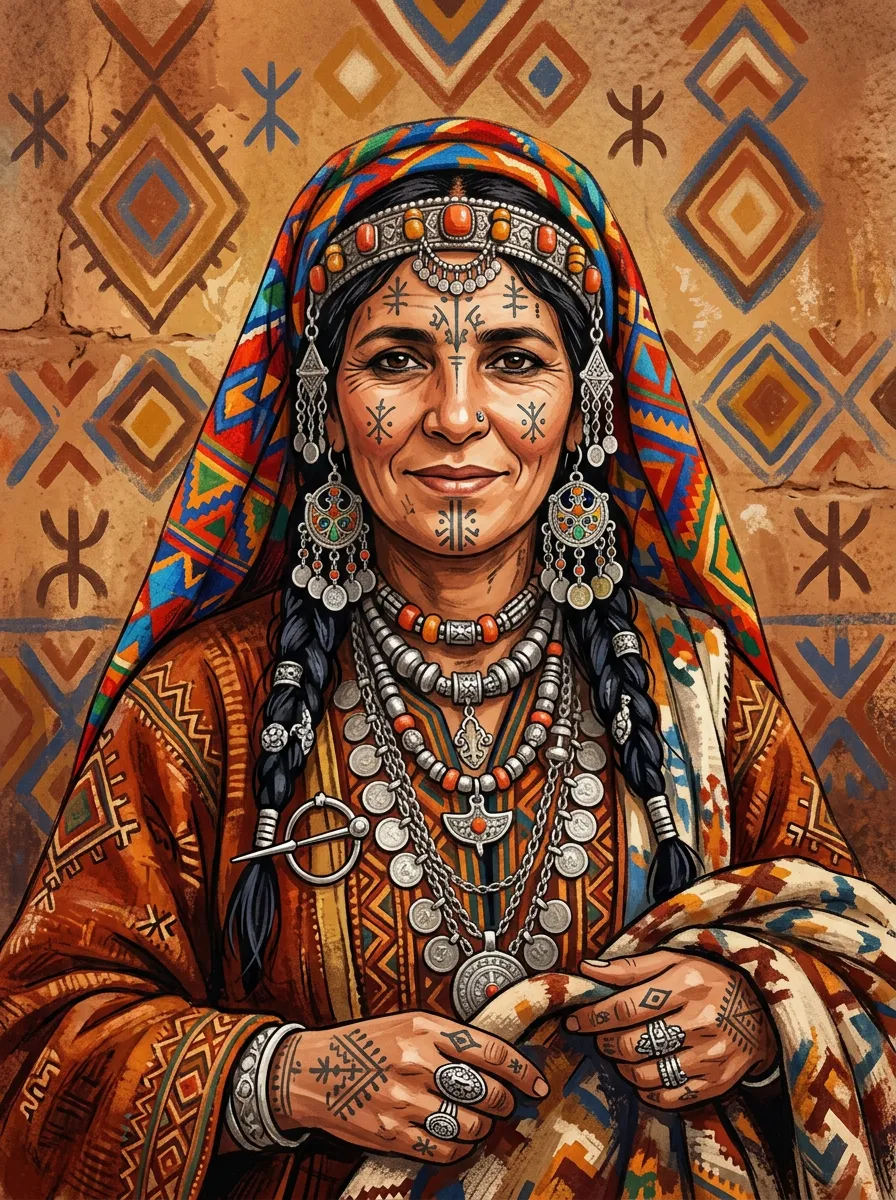
Hassan El-Fassi
Fes
4.9
(342 reviews)Born and raised in the Fes medina, Hassan has spent over 15 years sharing the hidden treasures of the world's largest car-free urban area. His deep knowledge of Marinid architecture and Fassi craftsmanship makes every tour an unforgettable journey through centuries of history.
ArabicFrenchEnglishSpanish
Medina ToursHistoryArchitecture
15 years
MAD 800 /day
Fatima Benani
Marrakech
4.9
(278 reviews)Fatima is a passionate foodie and certified guide who brings Marrakech alive through its incredible cuisine. From hidden street stalls in the medina to palace kitchens, she reveals the stories and flavors behind every dish with warmth and infectious enthusiasm.
ArabicFrenchEnglish
Food ToursCulturalMedina Tours
8 years
MAD 700 /day
Youssef Amrani
Merzouga
4.8
(195 reviews)A Berber nomad turned professional guide, Youssef knows the Sahara like the back of his hand. He leads multi-day desert expeditions with authentic camp experiences, sharing ancient navigation techniques and stories under the stars that his grandfather taught him.
ArabicTamazightFrenchEnglish
Desert ExpeditionsAdventureCultural
12 years
MAD 900 /day
Leila Chraibi
Chefchaouen
4.8
(156 reviews)Leila is a professional photographer and guide who combines her artistic eye with intimate local knowledge. Her photography walks through the blue streets of Chefchaouen reveal compositions and hidden corners that most visitors walk right past.
ArabicFrenchEnglishItalian
PhotographyCulturalMedina Tours
6 years
MAD 650 /day
Omar Tazi
Marrakech
4.9
(410 reviews)Omar holds a degree in Islamic art history and has been guiding in Marrakech for over two decades. He specializes in architectural tours of palaces, medersas, and mosques, bringing the intricate zellige, stucco, and cedar work to life with scholarly expertise.
ArabicFrenchEnglishGerman
ArchitectureHistoryCultural
22 years
MAD 950 /day
Khadija Lahlou
Essaouira
4.7
(134 reviews)Khadija is a Gnaoua music enthusiast and cultural guide who reveals the bohemian soul of Essaouira. Her tours blend history, music, art, and cuisine, connecting travelers with local artisans, musicians, and the creative community that makes this coastal town unique.
ArabicFrenchEnglish
CulturalFood ToursHistory
9 years
MAD 600 /day
Driss Moussaoui
Imlil
4.9
(267 reviews)Driss is a certified mountain guide from the Berber village of Imlil in the High Atlas. He leads treks ranging from gentle valley walks to multi-day Toubkal summit expeditions, sharing his profound knowledge of Berber culture and mountain ecology along the way.
ArabicTamazightFrenchEnglish
AdventureCulturalDesert Expeditions
18 years
MAD 850 /day
Amina Belkadi
Rabat
4.7
(98 reviews)Amina offers a fresh perspective on Morocco's capital, combining its imperial heritage with its modern cultural renaissance. From the Kasbah of the Udayas to the contemporary art scene, she bridges centuries of history with the vibrant Rabat of today.
ArabicFrenchEnglishSpanish
HistoryArchitectureCultural
7 years
MAD 650 /day
Rachid Ouazzani
Ouarzazate
4.8
(189 reviews)Rachid is a desert and kasbah specialist who grew up in the shadow of Ait Ben Haddou. He guides travelers through the stunning Draa Valley, Rose Valley, and Dades Gorge, sharing insider knowledge of filming locations and the region's rich oasis culture.
ArabicTamazightFrenchEnglish
Desert ExpeditionsHistoryPhotography
14 years
MAD 800 /day
Nadia Idrissi
Fes
4.8
(221 reviews)Nadia specializes in culinary experiences in the ancient city of Fes. She leads market tours through the spice souks, arranges private cooking lessons with local families, and reveals the centuries-old gastronomic traditions that make Fassi cuisine Morocco's finest.
ArabicFrenchEnglish
Food ToursCulturalMedina Tours
10 years
MAD 750 /day
Mohamed Benjelloun
Tangier
4.7
(175 reviews)Mohamed brings the colorful history of Tangier to life, from its days as an international zone to its literary legends like Paul Bowles and William Burroughs. His tours reveal the city where Europe meets Africa with deep cultural insight and engaging storytelling.
ArabicFrenchEnglishSpanishPortuguese
HistoryCulturalArchitecture
16 years
MAD 700 /day
Samira Kettani
Marrakech
4.6
(89 reviews)Samira is a wellness and cultural guide who introduces travelers to Morocco's ancient healing traditions. She curates bespoke experiences including authentic hammam rituals, herbalist visits, yoga sessions, and argan oil cooperative tours.
ArabicFrenchEnglish
CulturalFood ToursMedina Tours
5 years
MAD 600 /day
Karim Filali
Agadir
4.8
(167 reviews)Karim is a surf instructor and adventure guide based on the Atlantic coast. He leads surfing expeditions along the best breaks between Agadir and Essaouira, as well as paragliding, quad biking, and Paradise Valley hiking trips.
ArabicFrenchEnglishGerman
AdventurePhotographyCultural
11 years
MAD 750 /day
Hafsa Berrada
Meknes
4.7
(142 reviews)Hafsa is a history scholar specializing in Morocco's imperial cities. She guides visitors through the grand monuments of Meknes, the Roman ruins of Volubilis, and the holy town of Moulay Idriss with academic depth delivered in an engaging, accessible style.
ArabicFrenchEnglish
HistoryArchitectureCultural
13 years
MAD 700 /day
Adil Cherkaoui
Casablanca
4.6
(113 reviews)Adil showcases the modern face of Morocco through Casablanca's Art Deco heritage, the legendary Hassan II Mosque, and the thriving contemporary food scene. His tours challenge the common perception of Casa as just a transit city.
ArabicFrenchEnglishItalian
ArchitectureFood ToursHistory
8 years
MAD 650 /day
Zineb Alami
Chefchaouen
4.7
(108 reviews)Zineb grew up in the Rif Mountains and knows every blue-painted alley and hidden waterfall around Chefchaouen. Her cultural tours include visits to local weavers, cheese makers, and cannabis cooperative farms that have shaped the region's economy for centuries.
ArabicTamazightFrenchEnglish
CulturalMedina ToursPhotography
7 years
MAD 550 /day
Hamza Mansouri
Merzouga
4.9
(198 reviews)Hamza leads luxury desert expeditions that go far beyond the typical camel ride. His multi-day Sahara journeys include visits to nomad families, fossil hunting, oasis exploration, and nights in exclusive private camps under the clearest skies you will ever see.
ArabicTamazightFrenchEnglish
Desert ExpeditionsAdventurePhotography
10 years
MAD 1,000 /day
Salma El-Ouafi
Marrakech
4.8
(154 reviews)Salma runs immersive photography tours through Marrakech, from the chaos of Jemaa el-Fnaa at golden hour to intimate portraits in the artisan quarters. As a published photographer, she teaches composition, lighting, and storytelling through the lens.
ArabicFrenchEnglish
PhotographyCulturalMedina Tours
9 years
MAD 800 /day
Abdellah Naciri
Tinghir
4.8
(176 reviews)Abdellah is a rock climbing instructor and gorge specialist based near Todra Gorge. He organizes climbing expeditions for all levels, canyon treks through the Dades Valley, and cultural visits to the remote Berber villages of the Anti-Atlas.
ArabicTamazightFrenchEnglish
AdventureCulturalDesert Expeditions
15 years
MAD 850 /day
Imane Touhami
Fes
4.9
(203 reviews)Imane is an architect and heritage guide who reveals the structural genius behind the Fes medina's 9,000 alleyways. Her architectural tours decode the hidden language of Marinid design, from sacred geometry in zellige to the acoustic engineering of ancient medersas.
ArabicFrenchEnglishJapanese
ArchitectureHistoryCultural
11 years
MAD 850 /day
Before You Go
Popular Morocco Questions, Answered
Honest, up-to-date answers to the things travellers ask most before visiting Morocco.
Practical
Read the answerIs the Tap Water Safe to Drink in Morocco?
Tap water in Morocco’s cities is chlorinated and generally considered safe for locals, but most visitors stick to bottled or filtered water to avoid an upset stomach from the different mineral content — and tap water is best avoided in rural and desert areas.
Practical
Read the answerCan You Drink Alcohol in Morocco?
Yes, you can drink alcohol in Morocco. It is legal for visitors and sold in licensed restaurants, hotels, bars, rooftop lounges and dedicated supermarket sections — just drink discreetly and respect that it is a Muslim-majority country.
Money
Read the answerDo You Need Cash in Morocco? (Cards vs. Cash)
Yes — Morocco is still largely a cash economy. Cards work in hotels, bigger restaurants and modern shops, but you need dirham cash for taxis, souks, street food, tips, small cafés and most of rural Morocco.
Culture
Read the answerWhat Language Is Spoken in Morocco?
Morocco’s official languages are Arabic and Amazigh (Berber). Most people speak Moroccan Arabic (Darija) day to day, French is widely used in business and signage, and English is increasingly understood in tourist areas.
Desert
Read the answerHow Many Days Do You Need in the Sahara Desert?
For the real Erg Chebbi dunes near Merzouga, plan a 3-day / 2-night desert tour from Marrakech or Fes. A 2-day trip only reaches the smaller Zagora dunes; 4 days lets you slow down and add the Dades and Todra gorges.
Desert
Read the answerHow Far Is the Sahara Desert from Marrakech?
The big Erg Chebbi dunes at Merzouga are about 560 km from Marrakech — a 9–10 hour drive usually split over two days. The closer Zagora dunes are about 360 km, roughly 7 hours.
Planning
Read the answerBest Area to Stay in Marrakech for First-Timers
For a first visit, stay in a riad inside the Medina to be walking distance from Jemaa el-Fnaa and the souks. Prefer modern comfort, bars and easy taxis? Choose Gueliz (new town) or Hivernage instead.
Practical
Read the answerWhat to Avoid in Morocco: 12 Honest Tips
Avoid unofficial “guides” and overpaying by not agreeing prices first, accepting unsolicited help or “gifts,” drinking rural tap water, dressing too revealingly at religious sites, and photographing people without asking. None of it is dangerous — just be politely firm.
Money
Read the answerHow Much to Tip in Morocco (Tipping Guide)
Tipping (“bakshish”) is customary in Morocco. Round up or leave 5–10% in restaurants, tip a private guide roughly 100–200 MAD per day, a driver 50–100 MAD per day, and 5–20 MAD for small services like porters and café waiters.
Money
Read the answerIs Morocco Cheap or Expensive to Visit?
Morocco is affordable to mid-range by Western standards. Backpackers can travel on roughly 350–550 MAD (£28–£44 / $35–$55) a day, mid-range travellers around 800–1,500 MAD a day, while riads, private tours and imported goods push costs up.
Planning
Read the answerIs Marrakech Worth Visiting?
Yes — Marrakech is worth visiting for its extraordinary medina, souks, palaces, food and energy. It can feel intense and touristy in places, so set expectations, give it 2–3 days, and use it as a base for the Atlas and Sahara.
Culture
Read the answerCan You Wear Shorts in Morocco? (Dress Code)
You can wear shorts in Morocco, especially at beach resorts and in big cities, but it’s more respectful — and draws less attention — to cover knees and shoulders in medinas, smaller towns and at religious sites. Light, loose, longer clothing is the comfortable, respectful choice.
Practical
Read the answerWhat Plug Adapter Do You Need in Morocco?
Morocco uses European-style Type C and Type E plugs (two round pins) at 220V, 50Hz. Travellers from the UK, US, Australia and elsewhere need a Europe/Morocco travel adapter; most phone and laptop chargers handle 220V automatically, so you rarely need a voltage converter.
Transport
Read the answerIs There Uber in Morocco? (Getting Around)
No, Uber pulled out of Morocco and isn’t available. Locals and visitors use petit taxis (metered, in-city), grand taxis (shared, longer routes), and in some cities ride-hailing apps like inDrive or Careem, plus excellent trains and CTM/Supratours buses between cities.
Money
Read the answerCan You Use Euros in Morocco?
Mostly no — Morocco’s currency is the dirham (MAD) and you should pay in dirham. Some hotels, tourist shops and desert/tour operators accept euros (and sometimes US dollars) for larger payments, but usually at a poor rate, so change money or use ATMs for everyday spending.
Food
Read the answerIs Moroccan Food Spicy?
Moroccan food is richly spiced but not chilli-hot. It’s aromatic and warm — cumin, cinnamon, ginger, saffron and the ras el hanout blend — rather than fiery. Heat usually comes from a side of harissa you add yourself.
Planning
Read the answerHow Hot Is Morocco in Summer?
Very hot inland: Marrakech and the interior often hit 38–45°C (100–113°F) in July–August, and the Sahara can exceed 45°C. The Atlantic coast (Essaouira, Agadir) stays far milder at around 22–28°C, and the Atlas Mountains are cooler and pleasant.
Safety
Read the answerIs It Safe to Travel to Morocco Right Now?
Yes — Morocco is generally a safe and welcoming destination for tourists, including solo and female travellers who take normal precautions. Violent crime against visitors is rare; the main issues are petty theft, scams and persistent vendors. Always check your government’s current travel advisory before booking.
Desert
Read the answerAre Morocco Desert Tours Worth It?
Yes — for most visitors a Sahara desert tour is the highlight of their Morocco trip. A camel trek into the Erg Chebbi dunes and a night under the stars at a desert camp is genuinely unforgettable. Choose a private or small-group tour to avoid feeling rushed.
Destinations
Read the answerIs Chefchaouen Worth Visiting?
Yes — Chefchaouen’s blue-washed old town is genuinely beautiful and refreshingly relaxed compared with the big cities. It’s a little out of the way in the Rif Mountains, so it suits an overnight stay rather than a rushed day trip.
Destinations
Read the answerIs Fes Worth Visiting?
Yes — Fes has the world’s largest car-free medieval medina and is Morocco’s cultural and spiritual heart, more historic and less polished than Marrakech. It’s labyrinthine and intense, so a local guide for your first walk is well worth it.
Food
Read the answerIs Street Food Safe in Morocco?
Yes, Moroccan street food is generally safe and delicious if you use common sense: eat at busy stalls with high turnover, choose food cooked fresh and hot in front of you, and be cautious with tap-water ice, raw salads and anything left sitting out.
Desert
Read the answerBest Time to Visit the Sahara Desert in Morocco
The best time to visit Morocco’s Sahara is spring (March–May) and autumn (October–November), when days are warm but comfortable and nights are cool. Summer is extremely hot (over 45°C by day) and winter days are pleasant but nights can be freezing.
Planning
Read the answerIs Morocco Worth Visiting?
Yes — Morocco packs medinas, the Sahara, the Atlas Mountains, Atlantic coast and one of the world’s great cuisines into one affordable, easy-to-reach country. It can be intense and full-on, so plan a varied route and you’ll likely find it unforgettable.
Accommodation
Read the answerWhat Is a Riad in Morocco?
A riad is a traditional Moroccan house built around an interior courtyard or garden, now often run as a small boutique guesthouse. Tucked inside the medina behind plain walls, riads are quiet, atmospheric and personal — a very different experience from a modern hotel.
Practical
Read the answerDoes My Phone Work in Morocco? (SIM & eSIM)
Yes — modern unlocked phones work fine in Morocco on local networks (Maroc Telecom, Orange, Inwi). The cheapest data is a local SIM bought on arrival or a travel eSIM; international roaming works but can be expensive, so check your plan first.
Money
Read the answerHow Do You Haggle in Morocco? (Souk Tips)
In Morocco’s souks, haggling is expected and friendly. Decide what an item is worth to you, open at roughly 30–50% of the first price, stay smiling and patient, and be ready to walk away — the walk-away is your strongest tool and often gets the best price.
Destinations
Read the answerIs Essaouira Worth Visiting?
Yes — Essaouira is a relaxed, breezy Atlantic town with a walkable UNESCO medina, historic ramparts, fresh seafood and a creative, low-hassle vibe. It’s an easy day trip or overnight from Marrakech and a perfect change of pace.
Destinations
Read the answerIs Agadir Worth Visiting?
It depends on what you want. Agadir is Morocco’s premier beach-resort city — sunny, modern, with a long sandy bay, golf and easy package holidays — but it lacks the historic medina culture of Marrakech or Fes, having been rebuilt after a 1960 earthquake.
Planning
Read the answerBest Morocco Itinerary for First-Timers
For a first trip, a classic week loops Marrakech → Aït Benhaddou → the Sahara (Merzouga) → Fes, ending the imperial-cities-and-desert highlights. With 10–14 days, add Chefchaouen and the coast (Essaouira) for a more rounded, less rushed route.
Shopping
Read the answerWhat to Buy in the Moroccan Souks
The best buys in Moroccan souks are handmade rugs and kilims, leather goods, metal lanterns, ceramics and tagines, argan oil, spices, babouche slippers and tea glasses. Buy quality handmade pieces, haggle on price, and watch for mass-produced imitations.
Accommodation
Read the answerDo You Need to Book Riads in Advance?
For popular cities and peak seasons (spring, autumn, holidays), yes — book riads in advance, since the best ones are small and sell out. In quieter months or off the main trail you can be more flexible, but booking at least the first night or two is always wise.
Destinations
Read the answerIs Casablanca Worth Visiting?
Casablanca is worth a day for the stunning Hassan II Mosque, Art Deco architecture and excellent food and nightlife, but it’s a modern business city without the historic medina charm of Marrakech or Fes — most travellers stop briefly rather than stay long.
Wellness
Read the answerWhat Is a Moroccan Hammam? (And Etiquette)
A hammam is a traditional Moroccan steam bath and cleansing ritual: you steam, are scrubbed with black soap and a kessa glove to slough off dead skin, then rinse. Public hammams are cheap, local and communal; spa hammams are private, polished and tourist-friendly.
Family
Read the answerIs Morocco Safe for Families?
Yes — Morocco is generally safe and very welcoming for families. Moroccans adore children, and the mix of deserts, beaches, camels and markets thrills kids. Plan a gentle pace, watch food and sun, and the medinas’ crowds and traffic are the main things to manage.
Culture
Read the answerDo They Speak English in Marrakech?
Yes, in tourist Marrakech you can get by in English — hotels, riads, tour guides, popular restaurants and most souk traders speak enough to do business. Off the tourist track, French and a little Arabic (Darija) go further. A few local words earn real goodwill.
Transport
Read the answerHow to Get from Marrakech to Chefchaouen
Marrakech to Chefchaouen is a long haul (roughly 550 km). The most comfortable options are a train to Fes or Casablanca then an onward bus, a direct long-distance bus (around 10–12 hours), or a private driver who can break the journey with stops.
Comparison
Read the answerMorocco vs Egypt: Which Should You Visit?
Choose Morocco for medinas, mountains, desert, coast and a relaxed, varied trip close to Europe; choose Egypt for the Pyramids, ancient temples and a Nile cruise. Morocco is about atmosphere and landscapes; Egypt is about world-famous ancient monuments.
Planning
Read the answerVisiting Morocco During Ramadan: What to Expect
You can absolutely visit Morocco during Ramadan — sights stay open and tourist services run, but daytime is quieter with some cafés and restaurants closed until sunset. Evenings come alive after iftar. Be respectful: avoid eating, drinking or smoking in public during daylight.
Practical
Read the answerDo You Need a Guide in the Fes Medina?
For your first visit, a registered guide in the Fes medina is genuinely worth it — it’s the world’s largest car-free maze with thousands of unlabelled alleys. A half-day guided walk orients you and unlocks the tanneries, medersas and workshops; after that you can explore solo.
Transport
Read the answerIs It Safe to Self-Drive in Morocco?
Self-driving in Morocco is doable and can be rewarding for scenic routes, but city driving (especially Marrakech and Fes) is chaotic, rural roads and night driving carry real risks, and many travellers prefer a private driver. If you do drive, take it slow, avoid driving at night, and expect police checkpoints.
Planning
Read the answerHow Many Days Do You Need in Fes?
Two days is ideal for Fes: one guided day in the medina (tanneries, medersas, souks) and one to wander or day-trip to Volubilis and Meknes. One day covers the essentials in a rush; three lets you slow down and add the surroundings.
Desert
Read the answerWhat to Wear in the Sahara Desert in Morocco
Dress in layers: loose, light, covering clothing and sun protection (hat, sunglasses, scarf) for the hot day, and warm layers (fleece, jacket, hat) for the surprisingly cold desert night. Add closed shoes for the dunes and a scarf for blowing sand.
Safety
Read the answerIs Morocco Good for Solo Travel?
Yes — Morocco is a popular, rewarding solo destination with easy transport, sociable riads and lots to do. Expect some hustle and unwanted attention (more so for solo women); with normal precautions, modest dress and confidence, most solo travellers have a great time.
Planning
Read the answerBest Time to Visit Marrakech
The best time to visit Marrakech is spring (March–May) and autumn (September–November), with warm, comfortable days ideal for sightseeing. Summer is very hot (often 38–45°C), and winter is mild and pleasant by day but cool at night.
Transport
Read the answerHow to Get from Marrakech Airport to the Medina
Marrakech Menara Airport is only about 6 km (15–20 minutes) from the medina. Options are a petit taxi (agree the fare first — roughly 100–150 MAD, more at night), the cheap #19 airport bus, or a pre-booked private transfer that meets you with a name board.
Practical
Read the answerDo You Need Travel Insurance for Morocco?
It’s not legally required, but travel insurance is strongly recommended for Morocco. Private medical care must be paid for, and cover for illness, accidents, desert and mountain activities, cancellations and lost belongings can save you a lot. Check that your policy includes any adventure activities you plan.
Food
Read the answerWhat Food to Try in Morocco: 12 Must-Eats
Must-try Moroccan dishes include tagine, couscous, pastilla, harira soup, mechoui (slow-roast lamb), grilled brochettes and sardines, msemen and baghrir breads, and sweets like chebakia — all washed down with sweet mint tea.
Culture
Read the answerMint Tea Culture in Morocco Explained
Moroccan mint tea (atay) is green tea brewed with fresh spearmint and plenty of sugar, poured from height to create a foam and aerate it. It’s a symbol of hospitality offered everywhere — accepting a glass is a warm social ritual, not an obligation to buy.
Safety
Read the answerIs Marrakech Safe at Night?
Marrakech is generally safe at night, including the lively Jemaa el-Fnaa and main medina routes. The bigger risks are getting lost in dark, quiet alleys, pickpockets in crowds and persistent hustlers — so stick to busy streets, keep valuables secure and use trusted taxis.
Planning
Read the answerHow to Spend 3 Days in Marrakech
Three days in Marrakech is ideal: day one for the medina (Jemaa el-Fnaa, souks, Bahia Palace), day two for gardens, museums and a hammam, and day three for a day trip to the Atlas Mountains, Agafay desert or Essaouira.
Money
Read the answerDo You Tip Taxi Drivers in Morocco?
Tipping taxi drivers in Morocco isn’t expected, but rounding up the fare to the nearest few dirham is a normal, appreciated gesture for a fair, helpful ride. The bigger money issue is the fare itself — insist on the meter in petit taxis, or agree the price before you set off.
Planning
Read the answerIs Morocco Worth Visiting in Winter?
Yes — winter is a great, underrated time to visit Morocco: cities like Marrakech have mild, sunny days, there are fewer crowds and lower prices, and you can even ski in the Atlas. Just pack for cold nights, chilly desert evenings and the occasional rainy spell.
Practical
Read the answerCan You Use Google Maps in Morocco?
Yes, Google Maps works in Morocco for driving and getting around modern areas, and it’s reliable on a local SIM or eSIM. The catch is the medinas — their tiny unmapped alleys defeat GPS — so download offline maps and note your riad’s nearest gate.
Planning
Read the answerIs Morocco Good for a Honeymoon?
Yes — Morocco is a wonderfully romantic honeymoon: candle-lit riads, a private desert camp under the stars, sunset over the dunes, spa hammams, and a mix of adventure and relaxation. Plan a gentle pace and combine a city, the desert and a coastal or mountain retreat.
Money
Read the answerHow Much Spending Money for a Week in Morocco?
For a week in Morocco, plan roughly £200–350 (backpacker), £550–1,000 (mid-range), or £1,700+ (luxury) per person beyond pre-paid flights and hotels — covering food, transport, entry fees, tips and shopping. Carry a good chunk as dirham cash, since Morocco is cash-heavy.
Culture
Read the answerAre Moroccan People Friendly?
Yes — Moroccans are famously warm and hospitable, and genuine kindness toward visitors is common. In tourist areas you’ll also meet sales-driven friendliness, so the skill is reading the difference: real hospitality expects nothing, while a pitch leads toward a shop, tour or tip.
Practical
Read the answerDo You Need a Visa for Morocco?
Many nationalities — including the UK, US, EU, Canada and Australia — do NOT need a visa for tourist stays of up to 90 days; you just get a stamp on arrival. Your passport should be valid for at least six months. Always check your country’s current requirements before you fly.
Safety
Read the answerIs Morocco LGBTQ+ Friendly?
Honestly, no — same-sex relationships are criminalised in Morocco and public attitudes are conservative, so it is not openly LGBTQ+ friendly. That said, many LGBTQ+ travellers visit safely by being discreet, avoiding public displays of affection, and booking welcoming accommodation.
Practical
Read the answerCan You Flush Toilet Paper in Morocco?
Often no — in older buildings, riads, cafés and public toilets the plumbing is narrow and clogs easily, so put toilet paper in the bin provided, not the bowl. Modern hotels usually handle flushing fine; when unsure, use the bin. Carry your own tissue and small change.
Planning
Read the answerBest Area to Stay in Fes for First-Timers
For a first visit to Fes, stay in a riad inside Fes el-Bali (the old medina) to be among the sights and atmosphere. For modern comfort, lifts, easy car access and a calmer feel, choose the Ville Nouvelle (new town) and taxi in.
Planning
Read the answerHow Far in Advance Should You Book a Morocco Trip?
For peak seasons (spring, autumn and holidays), book flights and your top riads 2–3 months ahead and desert tours a few weeks out. In quieter months you can plan closer in. Always lock down your arrival nights and any must-have riads early.
Shopping
Read the answerWhat Is Argan Oil and Is It Worth Buying in Morocco?
Argan oil is a prized oil pressed from the nuts of the argan tree, which grows almost only in southwest Morocco. It comes in cosmetic (cold-pressed, for skin and hair) and culinary (toasted, nutty) forms. It’s well worth buying — just check it’s pure and ideally from a women’s cooperative.
Health
Read the answerDo You Need Vaccinations for Morocco?
No vaccinations are legally required to enter Morocco for most travellers (unless arriving from a yellow-fever country). Health authorities commonly recommend being up to date on routine jabs plus hepatitis A and tetanus; malaria is not a concern. Always confirm with a travel clinic before you go.
Destinations
Read the answerIs the Fes Tannery Worth It?
Yes — the Chouara tannery in Fes is one of Morocco’s most iconic sights: a centuries-old maze of colourful stone dye pits worked by hand. View it from the leather-shop terraces above. Just know it’s pungent (you’ll be offered mint), and you’re not obliged to buy.
Comparison
Read the answerMorocco vs Turkey: Which Should You Visit?
Choose Morocco for medinas, the Sahara, the Atlas and a compact, exotic North African trip close to Europe; choose Turkey for Istanbul, ancient ruins, Cappadocia’s balloons and Mediterranean beach resorts. Turkey is bigger and more beach-oriented; Morocco is more about desert and medina atmosphere.
Adventure
Read the answerDo You Need to Be Fit to Trek Mount Toubkal?
You don’t need to be an athlete or a technical climber, but Toubkal (4,167 m) is a serious high-altitude trek that demands good general fitness and stamina for long uphill days. With reasonable fitness, a guide and proper acclimatisation, most active hikers can summit.
Culture
Read the answerWhat Is a Kasbah in Morocco?
A kasbah is a fortified building or citadel — traditionally a mud-brick (pisé) fortress or fortified family home, often with towers, built across Morocco’s south. The most famous is Aït Benhaddou; many line the “Road of a Thousand Kasbahs” between Ouarzazate and the desert.
Desert
Read the answerCan You See Camels in Morocco?
Yes — camels (technically dromedaries) are common in Morocco, especially in and around the Sahara. The classic experience is a sunset camel trek over the dunes at Merzouga or Zagora; you’ll also find camel rides near Marrakech (Agafay/Palmeraie) and on some beaches.
Food
Read the answerWhat Do Moroccans Eat for Breakfast?
A Moroccan breakfast is bread-based and delicious: msemen (flaky pancakes), baghrir (spongy semolina pancakes) and harcha (semolina bread), with olive oil, amlou (almond-argan-honey spread), honey, jam and cheese — all washed down with sweet mint tea or coffee.
Culture
Read the answerWhat Is a Medina in Morocco?
A medina is the old, historic walled part of a Moroccan city — a dense, mostly car-free maze of narrow alleys packed with souks, riads, mosques, workshops and homes. Fes and Marrakech have the most famous; Fes el-Bali is the world’s largest car-free urban area.
Desert
Read the answerIs a Morocco Desert Tour Suitable for Seniors?
Yes — many seniors enjoy Morocco’s Sahara, especially on a private, well-paced tour. The main considerations are the long drives (broken over days), the optional camel ride (you can skip it or take a 4x4 to camp), and choosing a comfortable desert camp. It’s very doable with sensible planning.
Practical
Read the answerHow Bad Are Mosquitoes in Morocco?
Mosquitoes in Morocco are usually a minor seasonal nuisance rather than a health threat — malaria is not generally a risk. They’re most noticeable in warmer months and near water (oases, palm groves, the coast and marshy areas), so pack repellent but don’t worry much.
Family
Read the answerIs Agadir Good for Families?
Yes — Agadir is one of Morocco’s most family-friendly destinations: a long, calm, sandy beach, reliable sunshine, resort hotels with pools and kids’ facilities, and easy excursions. It’s relaxed and low-hassle, though light on historic culture (it was rebuilt after a 1960 earthquake).
Destinations
Read the answerIs Chefchaouen Too Touristy?
Chefchaouen is popular and the most photogenic blue lanes get busy with day-trippers and Instagrammers midday, but it still feels relaxed and authentic compared with Marrakech. Stay overnight and explore early morning or evening and you’ll often have the blue streets nearly to yourself.
Transport
Read the answerIs the Train Good in Morocco?
Yes — Morocco’s trains (run by ONCF) are comfortable, punctual and excellent value, and the Al Boraq high-speed line between Tangier and Casablanca is genuinely world-class. They’re the best way to travel the Tangier–Rabat–Casablanca–Fes/Marrakech corridors.
Food
Read the answerWhat Is Ras el Hanout? (Moroccan Spice Blend)
Ras el hanout is Morocco’s signature spice blend — the name means “head of the shop,” i.e. the best the merchant has. It mixes a dozen or more warm spices (cumin, coriander, cinnamon, ginger, cardamom, clove, nutmeg, paprika and more) and flavours tagines, couscous and grilled meats. It’s warmly aromatic, not chilli-hot.
Planning
Read the answerHow to Spend 2 Days in Fes
Spend day one on a guided deep-dive of the Fes medina — the Chouara tannery, the medersas, Al-Qarawiyyin and the souks — and day two exploring the medina solo at your own pace or taking a day trip to the Roman ruins of Volubilis and Meknes.
Food
Read the answerIs It Safe to Eat Salad in Morocco?
Salads are generally safe in good restaurants, riads and hotels, where produce is washed in clean water. The small risk is raw veg or salad washed in untreated tap water at very cheap or informal places — when unsure, choose cooked dishes or peelable fruit, especially in rural areas.
Food
Read the answerWhat Is Harissa? (Moroccan Chilli Paste)
Harissa is a North African hot chilli paste made from red chillies, garlic, olive oil and spices like cumin and coriander. In Morocco it’s usually served on the side so you control the heat — it’s where the spice in an otherwise aromatic, not-fiery cuisine comes from.
Culture
Read the answerCan You Visit Mosques in Morocco as a Non-Muslim?
Generally no — most working mosques in Morocco are closed to non-Muslims. The big exception is the Hassan II Mosque in Casablanca, which offers guided tours. You can also enter many medersas (historic Quranic schools), shrines’ courtyards and ruins, which are beautiful and open to all.
Accessibility
Read the answerIs Morocco Wheelchair Accessible?
Honestly, Morocco is challenging for wheelchair users — old medinas have uneven, narrow, stepped lanes and few ramps, and infrastructure is patchy. But a rewarding trip is very possible with planning: modern hotels, private accessible transport, the right cities, and a specialist operator make a big difference.
Transport
Read the answerHow to Get from Casablanca Airport to the City
The easiest and cheapest way from Casablanca Mohammed V Airport to the city is the train from the station beneath the terminal — about 30–45 minutes to Casa-Voyageurs, and direct connections onward to Rabat, Marrakech and Fes. Taxis are an alternative for a fixed agreed fare.
Practical
Read the answerDo You Need a Power Bank in Morocco?
Yes — a power bank is well worth packing for Morocco. Long desert and mountain days, heavy use of offline maps and photos, and desert camps with limited or solar-only power mean your phone can run low when you most need it. A 10,000–20,000 mAh bank covers most trips.
Destinations
Read the answerIs Tangier Worth Visiting?
Yes — Tangier is an atmospheric, fast-changing port city where the Mediterranean meets the Atlantic, with a walkable medina and kasbah, a storied bohemian past, lively cafés and sea views. It’s a great northern gateway, often paired with Chefchaouen, though it’s more about vibe than blockbuster sights.
Destinations
Read the answerIs Rabat Worth Visiting?
Yes, for a relaxed day — Rabat, Morocco’s capital, is clean, calm and low-hassle, with the lovely blue-and-white Kasbah of the Udayas, the Hassan Tower and Mohammed V Mausoleum, a walkable medina and Atlantic setting. It’s more low-key than Marrakech or Fes, which is exactly its appeal.
Culture
Read the answerWhat Is Zellige? (Moroccan Tilework)
Zellige is Morocco’s signature mosaic tilework — small, hand-cut glazed terracotta tiles arranged into intricate geometric patterns. You’ll see it covering fountains, riad courtyards, medersas and palaces, most spectacularly in Fes, where the craft has been perfected for centuries.
Family
Read the answerIs Morocco Good with a Toddler?
Yes — Morocco is very welcoming to toddlers, and Moroccans adore young children. The challenges are practical: buggies struggle in the medinas (a baby carrier is better), summer heat, food and nap routines. With a gentle pace, a pool and private transport, it’s a rewarding family trip.
Culture
Read the answerDo Moroccans Celebrate Christmas?
Not officially — Morocco is a Muslim-majority country, so Christmas isn’t a public holiday and isn’t widely celebrated by Moroccans. But tourist hotels, riads and resorts often put on Christmas and New Year festivities for visitors, and it’s a popular, mild time to travel.
Destinations
Read the answerIs Meknes Worth Visiting?
Yes, especially as a relaxed half- or full-day or alongside Volubilis. Meknes is the least-touristy of Morocco’s imperial cities, with the monumental Bab Mansour gate, the vast royal granaries and stables, and a laid-back, low-hassle medina — great value for history lovers who want fewer crowds.
Destinations
Read the answerIs Ouarzazate Worth Visiting?
Yes — usually as a stop on the way to the Sahara rather than a standalone destination. Ouarzazate is the “Hollywood of Morocco,” with film studios, the Taourirt Kasbah, and the spectacular UNESCO ksar of Aït Benhaddou nearby. It’s a gateway to the desert and kasbah valleys.
Transport
Read the answerWhat Is a Grand Taxi in Morocco?
A grand taxi is a shared, older Mercedes (usually cream/beige) that runs fixed intercity and town-to-town routes for a set price per seat — typically packed with six passengers. You can also hire the whole car privately for day trips or transfers by paying for all the seats.
Food
Read the answerDo Moroccans Eat Couscous on Fridays?
Yes — couscous is traditionally eaten on Fridays in Morocco, the Muslim holy day, as a communal family meal after midday prayers. Many restaurants feature it as the Friday special, so Friday is the best day to seek out an authentic plate of couscous.
Planning
Read the answerBest Time to Visit Chefchaouen
The best time to visit Chefchaouen is spring (April–June) and autumn (September–October), with mild, pleasant weather for wandering the blue medina and hiking the surrounding Rif Mountains. Summer is warm but busy, and winter is cool, quiet and can be rainy.
Destinations
Read the answerIs Volubilis Worth Visiting?
Yes — Volubilis is Morocco’s best Roman site, a UNESCO-listed ruined city with remarkably preserved mosaics still in place, a triumphal arch, columns and olive presses set in beautiful countryside. It’s a rewarding half-day, easily combined with Meknes and the holy town of Moulay Idriss.
Food
Read the answerWhat Is Amlou? (Morocco’s Almond-Argan Spread)
Amlou is a rich Moroccan spread made from ground roasted almonds, argan oil and honey — thick, nutty and sweet, often nicknamed “Berber Nutella.” It’s a speciality of the Souss region around Agadir and Essaouira, traditionally eaten at breakfast with bread.
Food
Read the answerWhat Is Pastilla? (Moroccan Sweet-Savoury Pie)
Pastilla (also bastilla or b’stilla) is a celebrated Moroccan pie: spiced poultry (traditionally pigeon, now often chicken) layered with almonds and egg in crisp warqa pastry, dusted with cinnamon and icing sugar. The sweet-and-savoury combination is a showpiece dish; a seafood version also exists.
Culture
Read the answerWhat Is Amazigh (Berber) Culture in Morocco?
The Amazigh (commonly called Berbers) are the indigenous people of Morocco and North Africa, with their own language (Tamazight, written in Tifinagh script), traditions, music and crafts. Amazigh is an official language of Morocco, and the culture is strongest in the Atlas Mountains, the Rif and the south.
Planning
Read the answerIs Morocco Good for a Girls’ Trip?
Yes — Morocco is a hugely popular girls’ trip: stylish riads, hammams and spas, souk shopping, cooking classes, the desert and endlessly photogenic settings, all at great value. Travelling as a group adds comfort; just dress modestly in towns and use the usual street awareness for the souk hustle.
Practical
Read the answerDo You Need Good Walking Shoes for Morocco?
Yes — comfortable, sturdy closed walking shoes are the most useful thing in your Morocco bag. The medinas mean hours on uneven, sometimes dirty cobbles, so broken-in trainers or walking shoes beat sandals. Add closed shoes for the desert and proper boots if you’ll trek the Atlas.
Food
Read the answerWhat Is a Tagine? (Dish and Pot Explained)
A tagine is both a dish and the pot it’s cooked in — a shallow earthenware base with a conical lid that traps steam to slow-cook meat, vegetables and spices into a tender stew. Popular versions include chicken with preserved lemon and olives, and lamb with prunes and almonds.
Money
Read the answerIs Morocco Expensive for Food?
No — food in Morocco is generally cheap to moderate. Street food and local eateries are very affordable (a tagine around 40–80 MAD), mid-range restaurants are reasonable, and only tourist-trap spots and upmarket riad dining push prices up. Alcohol is the main expense.
Transport
Read the answerHow to Get from Tangier to Fes
The easiest way from Tangier to Fes is the ONCF train (around 3.5–4.5 hours, comfortable and good value). CTM/Supratours buses also run the route, and a private driver lets you stop at Chefchaouen or Meknes/Volubilis on the way.
Culture
Read the answerWhat Is Gnaoua Music?
Gnaoua (Gnawa) is a hypnotic Moroccan spiritual music with sub-Saharan West African roots, built on the bassy guembri lute, metal qraqeb castanets and call-and-response chanting. Once part of healing trance ceremonies, it’s now celebrated worldwide — most famously at the Gnaoua World Music Festival in Essaouira.
Coast
Read the answerIs the Sea Warm Enough to Swim in Morocco?
It depends on which coast. Morocco’s long Atlantic coast (Agadir, Essaouira, Casablanca) is refreshingly cool and breezy — swimmable in summer but never tropical. The shorter Mediterranean coast in the north (Al Hoceima, Saidia) is warmer and calmer, best from late spring to early autumn.
Culture
Read the answerWhat Is a Djellaba?
A djellaba is Morocco’s traditional long, loose hooded robe, worn by both men and women over other clothes. Made from wool (warm, for winter) or light cotton (for summer), it has a distinctive pointed hood (qob) once used for shade and warmth. You’ll see it everywhere, and it makes a great souvenir.
Planning
Read the answerBest Day Trips from Fes
The best day trips from Fes are the Roman ruins of Volubilis with the holy town of Moulay Idriss (often combined with imperial Meknes), and the Mid-Atlas: Ifrane (the “Swiss” town), the Azrou cedar forests with Barbary macaques, and lakes — all within a couple of hours.
Planning
Read the answerIs Morocco Good for Photography?
Yes — Morocco is one of the world’s great photography destinations: colourful medinas and souks, the Sahara dunes, blue Chefchaouen, kasbahs and dramatic landscapes, all in beautiful warm light. The main rule is etiquette: always ask before photographing people, and avoid police, military and officials.
Food
Read the answerWhat Is Mechoui? (Moroccan Roast Lamb)
Mechoui is whole lamb (or a large cut) slow-roasted until meltingly tender, seasoned simply with salt, cumin and butter so the meat shines. A celebration and feast dish traditionally cooked in a pit oven, it’s eaten by hand — Marrakech even has a famous “mechoui alley” serving it at lunch.
Money
Read the answerATM and Cash Withdrawal Limits in Morocco
Moroccan ATMs typically cap withdrawals around 2,000–4,000 MAD per transaction (varies by bank/machine) and charge a local fee of roughly 20–40 MAD on top of your bank’s fees. Always choose to be charged in dirham. Withdraw larger amounts less often to cut fees.
Practical
Read the answerCan You Take a Drone to Morocco?
In practice, no — Morocco heavily restricts drones, and bringing one in without official authorisation is very likely to get it confiscated at customs (held until you leave, sometimes with paperwork hassle). Flying without a permit is illegal. Don’t rely on getting amazing drone footage here.
Culture
Read the answerWhat Is the Call to Prayer in Morocco?
The call to prayer (adhan) is the melodic call broadcast from mosque minarets five times a day, summoning Muslims to prayer. In Morocco you’ll hear it across every town and city — including a pre-dawn call — and it’s one of the country’s most atmospheric, memorable sounds.
Shopping
Read the answerWhat Is a Souk in Morocco?
A souk is a traditional Moroccan market — a maze of stalls and tiny shops, found inside the medina, classically organised by trade (a leather quarter, a spice souk, a dyers’ souk and so on). They’re where you shop, haggle and soak up the atmosphere for crafts, food and everyday goods.
Planning
Read the answerIs Morocco Good for Couples?
Yes — Morocco is a wonderful couples’ destination: intimate riads, a private desert camp under the stars, couples’ hammams, romantic rooftop dinners and a great mix of adventure and relaxation, all good value. Just keep public displays of affection low-key, as is the local norm.
Comparison
Read the answerMarrakech or Fes: Which Is Better?
Choose Marrakech for energy, gardens, nightlife, day trips and easy access; choose Fes for the deeper, more authentic medieval medina and craftsmanship. Marrakech is more polished and tourist-ready; Fes is more intense and historic. Many travellers visit both — they’re different, not rivals.
Culture
Read the answerHow Do You Say Hello in Morocco?
The everyday hello in Morocco is “salam” (peace), or the fuller “salam alaikum” (peace be upon you), answered with “wa alaikum salam.” “Labas?” means “how are you?” In Berber areas, “azul” means hello, and French “bonjour” is widely understood too.
Transport
Read the answerWhat Is a Petit Taxi in Morocco?
A petit taxi is a small, colour-coded city cab in Morocco — a different colour in each city — carrying up to three passengers for short trips within the city. They should run the meter (“compteur”); fares are low (often 10–30 MAD around town), with a legitimate surcharge at night.
Planning
Read the answerIs October a Good Time to Visit Morocco?
Yes — October is one of the best months to visit Morocco. The fierce summer heat has eased to warm, comfortable days across the cities, desert and coast, nights are pleasant (cooling in the desert later in the month), and it’s an ideal time for sightseeing and Sahara tours.
Culture
Read the answerDo You Need to Cover Your Head in Morocco?
No — visitors, including women, generally do not need to cover their hair in Morocco. The exception is inside a working mosque you’re permitted to enter (e.g. the Hassan II Mosque), where women cover their head. A scarf is handy for sun, modesty and mosque visits, but not required day to day.
Safety
Read the answerIs the Medina Safe in Morocco?
Yes, the medinas are generally safe for tourists. The main issues are getting lost in the maze, pickpockets in crowds, persistent vendors and faux guides — annoyances rather than dangers. Stick to busier lanes, keep valuables secure, and you’ll be fine day and (on main routes) night.
Practical
Read the answerDo They Use WhatsApp in Morocco?
Yes — WhatsApp is hugely popular in Morocco and the standard way to message and call. Riads, tour operators, drivers and guides almost all use it to communicate and confirm bookings, so it’s the most useful app to have set up before you arrive.
Culture
Read the answerWhat Is Eid in Morocco?
Eid is the major Muslim festival, celebrated in Morocco as Eid al-Fitr (marking the end of Ramadan) and Eid al-Adha (the “Festival of Sacrifice”). Both are public holidays with family gatherings, feasting and closures — atmospheric to witness, but expect reduced services and busy transport around the dates.
Planning
Read the answerHow to Spend a Day in Casablanca
A day in Casablanca centres on the magnificent Hassan II Mosque (take the guided tour), then the Art Deco downtown around Place Mohammed V, the old medina and the seafront Corniche. It’s ideal as an arrival or departure day given the main international airport and fast train links.
Food
Read the answerWhat Is Tanjia? (Marrakech’s Slow-Cooked Speciality)
Tanjia is a Marrakech speciality: meat (usually beef or lamb) slow-cooked for hours in a clay urn (also called a tanjia) buried in the embers of a hammam furnace, with preserved lemon, garlic, cumin, saffron and smen. It’s meltingly tender, and traditionally a men’s/bachelor’s dish — different from a tagine.
Planning
Read the answerIs Morocco Good for Backpackers?
Yes — Morocco is a fantastic, affordable backpacking destination: cheap food and beds, good trains and buses, sociable hostels, and huge variety (cities, desert, mountains, coast) close to Europe. Budget travellers can get by on roughly 350–550 MAD a day. Just expect souk hustle and travel with normal street smarts.
Food
Read the answerWhat Is Moroccan Coffee Like?
Moroccan coffee is strong and often French-influenced (espresso-style), drunk in busy pavement cafés. Popular orders include café noir (black), nous-nous (“half-half,” a half-coffee-half-milk like a latte), and qahwa harra/spiced coffee flavoured with cinnamon, cardamom, nutmeg and pepper. Mint tea is still the national drink, but café culture is huge.
Planning
Read the answerHow to Spend a Day in Rabat
A day in Rabat covers the blue-and-white Kasbah of the Udayas, the Hassan Tower and Mohammed V Mausoleum, the relaxed medina, and the atmospheric Chellah ruins — an easy, low-hassle day in Morocco’s clean, green capital, perfect as a train-line stop.
Practical
Read the answerDo You Need to Book the Hassan II Mosque?
You don’t strictly have to pre-book — tickets for the Hassan II Mosque are sold at the entrance for guided tours at set times — but it runs on a fixed tour schedule and gets busy, so arriving early or booking ahead for your preferred time slot is wise. Non-Muslims can only enter on these guided tours.
Planning
Read the answerHow Many Days Do You Need in Morocco?
A week is the realistic minimum to see Morocco’s headline mix of an imperial city or two plus the Sahara. 10 days adds the coast or Chefchaouen at a comfortable pace, and 2 weeks lets you cover cities, desert, mountains and coast without rushing. 4–5 days suits a single city plus a short desert or Atlas trip.
Culture
Read the answerWhat Is a Medersa in Morocco?
A medersa (madrasa) is a traditional Islamic college, historically where students studied the Quran and Islamic sciences while living in small rooms around a courtyard. Morocco’s medersas are architectural jewels — covered in zellige tilework, carved cedar and stucco — and several historic ones are open to visitors.
Food
Read the answerWhat Is Harira? (Morocco’s Famous Soup)
Harira is Morocco’s beloved hearty soup — a rich tomato base with lentils, chickpeas, herbs and often a little meat, thickened with flour or beaten egg and brightened with lemon. It’s the classic dish for breaking the fast during Ramadan, but it’s eaten year-round and isn’t spicy-hot.
Practical
Read the answerCan You Wear Jewellery in Morocco?
Yes, you can wear jewellery in Morocco — there’s no rule against it. The practical advice is to keep expensive, flashy pieces low-key in crowded medinas and souks, where they attract attention and petty theft. Simple everyday jewellery is fine; leave heirlooms and valuables at home or in the safe.
Practical
Read the answerWhat Time Do Shops Open in Morocco?
Most shops open around 9–10am, often close for a long midday break (roughly 1–3pm or later), and reopen until 7–8pm or later. Souks in tourist medinas keep longer, more flexible hours. Fridays (especially midday) are quieter, Sundays vary, and Ramadan shifts everything toward the evening.
Comparison
Read the answerMarrakech or Agadir: Which Is Better?
Choose Marrakech for culture, medinas, souks, palaces and day trips; choose Agadir for a relaxed beach-and-sun resort holiday. Marrakech is the iconic, intense Morocco; Agadir is a modern beach city with little historic medina. Many combine both — they’re about 3 hours apart.
Food
Read the answerWhat Is Moroccan Bread Like?
Moroccan bread is central to every meal — most commonly khobz, a round, crusty white loaf used to scoop up tagines and dips. There’s also flaky msemen, spongy baghrir “thousand-hole” pancakes, semolina harcha, and pillowy batbout. Bread is fresh, cheap and everywhere.
Desert
Read the answerDo You Need a Sleeping Bag for the Sahara Desert?
Usually no — organised Sahara desert camps near Merzouga provide proper beds with thick blankets and bedding, so you don’t need a sleeping bag. The exception is budget/basic camps or deep-winter nights, when bringing or renting a sleeping bag (or extra warm layers) adds comfort against the cold.
Transport
Read the answerHow Long Is the Flight to Morocco from the UK?
Direct flights from the UK to Morocco take roughly 3 to 3.5 hours — about 3h15 to Marrakech, similar to Fes, Agadir and Tangier, and a touch under 3 hours to the north. It’s one of the closest “exotic” long-haul-feeling destinations to Britain, with no jet lag.
Practical
Read the answerWhat Is the Time Zone in Morocco?
Morocco uses GMT+1 year-round (Western European Time), but it puts the clocks BACK by one hour during Ramadan, returning to GMT+1 afterwards. So it’s usually the same as the UK in winter and one hour behind UK summer time — with a temporary extra change during Ramadan.
Culture
Read the answerWhat Is a Kaftan? (Moroccan Dress)
A kaftan (caftan) is an elegant, long, flowing women’s robe — typically without a hood — worn in Morocco for special occasions like weddings and Eid. Often richly embroidered and made from fine fabrics, it’s dressier than the everyday djellaba and a beautiful souvenir or made-to-measure buy.
Food
Read the answerWhat Is Zaalouk? (Moroccan Aubergine Salad)
Zaalouk is a popular Moroccan cooked salad/dip of smoky aubergine and tomato, simmered with garlic, olive oil, cumin, paprika and fresh herbs. Served warm or at room temperature with bread, it’s one of the tastiest and most common starters on a Moroccan table.
Planning
Read the answerIs Morocco Good for a Stopover?
Yes — Morocco makes a great short stopover. With even 1–2 days you can experience a lot, especially in Marrakech (medina, souks, a hammam) or Casablanca (the Hassan II Mosque). Royal Air Maroc’s Casablanca hub also makes it an easy stopover between Europe/Americas and Africa.
Culture
Read the answerWhat Is a Ksar in Morocco?
A ksar (plural ksour) is a fortified village built of mud-brick (pisé), typically a cluster of homes, granaries and kasbahs enclosed by defensive walls, found across southern Morocco’s oases and valleys. The most famous is Aït Benhaddou — a UNESCO-listed ksar and major film location.
Planning
Read the answerIs Morocco Cold in Winter?
It varies a lot. Winter days in cities like Marrakech are mild and often sunny (mid-to-high teens °C), but nights are cold. The Sahara is pleasant by day and can drop near or below freezing at night, and the High Atlas is genuinely cold with snow. So: mild days, cold nights, snowy mountains.
Accommodation
Read the answerRiad vs Dar: What’s the Difference?
Both riads and dars are traditional Moroccan courtyard houses, now often run as guesthouses. The technical difference: a riad has an interior garden courtyard (the word comes from the Arabic for garden), while a dar is a house built around a smaller, plainer courtyard or light well, usually without a garden. In practice the terms are used loosely.
Food
Read the answerWhat Is Baghrir? (Moroccan Pancakes)
Baghrir is a Moroccan pancake known as the “thousand-hole” pancake — a light, spongy semolina pancake cooked on one side only so its surface fills with tiny holes that soak up melted butter and honey. A breakfast and teatime favourite, served warm with sweet mint tea.
Culture
Read the answerIs Morocco a Conservative Country?
Morocco is moderately conservative and Muslim-majority, but also relatively open and used to tourism. Expect modest norms around dress, public affection, alcohol and relationships — more relaxed in cosmopolitan cities and tourist areas, more traditional in rural areas. Respectful visitors find it warm and easy.
Transport
Read the answerHow Do You Cross from Spain to Morocco?
The usual way is by ferry across the Strait of Gibraltar. The fastest and most convenient is Tarifa to Tangier Ville (about 1 hour), landing right in Tangier’s city centre. Algeciras also runs ferries to Tangier Med (a port outside the city) and to Spanish-enclave Ceuta. You can take a car or walk on.
Food
Read the answerIs It Easy to Be Vegetarian in Morocco?
Reasonably easy — Morocco has lots of naturally vegetarian dishes (vegetable tagine, couscous, zaalouk, bessara, salads, bread and amlou), especially in tourist areas. The main caveats: meat stock can hide in “vegetable” dishes, choice narrows off the beaten path, and strict vegans should check for butter and honey.
Culture
Read the answerWhat Is a Fondouk (Funduq) in Morocco?
A fondouk (or funduq) is a historic merchant inn and caravanserai in the medina — a building around a central courtyard where travelling traders once stabled animals and stored goods below, and lodged above. Many are now artisan workshops; some restored ones (like the Nejjarine in Fes) are beautiful museums to visit.
Money
Read the answerCan You Use Contactless Payment in Morocco?
Contactless and chip-and-PIN card payments work in many hotels, modern restaurants, supermarkets and larger shops in cities, and acceptance is growing. But Morocco is still largely a cash economy — taxis, souks, street food, tips and rural areas are cash-only — so you always need dirham as well.
Food
Read the answerWhat Is Smen? (Moroccan Preserved Butter)
Smen is Moroccan preserved butter — clarified butter salted and aged (sometimes for months or years) until it develops a strong, tangy, cheese-like funk. A little is used to add deep savoury richness to tagines, couscous, harira and rice. It’s an acquired taste that defines much traditional Moroccan cooking.
Money
Read the answerWhat Currency Does Morocco Use?
Morocco uses the Moroccan dirham (MAD), divided into 100 centimes. It’s a “closed” currency, so you generally can’t buy it before you travel — withdraw it from ATMs on arrival or exchange cash in Morocco. Day-to-day life is largely cash-based, so always carry dirham.
Practical
Read the answerDo You Need an eSIM for Morocco?
You don’t need an eSIM, but it’s the most convenient way to get data in Morocco if your phone supports one — you arrive already connected, no shop visit. A local physical SIM is usually cheaper, and roaming is the priciest. Any of the three works; eSIM wins on ease.
Culture
Read the answerWhat Is a Marabout in Morocco?
A marabout is, in Morocco, both a revered Muslim holy man or saint (often a Sufi figure) and the small, usually white domed shrine-tomb (also called a koubba) built over their grave. These dot the countryside and towns, and are places of pilgrimage, blessing (baraka) and local devotion.
Food
Read the answerWhat Is Bessara? (Moroccan Fava Bean Soup)
Bessara is a thick, comforting Moroccan soup made from dried fava beans (or split peas) blended with garlic, olive oil and cumin. A cheap, filling staple — especially popular as a winter breakfast in the north — it’s served hot, drizzled with olive oil and dusted with cumin and paprika, eaten with bread.
Food
Read the answerCan You Drink the Orange Juice in Jemaa el-Fnaa?
Yes — the freshly squeezed orange juice from the famous stalls at Jemaa el-Fnaa is a Marrakech institution, cheap, delicious and generally safe when squeezed fresh in front of you. Watch the price (agree it first), ask for no added water or ice if your stomach is sensitive, and choose a busy stall.
Destinations
Read the answerAre the Atlas Mountains Worth Visiting?
Yes — the High Atlas is one of Morocco’s highlights: dramatic peaks, Berber villages, valleys, waterfalls and cool mountain air, all within easy reach of Marrakech. It’s superb for day trips (Imlil, Ourika), multi-day treks (including Toubkal), and a refreshing contrast to the medinas and desert.
Food
Read the answerWhat Is Moroccan Wine Like?
Morocco has a long winemaking tradition and produces decent, good-value wine — mostly reds, rosés and the popular light “gris” (grey) wines — centred on the Meknes region and Atlas foothills. It’s sold in licensed restaurants, bars and larger supermarkets; drink it discreetly, as in any Muslim-majority country.
Practical
Read the answerDo You Need a Guide in Marrakech?
You don’t strictly need a guide in Marrakech — the medina is more navigable than Fes and many travellers explore happily on their own. But a half-day official guide is worth it for your first orientation, the history behind the sights, getting into the souks without hassle, and deflecting faux guides.
Food
Read the answerWhat Is Msemen? (Moroccan Flatbread)
Msemen is a Moroccan flatbread — a flaky, layered, square pan-fried pancake made by folding and stretching oiled dough, then griddling it golden. Eaten warm with honey and butter (or amlou) at breakfast, or stuffed with savoury fillings, it’s a beloved everyday treat and street snack.
Shopping
Read the answerCan You Take Spices Home from Morocco?
Yes — dried spices like ras el hanout, cumin and saffron are popular, lightweight souvenirs and are generally fine to bring home, but rules depend on your destination country. Commercially dried, sealed spices are usually allowed; check your country’s customs rules for food items, and declare if required.
Coast
Read the answerIs Essaouira Windy? (And When to Go)
Yes — Essaouira is famously windy, nicknamed the “Windy City of Africa” (Alizés trade winds blow much of the year). That makes it a world-class windsurfing and kitesurfing spot but cooler and choppier for sunbathing and swimming. Spring and autumn tend to be a touch calmer than peak summer afternoons.
Wellness
Read the answerWhat Is a Hammam Glove (Kessa)?
A kessa is the coarse, textured exfoliating glove (mitt) used in a Moroccan hammam to scrub the skin after steaming and black-soap application. It sloughs off a startling amount of dead skin, leaving you remarkably smooth. They’re cheap to buy in any souk and make a useful, packable souvenir.
Money
Read the answerIs Tipping Expected for Hotel Housekeeping in Morocco?
Tipping hotel and riad staff in Morocco is appreciated though not strictly required. Leave roughly 10–20 MAD per night for housekeeping (at the end of your stay or daily), 10–20 MAD for porters per bag, and small change for room service — staff often earn modest wages, so it matters.
Culture
Read the answerWhat Is a Moussem in Morocco?
A moussem is a traditional Moroccan festival — usually an annual religious and cultural gathering honouring a local saint (marabout), combining pilgrimage with markets, music, feasting and sometimes spectacular horse-riding (fantasia). They range from small village affairs to huge events, and offer a vivid window into Moroccan culture.
Food
Read the answerWhat Is Rfissa? (Moroccan Comfort Dish)
Rfissa is a comforting Moroccan dish of tender chicken and lentils in a fragrant, fenugreek-spiced broth seasoned with ras el hanout, ladled over shredded msemen, day-old bread or trid pastry. It’s a homely, celebratory dish — famously served to new mothers — rich, warming and deeply flavoured.
Planning
Read the answerIs Morocco Good for Digital Nomads?
Yes — Morocco is increasingly popular with digital nomads: low cost of living, a great lifestyle, growing coworking and cafe scenes (Marrakech, Tangier, the surf town of Taghazout, Essaouira), and reliable city wifi and SIM data. Caveats: there’s no dedicated nomad visa (most use the 90-day tourist entry), and remote areas have patchy connectivity.
Desert
Read the answerCan You Camp in the Sahara Desert in Morocco?
Yes — an overnight in the Sahara almost always means staying at an organised desert camp among the dunes (near Merzouga’s Erg Chebbi or Zagora), reached by camel or 4x4. Camps range from basic Berber tents to luxury setups with real beds and private bathrooms — a magical, must-do experience.
Shopping
Read the answerHow Do You Bargain for a Rug in Morocco?
Buying a Moroccan rug is a friendly but serious haggle: decide your budget, learn to spot hand-knotted quality, expect the tea-and-many-rugs ritual, open at roughly a third of the asking price, take your time, and be ready to walk away. Reputable sellers and cooperatives arrange international shipping.
Transport
Read the answerIs the Night Train in Morocco Good?
Morocco runs an overnight train on the long Marrakech–Tangier route, with couchette/sleeper berths as well as seats. It’s a comfortable, good-value way to cover the distance while you sleep and save a night’s accommodation — book a sleeper berth ahead for the best experience.
Shopping
Read the answerWhat Is the Best Souk in Marrakech?
Marrakech’s souks aren’t one market but a network of trade-specific ones north of Jemaa el-Fnaa. The “best” depends on what you want: Souk Semmarine for general goods and textiles, Souk des Teinturiers (dyers) for colour and photos, Souk Haddadine for metal lanterns, the leather and babouche souks for slippers and bags, and the spice market for spices.
Desert
Read the answerWhat Is the Agafay Desert?
The Agafay desert is a rocky, lunar-like “stone desert” of rolling hills just 30–45 minutes from Marrakech — not a sandy Sahara, but a dramatic, convenient escape. It’s popular for sunset dinners, camel and quad rides, and luxury desert camps when you don’t have time for the real dunes.
Adventure
Read the answerCan You Ski in Morocco?
Yes — Morocco has ski resorts in the High Atlas, the main one being Oukaïmeden, about 1.5–2 hours from Marrakech and one of the highest ski areas in Africa. The season is roughly winter (often December–March) and snow can be variable, but “ski in the morning, medina by night” is a genuine novelty.
Transport
Read the answerHow Do You Get Around Marrakech?
In Marrakech you mostly walk inside the car-free medina, and use petit taxis (beige, metered) for trips to the new town (Gueliz/Hivernage), the airport or across the city. Fares are cheap — insist on the meter or agree first. Calèches (horse carriages) and the odd bus also run; the medina’s core is best on foot.
Culture
Read the answerWhat Is a Fantasia in Morocco?
A fantasia (also tbourida) is a traditional Moroccan equestrian performance: a troupe of riders in flowing robes charge their horses in a line at full gallop, then fire their muskets into the air in unison at the climax. A thrilling cultural display rooted in Berber and Arab warrior heritage, seen at festivals and dinner shows.
Planning
Read the answerIs May a Good Time to Visit Morocco?
Yes — May is one of the best months to visit Morocco. Spring weather is warm and comfortable across the cities, desert and coast before the summer heat, the landscapes are green, and it’s prime time for sightseeing, Sahara tours and Atlas trekking. It’s popular, so book ahead.
Transport
Read the answerCan You Rent a Car in Morocco?
Yes — car hire is easy and widely available in Morocco (airports, cities and international and local agencies). You’ll need a licence (an International Driving Permit is recommended), to be typically 21+ with a credit card for the deposit, and good insurance. Whether to drive yourself or hire a driver depends on your route and confidence.
Comparison
Read the answerMarrakech or Tangier: Which Is Better?
Choose Marrakech for the full, intense Moroccan experience — medina, souks, palaces, desert and Atlas day trips; choose Tangier for a relaxed, cosmopolitan coastal gateway with sea air, a gentler medina and easy access to Chefchaouen and Spain. Marrakech is the headline; Tangier is the laid-back north.
Food
Read the answerWhat Is Chebakia? (Moroccan Honey Cookie)
Chebakia is a Moroccan sweet — strips of spiced sesame dough folded into a flower or rose shape, deep-fried, then soaked in honey (or syrup) and sprinkled with sesame seeds. Sticky, crunchy and fragrant, it is a beloved treat especially during Ramadan, served alongside harira soup at iftar.
Planning
Read the answerDo You Need to Book Tours in Advance in Morocco?
For multi-day desert tours and in peak seasons (spring, autumn, holidays), book in advance to secure your dates, a good operator and your preferred camp. Day trips, cooking classes, hammams and city tours can often be arranged a day or two ahead or through your riad on arrival.
Planning
Read the answerIs April a Good Time to Visit Morocco?
Yes — April is one of the best months to visit Morocco. Spring weather is warm and comfortable across the cities, desert and coast, the countryside is green and flowering, and it is excellent for sightseeing, Sahara tours and Atlas trekking before the summer heat. It is popular, so book ahead.
Practical
Read the answerIs It Safe to Take Photos in Morocco?
Yes, photography is generally fine and Morocco is wonderfully photogenic — the key rules are etiquette, not danger: always ask before photographing people (some will ask for a small tip), and never photograph police, military, government buildings or anything sensitive. Otherwise, snap away respectfully.
Culture
Read the answerIs Fez the Same as Fes?
Yes — “Fez” and “Fes” are simply two English spellings of the same Moroccan city, the famous imperial city with the world’s largest car-free medina. “Fès” (with an accent) is the French spelling; all refer to the same place. The brimless “fez” hat is named after the city.
Shopping
Read the answerWhat Is Moroccan Saffron? (And Buying It)
Morocco produces high-quality saffron, mostly around Taliouine in the Souss-Massa region — hand-harvested crocus stigmas prized for their colour, aroma and flavour. It is a great souvenir and cheaper than at home, but the souks are full of fakes (safflower/“false saffron”), so buy from a reputable source and know what to check.
Planning
Read the answerIs Morocco Good for Older Travellers?
Yes — Morocco is rewarding for older travellers with sensible planning: a gentle pace, a private driver or guided trip to avoid hassle, comfortable riads/hotels, and care with the heat and uneven medina lanes. The culture is warm and welcoming, and most experiences can be tailored to your comfort.
Planning
Read the answerIs June a Good Time to Visit Morocco?
June is a transitional month: lovely on the Atlantic coast (Essaouira, Agadir) and in the Atlas Mountains, but increasingly hot inland (Marrakech, Fes) and very hot in the Sahara. Go for the coast, mountains and festivals like Essaouira’s Gnaoua festival; plan inland sightseeing around the heat.
Comparison
Read the answerAgadir or Essaouira: Which Is Better?
Choose Agadir for a sunny, calm resort beach holiday with pools and family amenities; choose Essaouira for character — a walkable UNESCO medina, ramparts, seafood, art and windsurfing. Agadir is modern and sun-focused; Essaouira is breezy, bohemian and atmospheric. They are about 2.5–3 hours apart.
Food
Read the answerWhat Is the Difference Between Tagine and Couscous?
Tagine is a slow-cooked stew (of meat and/or vegetables) named after the conical pot it is cooked in, eaten with bread. Couscous is steamed semolina grains topped with a vegetable-and-meat stew and broth, traditionally eaten on Fridays. Tagine is everyday; couscous is the Friday/celebration dish.
Money
Read the answerCan You Use Pounds or Dollars in Morocco?
Mostly no — Morocco’s currency is the dirham (MAD), and you should pay in dirham. Some hotels, tour operators and tourist shops may accept euros (and sometimes US dollars or pounds) for larger payments, usually at poor rates. Exchange your pounds/dollars or withdraw dirham from ATMs on arrival.
Planning
Read the answerIs September a Good Time to Visit Morocco?
Yes, increasingly so — early September is still hot inland (Marrakech, Fes) and in the desert, but as the month goes on it cools into one of the best times to visit, with warm, comfortable weather for cities, the Sahara, the coast and the Atlas. Late September is ideal; book ahead.
Food
Read the answerWhat Is Makroud? (Moroccan Date Pastry)
Makroud (also makrout) is a North African semolina pastry stuffed with a sweet date paste (sometimes almonds or figs), cut into little diamonds, then fried or baked and dipped in honey or syrup. Fragrant with orange-blossom and cinnamon, it is a popular teatime and festive sweet across Morocco.
Transport
Read the answerHow Do You Get from Fes to Merzouga?
Fes to Merzouga is about 460–470 km (roughly 7–8 hours by road) through the Mid-Atlas and Ziz Valley. Most travellers do it as a 2–3 day desert tour or with a private driver (the scenic way, with stops); a long Supratours bus also runs. Fes is closer to Merzouga than Marrakech is.
Transport
Read the answerIs It Safe to Drive at Night in Morocco?
It is best avoided. Driving at night in Morocco carries real risks — unlit cars, mopeds, carts and pedestrians, animals on rural roads, poor lighting and variable road conditions. If you are self-driving, plan to arrive at your destination before dark; for evening travel, use a private driver, train or bus instead.
Food
Read the answerWhat Is a Briouat? (Moroccan Pastry Parcel)
Briouats (also briwat) are small Moroccan pastries — thin warqa or filo dough folded into triangles or cigars around a filling, then fried (or baked) until crisp. They come savoury (spiced meat, chicken, fish, or cheese) or sweet (almond paste, dipped in honey), and are a popular starter, snack and festive treat.
Planning
Read the answerIs November a Good Time to Visit Morocco?
Yes — November is a lovely, quieter time to visit Morocco. The cities are mild and comfortable for sightseeing, the Sahara is pleasant by day (but nights turn cold), the coast is mild, and crowds and prices ease after the autumn peak. Pack warm layers for cool evenings and desert nights.
Culture
Read the answerCan You Eat and Drink During Ramadan as a Tourist?
Yes — as a non-Muslim tourist you can eat and drink during Ramadan, but do so discreetly, not openly in public during daylight hours. Tourist hotels and many restaurants stay open to serve visitors; just avoid eating, drinking or smoking in the street out of respect for those fasting.
Transport
Read the answerHow Do You Get from Marrakech to Fes?
The easiest direct way from Marrakech to Fes is the train (about 7 hours, comfortable and good value). You can also fly (about an hour, but with airport time), take a CTM/Supratours bus, or — the scenic option — link the two cities over 2–3 days via a Sahara desert tour rather than going direct.
Culture
Read the answerDo Moroccans Speak Spanish?
Spanish is widely spoken in northern Morocco — especially Tangier, Tetouan, Chefchaouen, Nador and the areas of the former Spanish protectorate and around the enclaves of Ceuta and Melilla. Elsewhere (Marrakech, Fes, the south) French and Arabic dominate, with English growing in tourism.
Safety
Read the answerIs Morocco Safe for American Tourists?
Yes — Morocco is generally safe and welcoming for American tourists, and a popular, stable destination. The main issues are petty theft, overcharging and persistent vendors rather than anti-tourist hostility. Use normal precautions, check your government’s current travel advisory, and you will likely have a great, trouble-free trip.
Food
Read the answerWhat Is Seffa? (Moroccan Sweet Couscous)
Seffa is a sweet Moroccan dish of steamed couscous (or fine vermicelli, seffa medfouna) fluffed with butter and dusted with cinnamon, icing sugar and fried almonds. It can be a dessert or, topped with cinnamon-spiced chicken, a sweet-savoury main — a comforting festive favourite.
Shopping
Read the answerCan You Haggle in Shops in Morocco?
It depends on the shop. Haggle in the souks, with market stalls and unfixed-price tourist shops; do NOT haggle in supermarkets, modern boutiques, chain stores, restaurants with menus, or fixed-price artisan cooperatives. If prices are not displayed, bargaining is usually expected.
Comparison
Read the answerMarrakech or Chefchaouen: Which Is Better?
Choose Marrakech for the full, lively Moroccan experience — souks, palaces, food, nightlife and desert/Atlas day trips; choose Chefchaouen for a calm, photogenic blue mountain town with far less hassle. Marrakech is intense and central; Chefchaouen is relaxed and remote in the north. They suit different moods.
Destinations
Read the answerWhat Is Jemaa el-Fnaa?
Jemaa el-Fnaa is the huge main square at the heart of Marrakech’s medina — a UNESCO-recognised cultural space that transforms from a daytime hub of juice carts and performers into an electric nighttime feast of food stalls, musicians, storytellers and crowds. It is the beating heart of the city and a must-experience.
Money
Read the answerDo You Need Cash on Arrival at a Morocco Airport?
You will want some dirham soon after landing — for a taxi, transfer or first purchases — and the easiest way is to withdraw it from an ATM in the arrivals hall. The dirham is a closed currency, so you cannot get it in advance; airport ATMs and exchange desks have you covered, but ATMs usually give better rates.
Food
Read the answerWhat Is Mrouzia? (Sweet Moroccan Lamb)
Mrouzia is a rich, sweet Moroccan lamb tagine — tender lamb slow-cooked with honey, raisins, almonds and a generous amount of the ras el hanout spice blend (with cinnamon and saffron). Deeply aromatic and sweet-savoury, it is a festive dish traditionally associated with Eid al-Adha.
Destinations
Read the answerWhat Is the Koutoubia Mosque?
The Koutoubia is Marrakech’s largest and most famous mosque, built in the 12th century, crowned by a 77-metre sandstone minaret that is the city’s tallest landmark and a key orientation point. Non-Muslims cannot enter, but you can admire its exterior and stroll the surrounding gardens for free.
Adventure
Read the answerIs It Safe to Hike in the Atlas Mountains Alone?
Short, popular valley walks near villages like Imlil are generally fine on your own, but for longer or higher routes — including Toubkal — a local guide is strongly recommended for safety, navigation, weather and logistics. The Atlas is remote with patchy phone signal and changeable conditions, so solo high-mountain trekking carries real risks.
Food
Read the answerWhat Is Maakouda? (Moroccan Potato Fritter)
Maakouda (also makouda) is a popular Moroccan street snack: a small, round, deep-fried patty of mashed spiced potato (with garlic, cumin, coriander and parsley), crisp outside and soft inside. Cheap and tasty, it is eaten on its own with a dab of harissa, or stuffed into bread as a sandwich.
Wellness
Read the answerWhat Is the Difference Between a Hammam and a Spa?
A hammam is a traditional Moroccan steam bath and cleansing ritual — steam, black-soap and a kessa-glove scrub. A spa is a broader wellness venue offering massages, facials and treatments. Many Moroccan spas include a hammam treatment, so you can get the authentic ritual in a polished, private setting.
Transport
Read the answerIs the Marrakech Train Station Far from the Medina?
Marrakech’s main train station (Gare de Marrakech) is in the Gueliz new town, about 3 km from the medina and Jemaa el-Fnaa — roughly a 10–15 minute petit taxi ride. It is not walkable with luggage, but taxis are cheap and plentiful; agree the fare or insist on the meter.
Culture
Read the answerWhat Is the Mellah in Morocco?
The mellah is the historic Jewish quarter of a Moroccan city — a walled district where the Jewish community traditionally lived. Most Moroccan Jews emigrated in the 20th century, but the mellahs survive as atmospheric neighbourhoods with synagogues, cemeteries and distinctive architecture; the Fes and Marrakech mellahs are the best known.
Safety
Read the answerIs Morocco Safe for Jewish Travellers?
Yes — Morocco is generally safe and notably welcoming for Jewish travellers, with a deep Jewish heritage, preserved mellahs and synagogues, an active community in Casablanca, kosher options and heritage tourism. As with anywhere, use normal precautions and discretion around sensitive times, but Morocco stands out for its tolerance.
Transport
Read the answerHow Do You Get from Agadir to Marrakech?
Agadir to Marrakech is about 250 km and roughly 3–3.5 hours by road. There is no train, so the main options are a comfortable Supratours or CTM coach, a private transfer or driver, or self-driving the toll motorway. The bus is cheap and easy; a private driver is the most flexible.
Simple Process
How It Works
Booking a local guide is straightforward. Three simple steps to an unforgettable Moroccan experience.
1
Browse & Choose
Explore our directory of vetted local guides. Filter by city, specialty, language, and budget to find your perfect match. Read detailed profiles and verified reviews from past travelers.
2
Connect & Customize
Contact your chosen guide directly to discuss your interests, travel dates, group size, and any special requirements. Together you will design a personalized itinerary that matches your pace and passions.
3
Experience & Enjoy
Meet your guide and embark on an unforgettable journey. Your guide handles all logistics, entrance fees, and local arrangements so you can focus entirely on the experience.
Transparent Pricing
Guide Pricing in Morocco
Moroccan guide prices are very reasonable compared to Western countries. Rates are typically per group (not per person), making guides excellent value for couples and small groups. Here are typical 2025 rates.
| Tour Type | Duration | Price (MAD) | Price (USD) | Notes |
|---|---|---|---|---|
| Medina Walking Tour | Half day (3-4 hours) | 300-500 MAD | $30-50 | Most popular option for city exploration |
| Full Day City Guide | Full day (7-8 hours) | 600-1,000 MAD | $60-100 | Includes multiple sites and lunch recommendations |
| Food & Cooking Tour | Half day (4-5 hours) | 450-750 MAD | $45-75 | Food costs usually included in the price |
| Photography Tour | Half day (3-4 hours) | 500-800 MAD | $50-80 | Golden hour timing, editing tips included |
| Desert Expedition | Per day (multi-day) | 800-1,200 MAD | $80-120 | Camp, meals, and camel trek often included |
| Mountain Trekking | Per day | 700-1,000 MAD | $70-100 | Certified mountain guides required above 3,000m |
| Architecture & History | Full day (6-8 hours) | 700-950 MAD | $70-95 | Entrance fees to monuments usually extra |
| Adventure Activities | Half day (3-5 hours) | 600-900 MAD | $60-90 | Equipment and safety gear included |
Good to Know
Prices are per group, not per person. A guide costing 800 MAD/day is the same whether you are solo or a group of four. Larger groups (6+) may incur a small supplement. During Ramadan and off-season months (June-August), you may find lower rates. Always agree on the total price, inclusions, and meeting point before the tour begins.
Practical Advice
Tips for Working with Your Guide
Make the most of your guided experience with these practical tips from seasoned Morocco travelers.
1
Tipping Your Guide
Tipping is customary and appreciated in Morocco. For a half-day tour, 50-100 MAD ($5-10) is standard. For a full-day tour, 100-200 MAD ($10-20) is appropriate. For multi-day expeditions, consider 200-300 MAD ($20-30) per day for exceptional service.
2
What to Expect on Your First Tour
Your guide will typically meet you at your accommodation. Expect a relaxed pace with plenty of stops for photos, tea, and conversations. Moroccan guides pride themselves on hospitality and will often introduce you to local friends and family along the way.
3
Communicating Your Interests
Be upfront about your interests, physical limitations, and dietary needs before the tour. The more your guide knows, the better they can customize the experience. Do not be shy about asking to skip sites or spend more time somewhere you love.
4
Respecting Local Customs
Your guide will advise on appropriate dress and behavior, especially near mosques and religious sites. Follow their lead on greetings (a handshake between same genders is common). Always ask permission before photographing locals.
5
Handling Shopping Situations
Guides may take you to shops where they receive a commission. This is normal practice. If you prefer not to shop, politely tell your guide in advance. When you do shop, your guide can be invaluable in negotiating fair prices.
6
Booking in Advance
During peak season (March to May, September to November), the best guides book up weeks in advance. Reserve at least 2-3 weeks ahead for popular destinations like Marrakech and Fes. For desert expeditions, book 4-6 weeks ahead.
Specialties
Find a Guide by Specialty
Our guides cover every facet of the Moroccan experience. Here is what each specialty offers.
Medina Tours
7 guides
Navigate the ancient walled cities with expert storytellers who know every alley, fountain, and hidden courtyard.
Desert Expeditions
5 guides
Multi-day Sahara journeys with Berber nomads including camel treks, dune camping, and stargazing.
Food Tours
5 guides
Taste your way through souks, street stalls, and family kitchens with passionate culinary guides.
Photography
6 guides
Professional photographers who reveal the most photogenic spots and teach composition techniques.
History
9 guides
Scholars and storytellers who bring 12 centuries of Moroccan history to vivid life.
Adventure
5 guides
Certified mountain guides, surf instructors, and climbing experts for active travelers.
Cultural
16 guides
Deep cultural immersion including artisan workshops, music, ceremonies, and community visits.
Architecture
7 guides
Art historians and architects who decode zellige, stucco, cedar work, and sacred geometry.
Common Questions
Frequently Asked Questions
Everything you need to know about hiring a local guide in Morocco.
Do I need a guide to visit Morocco?
While Morocco is safe to explore independently, a guide significantly enhances the experience. In complex medinas like Fes and Marrakech, guides help you navigate the labyrinthine alleys, avoid common scams, and access experiences that are not available to unaccompanied visitors. For desert and mountain excursions, a guide is strongly recommended for safety.
Are the guides on this site officially licensed?
Most guides in our directory hold official certification from the Moroccan Ministry of Tourism. Certified guides display a badge on their profile. Morocco requires guides to pass rigorous exams covering history, geography, languages, and first aid. Some specialty guides (photography, food) may operate under different licensing categories.
How much does a guide cost per day in Morocco?
Guide rates in Morocco range from 300 MAD ($30) for a half-day medina walk to 1,200 MAD ($120) per day for premium desert expeditions. Full-day city guides typically charge 600-1,000 MAD ($60-100). Prices vary by city, specialty, experience level, and season. Rates listed are per group, not per person, making guides excellent value for couples and small groups.
Can guides accommodate families with children?
Absolutely. Most guides love working with families and will adjust the pace, route, and activities accordingly. They can arrange kid-friendly stops, shorter walking routes, and hands-on experiences like pottery workshops or camel rides that children enjoy. Let your guide know the ages of your children when booking.
What languages do Moroccan guides speak?
All official guides speak Arabic and French fluently. Many also speak English, and it is increasingly common to find guides fluent in Spanish, German, Italian, and even Japanese. Berber (Tamazight) speakers are essential for Atlas Mountain and Sahara regions. Our profiles list each guide's languages so you can find the right fit.
How far in advance should I book a guide?
For peak season (March-May and September-November), book 2-4 weeks in advance for popular cities. Desert and mountain expeditions require 4-6 weeks notice for logistics planning. During major events like the Fes Festival of World Sacred Music or Marrakech Film Festival, book even earlier. Off-season bookings can often be arranged within a few days.
What is included in the guide fee?
The base guide fee covers the guide's time, expertise, and route planning. Entrance fees to monuments, food tastings, transport, and activity equipment are typically extra unless specifically stated. Many food tour guides include all tastings in their price. Desert guides often include camp accommodation, meals, and camel rides. Always confirm inclusions when booking.
Can I share a guide with other travelers to reduce cost?
Some guides offer small group tours at reduced per-person rates, typically joining 4-8 travelers together. This works well for walking tours and food tours. For more personalized experiences, private tours are recommended. Ask your guide about group options when you make contact.
Is it safe to hire guides outside official channels?
We strongly recommend booking licensed, certified guides. Unofficial "faux guides" who approach tourists on the street are illegal in Morocco and often lead visitors to specific shops for commission. Licensed guides carry an official ID card, have verified credentials, and are accountable to the Ministry of Tourism.
What happens if I need to cancel my booking?
Cancellation policies vary by guide. Most offer a full refund for cancellations made 48-72 hours in advance. For multi-day expeditions with pre-arranged logistics (desert camps, mule teams), cancellation windows are typically longer. Discuss the cancellation policy with your guide before confirming your booking.
Ready to Explore Morocco?
Browse our directory above to find the perfect guide for your journey. Whether you are wandering ancient medinas, crossing Sahara dunes, or savoring tagine with a local family, the right guide transforms a good trip into an extraordinary one.