Andalusia Across the Strait
A city built by refugees who carried the architecture, crafts, and culture of Islamic Spain across the sea to start anew.
Tetouan (Arabic: Titwan) is a city of approximately 380,000 people nestled in the foothills of the western Rif Mountains, just 10 km from the Mediterranean coast of northern Morocco. Its history is one of the most distinctive in the country. Originally a Berber settlement, the city was largely destroyed in 1399 by Castilian forces. It was refounded in the late 15th century by Sidi Ali al-Mandri and a community of Andalusian Moors — Muslims expelled from Spain during the Reconquista, particularly from Granada after its fall in 1492. These refugees, many of whom were skilled artisans, merchants, and scholars, recreated in Tetouan the architectural and cultural traditions of the Andalusian cities they had lost.
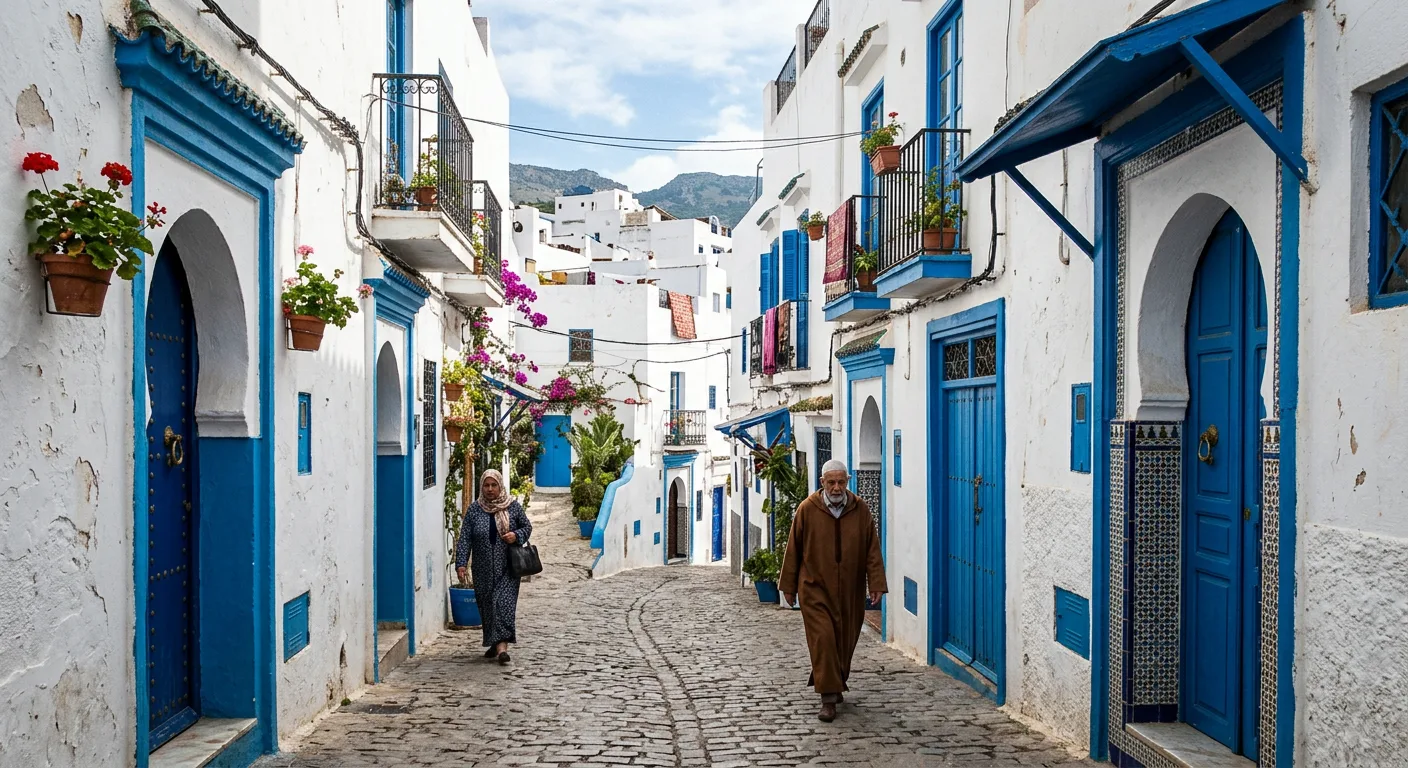
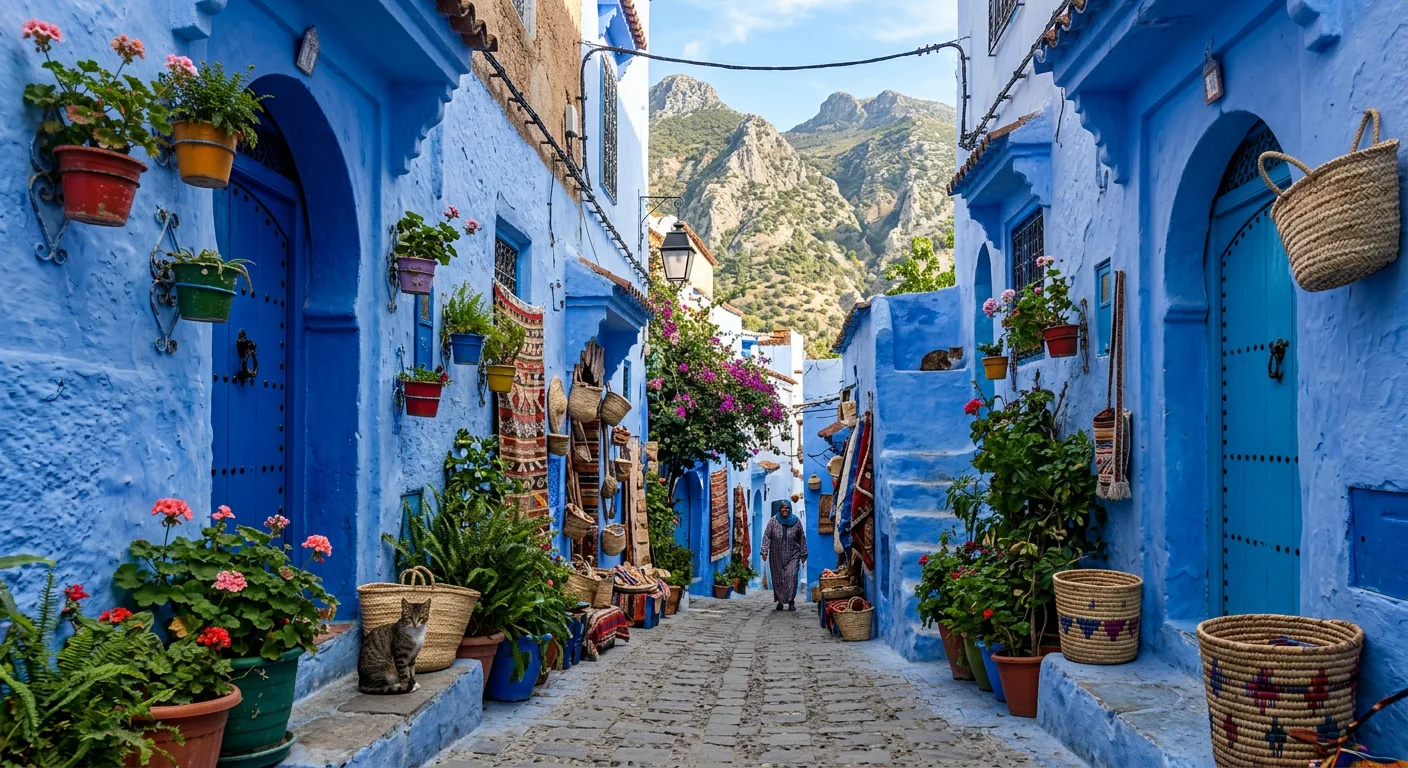
The result is a medina unlike any other in Morocco. Where Fes and Marrakech are built of earthy tones — ochre, terracotta, and brown — Tetouan's medina is luminously white, its houses plastered and lime-washed in the Andalusian tradition. The streets are narrower and more enclosed than in most Moroccan medinas, with overhanging upper floors, wrought-iron window grilles, carved wooden balconies, and ornate doorways that would not look out of place in the Albaicin quarter of Granada. The influence of this Andalusian refugee community permeates everything: the architecture, the music (Andalusian classical music traditions are exceptionally strong here), the cuisine, and the decorative arts, particularly zellige tilework and carved plaster.
A second layer of cultural identity was added during the Spanish protectorate period (1913-1956), when Tetouan served as the capital of Spanish Morocco. The Spanish built an entire colonial new town (Ensanche) adjacent to the medina, with wide boulevards, Art Deco buildings, a Catholic church, and residential blocks that could be transplanted directly from Madrid. Today, these two cities — Andalusian-Moorish medina and Spanish colonial Ensanche — sit side by side, creating a uniquely layered urban landscape where North Africa and Iberia merge. Unlike the heavily touristed medinas of Fes and Marrakech, Tetouan receives relatively few international visitors, making it one of the most rewarding and genuinely authentic city experiences in Morocco.