Discovering...

Visual Journey
Morocco Through the Lens
Over 44 curated photographs showcasing the Kingdom's ancient medinas, vast deserts, dramatic mountains, sun-kissed coast, and vibrant culture. Each image tells a story of this extraordinary land.
Cities
8 photos
Desert
5 photos
Mountains
6 photos
Coast
5 photos
Architecture
6 photos
People
4 photos
Food
5 photos
Markets
5 photos
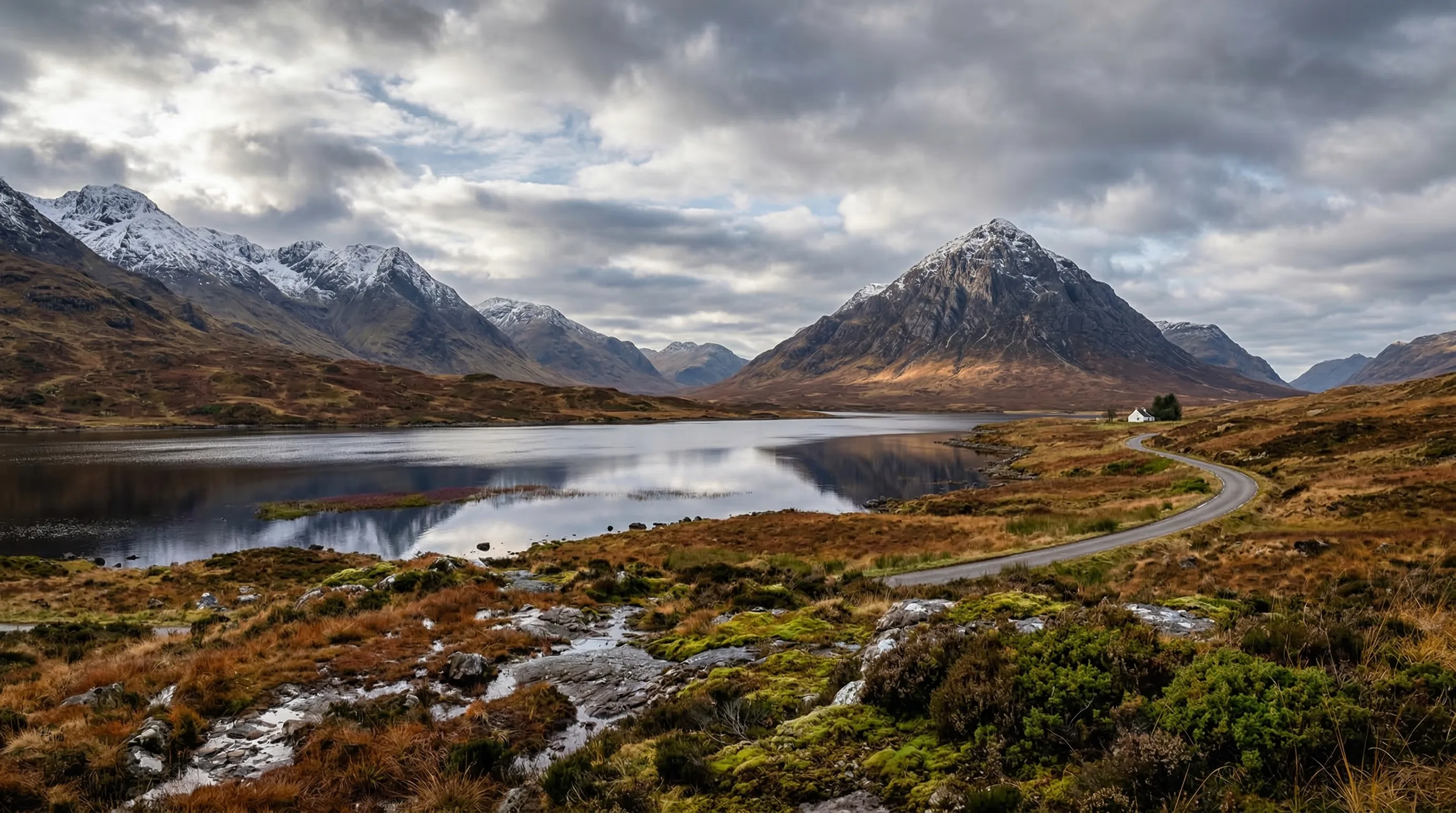
Featured Photo
Camel Caravan at Sunset
A timeless scene in the Erg Chebbi dunes near Merzouga. The Sahara offers some of the most spectacular light on Earth, transforming the landscape minute by minute during golden hour.
Photo by Ruben Hanssen -- Merzouga, Sahara Desert
Browse the Collection
Filter by category and click any photo to view it in full resolution with details.
Showing 44 of 44 photos
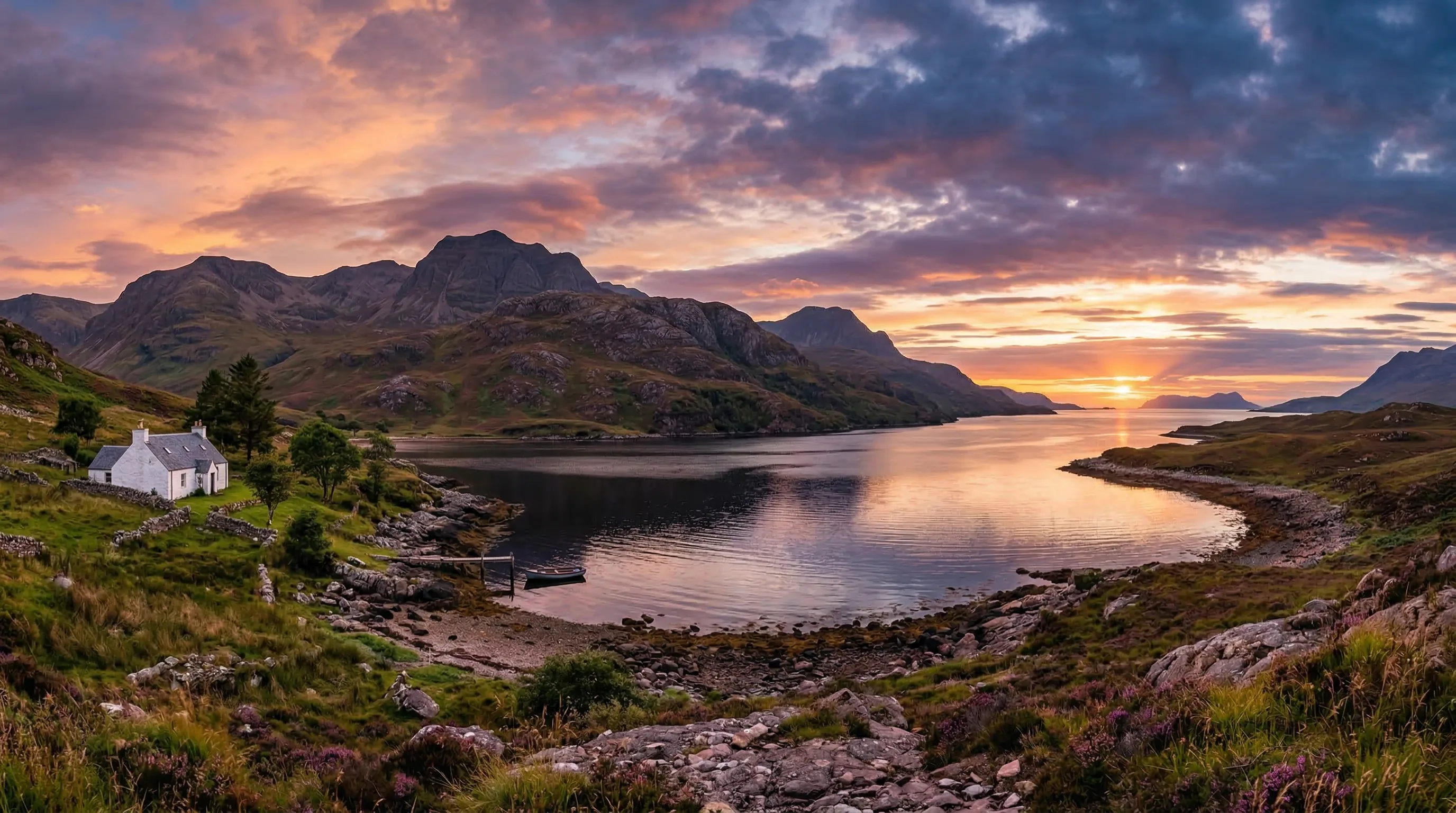
Marrakech
Annie Spratt
CitiesFeatured
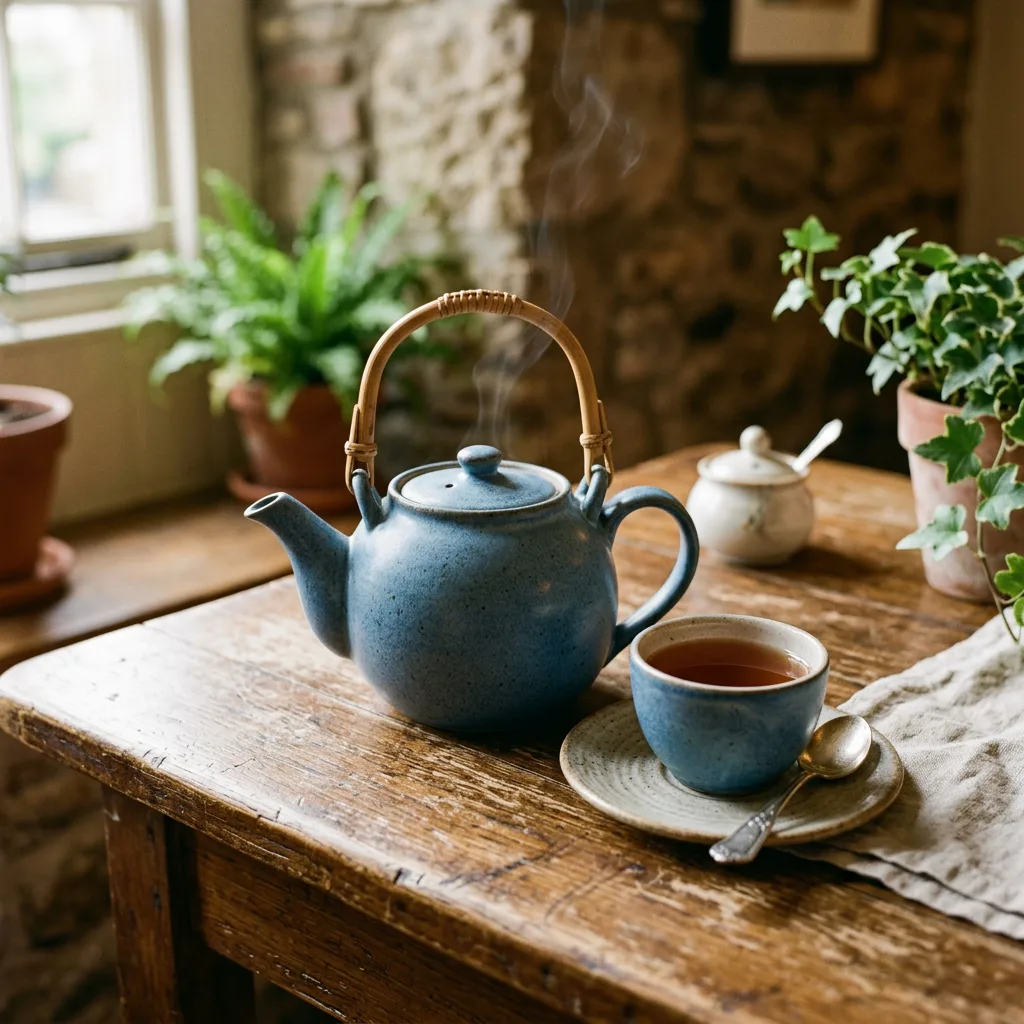
Chefchaouen
Adventures Abroad
CitiesFeatured

Fes
Alev Takil
CitiesFeatured

Essaouira
Calin Stan
Cities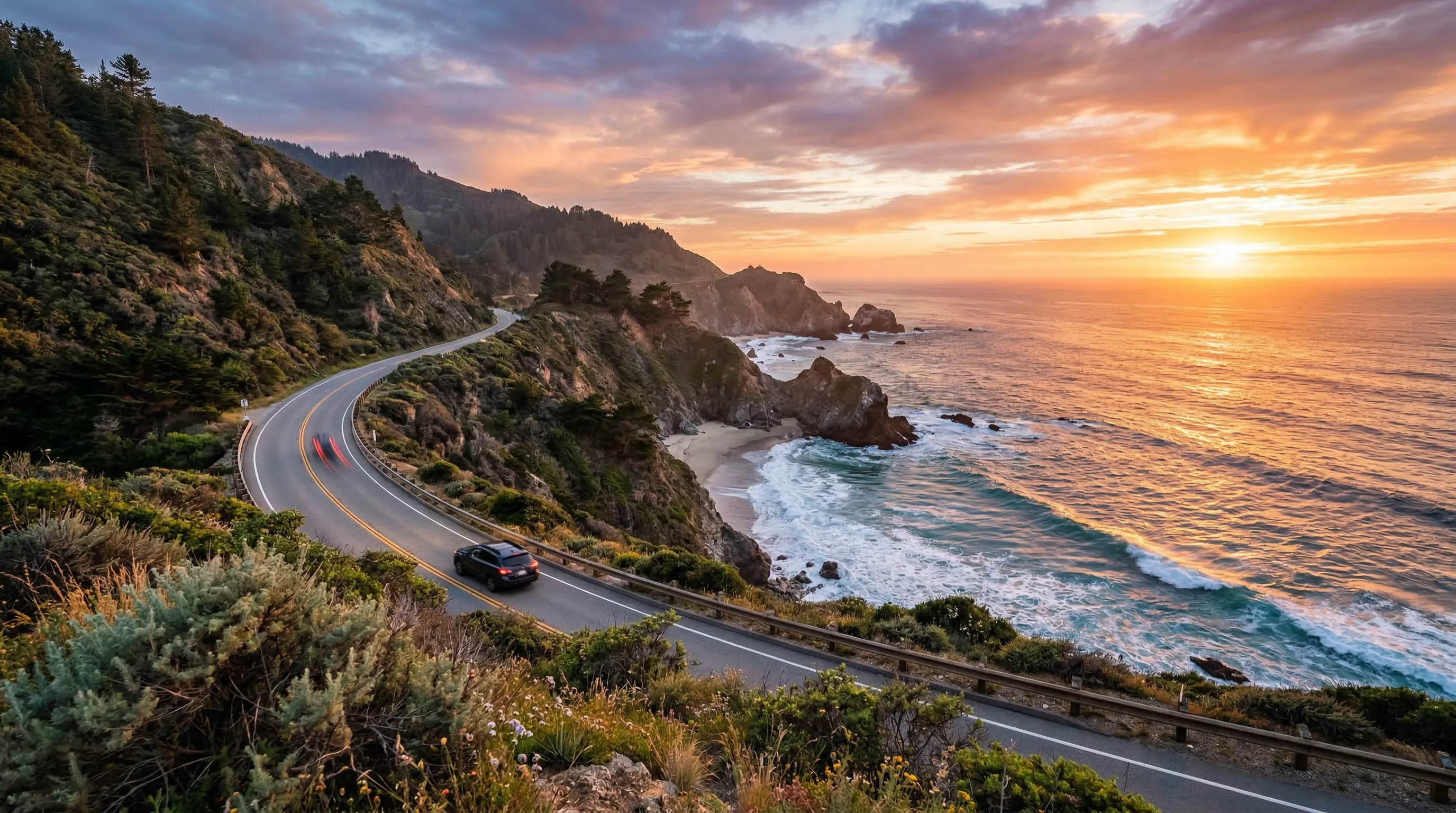
Rabat
Yassine Khalfalli
Cities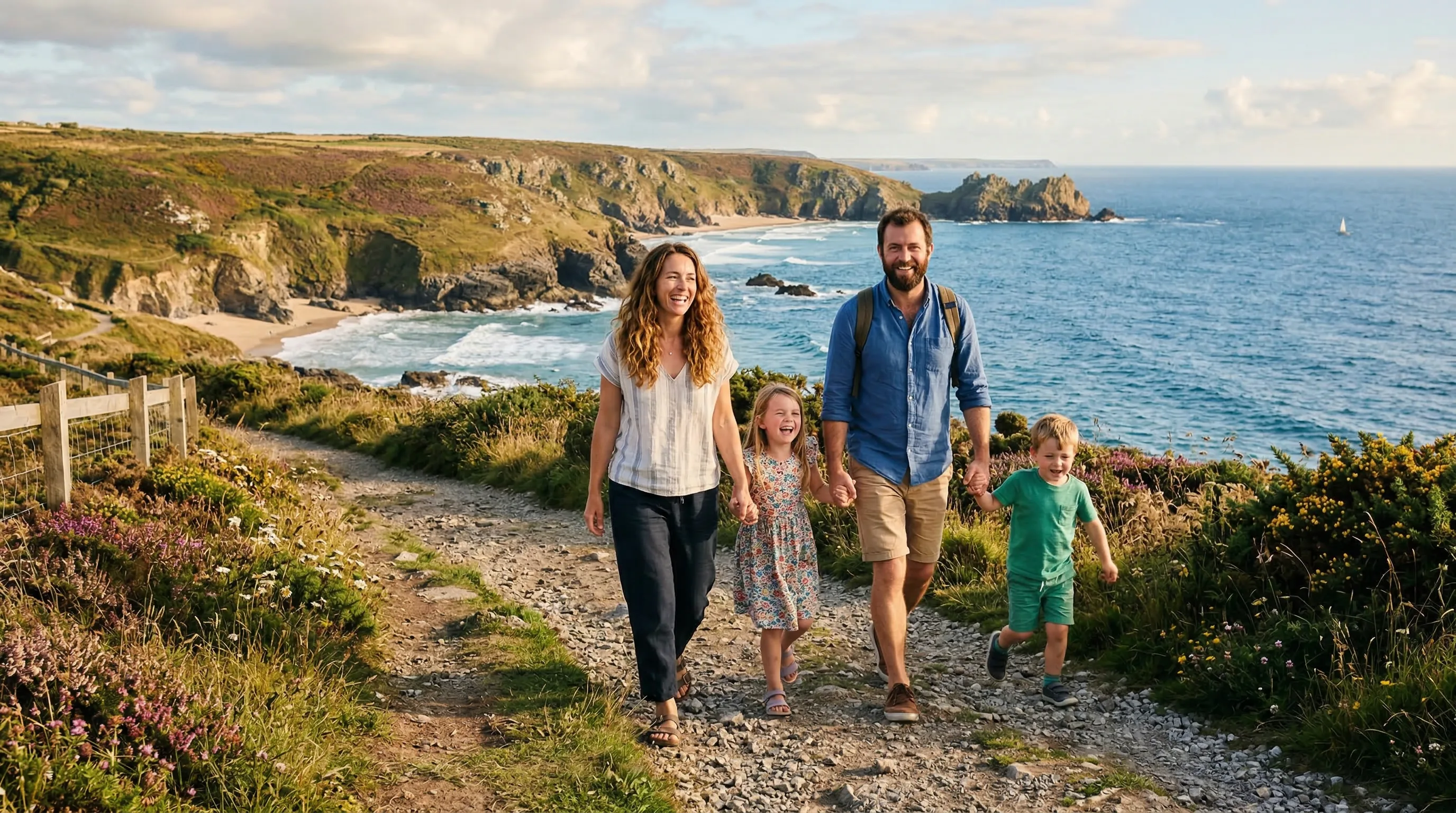
Tangier
Davide Cantelli
Cities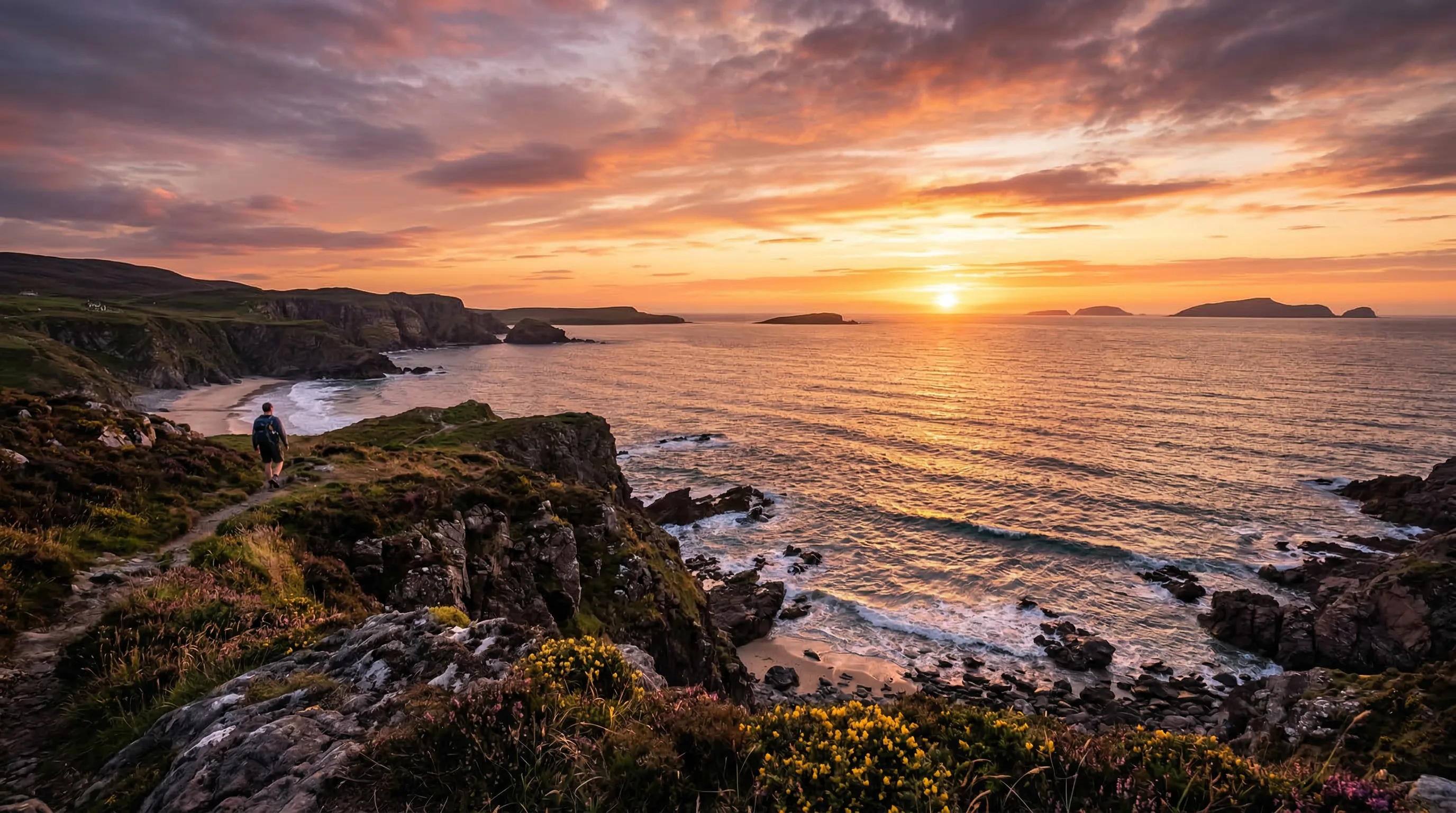
Chefchaouen
Milad Alizadeh
Cities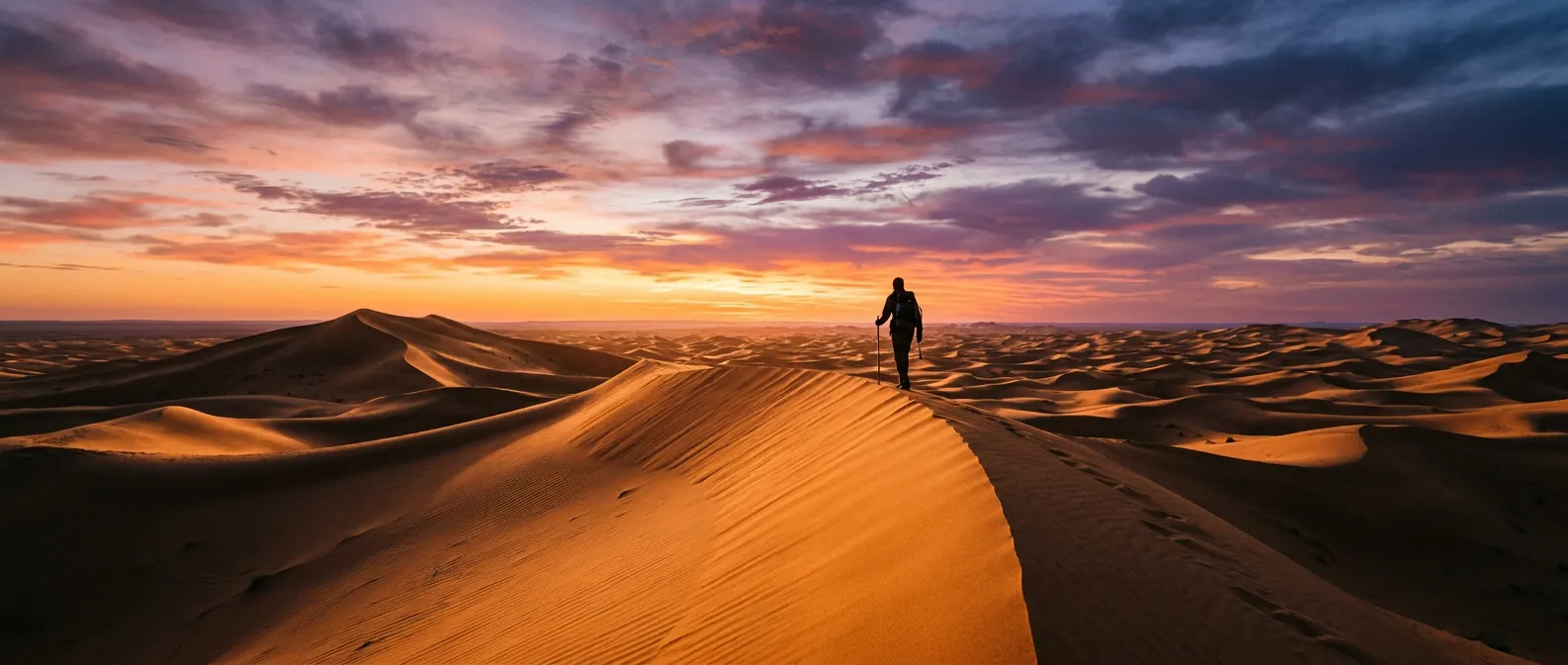
Merzouga
Sven Scheuermeier
DesertFeatured
Merzouga
Ruben Hanssen
DesertFeatured
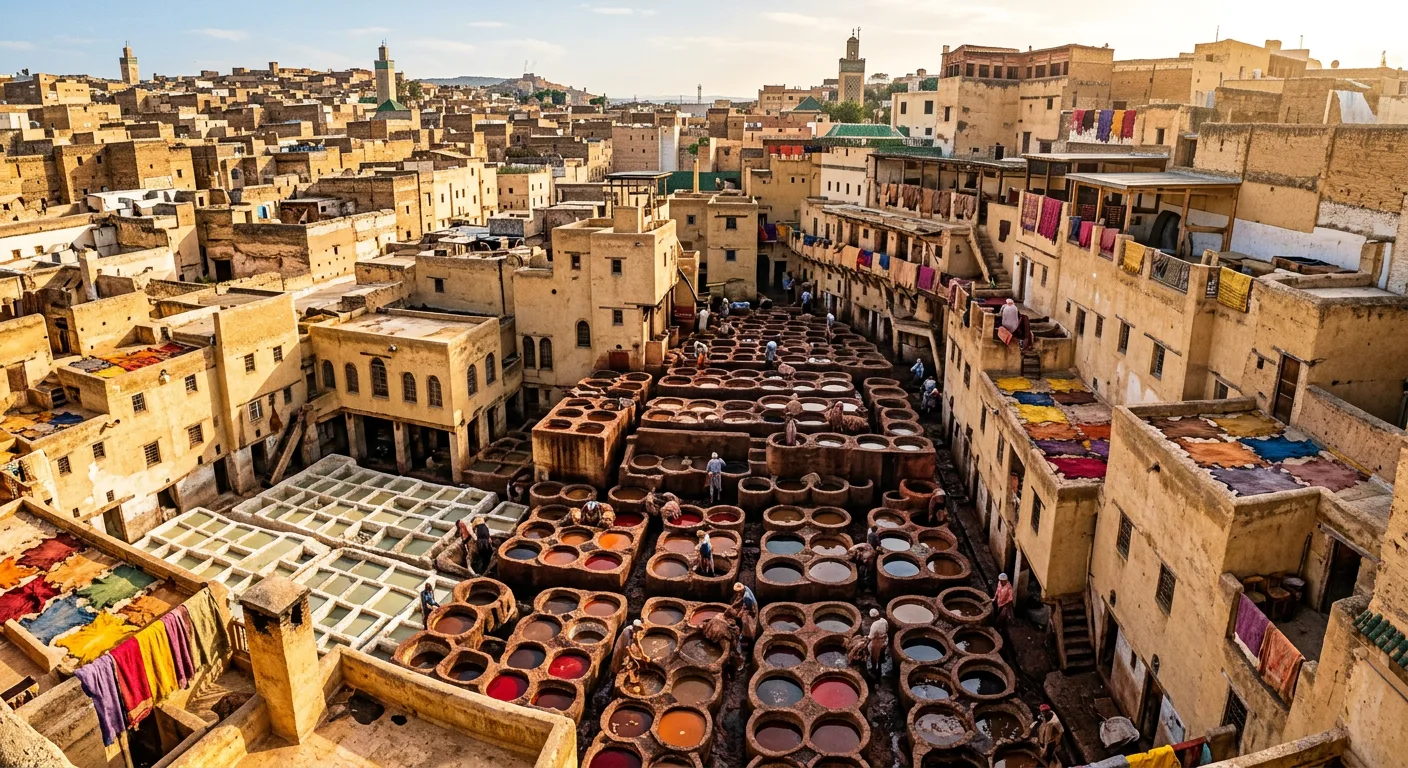
Merzouga
Youssef Naddam
DesertFeatured
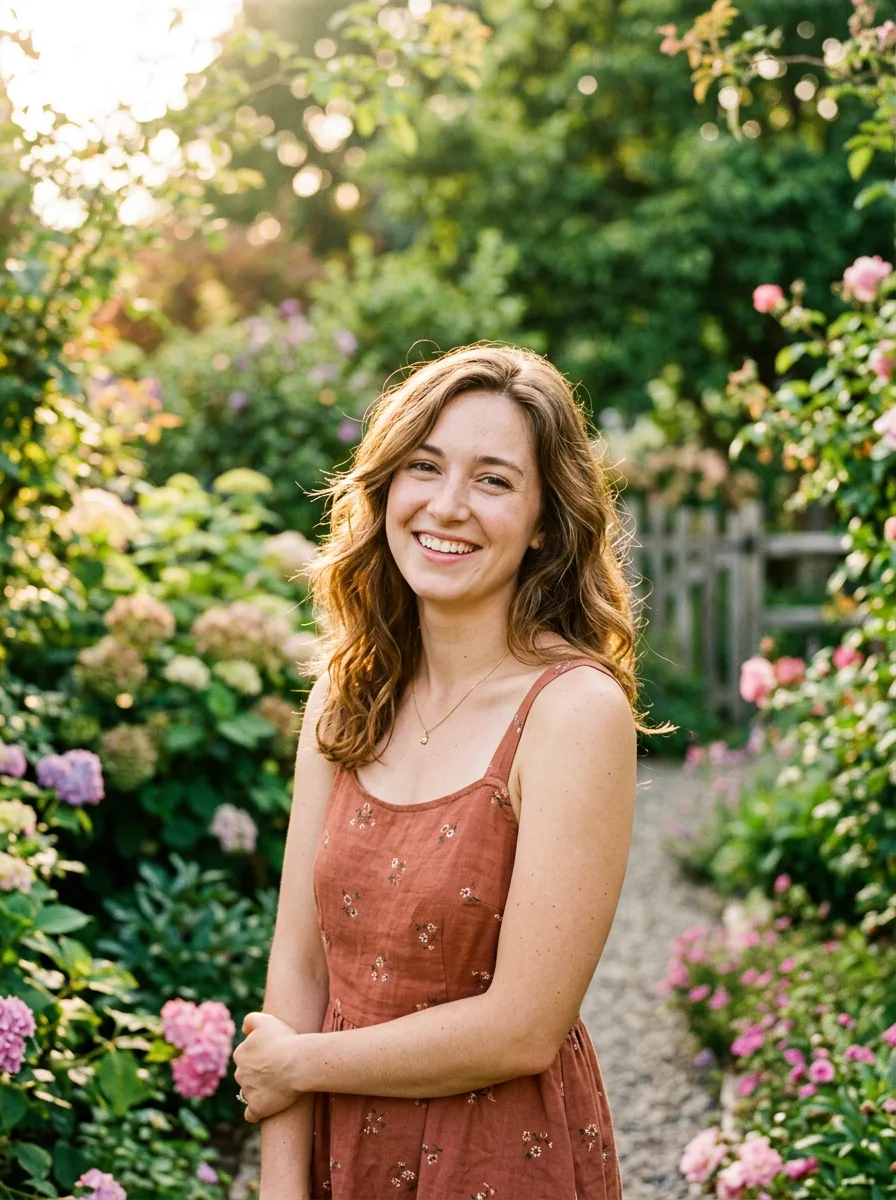
Zagora
Dan Gold
Desert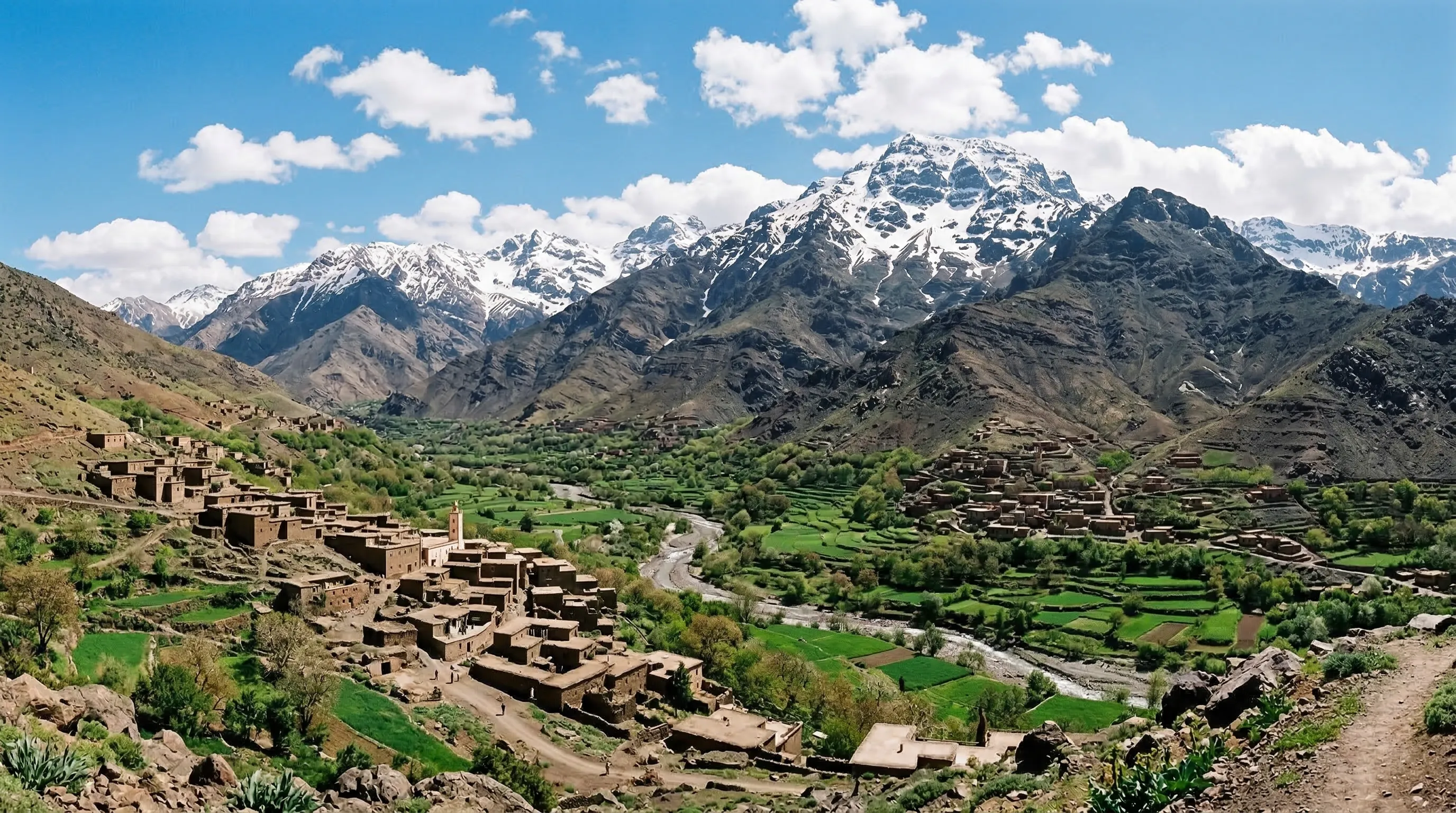
M'Hamid
Keith Hardy
Desert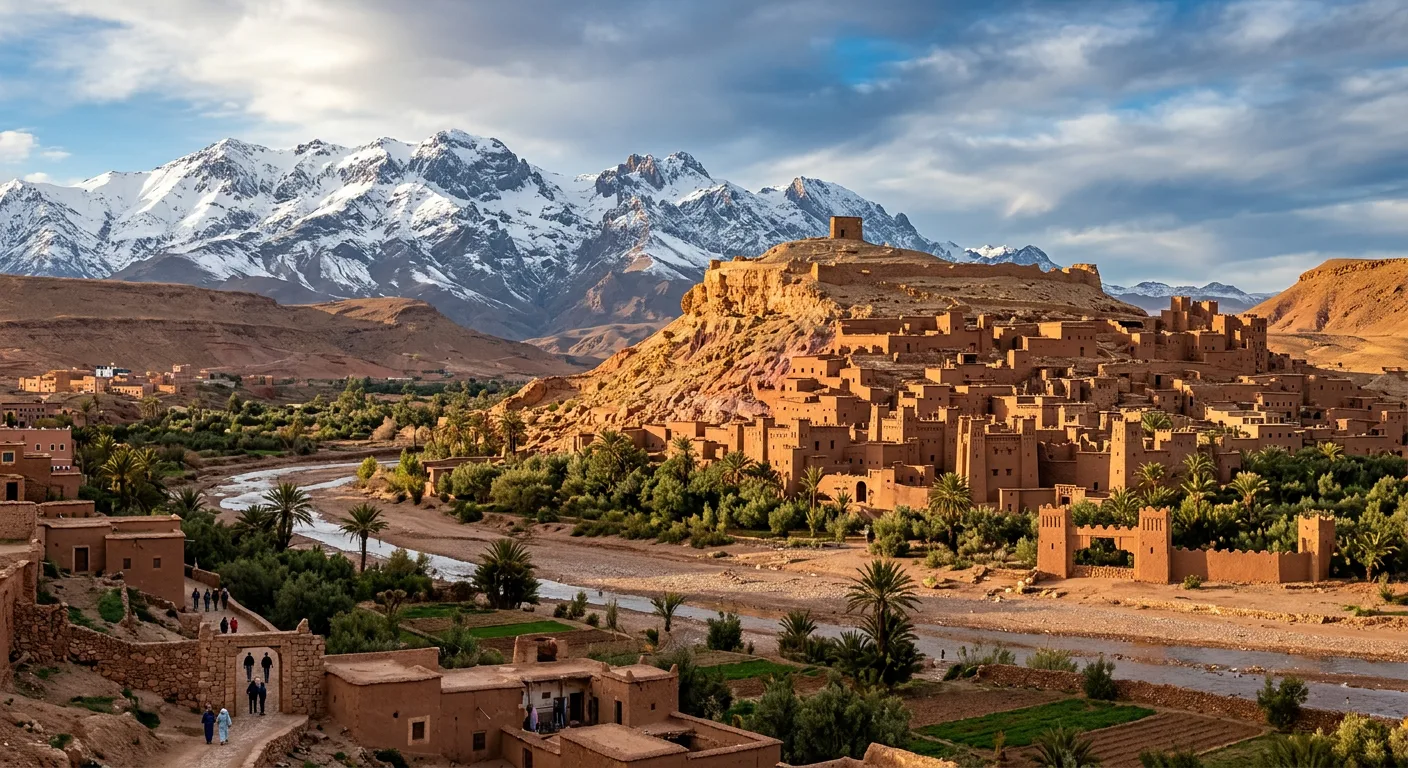
Imlil
Sergey Pesterev
MountainsFeatured
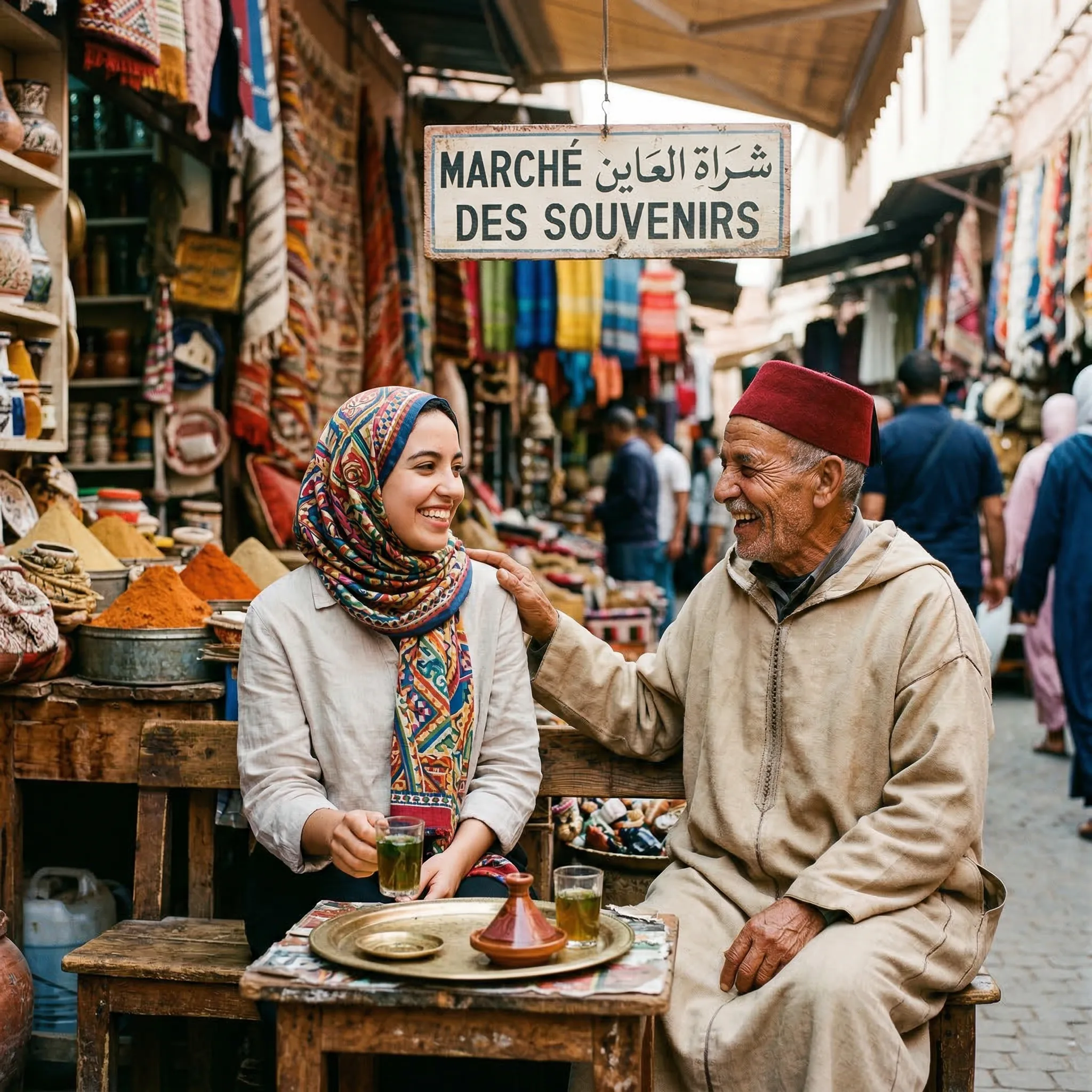
Imlil
Davide Cantelli
Mountains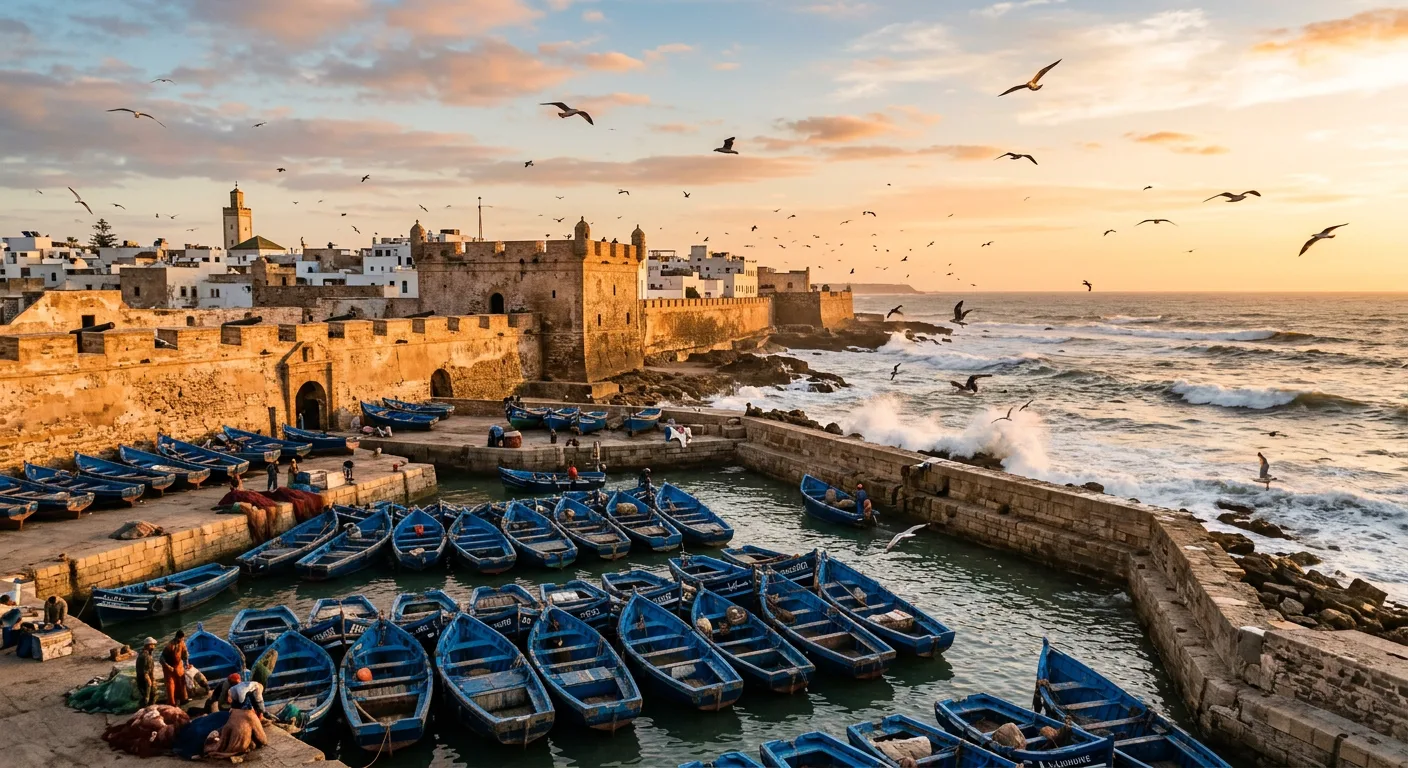
Dades
Sven Scheuermeier
Mountains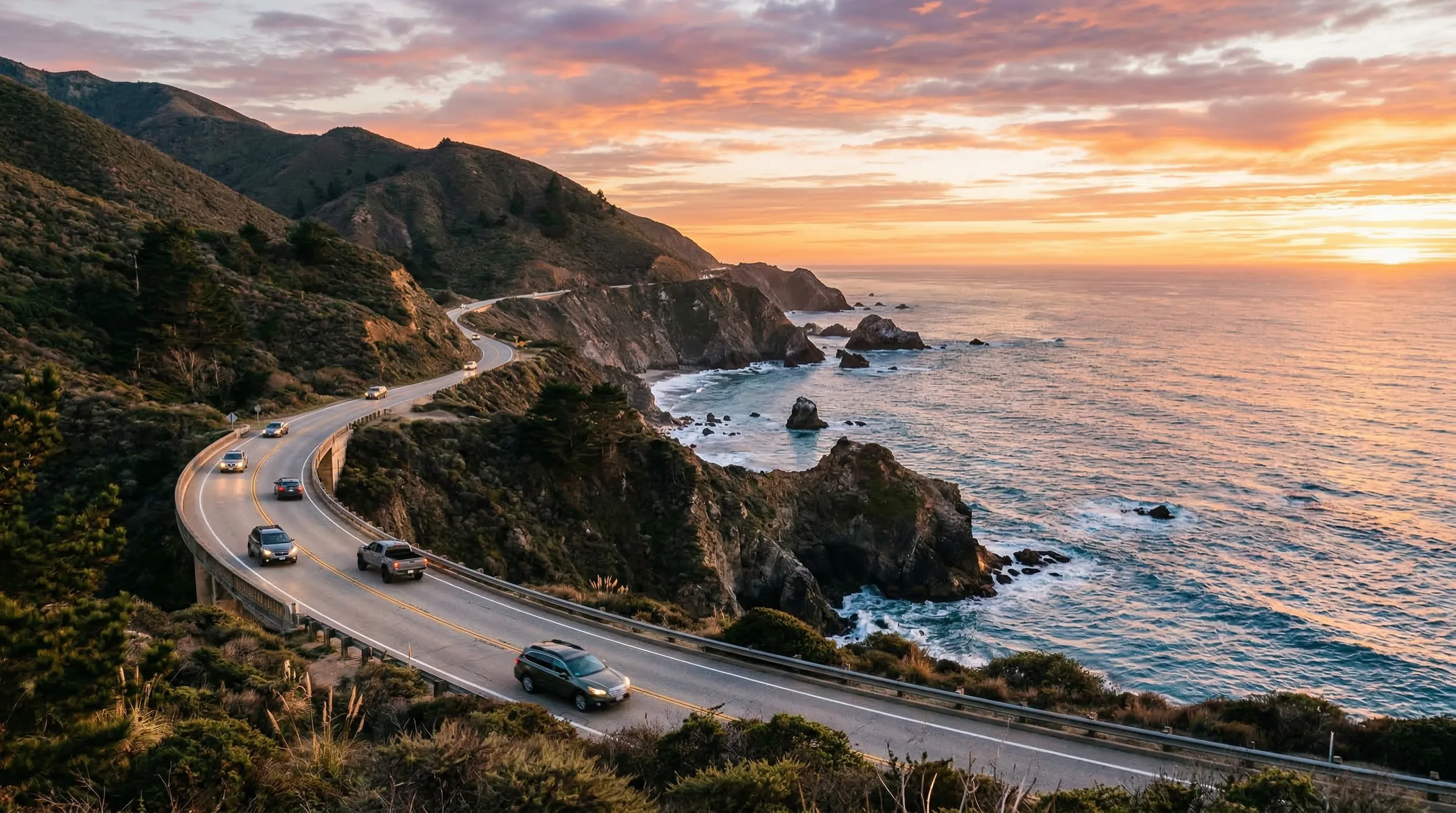
Imlil
Sergey Pesterev
Mountains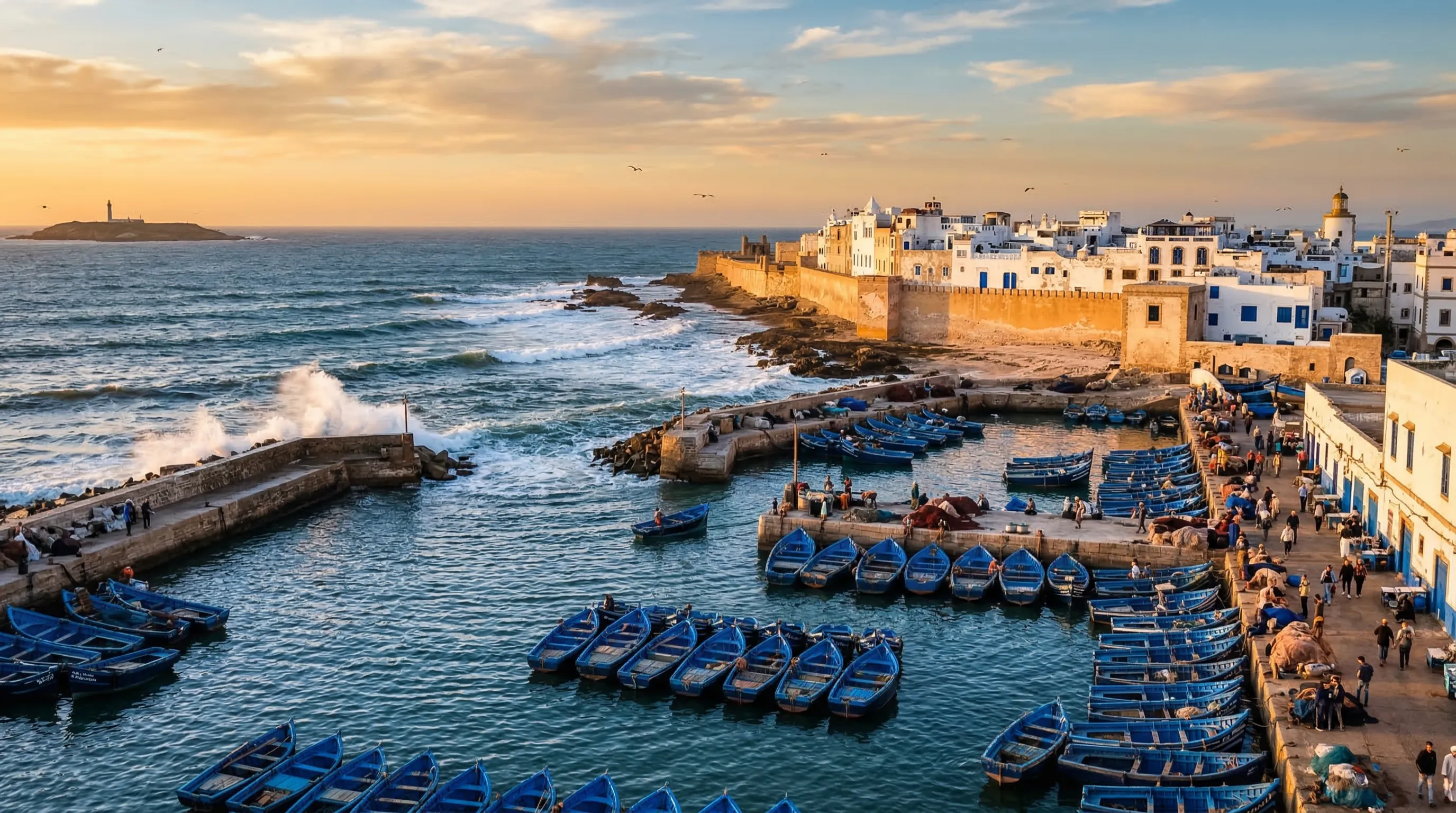
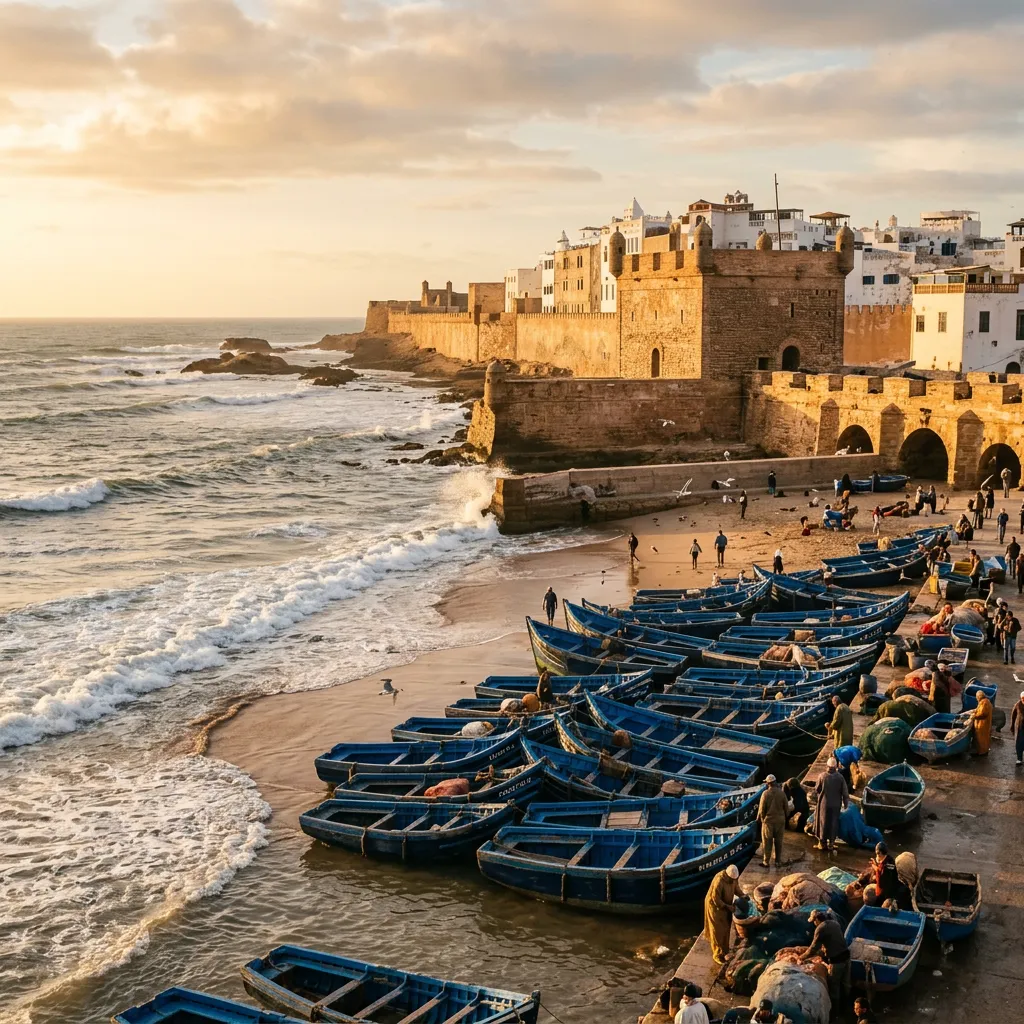
Essaouira
Shifaaz Shamoon
CoastFeatured
Sidi Ifni
Sean Oulashin
CoastTaghazout
Emiliano Arano
CoastLegzira
Silas Baisch
CoastFeatured
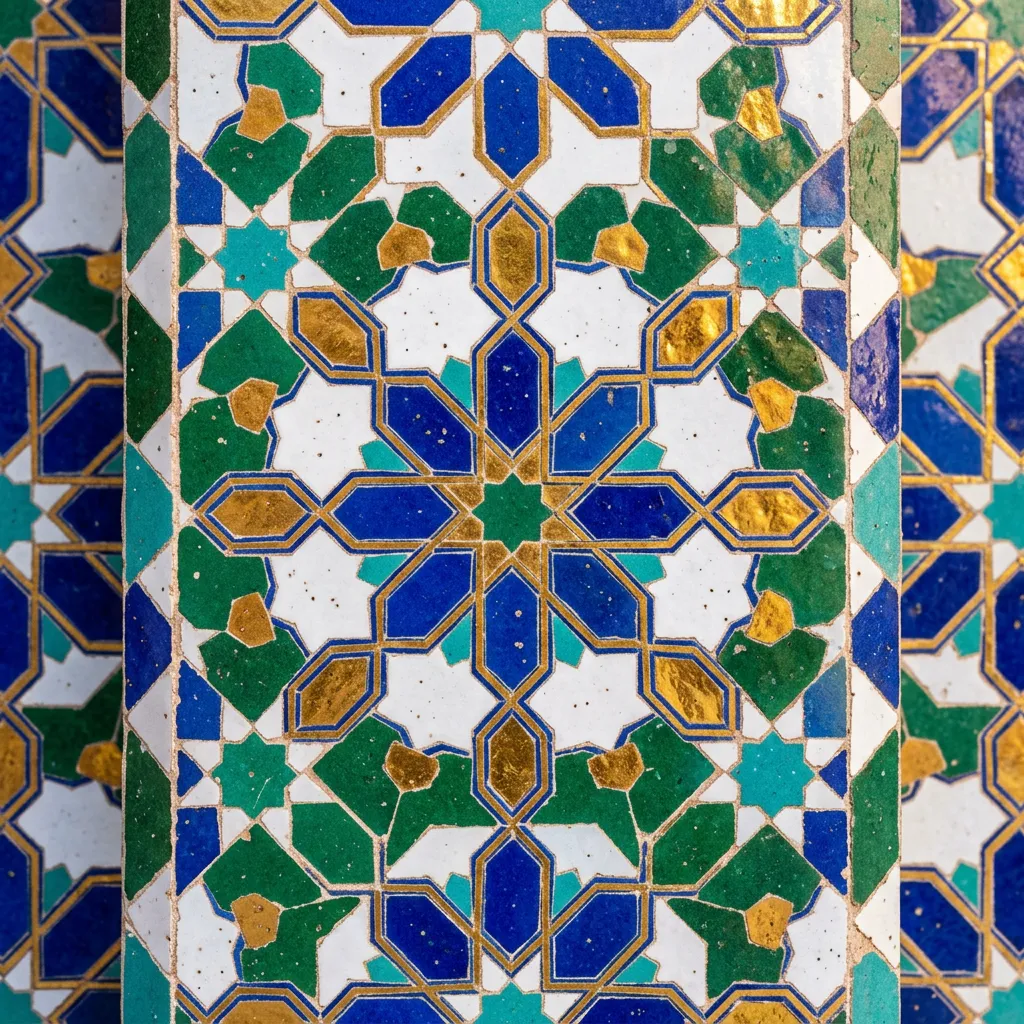
Casablanca
Yassine Khalfalli
ArchitectureFeatured
Ouarzazate
Juan Alberto Garcia
ArchitectureFeatured
Fes
Murat Onder
Architecture
Marrakech
Thomas Serer
Architecture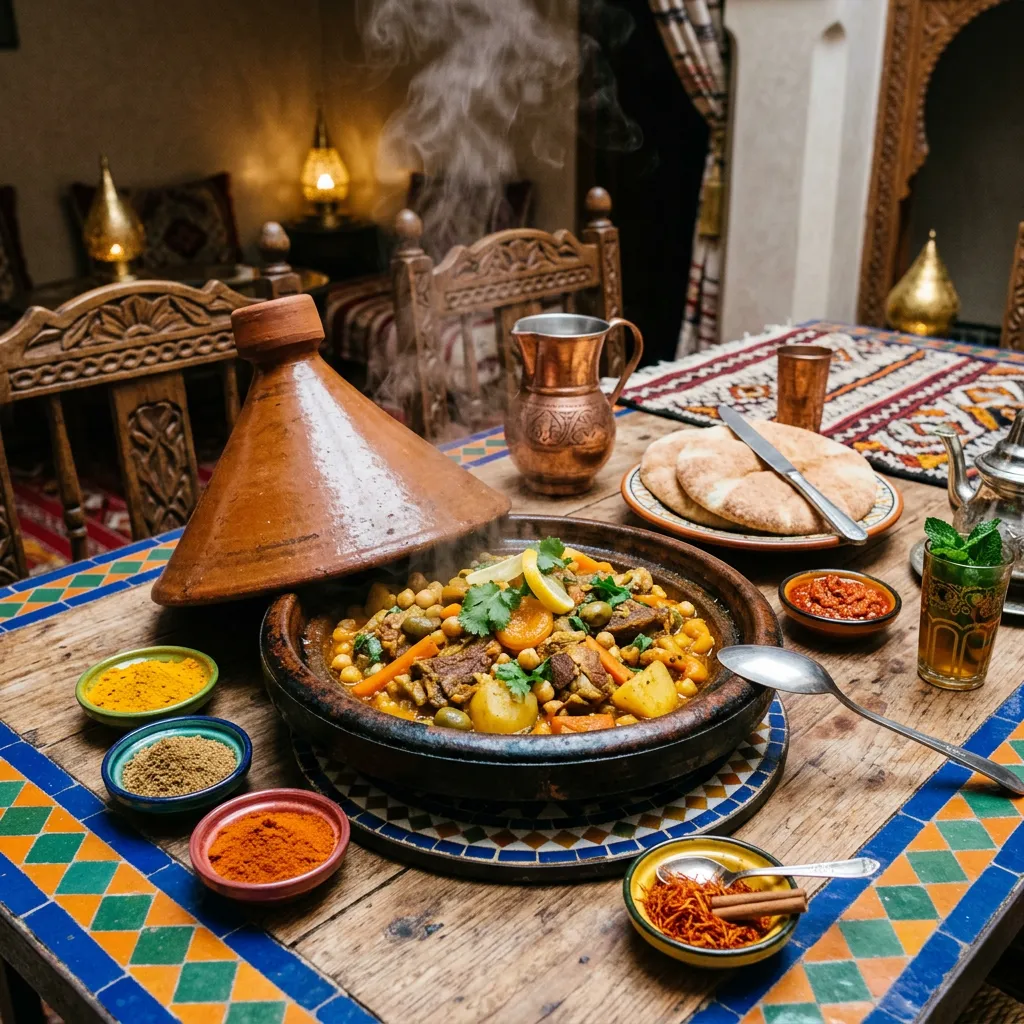
Marrakech
Milad Alizadeh
Architecture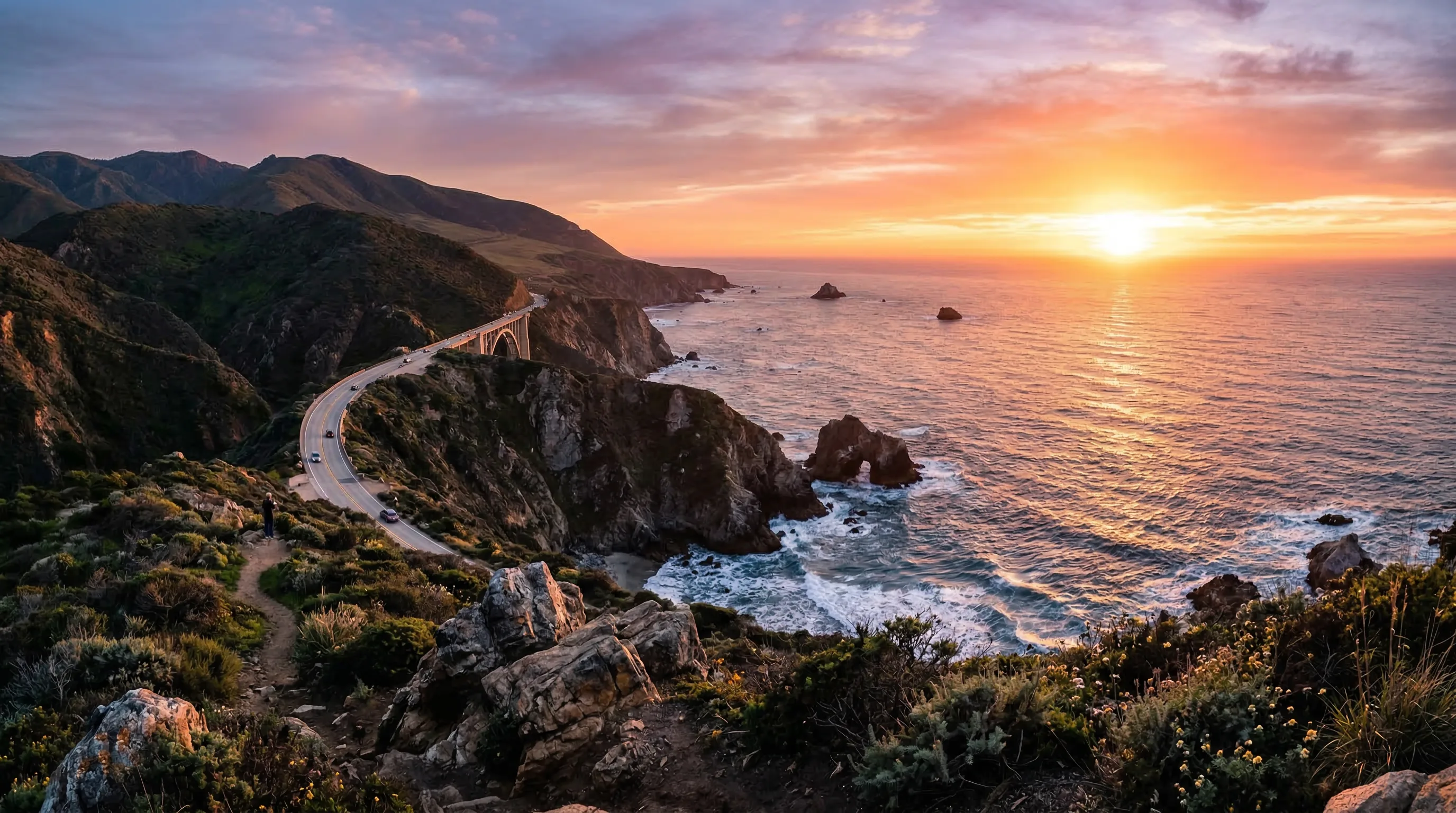
Meknes
Jared Rice
Architecture
Marrakech
Krzysztof Kowalik
PeopleFeatured
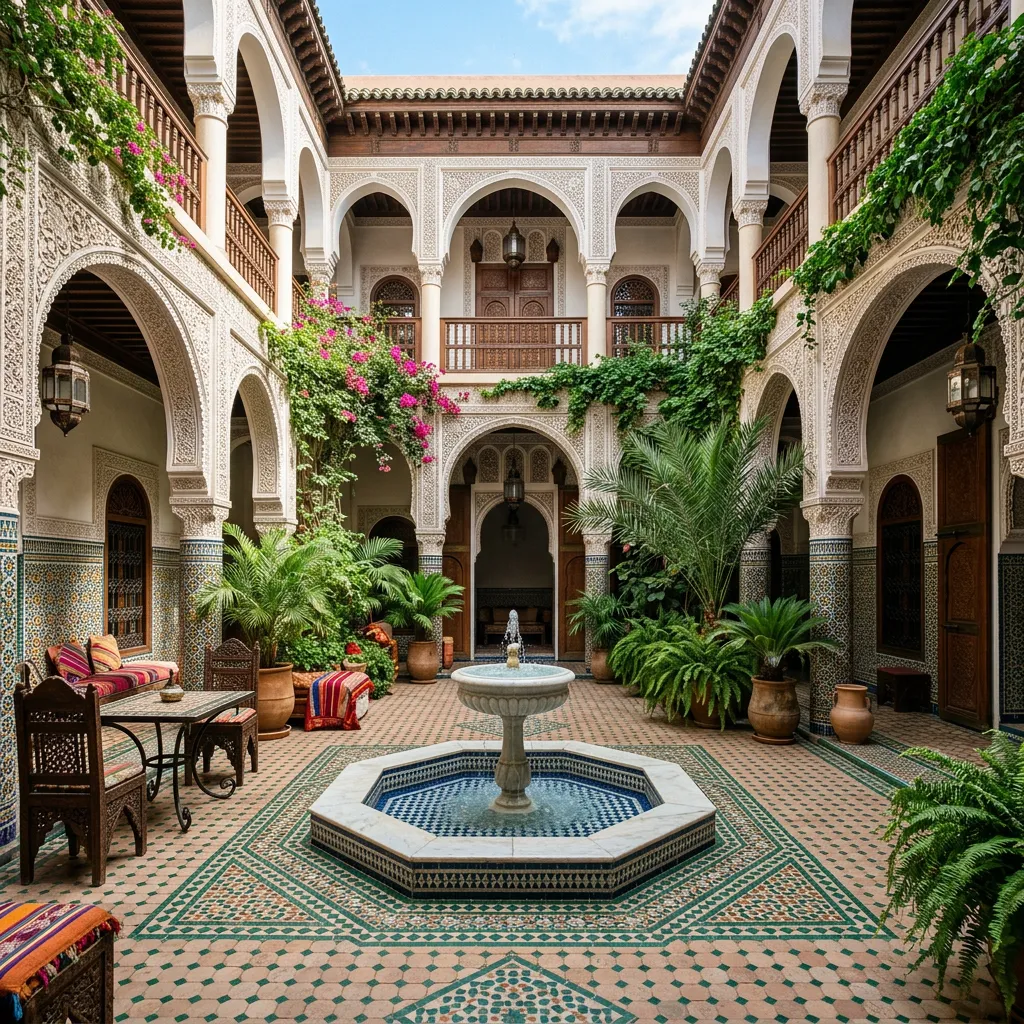
Marrakech
Rafael Garcin
People
Essaouira
Rachid Oucharia
People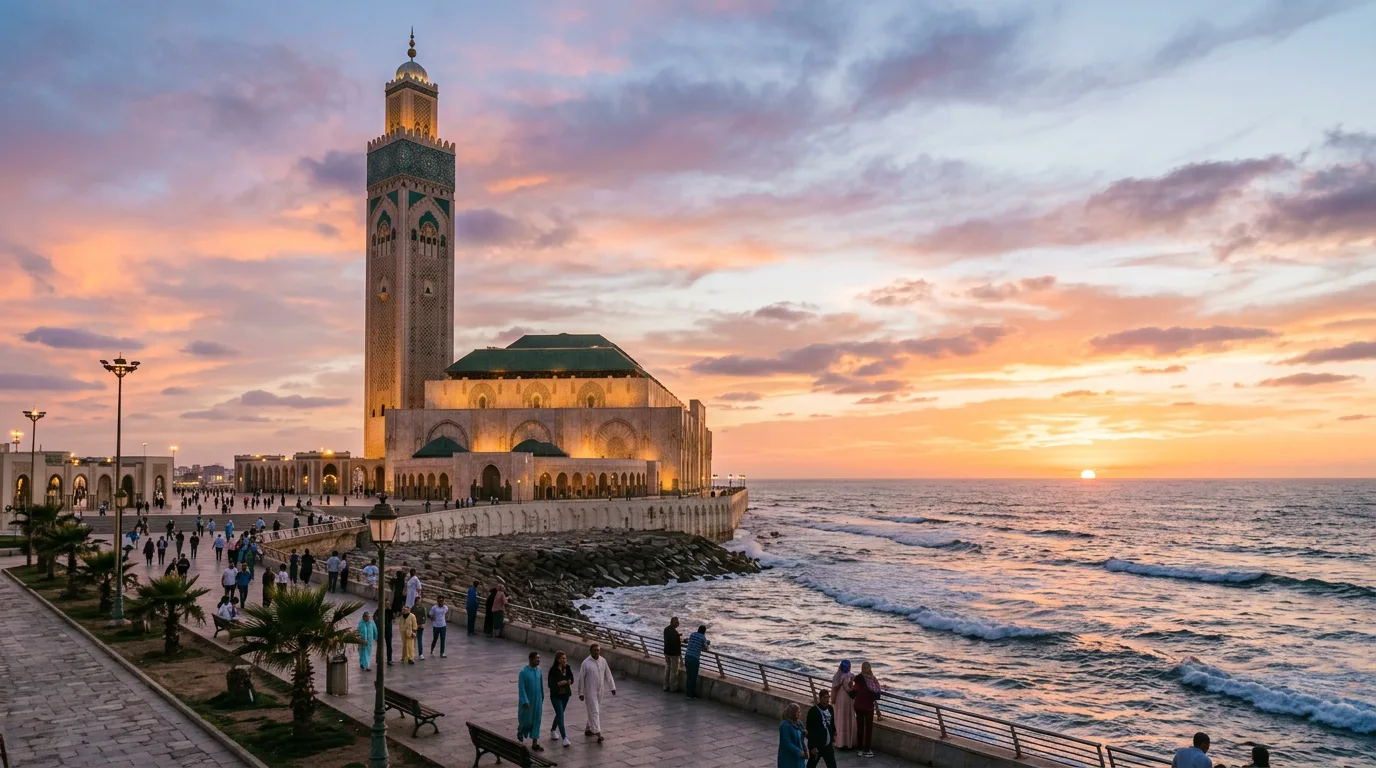
Ouarzazate
Rachel Claire
People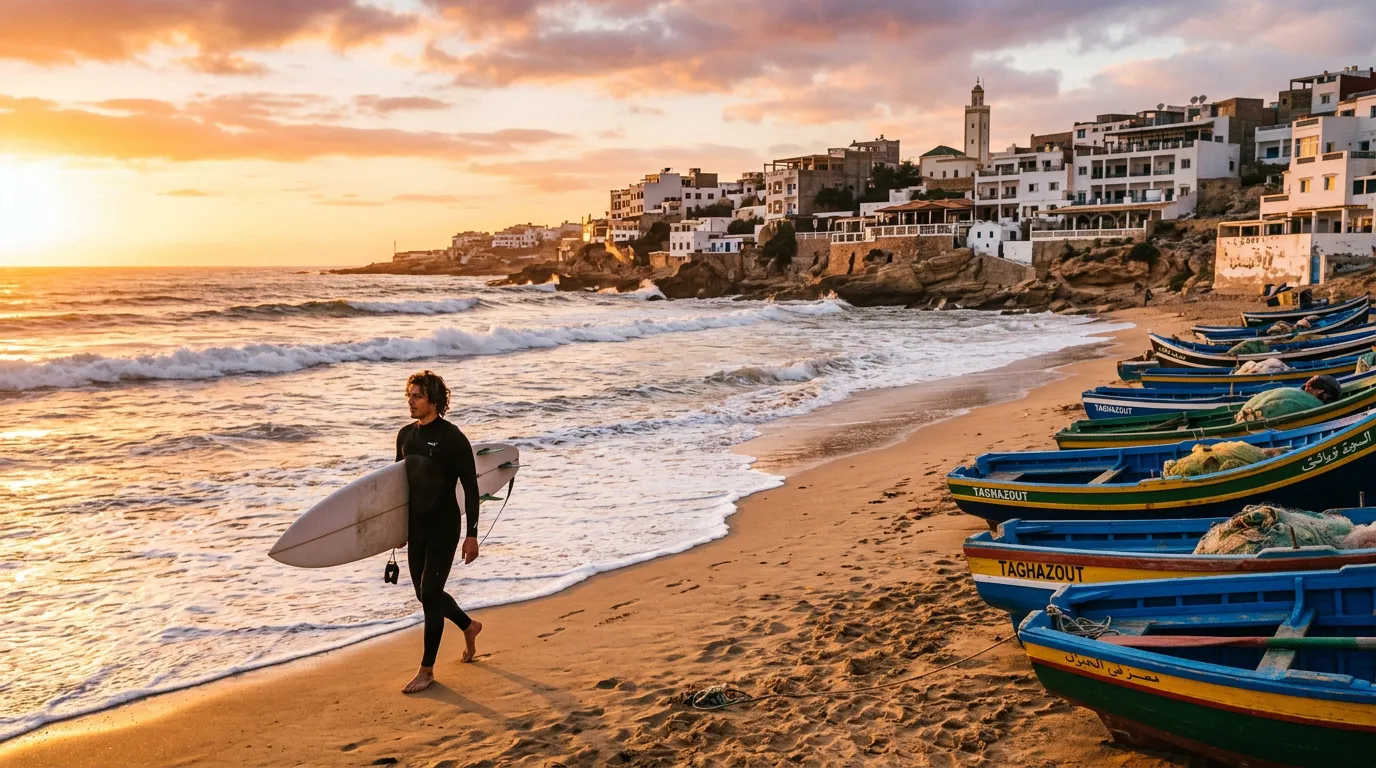
Marrakech
Louis Hansel
FoodFeatured
Fes
Anastasiia Rozumna
Food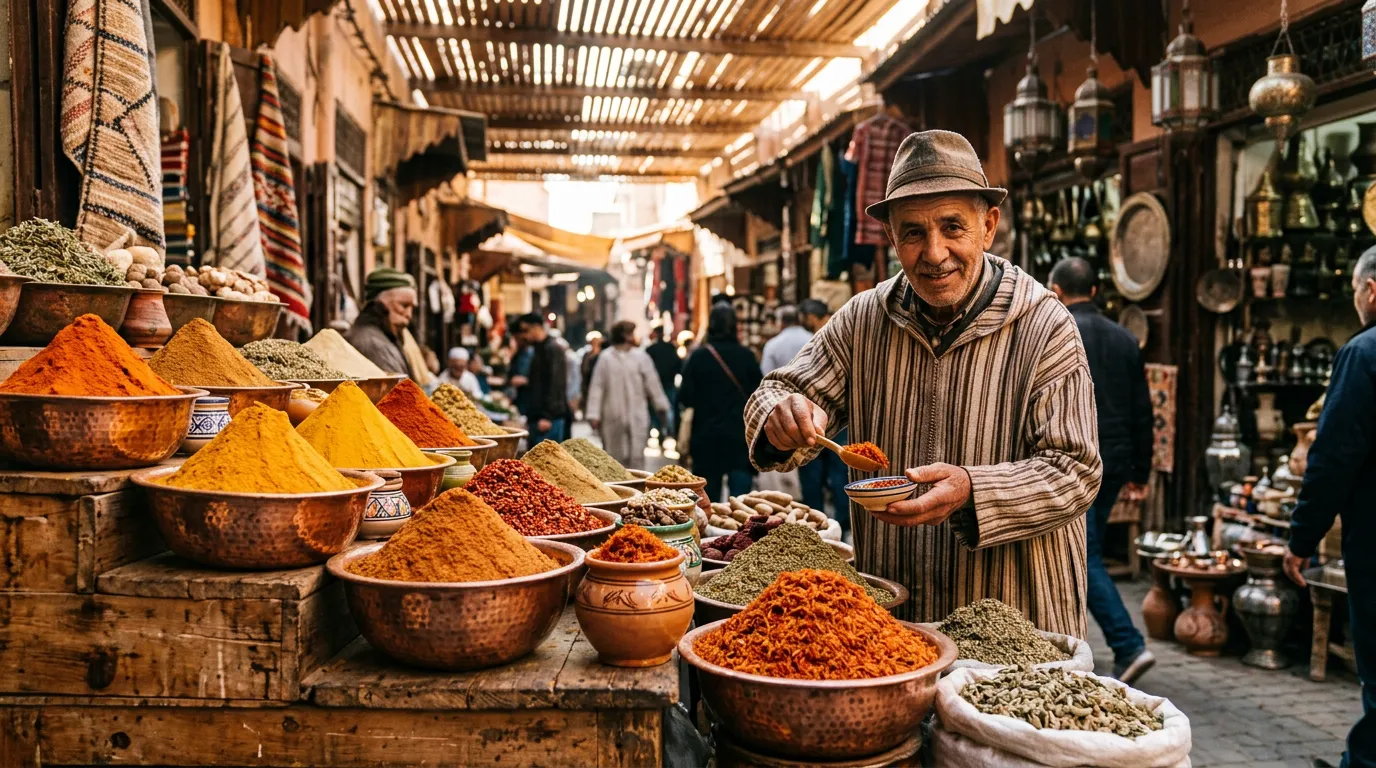
Rabat
Louis Hansel
Food
Casablanca
Sara Dubler
Food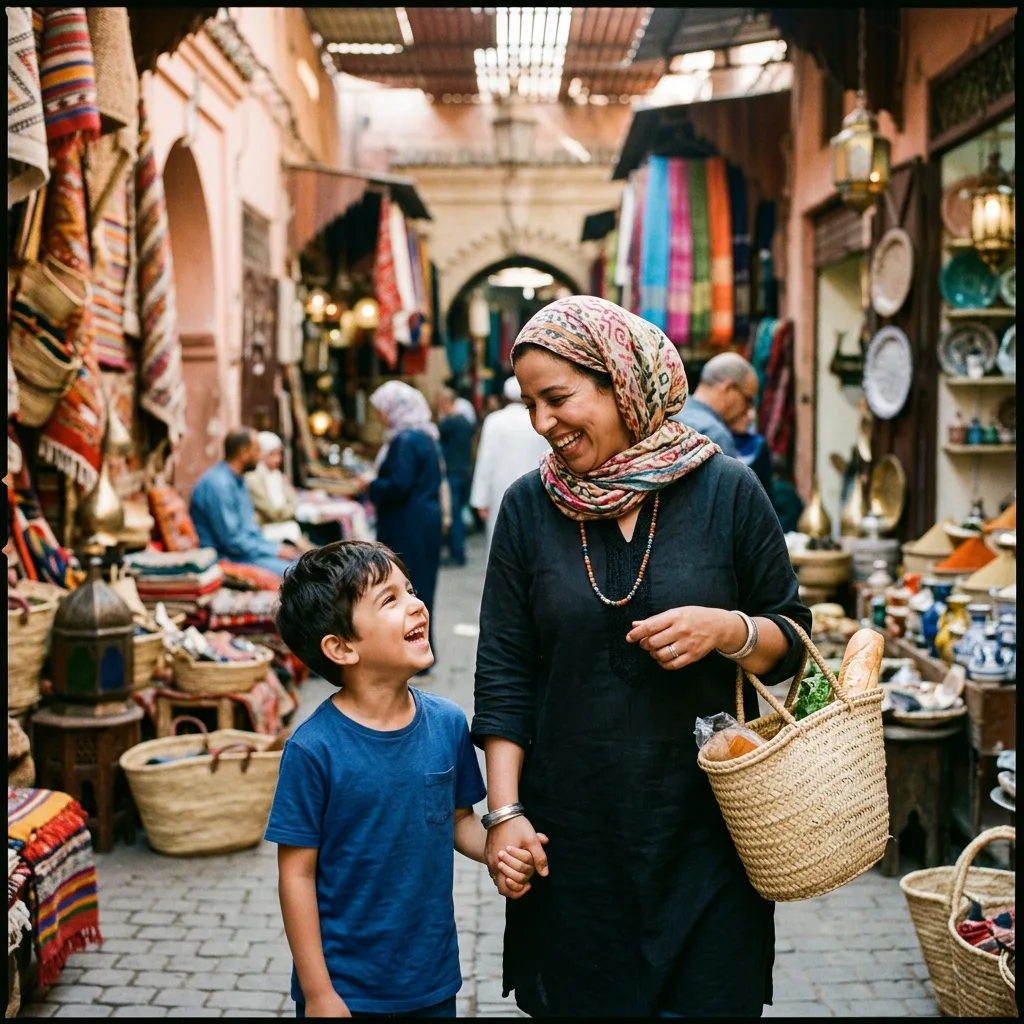
Fes
Louis Hansel
Food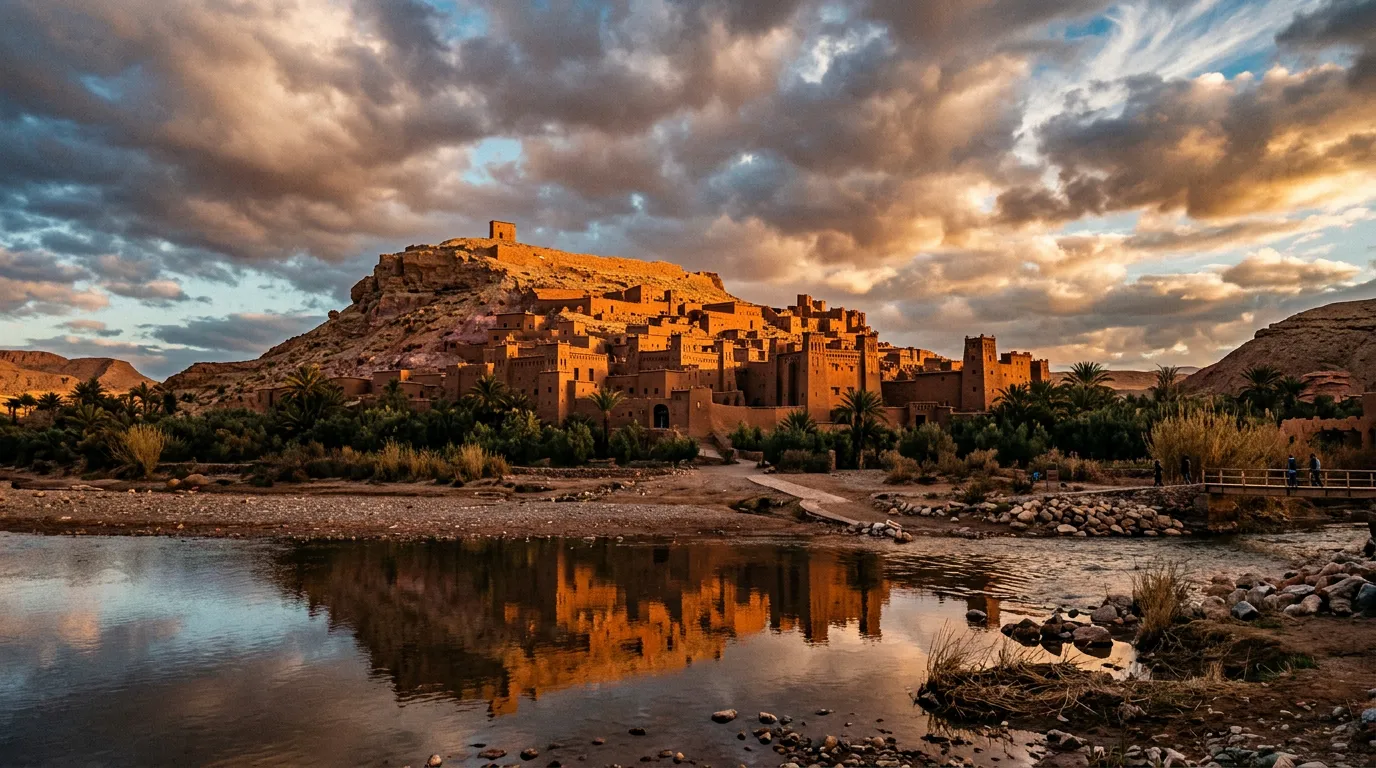
Marrakech
Roselyn Tirado
MarketsFeatured
Marrakech
Annie Spratt
Markets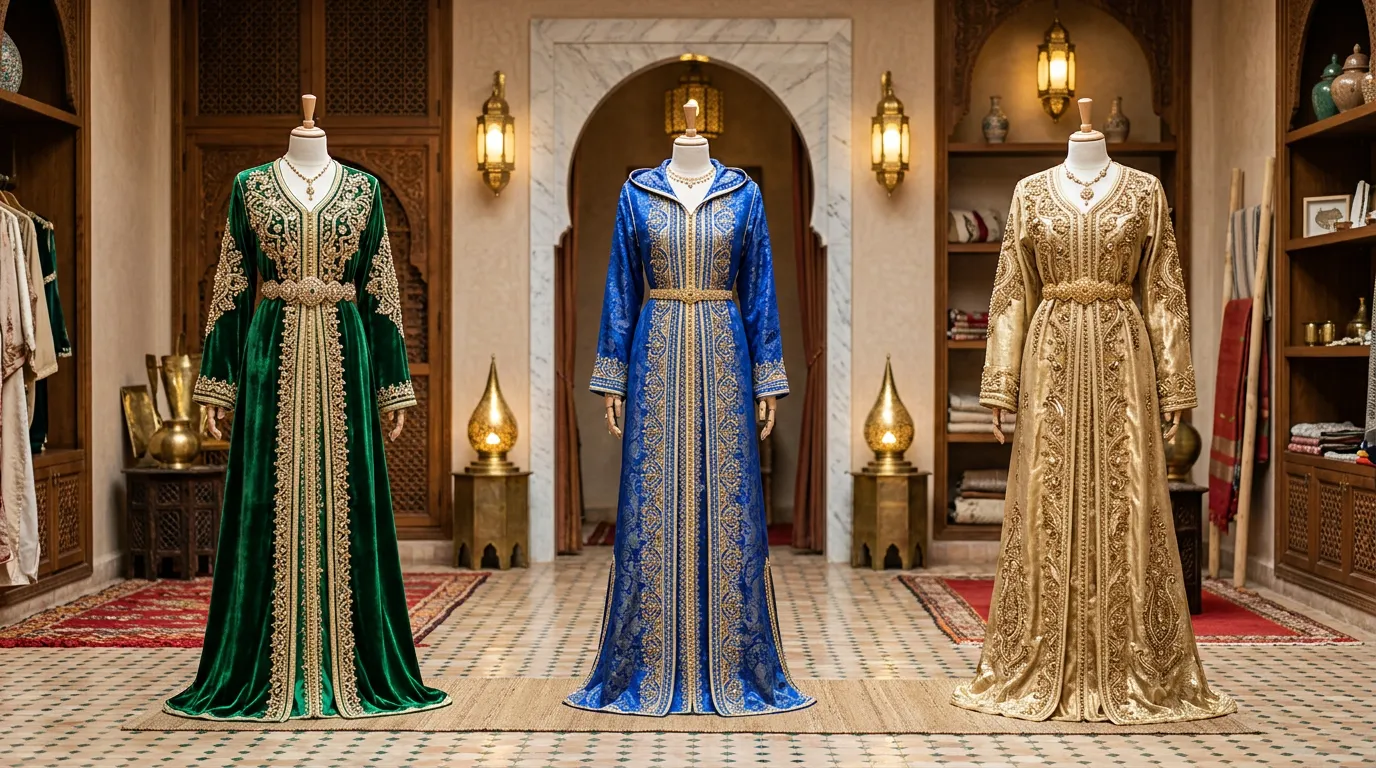
Fes
Alex Block
Markets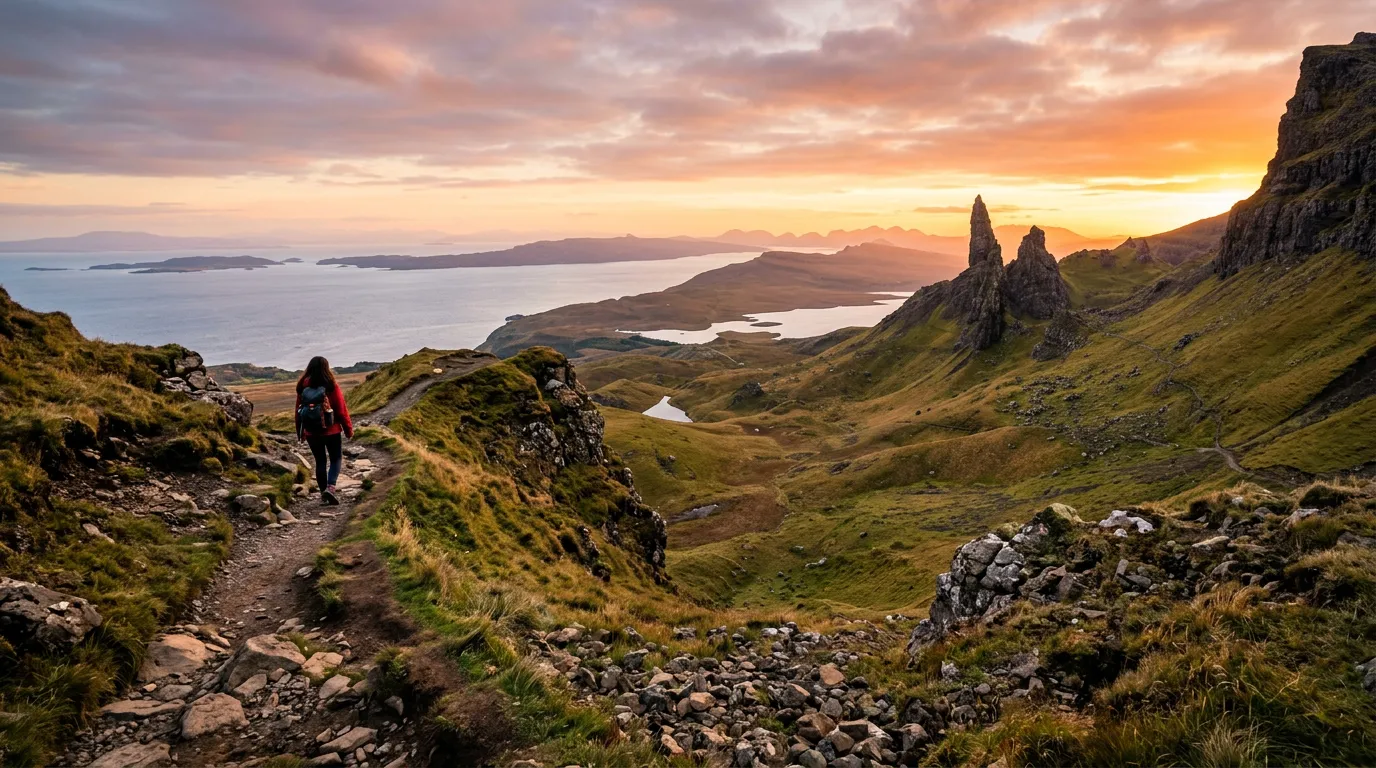
Marrakech
Annie Spratt
Markets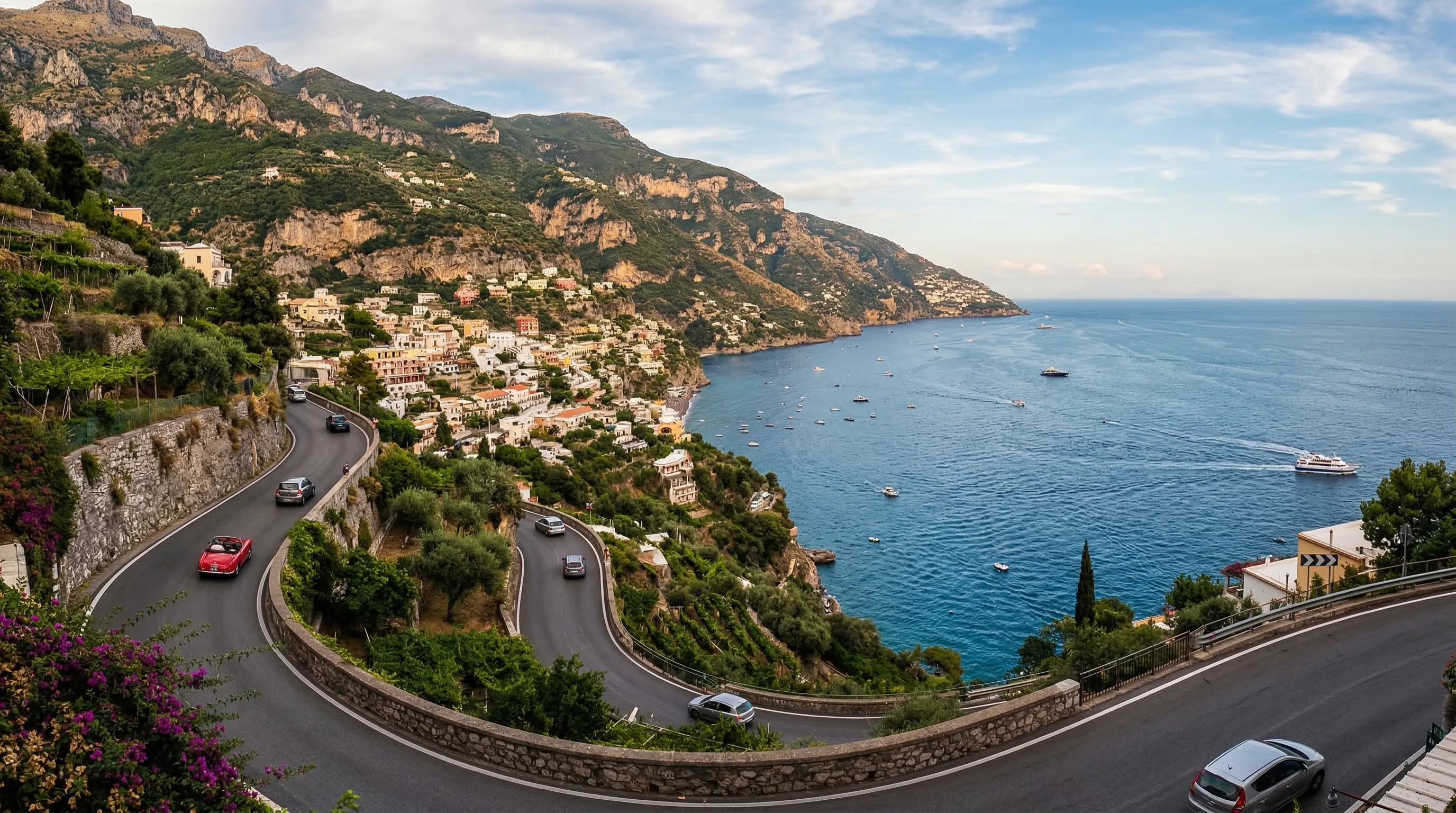
Marrakech
Calin Stan
Markets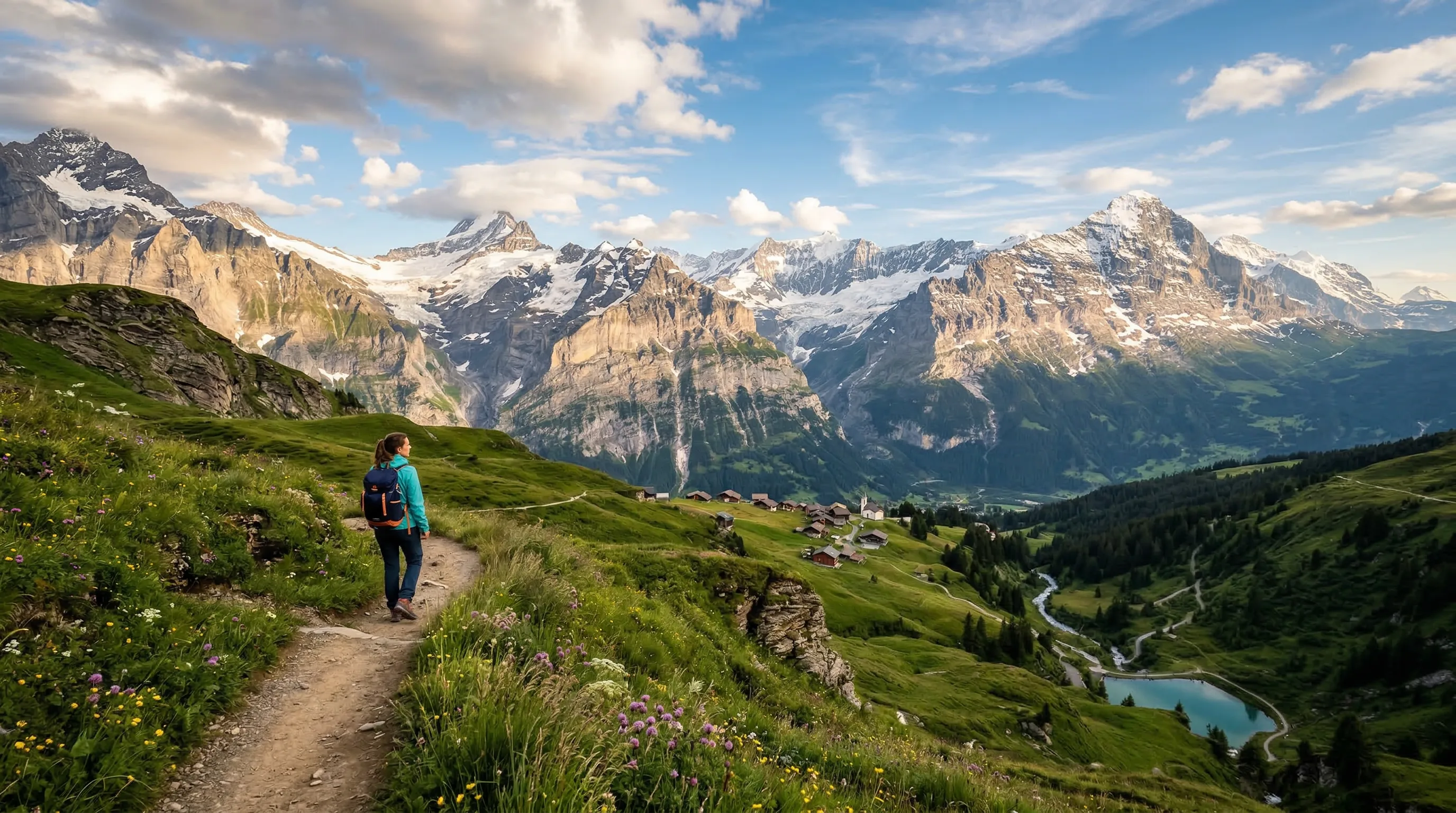
Tinghir
Kace Rodriguez
MountainsFeatured
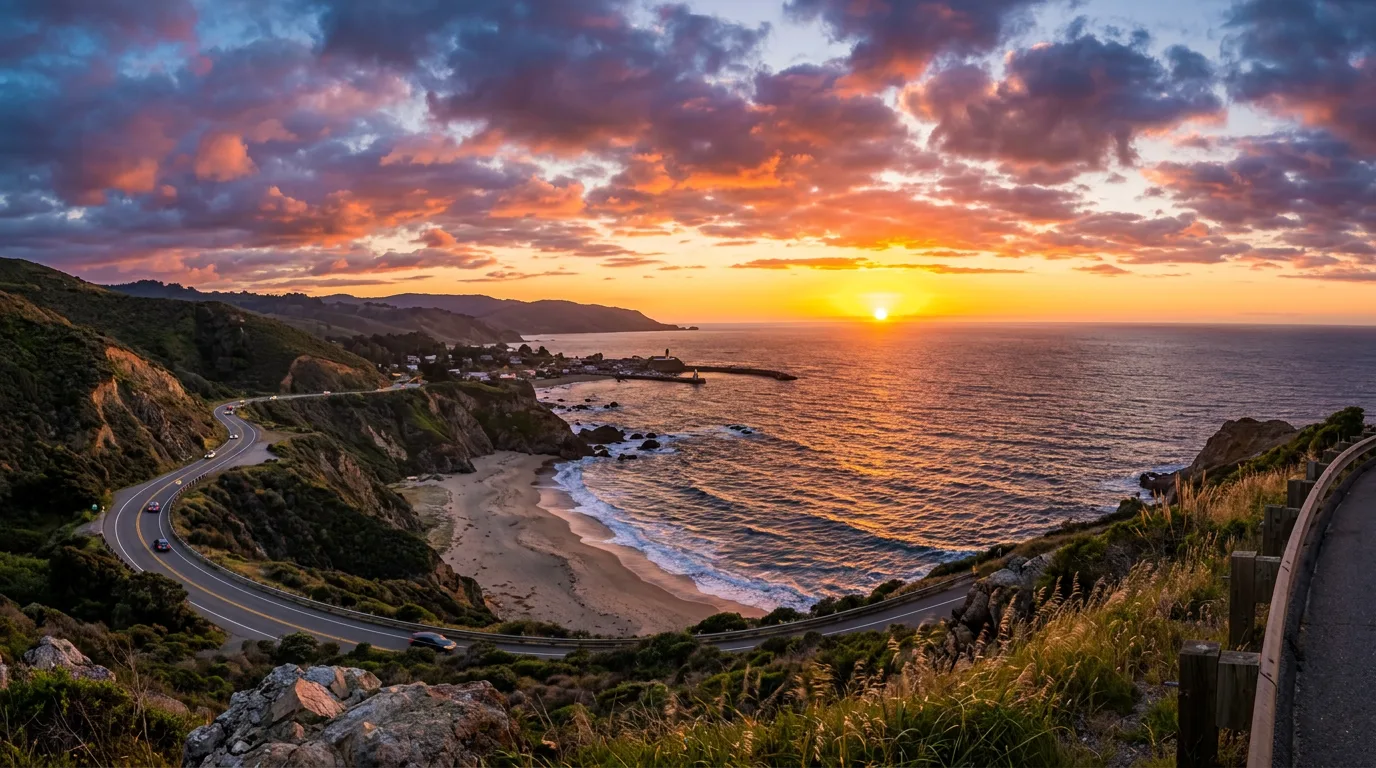
Marrakech
Sergey Pesterev
Cities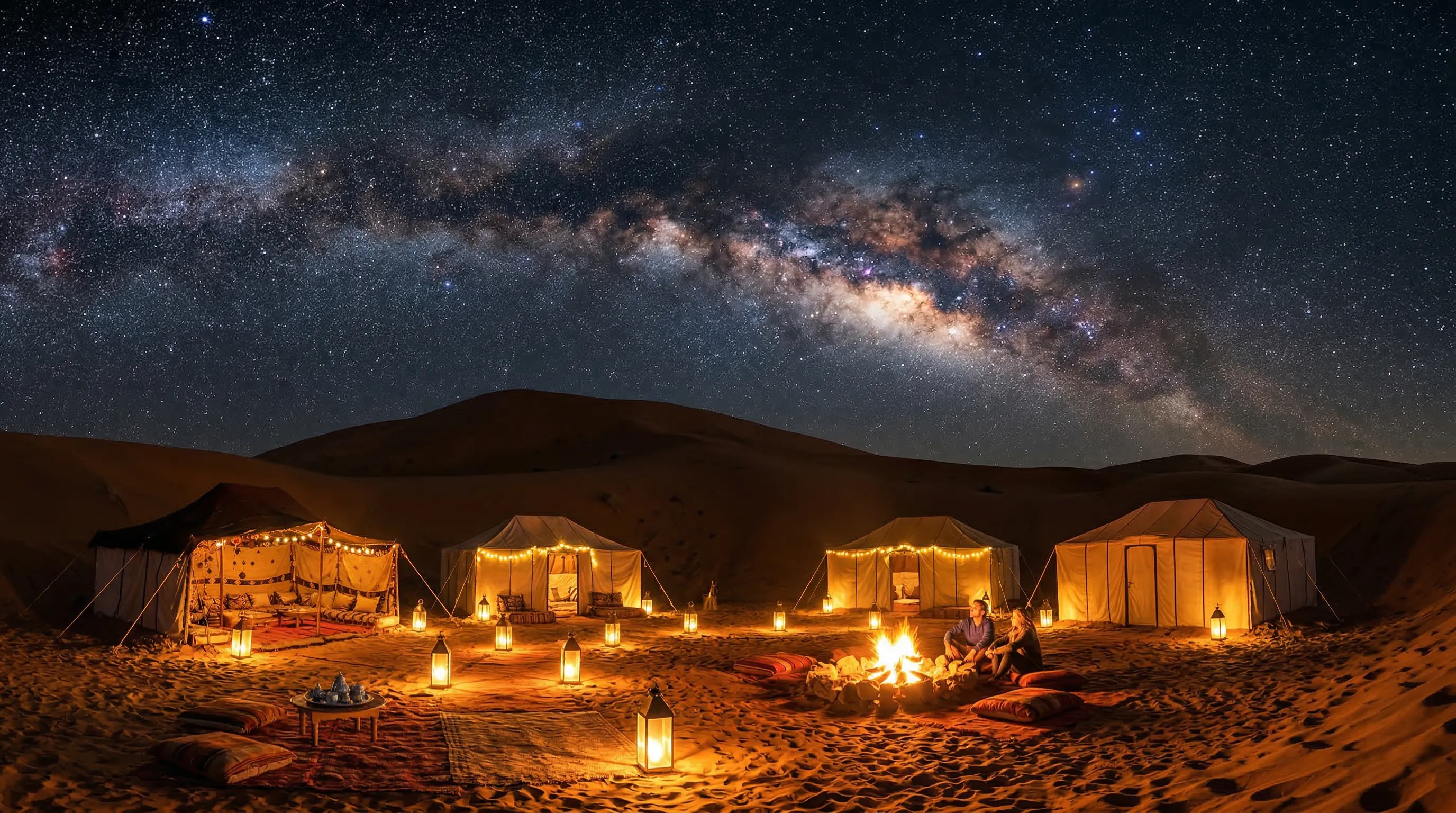
Azrou
Alberto Ferraro
Mountains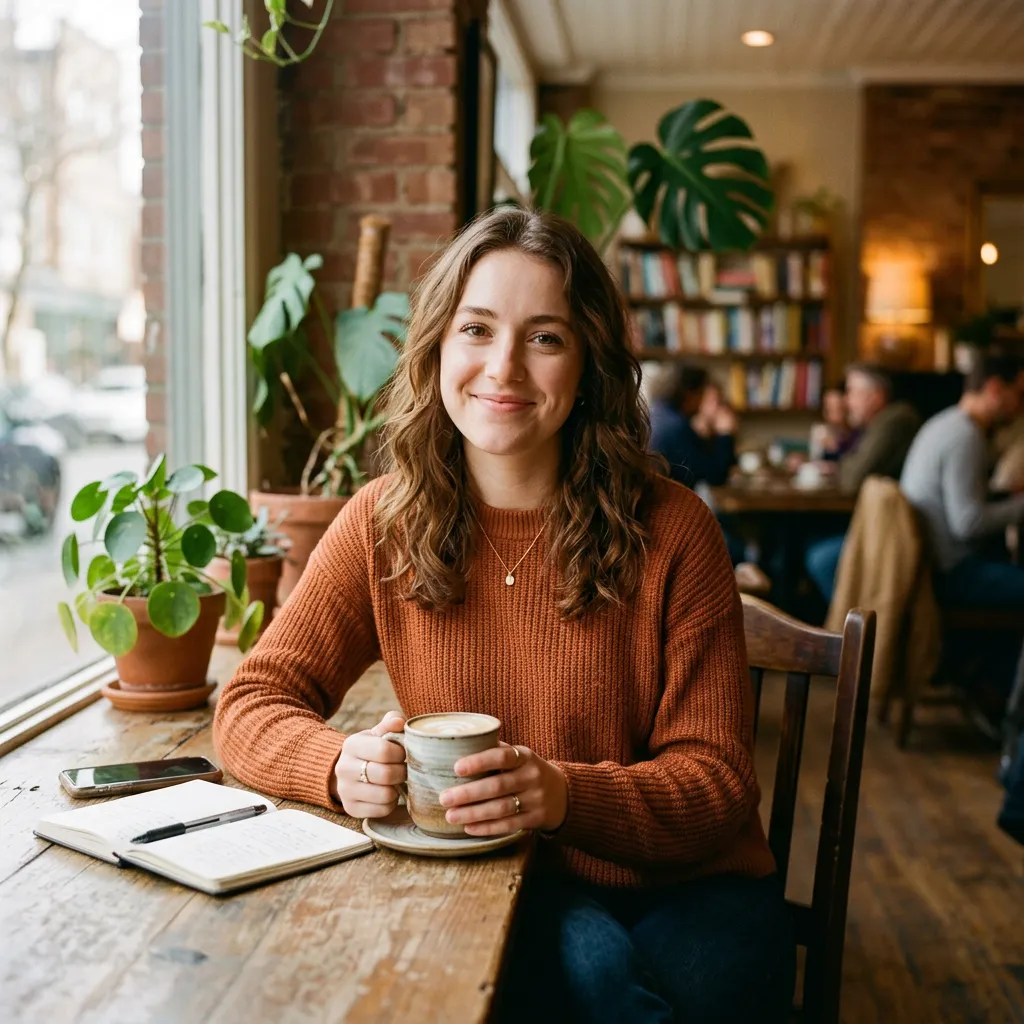
Agadir
Yassine Khalfalli
CoastFor Photographers
Photography Tips for Morocco
Camera settings, best times, and practical advice for capturing Morocco's most photogenic subjects. Whether you shoot with a phone or a professional DSLR, these tips will elevate your travel photography.
Golden Hour in the Desert
The Sahara dunes transform during the golden hours. Arrive at the dune crest 30 minutes before sunrise or sunset for the most dramatic light. The low-angle sun creates deep shadows in the sand ripples and turns the dunes from amber to deep crimson. Side-lighting reveals the most texture.
Recommended Settings
f/8-11, ISO 100, polarizer recommended. Shoot wide (16-35mm) for scale, telephoto (70-200mm) for abstract dune patterns. Protect gear from sand with a rain cover.
Medina Street Photography
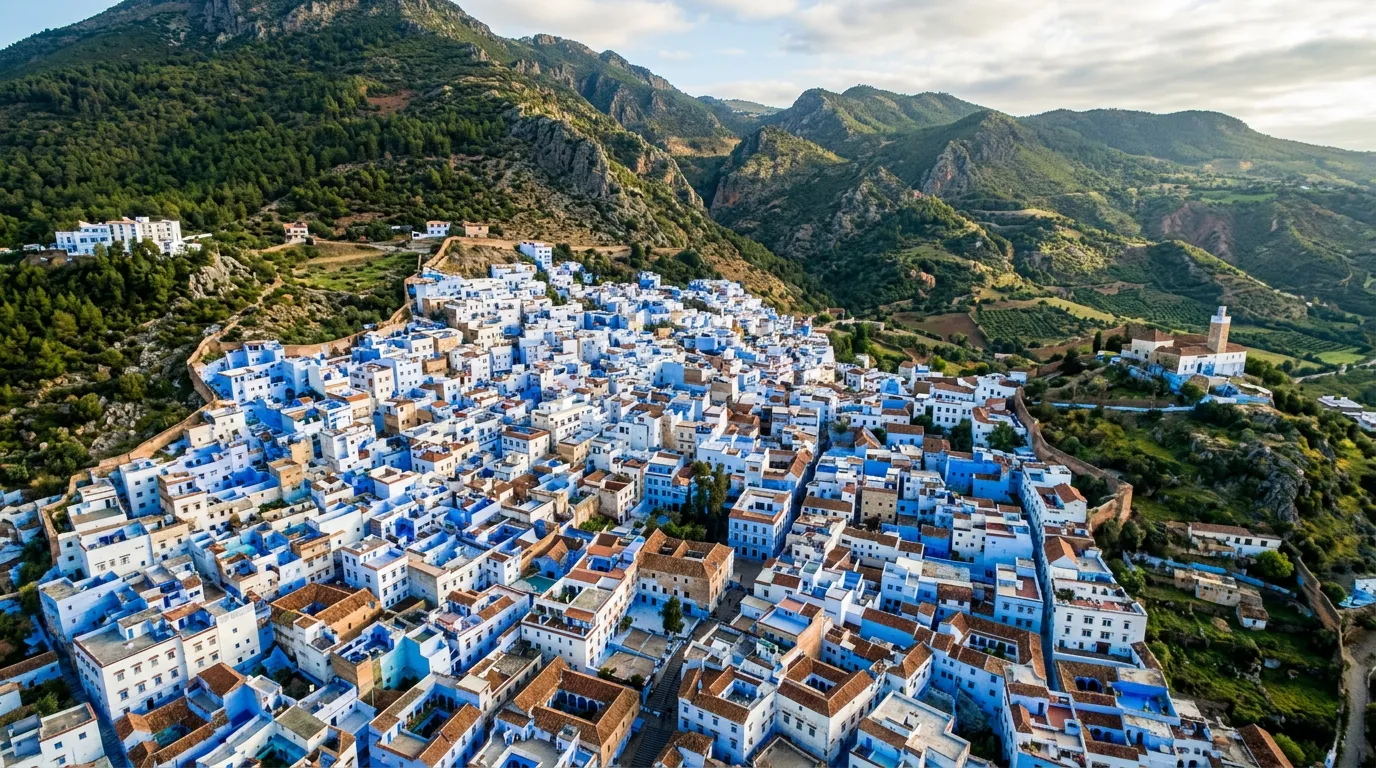
The narrow alleys of Fes and Marrakech present challenging light with extreme contrasts between shaded lanes and sunlit openings. The blue streets of Chefchaouen photograph best on overcast days when the light is even and the blue hues are most saturated. Early morning offers empty streets and soft light.
Recommended Settings
f/2.8-4, ISO 400-1600, fast prime lenses (35mm or 50mm) excel in tight spaces. Shoot in RAW for maximum shadow recovery. A wide-angle lens (24mm) captures the towering walls.
Atlas Mountain Landscapes
The High Atlas offers stunning vistas of terraced valleys, snow-capped peaks, and Berber villages. The Dades and Todra gorges are most dramatic in afternoon side-light. The winding road to Tizi n'Tichka pass provides endless viewpoints. Include foreground elements like wildflowers or stone walls for depth.
Recommended Settings
f/8-16, ISO 100, tripod essential for sharp landscapes. Use graduated ND filters for bright skies. Telephoto compression (100-200mm) isolates distant villages against mountain backdrops.
Architecture & Tilework Details
Morocco's zellige mosaics, carved stucco, and painted cedar ceilings are endlessly photogenic. The interiors of riads, madrasas, and palaces require patience with low light. Symmetry and patterns are everywhere. Look up at ceilings and doorways for overlooked compositions. The Bou Inania Madrasa in Fes and Bahia Palace in Marrakech are photographer's dreams.
Recommended Settings
f/5.6-8, ISO 800-3200, wide-angle lens (16-24mm) for interiors. A mini-tripod or beanbag helps in low light. Shoot straight-on for symmetry. Watch for color casts from stained glass.
Food & Market Photography
Moroccan cuisine is visually stunning. Tagines with their conical lids, pyramids of spices, fresh pastries, and mint tea ceremony all make compelling subjects. Market stalls with their colorful displays photograph best in the soft light filtering through fabric awnings. Ask stallholders before shooting and buy something small as a thank-you.
Recommended Settings
f/2.8-4, ISO 400-800, a 50mm or 35mm prime gives beautiful shallow depth of field. Use natural window light in restaurants. Overhead flat-lay works well for tagine presentations.
Coastal & Beach Photography
Essaouira's harbor, the dramatic arches of Legzira, and the surf breaks of Taghazout offer diverse coastal subjects. The Atlantic coast faces west, making sunsets the main event. Blue fishing boats against white-washed walls create classic Moroccan compositions. Wind is constant in Essaouira, so secure your tripod and protect lenses from salt spray.
Recommended Settings
f/11-16, ISO 100, long exposures (1-30 seconds) with ND filter smooth ocean water beautifully. Polarizer deepens the blue sky and reduces reflections. Wipe lenses frequently for salt spray.
Photography Etiquette in Morocco
Respectful photography creates better images and better travel experiences.
Always Ask Before Photographing People
Moroccans value their privacy. Always ask permission before taking someone's portrait. A simple "Photo?" with a gesture toward your camera is often enough. Many people will happily pose, especially if you show genuine interest in their craft. Some may request a small tip of 5-10 MAD.
Avoid Photographing Sensitive Locations
Military installations, police stations, government buildings, and checkpoints should never be photographed. Interior photography is prohibited in most mosques (Hassan II Mosque being the notable exception). Royal palaces and their guards are also off-limits. When in doubt, put the camera away.
Be Discreet in Religious Areas
Around mosques and during religious ceremonies, keep your camera low-key. Do not photograph people praying. During Ramadan, be extra respectful about photographing the iftar meal or people fasting. Cemetery photography should be done from a respectful distance.
Share Your Photos
If you photograph a shopkeeper, artisan, or local family, offer to show them the photo on your screen. Many appreciate seeing themselves. If you promise to send a photo by email or WhatsApp, follow through. This small act of generosity builds bridges between travelers and communities.
Ready to Capture Your Own Morocco Moments?
Explore our city guides for the best photography locations and plan your route through Morocco's most photogenic destinations.