Discovering...
Nightlife & Entertainment
Morocco Nightlife Guide
2026
From Marrakech rooftop bars overlooking the Koutoubia to Casablanca clubs open until dawn -- your city-by-city guide to after-dark Morocco.
After Dark in a Country That Defies Expectations
Morocco is a Muslim-majority country where alcohol flows in licensed venues, where world-class DJs spin in converted palaces, and where the most memorable night out might involve zero alcohol and a crowd of 10,000 people gathered around storytellers in a medieval square. The nightlife here does not fit a single template, and that is precisely what makes it worth exploring.
Marrakech dominates the conversation, but each Moroccan city has its own rhythm after sunset. Casablanca stays up the latest and dresses the sharpest. Tangier carries the romantic weight of its Beat Generation past and rewards those who seek out small jazz bars in the Kasbah. Essaouira replaces bass drops with Gnawa trance rhythms played on iron castanets. Agadir offers the closest thing Morocco has to a Mediterranean beach-bar scene.
This guide covers where to go, what to wear, how much to spend, and what cultural lines to respect. Whether you want a champagne-fueled club night or a mint tea on a moonlit terrace listening to a master Gnawa musician, Morocco delivers.
Marrakech Nightlife
Morocco's undisputed nightlife capital. From rooftop cocktails above the medina to underground clubs in the Hivernage district, Marrakech caters to every taste. Jemaa el-Fnaa itself transforms into a nightly spectacle of storytellers, musicians, and food vendors that rivals any club experience.
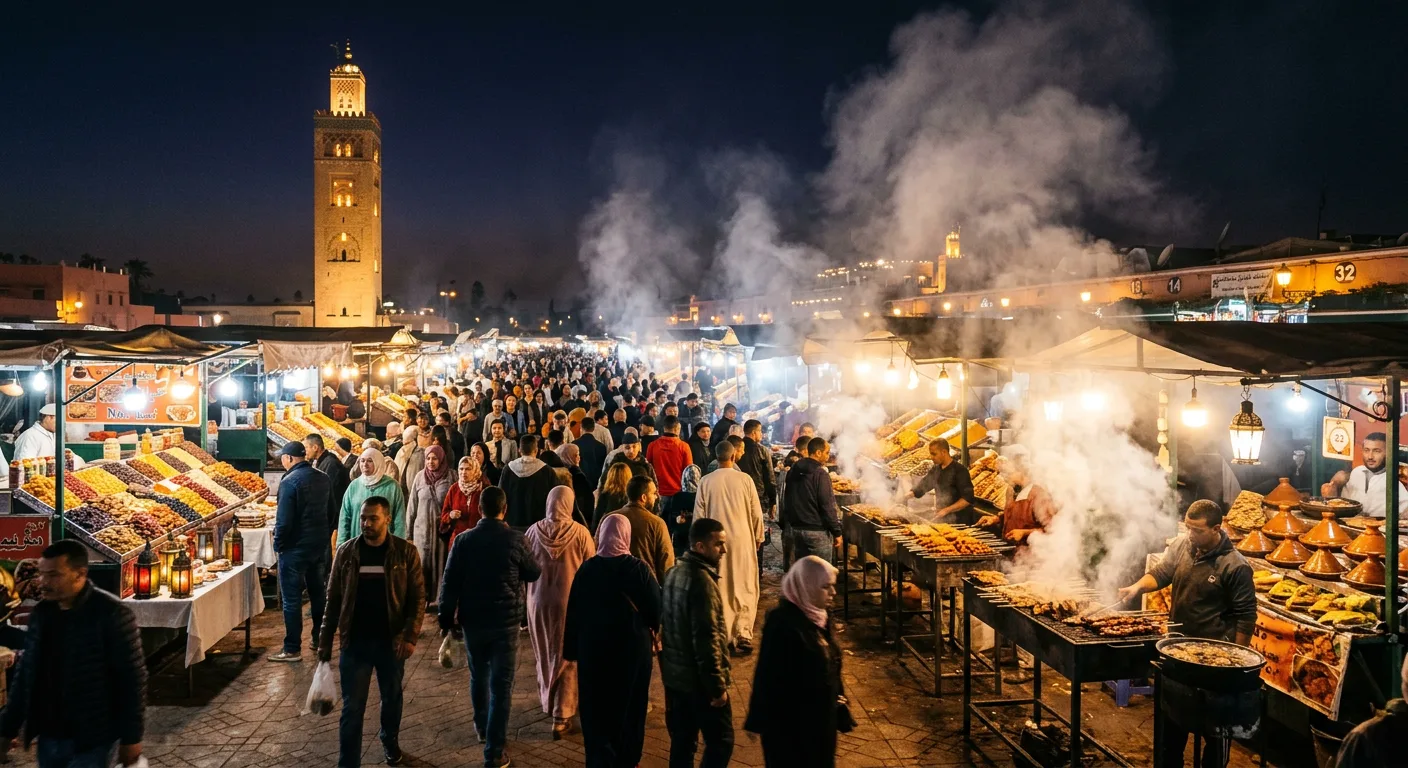
Marrakech, Morocco
Le Comptoir Darna
Restaurant & BarHivernage
Belly dancing performances from 9:30 PM, Moroccan-French cuisine, consistently ranked among the city's top nights out
From 150 MAD cocktails
Theatro Marrakech
NightclubEs Saadi Gardens
Former theater converted into a multilevel club, international DJs on weekends, open Thursday-Saturday
From 200 MAD cover
Sky Bar (Renaissance Hotel)
Rooftop BarHivernage
Panoramic views of the Atlas Mountains and Koutoubia Mosque, sunset sessions from 6 PM
From 100 MAD cocktails
Barometre
Cocktail BarGueliz
Intimate craft cocktail bar with Moroccan-inspired mixology, strong local following
From 80 MAD cocktails
Jemaa el-Fnaa After Dark
Open-Air CulturalMedina
Halqa (street performers), Gnawa musicians, henna artists, food stalls selling grilled meats, snail soup, and fresh orange juice from 4 MAD
Free to wander
L'Envers
Bar & TerraceGueliz
Art deco building, exposed brick interior, popular with expats and young Moroccans, live DJ sets on weekends
From 70 MAD drinks
Casablanca Nightlife
Morocco's commercial capital has the most cosmopolitan nightlife scene. The Corniche beachfront and Maarif district concentrate most venues. Casablanca clubs attract international DJs and stay open later than anywhere else in the country. The city's business crowd means weekday nights can be surprisingly lively.
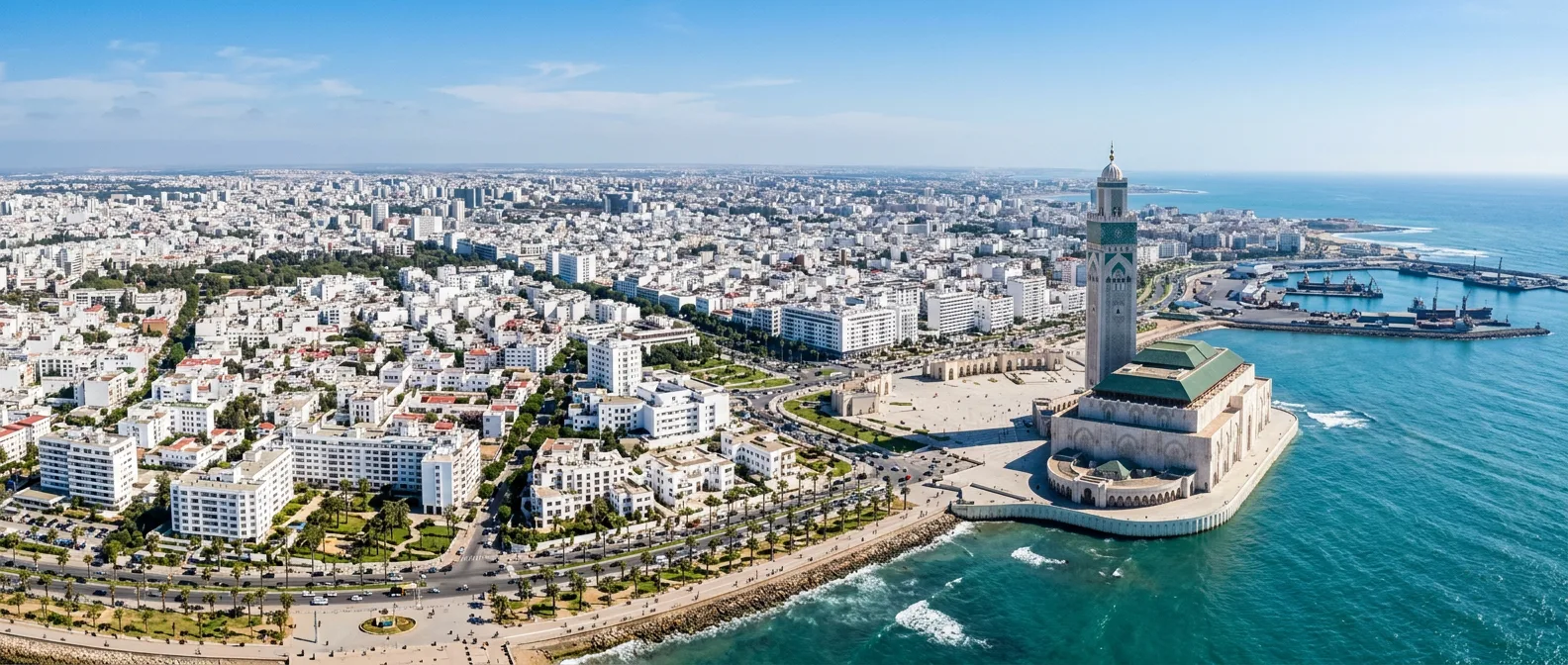
Casablanca, Morocco
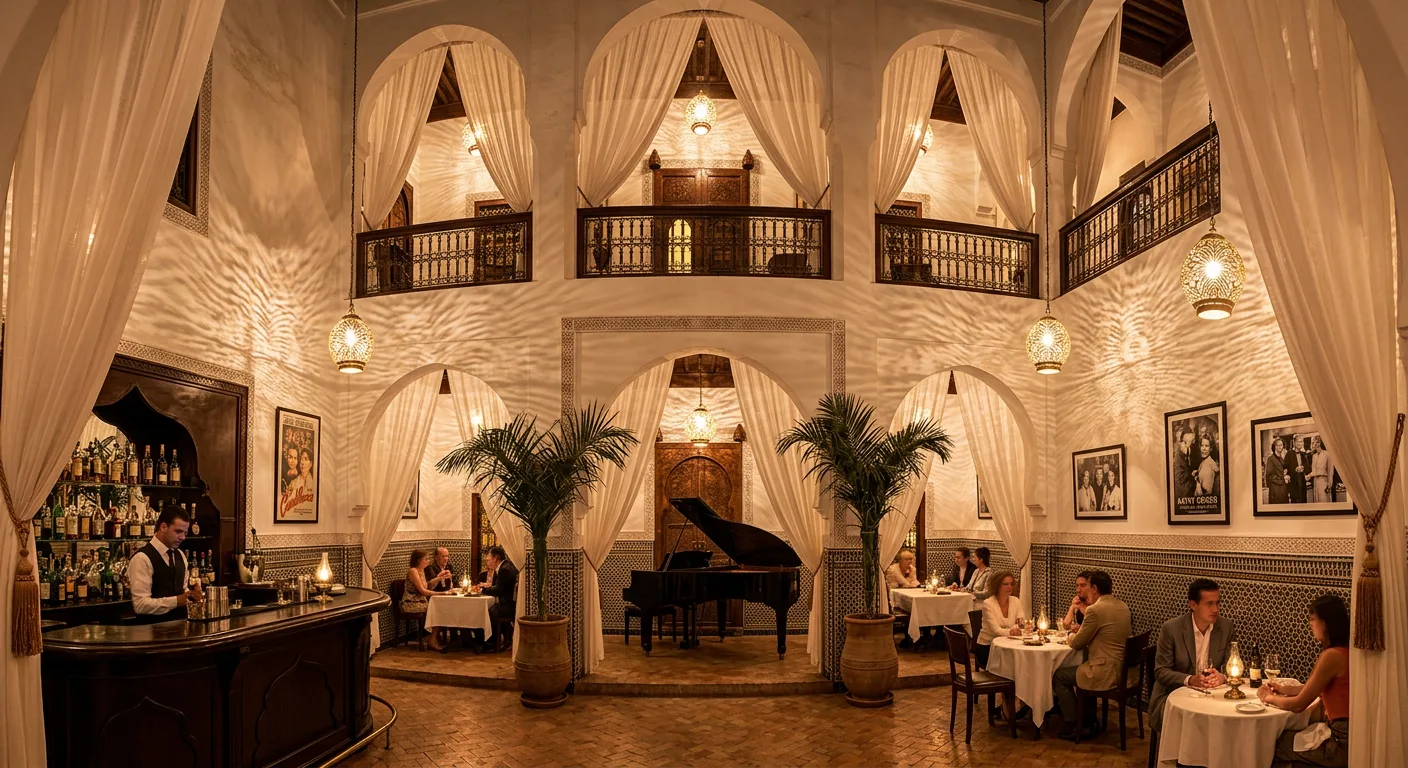
Rick's Cafe
Piano Bar & RestaurantOld Medina
Inspired by the 1942 film, live jazz piano, Art Deco interiors, reservations required for dinner
From 120 MAD cocktails
Le Cabestan
Lounge & RestaurantCorniche
Ocean-facing terrace with Atlantic waves crashing below, French-Moroccan menu, dress code enforced
From 130 MAD cocktails
Sky 28
Rooftop LoungeTwin Center
28th-floor panoramic views over the entire city, attracts Casablanca's business elite, strict smart-casual dress code
From 100 MAD cocktails
Maison B
Nightclub & LoungeMaarif
House and electronic music, resident DJs, open Wednesday-Saturday, one of the most popular clubs in the city
From 150 MAD cover
La Bodega
Tapas BarQuartier Racine
Spanish-inspired tapas and sangria, live music on Thursdays, relaxed atmosphere for an early evening
From 60 MAD drinks
Tangier Nightlife
Tangier's nightlife carries the weight of its literary past. The city that hosted William Burroughs, Paul Bowles, and the Rolling Stones still attracts creative types. The scene is more intimate than Marrakech, centered around jazz bars, rooftop terraces overlooking the Strait of Gibraltar, and late-night cafes in the Kasbah.
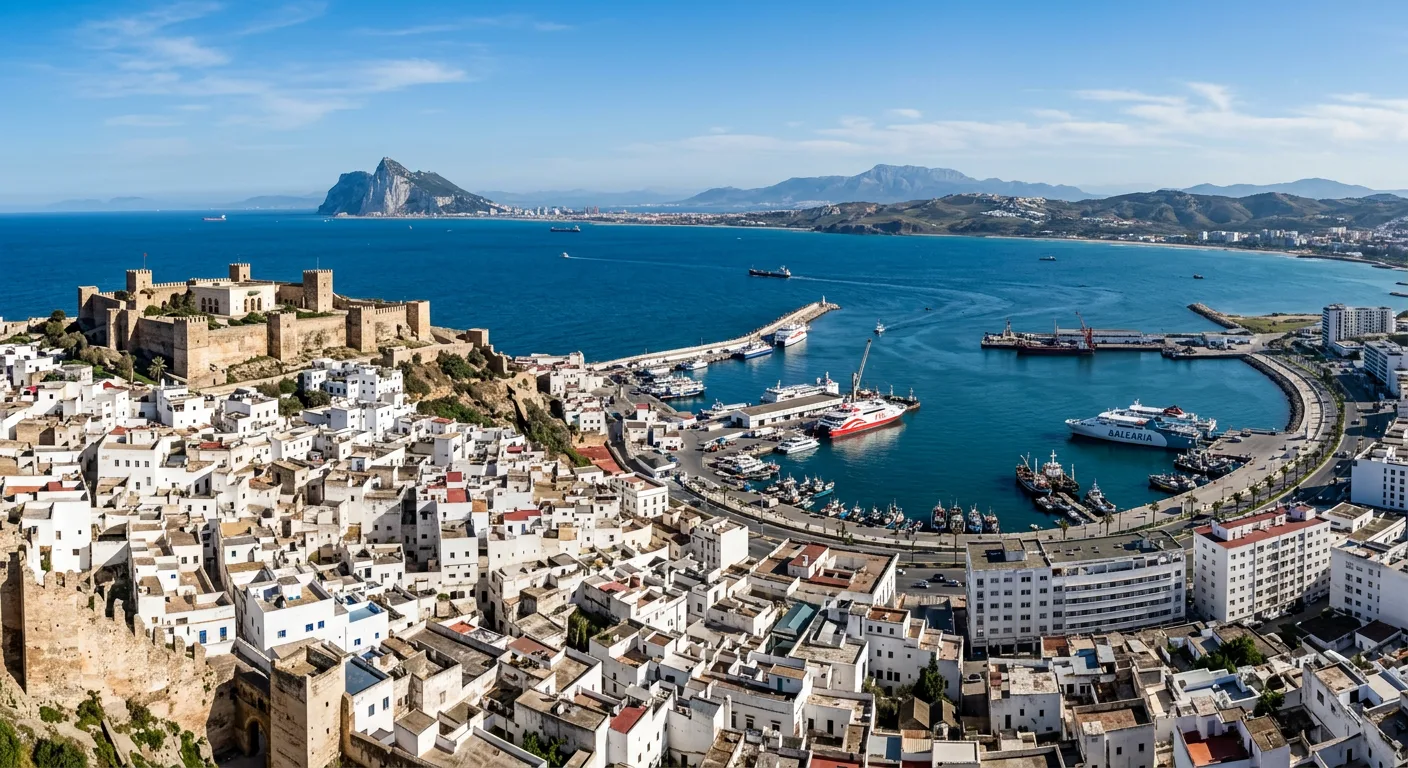
Tangier, Morocco
El Morocco Club
Cocktail Bar & RestaurantKasbah
Restored 1930s mansion, vintage decor, live jazz on weekends, terrace with Strait views
From 90 MAD cocktails
Le Salon Bleu
Rooftop Cafe & BarKasbah
Blue-washed terrace overlooking the port and sea, popular for sunset drinks and light bites
From 50 MAD drinks
Cafe Hafa
Cliffside CafeMarshan
Where the Stones and Bowles drank tea on terraced cliffs above the sea, no alcohol but open until late
From 15 MAD mint tea
La Tangerina
Riad Rooftop BarKasbah
Boutique riad with a public rooftop bar, intimate setting, 360-degree views, craft cocktails
From 80 MAD cocktails
Number One
NightclubCity Center
Long-running Tangier club, mixed crowd of locals and visitors, busiest on Friday nights
From 100 MAD cover
Essaouira Nightlife
Essaouira's nightlife is defined by live music rather than clubs. This is the spiritual home of Gnawa music, and you can hear it performed authentically in small venues and open squares throughout the medina. The Gnaoua World Music Festival (June) draws tens of thousands. Outside the festival, the pace is mellow -- think acoustic sets, rooftop wine, and conversations stretching past midnight.
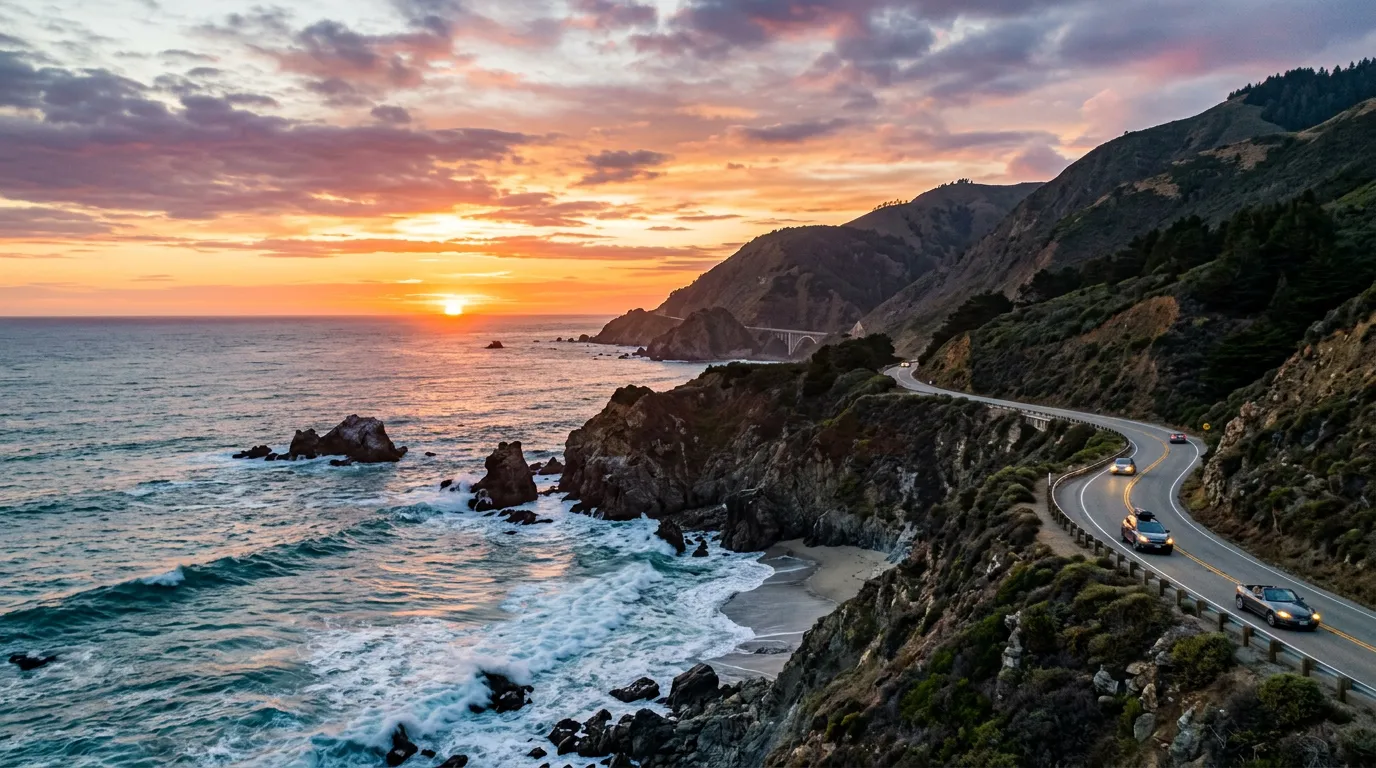
Essaouira, Morocco
Taros Cafe
Rooftop Bar & Live MusicPlace Moulay Hassan
The social hub of Essaouira nightlife, live Gnawa and jazz most evenings, rooftop views over the square and ocean
From 50 MAD drinks
Gnawa Street Performances
Open-Air MusicMedina
Spontaneous Gnawa groups play in Place Moulay Hassan and near Bab Sbaa most evenings after 8 PM
Free (tip the musicians)
Le Patio
Wine Bar & RestaurantMedina
Moroccan wines by the glass, courtyard setting, French-Moroccan tapas, relaxed and welcoming
From 60 MAD wine
Beach Bonfires & Drum Circles
InformalBeach
During summer and the Gnaoua Festival, informal drum circles and bonfires gather on the beach south of the medina
Free
Agadir Nightlife
Agadir is Morocco's most relaxed nightlife destination. Rebuilt after the 1960 earthquake as a modern resort city, it has a beach-bar culture unlike anywhere else in the country. The Corniche promenade and the marina area concentrate most of the action. The crowd is a mix of Moroccan vacationers, European package tourists, and surfers passing through.
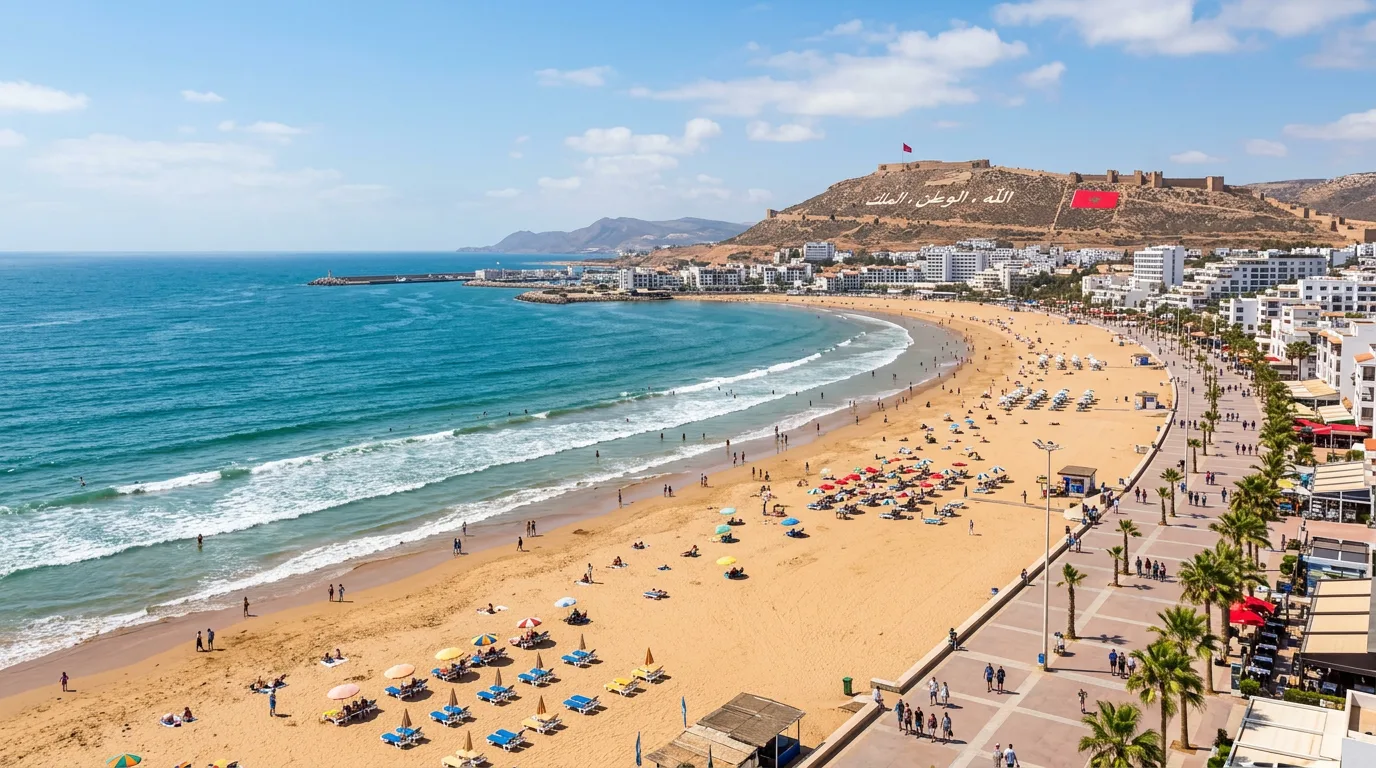
Agadir, Morocco
So Lounge (Sofitel)
Beach Club & LoungeBaie des Palmiers
Pool parties, sunset sessions, international DJs on weekends, the most upscale option in Agadir
From 120 MAD cocktails
Papagayo
NightclubSecteur Touristique
The biggest club in Agadir, multiple dance floors, open until 4 AM on weekends
From 100 MAD cover
Jour et Nuit
Bar & ClubCorniche
Casual bar that transitions to a dance floor after midnight, popular with a younger crowd
From 60 MAD drinks
English Pub
PubSecteur Touristique
Low-key spot for watching football matches, pool tables, affordable drinks, expat favorite
From 35 MAD beer
Dress Code Guide
What to wear depends entirely on where you are going. Here is the breakdown by venue type.
| Venue Type | Men | Women | Will Get You Turned Away |
|---|---|---|---|
| High-End Clubs (Theatro, Maison B) | Collared shirt or blazer, tailored trousers, dress shoes | Cocktail dress, heels, or smart separates | Shorts, sandals, sportswear, ripped jeans |
| Rooftop Bars & Hotel Lounges | Smart casual: clean shirt, dark jeans, loafers | Dress, jumpsuit, or elevated casual | Flip-flops, tank tops, beachwear |
| Casual Bars & Pubs | Jeans, T-shirt, sneakers accepted | Casual but covered shoulders in some areas | Very few restrictions, but overly revealing outfits draw unwanted attention |
| Agadir Beach Bars | Shorts and polo accepted during the day, smarter at night | Sundress or resort casual | Swimwear alone (cover up when ordering at the bar) |
| Cultural Venues (Jemaa el-Fnaa, Gnawa Shows) | Comfortable clothing, modest and practical | Shoulders and knees covered is respectful | No specific dress code, but modesty is appreciated in the medina |
Alcohol Availability in Morocco
Morocco produces its own beer, wine, and spirits. Availability depends on venue type and timing.
Licensed Hotels & Restaurants
Widely available
International and Moroccan beers (Casablanca, Flag Speciale, Stork), Moroccan wines (Guerrouane, Medaillon, Volubilia), and full spirit menus. Most 4-star and 5-star hotels serve alcohol.
Nightclubs
Full bar service
All licensed clubs serve a complete range. Expect to pay from 50 MAD for beer, from 100 MAD for cocktails, from 80 MAD for wine. Bottle service available at upscale clubs from 1,500 MAD.
Supermarkets
Select locations
Carrefour, Acima, and some Marjane stores sell beer, wine, and spirits. Alcohol sections are often in a separate room with a separate checkout. Not available in all branches.
Medina & Traditional Areas
Very limited
Most medina restaurants do not serve alcohol. Some upscale riads and restaurants within the medina hold licenses. Ask before ordering. Street-side cafes serve mint tea, coffee, and juice only.
During Ramadan
Restricted
Many bars and clubs close for the month. International hotels continue serving alcohol discreetly to non-Muslim guests, usually in indoor areas only. Supermarkets stop selling alcohol. Nightlife resumes after Eid al-Fitr.
Nightlife Price Guide
Typical prices across Moroccan nightlife venues. Seasonal pricing can change during peak periods and holidays.
| Item | Price | Where |
|---|---|---|
| Local beer (Casablanca, Flag) | From 30 MAD | Bars & pubs |
| Imported beer | From 50 MAD | Hotels & clubs |
| Glass of Moroccan wine | From 50 MAD | Restaurants & wine bars |
| Cocktail (standard) | From 80 MAD | Mid-range bars |
| Cocktail (premium/rooftop) | From 120 MAD | Rooftop bars & lounges |
| Bottle service (spirits) | From 1,500 MAD | Nightclubs |
| Club cover charge | From 100 MAD | Often includes 1 drink |
| Dinner with live entertainment | From 300 MAD per person | Le Comptoir Darna, Rick's Cafe |
| Shisha / hookah | From 60 MAD | Lounges & rooftop bars |
| Mint tea at Jemaa el-Fnaa | From 10 MAD | Terrace cafes |
Best Nights to Go Out
Timing matters. Here is what to expect on each night of the week.
Wednesday
Warm-up nightPopular venues start filling up. Good for a relaxed evening without the weekend crush. Ladies' nights with discounted drinks at some venues.
Thursday
Peak local nightThe biggest night for Moroccans. Clubs and bars reach full capacity. Live music and special performances are scheduled. Arrive before 11 PM to avoid long queues.
Friday
Tourist & local mixInternational crowd peaks. Themed parties and guest DJs are common. Some venues have higher cover charges. Pre-booking tables is recommended at top venues.
Saturday
Strong but variableCan be slightly quieter than Friday at some clubs. Rooftop bars and lounges remain packed. Good night for live music and cultural performances.
Sunday-Tuesday
QuietMost clubs are closed. Hotel bars and some restaurants with live music remain open. A good time for a low-key rooftop drink or a Jemaa el-Fnaa evening walk.
Cultural Considerations
Morocco is tolerant of nightlife but conservative by Western standards. These guidelines help you enjoy the scene while showing respect.
Respect Ramadan
During the holy month, nightlife changes significantly. Many bars and clubs close. Do not drink, eat, or smoke in public during daylight fasting hours. Evenings after iftar (the breaking of the fast) can be festive, with families filling the streets, but alcohol is off the table at most venues.
Public Displays of Affection
Morocco is conservative about physical affection in public. Holding hands is generally fine, but kissing and more in public spaces -- including outside clubs -- attracts negative attention and can lead to confrontations. Keep intimacy for private spaces.
Photography Etiquette
Do not photograph people at bars or clubs without asking. Many Moroccans prefer not to be photographed in alcohol-serving venues. Performers at Jemaa el-Fnaa expect a small tip (from 10-20 MAD) if you take their photo.
Noise & Neighbors
If staying in a traditional riad in the medina, be mindful of noise when returning late. Medina walls are thin and residents wake early for the dawn call to prayer. Remove shoes, speak softly, and close doors gently.
Gender Dynamics
Some traditional bars cater primarily to men and may feel unwelcoming to women. These are not tourist-facing venues. Women travelers will feel most comfortable at hotel bars, established restaurants, upscale clubs, and venues in the Gueliz, Hivernage, and Corniche areas.
Tipping at Nightlife Venues
Tip bartenders from 10-20 MAD per round. Tip live musicians from 20-50 MAD if you enjoy the performance. For table service at clubs, from 50-100 MAD for the waiter is standard. Doormen who arrange your taxi deserve from 10-20 MAD.
Nightlife Safety Tips
Morocco is generally safe for nightlife, but standard precautions apply.
Arrange Transport in Advance
Book a return taxi through your hotel or save a reliable taxi driver's number. Ride apps like inDrive and Careem work in major cities. Agree on the fare before getting in a non-metered taxi. From 30-80 MAD covers most in-city rides at night.
Watch Your Drinks
Standard precaution worldwide: keep your drink in sight. Accept drinks only from bartenders. Avoid accepting open drinks from strangers. This applies equally in Morocco, Europe, or anywhere.
Carry Cash and a Copy of Your ID
Many venues are cash-only, especially outside Marrakech and Casablanca. Carry a photocopy of your passport rather than the original. Keep a separate stash of from 200 MAD for a taxi home.
Stay in Well-Lit, Populated Areas
When walking between venues, stick to main streets. The Gueliz district (Marrakech), Corniche (Casablanca), and Kasbah area (Tangier) are well-lit and patrolled at night. Avoid shortcuts through medina alleys after midnight.
Know the Alcohol Laws
Drinking in public (streets, parks, beaches) is illegal and can result in fines or a night in custody. Consume alcohol only in licensed venues. Driving under the influence is treated severely with immediate license confiscation.
Travel in Groups When Possible
Solo nightlife is possible but groups offer safety in numbers. If traveling solo, inform your hotel where you are going and your expected return time. Many hostels and riads organize group nights out.
Live Music & Gnawa Traditions
Morocco's live music scene is anchored by Gnawa, a spiritual musical tradition rooted in sub-Saharan African heritage that UNESCO recognized as Intangible Cultural Heritage in 2019. Gnawa performances feature the guembri (a three-stringed bass lute), iron castanets (qraqeb), and hypnotic call-and-response chanting that can last for hours.
Essaouira is the heartland, but you can hear Gnawa music in Marrakech's Jemaa el-Fnaa, at cultural festivals across the country, and in dedicated music venues. The annual Gnaoua World Music Festival in Essaouira (typically June) is the premier event, drawing international artists who collaborate with Gnawa masters for fusion performances.
Beyond Gnawa, Morocco has a growing contemporary music scene. Jazz is popular in Tangier and Casablanca. Chaabi (popular folk music) fills wedding venues. Rai drifts over from eastern Morocco and Algeria. And an emerging electronic and hip-hop scene is gaining ground in Casablanca and Rabat.
Gnawa Musicians, Morocco
Taros Cafe, Essaouira
Gnawa & JazzMost evenings
Rooftop with ocean views, the anchor of Essaouira nightlife
Rick's Cafe, Casablanca
Jazz PianoNightly
Live pianist in a film-inspired Art Deco setting
El Morocco Club, Tangier
Jazz & WorldWeekends
Intimate Kasbah venue, guest musicians from around the Mediterranean
Le Comptoir Darna, Marrakech
Belly Dance & MoroccanNightly from 9:30 PM
Dinner show format with traditional and fusion performances
Opening Hours & Timing
Morocco runs on a late schedule. Dinner starts at 8-9 PM, and nightlife does not peak until midnight.
Rooftop Bars & Hotel Lounges
6 PM - midnight / 1 AM
Best for sunset through early evening. Some hotel bars stay open for guests until the last order.
Restaurants with Entertainment
7:30 PM - midnight
Live music or performances typically start at 9-10 PM. Reservations recommended for weekends.
Casual Bars & Pubs
5 PM - midnight / 2 AM
Vary by city. Casablanca bars stay open latest. Agadir beach bars wind down earlier on weeknights.
Nightclubs
11 PM - 3 / 4 AM
Doors open at 11 PM but the floor fills after midnight. Weekends (Thu-Sat) are the only nights most clubs operate.
Jemaa el-Fnaa (Marrakech)
Sunset - 1 AM
Food stalls set up around 5 PM. Performers, musicians, and storytellers peak between 8-11 PM.
Gnawa / Live Music Venues
8 PM - midnight
Sets typically start at 9 PM. Festival performances can run later. Informal street performances are unpredictable.
Jemaa el-Fnaa After Dark: Morocco's Greatest Free Show
No guide to Moroccan nightlife is complete without Jemaa el-Fnaa, Marrakech's vast central square that transforms nightly into one of the world's most extraordinary open-air spectacles. UNESCO declared it a Masterpiece of the Oral and Intangible Heritage of Humanity, and spending an evening here confirms why.
As the sun drops behind the Koutoubia minaret, the square fills with over 100 food stalls serving grilled lamb, merguez sausages, spiced snail soup, sheep head, harira, and fresh-squeezed orange juice from 4 MAD. Around the edges, circles (halqas) form where storytellers, acrobats, snake charmers, henna artists, and Gnawa musicians perform for tips. The noise, the smoke, the competing calls of food vendors -- it is chaotic, thrilling, and entirely free to experience.
Food Stalls
Over 100 stalls. Point and sit. A full meal costs from 30-60 MAD. Stall 1, 14, and 31 are perennial favorites among locals.
Street Performers
Halqa circles with acrobats, storytellers (in Arabic/Darija), musicians, and comedians. Tip from 10-20 MAD if you stop to watch.
Terrace Cafes
Cafe de France and Cafe Glacier offer elevated views over the square. Mint tea from 20 MAD. No alcohol. Best seats fill by 7 PM.
Moroccan Drinks Worth Trying
Morocco produces its own beer, wine, and spirits alongside the world-famous mint tea.
Casablanca Beer
LagerMorocco's most popular beer. A clean, easy-drinking lager brewed since 1919. You will find it everywhere alcohol is served. The bottle with the city skyline silhouette is iconic.
From 25 MAD (shop) / from 40 MAD (bar)
Flag Speciale
LagerSlightly lighter than Casablanca, Flag Speciale is the other national beer. Common in bars and available in most supermarkets. Best ice-cold on a hot evening.
From 20 MAD (shop) / from 35 MAD (bar)
Guerrouane Rouge
Red WineA full-bodied red from the Meknes region, Morocco's wine heartland. Pairs well with tagine and grilled meats. The quality of Moroccan wine has improved significantly in recent years.
From 60 MAD (bottle)
Medaillon Rose
Rose WineLight, fruity, and perfect for warm evenings on a rooftop terrace. Moroccan rose wines are underrated and offer genuine value compared to imported alternatives.
From 50 MAD (bottle)
Mahia
Fig SpiritA traditional Moroccan spirit distilled from figs or dates, historically produced by the country's Jewish community. Anise-flavored and strong. Not widely available but worth seeking out.
From 80 MAD (bottle)
Mint Tea (Atay)
Non-AlcoholicThe national drink. Gunpowder green tea steeped with fresh spearmint and generous sugar, poured from height to create a frothy top. Available everywhere, at all hours, and central to every social interaction.
From 10 MAD
Seasonal Nightlife Calendar
Morocco's nightlife intensity shifts with the seasons, festivals, and religious calendar.
Peak Season (Oct - Apr)
Tourist numbers are highest. Marrakech and Casablanca clubs run at full capacity on weekends. International DJs headline at Theatro and Maison B. Rooftop bars are pleasant in the cooler evenings. New Year's Eve is the biggest party night of the year across all major cities.
Summer (Jun - Aug)
Agadir and Essaouira peak as beach nightlife destinations. Marrakech empties somewhat as temperatures exceed 40 degrees, but the clubs remain open. The Gnaoua World Music Festival in Essaouira (June) is a highlight. Beach clubs and outdoor venues dominate.
Ramadan (dates shift yearly)
The quietest period for nightlife. Most bars and clubs close. Hotel bars serve discreetly. After iftar each evening, streets fill with families and the energy is festive but alcohol-free. The nights of Laylat al-Qadr (near the end of Ramadan) are especially lively with religious observance.
Shoulder Season (May, Sep)
Often the best time for nightlife. Tourist crowds are manageable, prices are lower, and the weather is comfortable for rooftop bars and outdoor venues. You can get into popular venues without reservations. Locals are out in force.
Morocco After Dark
Jemaa el-Fnaa at Night
Rick's Cafe, Casablanca
Gnawa Live Performance
Frequently Asked Questions
Answers to the most common questions about nightlife in Morocco.
Can you drink alcohol in Morocco?
Yes. Morocco is a Muslim-majority country but alcohol is legal and widely available in licensed hotels, restaurants, bars, clubs, and supermarkets (Carrefour, Acima, some Marjane locations). You cannot drink alcohol on the street, in public parks, or near mosques. During Ramadan, some bars and clubs close or restrict service, but international hotels continue serving alcohol to guests.
What is the legal drinking age in Morocco?
The legal drinking age is 18. Bars and clubs rarely check ID for adults who clearly appear over 18, but high-end venues and hotel bars may ask. Carry your passport or a copy of it.
What should I wear to a nightclub in Marrakech?
Smart casual is the minimum at upscale clubs and rooftop bars. Men should wear collared shirts or fitted T-shirts with clean trousers or dark jeans and closed shoes. Avoid shorts, sandals, and sportswear. Women have more flexibility but most dress elegantly. Some venues enforce a strict dress code and will turn away guests in athletic wear or flip-flops.
Is Marrakech nightlife safe for solo female travelers?
Yes, with standard precautions. Stick to well-known venues, arrange return transport before going out (hotel taxi or a ride app), and avoid walking alone in poorly lit medina alleys after midnight. Hotel rooftop bars and established clubs in Gueliz and Hivernage are the safest options. Many solo female travelers report positive experiences at venues like Le Comptoir Darna and Sky Bar.
How much does a night out cost in Morocco?
Budgets vary widely. A beer at a bar costs from 30-60 MAD. Cocktails run from 80-150 MAD at upscale venues. Club cover charges range from 100-300 MAD, sometimes including a drink. Dinner at a restaurant with live music costs from 200-500 MAD per person. A full evening at a high-end club with drinks can reach from 500-1,500 MAD per person. Seasonal pricing can change during holidays and peak tourist periods.
What time do clubs and bars close in Morocco?
Most bars close between midnight and 2 AM. Nightclubs stay open until 3-4 AM on weekends and sometimes later during holiday periods. Hotel bars may serve until the last guest leaves. Rooftop bars typically close around midnight or 1 AM. During Ramadan, hours shift significantly and some venues close entirely for the month.
Are there any areas to avoid at night in Morocco?
Avoid dimly lit medina alleyways after midnight, deserted industrial zones, and unlicensed bars in backstreets. Stick to well-lit areas with other people around. In Marrakech, the Gueliz and Hivernage districts are the safest for nightlife. In Casablanca, the Corniche and Maarif neighborhoods are well-patrolled. Use a taxi or ride app rather than walking long distances after dark.
What is the best night of the week to go out in Morocco?
Thursday and Friday nights are the busiest and most energetic. Wednesday is solid at popular venues without the weekend crowds. Saturday can be quieter than Friday at some clubs. During summer, every night from Wednesday through Saturday is lively in tourist cities. International DJ events and themed parties are most common on Friday and Saturday nights.
Related Travel Guides
Morocco Food Guide
Street food, restaurant etiquette, regional specialties, and the best dishes to try after a night out.
Read GuideMorocco Safety Guide
Comprehensive safety advice covering scams, transport, health, and emergency contacts for travelers.
Read GuideMorocco Etiquette Guide
Dress codes, tipping customs, greetings, and social norms for respectful travel in Morocco.
Read GuideMarrakech City Guide
Complete guide to Marrakech including riads, souks, day trips, and the best neighborhoods to stay in.
Read GuideMore Nightlife & Entertainment Resources
Casablanca City Guide
The full guide to Morocco's largest city including the Corniche, Hassan II Mosque, and Art Deco neighborhoods.
Tangier City Guide
Explore Tangier's Kasbah, literary heritage, Cap Spartel, and the vibrant medina scene.
Essaouira City Guide
Wind, waves, and Gnawa music. The complete guide to Morocco's laid-back Atlantic port city.
Agadir City Guide
Beach resorts, surfing, Souss-Massa National Park, and the rebuilt modern city on Morocco's southern coast.
Moroccan Cuisine Guide
Tagine, couscous, pastilla, street food, and the flavors that fuel late-night cravings.
Morocco on a Budget
How to experience Morocco without overspending, including affordable nightlife and free cultural events.