Discovering...
Traditional Accommodation
Best Riads in Morocco:
Top 20 Riads by City for 2026
Hand-picked traditional guesthouses across Marrakech, Fes, Essaouira, and Chefchaouen. From intimate budget gems at 400 MAD to palatial luxury stays. Your definitive guide to the riad experience.
Why Staying in a Riad Is the Quintessential Moroccan Experience
A riad is not merely a place to sleep. It is a centuries-old architectural tradition, a philosophy of living, and the single most authentic way to experience Morocco. The word comes from the Arabic "ryad," meaning garden, and at its heart every riad revolves around a central courtyard where light, water, and greenery create an oasis of calm within the labyrinthine medina.
The genius of riad design is its inward focus. From the outside, you see nothing but a modest wooden door set in a plain wall. Step through that door, and you enter a world of zellige tilework glittering in the sunlight, carved stucco arches framing a turquoise plunge pool, the sound of water trickling from a marble fountain, and the scent of jasmine drifting down from the rooftop garden. This contrast between the public and private, the hidden and the revealed, is fundamental to Moroccan culture.
Today, hundreds of riads across Morocco have been lovingly restored and opened as guesthouses, ranging from simple family-run homes with three rooms to palatial residences with pools, spas, and gourmet restaurants. What unites them all is a sense of intimacy and personal hospitality that no conventional hotel can replicate. In a riad, you are not a guest number. You are a guest in someone's home.
This guide covers the best riads in four of Morocco's most beloved cities, across every budget level. Whether you are a backpacker seeking a 400 MAD gem or a honeymooner looking for a 3,500 MAD palatial suite, there is a riad waiting to transform your understanding of what accommodation can be.
Riad Price Overview
What to expect to pay across different tiers of riad accommodation in Morocco.
All prices include breakfast. Seasonal pricing applies during peak periods (Christmas, New Year, Easter), when rates may increase by 30-100%.
Category
Price
What You Get
Budget Riad (Basic)
From 400 MAD per night
Clean rooms, shared spaces, breakfast included
Mid-Range Riad
From 800 MAD per night
Better decor, dipping pool, good breakfast
Boutique Riad
From 1,200 MAD per night
Refined design, pool, rooftop dining
Luxury Riad
From 2,000 MAD per night
Full spa, gourmet dining, concierge
Ultra-Luxury Riad
From 3,500 MAD per night
Historic palace, butler, private hammam
Exclusive Riad (Full Rental)
From 5,000 MAD per night
Entire riad for your group, private staff
Best Riads in Marrakech
The Red City has the largest and most diverse selection of riads in Morocco, from budget hideaways to restored 17th-century palaces.
Marrakech has over 1,000 riads. We have selected five that represent the best at each price point.
#1
Luxury
Riad Kniza
Derb l'Hotel, Bab Doukkala, Marrakech
From 2,200 MAD per night
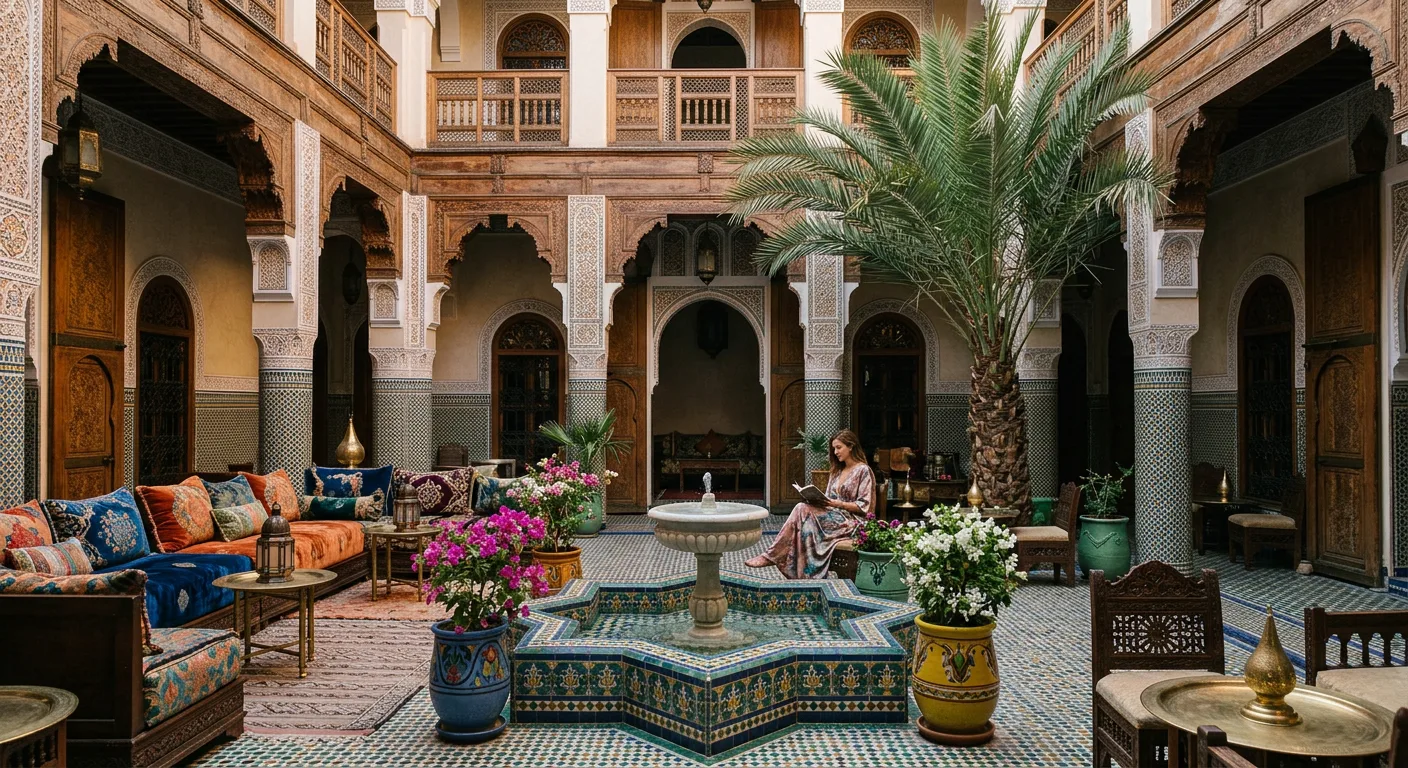
Owned by Mohammed Bouskri, a passionate collector of Moroccan antiques, Riad Kniza is an 11-room masterpiece where every corner tells a story. The riad houses one of Morocco's finest private collections of Berber art, Fes ceramics, and antique textiles. The restaurant serves some of the best Moroccan cuisine in the medina, prepared from family recipes passed down through generations. The rooftop terrace offers sweeping views of the Koutoubia minaret, and the intimate hammam uses argan oil and black soap from local cooperatives.
Highlights
Exceptional antique collection throughout
Award-winning Moroccan cuisine
Intimate hammam with traditional treatments
Rooftop views of Koutoubia mosque
Key Amenities
Courtyard plunge poolHammam & spaRestaurantRooftop terraceLibraryAirport transfers
Best for: Art lovers, foodies, and travelers seeking a culturally rich luxury riad experience
#2
Luxury
Riad Jardin Secret
Mouassine Quarter, Marrakech
From 1,800 MAD per night
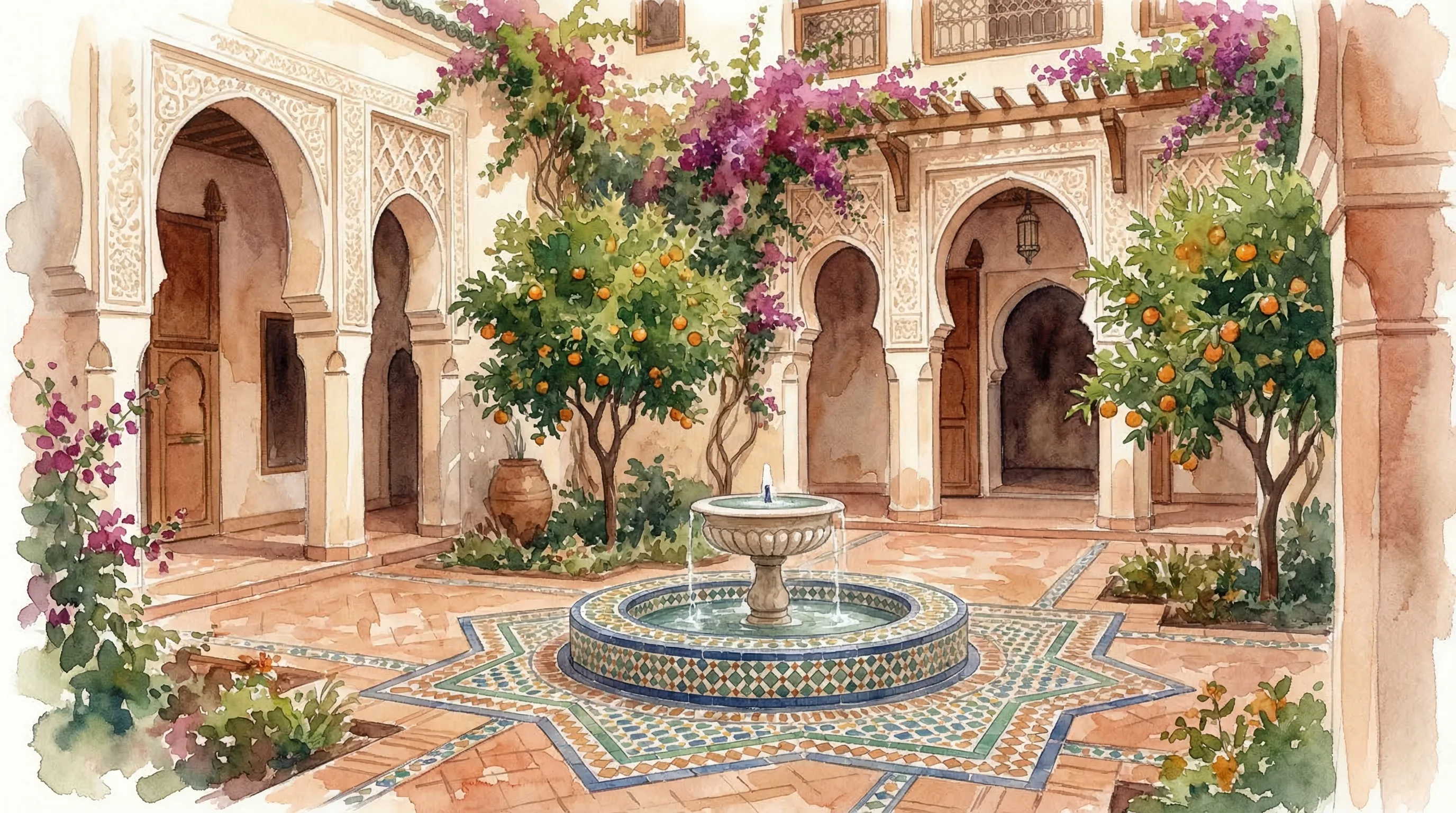
Hidden behind an unassuming door in the Mouassine quarter, Riad Jardin Secret reveals a breathtaking courtyard with a 10-meter-long swimming pool flanked by orange and lemon trees. The seven suites are designed with restraint and elegance, blending Moroccan architectural elements with contemporary comfort. The location is unbeatable: steps from the Mouassine fountain, the souks, and the best restaurants in the medina. Evening meals on the rooftop, with the call to prayer echoing across the city, are unforgettable.
Highlights
10-meter courtyard swimming pool
Prime Mouassine location
Contemporary design with traditional elements
Rooftop dining with medina views
Key Amenities
Swimming poolRooftop terraceEvening diningConcierge serviceAir conditioningWi-Fi
Best for: Couples, design enthusiasts, and those wanting a central medina location with a pool

#3
Mid-range
Riad BE
Bab Doukkala, Marrakech
From 900 MAD per night
Riad BE is a masterclass in contemporary Moroccan design. The minimalist interiors use traditional materials in unexpected ways: tadelakt walls in muted tones, brass fixtures with geometric patterns, and handwoven textiles as accent pieces. The four rooms are spacious and airy, each with its own character. The courtyard features a small but perfectly formed dipping pool surrounded by potted cacti and succulents. Breakfast is a highlight, with fresh pastries baked in-house each morning.
Highlights
Contemporary Moroccan design
In-house bakery for breakfast
Courtyard dipping pool
Only four rooms for ultimate intimacy
Key Amenities
Dipping poolRooftop terraceBreakfast includedAir conditioningWi-FiCooking classes
Best for: Design-conscious travelers and couples seeking an intimate modern riad
#4
Budget
Riad Cinnamon
Riad Zitoun el Jdid, Marrakech
From 550 MAD per night
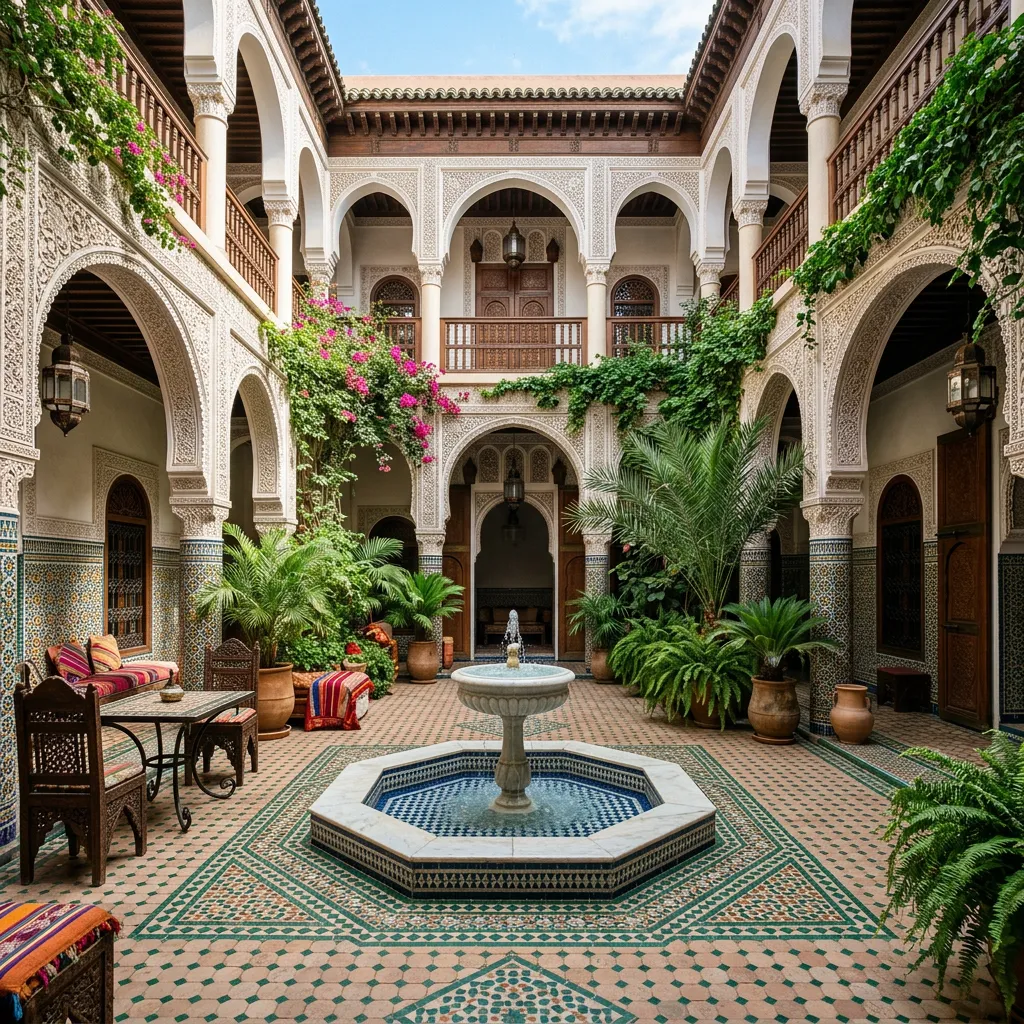
Riad Cinnamon proves that an authentic riad experience does not require a luxury budget. This charming six-room guesthouse near the Bahia Palace offers genuine Moroccan hospitality at accessible prices. The rooms are clean and comfortable, with traditional touches like zellige-tiled bathrooms and wrought-iron bed frames. The courtyard is modest but perfectly maintained, with mosaic floors and a central fountain. The owner, Fatima, prepares home-cooked tagines on request that rival many restaurants.
Highlights
Walking distance to Bahia Palace and Jemaa el-Fnaa
Home-cooked dinner on request
Traditional zellige bathrooms
Warm family-run atmosphere
Key Amenities
Courtyard with fountainRooftop terraceBreakfast includedDinner on requestWi-FiLuggage storage
Best for: Budget travelers, solo travelers, and those seeking genuine family hospitality
#5
Ultra-luxury
Riad Laaroussa
Derb Laaroussa, Northern Medina, Marrakech
From 3,500 MAD per night
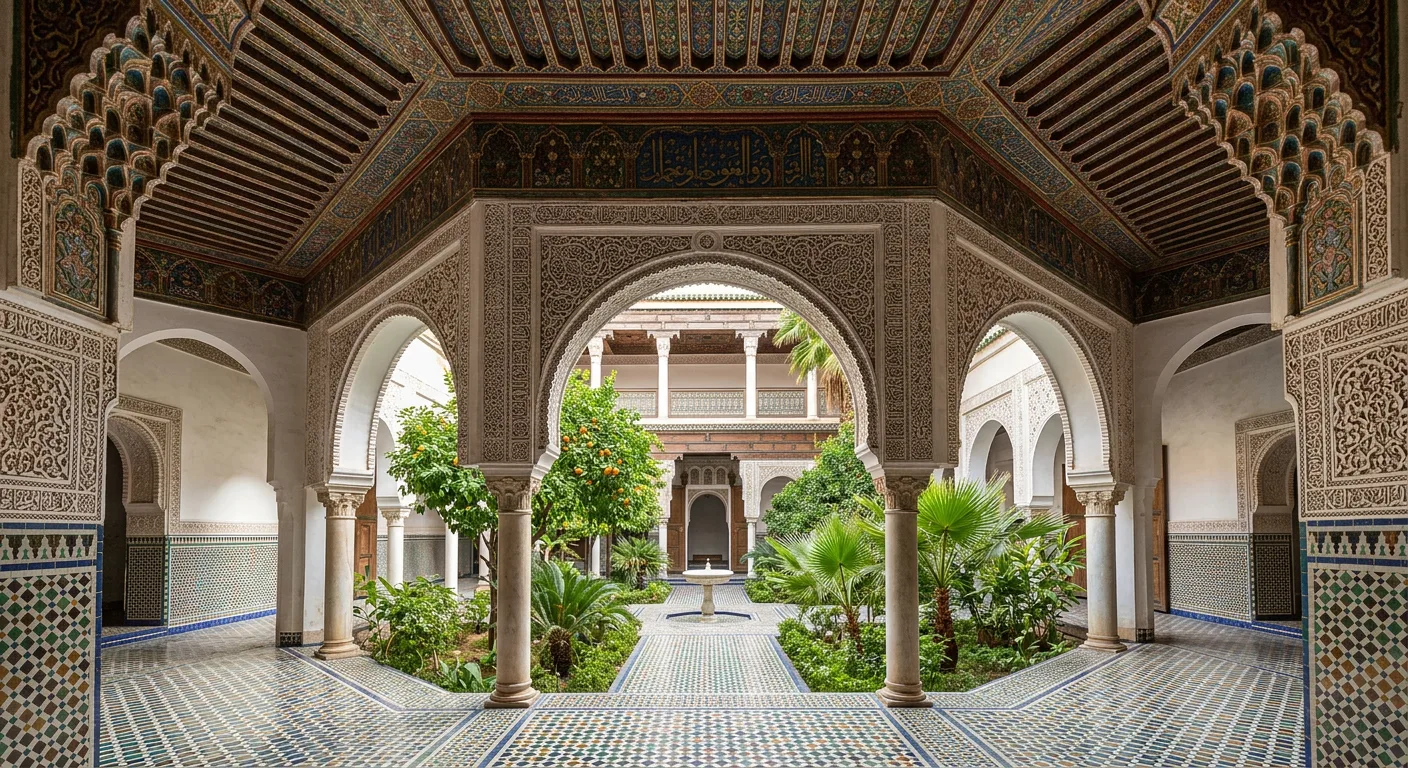
Set within a 17th-century palace, Riad Laaroussa is one of Marrakech's most historically significant riads. The eight suites surround a magnificent courtyard with a heated pool, 400-year-old orange trees, and hand-carved stucco of extraordinary intricacy. The restaurant, under the direction of a chef trained at Le Cordon Bleu, serves refined Moroccan-French cuisine. The spa occupies the original hammam chambers, with vaulted ceilings and original zellige that have been in continuous use for four centuries.
Highlights
17th-century palace with 400-year-old orange trees
Historic hammam chambers
Le Cordon Bleu-trained chef
Heated courtyard pool
Key Amenities
Heated poolHistoric spa & hammamFine diningRooftop terraceLibraryPrivate transfers
Best for: History lovers, honeymooners, and those seeking the ultimate palatial riad experience
Best Riads in Fes
The spiritual capital of Morocco, Fes el Bali is home to riads of extraordinary architectural heritage, many housed in centuries-old palaces.
Fes riads offer exceptional value compared to Marrakech, with comparable architecture at lower prices.
#1
Luxury
Riad Fes
Ziat District, Fes
From 2,800 MAD per night
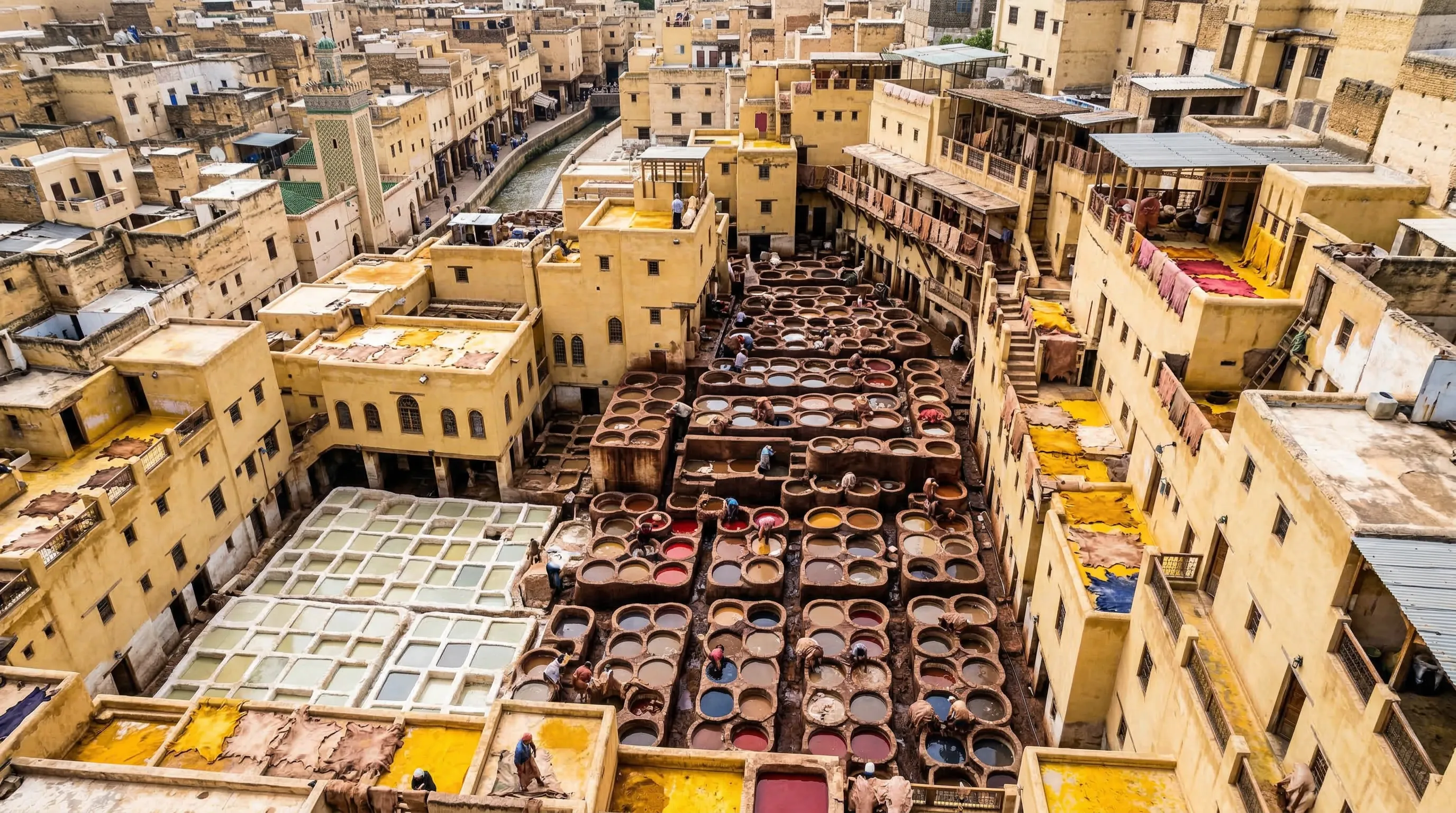
Riad Fes is the benchmark for luxury riad accommodation in the spiritual capital. This 16th-century palatial residence has been restored with meticulous attention to historical accuracy while incorporating every modern comfort. The courtyard is vast by riad standards, featuring a pool surrounded by carved marble and original zellige. The rooftop bar, with panoramic views of the medina's mosques and minarets, is one of the most celebrated sunset spots in all of Morocco. The on-site restaurant holds a reputation as one of the finest in Fes.
Highlights
16th-century palace with museum-quality restoration
Panoramic rooftop bar with medina views
Award-winning restaurant
Courtyard pool with carved marble
Key Amenities
Swimming poolRooftop barRestaurantSpa & hammamLibraryGuided medina tours
Best for: Luxury travelers wanting the definitive Fes riad experience with historic grandeur
#2
Mid-luxury
Dar Roumana
Zkak Roumana, Fes el Bali, Fes
From 1,600 MAD per night
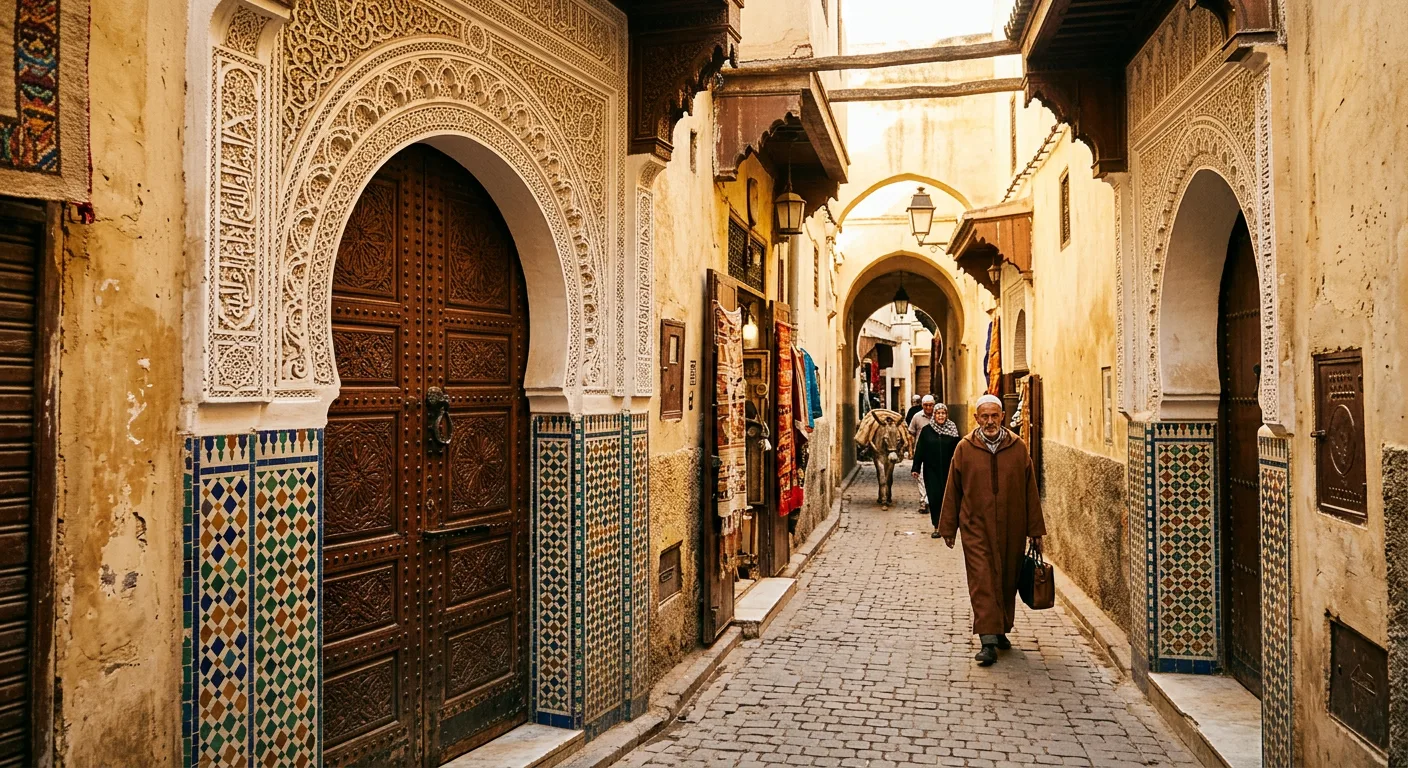
Dar Roumana is the passion project of a couple who left careers in fine dining to create what many food critics consider the best restaurant in Fes, attached to a five-room riad. The cooking here is extraordinary: Moroccan ingredients prepared with French technique, served on the candlelit rooftop terrace. The rooms are spacious and elegant, with hand-painted ceilings and deep copper bathtubs. The riad runs cooking classes that are considered among the best in the country, teaching guests the secrets of refined Moroccan cuisine.
Highlights
Considered the best food in Fes
Renowned cooking classes
Hand-painted ceilings in every room
Intimate five-room setting
Key Amenities
Rooftop dining terraceCooking classesBreakfast includedAir conditioningWi-FiTour arrangements
Best for: Food lovers, couples, and anyone who considers dining a central part of travel
#3
Budget
Riad Lune et Soleil
Talaa Kebira, Fes
From 500 MAD per night
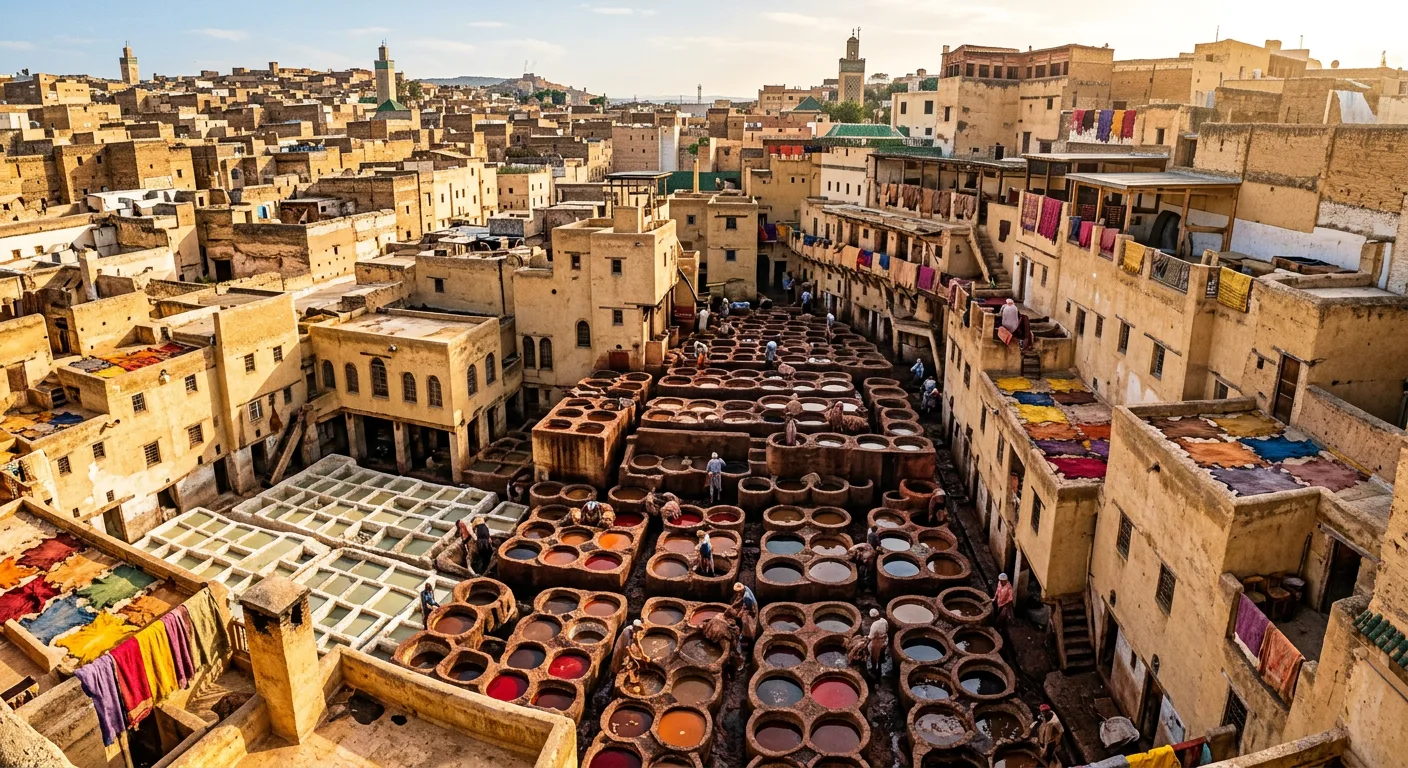
Perched on the main artery of Fes el Bali, Riad Lune et Soleil offers remarkable value in a city where prices are generally lower than Marrakech. The riad has been lovingly restored by its French-Moroccan owners, with four rooms around a traditional courtyard. The terrace commands views over the tangled rooftops of the medina toward the green hills beyond. Breakfast is a generous affair with fresh-squeezed orange juice, msemen, and an array of Moroccan jams. The location, steps from the Bou Inania medersa, is excellent for exploring the medina on foot.
Highlights
Excellent location on Talaa Kebira
Generous traditional breakfast
Medina rooftop views
Exceptional value for money
Key Amenities
Rooftop terraceBreakfast includedWi-FiAir conditioningLuggage storageTour advice
Best for: Budget travelers, backpackers, and first-time visitors to Fes
#4
Luxury
Palais Amani
Oued Zhoune, near Bab Guissa, Fes
From 2,200 MAD per night
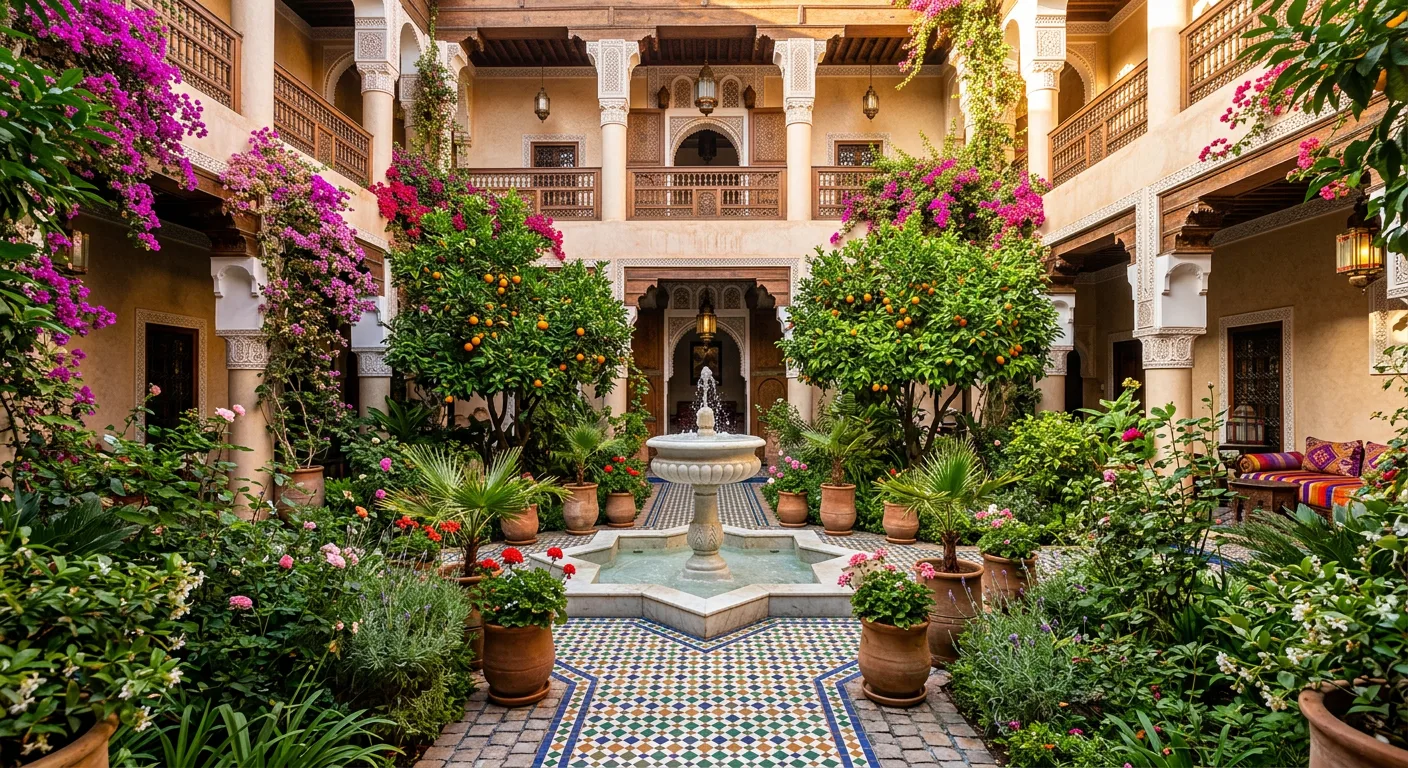
Palais Amani is a restored early-20th-century Andalusian palace with an emphasis on gardens and gastronomy. The central courtyard garden is one of the largest in any Fes riad, with a pool surrounded by orange trees, jasmine, and roses. The 15 rooms are individually decorated with a refined aesthetic that avoids the ornamental excess that can overwhelm in some traditional riads. The restaurant focuses on organic, locally sourced ingredients, and the riad grows its own herbs. The Fes Cooking School, located on-site, is a major draw for culinary travelers.
Highlights
Andalusian palace with extensive gardens
On-site Fes Cooking School
Organic restaurant with garden herbs
Large courtyard pool
Key Amenities
Garden poolCooking schoolRestaurant & barSpaRooftop terraceAirport transfers
Best for: Garden lovers, culinary enthusiasts, and those wanting a peaceful retreat within the medina
#5
Mid-range
Riad Maison Bleue
Place de l'Istiqlal, Bab Bou Jeloud, Fes
From 1,400 MAD per night
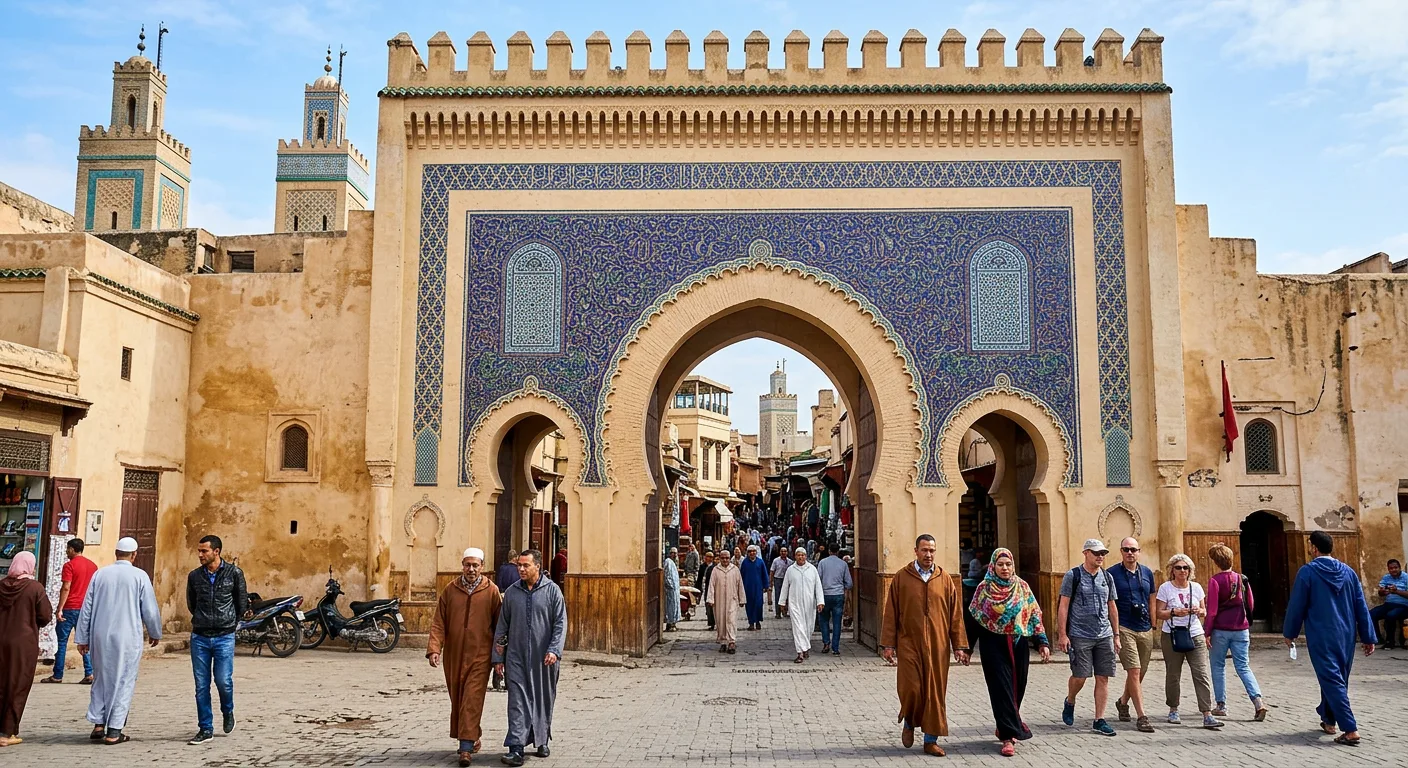
The historic former home of Sidi Ahmed el Alami, a renowned judge and astrologer, Riad Maison Bleue occupies one of the most storied buildings in the Fes medina. The original structure dates to the late 19th century, with exquisitely preserved zellige, carved cedar doors, and stained-glass windows. The riad now comprises two adjoining houses with a total of 19 rooms. Its location, overlooking the iconic Bab Bou Jeloud gate, provides a front-row seat to the daily theater of medina life. The restaurant serves classic Fassi cuisine in a refined setting.
Highlights
Historic home of a celebrated judge and astrologer
Overlooks Bab Bou Jeloud gate
Exquisite original zellige and carved cedar
Traditional Fassi cuisine restaurant
Key Amenities
Courtyard with fountainRestaurantRooftop terraceHammamWi-FiTour desk
Best for: History enthusiasts, first-time Fes visitors, and those who love atmospheric settings
Best Riads in Essaouira
The windy coastal city of Essaouira offers riads with a bohemian, artistic character and Atlantic Ocean breezes on rooftop terraces.
Essaouira is cooler and breezier than Marrakech, making it an ideal summer riad destination.

#1
Mid-luxury
Riad Baoussala
Rue Ibn Rochd, Medina, Essaouira
From 1,200 MAD per night
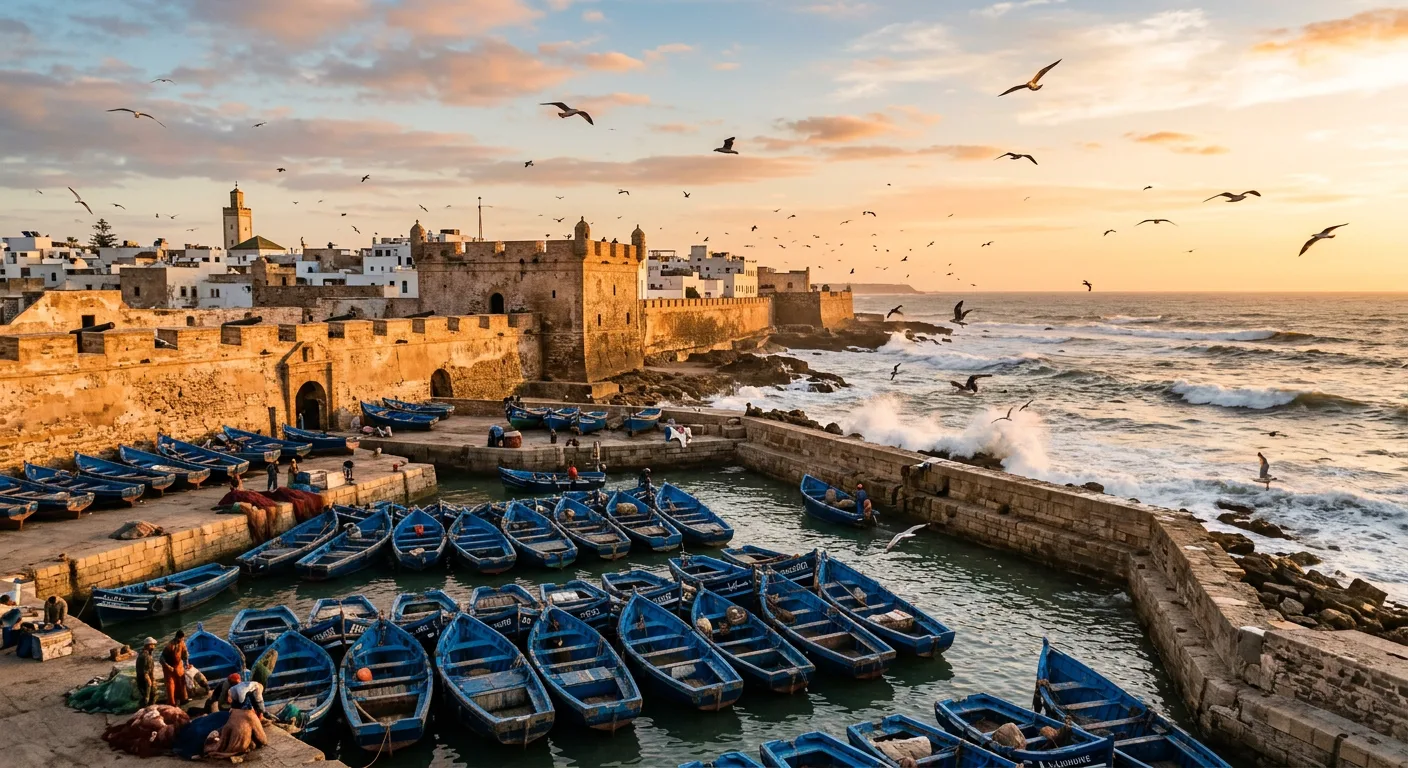
Riad Baoussala captures the relaxed, bohemian spirit of Essaouira in a beautifully restored 19th-century merchant's house. The seven rooms blend whitewashed walls with indigo-blue accents, driftwood furniture, and local art. The rooftop terrace is the star feature: a double-height space with ocean views, Mogador island in the distance, and the sound of seagulls and crashing waves. The communal atmosphere encourages guests to linger over breakfast, share travel stories, and plan adventures together. Surf lessons, fishing trips, and argan oil cooperative visits are arranged on request.
Highlights
Ocean-view rooftop terrace
Bohemian-chic design
Surf and activity arrangements
Communal traveler atmosphere
Key Amenities
Rooftop terraceBreakfast includedSurf board rentalWi-FiConciergeBook exchange
Best for: Beach lovers, surfers, and travelers who enjoy a relaxed social atmosphere
#2
Luxury
Riad Chbanate
Rue Chbanate, near Place Moulay Hassan, Essaouira
From 1,800 MAD per night
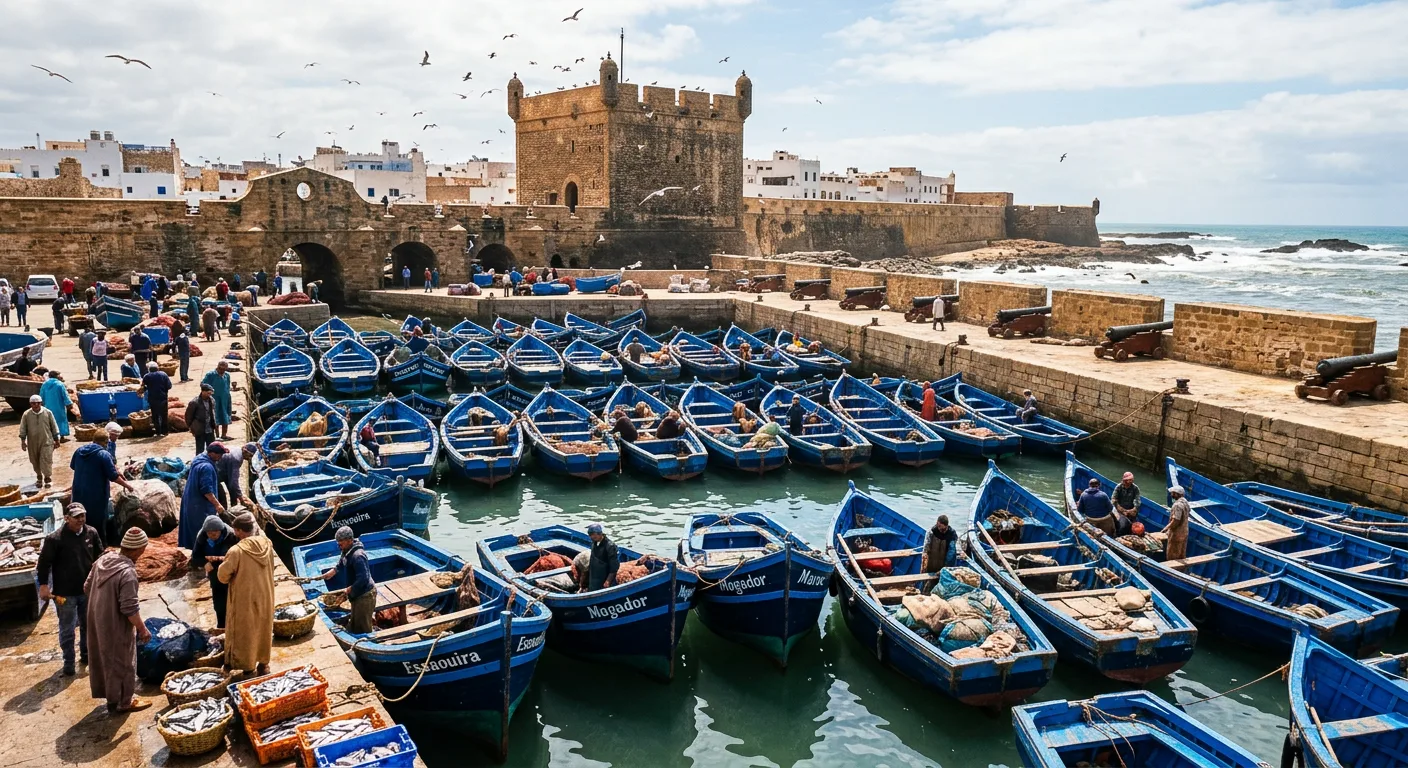
Riad Chbanate combines the intimacy of a riad with the polish of a boutique hotel. The 11 rooms are decorated in a sophisticated palette of white, cream, and natural stone, with carefully curated Moroccan and European antiques. The riad is located just 50 meters from Place Moulay Hassan, the main square, yet feels completely secluded behind its carved wooden door. The heated indoor pool, unusual in Essaouira's wind-cooled climate, and the hammam with professional treatments make this a year-round destination.
Highlights
Heated indoor pool
Steps from Place Moulay Hassan
Sophisticated contemporary design
Professional hammam treatments
Key Amenities
Heated poolHammam & spaRooftop terraceBreakfast includedConciergeAirport transfers
Best for: Couples seeking luxury in Essaouira, and travelers visiting in the windier winter months
#3
Budget
Dar Ness
Rue d'Agadir, Medina, Essaouira
From 450 MAD per night
Dar Ness is proof that Essaouira offers exceptional riad value. This five-room guesthouse is run by a warm Franco-Moroccan couple who treat guests like family. The rooms are simple but charming, with whitewashed walls, blue shutters, and colorful Moroccan textiles. Breakfast on the small rooftop terrace, with views over the medina rooftops to the sea, is a daily pleasure. The location, within the medina walls but close to the beach gate, makes it easy to explore both the old town and the Atlantic shore.
Highlights
Warm family-run hospitality
Rooftop sea views
Steps from the beach
Outstanding value for Essaouira
Key Amenities
Rooftop terraceBreakfast includedWi-FiLuggage storageBeach towelsLocal tips
Best for: Budget travelers, solo travelers, and those who prioritize human connection over luxury
Best Riads in Chefchaouen
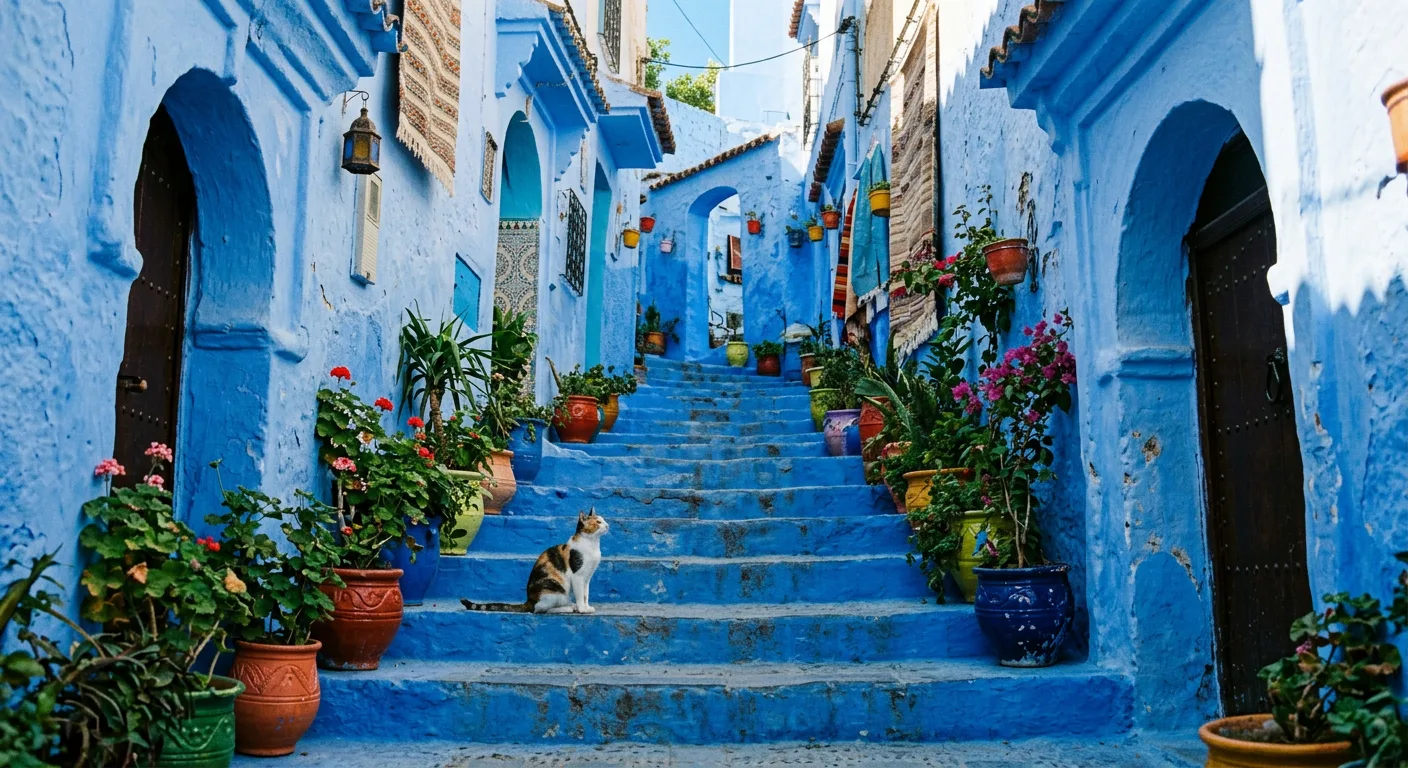
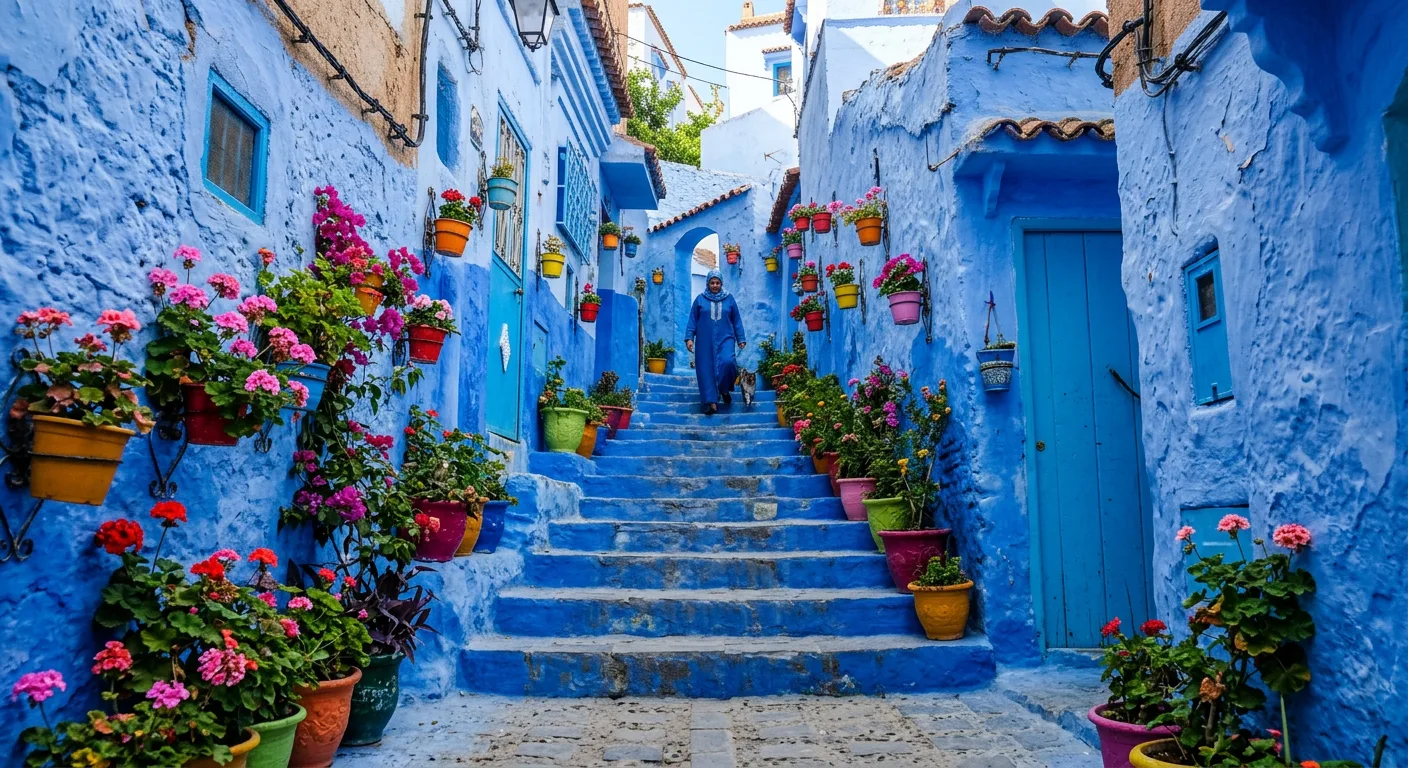
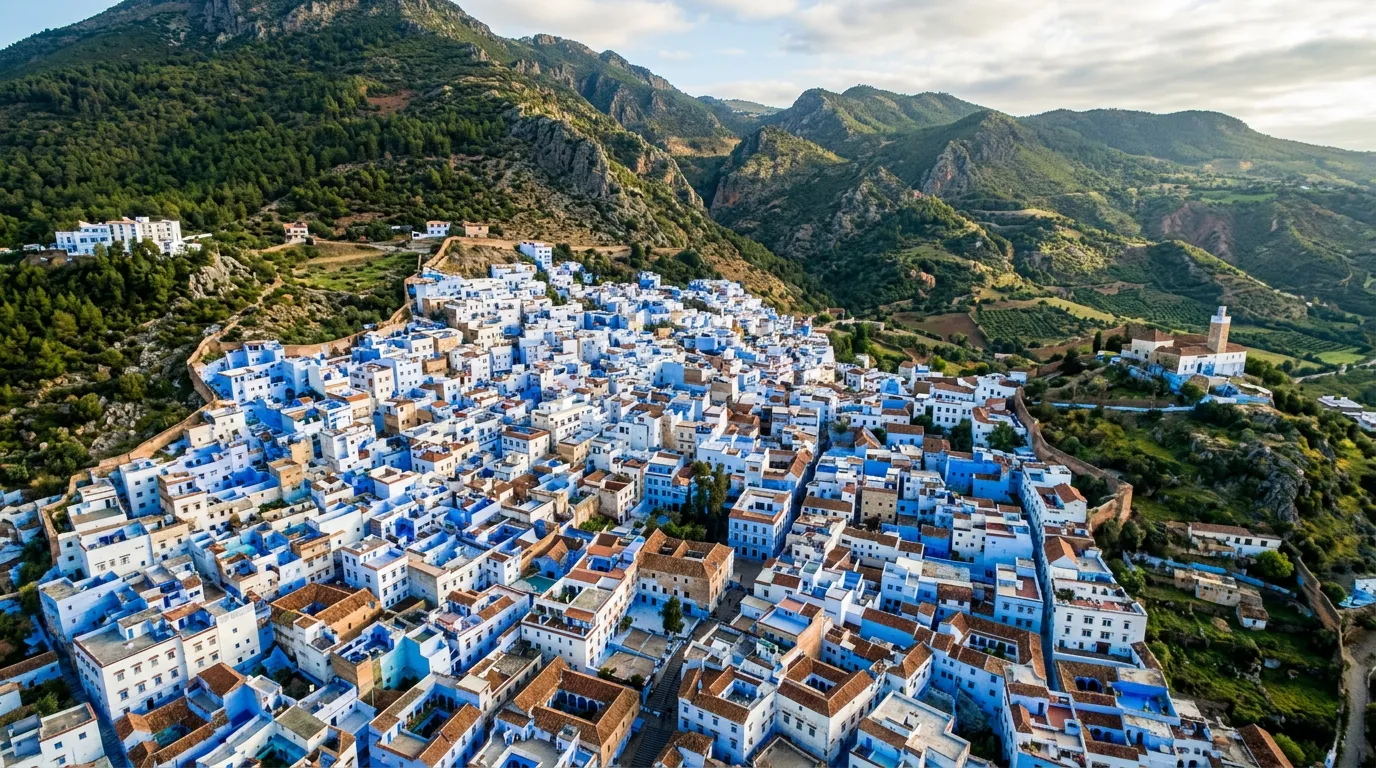
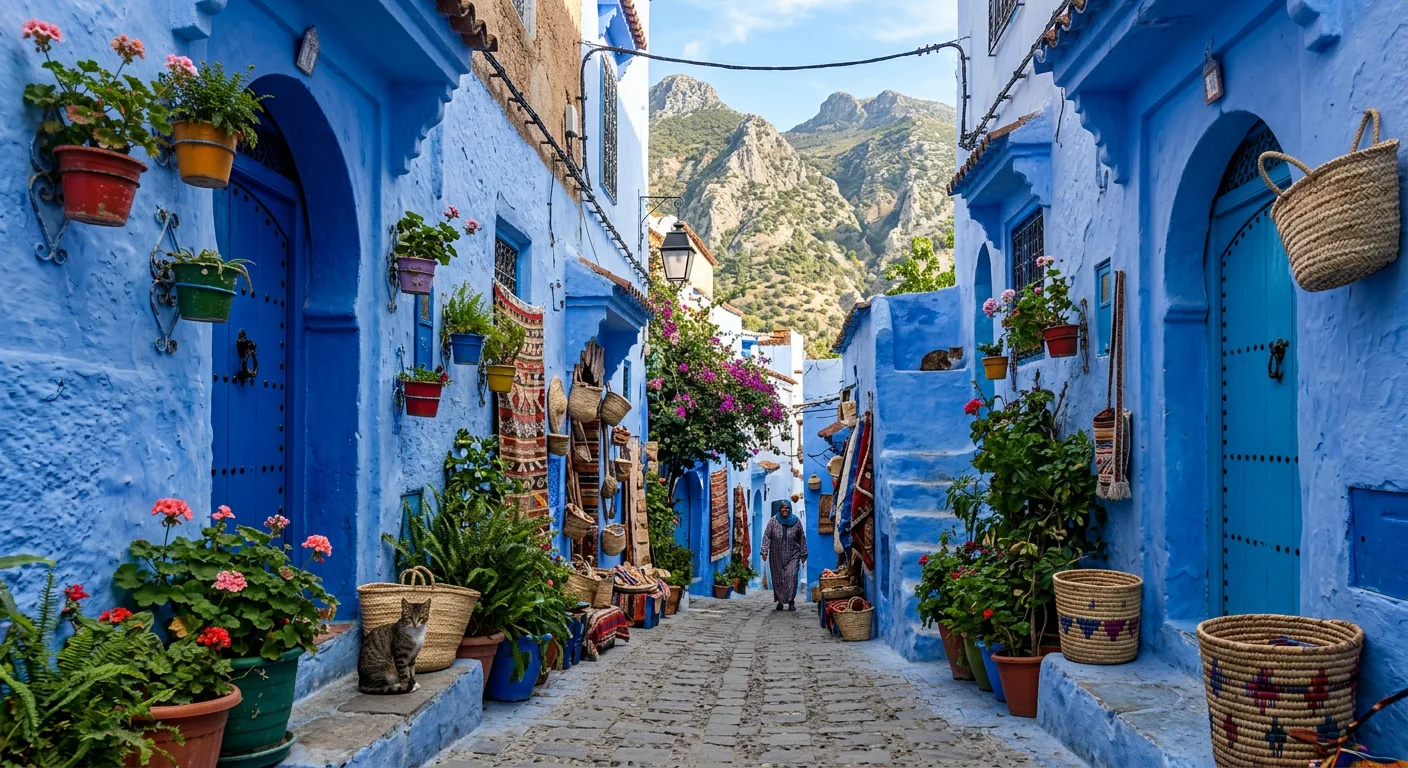
The famous Blue City of the Rif Mountains offers a small but exceptional selection of riads, with mountain views and a photogenic blue palette.
Chefchaouen has fewer riads than Marrakech or Fes. Book well in advance during peak season.
#1
Luxury
Lina Ryad & Spa
Avenue Hassan II, Chefchaouen
From 1,400 MAD per night
Lina Ryad is the most polished accommodation in Chefchaouen, set within a sprawling property that feels more like a boutique hotel than a traditional riad. The 12 rooms are decorated with hand-painted blue and white ceramics, carved plaster, and local textiles. The courtyard garden, with a mosaic-tiled pool and mature fruit trees, provides a cool retreat from the bustling blue streets outside. The on-site spa offers traditional hammam treatments using locally produced soaps and oils. The restaurant serves refined Riffian and Andalusian cuisine, drawing on the culinary heritage of this culturally distinct region.
Highlights
Most refined property in Chefchaouen
Courtyard pool with mosaic tiles
Spa with traditional hammam
Riffian and Andalusian cuisine
Key Amenities
Swimming poolSpa & hammamRestaurantRooftop terraceGardenParking available
Best for: Luxury travelers in Chefchaouen, couples, and those wanting full-service amenities
#2
Mid-range
Casa Hassan
Rue Targhi, Old Medina, Chefchaouen
From 700 MAD per night
Casa Hassan is a Chefchaouen institution, one of the first riads to open to guests in the blue city over 30 years ago. The property sprawls across several floors of a traditional house in the heart of the medina, with rooms ranging from cozy singles to spacious suites with mountain views. The restaurant on the top floor is one of the best in town, known for its kefta tagine and fresh goat cheese salads. The staff have decades of experience helping guests discover Chefchaouen's hidden corners, from secluded waterfalls to hilltop viewpoints.
Highlights
30-year Chefchaouen institution
Rooftop restaurant with mountain views
Unmatched local knowledge
Famous kefta tagine
Key Amenities
RestaurantRooftop terraceBreakfast includedWi-FiGuided hikesTour desk
Best for: First-time Chefchaouen visitors, hikers, and those valuing local expertise
#3
Luxury
Dar Echchaouen
Ras el-Maa, near the waterfall, Chefchaouen
From 1,800 MAD per night
Located at the edge of the medina near the Ras el-Maa waterfall, Dar Echchaouen occupies a privileged position where the blue city meets the green Rif Mountains. The riad is built into the hillside, giving many rooms dramatic valley views. The heated infinity pool, perched on a terrace above the valley, is one of the most photographed pools in Morocco. The nine rooms combine Chefchaouen's signature blue palette with contemporary comforts, and the spa specializes in treatments using mountain herbs and natural spring water.
Highlights
Infinity pool with Rif Mountain views
Location at Ras el-Maa waterfall
Spa with mountain herb treatments
Valley views from hillside rooms
Key Amenities
Heated infinity poolSpaRestaurantRooftop terraceMountain viewsHiking guides
Best for: Photography enthusiasts, nature lovers, and those seeking luxury with mountain scenery
Budget vs Luxury Riads: What's the Difference?
Both budget and luxury riads offer authentic Moroccan experiences. Here is what changes as you move up in price.
Feature
Budget (From 400 MAD)
Luxury (From 2,000 MAD)
Price per night
From 400 MAD
From 2,000 MAD
Room size
12-18 sqm
25-60 sqm suite
Breakfast
Simple traditional spread
Gourmet with made-to-order options
Courtyard
Shared, modest fountain
Pool, gardens, lounge areas
Bathroom
Private, basic fixtures
Tadelakt, rain shower, luxury products
Rooftop
Shared terrace, basic furnishing
Furnished lounge, dining area, views
Staff
Owner/family, warm but limited
Professional team, concierge, butler
Hammam/Spa
Recommend nearby public hammam
Private on-site hammam with therapist
Dinner
On request, home-style
Restaurant-quality, reservations
Transfers
Taxi advice provided
Private car arranged
Our Recommendation
The most important factors in a riad are the warmth of the welcome, the quality of the breakfast, the beauty of the courtyard, and the helpfulness of the staff. These qualities exist across all price ranges. A well-chosen budget riad at 500 MAD can deliver a more memorable stay than a poorly managed luxury riad at 3,000 MAD. Read reviews carefully, paying attention to comments about hospitality rather than amenities, and you will find exceptional value at every budget level.
What to Expect at a Moroccan Riad
From your arrival to your reluctant departure, here is what the riad experience looks like from start to finish.
1
The Arrival
Your riad will typically arrange for someone to meet you at the nearest vehicle access point and guide you through the medina lanes to the front door. Behind the modest wooden door, you will step into a world of tranquility: a central courtyard with a fountain, zellige tilework, and often the scent of orange blossom or jasmine. The contrast between the bustling medina and the serene interior is one of the great pleasures of riad stays.
2
Welcome Mint Tea
On arrival, you will be greeted with a glass of freshly brewed Moroccan mint tea, poured from a height in the traditional style. This welcoming ritual is a fundamental part of Moroccan hospitality and sets the tone for your stay. Some riads serve the tea with Moroccan pastries like kaab el ghazal (gazelle horns) or ghriba cookies.
3
Your Room
Riad rooms are typically arranged around the central courtyard, with windows and balconies facing inward rather than outward. This traditional design provides privacy and quiet. Expect tadelakt (polished plaster) walls, zellige-tiled bathrooms, handwoven Berber carpets, and often a mashrabiya (carved wooden screen) window. Rooms on upper floors tend to be brighter and have better views.
4
Breakfast
Riad breakfasts are legendary. Expect a spread of fresh msemen and baghrir (Moroccan crepes and pancakes), crusty khobz bread, local honey, homemade jams (fig, orange, apricot), amlou (argan and almond butter), olives, olive oil, fresh orange juice, eggs, seasonal fruit, and bottomless mint tea or coffee. Many riads serve breakfast on the rooftop terrace, which is a magnificent way to start the day.
5
The Rooftop Terrace
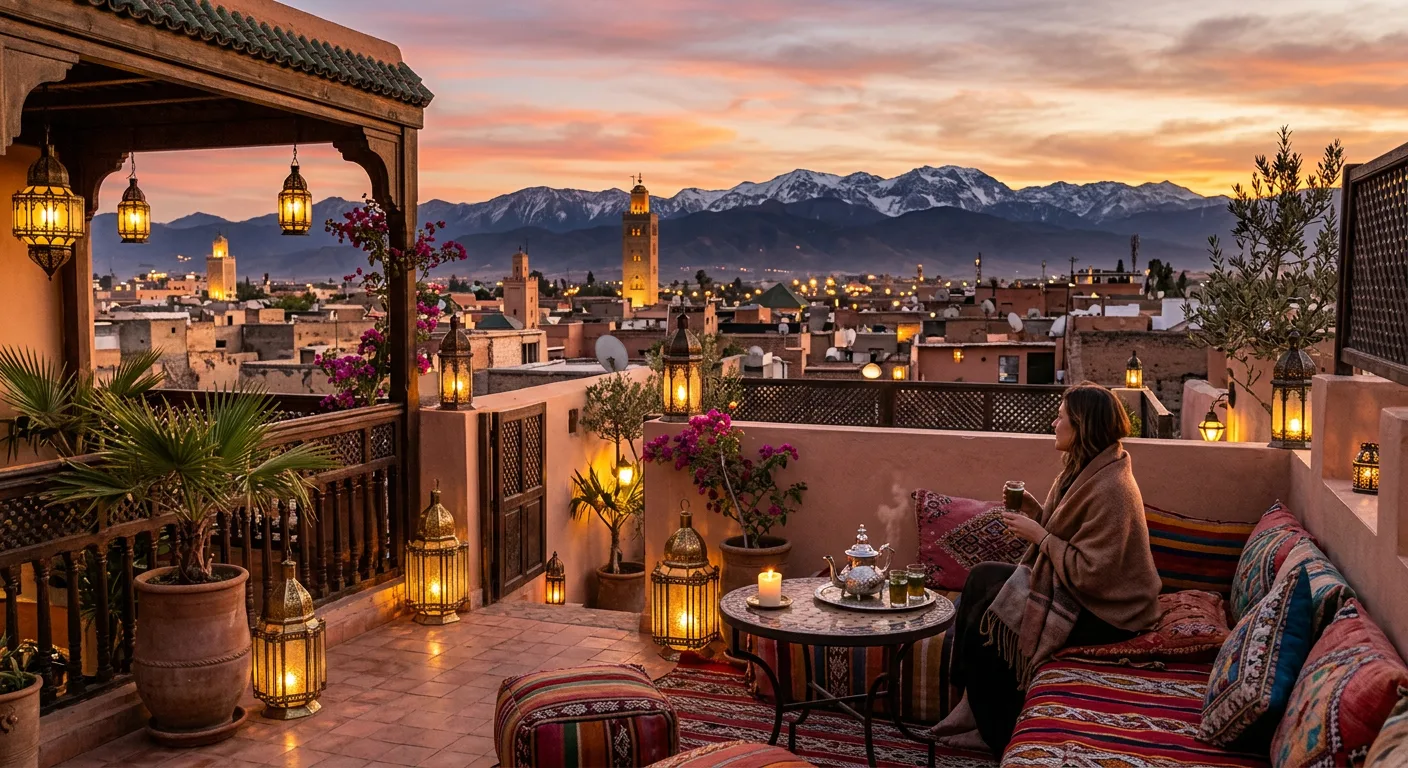
Almost every riad has a rooftop terrace with views over the medina. These spaces range from simple tiled platforms with a few chairs to fully furnished lounges with daybeds, shade canopies, and bar service. The rooftop is where you will watch the sunset, hear the call to prayer echo across the city, and gaze at the stars. Many riads also serve meals on the terrace.
6
Checking Out
Leaving a riad is harder than leaving a hotel. The personal connections formed with staff, the rhythm of courtyard life, and the sensory richness of the experience create a powerful attachment. Your hosts will often walk you to the taxi point with your luggage, and the farewell can feel like leaving a friend's home rather than a commercial establishment.
Expert Riad Booking Tips
Insider advice for finding, booking, and getting the most from your riad stay in Morocco.
Book Directly for the Best Deal
Most riads offer lower prices when you book through their own website or by email, saving the 15-20% commission charged by booking platforms. Direct bookings also often include perks like room upgrades, airport transfers, or a complimentary hammam session that are not available through third-party sites.
Read Reviews About Noise Levels
Riads in the medina can be noisy. Check reviews for mentions of the call to prayer (which can be very close), rooftop construction, early-morning deliveries, and neighborhood sounds. Ask for rooms away from the street door. Some travelers find the medina ambiance charming; others find it disruptive. Knowing your preference helps you choose the right riad.
Ask About the Walk from the Car Drop-Off
Cars cannot enter most medinas, so you will need to walk the final stretch to your riad. Some riads are a two-minute walk from the taxi point; others require 15 minutes through narrow alleys. If you have heavy luggage or mobility concerns, ask the riad how far the walk is and whether they provide a porter or luggage transfer service.
Confirm Dinner Availability in Advance
Many riads serve dinner only with advance notice, as they shop for fresh ingredients at the market each morning based on reservations. If you want to dine at your riad, confirm your dinner plans at least a day ahead. Riad dinners are often among the best meals you will eat in Morocco and are typically excellent value.
Travel in Shoulder Season for Value
March to May and September to November offer the best combination of good weather, lower prices, and availability at popular riads. During peak periods like Christmas, New Year, and Easter, the most popular riads sell out months in advance and prices can double.
Consider Staying in Multiple Cities
Each Moroccan city offers a distinct riad experience. A Marrakech riad is vibrant and cosmopolitan; a Fes riad is historic and scholarly; an Essaouira riad is breezy and bohemian; a Chefchaouen riad is blue and mountainous. The best Morocco trips combine riads in two or three cities to experience this wonderful variety.
Morocco's Riad Landscapes
Classic Riad Courtyards
Rooftop Terrace Sunsets
Riad Interiors
Chefchaouen Blue Riads
Riad Plunge Pools
Frequently Asked Questions
What is a riad in Morocco?
A riad is a traditional Moroccan house or palace with an interior garden courtyard. The word "riad" comes from the Arabic "ryad" meaning garden. These historic homes, typically found within medina walls, have been converted into intimate guesthouses. They feature central courtyards with fountains, zellige tilework, carved stucco, and rooftop terraces. Most riads offer 3 to 15 rooms, creating a much more personal experience than conventional hotels.
How much does a riad stay cost in Morocco?
Riad prices vary widely based on city, luxury level, and season. Budget riads start from 400 MAD per night (approximately 40 EUR) for a clean double room with breakfast. Mid-range riads with pools and refined decor cost 800 to 2,000 MAD per night. Luxury riads with private plunge pools, spa services, and gourmet dining range from 2,000 to 8,000 MAD per night. The best value is typically found in Fes and Essaouira, while Marrakech commands the highest prices.
Which city has the best riads in Morocco?
Marrakech has the largest selection and the most luxurious riads in Morocco, with properties ranging from budget to ultra-luxury. Fes offers the most architecturally significant riads, many housed in centuries-old palaces with extraordinary craftsmanship. Essaouira provides a more relaxed coastal atmosphere with ocean breezes and rooftop sea views. Chefchaouen has the most photogenic riads set amid the famous blue streets. Each city offers a distinct riad experience.
Should I stay in a riad or a hotel in Morocco?
Riads offer a more authentic and intimate Moroccan experience. They are ideal for travelers seeking cultural immersion, personalized service, and traditional architecture. Hotels are better for those who need standardized amenities like elevators, large pools, fitness centers, and on-site parking. Many experienced travelers recommend staying in a riad for at least part of your Morocco trip, as the courtyard architecture, home-cooked breakfasts, and personal attention from staff create memories that generic hotels cannot match.
Do riads in Morocco include breakfast?
Yes, almost all riads in Morocco include breakfast in the room rate. A traditional Moroccan riad breakfast is a generous spread that typically includes fresh-baked msemen and baghrir (Moroccan pancakes), khobz (bread), a selection of jams and honey, fresh orange juice, eggs, olive oil, amlou (almond butter), seasonal fruit, and mint tea or coffee. Many luxury riads also offer made-to-order options and can accommodate dietary requirements.
How do I find a riad in the medina? Will I get lost?
Riads are located within the old medina walls, where streets are narrow and winding. Most riads arrange for someone to meet you at a landmark or taxi drop-off point and walk you to the door on your first visit. After that, they provide directions or a map. GPS apps like Google Maps and Maps.me work reasonably well in most medinas. After one or two walks, most guests navigate confidently. This slight adventure of finding your riad is part of the charm of staying in the medina.
Are riads suitable for families with children?
Many riads welcome families, though not all are suitable for young children. The open courtyard design with plunge pools, steep staircases, and rooftop terraces can be hazardous for toddlers. Look for riads that specifically advertise as family-friendly, with features like shallow pools, ground-floor rooms, and child-safe areas. Larger riads with 10 or more rooms tend to be better equipped for families. Always communicate the ages of your children when booking.
What is the best time of year to book a riad in Morocco?
The best time to stay in a riad is during the shoulder seasons: March to May and September to November. The weather is pleasant, prices are moderate, and availability is good. Peak season (Christmas, New Year, Easter) sees the highest prices and requires booking 3 to 6 months in advance. Summer (July and August) offers the lowest prices at inland riads, but temperatures in Marrakech and Fes can exceed 40 degrees Celsius. Coastal riads in Essaouira are ideal in summer.
Continue Exploring Morocco
Complete Riad Guide
Everything about riads: architecture, etiquette, what to pack, and how to choose the right one for your trip.
Read moreLuxury Hotels Guide
Top 8 five-star hotels and resorts in Morocco. Palace hotels, desert camps, and beach resorts from 3,500 MAD.
Read moreHoneymoon in Morocco
Romantic riads, desert experiences, and coastal retreats for couples and honeymooners.
Read moreMorocco for Couples
The most romantic destinations, dining experiences, and stays for couples visiting Morocco.
Read moreAll Accommodations
Complete guide to every type of accommodation in Morocco: riads, hotels, hostels, and camping.
Read moreReady to Experience a Moroccan Riad?
From the moment you step through the modest wooden door into a world of zellige, fountain songs, and mint tea, you will understand why millions of travelers call the riad experience the highlight of their Morocco journey.