Discovering...
Camping, Glamping & Desert Camps
Camping in Morocco:
The Complete Guide 2026
From wild bivouacs under Sahara stars to luxury glamping with king-size beds among the dunes. Every type of camping, the best spots, gear lists, safety tips, and prices from 50 MAD per night.
Why Camp in Morocco?
Morocco is one of the most diverse and rewarding camping destinations on earth. Within a single trip you can pitch your tent on a wild Atlantic beach, beside a roaring mountain stream in the High Atlas, inside a dramatic canyon at Todra Gorge, and under a sky of infinite stars in the Sahara Desert. The landscape changes every hour as you drive south from the green hills of the north to the golden dunes of the deep south.
Camping culture runs deep in Morocco. Berber nomads have camped across these mountains and deserts for millennia. Today, a modern camping scene thrives alongside traditional bivouacs: organized campgrounds with hot showers and pools, world-class luxury glamping camps in the Sahara rivaling five-star hotels, and thousands of wild camping spots where you will not see another soul. Whether your budget is 50 MAD or 15,000 MAD per night, Morocco has your perfect camping experience waiting.
This guide covers every aspect of camping in Morocco: the four main types of camping, the best spots across five regions, what gear to bring, essential safety advice, the best time of year to go, a look at luxury desert camps, and answers to every common question.
4 Types
Wild, organized, glamping, desert
50 MAD
Campsite starting price
5 Regions
Atlas, Sahara, coast, gorges
Year-Round
Something in season every month
Types of Camping in Morocco
Morocco offers four distinct camping experiences. Choose based on your comfort level, budget, and sense of adventure.
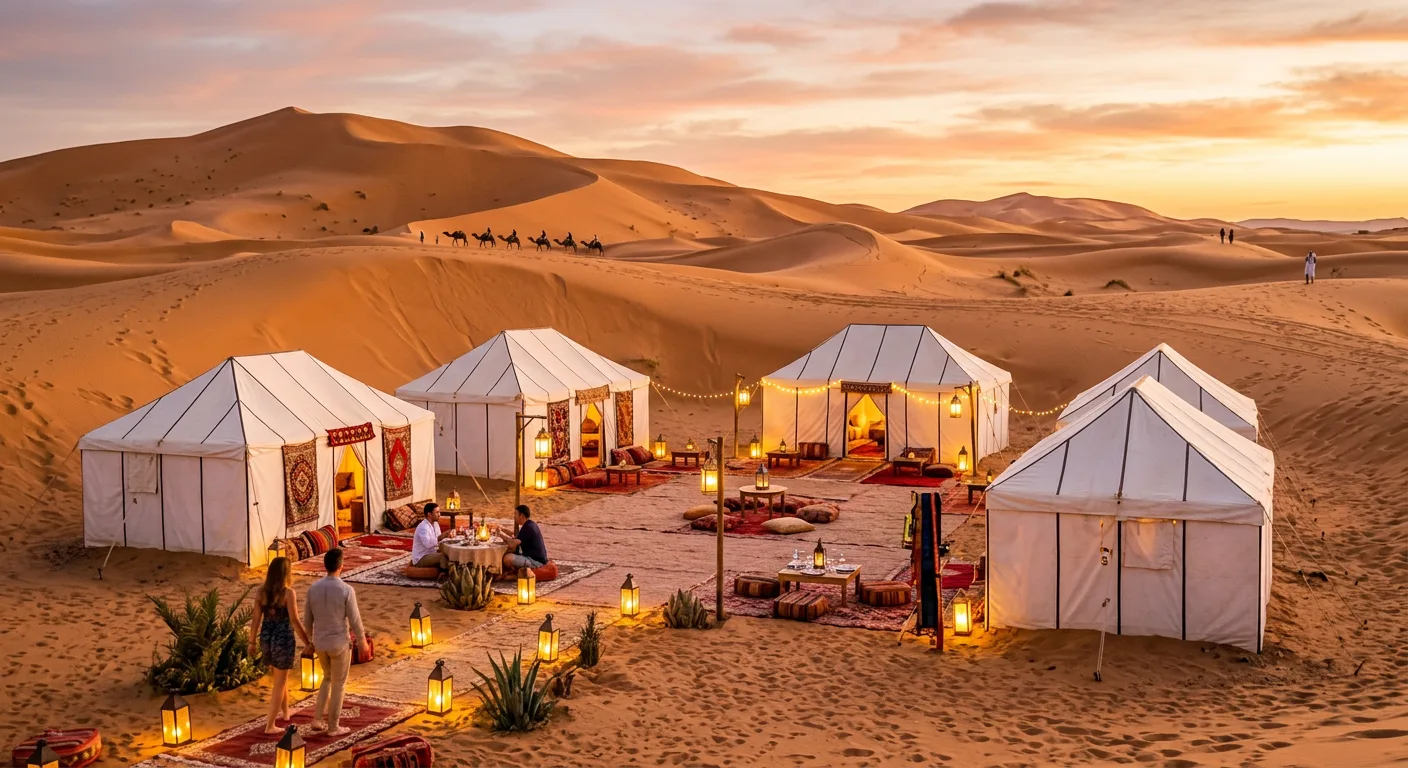
Wild Camping (Bivouac)
Free
Wild camping, or bivouacking, is widely tolerated across Morocco in rural, desert, and mountain areas. Pitch your tent on open land, under the stars in the Sahara, or at high altitude in the Atlas Mountains. There is no specific law prohibiting it, though you should avoid private farmland, military zones, and national parks without a permit.
Completely free with total location freedom
Widely tolerated in desert, mountain, and rural areas
Best experienced with overlanding or road-trip setups
Ask local permission when near villages for safety and goodwill
Best for: Experienced campers, overlanders, road-trippers, and budget travelers
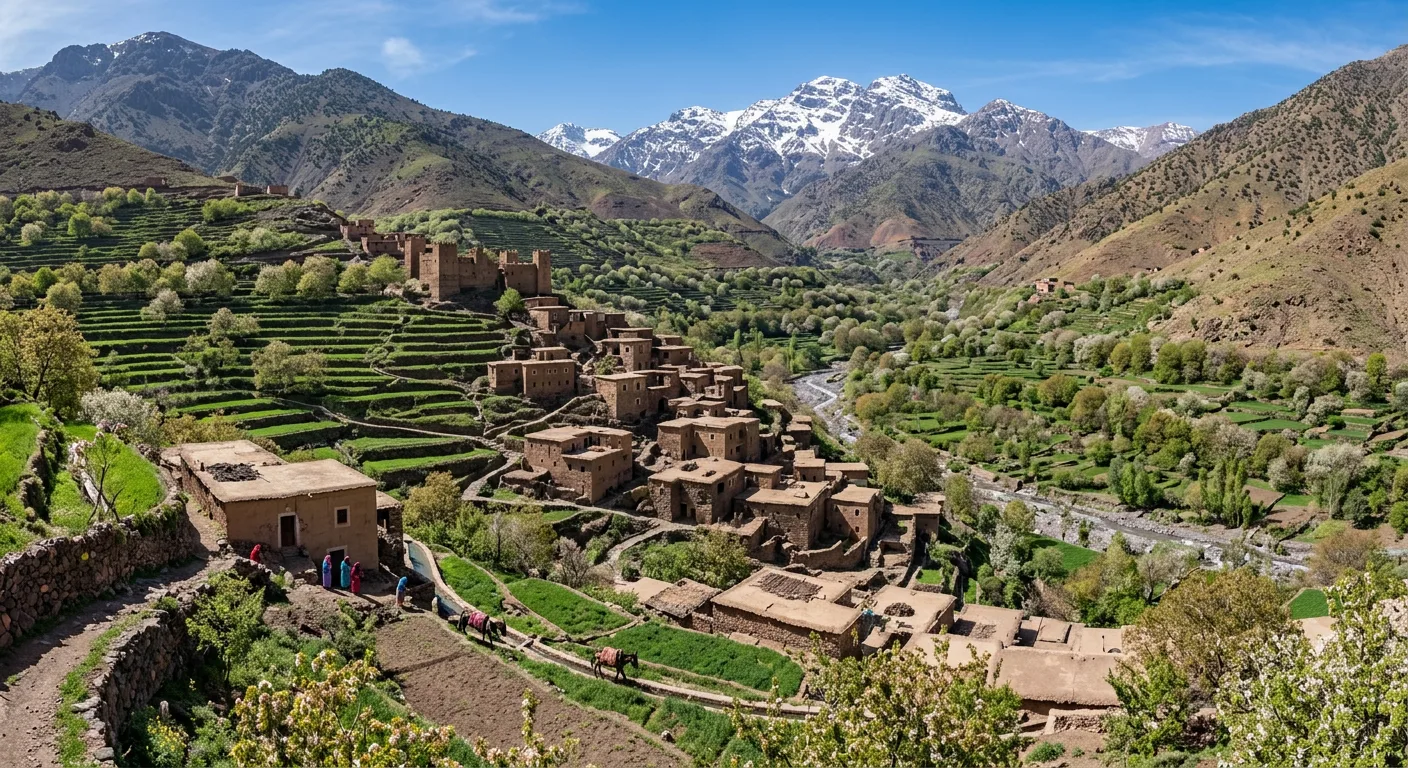
Organized Campsites
From 50 MAD per person per night
Morocco has a growing network of organized campgrounds, from basic plots with a water tap and shared toilet to well-equipped sites with hot showers, electricity, Wi-Fi, swimming pools, and on-site restaurants. Found near popular tourist areas including Chefchaouen, Todra Gorge, Dades Valley, the coast, and around Marrakech.
Secure sites with fencing and sometimes a guardian
Facilities range from basic to resort-level amenities
Many accept campervans, roof-top tents, and standard tents
Social atmosphere: meet fellow travelers from around the world
Best for: Families, first-time campers, vanlifers, and travelers wanting a reliable base
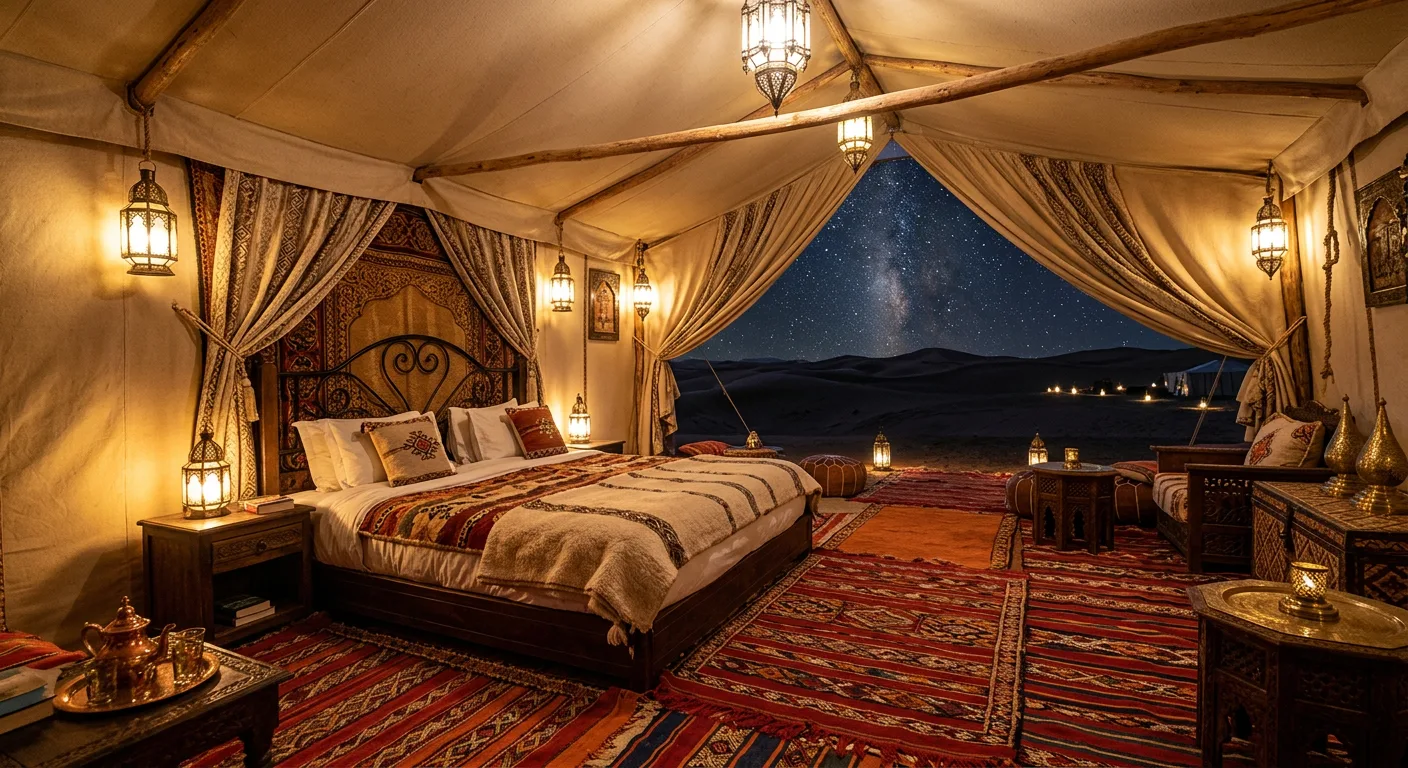
Luxury Glamping
From 2,000 MAD per person per night
Morocco is one of the world's top glamping destinations. Stay in lavish tented suites with king-size beds, en-suite bathrooms, hot showers, sometimes private plunge pools, and gourmet Moroccan dining under the stars. The Sahara Desert is the most iconic setting, but luxury eco-camps also exist in the Atlas Mountains and along the coast.
Hotel-quality comfort in stunning natural settings
Private tented suites with real beds and en-suite bathrooms
Gourmet multi-course Moroccan dinners and wine
Curated experiences: private camel treks, stargazing, spa treatments
Best for: Honeymooners, couples, luxury travelers, and those who want nature without roughing it
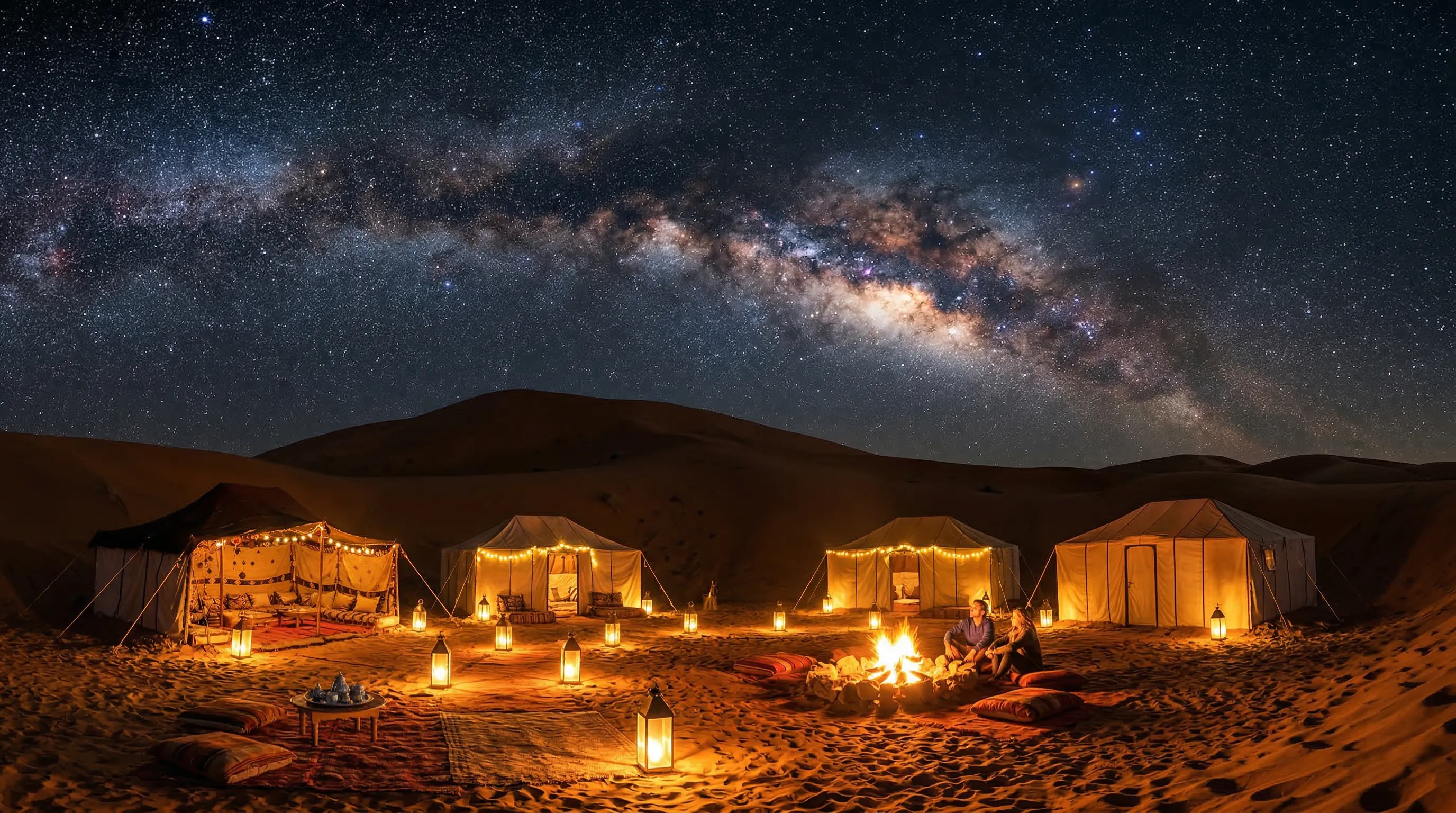
Sahara Desert Camps
From 300 MAD per person per night
Desert camps are the backbone of Morocco's Sahara tourism. Ranging from simple Berber-style bivouacs with mattresses on the sand to mid-range camps with private tents and shared bathrooms, these camps sit among the towering dunes of Erg Chebbi or Erg Chigaga. Most are reached by camel trek or 4x4 from the edge of the dunes.
Authentic Berber hospitality with traditional meals and music
Camel trek to and from camp through golden dunes
Unforgettable Sahara sunrises and sunsets
Some of the best stargazing on the planet with zero light pollution
Best for: First-time desert visitors, groups, solo travelers, and anyone on a moderate budget
Best Camping Spots in Morocco
From snow-capped peaks to golden dunes and windswept beaches, these are the top regions for camping in Morocco.
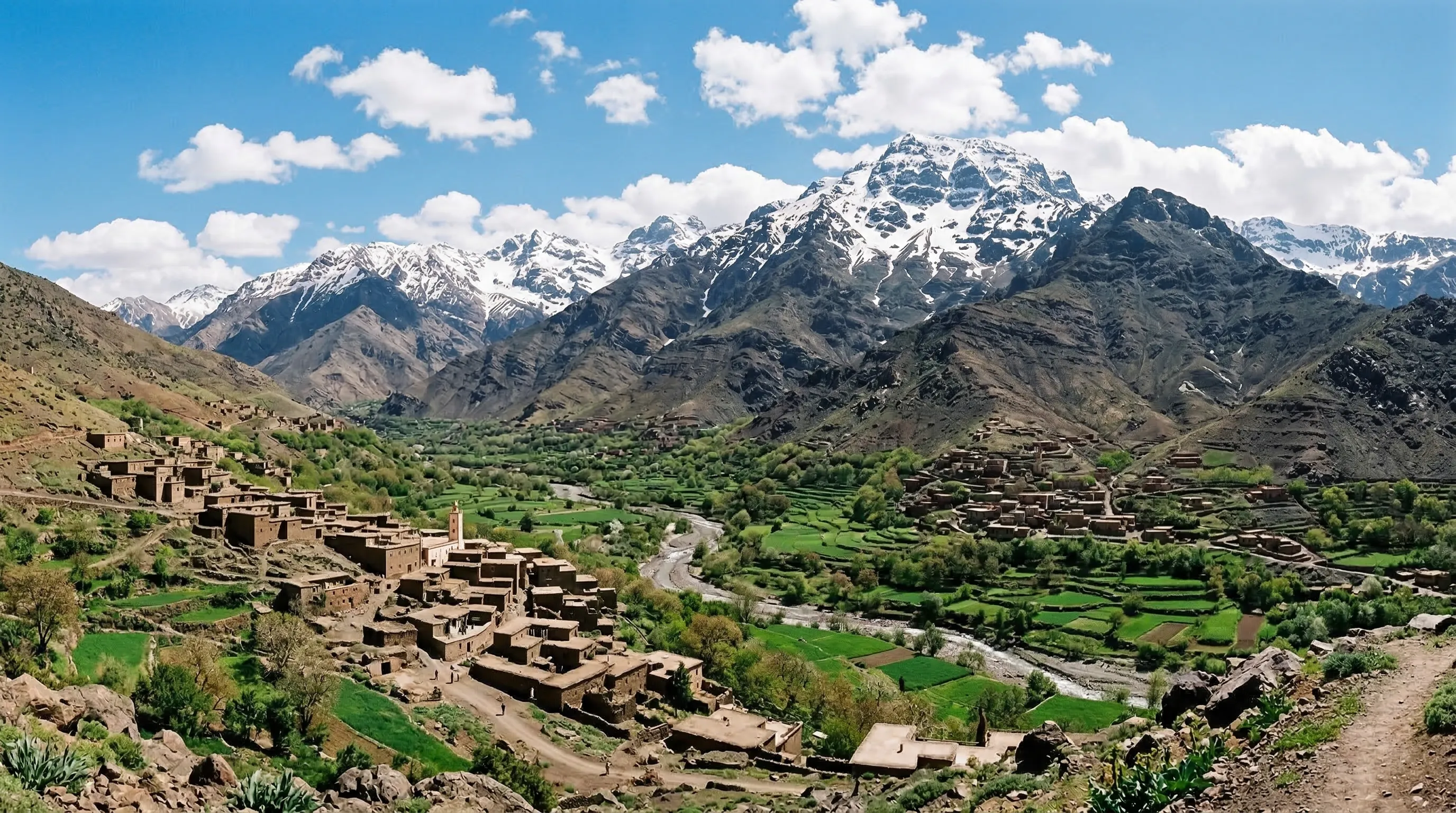
Atlas Mountains
1,500 - 4,000 mApril to October
The High Atlas offers some of Morocco's most spectacular camping. Pitch your tent in alpine meadows surrounded by snow-capped peaks, beside rushing mountain streams, or at the foot of North Africa's tallest peak, Jebel Toubkal (4,167 m). Organized mountain refuges provide basic shelter, while wild camping spots abound for experienced trekkers.
Top Camping Sites
Imlil Valley
Base camp for Toubkal treks, organized campsites and guesthouses, from 80 MAD per night
Azzaden Valley
Remote and beautiful, less visited than Imlil, wild camping welcomed by local Berbers
Lac d'Ifni
Morocco's only natural lake at 2,312 m, spectacular wild camping by the water
Ouirgane Valley
Gentle terrain with olive groves, eco-lodges and camping, from 60 MAD per night
Tip: Nights are cold above 2,000 m even in summer. Bring a sleeping bag rated to 0 degrees Celsius. Altitude sickness is possible above 3,000 m: acclimatize gradually.
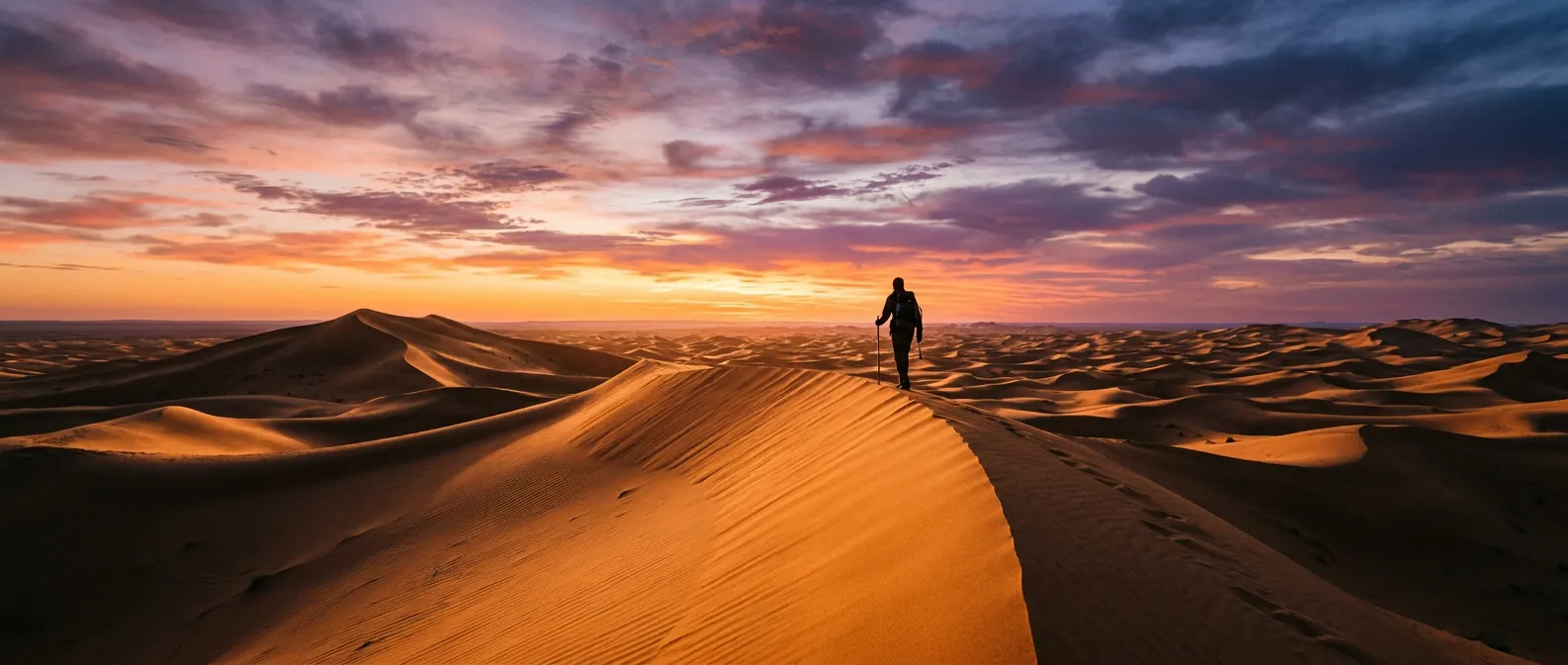
Sahara Desert
400 - 800 mOctober to April
Camping in the Sahara is the quintessential Moroccan experience. Erg Chebbi near Merzouga and Erg Chigaga near M'Hamid offer hundreds of desert camps from budget bivouacs to ultra-luxury glamping. Fall asleep to silence, wake to sunrise over golden dunes, and experience a sky so full of stars it feels unreal.
Top Camping Sites
Erg Chebbi (Merzouga)
Most popular dune field, dozens of camps at all price levels, dunes up to 150 m
Erg Chigaga (M'Hamid)
Remote and wild, requires 4x4 access, fewer tourists, dunes up to 300 m
Zagora area
Gateway to the Draa Valley desert, smaller dunes, traditional Berber camps
Tinfou Dunes
A single photogenic dune near Zagora, easy access, good for quick overnight camps
Tip: Desert temperatures swing wildly: 40+ degrees by day and near freezing at night in winter. Always carry at least 3 liters of water per person per day. Never camp in dry riverbeds.
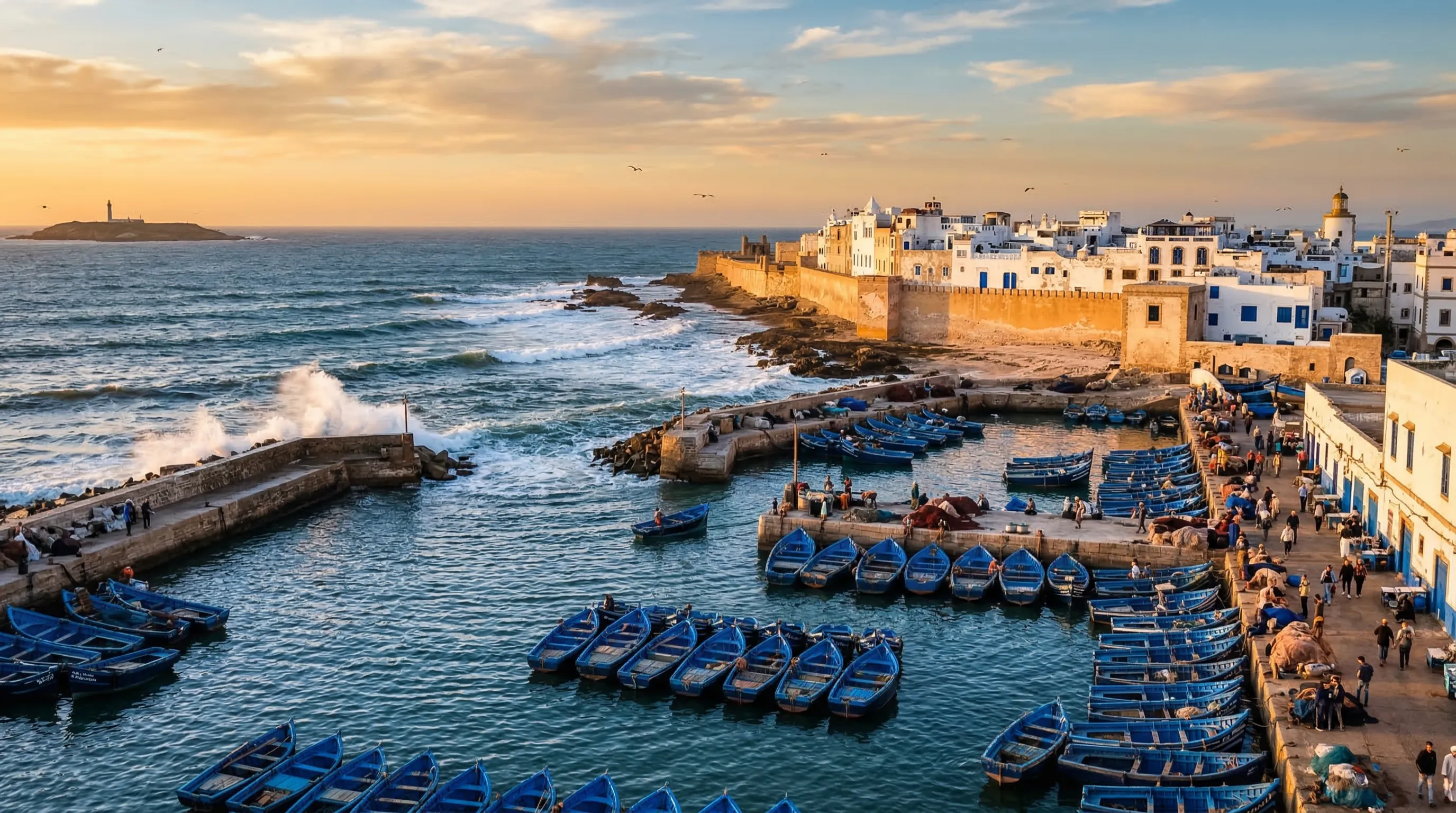
Atlantic Coast
0 - 50 mYear-round (best May to October)
Morocco's Atlantic coastline stretches over 2,000 km with countless wild beach camping spots and organized campgrounds. The coast south of Agadir is a paradise for surfers, vanlifers, and beach campers. Strong ocean breezes keep temperatures comfortable even in summer. Seafood is cheap and fresh from local fishermen.
Top Camping Sites
Taghazout area
Surf capital of Morocco, multiple campgrounds with ocean views, from 70 MAD per night
Imsouane
Laid-back fishing village with a legendary wave, cliffside camping spots
Legzira Beach
Dramatic red rock arches, wild camping tolerated on quieter stretches
Dakhla
Kitesurfing paradise in the south, organized camps and wild spots on the lagoon
Tip: Coastal winds can be fierce: stake your tent well and use a windbreak. Ocean fog can make mornings damp. Secure food from stray animals.
Todra & Dades Gorges
1,400 - 2,000 mMarch to November
The dramatic canyon walls of Todra Gorge (300 m high, just 10 m wide at the narrows) and the winding road through Dades Valley offer spectacular camping. Several organized campgrounds sit along both gorges with stunning views. Rock climbers flock to Todra for its world-class vertical walls.
Top Camping Sites
Todra Gorge campgrounds
Multiple sites within the canyon, shaded by palms, from 50 MAD per tent pitch
Upper Dades Valley
Wild camping along the road of hairpin bends with jaw-dropping canyon views
Ait Ouglif
Quiet village base near Todra with basic camping and Berber guesthouse options
Monkey Fingers (Dades)
Unique rock formations, several organized campsites with pool access, from 80 MAD
Tip: Flash flooding is a real risk in gorges after rain. Never camp on the gorge floor during rainy season. Water levels can rise meters within minutes.
Camping Gear & Packing List
What to bring for camping in Morocco. Adapt this list to your camping style: wild campers need everything, glampers need almost nothing.
If you are staying at organized desert camps or glamping, shelter, bedding, and meals are provided. Bring only personal items and warm layers.
Shelter & Sleep
3-season tent (windproof)
Essential for desert and mountain camping where wind can be fierce
Sleeping bag (0 to 5 degrees rated)
Mountain and desert nights can drop near freezing even in shoulder season
Sleeping pad or inflatable mat
Insulation from cold ground is as important as your sleeping bag
Tent footprint or ground sheet
Protects tent floor from rocks and thorns common in Moroccan terrain
Clothing & Protection
Headscarf or cheche turban
Multi-purpose: sun protection, sand shield, and culturally appropriate head cover
Warm fleece and down jacket
Temperatures plummet at night in desert and mountain, even in spring and autumn
Lightweight long trousers and shirts
Sun and insect protection during the day, culturally respectful in rural areas
Sturdy hiking boots and camp sandals
Boots for rocky terrain, sandals for camp and sand dunes
Sun, Water & Health
Sunscreen SPF 50+ and lip balm
Moroccan sun is intense year-round, especially at altitude and in the desert
Water purification (filter or tablets)
Tap water is not always safe for drinking, river water needs treatment
Refillable water bottles (3L+ capacity)
Carry at least 3 liters per person per day in hot and desert conditions
First aid kit with personal medications
Nearest pharmacy can be hours away in remote camping areas
Cooking & Gear
Portable camping stove and fuel
Open fires are restricted in some areas; a stove is more reliable and eco-friendly
Headlamp with spare batteries
Essential for camp at night, finding your way to facilities, and early morning starts
Portable power bank (10,000+ mAh)
Phone reception exists in most areas but charging options are limited off-grid
Ziplock bags and dry bags
Protect electronics from sand, dust, and unexpected rain
Camping Safety in Morocco
Morocco is a very safe camping destination. Follow these essential guidelines for a trouble-free experience.
Water Supply
Carry at least 3 liters per person per day. In the desert, increase to 5 liters. Water sources in mountains may look clean but should be purified. Never rely on finding water in the Sahara.
Flash Floods
Never camp in dry riverbeds (oueds). Flash floods can arrive with zero warning after rain many kilometers upstream. The Todra and Dades Gorges are particularly at risk during autumn and spring rains.
Wildlife & Insects
Shake out shoes and clothes before wearing them: scorpions shelter in dark places. Snakes are rare but exist in desert and rocky areas. Use a sealed tent and check around your camp at dusk.
Temperature Extremes
Desert temperatures can swing from 45 degrees by day to near 0 at night. Mountain camping above 2,500 m can drop below freezing year-round. Always pack warm layers regardless of daytime heat.
Navigation & Communication
Download offline maps before heading to remote areas. Phone signal exists along major roads but disappears in deep gorges and desert. Tell someone your planned route and expected return time.
Local Respect & Permissions
Ask permission before camping near villages. Respect local customs: dress modestly, avoid camping too close to homes, and never leave trash behind. Moroccan rural communities are famously hospitable when approached respectfully.
Best Time of Year for Camping
Morocco offers year-round camping, but the best region changes with the seasons. Here is when and where to go.
Spring (Mar-May)
15-30 C (varies by region)Excellent
The best overall season for camping in Morocco. Warm days, cool nights, wildflowers in the Atlas, and comfortable desert temperatures. The Valley of Roses blooms in April. Ideal for all types of camping across every region.
Book Atlas treks and desert camps early. Spring is peak season for outdoor activities.
Summer (Jun-Aug)
20-45+ C (coast cooler)Good for Coast & Mountains
Too hot for desert camping (45+ degrees). Excellent for Atlantic coast camping with ocean breezes and Atlas Mountain camping above 2,000 m where temperatures stay pleasant. The coast is busy with domestic tourists in July-August.
Stick to coastal and mountain camping. Avoid the Sahara entirely from June to September.
Autumn (Sep-Nov)
15-32 C (varies by region)Excellent
Rivals spring as the best camping season. Summer heat fades, the desert becomes comfortable again, and the coast empties after summer crowds. October and November are superb for Sahara desert camps with warm days and cool nights.
Prime time for desert camping. Book Sahara camps in advance as October-November is peak desert season.
Winter (Dec-Feb)
5-20 C (coast milder)Good for Coast & Desert
Mild along the coast and pleasant in the desert during the day. Mountain camping is cold and snow blocks high passes. Desert nights can drop near freezing. The south coast near Dakhla stays warm year-round.
Focus on coastal camping or daytime desert trips. Pack serious cold-weather gear for mountain or desert nights.
Luxury Desert Camps & Glamping
Morocco is a world leader in luxury glamping. These premium experiences combine five-star comfort with breathtaking natural settings.
All prices are starting prices per person. Seasonal pricing applies and rates may be higher during peak months (October-April).
Premium Glamping at Erg Chebbi
Merzouga, Sahara Desert
From 3,000 MAD per person per night
Private tented suites with king-size beds and Berber rugs
En-suite bathrooms with hot showers and flushing toilets
Multi-course Moroccan dinner under the stars with live music
Private camel trek at sunset and sunrise
Telescope-guided stargazing sessions
Ultra-Luxury Desert Retreat
Erg Chigaga, remote Sahara
From 8,000 MAD per person per night
Private luxury tented villas with sitting areas and private terraces
En-suite marble bathrooms with heated water and luxury amenities
Gourmet dining with Moroccan wine pairings and private chef
Private 4x4 desert excursions and exclusive dune access
On-site spa with argan oil massage treatments among the dunes
Atlas Mountain Eco-Lodge Glamping
High Atlas, near Imlil
From 2,000 MAD per person per night
Luxury safari tents on raised wooden platforms with mountain views
Farm-to-table organic Berber cuisine with local ingredients
Guided mountain treks with experienced Berber guides
Yoga and wellness sessions with Atlas panoramas
Heated tents with wood-burning stoves for cold mountain nights
Frequently Asked Questions
Everything you need to know about camping in Morocco, answered by experienced travelers.
Is wild camping legal in Morocco?
Wild camping is not specifically regulated by Moroccan law and is widely tolerated in rural, desert, and mountain areas. Avoid private farmland without asking, military zones, and national parks without a permit. Always ask local permission when near villages. In practice, thousands of campers and overlanders wild camp across Morocco every year without issues.
How much does camping in Morocco cost?
Wild camping is free. Organized campsites cost from 50 to 150 MAD per person per night for a basic tent pitch. Mid-range camps with hot showers and electricity run from 150 to 400 MAD. Standard Sahara desert camps start from 300 MAD per person including dinner and breakfast. Luxury glamping ranges from 2,000 to 15,000 MAD per person per night depending on the camp level.
What is the best time of year for camping in Morocco?
Spring (March-May) and autumn (September-November) are ideal across all regions. Summer works for coast and mountain camping but is too hot for the desert. Winter is mild on the coast but cold in mountains and desert at night. October-November is the sweet spot for Sahara camping with warm days and cool, clear nights.
Do I need a 4x4 to go camping in Morocco?
Not for all camping. Coastal campgrounds and many organized sites are reachable by standard car. However, a 4x4 or high-clearance vehicle is recommended for remote Atlas camping, desert camps at Erg Chebbi and essential for Erg Chigaga, and off-road exploration. Many Sahara camps offer 4x4 transfers from the nearest town if you do not have your own vehicle.
Is camping in Morocco safe?
Very safe overall. Morocco is one of the safest countries in North Africa. Rural communities are welcoming and hospitable. Standard precautions apply: camp in visible areas, secure valuables, avoid isolated urban fringes, never camp in dry riverbeds due to flash flood risk, and carry sufficient water. Scorpions exist so always shake out shoes and clothes.
Can I camp on the beach in Morocco?
Beach camping is common along the Atlantic coast. Popular spots include Taghazout, Imsouane, Legzira, and Dakhla. Some beaches have organized campgrounds with basic facilities. Wild beach camping is tolerated in quieter, rural stretches but avoid areas near ports, major tourist beaches with security patrols, or anywhere signs prohibit it.
What gear do I need for camping in Morocco?
Essential gear includes a windproof 3-season tent, sleeping bag rated to 0 degrees Celsius for mountains and winter, sleeping pad, headlamp, water purification, sunscreen SPF 50+, warm layers for cold nights, and a portable stove if self-catering. For glamping and organized desert camps, everything is provided and you only need personal items and warm clothes for the night.
Related Guides
Continue planning your Morocco outdoor adventure with these in-depth guides.
Camping Destinations in Morocco
Explore all of Morocco's best camping destinations from coast to desert with regional guides and campsite listings.
Read guideComplete Sahara Guide
Everything about the Moroccan Sahara: geography, culture, Berber traditions, and how to experience this vast desert.
Read guideDesert Adventures in Morocco
Quad biking, sandboarding, 4x4 safaris, camel trekking, and adrenaline activities in the Sahara Desert.
Read guideMorocco Road Trip Routes
Self-drive itineraries across Morocco including the classic desert loop, coastal routes, and Atlas Mountain circuits.
Read guideStargazing in Morocco
The best dark-sky locations in Morocco for stargazing, from the Sahara Desert to remote Atlas Mountain passes.
Read guideReady to Camp in Morocco?
Whether you choose a wild bivouac under the Sahara stars, an organized campsite in the Atlas Mountains, or a luxury glamping experience among golden dunes, Morocco offers some of the most unforgettable camping on the planet. Start planning your adventure today.