Discovering...
Language & Education
Morocco Language Schools:
Learn Arabic, French & Darija
From intensive MSA programs in Fes to Darija immersion in Rabat. Your complete guide to learning languages in Morocco, with courses from 2,000 MAD per week.
Why Learn a Language in Morocco?
Morocco is one of the finest places on earth to learn a language. As a country where Arabic, Darija, French, Berber, and even Spanish coexist in daily life, Morocco offers a linguistic richness that few countries can match. The moment you step outside the classroom, you are immersed in a multilingual world that reinforces everything you learn.
Whether you are a university student seeking study-abroad credit, a professional preparing for a career in the Arab world, a traveler who wants to connect more deeply with Moroccan culture, or a retiree pursuing a lifelong dream of learning Arabic, Morocco has a program that fits your needs and budget.
The country's language schools range from university-affiliated academic programs to intimate boutique schools in ancient medinas. Prices are a fraction of what you would pay in Europe or the Gulf states, and the quality of instruction is world-class. Add in Morocco's affordable cost of living, welcoming culture, and extraordinary beauty, and you have the perfect environment for language learning.
Which Language Should You Learn?
Morocco offers three main language paths. Your choice depends on your goals, timeline, and how you plan to use the language.
Modern Standard Arabic (MSA / Fusha)
The formal, literary form of Arabic used across the Arab world. MSA is the language of news media, official documents, literature, and formal speeches. It is understood by educated speakers throughout the Middle East and North Africa, making it the most universally useful form of Arabic to learn.
Why Learn It
Essential for careers in diplomacy, journalism, academia, or international development in the Arab world. It opens doors across 22 countries and is the key to reading Arabic literature, understanding news broadcasts, and engaging with formal settings. Many jobs in international organizations require MSA proficiency.
Moderate to Challenging
6-12 months of intensive study for conversational ability. The Arabic script takes 2-4 weeks to learn. Grammar is complex but highly regular and logical.
Darija (Moroccan Arabic)
The everyday spoken language of Morocco. Darija is a distinct dialect that blends Arabic with Berber, French, and Spanish influences. It is the language you will hear in markets, cafes, taxis, and homes. Darija differs significantly from MSA and from other Arabic dialects, with unique vocabulary, pronunciation, and grammar.
Why Learn It
Absolutely essential for daily life in Morocco. Even basic Darija transforms your experience. Market vendors, taxi drivers, and ordinary Moroccans will light up when you speak their language. It builds genuine connections and earns immediate respect. For anyone planning to live in Morocco, work with Moroccan communities, or travel extensively in the country, Darija is indispensable.
Moderate
3-6 months of study for basic conversational ability. Easier to speak than MSA because grammar is simplified, but harder to find structured learning materials. No standard written form.
French
Morocco's primary second language, inherited from the French protectorate era (1912-1956). French is the language of business, higher education, government administration, and the professional class. Signs, menus, and official documents are typically bilingual in Arabic and French. In cities like Casablanca and Rabat, French is spoken as fluently as Arabic.
Why Learn It
Highly practical for travel and business in Morocco. Virtually all hotel staff, restaurant workers, and tour guides in major cities speak French. It is the language of commerce and higher education. Knowledge of French also opens doors across Francophone Africa and Europe. For professionals doing business in Morocco, French is often more immediately useful than Arabic.
Moderate for English speakers
4-8 months of intensive study. French shares significant vocabulary with English (40% cognates). Grammar is challenging but well-documented. Pronunciation requires practice but follows consistent rules.
Top 8 Language Schools in Morocco
These schools have been selected based on reputation, student reviews, curriculum quality, and value for money.
All prices are starting prices. Seasonal pricing applies, with summer courses (June-August) often charging a 15-25% premium.
Qalam wa Lawh
Rabat4.8
From 2,500 MAD per week
One of Morocco's most respected Arabic language institutes. Founded in 2004, Qalam wa Lawh has taught thousands of students from over 60 countries. The school is located in the heart of Rabat's Agdal neighborhood and offers a structured curriculum that balances Modern Standard Arabic with practical Darija skills. The immersion approach includes cultural excursions, conversation partners, and weekly cultural workshops.
Languages: Modern Standard Arabic, Darija, French
Course types: Intensive, Group, Private, Immersion
Accommodation: Homestay with Moroccan family or shared apartment. Homestay from 3,000 MAD per month including meals.
ALIF (Arabic Language Institute in Fez)
Fes4.7
From 3,000 MAD per week
Located inside a beautifully restored riad in the ancient Fes medina, ALIF offers one of the most immersive Arabic learning experiences in the world. The school is affiliated with the University of Fes and combines academic rigor with daily life in the world's oldest continuously inhabited medieval city. Students praise the small class sizes (maximum 6 students) and the integration of Fassi cultural experiences into the curriculum.
Languages: Modern Standard Arabic, Darija
Course types: Intensive, Group, Private
Accommodation: Riad accommodation in the medina or homestay. Riad from 2,500 MAD per month; homestay from 3,500 MAD per month with meals.
Sprachcaffe Languages Plus
Rabat4.5
From 2,000 MAD per week
Part of a global network of language schools, Sprachcaffe Rabat specializes in French language instruction with additional Arabic courses. The school is located in the modern Agdal district and attracts a diverse international student body. The structured curriculum follows the CEFR framework, and students can take official DELF/DALF exam preparation courses. Well-suited for those who want French as their primary language with Arabic as a supplement.
Languages: French, Modern Standard Arabic
Course types: Intensive, Group, Private
Accommodation: Shared apartment or host family. Apartment from 2,000 MAD per month; host family from 3,000 MAD per month with half board.
Centre de Langue et de Culture Marrakech
Marrakech4.6
From 2,200 MAD per week
A locally owned language center in the Gueliz district of Marrakech that prides itself on personalized instruction. Class sizes are capped at 8 students, and the teaching team includes native speakers of both Arabic and French. The school organizes weekly cultural activities including cooking classes, souk tours, and trips to the Atlas Mountains. Ideal for students who want a vibrant city life alongside their studies.
Languages: Modern Standard Arabic, Darija, French
Course types: Group, Private, Immersion
Accommodation: Riad accommodation or homestay. Riad from 2,800 MAD per month; homestay from 3,200 MAD per month with meals.
Arabic Language and Culture Program (ALCP)
Fes4.6
From 3,500 MAD per week
A university-affiliated program in Fes that offers semester-length and summer intensive courses. The ALCP is particularly popular with American and European university students seeking study-abroad credit. The curriculum is academic in focus, covering Modern Standard Arabic grammar, reading, writing, and conversation, supplemented by Darija conversation classes. Includes weekly lectures on Moroccan history, politics, and society.
Languages: Modern Standard Arabic, Darija
Course types: Intensive, Group
Accommodation: University housing or approved homestay. Housing from 2,000 MAD per month; homestay from 3,500 MAD per month with full board.
Institut Francais du Maroc
Rabat4.7
From 1,800 MAD per week
The official French cultural institute in Morocco, offering the gold standard in French language instruction. With branches in multiple cities, the Rabat campus is the largest and most established. Courses follow the CEFR framework from A1 to C2 levels. The school is also an official DELF/DALF examination center, making it ideal for students who need certified French language qualifications for work or study purposes.
Languages: French
Course types: Intensive, Group, Private
Accommodation: No accommodation provided; school assists with finding rentals. Budget from 3,000 MAD per month for a studio.
Ahlan World Morocco
Rabat4.8
From 2,800 MAD per week
A boutique language school that focuses heavily on the immersion experience. Ahlan World places every student with a Moroccan host family and designs the curriculum around real-life communication needs. The school organizes daily cultural activities including market visits, cooking lessons, and community volunteering. The teaching methodology emphasizes spoken fluency from day one, with grammar introduced contextually rather than abstractly.
Languages: Modern Standard Arabic, Darija, French
Course types: Intensive, Private, Immersion
Accommodation: Homestay with carefully selected families. From 3,500 MAD per month including three meals per day.
Dar Loughat - Cross-Cultural Language Centre
Tetouan4.5
From 2,000 MAD per week
Located in the UNESCO-listed medina of Tetouan in northern Morocco, Dar Loughat offers a unique multilingual environment. The school teaches Arabic, French, and Spanish, reflecting Tetouan's history as a crossroads between Arab, Berber, and Spanish cultures. The medina setting provides constant immersion, and the northern region's lower cost of living makes this one of the most affordable options for extended study.
Languages: Modern Standard Arabic, Darija, French, Spanish
Course types: Intensive, Group, Private
Accommodation: Homestay or shared apartment. Homestay from 2,500 MAD per month with meals; apartment from 1,800 MAD per month.
Course Types Explained
Understanding the different course formats will help you choose the right fit for your learning style, schedule, and budget.
Intensive Course
20-30 hours
Full-time language study designed for rapid progress. Classes run 4-6 hours per day, typically morning sessions of grammar and vocabulary followed by afternoon conversation practice. Most intensive courses include cultural activities and supervised homework. This is the fastest way to make meaningful progress.
Ideal for: Students on a tight timeline, career changers, those preparing for exams, or anyone who wants to maximize progress in a short period. Most popular with gap-year students and professionals on sabbatical.
From 2,500 MAD per week
Group Course
10-20 hours
Standard group classes with 4-10 students per class. Classes meet 2-4 hours per day, usually in the morning. The social aspect of group learning helps with motivation and provides built-in conversation partners. Most schools group students by level, from absolute beginner to advanced.
Ideal for: Budget-conscious students, those who enjoy social learning, long-term students who want a sustainable pace, or anyone combining study with travel or remote work.
From 2,000 MAD per week
Private Lessons
5-20 hours (flexible)
One-on-one instruction tailored entirely to your goals, pace, and schedule. The teacher adapts to your learning style and focuses on your specific needs, whether that is business Arabic, medical vocabulary, or preparing for a specific exam. Private lessons offer the highest efficiency per hour of study.
Ideal for: Professionals with specific language needs, advanced learners who have outgrown group settings, students with irregular schedules, or anyone who wants personalized attention and rapid progress.
From 250 MAD per hour
Immersion Program
15-25 hours (classroom) plus daily immersion
A holistic approach that combines classroom instruction with cultural immersion. Students live with a Moroccan host family, participate in daily cultural activities, and are encouraged to use the target language in all interactions. Some programs include community volunteering, internships, or guided travel components.
Ideal for: Students seeking the deepest cultural experience, those planning to live or work in Morocco long-term, gap-year travelers, or anyone who learns best through real-world practice rather than textbook study.
From 3,500 MAD per week (often includes accommodation and meals)
Language Schools by City
Each Moroccan city offers a distinct learning environment. Choose your base based on your priorities.
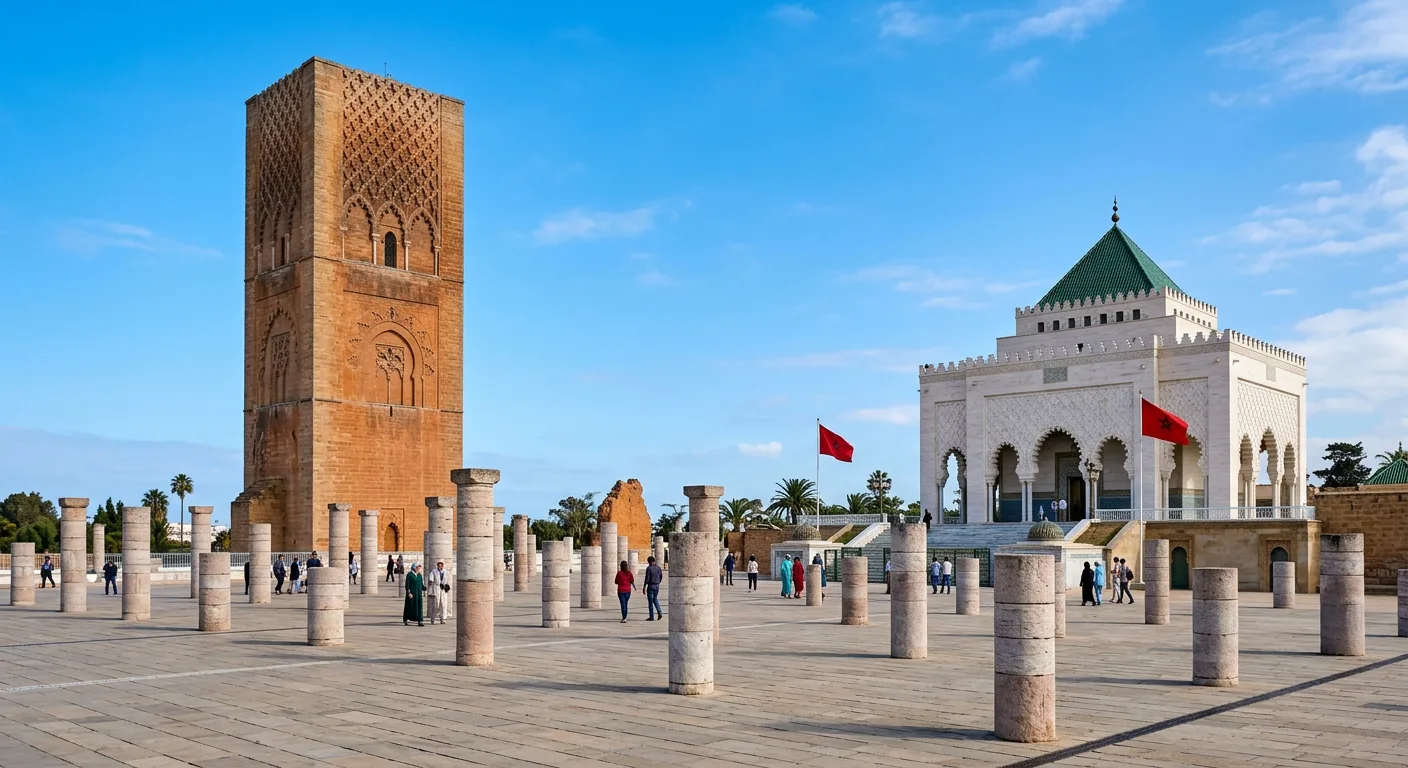
Rabat
Morocco's capital and the top choice for language students. Rabat has the highest concentration of language schools, a safe and modern urban environment, excellent public transport, and a large international student community. The city is quieter and more organized than Marrakech or Casablanca, making it ideal for focused study. Cost of living is moderate by Moroccan standards.
Qalam wa Lawh
From 2,500 MAD/weekSprachcaffe Languages Plus
From 2,000 MAD/weekInstitut Francais du Maroc
From 1,800 MAD/weekAhlan World Morocco
From 2,800 MAD/week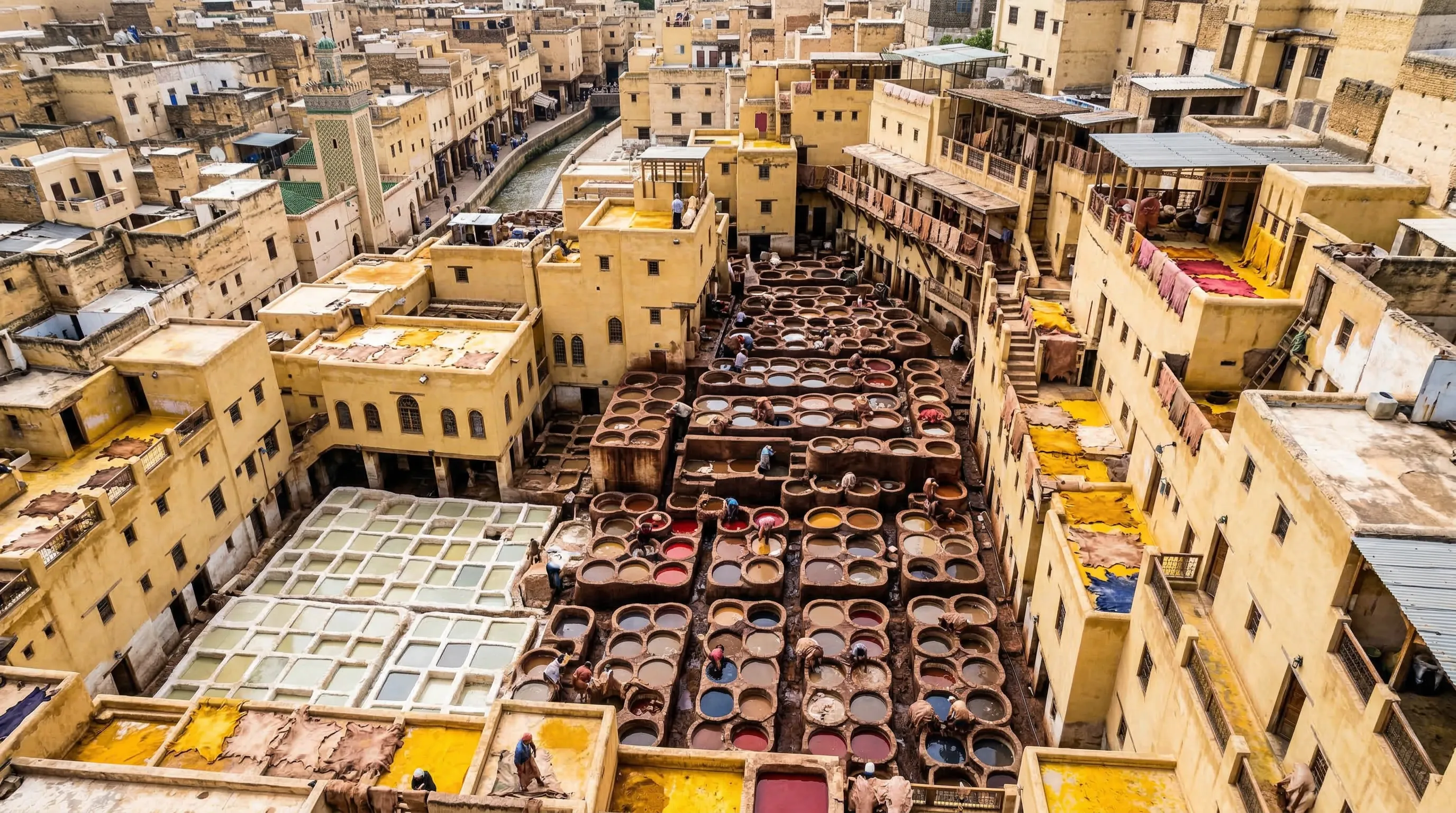
Fes
The intellectual capital of Morocco and home to the world's oldest university (Al Quaraouiyine, founded 859 AD). Fes offers the deepest cultural immersion for Arabic learners. The ancient medina forces daily language practice, and the city's strong academic tradition creates a serious learning environment. Less French influence than Rabat or Casablanca, making it better for pure Arabic immersion. Cost of living is lower than Rabat.
ALIF (Arabic Language Institute)
From 3,000 MAD/weekALCP Program
From 3,500 MAD/week
Marrakech
The most vibrant and dynamic city for language learners who want excitement alongside their studies. Marrakech offers constant stimulation and endless opportunities for real-world language practice in markets, cafes, and cultural venues. The city has a large expat community and many language exchange meetups. However, the tourist-heavy environment means you may encounter more French and English than in Fes or Rabat.
Centre de Langue et de Culture
From 2,200 MAD/week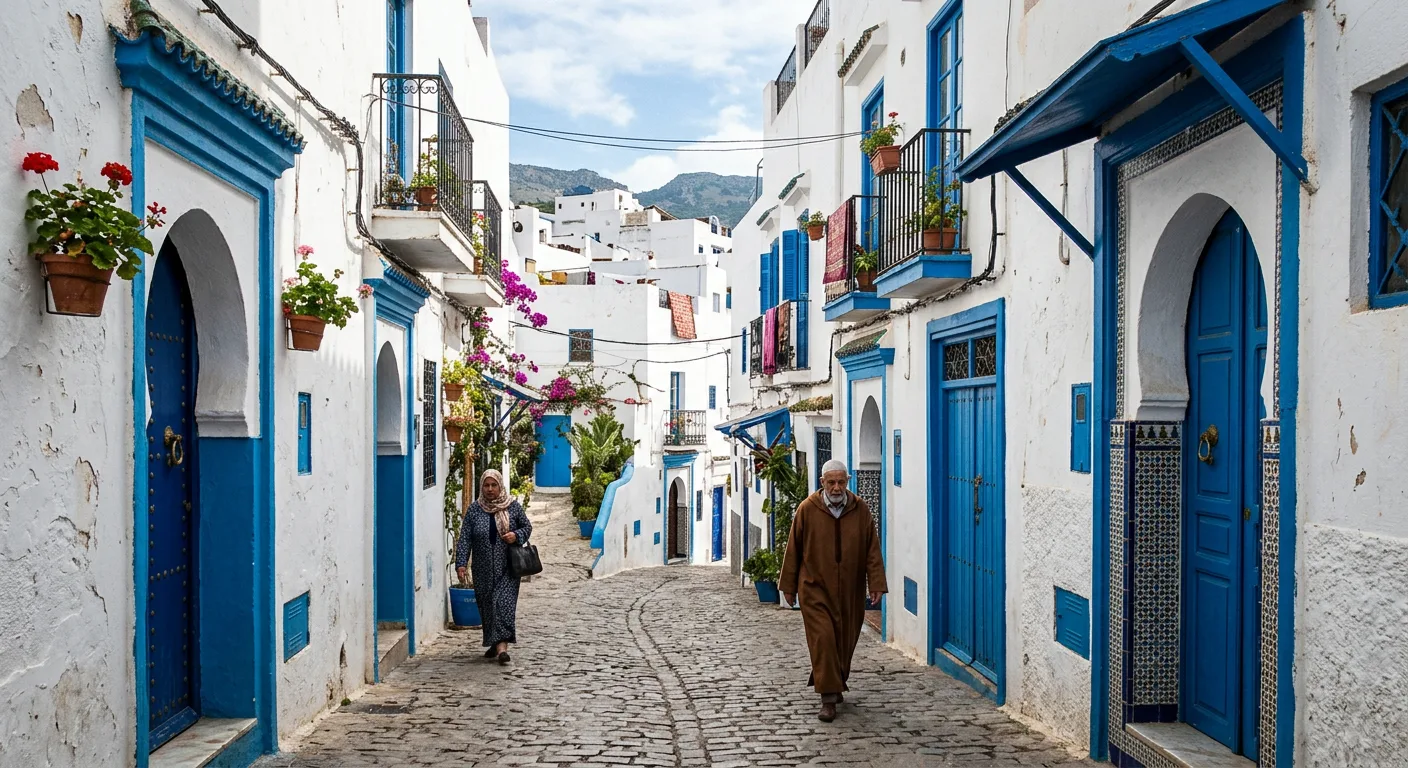
Tetouan
A hidden gem for language learners. Tetouan's UNESCO-listed medina in northern Morocco offers a uniquely multilingual environment where Arabic, French, and Spanish coexist. The city receives far fewer tourists than Marrakech or Fes, providing more authentic immersion. The cost of living is the lowest of all major language study destinations in Morocco, making it ideal for budget-conscious long-term students.
Dar Loughat
From 2,000 MAD/weekVisa Requirements for Language Study
What you need to know about staying in Morocco legally while studying a language.
Visa-Free Entry (Up to 90 Days)
Citizens of the EU, USA, Canada, UK, Australia, and many other countries can enter Morocco visa-free for up to 90 days. This is sufficient for most short-term language courses (4-12 weeks). No special student visa is needed for programs within this period.
Student Visa (Over 90 Days)
For courses longer than 90 days, you need a student visa (Visa d'Etudes). Apply at the Moroccan embassy or consulate in your home country. Requirements include: enrollment confirmation from a recognized language school, proof of financial means (bank statements showing from 5,000 MAD per month), passport photos, and a completed application form. Processing takes 2-4 weeks.
Visa Extension (Inside Morocco)
If your 90-day visa-free period is expiring and you want to continue studying, you can apply for an extension at the local police prefecture (Surete Nationale). You will need your enrollment letter, proof of accommodation, and proof of funds. Extensions are granted for 3-6 months but are not guaranteed. Apply at least 2 weeks before your visa expires.
Required Documents
For any student visa application, prepare: valid passport (at least 6 months validity), enrollment confirmation letter from the school, proof of accommodation, proof of financial means (from 5,000 MAD per month), health insurance covering Morocco, return flight ticket or proof of onward travel, and 2 recent passport photos. Some consulates may require an FBI background check or equivalent.
5 Free Resources to Start Learning Before You Arrive
Get a head start on your language learning with these free tools. Even a few weeks of preparation will significantly boost your progress once you arrive in Morocco.
Moroccan Arabic Phrasebook (Peace Corps)
PDF / TextbookThe US Peace Corps developed a comprehensive Moroccan Darija phrasebook for its volunteers. It covers essential vocabulary, common phrases, cultural notes, and basic grammar. Available as a free PDF download. This is one of the best structured resources for Darija beginners and is updated regularly.
Search: "Peace Corps Moroccan Arabic Darija phrasebook PDF"
Italki Community Tutors
Online Tutoring PlatformItalki connects you with native Moroccan speakers for affordable online conversation practice. Community tutors charge from 80 MAD per hour. Start practicing Darija or MSA before you arrive in Morocco. Even 2-3 sessions per week for a month before your trip will give you a significant head start.
italki.com
Arabic with Nadia (YouTube)
Video LessonsA popular YouTube channel dedicated to Moroccan Darija. Nadia covers everyday vocabulary, common phrases, cultural context, and pronunciation with clear explanations in English. The videos are short (5-15 minutes) and practical. Ideal for absolute beginners who want to learn key phrases before arrival.
Search: "Arabic with Nadia YouTube Darija"
Anki Flashcard Decks (Arabic)
Spaced Repetition AppAnki is a free flashcard app that uses spaced repetition to help you memorize vocabulary efficiently. Community-created decks for MSA and Darija are available for free download. Use it for 15-20 minutes daily to build vocabulary before and during your language course. The Arabic script deck is particularly useful for beginners.
ankiweb.net (search shared decks for "Moroccan Arabic" or "MSA")
Al Jazeera Learning Arabic
Online CourseAl Jazeera offers a free, structured online Arabic course for beginners and intermediate learners. The content focuses on MSA and uses real news clips for listening practice. While not specific to Morocco, it provides an excellent foundation in MSA grammar and vocabulary that complements any in-country language program.
learning.aljazeera.net
Practical Tips for Language Students in Morocco
Budget Planning
Budget from 6,000-10,000 MAD per month for living expenses (accommodation, food, transport) on top of tuition fees. Rabat and Marrakech are slightly more expensive; Fes and Tetouan are more affordable. A comfortable monthly budget including tuition is from 10,000-15,000 MAD depending on the city and school.
Accommodation Options
Homestay is the best option for language immersion. You will practice the language at every meal and gain a Moroccan family. Shared apartments with other students are cheaper (from 1,800 MAD per month) but offer less immersion. Many schools can arrange both options. Book accommodation through your school for the first month, then explore independently.
Practice Outside Class
The classroom is only half the learning. Spend time in local cafes, shop at the souk in Arabic or Darija, take a Moroccan cooking class, join a local gym, or find a language exchange partner. Moroccans are extraordinarily welcoming to foreigners who try to speak their language, no matter how imperfect.
Best Time to Start
Most schools accept new students year-round. However, September-November and February-April are the best periods: pleasant weather, lower prices, and the most diverse student groups. Avoid starting during Ramadan unless you specifically want that cultural experience, as schedules and city rhythms change significantly.
Choosing MSA vs. Darija
Many students study both simultaneously: MSA in the classroom for literacy and formal skills, Darija for daily life. This dual approach is highly effective in Morocco. If you can only choose one, pick Darija for short trips and personal connections, MSA for academic or professional purposes that span multiple Arab countries.
Safety for Students
Morocco is one of the safest countries in Africa for international students. Rabat and Fes are particularly safe. Use normal urban precautions: avoid walking alone late at night in unfamiliar areas, keep valuables out of sight, and trust your school's advice on neighborhoods. Most language schools provide orientation sessions covering local safety and cultural norms.
Frequently Asked Questions
Do I need to know any Arabic before arriving at a language school?
No. All reputable Moroccan language schools accept absolute beginners. Many students arrive without knowing a single word of Arabic and leave months later with conversational fluency. Schools place you in a level-appropriate group after an assessment on your first day. That said, learning the Arabic alphabet before arrival (2-4 weeks of practice) gives you a significant head start.
How long should I study to reach conversational level in Arabic or Darija?
For Darija (everyday conversation), most dedicated students can hold basic conversations after 4-6 weeks of intensive study in Morocco. For MSA, expect 3-6 months of intensive study to reach conversational level. French learners with English as a first language often progress faster, reaching basic conversational ability in 8-12 weeks. These timelines assume full immersion with daily practice outside the classroom.
Can I work while studying a language in Morocco?
The visa-free entry and student visa do not permit paid employment in Morocco. However, many language students supplement their income with remote work for companies outside Morocco. Internet connectivity is generally reliable in Rabat, Casablanca, and Marrakech. Coworking spaces are available from 800 MAD per month. Some immersion programs include volunteer placements, which do not count as employment.
Is it better to learn Arabic in Morocco or in the Middle East?
Both have advantages. Morocco is significantly cheaper, culturally rich, and offers the unique opportunity to learn MSA alongside a distinctive dialect (Darija). The Middle East (Jordan, Egypt, Oman) offers dialects closer to MSA, which some students find easier. However, Morocco's bilingual environment means you can also learn French simultaneously. For overall value, cultural experience, and affordability, Morocco is hard to beat.
What is the difference between Darija and Modern Standard Arabic?
MSA is the formal, literary language used in media, education, and official settings across the Arab world. Darija is the spoken language of everyday life in Morocco. They share a common root but differ significantly in vocabulary, pronunciation, and grammar. A Darija speaker and an Egyptian Arabic speaker may struggle to understand each other, but both can understand MSA. Think of MSA as formal English and Darija as a strong regional dialect with its own vocabulary.
Do language schools in Morocco provide certificates or transferable credits?
Most reputable schools provide completion certificates indicating your level achieved (often mapped to the CEFR framework). For transferable university credits, you need to arrange this with your home university in advance. Some programs like ALCP in Fes have existing credit transfer agreements with American and European universities. For official French certification, take the DELF/DALF exam at Institut Francais (exam fee from 800 MAD depending on level).
Continue Exploring Morocco
Moroccan Culture Guide
Deep dive into Morocco's rich cultural heritage, traditions, and social customs for visitors.
Read moreDigital Nomad Guide
Work remotely from Morocco with guides to coworking spaces, internet, and digital nomad visas.
Read moreBudget Travel Morocco
Save money traveling Morocco with tips on accommodation, transport, food, and activities.
Read more