Discovering...
Morocco Travel Photography
Best Photography Spots in Morocco
20 iconic locations, golden hour timing, drone regulations, and practical advice for capturing Morocco at its most photogenic.
Morocco is a country that rewards photographers at every turn. The blue-drenched alleys of Chefchaouen, the amber glow of Saharan dunes at dawn, the geometric precision of zellige tilework in Fes madrasas, the raw drama of the Atlas Mountains against a winter sky — this is a place where compositions seem to arrange themselves.
But great travel photography in Morocco requires more than showing up with a good camera. Timing matters enormously. The difference between a flat, overexposed shot of Ait Benhaddou at noon and a glowing, dimensional image at sunrise is the difference between a forgettable snapshot and a portfolio piece. Knowing when the light hits, where to stand, and how to interact respectfully with the people you photograph separates the memorable images from the ordinary.
This guide covers 20 of the most photogenic locations in Morocco with specific timing advice, practical access details, gear recommendations, drone regulations, and the etiquette you need to photograph respectfully in a country where hospitality and privacy coexist.
20
Photography Locations
Oct-Apr
Best Season
6-8 AM / 4-6 PM
Golden Hour
2-4 Weeks
Drone Permit Wait
20 Best Photography Locations
Each location includes optimal timing, seasonal advice, and a practical tip from photographers who have shot there.
1
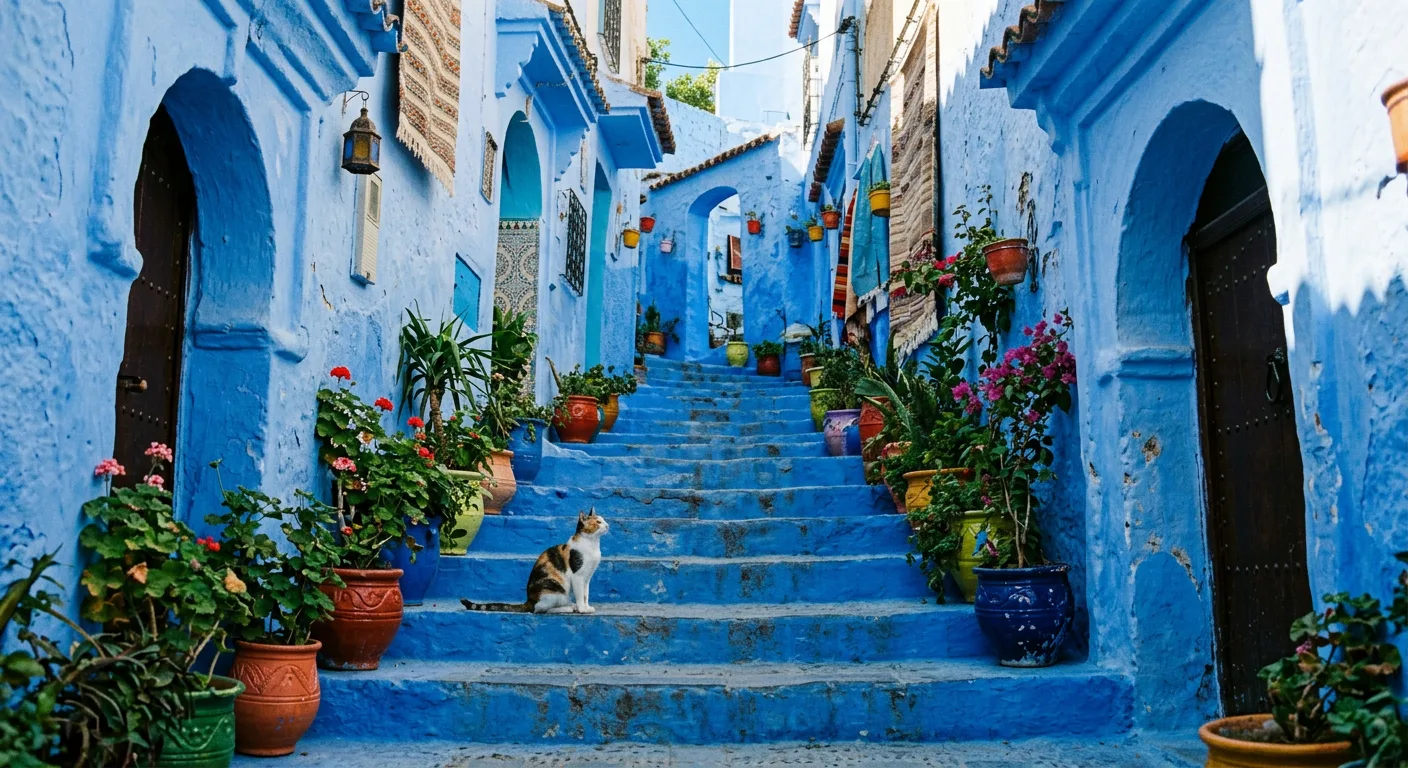
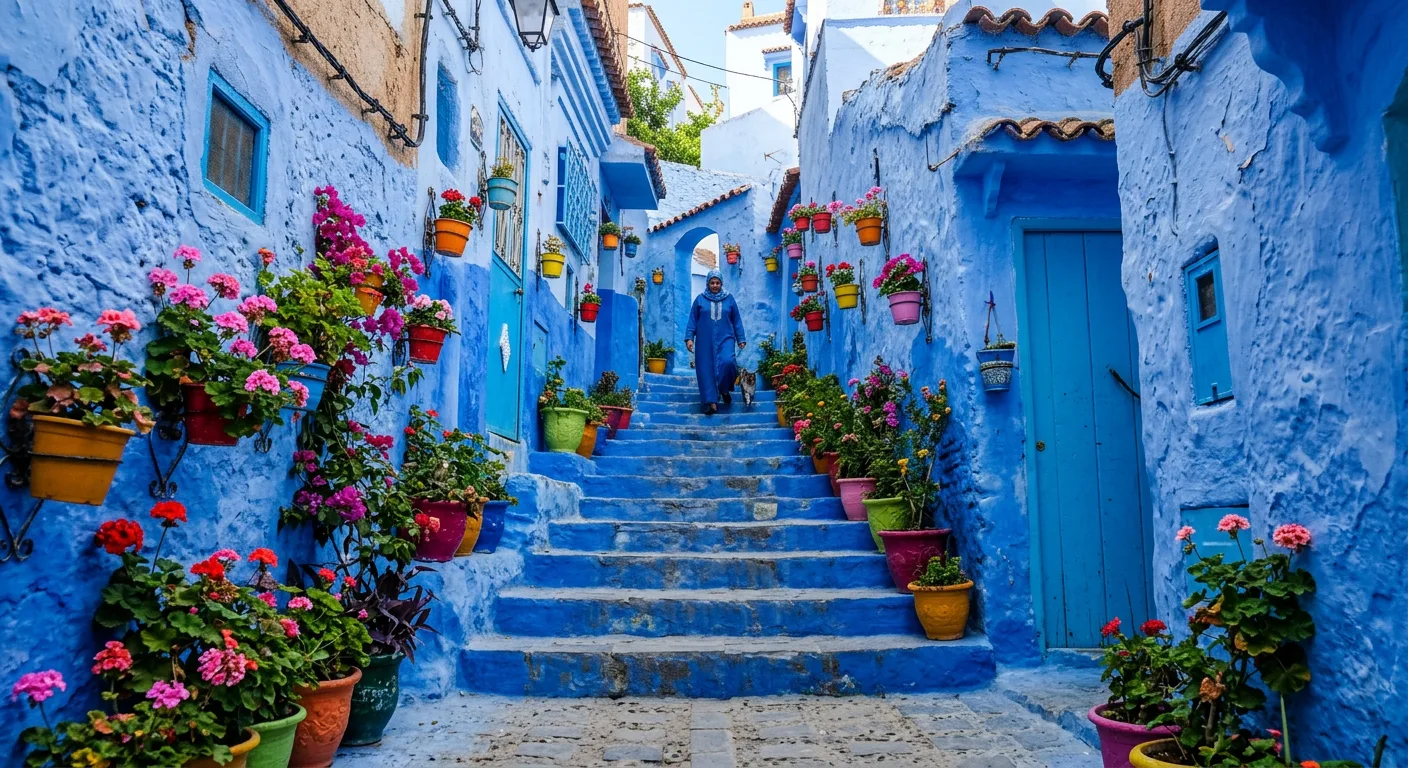
Chefchaouen Blue Medina
Rif Mountains
Best light: Early morning (7-9 AM) or late afternoon (4-6 PM)
Season: March-May, September-November
The blue streets photograph best in open shade. Avoid midday when harsh shadows create blown highlights against the blue walls. Walk uphill to the Spanish Mosque viewpoint for a panoramic overview at sunset.
2
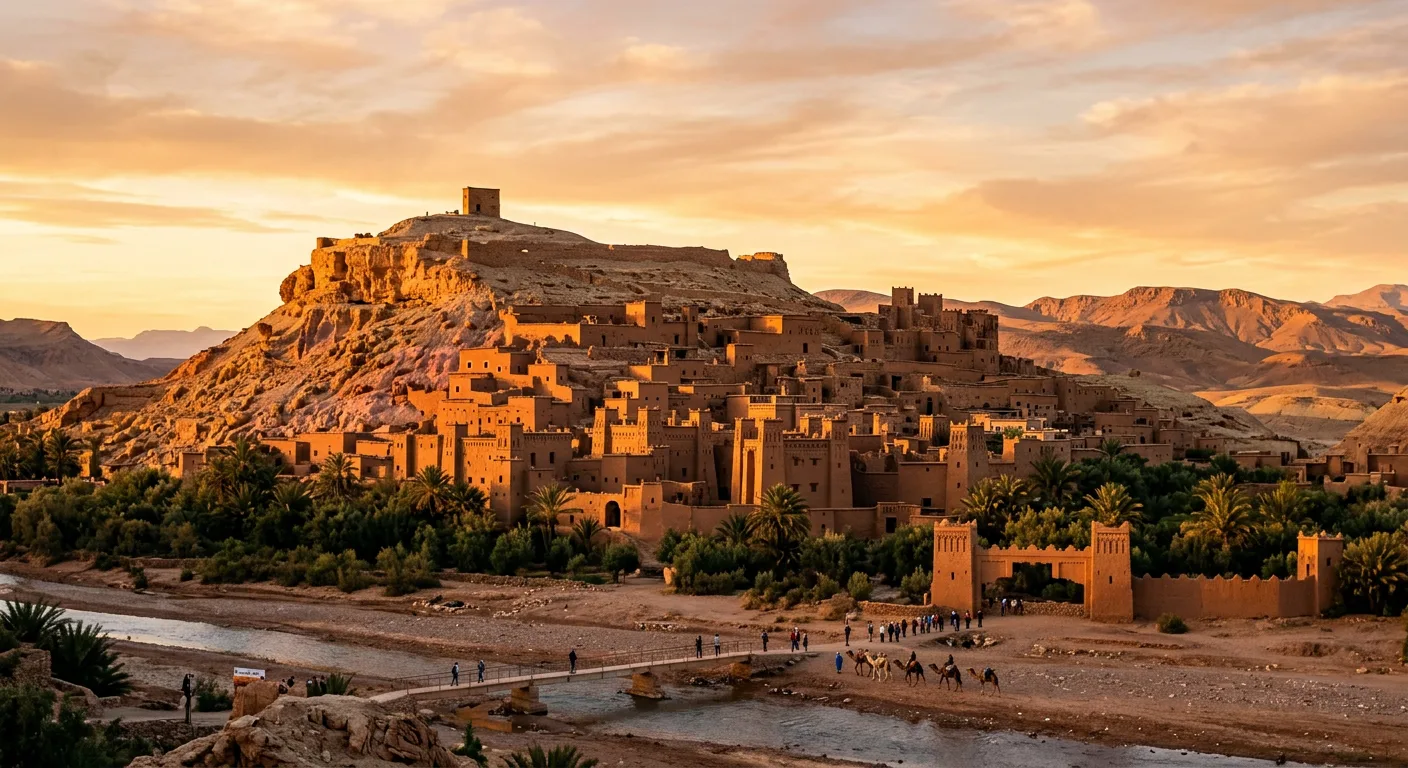
Ait Benhaddou Kasbah
Ouarzazate Province
Best light: Sunrise from the east bank, sunset for warm tones on the walls
Season: October-April for dramatic skies
Cross the river (ankle-deep in dry season) and climb to the top of the ksar for layered compositions. The morning sun hits the eastern face directly, making the adobe glow amber and gold.
3
Hassan II Mosque, Casablanca
Casablanca
Best light: Blue hour (30 minutes after sunset) for the illuminated minaret against a deep blue sky
Season: Year-round; winter for storm clouds behind the mosque
The oceanside promenade gives a clear sightline to the mosque with crashing waves in the foreground. A wide-angle lens and a tripod are essential for blue hour exposures.
4
Fes Tanneries (Chouara)
Fes el-Bali
Best light: Late morning (10 AM-12 PM) when the dye vats are freshly filled
Season: Spring and autumn when workers are most active
Access the rooftop terraces of surrounding leather shops for the classic overhead view. A telephoto lens (70-200mm) lets you isolate individual workers and dye vats without the crowds in your frame.
5
Sahara Dunes, Erg Chebbi
Merzouga
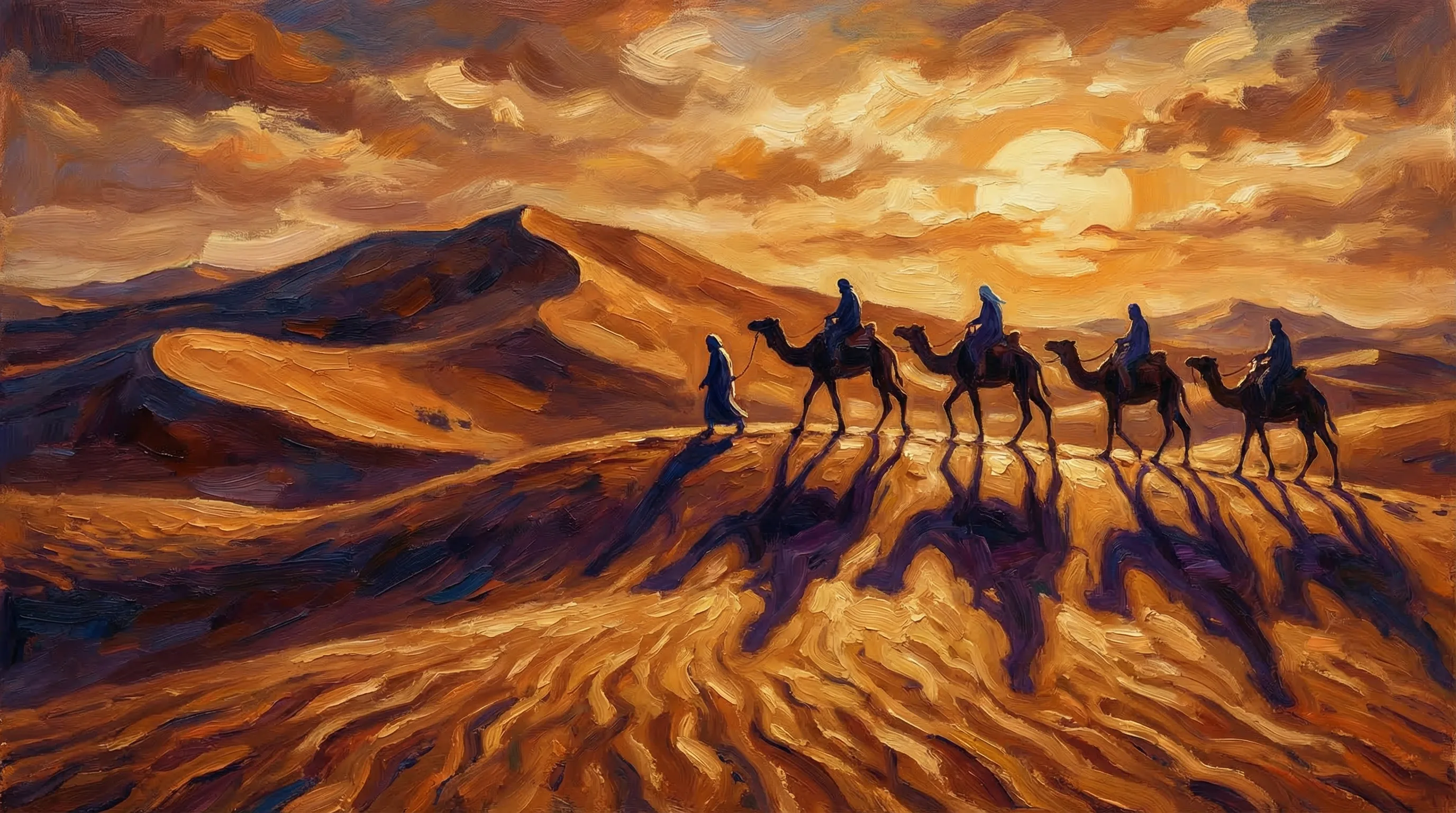
Best light: Sunrise for long shadows on rippled sand; sunset for silhouettes
Season: October-March for cooler temperatures and clearer air
Wake before dawn and climb the tallest dune. Wind-carved ripple patterns show best in extreme side light. Bring a lens cloth and plastic bag to protect your camera from fine sand that gets into everything.
6
Jardin Majorelle, Marrakech
Marrakech
Best light: Opening time (8 AM) before crowds arrive
Season: Year-round; spring for flowering cacti
The cobalt blue walls and yellow plant pots create a striking color contrast. The cactus garden offers leading-line compositions. Entry costs from 70 MAD and photography is included but tripods are not allowed.
7
Jemaa el-Fnaa Square, Marrakech
Marrakech Medina
Best light: Sunset from Cafe de France rooftop terrace
Season: Year-round
The rooftop cafes around the square charge from 30-50 MAD for a drink but give you an elevated view of the entire plaza at golden hour. As smoke rises from food stalls at dusk, the atmosphere becomes magical for long exposures.
8
Essaouira Port & Ramparts
Atlantic Coast
Best light: Late afternoon when fishing boats return and light hits the ramparts
Season: Year-round; winter for dramatic wave action
The blue fishing boats against white walls give you a Mediterranean feel. Walk the rampart walls (Skala de la Ville) for wide-angle shots looking down at cannons and out to sea. Seagulls add dynamic elements.
9
Atlas Mountains, Imlil Valley
High Atlas
Best light: Golden hour; mist rises from the valleys at dawn
Season: April-May for snow-capped peaks with green valleys; October for autumn colors
The terraced Berber villages with Jebel Toubkal as a backdrop make for layered landscape compositions. A telephoto lens compresses the layers beautifully. Hire a local guide (from 300 MAD per day) to access lesser-known viewpoints.
10
Todra Gorge
Tinghir
Best light: Midday when sunlight reaches the canyon floor
Season: Spring and autumn for comfortable temperatures
The 300-meter canyon walls dwarf human figures, giving powerful scale. Unlike most spots, midday works best here because the gorge is so narrow that early and late light never reaches the bottom. Wide-angle lenses exaggerate the towering walls.
11
Bou Inania Madrasa, Fes
Fes el-Bali
Best light: Mid-morning when sunlight filters through the courtyard
Season: Year-round
The intricate zellige tilework, carved cedar, and stucco detail reward a macro lens. The geometric patterns of Islamic art are endlessly photogenic. Entry costs from 20 MAD. Tripods are generally allowed in the courtyard.
12
Draa Valley Palm Groves
Zagora
Best light: Golden hour when the palms cast long shadows
Season: October-April
The road from Ouarzazate to Zagora passes through endless palm groves with kasbahs in the distance. Stop at elevated points along the N9 highway for compositions that layer palms, river, and desert mountains.
13
Bahia Palace, Marrakech
Marrakech
Best light: Opening hour (9 AM) for empty rooms; midday for light through windows
Season: Year-round
The painted cedar ceilings and zellige floors create symmetrical frame-within-frame compositions. Shoot straight up at ceilings with a wide-angle lens. Entry costs from 70 MAD. No tripods inside the palace rooms.
14
Ouzoud Waterfalls
Middle Atlas
Best light: Late morning when rainbows form in the mist
Season: March-June for peak water flow
A 1-2 second shutter speed turns the cascading water into silk. Bring an ND filter (6-stop) for long exposure in bright conditions. The walk down to the base takes 30 minutes. Barbary macaques often appear in the foreground.
15
Volubilis Roman Ruins
Meknes Region
Best light: Early morning or late afternoon for warm light on stone columns
Season: Spring when wildflowers surround the ruins
The triumphal arch and Capitol columns against the rolling hills make classic compositions. In spring, fields of poppies and wildflowers create a foreground carpet. Entry costs from 70 MAD and the site is rarely crowded.
16
Dades Valley, Road of a Thousand Kasbahs
Dades Gorge
Best light: Sunset when the kasbahs glow orange-red
Season: October-April for clear skies
Drive the N10 between Ouarzazate and Tinghir for dozens of crumbling kasbahs perched on hilltops. The serpentine hairpin road in the Dades Gorge itself creates dramatic S-curve compositions when shot from above.
17
Legzira Beach
Sidi Ifni Coast
Best light: Sunset when the remaining natural arch glows deep red
Season: Year-round; summer for calmer seas
One of the two famous red arches collapsed in 2016, but the remaining formation is still extraordinary. Low tide exposes reflective pools in the foreground. Arrive two hours before sunset for the best compositions as the light shifts.
18
Tangier Kasbah & Medina
Northern Morocco
Best light: Morning light on the whitewashed walls; sunset from Cape Spartel
Season: Spring and autumn
The view from the Kasbah over the Strait of Gibraltar to Spain makes a unique geography shot. The medina doorways painted in blue and green are smaller and less crowded than Chefchaouen. Visit Cape Spartel at sunset where the Atlantic meets the Mediterranean.
19
Merzouga Star Trails
Sahara Desert
Best light: New moon phase; astronomical twilight starts around 9 PM
Season: September-March for darkest skies
The Sahara has minimal light pollution, making it exceptional for astrophotography. A wide-angle lens at f/2.8, ISO 3200, and 20-second exposures reveal the Milky Way. Bring a headlamp with a red filter to preserve night vision while adjusting settings.
20
Moulay Idriss Zerhoun
Near Meknes
Best light: Late afternoon from the hilltop viewpoints
Season: Spring for green surrounding countryside
Morocco's holiest town cascades down two hills like a white amphitheater. Non-Muslims cannot enter the zaouia, but the town itself is photogenic from multiple elevated viewpoints. Fewer tourists than Chefchaouen, so you can photograph in peace.
Morocco Through the Lens
Chefchaouen Staircase
Sahara Golden Hour
Ait Benhaddou Sunset
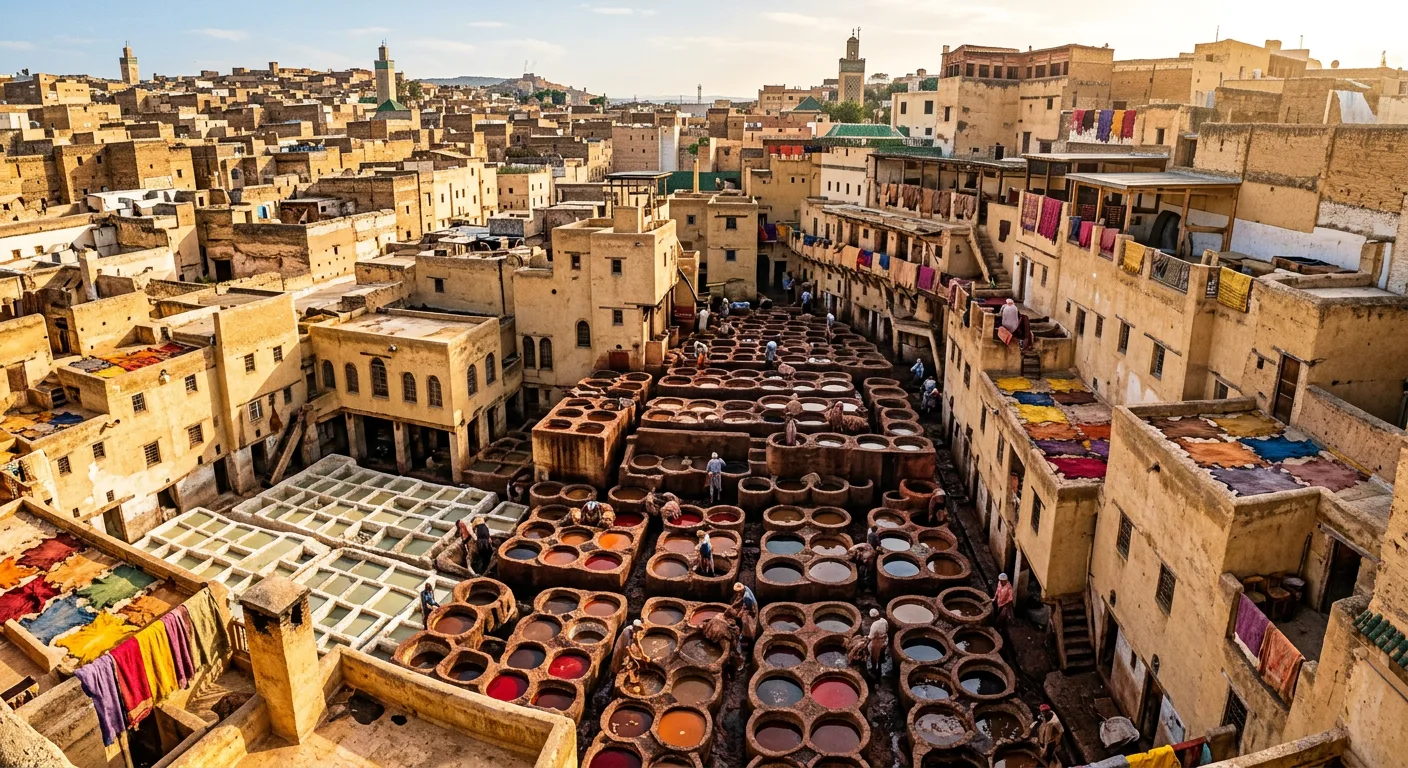
Fes Tanneries
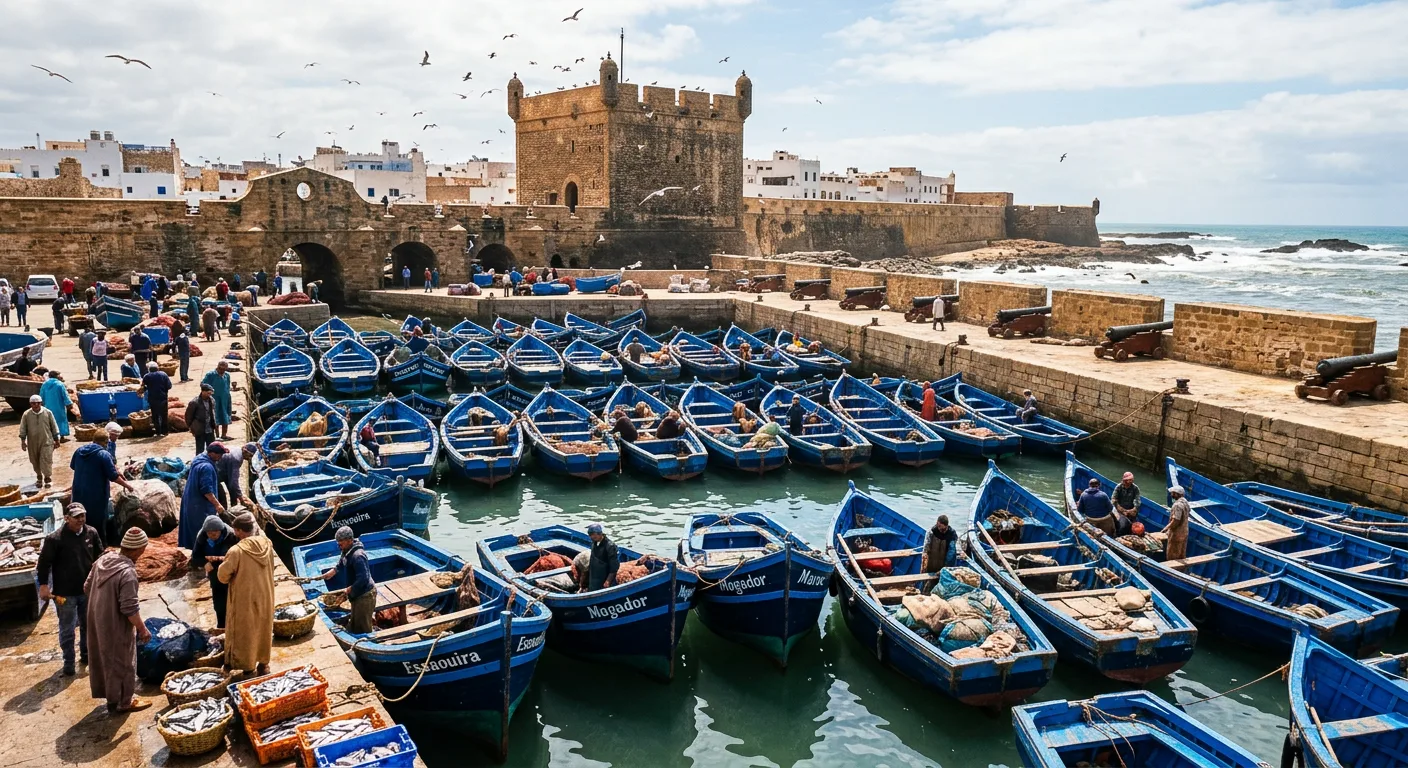
Essaouira Port
Understanding Moroccan Light
Morocco sits between 27 and 36 degrees north latitude. The quality of light shifts dramatically with time of day, season, and geography.
Golden Hour (Sunrise & Sunset)
In winter, sunrise hits around 7:30 AM and sunset around 5:30 PM, giving you roughly 40 minutes of golden light at each end. In summer, sunrise is at 6:15 AM and sunset at 8:45 PM, with longer golden hours but harsher midday light. The warm tones of Moroccan architecture — adobe, sandstone, zellige — come alive in golden hour light, turning already-warm surfaces into glowing embers.
Blue Hour
The 20-30 minutes after sunset and before sunrise produce deep blue skies that contrast powerfully with artificially lit monuments. The Hassan II Mosque in Casablanca is arguably the best blue hour subject in all of North Africa, with its illuminated minaret against the twilight ocean sky. The medina gates of Fes and Meknes also light up beautifully.
Midday Light
Most photographers avoid 11 AM to 3 PM, but in Morocco midday has specific uses. The narrow alleys of Fes and Marrakech medinas create dramatic shafts of light that only appear when the sun is directly overhead. Todra Gorge only receives direct sunlight at midday. And the souks, which are roofed, photograph well at any hour.
Overcast Days
Cloud cover acts as a massive softbox, eliminating harsh shadows. This is ideal for street portraits, market scenes, and the intricate details of Islamic architecture. Overcast days also reduce the extreme dynamic range that challenges desert photography. Do not put your camera away when clouds roll in.
Street Photography Etiquette
Respectful photography builds bridges. Disrespectful photography closes doors — for you and for every photographer who comes after.
Always Ask Before Photographing People
A simple "Mumkin sura?" (May I take a photo?) in Arabic shows respect. Many people will agree and even pose. If someone declines, accept it immediately and move on. Never photograph someone who has said no.
Expect to Pay for Posed Photos
Water sellers in traditional dress, snake charmers, and henna artists at Jemaa el-Fnaa are performing. They expect payment from 20-50 MAD for photos. Agree on price before shooting to avoid arguments.
Be Careful Photographing Women
In conservative areas and rural villages, photographing women without explicit permission is considered deeply disrespectful. Some women will cover their faces when they see a camera. Respect this immediately.
Avoid Photographing Military & Police
Photographing military installations, police checkpoints, and government buildings is illegal in Morocco. Even photographing police officers casually can lead to having your images deleted or your camera temporarily confiscated.
Show People Their Photos
Turning your camera screen around to show someone their portrait is one of the best ways to connect. It often leads to smiles, laughter, and an invitation for tea. Carry a portable printer for an extra gesture of goodwill.
Dress Modestly
Photographers who dress respectfully — covering shoulders and knees — are treated more warmly in medinas and rural areas. This is especially true in Fes, where residents are more conservative than in Marrakech.
Drone Regulations in Morocco (2026)
Morocco has strict drone laws. Flying without authorization carries real consequences.
Authorization required: All drone flights in Morocco require advance authorization from the Direction Generale de l'Aviation Civile (DGAC). This applies to all drones regardless of size or weight, including compact consumer models like the DJI Mini series.
Application process: Submit your application to the DGAC at least 2-4 weeks before your trip. You will need to specify exact GPS coordinates, dates, and flight altitudes. Authorization is granted per location and date, not as a blanket permit.
Penalties: Flying without authorization can result in drone confiscation, fines starting from 5,000 MAD, and in some cases detention. Customs officials at airports actively look for undeclared drones and may confiscate them on entry if you cannot show authorization paperwork.
No-fly zones: Even with DGAC authorization, drones are prohibited near royal palaces, military installations, airports (within 5 km), national borders, and large public gatherings. Most major cities effectively ban recreational drone flights.
Practical reality: Many travel photographers report that the permitting process is burdensome and approval is not guaranteed. Unless drone footage is essential to your work, most professionals recommend leaving the drone at home and focusing on ground-level photography, which Morocco offers in abundance.
Declare your drone at customs. If you bring a drone into Morocco, declare it on your customs form. Undeclared drones discovered by customs are confiscated with no guarantee of return. Even if you have DGAC authorization, failure to declare at the border creates a separate legal problem.
Gear Recommendations
What to pack depends on your travel style, but these categories cover most Morocco photography scenarios.
Essential Lenses
- Standard zoom 24-70mm f/2.8 (or 24-105mm f/4 for range)
- Wide-angle 16-35mm for architecture, interiors, and landscapes
- Telephoto 70-200mm for candid street shots and mountain compression
Filters & Accessories
- Circular polarizer for cutting haze and enriching blue skies
- ND filter (6-stop) for waterfall and ocean long exposures
- Graduated ND for balancing bright skies and dark foregrounds in the desert
Protection & Maintenance
- Lens cloths and rocket blower for Sahara sand
- Rain cover for Atlas Mountain weather changes
- Sealable plastic bags to protect gear from sand and dust
Support & Power
- Travel tripod (carbon fiber preferred for weight savings)
- Spare batteries (at least 3; cold desert nights drain them faster)
- Multiple memory cards (64GB minimum; shoot RAW for editing flexibility)
Smartphone Photography
Modern smartphones produce excellent results in Morocco. The latest iPhones and Samsung Galaxy phones handle dynamic range well in the harsh desert light. For the blue streets of Chefchaouen and the colorful souks, a phone is often more practical than a DSLR — it is lighter, less intimidating to subjects, and always accessible. Use the built-in HDR mode for high-contrast scenes and enable the grid overlay for composition.
Photographing Moroccan Architecture
Islamic geometric art and Moroccan craftsmanship produce some of the most photogenic architecture in the world.
Zellige Tilework
The mosaic tilework found in mosques, madrasas, and riads features mathematically precise geometric patterns that repeat infinitely. Fill the frame for abstract compositions. A macro lens or close-focus zoom reveals details invisible to the naked eye. The best examples are in the Bou Inania and Attarine madrasas in Fes, the Bahia Palace in Marrakech, and the Hassan II Mosque in Casablanca.
Carved Stucco & Cedar
Above the zellige band, Moroccan buildings transition to carved plaster (stucco) and then painted or carved cedar wood ceilings. Shoot upward with a wide-angle lens to capture the layered transition from tile to stucco to wood. The Saadian Tombs in Marrakech and the Medersa Bou Inania in Meknes are exceptional.
Riad Courtyards
The central courtyard of a traditional riad creates a natural light well. Position yourself at ground level and shoot upward to capture the rectangular frame of sky surrounded by carved balconies. Many riads welcome non-guests for a mint tea; this earns you time to photograph. Budget from 30-50 MAD for tea.
Doorways & Gates
Moroccan doors and city gates (bab) are an entire photographic subject on their own. The studded wooden doors of Fes, the painted doors of Chefchaouen, the monumental gates of Meknes (Bab Mansour is the most impressive in Morocco) — each tells a story. Shoot straight-on for symmetry or at an angle for depth.
Landscape Photography in Morocco
From Atlantic coastlines to Saharan dunes, Morocco offers an extraordinary range of landscapes within a single country.
Sahara Desert
The Erg Chebbi dunes near Merzouga reach 150 meters high. For the strongest compositions, shoot during the first and last 30 minutes of sunlight when side-lighting reveals every ripple and ridge in the sand. Footprints are your enemy — wake earliest and walk to an untouched section.
Atlas Mountains
The High Atlas peaks exceed 4,000 meters. The Tizi n'Tichka pass and Imlil valley offer the most accessible viewpoints. Layer your compositions: foreground wildflowers, midground Berber village, background snow-capped peaks. A polarizing filter deepens blue skies against white summits.
Atlantic Coast
Morocco has 3,500 km of coastline. Essaouira, Legzira, and Taghazout offer different moods — from fishing port charm to red stone arches to surfing culture. Long exposures (2-4 seconds with an ND filter) smooth the Atlantic waves into mist against rocky foregrounds.
Gorges & Valleys
The Todra and Dades gorges carve through the Anti-Atlas creating narrow canyons with towering walls. The Draa Valley stretches endlessly with palm groves and kasbahs. These landscapes reward patience — wait for a shepherd, a donkey, or a shadow to enter the frame and add human scale.
Instagram-Worthy Spots at a Glance
For social media photographers who want quick, high-impact locations with specific access details.
| Location | Best For | Entry Cost | Crowd Level |
|---|---|---|---|
| Chefchaouen Blue Streets | Blue-on-blue symmetry | Free | Low (early AM) |
| Jardin Majorelle | Cobalt blue & yellow contrast | From 70 MAD | High |
| Bahia Palace | Zellige floors & ceilings | From 70 MAD | Medium |
| Erg Chebbi Dunes | Desert silhouettes | Free | Low |
| Fes Tanneries Terrace | Colorful dye vats | From 20 MAD tip | Medium |
| Hassan II Mosque | Blue hour reflections | From 130 MAD (tour) | Medium |
| Ait Benhaddou | Kasbah at sunrise | Free | Low (sunrise) |
| Essaouira Port | Blue boats & seagulls | Free | Medium |
Practical Photography Tips for Morocco
Hard-won advice from photographers who have spent weeks shooting across the country.
Protect Gear from Sand
Saharan sand is impossibly fine and gets into lens mechanisms, sensor cavities, and memory card slots. Keep cameras in sealed bags when not shooting. Change lenses inside your hotel, never outdoors in the desert. A rocket blower removes particles more safely than compressed air.
Backup Daily
Carry two memory cards and swap them daily. Back up to a portable SSD each evening. Memory cards can fail, and getting replacement high-speed cards in Morocco is difficult outside Casablanca and Marrakech.
Hire Local Guides for Access
Local guides (from 300-500 MAD per day) know viewpoints that do not appear on Google Maps. In Fes, a guide navigates the labyrinthine medina and negotiates access to rooftop terraces. In the Sahara, Berber guides know which dunes face east for sunrise and which are most photogenic.
Wake Up Before Everyone Else
Morocco's most famous spots — Chefchaouen, Jemaa el-Fnaa, Ait Benhaddou — are overrun by mid-morning. The photographers who get clean, crowd-free shots are the ones who set alarms for 5:30 AM. The light is better, the streets are empty, and you have the composition to yourself.
Stay in Riads for Rooftop Access
Traditional riads in medinas have rooftop terraces that offer elevated perspectives over the city. These are free if you are a guest. Budget riads with rooftop access start from 300 MAD per night in Fes and Marrakech. Ask about the view before booking.
Keep a Low Profile with Gear
Morocco is generally safe, but flashing expensive camera equipment in crowded souks can attract unwanted attention. Use a discreet camera bag rather than a branded photography backpack. Keep lens caps on when walking through crowds. Consider camera insurance that covers travel.
Frequently Asked Questions
Answers to the most common questions from photographers planning a Morocco trip.
Do I need a permit to fly a drone in Morocco?
Yes. Morocco requires prior authorization from the Direction Generale de l'Aviation Civile (DGAC) before operating any drone. Flying without a permit can result in confiscation and fines starting from 5,000 MAD. Application processing takes 2-4 weeks, so apply well before your trip. Many photographers find the process difficult and choose to leave drones at home.
Is it safe to photograph people in Morocco?
You should always ask permission before photographing people. Many Moroccans are happy to be photographed, but others prefer not to be, especially women and elderly people in rural areas. A polite "Mumkin sura?" (May I take a photo?) goes a long way. Be prepared that some market vendors and performers will ask for a small tip of from 10-20 MAD in exchange for photos.
What is the best time of year for photography in Morocco?
October through April offers the clearest skies, softest light, and most dramatic cloud formations. Spring (March-April) is ideal for the Atlas Mountains when wildflowers bloom. The Sahara photographs best in winter (December-February) when temperatures are bearable and the air is crisp. Summer brings harsh midday light but stunning sunsets.
Can I photograph the interior of mosques in Morocco?
Non-Muslims cannot enter most mosques in Morocco except the Hassan II Mosque in Casablanca, which offers guided tours. You can photograph the exteriors freely. For the Hassan II Mosque interior, photography is allowed during tours but tripods are not permitted. Many madrasas (religious schools) are open to visitors and allow photography.
What camera gear should I bring to Morocco?
A versatile zoom lens (24-70mm or 24-105mm) handles most situations. Bring a wide-angle (16-35mm) for architecture and interiors, and a telephoto (70-200mm) for candid shots and mountain landscapes. A circular polarizer is essential for cutting through haze and enriching blue skies. Pack lens cloths for dust, especially in the desert.
Are tripods allowed at popular tourist sites in Morocco?
Most outdoor locations allow tripods without issue. Some museums, palaces, and the Hassan II Mosque interior do not allow them. The Fes tanneries viewing terraces are too crowded for tripods. For long exposure work at city gates or kasbahs, early morning before crowds arrive is your best window.
How much should I tip for photographing someone in Morocco?
If someone poses for you, from 10-20 MAD is standard. For elaborate performances at Jemaa el-Fnaa, from 20-50 MAD is expected. Water sellers in traditional dress and snake charmers will insist on payment, usually from 20-50 MAD. At the Fes tanneries, the leather shop guide who takes you to the viewpoint expects from 20-50 MAD as well.
Where can I get my photos printed or gear repaired in Morocco?
Camera shops cluster along Boulevard Mohammed V in Marrakech and Casablanca. Derb Omar in Casablanca has electronics shops that may stock memory cards and basic accessories. For serious repairs, you will need to wait until you return home or visit a major European city. Always bring backup memory cards and batteries.
Related Travel Guides
Morocco Photography Guide
Extended tips on composition, camera settings, and editing workflows specifically tailored to Moroccan subjects.
Read GuideArt Galleries & Museums
Contemporary art spaces, photography exhibitions, and cultural institutions across Moroccan cities.
Read GuideBest Sunset Spots
The most spectacular sunset viewpoints in Morocco from Atlantic cliffs to desert dunes and mountain passes.
Read GuideSahara Stargazing Guide
Astrophotography locations, best camps for dark skies, Milky Way season, and stargazing tour options.
Read GuideMore Photography & Visual Guides
Chefchaouen City Guide
Complete guide to the Blue Pearl including medina walks, Spanish Mosque hike, and local food.
Fes Travel Guide
Navigate the world's largest car-free medina with guides to tanneries, madrasas, and artisan workshops.
Sahara Desert Guide
Camel treks, luxury desert camps, dune types, and everything you need for a Sahara expedition.
Marrakech Travel Guide
Palaces, souks, gardens, and rooftop terraces in Morocco's most visited city.
Essaouira Guide
Windy Atlantic port town with blue boats, rampart walks, and a thriving art scene.
Morocco Packing List
What to pack for Morocco including photography gear considerations and protective equipment.
Ready to Capture Morocco?
From the blue alleys of Chefchaouen to the golden dunes of the Sahara, Morocco offers a lifetime of images in a single trip. Plan your photography journey and come home with images that matter.