Discovering...
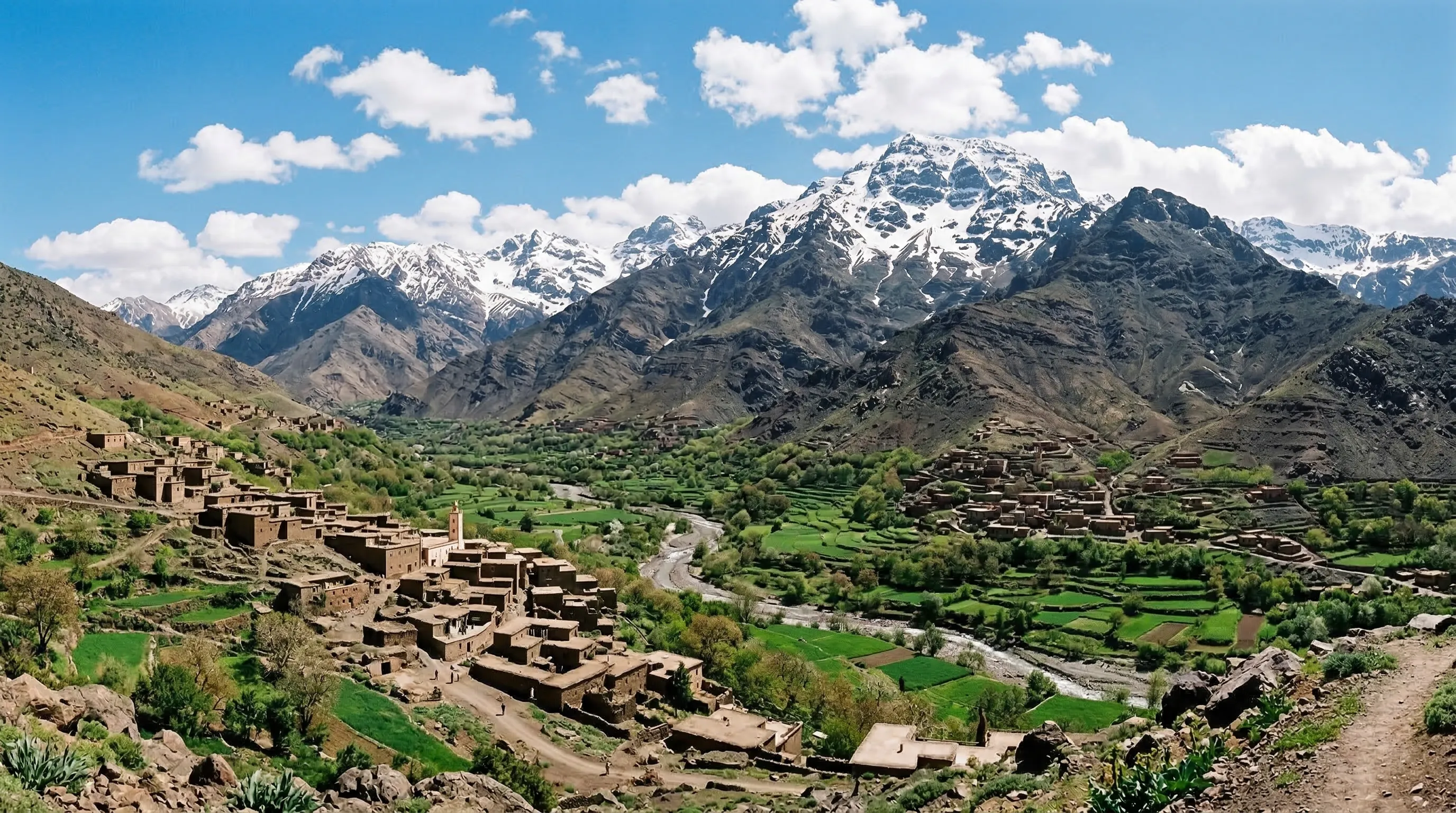
Adventure Guide
Rock Climbing in Morocco
From the 300-meter limestone walls of Todra Gorge to the granite boulderfields of the Anti-Atlas and the remote big walls of Taghia Canyon — Morocco holds some of the finest climbing in North Africa and the Mediterranean basin.
Overview
Why Climb in Morocco?
Morocco sits at the geological crossroads of the African and European tectonic plates, and this collision has produced a climber's paradise of limestone gorges, granite massifs, and quartzite ridges stretching from the Rif Mountains in the north to the Anti-Atlas in the south. The country offers sport climbing, traditional crack and face routes, bouldering, and alpine-scale multi-pitch walls — all within a day's drive of each other.
The climbing season effectively runs year-round if you follow the sun. When European crags are locked in winter ice, Morocco's Anti-Atlas basks in 18-degree sunshine. When summer makes the gorges unbearable, Taghia Canyon at 1,900 meters offers perfect alpine conditions for big wall free climbing. This seasonal diversity, combined with affordable living costs, rich Amazigh culture, and landscapes that rival the American Southwest or the Kalymnos archipelago, makes Morocco a top-tier international climbing destination.
15+
Climbing Areas
3,000+
Established Routes
4a – 8b
Grade Range
Year-round
Season
Disciplines
Climbing Styles Available in Morocco
Morocco caters to every discipline, from bolt-clipping sport climbers to trad warriors, boulderers, and big wall alpinists.
Sport Climbing
Over 500 bolted routes on limestone across Todra Gorge, Chefchaouen, Ourika Valley, and Dadès Gorge. Well-maintained bolt lines, accessible approaches, and year-round options make sport climbing the most popular discipline.
Key areas: Todra, Chefchaouen, Ourika, Dadès
Trad Climbing
Crack systems and natural lines on the big walls of Taghia, the quartzite ridges of Jebel el Kest, and scattered traditional routes throughout the Atlas ranges. Gear placement skills and self-rescue knowledge are essential.
Key areas: Taghia, Jebel el Kest, High Atlas
Bouldering
The Anti-Atlas granite around Tafraout hosts thousands of problems in an otherworldly desert landscape. From mellow circuits on perfect edges to powerful V10+ testpieces on steep overhangs. Bring your own pads or rent locally.
Key areas: Tafraout, Aoujgal, Ameln Valley
Multi-Pitch
Taghia Canyon's 800-meter walls are the crown jewel, but multi-pitch routes also exist at Todra Gorge (3-6 pitches) and in the Zawyat Ahansal gorges. Ranges from well-bolted sport multi-pitch to ground-up trad adventures.
Key areas: Taghia, Todra, Zawyat Ahansal
Destinations
Top Climbing Areas in Morocco
Detailed profiles of the country's finest crags, gorges, and boulderfields — with route counts, grade ranges, approach information, and seasonal recommendations.
SportEastern High Atlas
1. Todra Gorge
300+ routes
Morocco's flagship climbing destination and one of the great limestone gorges of the world. Sheer orange and grey walls rise 300 meters on either side of a narrow canyon carved by the Todra River. The gorge contains over 300 bolted sport routes across more than 20 sectors, concentrated on the east and west walls of the main gorge and the Petit Gorge downstream. The rock is compact Jurassic limestone with features ranging from technical slabs and vertical faces to powerful overhangs and tufa columns. Route quality is consistently high, with many three-star classics in every grade. The climbing community here is well-established, with local Amazigh climbers maintaining bolts and developing new lines every season.
Grades: 4a – 8b (French)
Season: October – April
Approach: 0-30 minutes walk from road
Rock: Jurassic limestone
Town: Tinghir (14 km)
- 300+ bolted sport routes across 20+ sectors
- Iconic Pilier du Couchant — the gorge's signature wall
- Petit Gorge offers sheltered beginner terrain
- Year-round afternoon shade on the east wall
- Active local climbing community with route maintenance
Multi-PitchCentral High Atlas
2. Taghia Canyon
100+ routes
Often called the "Yosemite of Africa," Taghia is a remote canyon system in the Central High Atlas with sheer 800-meter limestone walls that attract the world's top alpinists. The village of Taghia sits at 1,900 meters and is accessible only by a 3-hour mule track or rough 4x4 piste from Zawyat Ahansal. This isolation preserves both the climbing and the traditional Amazigh way of life. Big wall routes here follow crack systems, dihedrals, and aretes up monolithic towers like the Oujdad and Taoujdad. First ascents continue to be made by international teams pushing the boundaries of Moroccan alpinism. The ground-up trad ethic is strictly observed.
Grades: TD- to ED+ (Alpine), 6a – 8a (French free)
Season: May – November
Approach: 3-hour mule track from Zawyat Ahansal
Rock: Compact limestone, vertical to overhanging
Town: Zawyat Ahansal (3-hour approach)
- 800m+ limestone walls rivaling Verdon and Yosemite
- World-class multi-pitch trad routes on Oujdad and Taoujdad
- Remote Amazigh village setting at 1,900m
- Strict ground-up first ascent ethic
- Continuous new route development by international teams
BoulderingAnti-Atlas Mountains
3. Anti-Atlas Bouldering
2,000+ problems routes
The Anti-Atlas region south of Tafraout contains one of the most extraordinary bouldering landscapes in the world. Vast fields of pink and red granite boulders scatter across a desert landscape of almond trees, oases, and ancient kasbahs. The rock quality is superb — coarse-grained granite with edges, slopers, crimps, and cracks in every combination. The main areas around Tafraout, including the Painted Rocks (Napoleon's Hat), Ameln Valley, and the Idaougnidif sector, hold thousands of problems from easy circuits to desperate projects. Belgian climber Claude Remy pioneered development here in the 1990s, and new problems are still being discovered on boulders that have never been touched.
Grades: V0 – V12 (Hueco)
Season: November – March
Approach: 5-30 minutes walk from road
Rock: Pink and red granite
Town: Tafraout (0-15 km)
- Thousands of granite boulders in a desert landscape
- Superb pink granite with varied features
- Ameln Valley circuits for all abilities
- Painted Rocks sector near Napoleon's Hat
- Winter sun and warm temperatures when Europe is frozen
SportRif Mountains
4. Chefchaouen Crags
80+ routes
The blue-washed mountain town of Chefchaouen sits beneath the twin peaks of Jebel Chefchaouen (Tisouka at 2,050m) and offers several limestone crags within walking distance of the medina. The main climbing areas include the Ras el Ma sector above the famous water source, the Tissouka buttress on the approach to the peak, and the Pont de Dieu natural arch area. The rock is grey Rif limestone, generally well-featured with pockets, tufas, and edges. Development is ongoing, with local and Spanish climbers adding new routes each season. The combination of climbing, the stunning blue medina, and Rif Mountain hiking makes Chefchaouen a compelling multi-activity base.
Grades: 5a – 7c (French)
Season: October – May
Approach: 15-45 minutes walk from medina
Rock: Grey Rif limestone
Town: Chefchaouen (0 km)
- Limestone crags minutes from the blue medina
- Ras el Ma sector above the natural spring
- Pont de Dieu natural arch area
- Combined climbing and medina culture experience
- Ongoing route development by local climbers
SportHigh Atlas (near Marrakech)
5. Ourika Valley
40+ routes
The closest developed crag to Marrakech, Ourika Valley offers a collection of single-pitch sport routes on limestone walls in the foothills of the High Atlas. The main sector is located approximately 45 minutes from Marrakech along the S513 road into the valley. The crag faces south, making it an ideal winter-sun destination, and the routes tend toward technical vertical face climbing on pocketed limestone. Several Marrakech-based guide companies use Ourika as their primary venue for introductory climbing courses. The valley itself is a popular day-trip destination with Berber villages, waterfalls, and the Setti Fatma trail system.
Grades: 4b – 7a (French)
Season: October – April
Approach: 10-20 minutes walk from road
Rock: Pocketed limestone
Town: Marrakech (45 km)
- Closest developed crag to Marrakech (45 min drive)
- South-facing winter sun wall
- Ideal for beginner and intermediate sport climbers
- Combined with Ourika Valley sightseeing
- Multiple guide companies offer courses here
MixedCentral High Atlas
6. Zawyat Ahansal Gorges
60+ routes
The gateway to Taghia also harbors its own climbing in a series of narrow limestone gorges along the Ahansal River valley. Sport routes and short multi-pitch lines adorn the walls of the Ahansal and Cathedral gorges, offering a less committing alternative to Taghia's big walls. The rock is similar quality limestone, and the gorge setting provides shade during hot months. This area serves as an excellent warm-up zone before heading into Taghia, or as a destination in its own right for climbers seeking moderate multi-pitch in a wild setting. Route development continues, particularly on the north-facing walls of the Cathedral gorge.
Grades: 5a – 7b (French)
Season: April – November
Approach: 15-60 minutes walk
Rock: Limestone
Town: Zawyat Ahansal (0-5 km)
- Sport and multi-pitch routes in gorge settings
- Excellent warm-up for Taghia expeditions
- Cathedral gorge's north-facing walls stay cool
- Less committing than Taghia big walls
- Active route development on new sectors
BoulderingAnti-Atlas
7. Aoujgal Boulders (Tafraout)
400+ problems routes
A specific world-class bouldering area within the greater Tafraout region, the Aoujgal area contains dense concentrations of high-quality granite boulders on a hillside above the village. The landings are generally flat and sandy, making this one of the more pad-friendly areas in the Anti-Atlas. Problems tend toward steep, powerful climbing on edges and crimps, with a higher density of hard problems (V6-V12) than the Ameln Valley. The rock surface is rougher here due to the aspect and altitude, providing excellent friction even in warmer temperatures. Several international bouldering comps have used this area as a venue.
Grades: V2 – V12 (Hueco)
Season: November – February
Approach: 5-15 minutes walk from road
Rock: Coarse granite
Town: Tafraout (8 km)
- Dense concentration of hard boulder problems
- Flat sandy landings ideal for pad placement
- Rough granite texture with excellent friction
- International bouldering competition venue
- Steep powerful climbing on edges and crimps
TradAnti-Atlas
8. Jebel el Kest
20+ routes
Rising to 2,359 meters above the Ameln Valley near Tafraout, Jebel el Kest offers adventurous trad climbing on quartzite ridges and faces. The classic route follows the long south ridge traverse, a full-day outing on exposed terrain with sustained grade IV-V climbing and spectacular views over the Anti-Atlas plateau. Shorter crack lines on the lower buttresses provide single-pitch trad options. The quartzite rock is well-featured with splitter cracks, but protection can be spaced. This mountain appeals to climbers seeking an adventure experience beyond the bolted sport crags, with route-finding skills and self-sufficiency essential.
Grades: IV – VI (UIAA)
Season: November – March
Approach: 1-3 hours from Ameln Valley
Rock: Quartzite
Town: Tafraout (10 km)
- Full-day south ridge traverse at 2,359m
- Exposed quartzite ridge climbing
- Splitter crack lines on lower buttresses
- Spectacular Anti-Atlas panoramas
- Adventure climbing requiring route-finding skills
SportMiddle Atlas
9. Bin el Ouidane
50+ routes
The limestone cliffs above Bin el Ouidane reservoir in the Middle Atlas provide a scenic sport climbing venue that remains relatively under-the-radar compared to Todra. The main crags face the turquoise reservoir waters and offer predominantly vertical to slightly overhanging climbing on well-featured grey limestone. Routes range from accessible single-pitch outings to challenging steep lines. The area benefits from proximity to the Ouzoud waterfalls and the Azilal region, making it a practical stop on a central Morocco circuit. A small but growing number of routes are being developed by local and French climbers.
Grades: 5a – 7b (French)
Season: October – May
Approach: 10-30 minutes walk
Rock: Grey limestone
Town: Bin el Ouidane (5 km)
- Cliffs overlooking turquoise Bin el Ouidane reservoir
- Under-developed potential for new routes
- Combine with Ouzoud Falls visit (1 hour away)
- Well-featured grey limestone faces
- Quiet alternative to busier Todra crags
SportCentral High Atlas
10. Gorges du Dadès
30+ routes
The Dadès Gorge, famous for its serpentine road and red rock formations, also holds scattered climbing potential on its dramatic canyon walls. The gorge's Jurassic limestone offers both established and developing sport crags, with the best climbing concentrated in the narrower upper gorge above the famous hairpin bends. The red-orange rock provides an aesthetic contrast to the grey limestone of Todra, and the climbing tends toward technical face moves on small pockets and edges. The gorge is significantly less crowded than Todra, appealing to climbers seeking solitude. New route development is ongoing, with significant unclimbed potential on the upper walls.
Grades: 5b – 7a (French)
Season: October – April
Approach: 5-20 minutes walk from road
Rock: Red-orange Jurassic limestone
Town: Boumalne Dadès (25 km)
- Dramatic red-orange limestone canyon walls
- Famous serpentine road with hairpin bends
- Far less crowded than Todra Gorge
- Technical face climbing on pockets and edges
- Significant unclimbed potential for new routes
SportRif Mountains
11. Akchour (Rif Mountains)
25+ routes
Located in the Talassemtane National Park near Chefchaouen, the Akchour area features limestone crags above the famous Pont de Dieu natural rock bridge and turquoise river pools. The climbing here is relatively new, with routes established primarily by Spanish and Moroccan climbers. The setting is extraordinary — routes ascend above cascading waterfalls and deep swimming holes in the Farda River gorge. The approach hike itself is one of the most scenic in northern Morocco. The crag stays shaded in the gorge, making it viable even in warmer months, though spring and autumn remain optimal.
Grades: 5b – 7a (French)
Season: March – June, September – November
Approach: 45 minutes walk from parking area
Rock: Rif limestone
Town: Chefchaouen (30 km)
- Routes above the Pont de Dieu natural rock bridge
- Turquoise river pools and waterfalls below the crag
- Located in Talassemtane National Park
- Shaded gorge climbing viable in warmer months
- Scenic 45-minute approach hike
When to Climb
Seasonal Conditions by Area
Morocco's diverse geography means that at least one climbing area is in season during every month of the year. Follow the sun and the temperatures.
Autumn (October – November)
Prime season for Todra Gorge and Anti-Atlas. Temperatures drop from summer extremes to a comfortable 15-25 degrees Celsius. Dry conditions with minimal rain. Post-harvest almond groves provide beautiful approaches in the Anti-Atlas. Taghia remains accessible before winter snows close the passes.
Best for: Todra Gorge, Anti-Atlas bouldering, Taghia (early autumn)
Avoid: None — this is the optimal window for most areas
Winter (December – February)
Anti-Atlas and southern areas at their best with daytime temperatures of 12-20 degrees Celsius and brilliant sunshine. Todra Gorge is climbable but cold in shade (5-10 degrees Celsius). Taghia and high Atlas crags are snow-covered and inaccessible. Short days limit climbing hours. The Rif can be wet.
Best for: Anti-Atlas bouldering, Ourika Valley, Todra (sun-facing walls)
Avoid: Taghia Canyon, high-altitude crags, Rif Mountains
Spring (March – May)
Transitional period with warming temperatures. Todra and the gorges are excellent through April. Almond blossom season in the Anti-Atlas (February-March) provides stunning backdrops to bouldering sessions. Taghia becomes accessible from late April as snow melts. Occasional rain in the Rif but generally stable.
Best for: All areas from April onward, Anti-Atlas through March
Avoid: Taghia (March-April snowmelt), Rif in heavy rain periods
Summer (June – September)
Scorching heat makes low-elevation crags unbearable (40+ degrees Celsius at Todra). Taghia Canyon is at its prime — warm days, long light, and accessible approaches. Chefchaouen crags are viable in early morning. Anti-Atlas is too hot for bouldering. High Atlas crags above 2,500m can be pleasant.
Best for: Taghia Canyon, high-altitude crags, Chefchaouen (early AM)
Avoid: Todra Gorge, Anti-Atlas, all low-elevation crags
Professional Guiding
Climbing Guide Companies
Local and international guide services operating across Morocco's climbing areas. Prices are approximate and may vary by season and group size.
Climb Morocco
from 600 MAD/dayTinghir / Todra Gorge
Sport climbing courses and multi-pitch guiding at Todra
- Single-pitch guiding
- Multi-pitch courses
- Gear rental
- Accommodation packages
Taghia Aventure
from 1,200 MAD/dayZawyat Ahansal / Taghia
Big wall guiding and logistics for Taghia Canyon
- Mule transport to Taghia
- Big wall guiding
- Village guesthouse booking
- Portering
Atlas Rock Climbing
from 800 MAD/dayMarrakech
Ourika Valley and Atlas day trips from Marrakech
- Beginner courses
- Transport from Marrakech
- Full gear provision
- Photography
Morocco Vertical
from 900 MAD/dayTodra Gorge / Tafraout
Multi-area climbing trips combining Todra and Anti-Atlas
- Multi-day climbing tours
- Bouldering tours
- Guidebook sales
- Crash pad rental
Rif Adventures
from 700 MAD/dayChefchaouen
Rif Mountains climbing, hiking, and canyoning
- Chefchaouen crag guiding
- Akchour approach logistics
- Canyoning trips
- Mountain biking
Equipment
Gear Rental & Costs
Rental gear is available primarily in Tinghir (for Todra Gorge), Tafraout (Anti-Atlas), and through Marrakech-based operators. Seasonal pricing can change.
Climbing shoes (per day)
Sizes 36-46, quality varies
Harness (per day)
Adjustable sport harness
Helmet (per day)
Essential for gorge climbing
Rope — 70m single (per day)
Inspect for wear before use
Quickdraw set — 12 (per day)
Sport draws with wiregate
Full sport rack (per day)
Rope, draws, harness, shoes, helmet, belay device
Crash pad — bouldering (per day)
Available in Tafraout and Todra
Trad rack — cams and nuts (per day)
Limited availability, book ahead
Bring Your Own Gear When Possible
Rental gear quality is inconsistent in Morocco. Climbing shoes in particular are often well-worn and available in limited sizes. If you are planning a dedicated climbing trip, bring your own shoes, harness, and belay device at minimum. Ropes, quickdraws, and helmets are more reliably available for rent. For trad climbing at Taghia or Jebel el Kest, you must bring your own rack — cam and nut rental is extremely limited and rarely in good condition.
Safety & Ethics
Staying Safe & Climbing Responsibly
Safety Considerations
- Loose rock is present on many Todra sectors, particularly on routes that see less traffic. Wear a helmet and communicate clearly with your belayer about rockfall.
- Flash flooding can occur in gorge bottoms with little warning. Monitor weather forecasts and avoid gorge floors during or after heavy rain, especially in spring.
- Taghia is extremely remote with no helicopter rescue guarantee. Self-rescue skills, first aid training, and satellite communication devices are strongly recommended.
- Heat exhaustion is a real hazard at low-elevation crags from May through September. Start early, climb in the shade, and carry at least 3 liters of water per person.
- Medical facilities near climbing areas are basic. The nearest hospitals with trauma capability are in Ouarzazate, Errachidia, and Marrakech. Carry a comprehensive first aid kit.
- Travel insurance with specific climbing coverage (including rescue and evacuation) is essential. Verify your policy covers the grades and altitudes you plan to climb.
Ethics & Respect
- Respect local bolting ethics. Todra is sport-bolted; Taghia follows a strict ground-up trad ethic. Never retro-bolt existing trad routes without community consensus.
- Leave no trace at all climbing areas. Pack out all tape, chalk bags, food waste, and human waste. Chalk marks on boulders in the Anti-Atlas persist for years in the dry climate.
- Respect local communities. Many climbing areas border Amazigh villages. Dress modestly when passing through settlements, ask permission before photographing people, and support local businesses.
- Minimize chalk use on dark rock, and use a chalk ball rather than loose chalk when bouldering in the Anti-Atlas to reduce visual impact on the granite.
- Stay on established approach trails to avoid erosion. Many approach paths cross fragile desert and mountain terrain that takes decades to recover from foot traffic.
- Support local guides and guesthouses. The climbing economy provides important income to remote mountain communities. Hire local for logistics even if you do not need a climbing guide.
Practical Info
Planning Your Climbing Trip
Getting There
Fly into Marrakech (RAK), Ouarzazate (OZZ), or Errachidia (ERH) for Todra Gorge and Taghia. Tangier (TNG) or Fes (FEZ) for Rif climbing at Chefchaouen. Agadir (AGA) for Anti-Atlas bouldering. Internal flights are limited; most transfers involve road travel.
Budget Planning
A climbing trip in Morocco runs from 300-600 MAD per day covering accommodation, meals, and transport. Guesthouse doubles start from 200 MAD per night. Meals at local restaurants cost from 30-80 MAD. Grand taxi rides between towns from 20-150 MAD. Guide fees from 600-1,200 MAD per day.
Communication
Mobile coverage exists at Todra Gorge and most towns but drops out in Taghia and remote Anti-Atlas areas. Buy a Maroc Telecom or Inwi SIM at the airport (from 30 MAD) for data. Satellite communicators (Garmin InReach) are recommended for Taghia expeditions.
Altitude & Acclimatization
Most climbing areas sit between 1,000-2,000 meters. Taghia approaches top out around 2,500m and Jebel el Kest reaches 2,359m. Altitude sickness is rarely an issue, but staying hydrated and allowing a rest day upon arrival is sensible if coming from sea level.
Insurance & Rescue
Standard travel insurance typically excludes climbing above certain grades. Ensure your policy covers technical rock climbing, including rope work and altitudes up to 3,000m. Mountain rescue in Morocco is limited; self-rescue skills are critical at remote venues like Taghia.
Guidebooks & Topos
"Todra Gorge" by Toni Roca is the definitive single-pitch guide. "Escalades au Maroc" by Claude Gardien covers Taghia. Online databases at thecrag.com and 27crags.com provide free route information. Local guides carry handwritten topos for newer sectors.
Common Questions
Frequently Asked Questions
What is the best time of year for rock climbing in Morocco?
The prime climbing season runs from October through April. Todra Gorge and the Anti-Atlas are best from November to March when temperatures hover between 10-22 degrees Celsius. Taghia Canyon is accessible from May to November, since snowmelt blocks access in winter. Spring (March-April) and autumn (October-November) offer the most versatile conditions for visiting multiple areas.
Do I need a climbing guide in Morocco?
For Todra Gorge sport climbing, experienced climbers can operate independently with a guidebook. Taghia Canyon requires a local guide for approach logistics and route-finding on big walls. Anti-Atlas bouldering is largely self-directed but a local contact helps with access. First-time visitors to any area benefit from hiring a guide for at least the first day to learn approach trails and local ethics.
What climbing grades are available in Morocco?
Morocco covers the full spectrum. Todra Gorge has single-pitch sport routes from French 4a to 8b, with the bulk of classic lines in the 5c-7a range. Taghia offers multi-pitch trad and mixed routes from TD- to ED+ (French alpine grades). Anti-Atlas bouldering ranges from V0 to V12. Beginners have plenty of options at Todra and Ourika Valley.
Can I rent climbing gear in Morocco?
Gear rental is available in Tinghir (for Todra Gorge) and through guide companies in Marrakech. Expect to pay from 150 MAD per day for a harness and shoes, or from 400 MAD per day for a full sport climbing rack. Quality varies, so inspect rental gear carefully. For Taghia and trad climbing, bring your own rack as rental options for cams and nuts are limited.
How do I get to Todra Gorge from Marrakech?
The most common route is via the N10 highway through Ouarzazate, then east on the N10 to Tinghir. The drive takes approximately 7-8 hours (420 km). Shared grands taxis run from Marrakech to Ouarzazate (from 120 MAD), then Ouarzazate to Tinghir (from 80 MAD). CTM and Supratours buses also cover the route with one transfer. From Tinghir, the gorge is 14 km north by taxi (from 30 MAD).
Is climbing bolting ethics an issue in Morocco?
Morocco uses a mix of French and British ethics depending on the area. Todra Gorge is predominantly sport-bolted using expansion bolts and glue-in anchors. Taghia follows a strict trad and ground-up ethic on new routes, with retro-bolting strongly discouraged. Always check local ethics before placing fixed gear. The Moroccan climbing community actively maintains bolts at Todra, with periodic rebolting campaigns.
What are the risks of climbing in Morocco?
Objective hazards include loose rock on some Todra sectors, flash flooding in gorge bottoms during rain, and remoteness at Taghia (helicopter rescue is not always feasible). Heat exhaustion affects climbers at low-elevation crags in summer. Medical facilities are basic in climbing areas; the nearest well-equipped hospitals are in Ouarzazate, Errachidia, or Marrakech. Travel insurance with climbing coverage and evacuation is strongly recommended.
Can beginners go rock climbing in Morocco?
Absolutely. Todra Gorge has dozens of well-bolted routes in the 4a-5c range on excellent limestone. Ourika Valley near Marrakech offers introductory sport climbing with easy access. Several guide companies run beginner courses including gear, instruction, and transport from Marrakech starting from 600 MAD per person. The Petit Gorge sector at Todra is particularly beginner-friendly with short approaches and low-angle faces.
Where should I stay when climbing at Todra Gorge?
Most climbers stay in the gorge itself, where several hotels and guesthouses sit at the base of the cliffs. Hotel Yasmina and Auberge Le Festival are popular with climbers and charge from 200 MAD per night for a double room. Camping near the gorge mouth costs from 50 MAD per night. Tinghir town (14 km south) has more amenities and budget options from 150 MAD per night.
What guidebooks cover Moroccan climbing?
The definitive Todra Gorge guide is "Todra Gorge" by Toni Roca, covering 300+ routes with topos and photos. For Taghia, "Escalades au Maroc" by Claude Gardien covers the major lines. Online resources include thecrag.com and 27crags.com for updated route databases. Local guides often have handwritten topos for newer or lesser-known sectors not yet in published guides.
Ready to Climb in Morocco?
From single-pitch sport routes above the Todra River to 800-meter big walls in Taghia Canyon and granite bouldering under Anti-Atlas sunshine — Morocco delivers world-class climbing with Amazigh hospitality at a fraction of European prices. Plan your trip around the seasons, hire a local guide for your first day, and pack your sense of adventure.
Choose Your Crag
Todra for sport, Taghia for big walls, Tafraout for bouldering. Match your style to Morocco's diverse terrain.
Time It Right
October-April for gorges and desert crags. May-November for Taghia. Follow the seasons for year-round climbing.
Plan Your Circuit
Combine Todra, the Anti-Atlas, and Chefchaouen for the ultimate 2-3 week Moroccan climbing road trip.
Related Adventure Guides
Camping & Glamping
Complete guide to camping across Morocco, from Sahara luxury camps to Atlas Mountain bivouacs and wild camping on the Atlantic coast.
Trekking Guide
Multi-day treks through the High Atlas, Rif Mountains, and Anti-Atlas including Mount Toubkal, M'Goun traverse, and Jebel Saghro.
Atlas Mountains
Your complete guide to the High Atlas, Middle Atlas, and Anti-Atlas ranges — villages, valleys, passes, and peaks.
Adventure Activities
Surfing, sandboarding, mountain biking, paragliding, canyoning, and more active pursuits across Morocco.
Best Time to Visit
Season-by-season breakdown of weather, crowds, and prices to help you pick the right time for your climbing trip.
Budget Travel Guide
How to travel Morocco on a budget — covering accommodation, food, transport, and tips for climbers on a shoestring.