Discovering...

Updated March 2026
Solo Female Travel in Morocco
An honest, practical guide for women traveling Morocco alone. Safety strategies, what to wear, the cities that treat solo women best, and real details that make the difference between a stressful trip and a great one.
Safety Guide Dress Code Best Cities Packing List
Is Morocco Safe for Solo Female Travelers?
A direct assessment based on real conditions, not marketing copy.
The Short Answer
Yes. Morocco is generally safe for solo female travelers. Millions of women visit every year and leave with overwhelmingly positive memories. Physical violence against tourists is rare. The real challenge is persistent verbal attention — catcalling, comments on your appearance, and aggressive touts in places like Marrakech's Jemaa el-Fnaa and the Fes medina.
Morocco is a Muslim-majority country with conservative social norms around gender interaction. A solo woman draws more attention than a couple or a group. This is not unique to Morocco — the same dynamic exists across North Africa and parts of the Middle East. With preparation, the right mindset, and a handful of practical strategies, traveling Morocco alone is not just safe but extraordinarily rewarding.
The Good
- Moroccans are genuinely hospitable and generous
- Violent crime against tourists is extremely rare
- Tourist police patrol major cities and medinas
- Women-only spaces exist (hammams, train sections)
- Tourism infrastructure improves year over year
The Challenges
- Verbal street harassment (catcalling, comments)
- Persistent touts and unofficial guides in medinas
- Occasional following in quieter streets
- Inflated prices (affects all tourists, not just women)
- Navigating medina streets after dark
Best Cities for Solo Women
Not every Moroccan city feels the same for a woman traveling alone. These four rank highest for safety, comfort, and solo-traveler infrastructure.
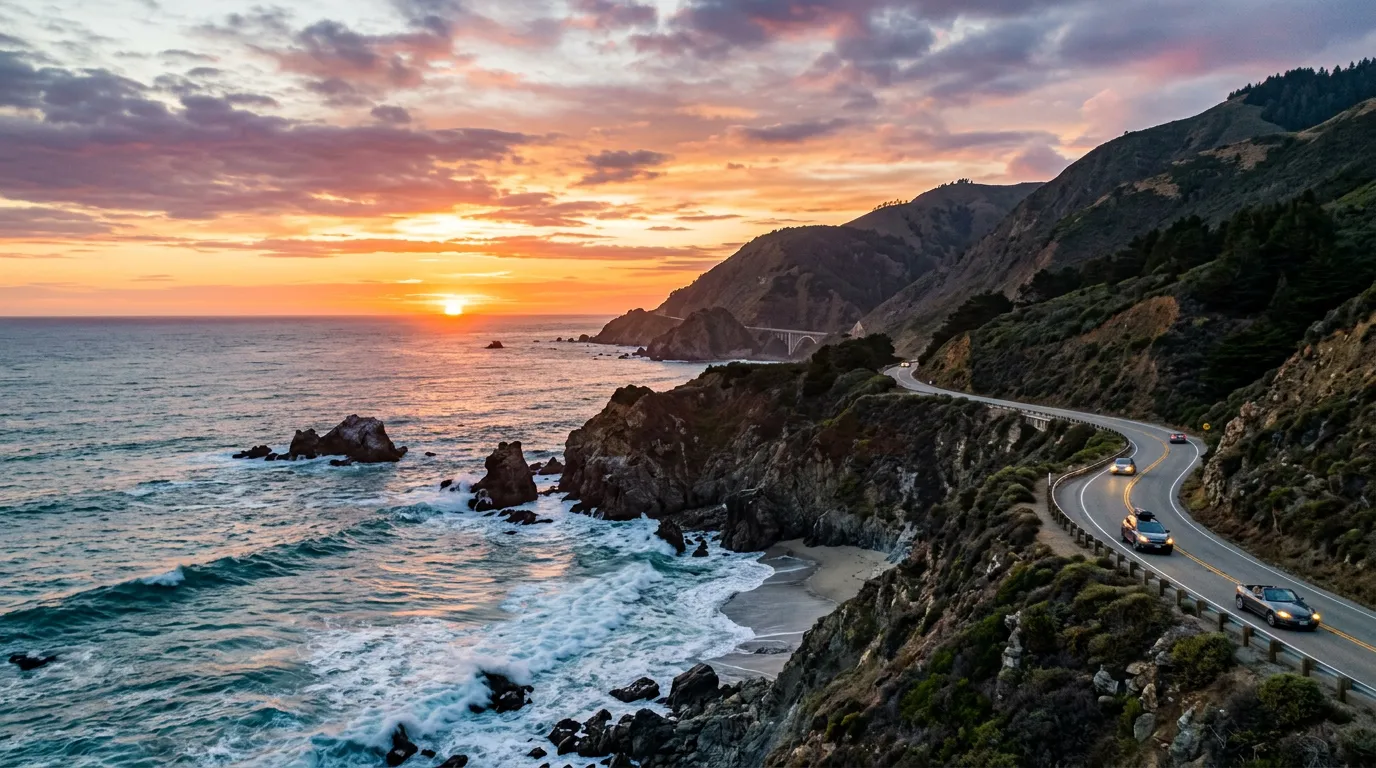
Essaouira
Excellent
Laid-back, artistic, coastal
Minimal street harassment compared to other Moroccan cities. The compact medina is easy to navigate on foot.
Relaxed Atlantic beach town with a creative spirit
Art galleries, live Gnawa music, and the annual Gnaoua Festival
Compact medina that takes 20 minutes to walk end to end
Popular with female artists, writers, and digital nomads
First-time solo female travelers who want a gentle introduction to Morocco
From 250 MAD/night in medina guesthouses
Chefchaouen
Excellent
Peaceful, photogenic, mountain village
Very safe with a small-town feel. Locals are accustomed to solo female travelers and overwhelmingly welcoming.
Blue-painted streets perfect for photography
Rif Mountain hiking trails from the town center
Small enough to know your way around in half a day
Strong local tradition of female artisans and weavers
Solo travelers who love photography, nature, and a slow pace
From 200 MAD/night in guesthouses
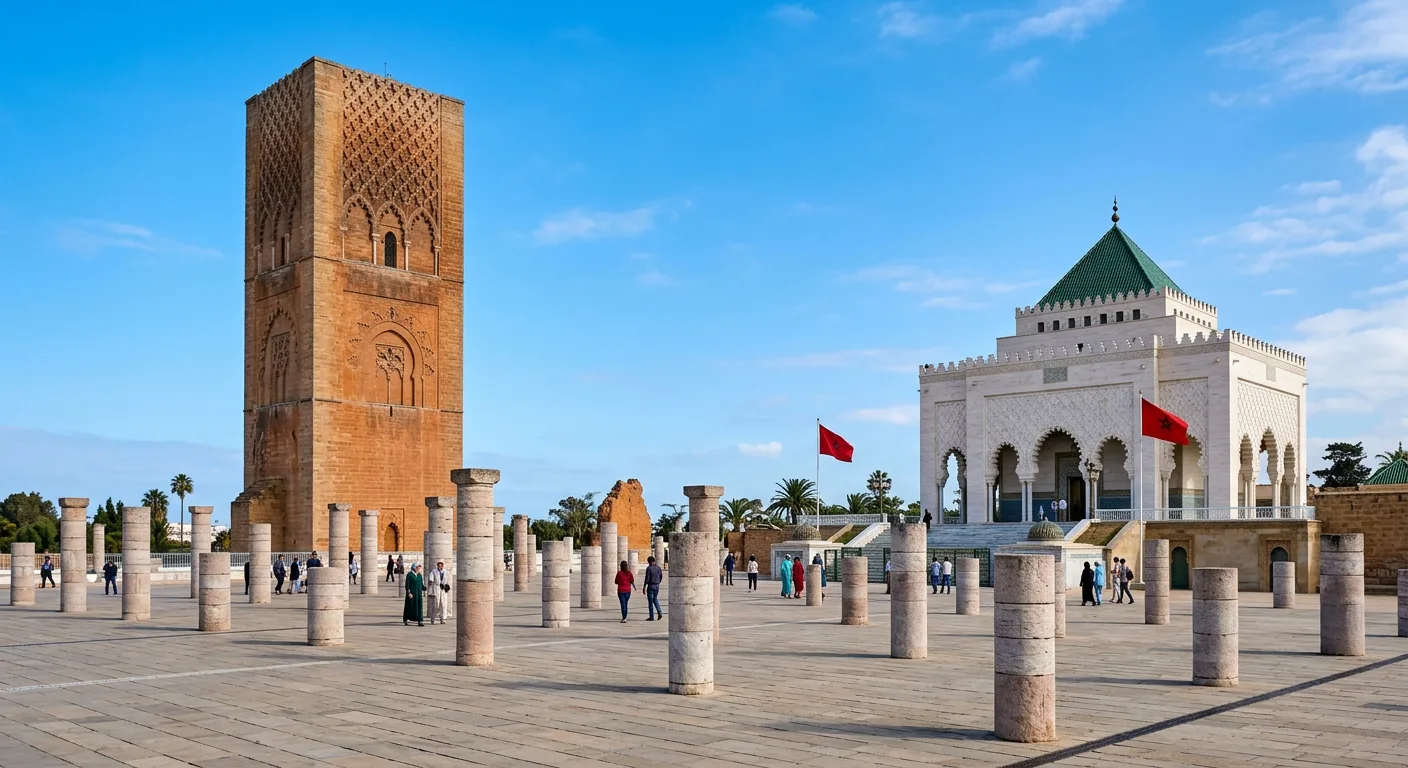
Rabat
Excellent
Modern, cosmopolitan, capital city
Morocco's most modern and regulated city. Strong police presence, wide boulevards, and a less tourist-dependent economy means far less hassle.
Kasbah of the Udayas overlooking the Atlantic
Mohammed V Mausoleum and Hassan Tower
Modern tram system connecting key areas
Thriving cafe culture in Agdal and Hassan neighborhoods
Solo women who prefer a European-feeling city with Moroccan culture beneath the surface
From 350 MAD/night in the city center

Marrakech
Good (with preparation)
Electric, intense, sensory overload
Generally safe but expect verbal attention in the medina and souks. Jemaa el-Fnaa square is busiest (and most intense) after sunset.
Jemaa el-Fnaa square — world-famous night market
Stunning riads, Bahia Palace, and Jardin Majorelle
World-class food scene from 30 MAD street stalls to fine dining
Hammam and spa options on every corner
Confident solo travelers ready for intensity and rich cultural immersion
From 300 MAD/night in medina riads
What to Wear in Morocco as a Woman
Dress code varies significantly by setting. A practical breakdown for every situation.
Medina & Souks
Cover shoulders and knees. Loose trousers or maxi skirt with a blouse or tunic. A lightweight scarf draped over shoulders. Flat shoes with good grip for cobblestone streets.
Avoid: Tank tops, shorts, tight-fitting clothing, flip-flops (uneven terrain)
Resort & Hotel Beaches
Bikinis and swimwear are perfectly acceptable at resort pools and private beaches. Cover up with a kaftan or sarong when walking to and from the beach.
Avoid: Nothing specific at resort beaches — just cover up when leaving the beach area
Public Beaches
A one-piece swimsuit or modest swimwear draws less attention. Many Moroccan women swim in leggings and a long t-shirt. Nobody will ask you to leave in a bikini, but expect stares at non-tourist beaches.
Avoid: Very revealing swimwear at non-tourist public beaches
Near Mosques & Religious Sites
Cover everything: long sleeves, long skirt or trousers, and a headscarf covering your hair. Most mosques in Morocco do not allow non-Muslim entry, but dress conservatively when visiting from outside.
Avoid: Any exposed skin above the ankle or wrist; uncovered hair
Rural & Mountain Areas
More conservative dress is appreciated. Loose long trousers, long sleeves, and a headscarf show respect. Sturdy hiking shoes are essential in the Atlas Mountains or Rif region.
Avoid: Shorts, sleeveless tops, tight athletic wear in villages
Modern Areas & Nightlife
Upscale restaurants in Gueliz (Marrakech), Casablanca, and Rabat allow more fashionable dress. A smart dress or blouse with trousers works well. Hotel bars and international venues are relaxed.
Avoid: Nothing specific at upscale venues — use your judgment for the venue
The Golden Rule
You do not need to wear a hijab or traditional Moroccan clothing. Morocco does not expect Western women to dress identically to local women. The key: shoulders covered, knees covered, loose fabrics. A large scarf is the single most versatile item you can pack — headscarf, shawl, beach cover-up, blanket on an overnight bus, privacy screen on a train. Bring two.
Cultural Awareness & Handling Unwanted Attention
Practical strategies from experienced solo female travelers. These work.
Walk with Confidence
Body language matters enormously in Morocco. Walk with purpose, head up, steady pace. Touts target people who look lost or hesitant. Even if you have no idea where you are, keep walking until you can check your phone away from the street.
Use "La, Shukran" Firmly
"La, shukran" (No, thank you) is the most powerful phrase you will use. Say it once, firmly, without smiling, and keep walking. Do not engage further — any response beyond the first is interpreted as willingness to negotiate.
Wear Sunglasses
Eye contact is often read as interest or invitation. Sunglasses create a physical and psychological barrier. They also let you observe your surroundings without accidentally inviting conversation.
Share Your Location
Send your daily plan to someone at home. Share your live location via WhatsApp. Keep your phone charged with a portable power bank. Buy a local SIM card at the airport (from 30 MAD) for data.
Trust Your Instincts
If a situation feels wrong, leave immediately. Step into a shop, restaurant, or riad. Moroccan shopkeepers and women understand the situation instantly and will help without you having to explain.
Carry a Fake Wedding Ring
A ring on your left hand signals that you are married. When asked, saying "yes, my husband is at the hotel" ends most conversations. You owe nobody the truth about your relationship status.
Local Women Are Your Greatest Allies
If you feel uncomfortable, approach a local woman or a family. Moroccan women understand the situation instantly and will help. Shopkeepers and restaurant staff respond quickly to a woman signaling distress. A simple "Can I stay here for a moment?" in English or French is understood everywhere in tourist areas.
Greetings & Eye Contact
"Salaam alaikum" (peace be upon you) opens doors and earns respect. Women greet other women with cheek kisses (usually two). With unknown men, place your hand over your heart and give a verbal greeting instead of a handshake — follow their lead. Prolonged eye contact with men can be read as interest, so keep it brief and purposeful.
Accommodation Tips for Solo Women
Your accommodation choice shapes the entire trip. Riads, hotels, and hostels each serve different needs.
All prices are starting prices. Seasonal pricing applies during peak months (October–April).
Riads (Best for Solo Women)
From 300 MAD/nightTraditional courtyard houses converted into guesthouses. Riads are the top choice for solo women — secure locked doors, gated entry, communal rooftop terraces to meet other travelers, and often female staff. Many riad owners arrange airport transfers, restaurant bookings, and trusted guides.
Look for: Reviews from solo female guests, female ownership or management, 24-hour reception, well-lit location in the medina
Hotels (Ville Nouvelle)
From 400 MAD/nightInternational-standard hotels in the new town (ville nouvelle) of each city offer familiarity. Sofitel, Movenpick, and Four Seasons have strong security protocols. A good option if you prefer a modern base with easy taxi access to the medina.
Look for: 24-hour front desk, in-hotel restaurant for late arrivals, well-lit parking area, ground-floor rooms available
Hostels (Budget Option)
From 80 MAD/night (dorm bed)Morocco has a growing hostel scene in Marrakech, Fes, and Essaouira. Female-only dorms are available at several hostels. Great for meeting other solo travelers over communal breakfasts and organized activities.
Look for: Female-only dorm option, lockers, recent reviews from solo women, social common area
Women-Only Hammams & Safe Neighborhoods
Traditional public hammams are gender-separated, so women always have their own sessions. Entry starts from 15 MAD for a neighborhood hammam, and the tayeba (female attendant) guides you through the scrubbing process. For a private experience, luxury hammams like Heritage Spa in Marrakech start from 400 MAD. Seasonal pricing may apply during peak months.
Recommended neighborhoods: In Marrakech, the area around Riad Zitoun and Mouassine is well-lit and well-trafficked. In Fes, stay near Bab Boujeloud or Talaa Kebira. In Rabat, Hassan and Agdal are modern and safe. In Essaouira, the entire medina is compact and easy to navigate.
Transport Safety for Solo Women
How to get around Morocco safely and confidently as a woman alone.
Prices shown are starting prices and vary by route and season.
ONCF Trains
Very safeThe safest way to travel between cities. First class (from 140 MAD Marrakech to Fes) is comfortable with fewer passengers. Sit near other women or families. Book at oncf.ma for guaranteed seats.
CTM & Supratours Buses
SafePremium bus companies with fixed schedules and assigned seats. CTM runs modern coaches between all major cities. Book online during peak season (October-April). Stick to day services.
Petit Taxis
Generally safeSmall colored city taxis (red in Marrakech, blue in Rabat, white in Casablanca). Insist on the meter or agree a price before departing. Sit in the back seat. Note the taxi number at night and share it via WhatsApp.
Grand Taxis
Safe with precautionsShared taxis between cities, typically old Mercedes sedans. Sit by the window, not the middle. You can pay for two seats for more space and privacy. Wait at official stations for shared departures rather than flagging one down.
Ride-Hailing Apps
Very safeinDrive and Careem operate in Marrakech, Casablanca, and Rabat. Digital receipts, driver identification, and GPS tracking add accountability. Excellent for airport transfers and late-night rides.
Avoid
- Night buses between cities (take day services or trains)
- Unofficial taxis without meters or marked identification
- Hitchhiking in any context
- Walking alone in poorly lit areas after midnight
Best Solo Activities for Women in Morocco
Activities that work brilliantly alone — and create natural connections with other travelers and Moroccan women.
Cooking Classes
From 300 MAD per classHalf-day Moroccan cooking classes in Marrakech, Fes, and Essaouira. You shop for ingredients in the souk with a local guide, then learn to make tagine, couscous, and pastilla in a riad kitchen. Classes are small (4-8 people) and attract solo travelers.
Top pick: La Maison Arabe in Marrakech runs daily classes from 550 MAD. Café Clock in Fes offers classes from 350 MAD.
Women's Argan Cooperatives
Free to visit (purchases optional)Along the road between Marrakech and Essaouira, women-run argan oil cooperatives invite visitors to see the traditional oil extraction process. These Berber cooperatives employ local women and sell pure argan oil, cosmetics, and amlou (argan-almond butter).
Top pick: Cooperative Marjana near Essaouira. Cooperative Tighanimine near Agadir. Both are run entirely by women.
Traditional Hammams
From 15 MAD (public) / from 400 MAD (luxury)Public hammams are gender-separated, making them a safe all-female space. A tayeba (female attendant) scrubs your skin with black soap and a kessa glove. This is where Moroccan women gather, socialize, and relax. Luxury options like Heritage Spa offer private rooms.
Top pick: For authentic: any public neighborhood hammam. For luxury: Heritage Spa Marrakech, Hammam Mouassine Marrakech.
Henna Art Sessions
From 50 MAD for a hand designHenna artists work throughout the medinas, but for the best experience, book through your riad or a trusted shop. Designs last 1-2 weeks. Avoid the aggressive henna women in Jemaa el-Fnaa who grab your hand — find a seated artist in the souk instead.
Top pick: Book through your riad or ask for a recommendation. Art du Henné in Marrakech is well-reviewed.
Pottery & Ceramics Workshops
From 200 MAD per sessionFes is the ceramics capital of Morocco. Workshops in the Ain Nokbi pottery quarter let you throw clay on a wheel and paint traditional geometric patterns. Most workshops are run by multi-generational family businesses.
Top pick: Art Naji in Fes offers tours and hands-on workshops. The Poterie de Fes cooperative is another solid choice.
Cities & Areas to Exercise Extra Caution
These areas are not off-limits, but they require heightened awareness — especially after dark.
Casablanca after dark
Morocco's economic capital has rougher edges than tourist cities. The area around Casa Port and the old medina can feel unsafe after 10 PM. Stick to Maarif, Anfa, and the Corniche at night.
Tangier port area
The port zone and lower medina near the ferry terminal attract touts and scammers targeting newly arrived travelers. Head directly to your accommodation by taxi.
Fes medina at night
The world's largest car-free urban area becomes a dark labyrinth after shops close (around 8 PM). Navigate with Google Maps offline and keep your phone accessible but discreet.
Rural areas alone
Traveling solo in remote villages or the countryside is not recommended. Language barriers, limited phone signal, and fewer witnesses increase vulnerability. Join a group trek for Atlas Mountains or desert excursions.
Jemaa el-Fnaa after midnight
Marrakech's main square thins out after midnight. The remaining crowd skews male and the food stalls close. Return to your riad by 11 PM or take a petit taxi directly.
Packing List Essentials for Women
What to pack with items specific to solo female travel in Morocco.
Clothing Essentials
Lightweight maxi skirts (2-3)
Loose linen or cotton trousers
Tunics and blouses that cover shoulders
Large scarf / pashmina (doubles as headscarf, blanket, beach cover)
Light cardigan for evenings and air conditioning
Comfortable flat shoes with good grip
Sandals for riads and relaxed settings
Safety & Practical
Portable door lock or rubber door stop
Headlamp or small flashlight (medina streets are dark)
Portable power bank (20,000 mAh recommended)
Local SIM card (buy at airport, from 30 MAD)
Copies of passport and insurance (physical + digital)
Whistle on keychain
Small crossbody bag with zipper (anti-theft)
Comfort & Wellness
Sunscreen SPF 50 (expensive in Morocco, bring from home)
Insect repellent
Hand sanitizer and wet wipes
Reusable water bottle with filter
Earplugs (call to prayer starts around 4:30 AM)
Period products (available but brands differ from Western ones)
Basic first aid kit with personal medications
Emergency Resources & Contacts
Save these numbers in your phone before you arrive. Screenshot this section.
Police
19National police for cities. Dial from any phone.
Gendarmerie (Rural Areas)
177Military police for rural zones and highways.
Tourist Police (Brigade Touristique)
Varies by cityDedicated units in Marrakech (near Jemaa el-Fnaa), Fes (Bab Boujeloud), and Agadir. English and French spoken.
Ambulance & Fire
15Emergency medical services. Response times vary outside cities.
SOS Helpline
0800 00 08 85Toll-free national helpline for emergencies.
US Embassy (Rabat)
+212 537 637 200Km 5.7, Avenue Mohammed VI, Souissi, Rabat.
UK Embassy (Rabat)
+212 537 633 33328 Avenue SAR Sidi Mohammed, Rabat.
Canadian Embassy (Rabat)
+212 537 687 40066 Mehdi Ben Barka Avenue, Souissi, Rabat.
Travel Insurance
Buy comprehensive travel insurance before departure. Ensure it covers medical evacuation, as rural hospitals have limited facilities. Keep a digital copy of your policy on your phone and a printed copy in your bag. Most clinics in Marrakech and Casablanca accept international insurance, but you may need to pay upfront and claim reimbursement afterward.
Frequently Asked Questions
Is Morocco safe for solo female travelers?
Yes, Morocco is generally safe. Millions of women visit each year without incident. The main challenges are verbal street harassment and persistent touts, not physical danger. Dress modestly, stick to well-trafficked areas, and book reputable accommodation.
What should women wear in Morocco?
Cover shoulders and knees in cities and medinas. A lightweight scarf is invaluable. Coastal cities and beach resorts are more relaxed. At resort beaches, swimwear is fine; at public beaches, choose a one-piece or modest swimwear for less attention.
What are the best cities for solo female travelers?
Essaouira is the most relaxed and female-friendly. Chefchaouen is very safe with a small-town feel. Rabat is modern, cosmopolitan, and hassle-free. Marrakech is more intense but deeply rewarding with preparation.
How do I deal with unwanted attention from men?
Walk with confidence, wear sunglasses, and use a firm "La, shukran" (No, thank you). Do not engage beyond the first response. If someone follows you, step into a shop, restaurant, or riad. A fake wedding ring reduces some attention. Local women and shopkeepers will help immediately.
Are riads safe for solo women?
Riads are excellent for solo women. Many have female staff, secure gated entry, and communal spaces for meeting other travelers. Check for reviews from solo female guests. Prices start from 300 MAD per night; seasonal pricing applies during peak months.
What solo activities work best for women in Morocco?
Cooking classes (from 300 MAD), women-only hammams (from 15 MAD public, from 400 MAD luxury), women's argan cooperatives near Essaouira, henna sessions (from 50 MAD), and pottery workshops in Fes are all excellent. These create natural connections with Moroccan women and other travelers.
What emergency numbers should I save?
Police: 19. Gendarmerie (rural): 177. Ambulance/Fire: 15. SOS Helpline: 0800 00 08 85 (toll-free). Tourist Police are stationed in Marrakech (near Jemaa el-Fnaa), Fes (Bab Boujeloud), and other major cities. Save your embassy's number as well.
Related Guides
Morocco Safety Guide
Complete safety guide covering scams, health, emergency contacts, and travel insurance for all travelers.
Read moreMorocco Packing List
Season-by-season packing guide with gear, clothing, and essentials for every type of trip.
Read moreMorocco Etiquette Guide
Essential dos and don'ts for respectful travel, from greetings to dining to tipping customs.
Read moreSolo Travel Morocco
General solo travel guide for Morocco covering itineraries, budget tips, and meeting other travelers.
Read moreReady to Plan Your Solo Morocco Trip?
Morocco rewards solo female travelers with experiences that group tours cannot replicate — bargaining one-on-one in the souks, sharing a hammam with local women, watching the sunset from a rooftop riad in Fes with nobody else's schedule to follow. The preparation is worth it. The memories last decades.