Discovering...
Plant-Based Travel Guide
Vegan Food in Morocco:
Your Complete Plant-Based Guide
From 10 MAD bessara bowls at dawn street stalls to gourmet vegetable tagines in palace gardens. Morocco is far more vegan-friendly than you might expect.
Morocco: A Hidden Gem for Plant-Based Travelers
Morocco might not be the first destination that comes to mind for vegan travelers, but it should be. Moroccan cuisine has deep roots in vegetable-based cooking. Long before veganism became a global movement, Moroccan kitchens were producing some of the world's most flavorful plant-based dishes: smoky zaalouk, protein-rich bessara, aromatic vegetable tagines slow-cooked with saffron and preserved lemons.
The traditional Moroccan meal begins with a spread of cooked salads, almost all of which are naturally vegan. Markets overflow with fresh, seasonal produce at prices that make European vegans weep with joy. A kilo of tomatoes for 5 MAD, a bag of fresh mint for 2 MAD, a liter of golden olive oil for 40 MAD. The raw ingredients of a fantastic plant-based diet are everywhere.
The challenge for vegan visitors is not a lack of options, but knowing how to navigate a food culture where butter, dairy, and meat are woven into many traditional preparations. This guide gives you everything you need: the dishes to seek out, the phrases to use, the restaurants to visit, and the pitfalls to avoid. With a little preparation, eating vegan in Morocco is not just possible, it is genuinely wonderful.
Naturally Vegan Moroccan Dishes
These traditional Moroccan dishes are plant-based by nature. No special requests needed, just order and enjoy.
Prices are approximate starting prices at local restaurants. Tourist-area restaurants may charge more.
Zaalouk
Cooked Salad / DipFrom 15 MAD
Morocco's most beloved cooked salad. Smoky roasted eggplant mashed with tomatoes, garlic, cumin, paprika, and olive oil. Served warm or at room temperature as a side dish or with bread. Found in virtually every restaurant in the country.
Tip: Ask for extra olive oil drizzled on top. It is always vegan unless a restaurant adds something unusual.
Bessara
SoupFrom 10 MAD
A thick, earthy soup made from dried split fava beans, blended smooth and served with a generous pour of olive oil, cumin, and paprika. A staple Moroccan breakfast, especially in winter. Incredibly filling, high in protein, and always vegan.
Tip: Look for street stalls serving bessara in the morning. It is eaten with fresh khobz (bread) for dipping.
Harira (Vegetarian Version)
SoupFrom 15 MAD
Morocco's iconic tomato-based soup with lentils, chickpeas, fresh herbs, and a silky texture from hand-beaten flour. Traditionally made with lamb, but many restaurants offer a meat-free version. During Ramadan, it is everywhere. Ask for "harira bla l7em" (harira without meat).
Tip: Some versions include a small amount of butter or egg for thickening. Always ask if the vegetarian version is fully vegan.
Lentil Soup (Adess)
SoupFrom 12 MAD
Simple, warming, and universally vegan. Red or brown lentils cooked with tomatoes, onion, cumin, turmeric, and sometimes a squeeze of lemon. Available at nearly every Moroccan eatery and street stall. A deeply nourishing meal in a bowl.
Tip: Pair it with fresh bread and a side of olives for a complete, affordable vegan meal.
Vegetable Tagine
Main CourseFrom 50 MAD
A slow-cooked stew of seasonal vegetables in a conical clay pot. Common combinations include potato, carrot, zucchini, turnip, and olives with preserved lemon. Some versions feature prunes or apricots for sweetness. The sauce is flavored with saffron, ginger, and ras el hanout.
Tip: Specify "tagine dial khodra bla l7em, bla zibda" (vegetable tagine without meat, without butter) to ensure it is fully vegan.
Msemmen
BreadFrom 5 MAD
A flaky, square-shaped Moroccan flatbread, folded in layers and cooked on a griddle. Traditionally made with flour, semolina, oil, salt, and water. Many versions are naturally vegan, though some cooks use butter between the layers. Served at breakfast or as a snack.
Tip: Street vendors almost always use oil. In restaurants, confirm by asking "wach fih zibda?" (does it contain butter?).
Baghrir
Bread / PancakeFrom 5 MAD
Moroccan spongy semolina pancakes, covered in tiny holes that absorb toppings beautifully. The batter is simply semolina flour, regular flour, yeast, and water. Naturally vegan. Traditionally served with a butter-honey mixture, but you can request olive oil and amlou (argan butter) instead.
Tip: At street stalls, ask to skip the butter topping. Eat them with jam or argan oil for a fully vegan breakfast.
Taktouka
Cooked SaladFrom 15 MAD
A smoky, spiced salad of roasted green peppers and tomatoes, seasoned with garlic, cumin, and paprika, finished with olive oil. Often served alongside zaalouk as part of the traditional salad spread at the start of a Moroccan meal. Always vegan.
Tip: Request the full salad spread ("salades Marocaines") and you will get several naturally vegan dishes at once.
Loubia
StewFrom 15 MAD
A hearty white bean stew cooked in a rich tomato sauce with cumin, paprika, and olive oil. A Moroccan comfort food staple, high in protein and fiber. Found at street stalls and casual restaurants across the country.
Tip: Loubia is almost always vegan. Some versions in the north may include a small amount of preserved meat; just ask.
Cooked Carrot Salad
Cooked SaladFrom 10 MAD
Tender carrots cooked until soft, then dressed with a chermoula of garlic, cumin, paprika, vinegar, fresh cilantro, and olive oil. A ubiquitous side dish in Moroccan restaurants, always served at room temperature and always vegan.
Tip: Part of the salad course served before the main dish. Ask for extra bread to enjoy with the olive oil dressing.
How to Order Vegan in Darija
Moroccan Arabic (Darija) phrases that will make ordering plant-based food dramatically easier. Practice these before your trip.
Numbers in Darija transliteration represent Arabic sounds: 7 = strong H, 3 = ain. Do not worry about perfect pronunciation, Moroccans will understand your effort.
Darija
English
When to Use
Bla l7em
Without meat
The most essential phrase. Use it every time you order.
Bla djaj
Without chicken
Chicken is separate from "meat" in Darija. Specify both.
Bla 7lib
Without milk
Useful for drinks and dishes that might contain dairy.
Bla zibda
Without butter
Butter is common in tagines and couscous. Always mention it.
Bla jban
Without cheese
Less common in traditional dishes but useful in modern cafes.
Bla bid
Without eggs
Important for pastries and some soups like harira.
Ghir khodra
Only vegetables
A clear, simple request that works in any restaurant.
Ana ma kan akelch l7em
I do not eat meat
A full sentence explaining your diet. Very useful.
Wach fih l7em?
Does it contain meat?
Ask before ordering any dish you are unsure about.
Wach fih zibda?
Does it contain butter?
Critical for bread, couscous, and tagines.
Wach fih 7lib?
Does it contain milk?
For coffee, smoothies, and pastries.
Nebghi tagine dial khodra
I want a vegetable tagine
Direct and clear order for the safest vegan main course.
Pro Tip: Carry a Dietary Card
Write your dietary requirements in Arabic on a card or save them on your phone. A message like "I do not eat meat, chicken, fish, dairy, eggs, or honey" translated into Arabic script will be understood everywhere and avoids any confusion. Ask your riad host to help write one for you.
Vegan-Friendly Restaurants by City
From dedicated vegan cafes to traditional restaurants with excellent plant-based options. Where to eat in every major Moroccan destination.

Marrakech
Morocco's vegan capital. Marrakech has the most plant-based options of any Moroccan city, from dedicated vegan cafes in the new town to traditional restaurants in the medina that excel at vegetable dishes. The city's international tourism scene has driven a surge in health-conscious dining.
Nomad · Modern Moroccan
Rooftop terrace, excellent vegetable dishes, medina location
Le Jardin · Garden Restaurant
Hidden garden in medina, strong vegan menu, beautiful setting
KAOWA · Vegan Cafe
Fully vegan menu, smoothie bowls, vegan pastries, Gueliz area
Cafe Clock · Cultural Cafe
Vegan options clearly marked, cooking workshops, cultural events
Earth Cafe · Vegan Restaurant
Dedicated vegan restaurant near Jemaa el-Fna, large menu
Amal Center · Social Enterprise
Women's training restaurant, daily vegetable tagine, set menu
Fes
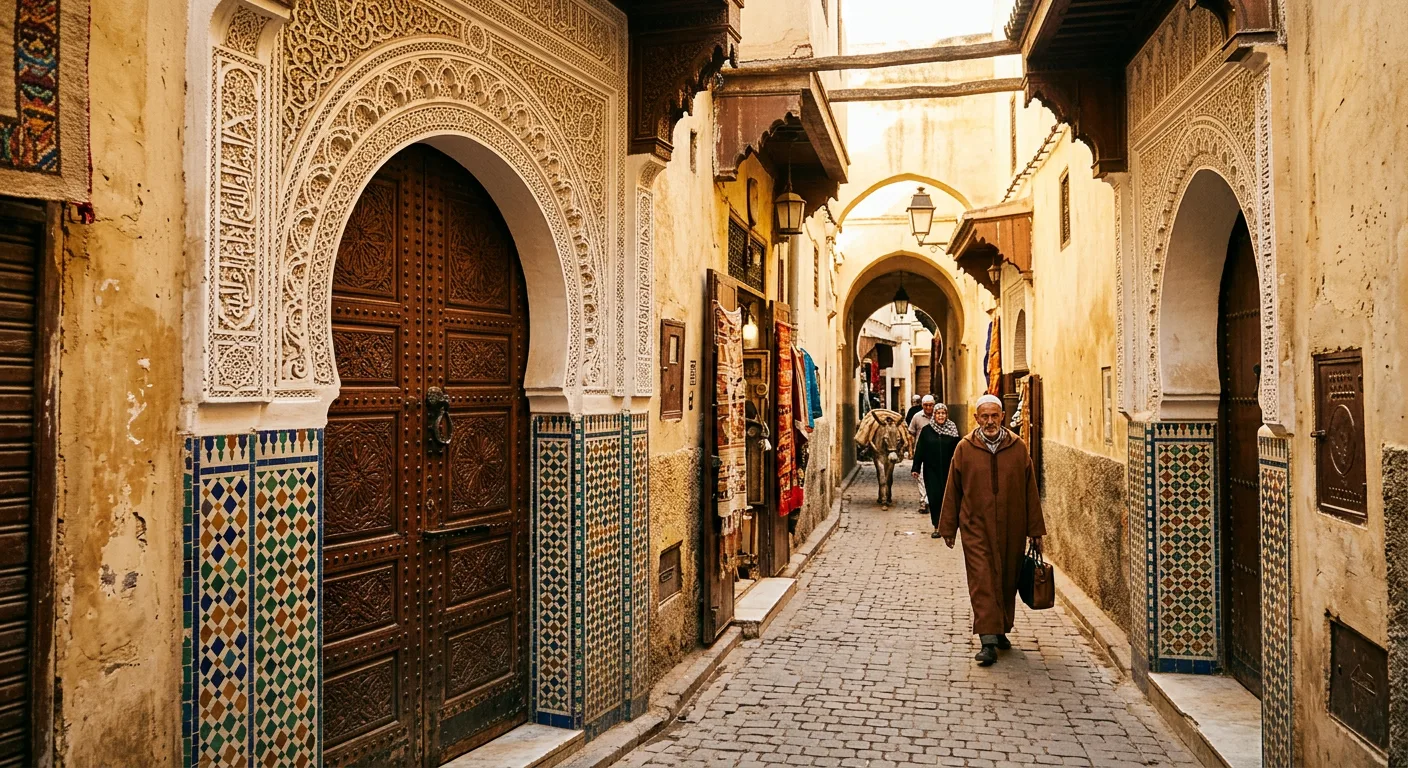
Fes is Morocco's culinary capital, and while the city is known for its meat-heavy dishes, the traditional salad courses and vegetable preparations here are exceptional. The medina restaurants serve some of the best zaalouk and bessara in the country. Dedicated vegan spots are fewer but growing.
Cafe Clock Fes · Cultural Cafe
Vegan options on menu, cooking classes available, medina location
The Ruined Garden · Garden Restaurant
Open-air ruin garden, seasonal vegetables, advance booking needed
Riad Laaroussa Restaurant · Fine Dining
Will prepare fully vegan tasting menu with advance notice
Chez Rachid · Traditional
Excellent vegetable tagines and lentil dishes, authentic local spot
Essaouira
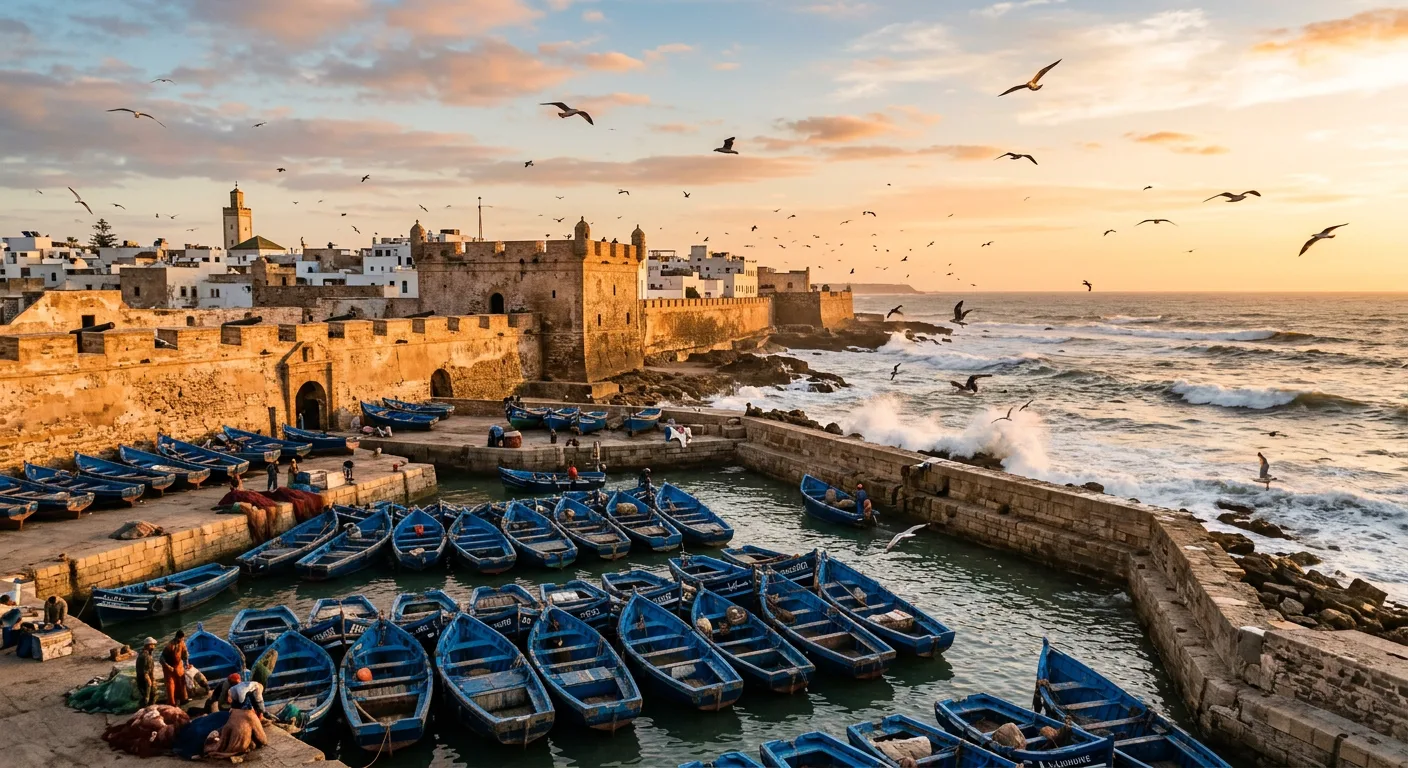
Essaouira's bohemian, laid-back atmosphere has attracted a community of health-conscious travelers and expats. The result is a disproportionate number of vegetarian and vegan-friendly restaurants for a city its size. Fresh produce comes directly from the surrounding Argan forest region.
Vaga · Vegetarian/Vegan
Dedicated vegetarian restaurant, many vegan options, medina
Salut Maroc! Rooftop · Rooftop Restaurant
Ocean views, creative plant-based dishes, sunset dining
Triskala Cafe · World Kitchen
International menu with strong vegan selection, relaxed vibe
Miyame · Health Cafe
Smoothie bowls, vegan wraps, fresh juices, organic ingredients
Gusto Italia · Italian/Moroccan
Vegan pasta and pizza options alongside Moroccan dishes
Casablanca
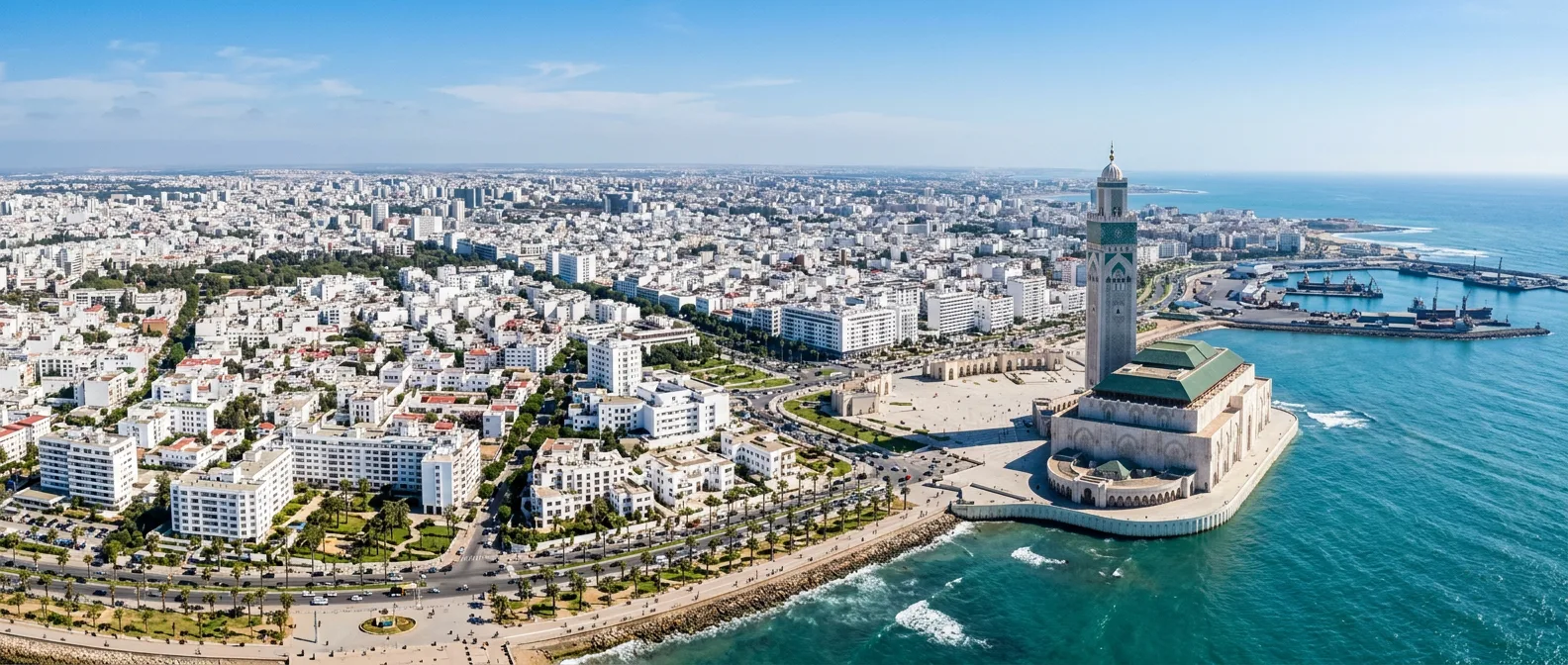
Casablanca's modern, cosmopolitan dining scene includes several fully plant-based restaurants and many conventional restaurants with strong vegan options. The city's international influence means you will find vegan sushi, vegan burgers, and plant-based fine dining alongside traditional Moroccan vegetable dishes.
Veggie · Vegan Restaurant
Fully vegan menu, modern decor, Maarif district, great desserts
Le Botaniste · Health Cafe
Plant-based bowls, cold-pressed juices, organic ingredients
Blend Gourmet Burger · Burger Restaurant
Offers plant-based burger options alongside regular menu
NKoa · African Fusion
Pan-African menu with creative vegan dishes, stylish setting

Chefchaouen
The Blue City is surprisingly vegan-friendly. The Rif Mountain cuisine emphasizes fresh vegetables, herbs, and olive oil. Local restaurants serve excellent lentil soups, vegetable tagines, and fresh salads at very affordable prices. The slower pace of life means meals are prepared with care.
Aladdin Restaurant · Traditional
Vegetable tagines and soups, rooftop views of the blue medina
Cafe Clock Chefchaouen · Cultural Cafe
Vegan-marked menu, cooking workshops, great atmosphere
Bab Ssour · Traditional Moroccan
Home-style vegetable dishes, very affordable, family-run
Sofia Restaurant · Traditional
Excellent lentil dishes, fresh salads, mountain herb teas
Vegan Street Food Guide
The best plant-based street food you can grab on the go. These are the snacks and quick meals that fuel vegan travelers across Morocco.
Item
Price
Where
Note
Bessara
From 10 MAD
Morning street stalls everywhere
Fava bean soup with olive oil. The quintessential vegan street breakfast.
Msemmen with honey or jam
From 5 MAD
Street griddle vendors
Ask for oil-based version. Skip butter. Pair with jam for a vegan option.
Baghrir
From 5 MAD
Street vendors, especially mornings
Naturally vegan pancakes. Ask for argan oil topping instead of butter-honey.
Olives and pickled vegetables
From 10 MAD
Olive stalls in every souk
Dozens of varieties. Always vegan. Great with bread.
Fresh orange juice
From 5 MAD
Juice stalls on every corner
Freshly squeezed. The 5 MAD glass is Morocco's best bargain.
Roasted corn
From 10 MAD
Street cart vendors, seasonal
Charcoal-grilled corn on the cob. Simple and delicious. Summer only.
Dried fruits and nuts
From 20 MAD
Souk vendors and nut shops
Dates, figs, almonds, walnuts. Perfect high-energy vegan snacking.
Avocado smoothie
From 15 MAD
Juice bars in medinas
Often made with milk. Ask for "bla 7lib" (without milk) or with water/juice.
Sfenj (Moroccan doughnuts)
From 3 MAD
Early morning stalls
Fried dough rings, usually vegan (flour, water, yeast, salt). Eat fresh.
Loubia sandwich
From 15 MAD
Street food stalls
White bean stew stuffed in bread. A filling, cheap, protein-rich vegan meal.
Vegan Cooking Classes
Learn to recreate authentic Moroccan vegan dishes at home. These cooking schools offer dedicated or adaptable plant-based classes.
Souk Cuisine
Marrakech4-5 hours
Market-to-table experience starting with a guided souk tour to buy fresh produce. Offers a dedicated vegan class where you learn to make zaalouk, vegetable tagine, Moroccan salads, and harira without meat. Small groups of 6-10 people.
Souk shopping tour
Hands-on cooking
Vegan-specific class available
Recipe booklet included
Amal Center
Marrakech3-4 hours
A social enterprise training disadvantaged women in culinary arts. Their cooking workshops teach traditional Moroccan recipes and can accommodate fully vegan requests. The experience supports a meaningful cause.
Social enterprise
Supports women's training
Vegan adaptable
Intimate groups
Palais Amani
Fes4 hours
Cooking class in a beautifully restored palace in the Fes medina. The chef accommodates vegan requests and teaches traditional Fassi vegetable preparations, including pigeon-free pastilla alternatives and artisan bread-making.
Palace setting
Expert chef instruction
Market visit included
Certificate provided
L'Atelier de Madada
Essaouira3-4 hours
Located in the Essaouira medina, this cooking school specializes in coastal Moroccan cuisine. Vegan classes focus on vegetable tagines, argan oil preparations, chermoula, and seasonal salads using the freshest local produce.
Coastal Moroccan speciality
Fresh market ingredients
Small group sizes
Argan oil dishes
Grocery Shopping for Vegans
Morocco's markets are a vegan paradise. Fresh produce at unbelievable prices, artisan oils, dried legumes, and spices. Here is how to shop smart.
Visit the Souk Early
Fresh produce markets open at dawn and the best selection is before 10 AM. Prices are lowest at local neighborhood souks, not the tourist-facing ones. Bring your own bags.
Know Your Markets
Every Moroccan city has a central vegetable market (souk dial khodra) separate from the tourist souk. Ask your riad host for directions. Prices are typically 50% lower than tourist areas.
Stock Up on Legumes
Dried lentils, chickpeas, and fava beans are sold by the kilo at very low prices (from 15 MAD/kg). These are the backbone of vegan protein in Morocco. Canned versions are also widely available.
Fresh Bread Daily
Neighborhood bakeries (ferran) bake fresh khobz every morning. It costs from 1.50 MAD per loaf and is almost always vegan. Some bakeries also make msemmen and baghrir to order.
Argan Oil and Olive Oil
Buy olive oil from cooperative shops for the best quality and price (from 40 MAD/liter). Culinary argan oil is found in the Essaouira and Agadir regions (from 80 MAD for a small bottle). Both are vegan kitchen essentials.
Supermarkets for Specialty Items
Marjane, Acima, and Carrefour carry plant milk, tofu, and some specialty vegan products. Selection is growing but limited compared to European supermarkets. Stock up when you find items.
Seasonal Produce Guide
What is fresh and at its best in Moroccan markets throughout the year. Eating seasonally means the best flavors and the lowest prices.
Spring (March - May)
ArtichokesFava beans (ful)Green peasFresh herbs (cilantro, parsley, mint)StrawberriesOranges (late season)New potatoesAsparagus
Spring is the season for artichoke tagine, fresh fava bean salads, and herb-packed dishes. Markets are at their most colorful.
Summer (June - August)
TomatoesPeppersEggplantZucchiniWatermelonMelonFigsGrapesPeachesCorn
Peak season for zaalouk and taktouka. Grilled vegetables, fresh salads, and abundant fruit. Markets overflow with produce at the lowest prices.
Autumn (September - November)
PumpkinSweet potatoOlives (harvest season)PomegranatesQuincePersimmonsLate figsGrapesDates
Pumpkin tagine season begins. Fresh olive oil appears in markets. Pomegranate salads and quince desserts. Rich, warming vegetable stews.
Winter (December - February)
OrangesClementinesLemonsTurnipsCarrotsBeetsCauliflowerCabbageCeleryFennel
Soup season: bessara, harira, and lentil soup are everywhere. Root vegetable tagines. Citrus at its peak. Preserved lemon dishes shine.
Vegan-Friendly Riads & Hotels
Where to stay when you want your accommodation to support your plant-based diet. These riads go beyond basic accommodation to offer genuinely vegan-friendly hospitality.
Riad Jnane Mogador
MarrakechFully vegan breakfast available on request. Organic garden. Will prepare vegan dinner with advance notice.
Riad 72
MarrakechLuxury riad with excellent kitchen. Chef accommodates vegan guests with multi-course plant-based meals.
Dar Namir
FesEco-conscious riad. Vegan breakfast standard. Uses locally sourced organic produce.
Villa Maroc
EssaouiraHistoric riad with a kitchen that excels at Moroccan salads and vegetable tagines. Vegan-friendly on request.
Lina Ryad & Spa
ChefchaouenMountain riad with fresh local produce. Vegan breakfast and dinner options available.
Tip for any riad: Even riads not listed here will often accommodate vegan requests if you inform them at booking. Moroccan hospitality means hosts genuinely want to feed you well. Send a message before arrival explaining your dietary needs and most will happily prepare a vegan breakfast and dinner.
Vegan Food Price Guide
What to expect to pay for vegan food across Morocco. Plant-based eating is generally the most affordable way to eat in the country.
All prices are starting prices. Tourist areas and upscale restaurants charge more. Prices in Marrakech and Casablanca are typically 20-30% higher than smaller cities.
Item
Price
Note
Bessara (street stall)
From 10 MAD
Cheapest hot meal in Morocco
Lentil soup (street stall)
From 12 MAD
With bread included
Zaalouk portion (restaurant)
From 15 MAD
Part of salad course, often included
Vegetable tagine (local restaurant)
From 50 MAD
The vegan staple main course
Vegetable tagine (tourist restaurant)
From 80 MAD
Higher quality, better service
Vegetable couscous (Friday)
From 60 MAD
Available everywhere on Fridays
Vegan meal (dedicated vegan cafe)
From 55 MAD
Bowl, salad, or wrap
Fine dining vegan tasting menu
From 300 MAD
Multi-course at upscale restaurants
Vegan cooking class
From 350 MAD
Includes market visit and full meal
Fresh juice
From 5 MAD
Orange juice at street stalls
Daily market produce budget
From 30 MAD
Enough fresh fruit and veg for a day
Vegan riad breakfast
From 50 MAD
When included in room rate or ordered separately
Challenges & How to Handle Them
Eating vegan in Morocco is very doable, but these are the real-world challenges you may encounter and exactly how to navigate them.
Hidden butter in couscous and tagines
commonAlways ask "bla zibda" (without butter). Traditional couscous is finished with a large knob of butter. Request olive oil instead. Most cooks will happily accommodate.
Meat stock in soups
commonHarira and some soups may use meat-based broth even when no visible meat is present. Ask specifically if the base is vegetable or meat. Bessara and lentil soup are almost always safe.
Honey on pastries and pancakes
moderateMoroccan breakfast items are often drizzled with honey. Ask for jam (confiture) or argan oil as alternatives. Most restaurants will have these available.
Milk in coffee and smoothies
moderateMoroccan coffee ("noss-noss") is half milk by default. Order "qahwa kahla" (black coffee) or bring your own plant milk. Smoothie bars rarely stock plant milk; ask for juice-based blends.
Language barrier in rural areas
moderateOutside major cities, the concept of veganism may not be well understood. Using the phrases "ghir khodra" (only vegetables) and "bla l7em, bla djaj, bla 7lib" works better than trying to explain veganism. Carry a translated dietary card.
Limited options during Ramadan
seasonalDuring Ramadan, many restaurants close during the day. Iftar meals are often meat-heavy. However, harira and dates are always available, and many families prepare extra vegetable dishes. Stock up on snacks from markets.
Social dining pressure
culturalMoroccans are incredibly hospitable. If invited to a home, politely explain your diet in advance. Most hosts will prepare special vegetable dishes for you. Bringing a vegan dish to share is always appreciated.
Cross-contamination in shared kitchens
moderateSmall restaurants may cook vegan dishes in the same pans as meat. If strict avoidance is important, choose dedicated vegan restaurants or cook in your riad kitchen. Larger restaurants can usually accommodate.
Vegan Morocco: Flavors & Markets
Traditional Cooked Salad Spread
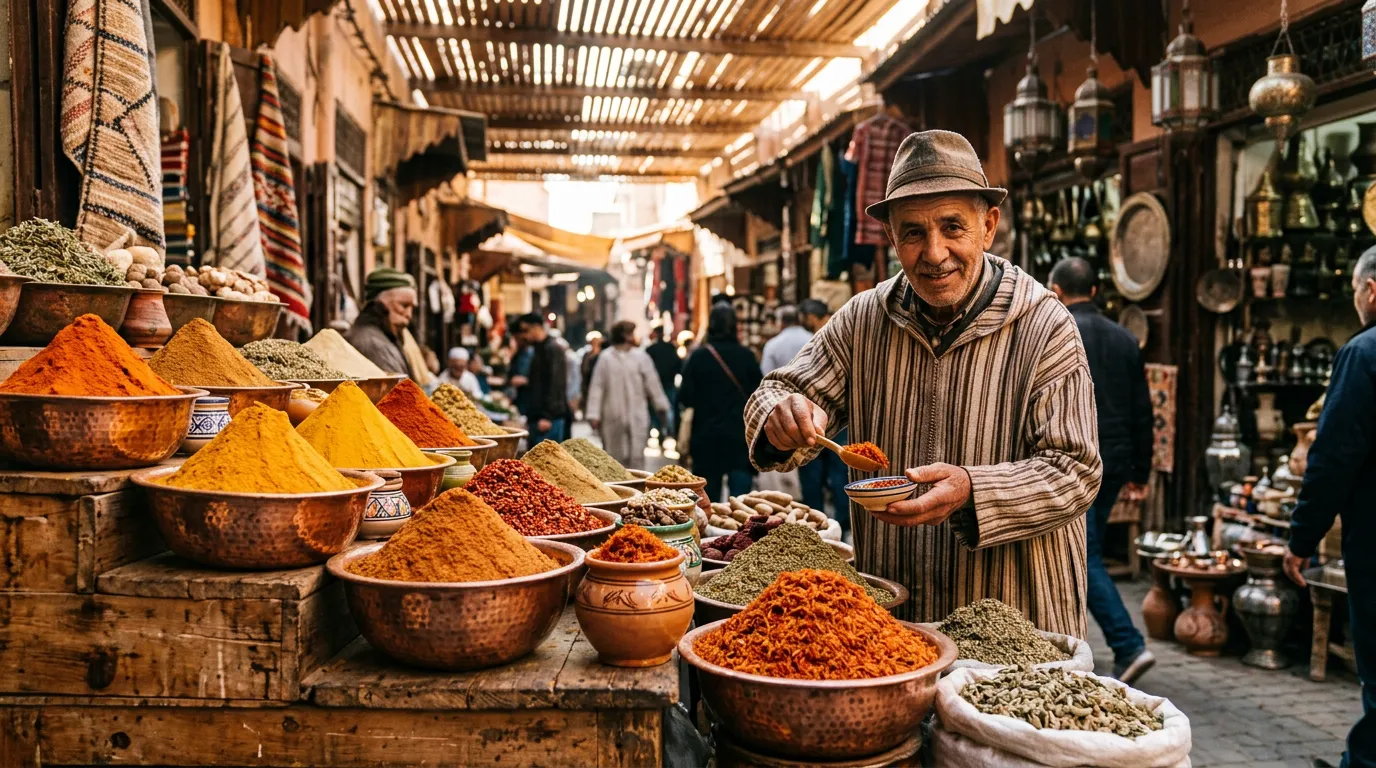
Spice Market
Vegetable Tagine
Practical Tips for Vegan Travelers
Bring Your Own Plant Milk
Plant milk is available in some supermarkets (Marjane, Carrefour) but rarely in cafes or restaurants. If you need it daily for coffee, buy a carton and carry it. Oat and soy milk are the most commonly stocked options. Almond milk is occasionally available.
Use HappyCow App
The HappyCow app is essential for finding vegan and vegetarian restaurants in Morocco. Listings are user-reviewed and regularly updated. Download offline maps before your trip in case of patchy internet in medinas.
Eat Where Locals Eat
The cheapest and often the most naturally vegan food is at local street stalls and small family-run restaurants. Bessara stalls, soup vendors, and bread bakeries serve entirely plant-based food by default. Tourist restaurants are more expensive and sometimes less authentic.
Friday Is Couscous Day
On Fridays, every Moroccan restaurant serves couscous. Vegetable couscous (couscous bel khodra) is widely available but is almost always finished with butter. Ask clearly for a butter-free version or enjoy it at a dedicated vegan restaurant.
Pack Emergency Snacks
For long bus rides, remote areas, or late-night arrivals, carry dried fruit, nuts, and energy bars. Morocco's dates are exceptional and a perfect travel snack. Buy a bag of Medjool dates from any market (from 40 MAD/kg).
Be Gracious and Flexible
Moroccans are extraordinarily hospitable. If a dish arrives with a small amount of dairy you did not expect, handle it gracefully. Thank your host, eat what you can, and be more specific next time. A positive attitude goes much further than rigid demands.
Frequently Asked Questions
Is Morocco a good destination for vegan travelers?
Yes, and it is better than most people expect. Moroccan cuisine has a wealth of naturally vegan dishes. The traditional salad course is almost entirely plant-based, markets overflow with fresh produce at very low prices, and major cities like Marrakech and Essaouira now have dedicated vegan restaurants. The key is knowing what to order and how to communicate your dietary needs.
What Moroccan dishes are naturally vegan?
Many of the most beloved Moroccan dishes are naturally vegan: zaalouk (smoky eggplant and tomato dip), bessara (fava bean soup), taktouka (pepper and tomato salad), loubia (white bean stew), cooked carrot salad, lentil soup, vegetable tagine, msemmen (flatbread, oil-based versions), baghrir (semolina pancakes), and sfenj (doughnuts). The traditional Moroccan salad spread served at the start of meals is a vegan treasure trove.
How do I order vegan food in Moroccan Arabic (Darija)?
The most useful phrases are: "Bla l7em" (without meat), "Bla djaj" (without chicken), "Bla zibda" (without butter), "Bla 7lib" (without milk), "Ghir khodra" (only vegetables). For a full explanation, say "Ana ma kan akelch l7em" (I do not eat meat). Carry a written Arabic card with your dietary restrictions for situations where verbal communication is difficult.
Which Moroccan city is best for vegan food?
Marrakech leads with the most vegan-dedicated restaurants and health-conscious cafes. Essaouira is a close second thanks to its bohemian food scene and international community. Chefchaouen offers simple, affordable, and naturally plant-heavy Rif Mountain cuisine. Fes excels at traditional vegetable dishes within its historic medina restaurants. Casablanca has the most modern, internationally-influenced vegan dining scene.
Are there vegan cooking classes in Morocco?
Yes. Cooking schools in Marrakech, Fes, and Essaouira offer vegan-specific or vegan-adaptable classes. Prices start from 350 MAD per person and typically include a guided market visit to buy fresh ingredients, followed by hands-on cooking of 3-4 traditional Moroccan vegan dishes. Classes run 3-5 hours and you eat everything you cook.
Is Moroccan bread vegan?
Most Moroccan bread (khobz) is naturally vegan, made with flour, water, yeast, salt, and sometimes semolina. Neighborhood bakeries bake it fresh every morning for from 1.50 MAD per loaf. Msemmen and meloui are usually made with oil, though some cooks use butter between layers, so always ask. Baghrir (spongy semolina pancakes) is reliably vegan. Sfenj (doughnuts) are vegan too, made from simple fried dough.
Can I eat vegan on a budget in Morocco?
Absolutely. Vegan eating in Morocco can be remarkably cheap. A bessara breakfast costs from 10 MAD, a lentil soup lunch from 12 MAD, and a vegetable tagine dinner from 50 MAD. Add fresh bread (from 1.50 MAD), olives (from 10 MAD), and fresh orange juice (from 5 MAD), and you can eat extremely well for under 100 MAD per day. Market produce is even cheaper if you cook in your accommodation.
Is it safe to eat street food as a vegan in Morocco?
Yes, with normal precautions. Vegan street food (bessara, bread, olives, fresh juice, sfenj) is generally safe because it is cooked fresh and served hot. The same food hygiene rules apply as for any traveler: eat where locals eat, choose busy stalls with high turnover, and ensure food is served hot. Avoid pre-cut fruit that has been sitting out. Peel your own fruit from the market for the safest snacking.
Continue Exploring Morocco
Moroccan Food Guide
The complete guide to Moroccan cuisine, from tagines and couscous to pastilla and street food.
Read moreCooking Classes
Learn to cook authentic Moroccan dishes with hands-on cooking classes across the country.
Read moreMarrakech Guide
Explore Morocco's most popular city with our comprehensive guide to Marrakech.
Read more