Discovering...
Culture & Traditions
Moroccan Wedding Traditions:
Customs, Ceremonies & Celebrations
From the Khetba engagement to the bride's seven dresses and multi-day feasts. A complete guide to the magic, meaning, and spectacle of Moroccan weddings.
A Celebration Like No Other
A Moroccan wedding is not merely a ceremony. It is a multi-day festival that brings together families, communities, and centuries of tradition in a celebration of love, generosity, and cultural pride. Whether held in the grand ballrooms of Casablanca, the ancient riads of Fes, or the open deserts near Merzouga, a Moroccan wedding is an experience that leaves an indelible impression on everyone who witnesses it.
The traditions vary across regions, from the refined urban ceremonies of Fes and Rabat to the communal village celebrations of the Amazigh (Berber) people in the Atlas Mountains and the vibrant desert weddings of the Saharan communities. Yet certain elements unite them all: the centrality of family, the lavishness of the feast, the importance of music and dance, and the deeply symbolic rituals that have been passed down for generations.
For travelers, witnessing or being invited to a Moroccan wedding is one of the most extraordinary cultural experiences the country offers. This guide walks you through every tradition, every ritual, and every detail of the Moroccan wedding celebration.
The Moroccan Wedding Timeline
A traditional Moroccan wedding unfolds over multiple days, each phase carrying its own rituals, meaning, and beauty.
1
The Khetba (Engagement)
Months to a year before the wedding
The Khetba is the formal engagement ceremony where the groom's family visits the bride's family to officially ask for her hand. The groom's family brings a Hdia (gift basket) containing sugar cones, milk, dates, henna, and fabrics. The sugar symbolizes a sweet future, and the milk represents purity. Both families negotiate the mahr (dowry) and set the wedding date. In many families, a Fatiha (opening verse of the Quran) is recited to bless the union.
Insider note: The Hdia basket contents vary by region. In Fes, the presentation is particularly elaborate, sometimes including 40 or more items.
2
The Hammam Ceremony (Bridal Bath)
2-3 days before the wedding
The bride visits the hammam accompanied by her closest female relatives and friends. This purification ritual symbolizes cleansing and renewal before married life. The bride is bathed with milk, rose water, and orange blossom water. She receives a full gommage (scrub) with savon beldi, followed by ghassoul clay and argan oil. The hammam session is accompanied by singing, ululations, and traditional sweets. It is one of the most intimate and emotional pre-wedding rituals.
Insider note: Many luxury riads and spas now offer special bridal hammam packages starting from 2,000 MAD that recreate this traditional ritual.
3
Laylat al-Henna (Henna Night)
1-2 days before the wedding
One of the most iconic Moroccan wedding rituals. A professional neqqasha (henna artist) applies intricate designs to the bride's hands and feet using natural henna paste. The patterns include geometric motifs, floral designs, and symbols of fertility and protection. The bride wears a green caftan (green symbolizes paradise in Islam). Female guests also have henna applied to their hands. The evening is filled with music, dancing, milk and dates, and Moroccan pastries.
Insider note: The henna must set for 6-8 hours for the darkest color. The longer the paste stays on, the darker and more long-lasting the stain, which is said to indicate the depth of the groom's love.
4
The Amariya (Bridal Procession)
Wedding day
The highlight of the wedding ceremony. The bride is carried on an ornate palanquin called the Amariya (also spelled Amaria) by four men, above the heads of the guests. She is paraded around the reception venue while guests sing, clap, and throw rose petals and milk. The Amariya is elaborately decorated with silk, gold embroidery, and flowers. This moment represents the bride being elevated and honored as a queen on her special day.
Insider note: In some regions, the groom also has his own processional entrance, though it is typically less elaborate than the bride's Amariya.
5
The Seven Dresses Ceremony
Throughout the wedding celebration
The bride changes into up to seven different outfits throughout the evening, each representing a different region and cultural tradition of Morocco. The negafa (professional bridal dresser) assists with each elaborate change. Outfits typically include the Fassi takchita, the Amazigh dress, the Saharan melhfa, a Marrakchi caftan, an Arab-style white gown, and more. Each outfit is presented with its own entrance and musical accompaniment, showcasing the diversity of Moroccan cultural heritage.
Insider note: Hiring a skilled negafa is one of the biggest wedding expenses, ranging from 5,000 MAD to over 50,000 MAD for top professionals.
6
The Diffa (Wedding Feast)
Main wedding evening
The diffa is the grand wedding banquet. Guests are served an extraordinary multi-course meal that showcases the finest of Moroccan cuisine. The meal typically begins with bastilla (pigeon or chicken pie with almonds), followed by lamb or beef tagine, mechoui (whole roasted lamb), and couscous. Dessert includes Moroccan pastries, fresh fruits, and mint tea. Hundreds of guests are common, and the food is a source of enormous pride for the hosting family.
Insider note: The mechoui (whole roasted lamb) is a centerpiece dish. A single lamb costs from 3,000 MAD, and large weddings may require multiple lambs.
The Negafa: Morocco's Bridal Dresser
The most important professional at any Moroccan wedding. The negafa is part stylist, part choreographer, and part guardian of tradition.
What Does a Negafa Do?
The negafa is the guardian of Moroccan bridal tradition. She provides and manages the bride's entire wardrobe for the wedding, including up to seven different outfits with matching jewelry, headdresses, and accessories. She dresses the bride for each outfit change, coordinates the Amariya procession, manages the timing of the evening's events, and ensures every traditional element is honored. A great negafa is part artisan, part event coordinator, and part cultural historian. Many negafas inherit the profession from their mothers and grandmothers.
What She Provides
- Complete bridal wardrobe (5-7 outfits)
- Traditional jewelry for each look
- Headdresses and crowns
- Amariya palanquin and bearers
- Assistants for quick outfit changes
How to Choose
- Book 3-6 months in advance
- Ask for a portfolio of past weddings
- Confirm the exact outfits included
- Negotiate the number of outfit changes
- Check reviews and family recommendations
From 5,000 MAD for a basic packageTop negafas: from 30,000-50,000 MAD
Wedding Traditions by Region
Morocco's diverse cultures create distinctly different wedding celebrations. From refined urban ceremonies to communal mountain festivals.
Arab-Moroccan Wedding (Cities)
Fes, Rabat, Casablanca, Marrakech2-3 days
The most common style in urban Morocco. Features elaborate venue decoration, a professional negafa, the Amariya procession, and the seven-dress ceremony. The music is a blend of traditional Andalusi orchestras and modern DJs. Weddings in Fes are particularly known for their refinement, with the bride often wearing handcrafted Fassi jewelry and the celebration featuring the iconic Fassi takchita in white and gold.
Seven-dress ceremony
Amariya palanquin
Andalusi orchestra
Elaborate henna designs
Grand ballroom venues
Amazigh (Berber) Wedding (Mountains)
Atlas Mountains, Souss, Rif3-7 days
Berber weddings are the most communal and traditional celebrations in Morocco. The entire village participates. The Ahidous dance, where men and women form circles and sing in call-and-response, is the centerpiece of entertainment. The bride wears the traditional Amazigh headdress (taounza) adorned with silver coins, coral, and amber. The dowry negotiation is a formal community affair, and the transfer of the bride from her family home to the groom's is an elaborate procession with horseback riders.
Ahidous communal dance
Silver and amber jewelry
Village-wide celebration
Horseback procession
Up to 7-day festivities
Saharan Wedding (Desert)
Merzouga, Zagora, Ouarzazate, Errachidia3-5 days
Desert weddings have their own unique character. The bride wears the melhfa, a flowing wrap of vibrant indigo or colorful fabric. Gnaoua music with its hypnotic rhythms and castanets (qraqeb) provides the soundtrack. Celebrations are held outdoors under the stars, with carpets laid over the sand. Camel processions replace the urban Amariya. Henna designs in the Saharan style are bolder and more geometric than the intricate city patterns.
Outdoor desert celebrations
Gnaoua music and dance
Camel processions
Bold geometric henna
Melhfa bridal wrap
Northern Moroccan Wedding (Rif & Mediterranean)
Tetouan, Chefchaouen, Tangier, Al Hoceima2-3 days
Northern weddings blend Andalusian and Riffian traditions. The bride often wears the Chefchaouen-style adorned caftan with intricate gold embroidery. Music features the Riffian izran poetry chanting and Andalusi melodies. The Shada, a large decorated cloth, is held over the bride during the procession. Northern weddings are known for their refined pastries and the prominence of seafood in the feast, reflecting the Mediterranean influence.
Andalusian musical influence
Shada bridal cloth
Riffian izran poetry
Mediterranean seafood feast
Gold-embroidered caftans
The Wedding Feast: Traditional Foods
Food is the heart of a Moroccan wedding. The diffa (feast) is a multi-course spectacle of flavors, each dish carrying symbolic meaning.
1
Bastilla (Pastilla)
A legendary sweet and savory pie made with layers of warqa pastry, pigeon or chicken, almonds, cinnamon, and powdered sugar. Served as the opening dish at every grand Moroccan wedding. The combination of flavors represents the sweet and complex nature of marriage.
Symbol of prosperity and celebration
2
Mechoui (Whole Roasted Lamb)
A whole lamb slow-roasted for hours in an underground clay oven or over an open pit. The meat falls off the bone and is incredibly tender. Served on massive platters, guests eat with their hands. One of the most honored dishes in Moroccan cuisine, reserved for the most important occasions.
Symbol of generosity and abundance
3
Lamb or Beef Tagine with Prunes and Almonds
A richly spiced tagine featuring tender meat cooked with caramelized prunes, toasted almonds, and a blend of ras el hanout spices. The sweetness of the prunes combined with the savory meat creates the signature Moroccan wedding flavor.
Symbol of a harmonious union of contrasts
4
Wedding Couscous
The final savory course. A mountain of hand-rolled couscous topped with seven vegetables, chickpeas, and meat. Steamed three times for perfect fluffiness. The seven vegetables represent the seven days of creation and good fortune for the couple.
Symbol of fertility and blessings
5
Moroccan Wedding Pastries
An elaborate spread of handmade pastries including kaab el ghazal (gazelle horns), chebakia (sesame cookies), briouats (almond-filled triangles), ghriba (semolina cookies), and fekkas (biscotti). Each family prides itself on the variety and quality of pastries served.
Symbol of sweetness in the new life together
6
Milk and Dates
Offered to the bride and groom upon their arrival. The couple drinks milk and eats dates together as the first shared act of marriage. Milk symbolizes purity, and dates represent sweetness and sustenance. This simple ritual carries deep spiritual significance.
First shared act of the married couple
Wedding Music & Entertainment
No Moroccan wedding is complete without music. The style of music defines the atmosphere and reflects the family's cultural identity.
Prices are starting prices and may vary by season, artist reputation, and event duration. Peak wedding season (June-September) prices increase by 20-40%.
Andalusi Orchestra
Classical Moroccan music with roots in medieval Al-Andalus. Features the oud, violin, darbuka drum, and poetry-based lyrics. Preferred at refined urban weddings in Fes and Rabat. The music is elegant, melodic, and deeply traditional.
From 15,000 MAD for a full orchestra
Chaabi Band
The most popular wedding music style across Morocco. High-energy folk-pop music that gets every guest dancing. Features drums (bendir, darbuka), violin, and powerful vocals. Chaabi musicians are entertainers who interact with the crowd, sing requests, and keep the energy high all night.
From 8,000 MAD for a band
Gnaoua Musicians
Spiritual trance music from sub-Saharan African traditions, popular at Saharan and Marrakech weddings. The rhythmic clacking of metal castanets (qraqeb), bass lute (guembri), and call-and-response chanting create a hypnotic atmosphere that can continue until dawn.
From 5,000 MAD for a troupe
Modern DJ with Live Percussion
Increasingly popular at young, urban Moroccan weddings. A DJ mixes Arabic, French, and Western pop music with a live darbuka player adding traditional rhythms. This hybrid style bridges generations, keeping older and younger guests entertained.
From 10,000 MAD for DJ and percussion
Moroccan Wedding Cost Guide
What Moroccan families typically spend on each element of the wedding celebration.
All prices are starting prices. Seasonal pricing applies during peak wedding months (June-September) and holiday periods. Luxury wedding costs can increase significantly.
Item
Starting Price
Note
Venue rental (ballroom or riad)
From 20,000 MAD
Luxury venues from 100,000 MAD
Negafa (bridal dresser and outfits)
From 5,000 MAD
Top negafas from 30,000 MAD
Henna artist (neqqasha)
From 1,500 MAD
Intricate full designs from 5,000 MAD
Wedding catering (per guest)
From 200 MAD
Luxury catering from 500 MAD per guest
Music and entertainment
From 8,000 MAD
Multiple acts from 25,000 MAD
Amariya palanquin rental
From 3,000 MAD
Elaborate designs from 8,000 MAD
Photography and videography
From 5,000 MAD
Full-day cinematic coverage from 20,000 MAD
Floral decorations
From 5,000 MAD
Elaborate arrangements from 30,000 MAD
Bride's wardrobe (7 outfits)
From 15,000 MAD
Designer caftans from 50,000 MAD
Bridal hammam ceremony
From 2,000 MAD
Luxury spa bridal packages from 5,000 MAD
Destination Weddings in Morocco
Morocco has become one of the world's most sought-after destination wedding locations. From palace hotels to desert camps, these venues create unforgettable celebrations.
La Mamounia, Marrakech
Luxury Palace HotelUp to 500 guests
From 300,000 MAD
Historic palace gardens
Dedicated wedding planner
Michelin-worthy catering
Overnight guest accommodation
Kasbah Tamadot, Atlas Mountains
Boutique Mountain ResortUp to 150 guests
From 200,000 MAD
Atlas Mountain backdrop
Richard Branson's resort
Intimate ceremonies
Berber-inspired decor
Royal Mansour, Marrakech
Ultra-Luxury HotelUp to 300 guests
From 500,000 MAD
Riads for guests
Handcrafted zellige decor
World-class cuisine
Absolute privacy
Sahara Desert Camp, Merzouga
Luxury Desert CampUp to 100 guests
From 150,000 MAD
Under-the-stars ceremony
Camel procession
Gnaoua entertainment
Unique and unforgettable
Attending a Moroccan Wedding as a Tourist
If you are lucky enough to be invited to a Moroccan wedding, here is everything you need to know to be a respectful and welcome guest.
What Gift to Bring
Cash in an envelope is the standard wedding gift. From 200 MAD for a casual acquaintance to 1,000 MAD or more for close friends. Some guests also bring household items like blankets, kitchen appliances, or gold jewelry. Present your gift to the bride's mother or a designated family member.
What to Wear
Dress formally and conservatively. For women, a long dress or elegant caftan is ideal. Avoid white (reserved for the bride) and black (associated with mourning). For men, a suit or traditional djellaba. Many Moroccan guests dress in their finest caftans and takchitas.
When to Arrive
Moroccan weddings start late and run very late. The celebration often begins at 9-10 PM and continues until 3-5 AM. Do not arrive early; arriving an hour after the stated time is perfectly normal. The dinner is typically served around midnight, and the bride's outfit changes continue throughout the night.
Etiquette Tips
Greet the bride and groom's families warmly. Accept food and tea graciously. Join the dancing if invited. Ask before taking photographs of the bride. Do not consume alcohol unless it is being served openly. Congratulate the couple by saying "Mabrouk" (blessings). Be prepared to stay late; leaving too early can be seen as impolite.
Dancing & Photography
Dancing is central to Moroccan weddings. The chaabi style is free-form and joyful; just stand up, move to the rhythm, and let the music guide you. Guests will be delighted to see a visitor dancing. For photography, most families welcome it, but always ask before photographing the bride closely, especially during the henna ceremony and outfit changes.
The Beauty of Moroccan Celebrations
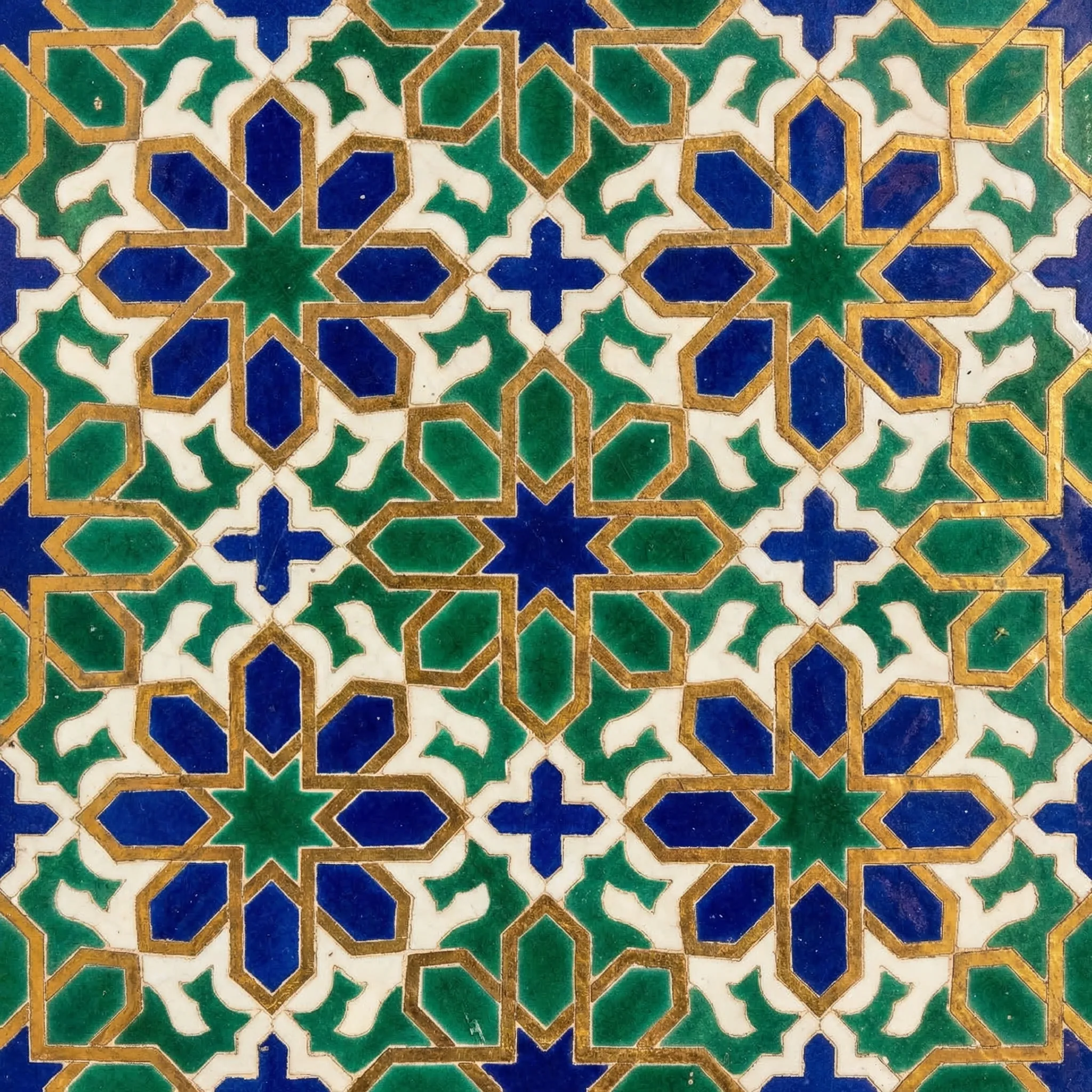
Traditional Zellige Decorations
Cultural Celebration
Planning a Wedding in Morocco
Best Wedding Season
June through September is peak Moroccan wedding season. Spring (April-May) and autumn (October-November) offer pleasant weather and lower costs. Avoid Ramadan (dates shift annually) as celebrations are subdued during the holy month. Summer weddings are hot but culturally peak.
Legal Requirements
For destination weddings involving foreigners, you need: valid passports, birth certificates (translated to French or Arabic), certificate of celibacy, and medical certificates. The legal ceremony is performed by an adoul (notary) and must be arranged at the local tribunal. Allow 4-6 weeks for paperwork processing.
Hiring a Wedding Planner
For destination weddings, a local wedding planner is essential. They handle venue booking, catering, entertainment, logistics, and the legal requirements. Expect to pay from 15,000 MAD for planning services, with luxury planners charging from 50,000 MAD or more. They also coordinate with the negafa and ensure cultural protocols are respected.
Guest Logistics
International guests will need help with airport transfers, accommodation, and cultural orientation. Most destination weddings include a welcome dinner, the main celebration, and a farewell brunch. Arrange group hotel rates and provide guests with a cultural guide so they know what to expect at the celebration.
Frequently Asked Questions
How long does a traditional Moroccan wedding last?
Traditional Moroccan weddings typically last 3 to 7 days, with the main celebration (the diffa) taking place over 2-3 days. Urban weddings have shortened to 1-2 days, while rural Berber weddings in the Atlas Mountains can still span an entire week with separate celebrations in both the bride's and groom's villages. The trend in cities like Casablanca and Rabat is toward a single grand evening event.
What is the henna ceremony in a Moroccan wedding?
The henna ceremony (Laylat al-Henna) is held 1-2 days before the wedding. A professional neqqasha applies intricate henna patterns to the bride's hands and feet. The designs symbolize fertility, protection from the evil eye, and good fortune. Female family members and friends gather for an evening of music, traditional sweets, and celebration. The bride typically wears a green caftan during this ceremony, as green symbolizes paradise.
Can tourists attend a Moroccan wedding?
Yes, Moroccan hospitality means tourists are sometimes invited to weddings, especially in smaller towns and rural areas where the community is tight-knit. If you are staying in a riad or guesthouse, your host family may invite you to a neighborhood wedding. Some cultural tour operators also arrange wedding attendance experiences. If invited, dress conservatively, bring a cash gift in an envelope (from 200 MAD), and be prepared for a celebration that starts late and runs until the early morning hours.
What does the bride wear at a Moroccan wedding?
The Moroccan bride traditionally wears up to seven different outfits during the celebration, each representing a different region and cultural tradition of Morocco. These include the takchita (a formal two-piece gown), caftan, Fassi dress, Amazigh outfit with silver jewelry, and often a white bridal gown in the Western style. The negafa (bridal dresser) manages each outfit change, which includes coordinating jewelry, headdresses, and accessories. Each new outfit is presented with a dramatic entrance.
How much does a traditional Moroccan wedding cost?
Traditional Moroccan weddings vary widely in cost depending on the family's means and the scale of the celebration. A modest wedding in a smaller city costs from 50,000 MAD, a mid-range celebration from 150,000 MAD, and luxury weddings in Marrakech or Casablanca from 500,000 MAD or significantly more. The largest expenses are typically the venue, catering (from 200 MAD per guest for hundreds of guests), the negafa and bride's wardrobe, and the music. Seasonal pricing applies during peak wedding months (June-September).
Related Guides
Morocco Henna Guide
Explore the art of Moroccan henna. Designs, symbolism, regional styles, and where to get henna applied.
Read moreMorocco Culture Guide
Deep dive into Moroccan culture, customs, etiquette, and traditions every visitor should know.
Read moreRomantic Getaways
The most romantic destinations in Morocco for couples, honeymooners, and anniversary celebrations.
Read moreLuxury Riads
Morocco's finest luxury riads for an unforgettable stay. Perfect for wedding guests and couples.
Read more