Morocco Road Trips
Eight epic driving routes from Atlantic coast highways to Saharan desert tracks. Day-by-day itineraries with real distances, drive times, and where to eat and sleep.
Why Road Trip Morocco?
Morocco is one of the world's great road trip countries. Here is why the open road is the best way to explore it.
Total Freedom
Go where you want, when you want. Discover hidden villages, stop at panoramic viewpoints, and change plans on a whim. No tour schedules or group compromises.
Diverse Landscapes
Within a single day you can drive from Atlantic beaches through cedar forests, over snow-capped mountain passes, and into Saharan desert. No country this size packs in more variety.
Affordable Rentals
Car rental in Morocco starts from 200-300 MAD/day ($20-30). Fuel is reasonable at 12-14 MAD/liter for diesel, and even toll roads are cheap. A road trip for two often costs less than organized tours.
Endless Photo Stops
Morocco is impossibly photogenic. Every bend in the road reveals a new scene: kasbahs glowing at sunset, palm-lined gorges, turquoise coastlines, and vast desert panoramas you cannot reach by bus.
8 Epic Road Trip Routes
From easy coastal cruises to challenging desert crossings. Each route includes day-by-day stops with real distances, drive times, and recommendations for where to eat and sleep.

The Sahara Route
Marrakech to Ouarzazate to Merzouga
Morocco's most iconic road trip. Cross the High Atlas via the legendary Tizi n'Tichka pass at 2,260m, stop at the UNESCO-listed Ait Benhaddou kasbah, then drive through the rose-scented Dades Valley and on to the towering Erg Chebbi dunes of Merzouga. This is the route that defines Moroccan adventure travel.
Must-See Highlights
Road Conditions
N9 is fully paved and well-maintained but winding with steep switchbacks through the Atlas. East of Ouarzazate, the N10 is straight and flat. Some sections between Rissani and Merzouga are sandy at the edges.
Fuel Stops
Fill up in Marrakech. Stations at Ait Ourir, Ouarzazate, Boumalne Dades, Tinghir, Errachidia, and Rissani. No stations between Rissani and Merzouga (30 km).
Day-by-Day Itinerary
Marrakech to Ouarzazate
200 km 4-5 hoursCross the Tizi n'Tichka pass with breathtaking switchbacks and views. Stop at the Tichka summit for photos and fresh orange juice from roadside vendors. Detour 20 km to Ait Benhaddou for the iconic kasbah. Arrive in Ouarzazate by late afternoon.
Ouarzazate to Merzouga
260 km 5-6 hoursDrive the Dades Valley through the Road of a Thousand Kasbahs. Stop at the Dades Gorge for a short hike. Continue through Tinghir and the spectacular Todra Gorge with 300m limestone walls. Push on through Errachidia and Rissani to reach Merzouga by sunset.
Merzouga (Sahara day)
0 km (or return) FlexibleWake before dawn for sunrise over the dunes. Optional camel trek (150-300 MAD), quad biking (400 MAD/hour), or sandboarding. Visit a Gnaoua music village and the seasonal Dayet Srji lake. Begin the return drive or continue north to Fes via the Ziz Valley (320 km, 5 hours).

The Rif Mountains
Tangier to Chefchaouen to Fes
Wind through Morocco's dramatic northern mountains from the cosmopolitan port city of Tangier to the famous blue-painted medina of Chefchaouen and onward through the Rif to the ancient imperial city of Fes. Mountain roads are narrow and winding but the scenery of pine forests, hidden waterfalls, and terraced hillsides is spectacular.
Must-See Highlights
Road Conditions
The N2 from Tangier to Chefchaouen is a good two-lane road through rolling hills. The route from Chefchaouen to Fes via Ouazzane uses the N13 and N4, well-paved but with tight mountain curves. Allow extra time for slow trucks on mountain sections.
Fuel Stops
Frequent stations in Tangier and along the N2. Fill up in Chefchaouen before heading south. Stations in Ouazzane, then frequent along the N4 approaching Fes.
Day-by-Day Itinerary
Tangier to Chefchaouen
115 km 2-2.5 hoursLeave Tangier after exploring the Kasbah and the legendary Cafe Hafa with its views of Spain. Drive south through green Rif foothills. Arrive in Chefchaouen by lunchtime. Spend the afternoon wandering the blue-washed medina, shopping for woven blankets, and sipping mint tea in Plaza Uta el-Hammam.
Chefchaouen (full day)
40 km round trip to Akchour 1 hour round tripMorning hike to Akchour waterfalls and God's Bridge, a stunning natural rock arch in Talassemtane National Park (allow 3-4 hours for the full hike). Return to Chefchaouen for a late lunch. Afternoon: explore the Ras el-Maa waterfall at the edge of the medina, visit the kasbah museum, and watch sunset from the Spanish Mosque viewpoint.
Chefchaouen to Fes
210 km 3.5-4 hoursDrive south through the western Rif via Ouazzane, a pretty hillside town known for olive oil production. Stop for fresh-pressed olive oil tastings. Continue south on the N4 through agricultural plains. Arrive in Fes by early afternoon. Head straight to a medina rooftop terrace to take in the spectacle of Fes el-Bali from above.
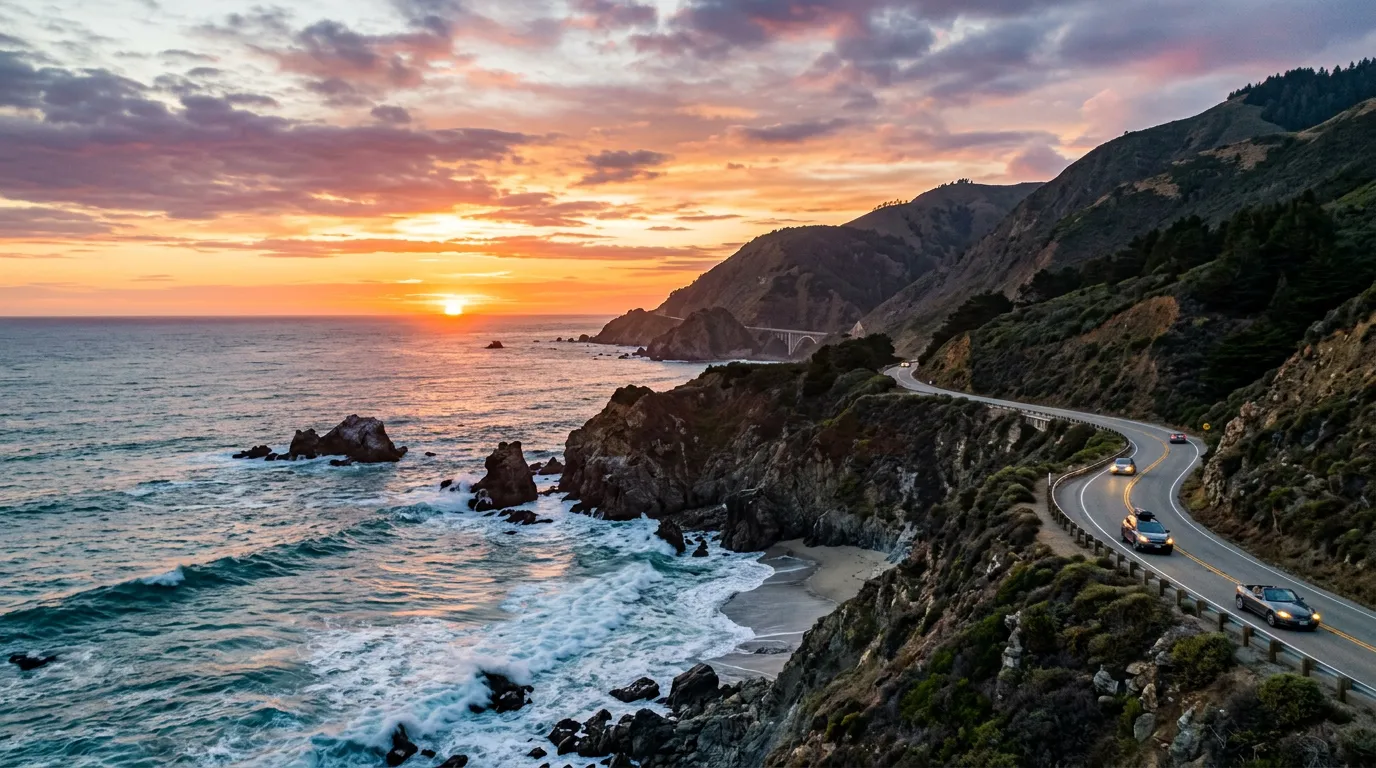
The Atlantic Coast
Casablanca to El Jadida to Essaouira to Agadir
Morocco's easiest and most relaxing road trip follows the Atlantic seaboard south from Casablanca. Pass through the Portuguese fortress town of El Jadida, the oyster village of Oualidia, the wind-swept ramparts of Essaouira, and the surf paradise of Taghazout before ending at the beach resort of Agadir. Flat, well-maintained highways with ocean views throughout.
Must-See Highlights
Road Conditions
Excellent throughout. The A3 autoroute from Casablanca to El Jadida is fast and modern. The N1 coastal road from El Jadida to Essaouira is well-paved two-lane. South from Essaouira to Agadir, the N1 is smooth and scenic.
Fuel Stops
Very frequent along the entire coastal route. No need to worry about fuel availability. All major brands (Shell, Total, Afriquia) represented.
Day-by-Day Itinerary
Casablanca to El Jadida to Oualidia
190 km 2.5 hoursLeave Casablanca on the A3 autoroute. Stop in El Jadida to explore the UNESCO-listed Portuguese cistern, an underground chamber with hauntingly beautiful light reflections. Walk the ramparts of the old Portuguese city. Continue south to Oualidia, Morocco's oyster capital, a tranquil lagoon village.
Oualidia to Essaouira
200 km 3 hoursDrive south through Safi, famous for its ceramics and sardine industry. Stop to visit a traditional pottery cooperative. Continue along the coastal road to Essaouira. Arrive in the wind city by early afternoon. Walk the 18th-century ramparts, explore the vibrant fishing port, and feast on grilled fish at the harbor stalls.
Essaouira (full day)
30 km for day trips MinimalFull day in Essaouira. Morning visit to an argan oil cooperative to learn about Morocco's liquid gold. Optional surfing at Sidi Kaouki beach (20 min south). Afternoon: explore the medina galleries, shop for thuya wood crafts, and watch the sunset from Moulay Hassan square with the fishing boats.
Essaouira to Taghazout to Agadir
180 km 2.5 hoursDrive south along the scenic coastal N1. Stop at Taghazout, Morocco's surf capital perched on cliffs above the Atlantic. Watch the surfers from Panorama Point. Continue to Agadir. Visit the hilltop Kasbah ruins for panoramic views of the city and coast. Relax on Agadir's wide beach promenade.
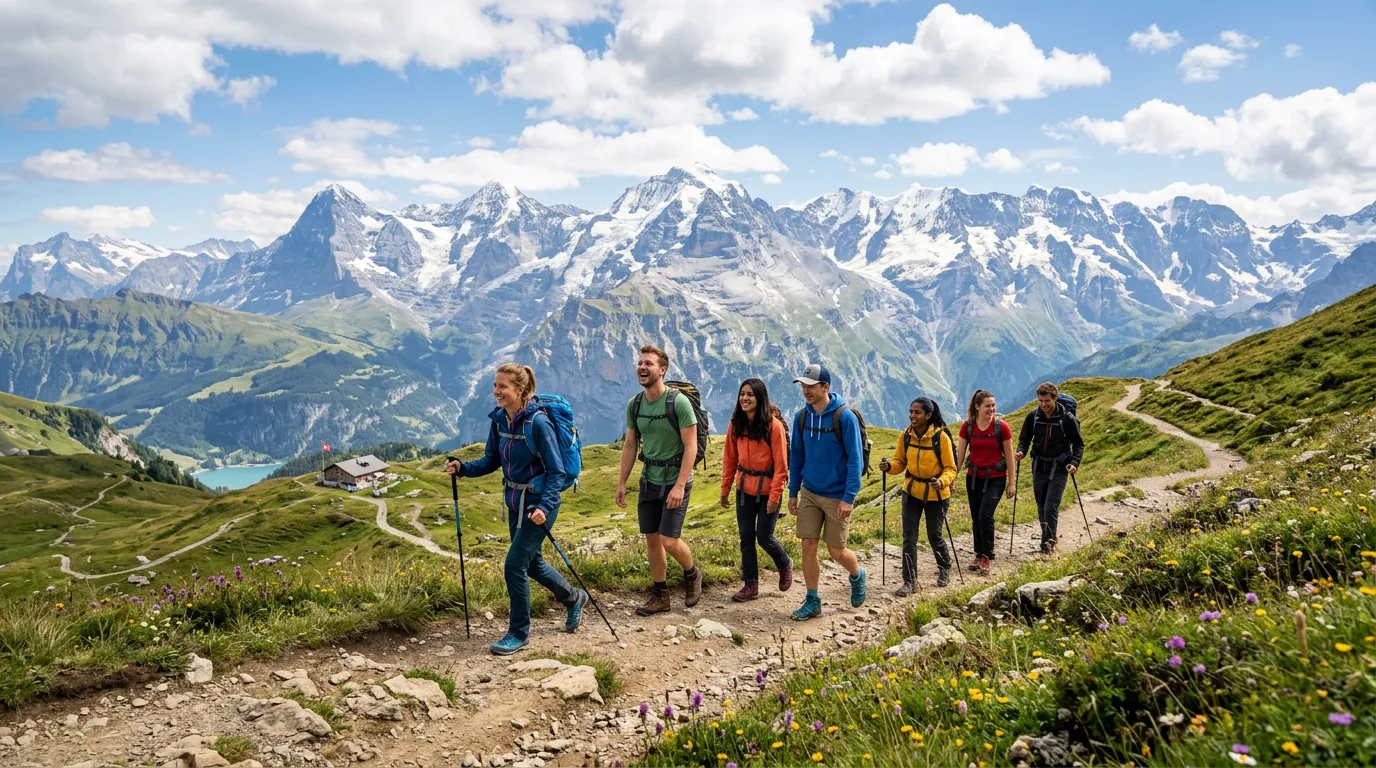
The Middle Atlas
Fes to Ifrane to Azrou to Beni Mellal
A refreshing escape into Morocco's green heart. The Middle Atlas is a world away from the desert and medinas, with cedar forests sheltering Barbary macaques, alpine lakes, ski resorts, and the Swiss-style town of Ifrane. This short route is perfect as a 2-day side trip from Fes, combining mountain scenery, wildlife encounters, and Amazigh highland culture.
Must-See Highlights
Road Conditions
Excellent paved roads throughout. The N8 from Fes to Ifrane is a smooth, wide highway through forested hills. The N13 from Azrou south is well-maintained. Mountain roads can be icy in winter (December-February); check conditions and carry chains.
Fuel Stops
Stations in Fes, Ifrane, Azrou, Khenifra, and Beni Mellal. Adequate coverage for this route.
Day-by-Day Itinerary
Fes to Ifrane to Azrou
90 km 1.5 hoursLeave Fes heading south on the N8 through green hills. Arrive in Ifrane, a startlingly European-looking town built by the French, famous for its manicured gardens and stone lion sculpture. Continue 17 km to Azrou and the Cedre Gouraud forest. Stop to see the wild Barbary macaques (the only primates north of the Sahara in Africa) living among enormous ancient cedars.
Azrou to Beni Mellal
230 km 3.5 hoursDrive south through the heart of the Middle Atlas. Optional detour to the volcanic lake Aguelmame Azigza (stunning blue-green waters surrounded by oak forest). Pass through Khenifra and the traditional Amazigh market town of Kasbah Tadla. Arrive in Beni Mellal and visit the Ain Asserdoun springs and the old kasbah overlooking the Tadla plain.
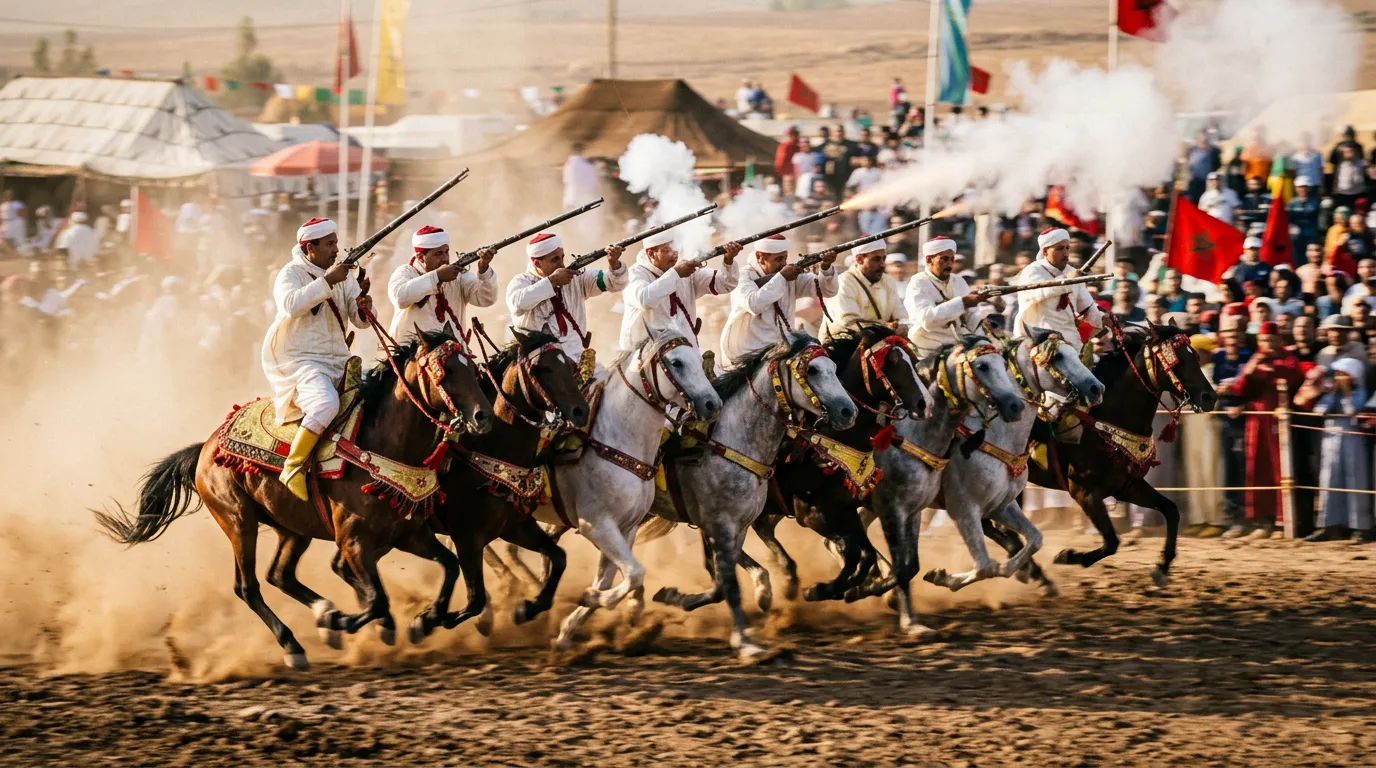
The Kasbahs Route
Marrakech to Tizi n'Tichka to Ait Ben Haddou to Dades to Todra
The definitive kasbahs and gorges route, taking the most spectacular section of southern Morocco at a leisurely pace. Unlike the Sahara Route which rushes through, this itinerary gives you time to hike into the gorges, explore crumbling kasbahs, walk through rose fields, and truly absorb the dramatic landscapes of the Draa-Tafilalet region.
Must-See Highlights
Road Conditions
The N9 over Tizi n'Tichka is paved with many switchbacks. The N10 east of Ouarzazate along the Dades Valley is good tarmac. The road into Dades Gorge is paved for the first 25 km then becomes rough piste. Todra Gorge road is paved to the narrows.
Fuel Stops
Stations in Marrakech, Ait Ourir, Ouarzazate, Skoura, Kelaat M'Gouna, Boumalne Dades, and Tinghir.
Day-by-Day Itinerary
Marrakech to Ait Ben Haddou
185 km 3.5-4 hoursCross the High Atlas via Tizi n'Tichka (2,260m), stopping at the summit for panoramic photos and the artisan cooperatives selling fossils and minerals. Descend to Ait Ben Haddou, the UNESCO-listed ksar (fortified village) used as a filming location for Gladiator, Game of Thrones, and Lawrence of Arabia. Cross the river on foot and climb to the top for sunset views.
Ait Ben Haddou to Dades Gorge
180 km 3 hoursDrive through Ouarzazate (optional stop at Atlas Studios, the world's largest film studio). Continue east along the N10, the legendary Road of a Thousand Kasbahs. Pass through the Skoura palm oasis (stop at Kasbah Amridil, one of the best-preserved kasbahs in Morocco). Continue through the Valley of the Roses at Kelaat M'Gouna (visit during the Rose Festival in May). Arrive at Dades Gorge.
Dades Gorge to Todra Gorge
65 km 1.5 hours (plus hiking)Morning hike into the Dades Gorge narrows, past the famous "Monkey Fingers" rock formations and the tight serpentine road with its dramatic switchbacks. Drive to Tinghir and continue into Todra Gorge, where 300-meter limestone walls rise vertically on either side of a narrow riverbed. Walk through the gorge narrows. Watch rock climbers on the famous walls.
Todra Gorge to Marrakech (return)
380 km 6-7 hoursLong return day back through the Dades Valley and over Tizi n'Tichka. Alternatively, break the journey in Ouarzazate. Or, continue east from Todra to Merzouga (160 km, 2.5 hours) to extend into the Sahara Route. The return through Tichka at sunset is magical.
The Southern Coast
Agadir to Tiznit to Mirleft to Sidi Ifni to Tan-Tan
Morocco's undiscovered south coast is a revelation. Leave the tourist trail behind and explore wild Atlantic beaches, Art Deco towns built by the Spanish, silver-working artisan villages, and dramatic cliffs plunging into the ocean. This route gets quieter and more dramatic the further south you go, ending at the frontier-feel town of Tan-Tan, gateway to the Saharan coast.
Must-See Highlights
Road Conditions
The N1 from Agadir to Tiznit is fast and well-paved. South of Tiznit, the R104 coast road to Mirleft and Sidi Ifni is narrower but in good condition. The N1 from Sidi Ifni to Tan-Tan passes through semi-arid landscape with good tarmac but very little traffic.
Fuel Stops
Stations in Agadir, Tiznit, Mirleft (limited), Sidi Ifni, Guelmim, and Tan-Tan. Fill up in Tiznit before heading to the coast.
Day-by-Day Itinerary
Agadir to Tiznit to Mirleft
140 km 2 hoursDrive south on the N1 to Tiznit, a walled town famous for its silver jewelry souk. Explore the old medina and buy handcrafted Amazigh silver bracelets and fibulas at artisan prices. Continue to Mirleft, a laid-back surfing village perched on cliffs above wild beaches. Watch the sunset from the cliff path.
Mirleft to Sidi Ifni
40 km 45 minutes (plus exploration)Short drive south along the coast road. Stop at the famous Legzira beach with its dramatic natural stone arches carved by the ocean. Continue to Sidi Ifni, a surreal town with pastel Art Deco architecture from its time as a Spanish enclave (returned to Morocco in 1969). Explore the abandoned Spanish consulate, the old airstrip, and the crumbling port.
Sidi Ifni to Tan-Tan
190 km 2.5 hoursDrive inland to Guelmim, historically known as the "Gateway to the Sahara" and famous for its Saturday camel market (still active, go early morning). Continue south to Tan-Tan, where the landscape turns fully desert. The town hosts the annual Tan-Tan Moussem, a UNESCO-recognized festival of Saharan nomadic tribes. From Tan-Tan, the adventurous can continue to Tan-Tan Plage and the wild Saharan coast.
Imperial Cities Circuit
Rabat to Meknes to Fes to Marrakech
Visit all four of Morocco's imperial cities on well-maintained autoroutes. This cultural circuit connects Rabat's refined capital charm, Meknes's grandiose Moulay Ismail legacy, the unrivaled medieval medina of Fes, and the vibrant energy of Marrakech. The easiest road trip in Morocco with excellent signage and fast toll highways throughout.
Must-See Highlights
Road Conditions
Autoroute all the way. The A2 from Rabat to Meknes/Fes is fast dual carriageway (120 km/h limit). The A7 from Fes area to Marrakech is excellent. Toll booths accept cash and some accept cards. Total tolls for this route: approximately 200 MAD.
Fuel Stops
Abundant along the autoroute with full-service rest areas including cafes, shops, and clean restrooms every 40-60 km.
Day-by-Day Itinerary
Rabat
0 km (arrival day) ExploringExplore Morocco's capital. Visit the Kasbah des Oudayas with its Andalusian gardens overlooking the Atlantic, the Hassan Tower and Mohammed V Mausoleum, and the Chellah necropolis with its storks and Roman ruins. Walk along the Bou Regreg river corniche. Rabat is one of Morocco's most walkable and relaxed cities.
Rabat to Meknes
140 km 1.5 hoursShort drive east on the A2 to Meknes, the "Versailles of Morocco." Explore the massive Bab Mansour gate (the finest gate in North Africa), the vast Heri es-Souani royal granaries, and the underground prison of Kara. Stroll the lively Place el-Hedim, Meknes's answer to Marrakech's Jemaa el-Fnaa but without the crowds.
Meknes day trip to Volubilis and Moulay Idriss
60 km round trip 1 hour round tripDrive 30 minutes to Volubilis, the best-preserved Roman ruins in North Africa with stunning mosaics, triumphal arches, and a basilica set against a backdrop of olive groves. Continue 5 km to the holy town of Moulay Idriss Zerhoun, perched on two hills. This is Morocco's most sacred town and was closed to non-Muslims until 2005. Walk the winding streets and enjoy panoramic views.
Meknes to Fes
60 km 1 hourShort drive to Fes, the intellectual and spiritual capital of Morocco. Plunge into the world's largest car-free urban area: Fes el-Bali with its 9,000+ alleys. Hire a local guide (half-day from 300 MAD) to navigate the tanneries, Al-Qarawiyyin University (founded 859 AD, the world's oldest university), and the Bou Inania Medersa. Visit the Merenid tombs at sunset for the best views over the medina.
Fes to Marrakech
530 km 5-5.5 hours via autorouteLong but easy drive on the A2/A7 autoroute. Break the journey at Beni Mellal or Khouribga for lunch. Arrive in Marrakech by mid-afternoon. Head straight to the Jemaa el-Fnaa square to experience the evening spectacle of musicians, storytellers, and food stalls. Alternatively, split this drive over 2 days with a night in Beni Mellal and a detour to Ouzoud Waterfalls.
The Grand Morocco Loop
2-Week Epic: North to South and Back
The ultimate Moroccan road trip. Two weeks covering the country from Mediterranean to Sahara, Atlantic to mountains. This grand loop combines the best of every region: imperial cities, blue mountain villages, ancient kasbahs, towering sand dunes, dramatic gorges, wild coastline, and everything in between. This is the trip of a lifetime for those with the time to do Morocco justice.
Must-See Highlights
Road Conditions
Varies enormously. Autoroutes in the north and between major cities. Mountain passes through the High Atlas. Desert roads in the southeast. Coastal highways in the southwest. At least 70% is on excellent paved roads. Remaining 30% is well-paved national roads with occasional rough patches.
Fuel Stops
Plan fuel stops carefully in the southeast (Merzouga area) and deep south. Elsewhere, stations every 30-50 km. Budget approximately 3,500-4,500 MAD for fuel for the entire loop in a diesel vehicle.
Day-by-Day Itinerary
Casablanca to Rabat
90 km 1 hourPick up your rental car. Drive to Rabat. Explore Kasbah des Oudayas, Hassan Tower, and the Chellah.
Rabat to Tangier
250 km 2.5 hoursDrive north on the autoroute to Tangier. Explore the Kasbah, Grand Socco, and Cafe Hafa.
Tangier to Chefchaouen
115 km 2 hoursSouth through the Rif to the blue city. Afternoon in the medina and sunset at Spanish Mosque.
Chefchaouen to Fes
210 km 3.5 hoursThrough the Rif via Ouazzane to Fes. Afternoon exploring Fes el-Bali with a guide.
Fes (full day)
60 km round trip to Volubilis 1 hour round tripMorning: Volubilis Roman ruins and Moulay Idriss. Afternoon: tanneries, Al-Qarawiyyin, medersas.
Fes to Ifrane to Midelt
240 km 3.5 hoursSouth through the Middle Atlas. Stop in Ifrane and Azrou for cedar forests and macaques. Night in Midelt.
Midelt to Merzouga
260 km 4 hoursThrough the Ziz Gorges and the Tafilalet oasis. Arrive at Erg Chebbi for sunset. Camel trek into the dunes.
Merzouga to Tinghir (Todra)
160 km 2.5 hoursSunrise over the dunes. Drive west to Tinghir and Todra Gorge. Afternoon hike through the narrows.
Todra to Dades Gorge
65 km 1.5 hoursDrive through the Dades Valley. Hike the Dades Gorge switchbacks and Monkey Fingers rock formations.
Dades to Ouarzazate to Ait Ben Haddou
170 km 3 hoursRoad of a Thousand Kasbahs west. Optional Atlas Studios stop. Arrive Ait Ben Haddou for afternoon exploration.
Ait Ben Haddou to Marrakech
185 km 3.5 hoursCross Tizi n'Tichka back over the High Atlas. Arrive Marrakech. Evening at Jemaa el-Fnaa.
Marrakech (full day)
0 km ExploringFull day: Bahia Palace, Saadian Tombs, Majorelle Garden, souk shopping. Hammam in the evening.
Marrakech to Essaouira
185 km 2.5 hoursDrive to the Atlantic coast. Argan oil cooperative stop. Afternoon on Essaouira ramparts and at the port.
Essaouira to Casablanca
350 km 4 hoursReturn north via the coastal road and autoroute. Stop in El Jadida for the Portuguese cistern. Drop off car in Casablanca.
Essential Driving Tips for Morocco
Everything you need to know before getting behind the wheel in Morocco.
Speed Limits & Cameras
Urban areas: 40-60 km/h. National roads: 80-100 km/h. Autoroutes: 120 km/h. Speed cameras are extremely common and well-hidden. On-the-spot fines start at 300 MAD and go up to 1,400 MAD. Many locals use Waze for speed camera alerts.
Police Checkpoints
Routine gendarmerie checkpoints are common, especially near cities, at regional borders, and in southern Morocco. Keep your passport, driving license, and rental contract within easy reach. Slow down, greet officers politely, and you will be waved through quickly.
Road Quality
Autoroutes are world-class. N-roads (national roads) range from excellent to potholed. Mountain passes are paved but narrow with steep switchbacks. Rural pistes (tracks) may require 4x4. After rain, watch for flash flooding across roads in the south.
Navigation Apps
Google Maps works well for major routes. Download offline maps before entering mountains or desert where signal drops completely. Waze is very popular with Moroccan drivers for live traffic and speed camera locations. Maps.me is excellent for offline rural navigation.
Fuel Strategy
Fuel stations are frequent on main roads (every 30-50 km). Fill up before entering mountains or desert. Diesel costs 12-14 MAD/liter, gasoline 14-16 MAD/liter. Most stations accept cash only. Shell and Afriquia stations in cities sometimes accept cards. Always carry cash for at least a full tank.
Local Driving Style
Expect assertive driving. Overtaking on blind corners, pedestrians on highways, donkeys, and stray animals are all normal. Drive defensively and use your horn at blind mountain bends. Flashing headlights from oncoming cars usually means "police checkpoint ahead."
Night Driving
Strongly avoid driving at night. Unlit vehicles, pedestrians in dark clothing, animals on the road, poorly maintained road edges, and other drivers without headlights make night driving extremely risky. Plan your days so you arrive before sunset.
Parking
Use official "gardien" parking attendants found everywhere (5-10 MAD daytime, 10-20 MAD overnight). In cities, park in supervised lots (10-20 MAD). Never leave valuables visible in the car. Medina parking can be chaotic; park at designated lots outside the walls.
Toll Roads (Autoroutes)
Autoroutes have toll booths at entry and exit. Keep your ticket. Casablanca to Marrakech: ~80 MAD. Casablanca to Fes: ~120 MAD. Tangier to Casablanca: ~150 MAD. Jawaz electronic pass available for frequent users. Tolls are worth every dirham for the time saved and road quality.
Scenic Stops & Photos
Morocco's roads are lined with pull-offs and viewpoints, especially through mountain passes and along the coast. Budget extra time for spontaneous stops. The journey is as important as the destination. Do not stop on blind corners or narrow mountain sections.
Car Rental Guide
Rental Prices
Economy (Dacia Logan, Renault Clio)
200-350 MAD/day ($20-35)
City trips and autoroute highways
Compact SUV (Dacia Duster)
400-700 MAD/day ($40-70)
Mountain passes and desert edges. Most popular choice.
Premium 4x4 (Toyota Land Cruiser)
800-1,500 MAD/day ($80-150)
Deep desert tracks (Erg Chigaga) and serious off-road
Minivan (Dacia Dokker, Renault Kangoo)
300-500 MAD/day ($30-50)
Families or groups of 4-6 with luggage
Documents Needed
- Valid driving license from your home country (international driving permit recommended but not always required)
- Passport or national ID card
- Credit card for deposit (typically 3,000-5,000 MAD hold; debit cards rarely accepted)
- Minimum age 21 years (25 for some agencies and premium/4x4 vehicles)
- Minimum 1-2 years of driving experience (varies by company)
Rental Companies
International chains (Europcar, Hertz, Avis, Sixt)
Higher prices (400-800 MAD/day) but newer vehicles, better insurance, roadside assistance, and the option to pick up in one city and drop off in another. Book online in advance for best rates.
Local agencies (Medlocauto, AutoHall, Dollar Morocco)
Often 30-50% cheaper (200-500 MAD/day). Quality varies significantly; inspect the car thoroughly and photograph all existing damage. Some offer excellent service, others not.
Airport vs. city pickup
Airport offices charge premiums of 50-100 MAD/day. Walking to a city office, taking a taxi from the airport, or booking through your hotel can save significant money.
Online booking platforms
Discovercars.com and Localrent.com aggregate local and international agencies for comparison. Book 2-4 weeks ahead for best selection and prices, especially in peak season (March-May, September-November).
Insurance
- CDW (Collision Damage Waiver) is essential. Included in most bookings but verify the excess (franchise) amount, which can be 5,000-15,000 MAD.
- Check if your credit card provides rental car insurance internationally. Visa Premier and Mastercard Gold often do, saving you 50-100 MAD/day.
- Theft protection is recommended, especially for premium vehicles parked in cities.
- Tire and windshield damage are often excluded from basic CDW. Ask about "super CDW" or "full coverage" for complete peace of mind (add 50-100 MAD/day).
- Take photos and video of ALL existing damage before driving off. Insist the agent notes every scratch on the rental agreement. This is the most important step.
- Personal accident insurance is usually included. Check your travel insurance for overlap to avoid paying twice.
Fuel & Rest Stops
Fuel Prices
Diesel (gasoil): 12-14 MAD/liter. Gasoline (essence/super): 14-16 MAD/liter. Prices are largely uniform nationwide as they are government-influenced. Diesel is significantly cheaper and most rental cars run on it. A full tank in a Dacia Duster costs about 500-600 MAD and covers 600-700 km.
Station Frequency
Every 30-50 km on national roads and autoroutes. Scarce in the deep south and remote mountain areas. Atlas mountain passes can have 80-100+ km gaps without stations. Rule of thumb: never let your tank drop below a quarter in rural areas.
Payment
Cash is king at most fuel stations. Shell and Afriquia stations in cities sometimes accept cards (Visa/Mastercard). Always carry enough cash for at least a full tank (500-600 MAD). Attendants pump your fuel for you; a 2-5 MAD tip is appreciated.
Roadside Cafes & Rest Stops
Moroccan road stops are an experience in themselves. Look for busy truck stops (routier) for the best tagine and couscous at honest prices (30-50 MAD for a full meal). Mint tea breaks every 2 hours are a local tradition. Autoroute rest areas have clean restrooms, shops, and fast food. Most rural stops have basic toilets (carry tissue).
Road Conditions by Season
When you drive matters almost as much as where you drive. Each season brings different conditions.
Spring (March - May)
ExcellentThe best time for road trips. Roads are clear, the landscape is green, wildflowers bloom across the Atlas foothills, and temperatures are comfortable (20-30C). Mountain passes are fully open. Some flash flooding risk in April.
Summer (June - August)
Good (coast/mountains), Challenging (desert)Very hot in the south and interior (40-50C in the Sahara and desert regions). Coastal and mountain routes are pleasant. Night driving becomes tempting to avoid heat but is dangerous. Carry extra water and ensure your car's A/C works. Roads are generally dry and clear.
Autumn (September - November)
ExcellentExcellent for road trips, similar to spring. September can still be hot but October and November are ideal. Date harvest season in the oases. Occasional heavy rain in October/November, particularly in the north, with risk of flash flooding in wadis.
Winter (December - February)
Variable (check mountain passes)Mountain passes (Tizi n'Tichka, Tizi n'Test, Middle Atlas) can be closed by snow for days at a time. Always check conditions before crossing. Carry snow chains if heading to the Atlas. The coast and desert are pleasant and uncrowded. Sahara nights are very cold (near 0C).
Road Safety Rules
Morocco's roads demand attention and respect. Follow these rules for a safe journey.
Always wear seatbelts. It is a legal requirement and fines are 300+ MAD per person.
Carry a reflective vest and warning triangle in the car. These are mandatory by law and checked at some gendarmerie stops.
Do not drink and drive. Morocco has near-zero tolerance (0.02% limit) and the penalties are severe, including jail time.
Mountain roads require low gears on descents. Engine braking saves your brakes and your life on long downhill stretches like Tizi n'Tichka.
Beware of flash floods in wadis (dry riverbeds) during autumn and spring. Never camp in a wadi and do not drive through flowing water.
In the desert, carry extra water (5+ liters per person), a charged phone, and share your route plan with someone. Cell service disappears in many areas.
Roundabouts are common. Vehicles inside the roundabout have priority, though this rule is often ignored in practice. Enter cautiously.
Pedestrians, cyclists, donkeys, mopeds, and sheep share national roads. Expect the unexpected, especially near villages and on market days.
If you have an accident, do not move the vehicles until police arrive. Call 177 (gendarmerie) or 190 (police). Get a police report (constat) for insurance claims.
Children and animals can appear suddenly from behind parked vehicles or walls. Slow to 20-30 km/h when passing through villages.
Ready to Hit the Road?
Explore our destination guides, plan your route, and start your Moroccan road trip adventure.