Morocco Beach Guide
3,500 kilometers of coastline where the Atlantic and Mediterranean meet. From world-class surf breaks to hidden lagoons and desert beaches that stretch to the horizon.
Morocco's Spectacular Coastline
Morocco is blessed with one of the most diverse coastlines in the world. The Atlantic coast, stretching from Tangier in the north to Dakhla in the deep south, delivers over 2,900 km of beaches ranging from world-class surf spots to remote, untouched sands. The Mediterranean coast, from Tangier to the Algerian border near Saidia, offers calmer, warmer waters and a distinctly different beach culture shaped by centuries of exchange with southern Europe.
The Atlantic side is defined by its raw power: consistent swell driven by North Atlantic storm systems, dramatic cliffs carved by millennia of erosion, and beaches backed by argan forests and Saharan desert. The water is cooler here, fed by the Canary Current that sweeps down from the north, but the trade-off is some of the best surfing conditions in the world. From the legendary point breaks of Taghazout to the world-class kitesurfing lagoon of Dakhla, the Atlantic coast is a water sports paradise.
The Mediterranean side is more sheltered, with cove beaches tucked between the Rif mountains and a coastline of pine-backed bays. The water is warmer, calmer, and more turquoise. From the upscale resorts of Cabo Negro to the wild coves of Al Hoceima National Park and the 14-kilometer strand of Saidia, the Mediterranean offers the classic beach holiday experience that draws millions of Moroccan families every summer.
Between these two coasts lies a country that offers everything from the solitude of a 40-kilometer beach with no other human in sight (Plage Blanche) to the festive energy of a packed Mediterranean resort town in August. This guide covers the best of both worlds.
Explore 20 Beaches
Use the filters to find the perfect beach for your trip. Whether you want world-class surf, family-friendly swimming, or total seclusion.
Showing 20 of 20 beaches
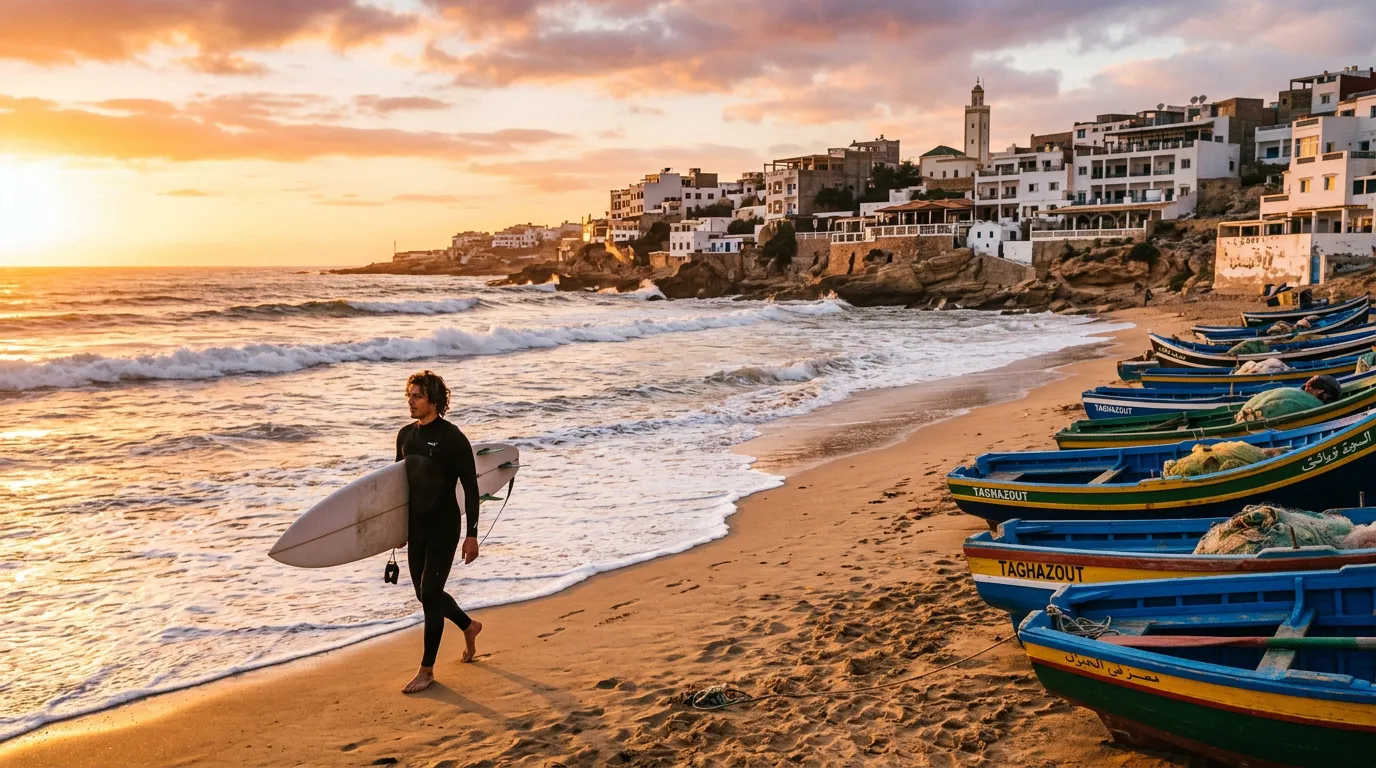
Taghazout Beach
Taghazout · Souss-Massa
Morocco's surf capital and one of Africa's best surf destinations. The village has transformed from a sleepy fishing hamlet into a world-class surf hub with camps, yoga retreats, and board rentals. Anchor Point, just north of town, is a legendary right-hand point break. The vibe is relaxed, international, and endlessly sun-kissed.
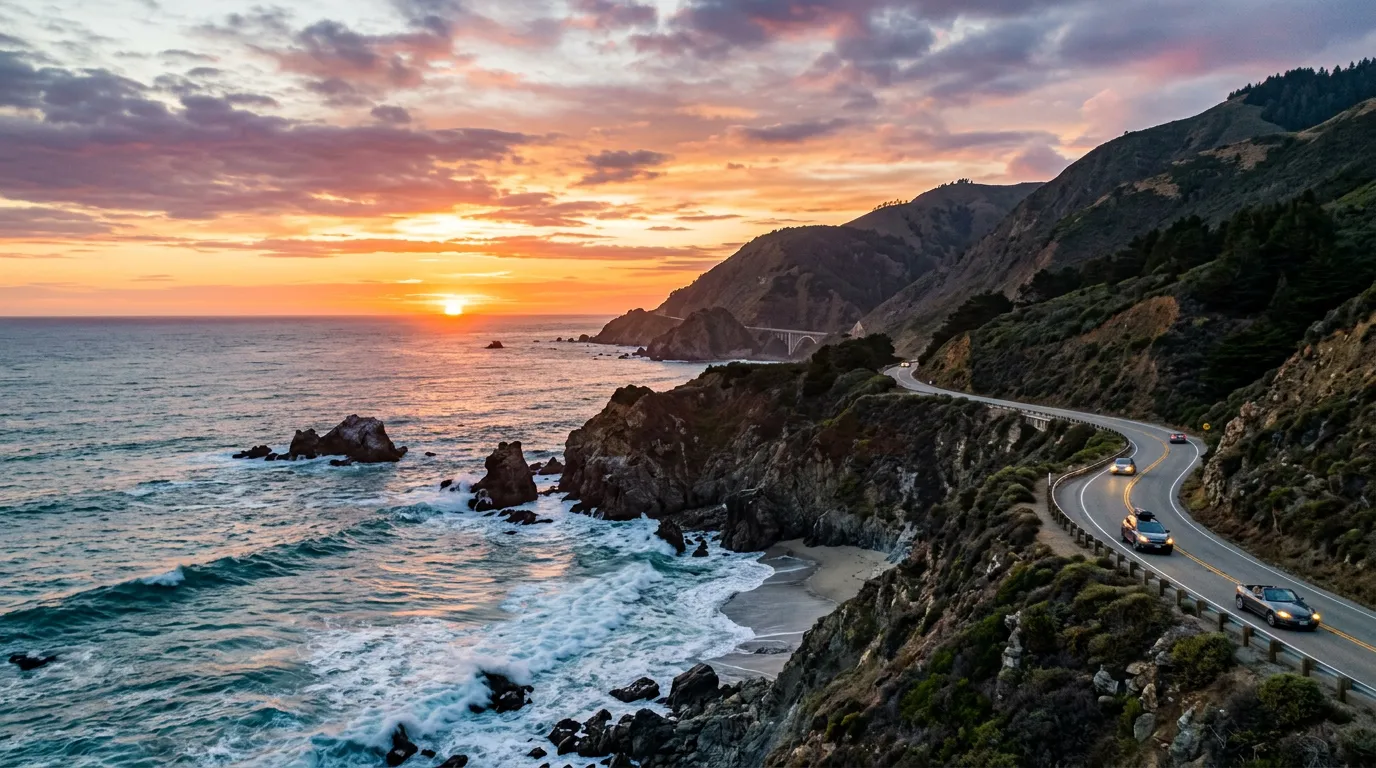
Essaouira Beach
Essaouira · Marrakech-Safi
A sweeping crescent of golden sand stretching south from the historic fortified city. Known as the "Wind City of Africa," Essaouira is a world-class destination for kitesurfing and windsurfing, especially from April to September. The northern end near the medina is sheltered and good for swimming; the southern end catches the famous trade winds.
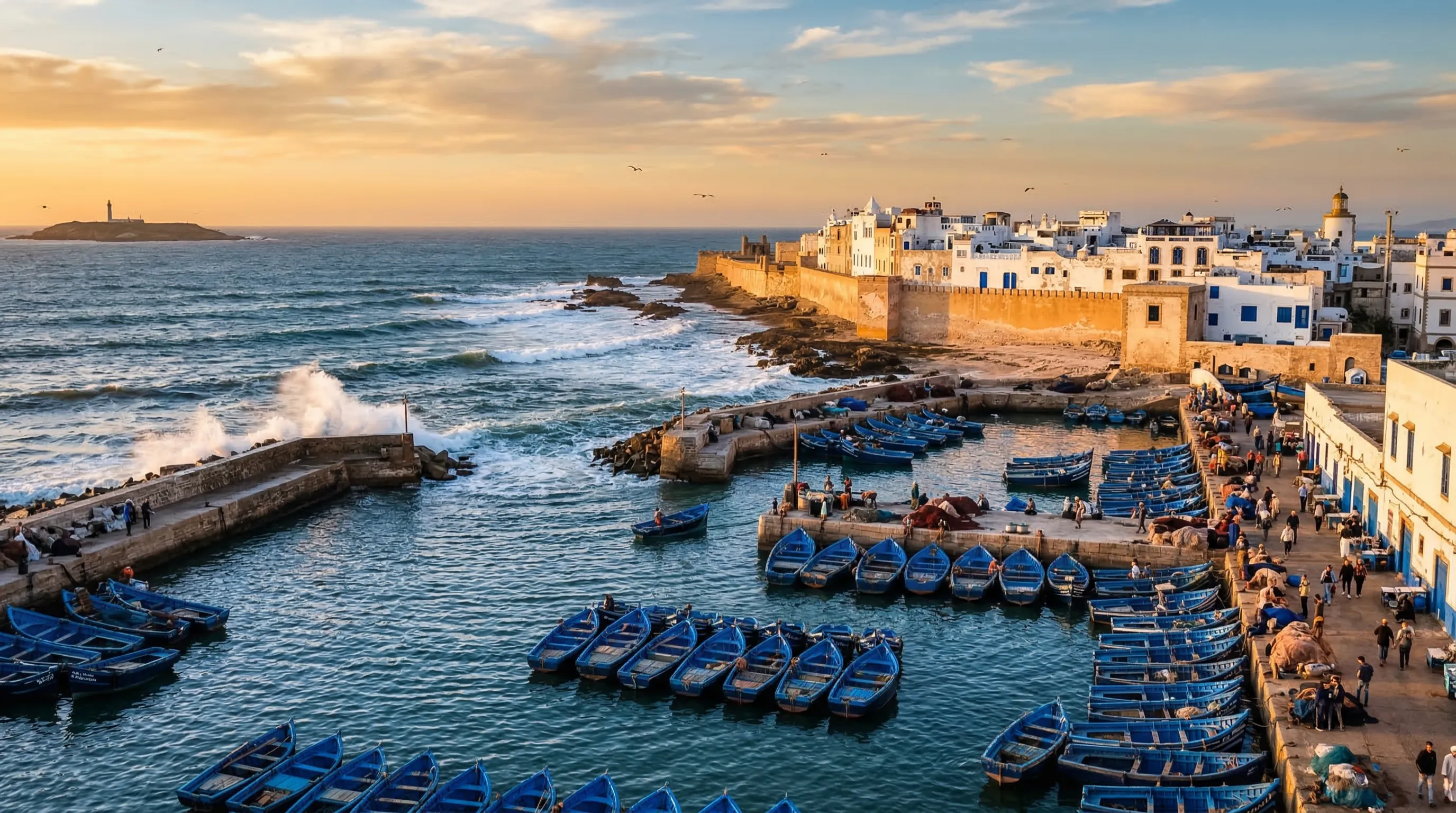
Legzira Beach
Sidi Ifni · Souss-Massa
Famous for its dramatic natural stone arches carved into red cliffs by centuries of Atlantic waves. One arch collapsed in 2016, but the remaining formation is still breathtaking. The beach stretches for miles with golden-red sand and powerful waves. Best visited at low tide when you can walk to the arches.
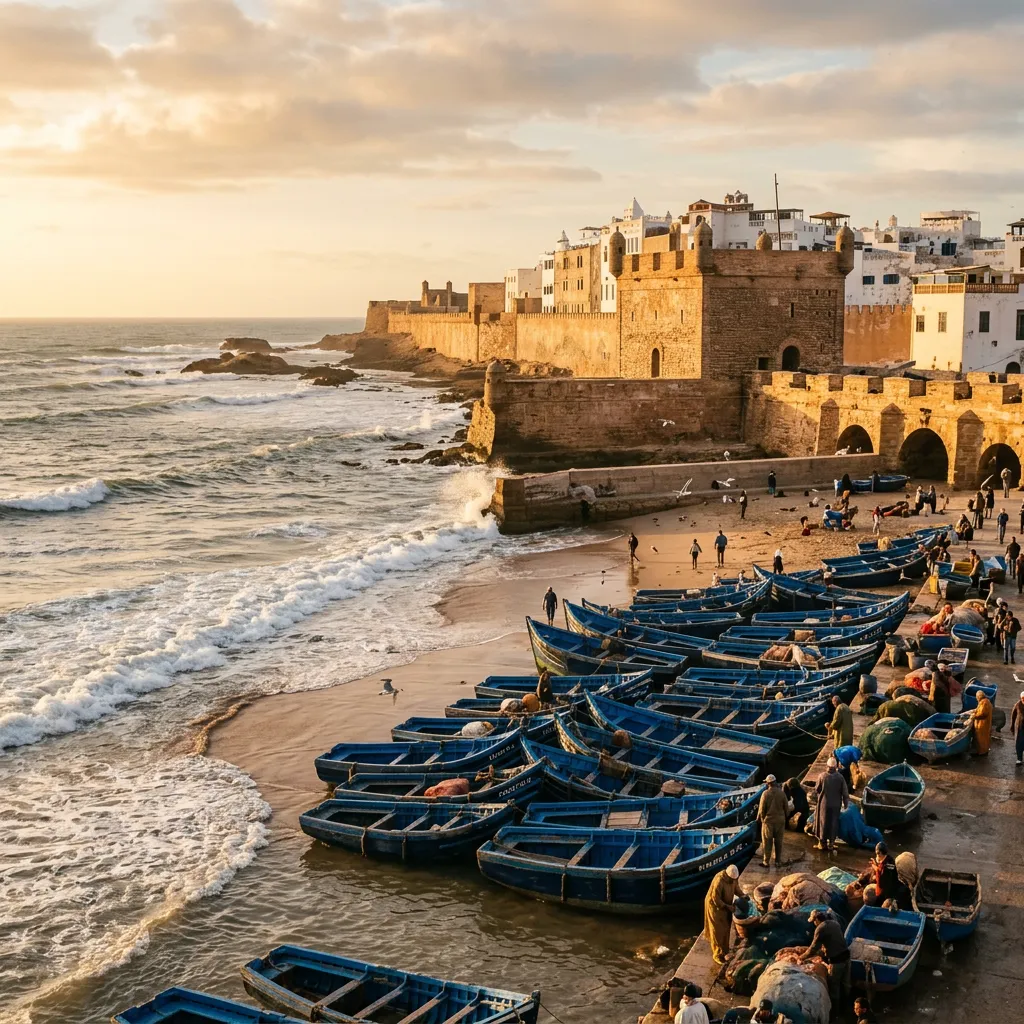
Oualidia Lagoon
Oualidia · Casablanca-Settat
A sheltered turquoise lagoon on the Atlantic coast, Oualidia is Morocco's hidden gem. The calm, warm waters are perfect for swimming and safe for children. Famous for its oyster farms (the best in Morocco), you can eat freshly shucked oysters at waterside shacks for a fraction of European prices. King Mohammed VI has a palace here, which tells you about the quality.
Moulay Bousselham
Moulay Bousselham · Rabat-Sale-Kenitra
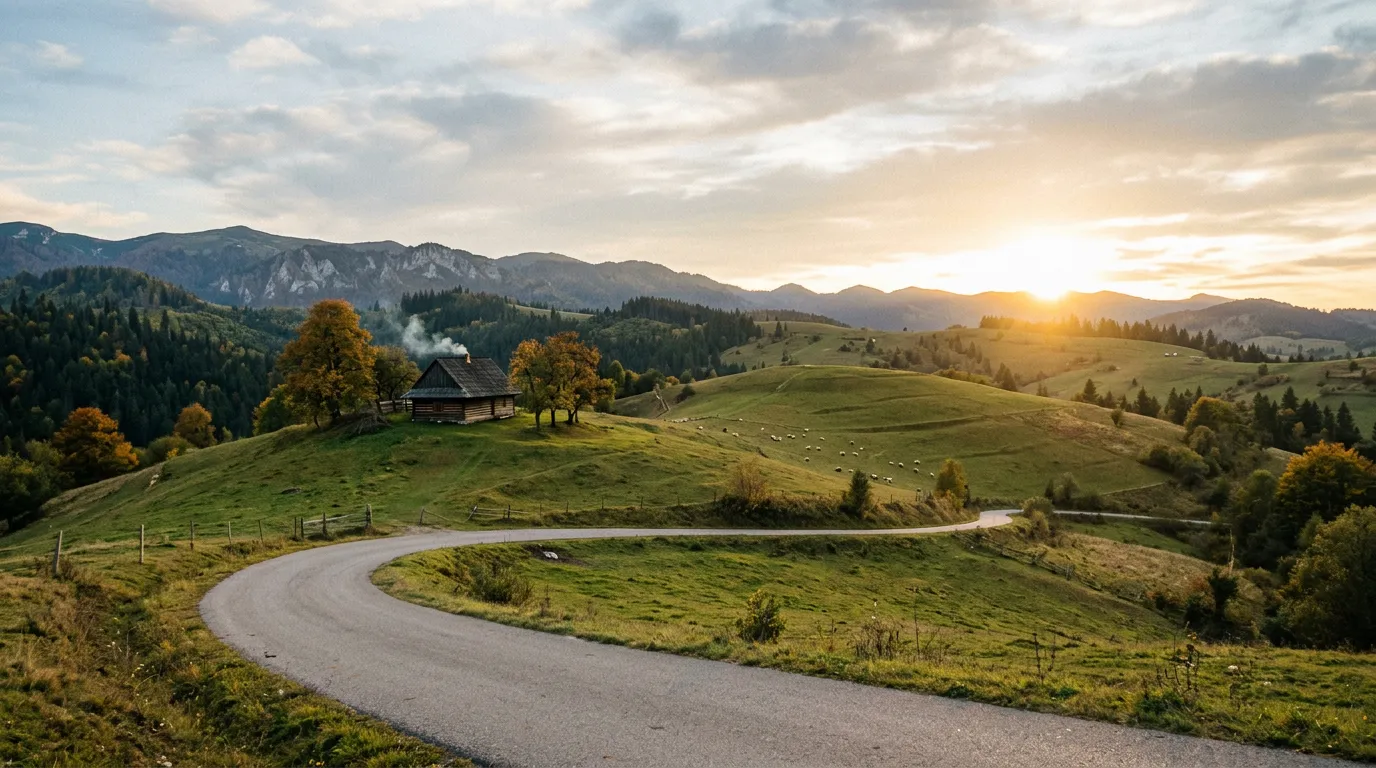
A charming coastal village built around a lagoon that is home to Merja Zerga, one of Morocco's most important bird sanctuaries. The lagoon is calm and perfect for swimming, while the ocean beach on the other side offers waves. Boat trips through the wetlands to see flamingos, herons, and migrating birds are a highlight. A favorite weekend escape for Moroccans.
Agadir Beach
Agadir · Souss-Massa
Morocco's premier resort beach with 10 km of wide, golden sand and over 300 days of sunshine per year. The city was rebuilt after a devastating 1960 earthquake, resulting in a modern, purpose-built beach resort. The water is warmer here than further north, and the beach has every facility imaginable. Perfect for families and those who prefer comfort.
Dakhla Beach
Dakhla · Dakhla-Oued Ed-Dahab
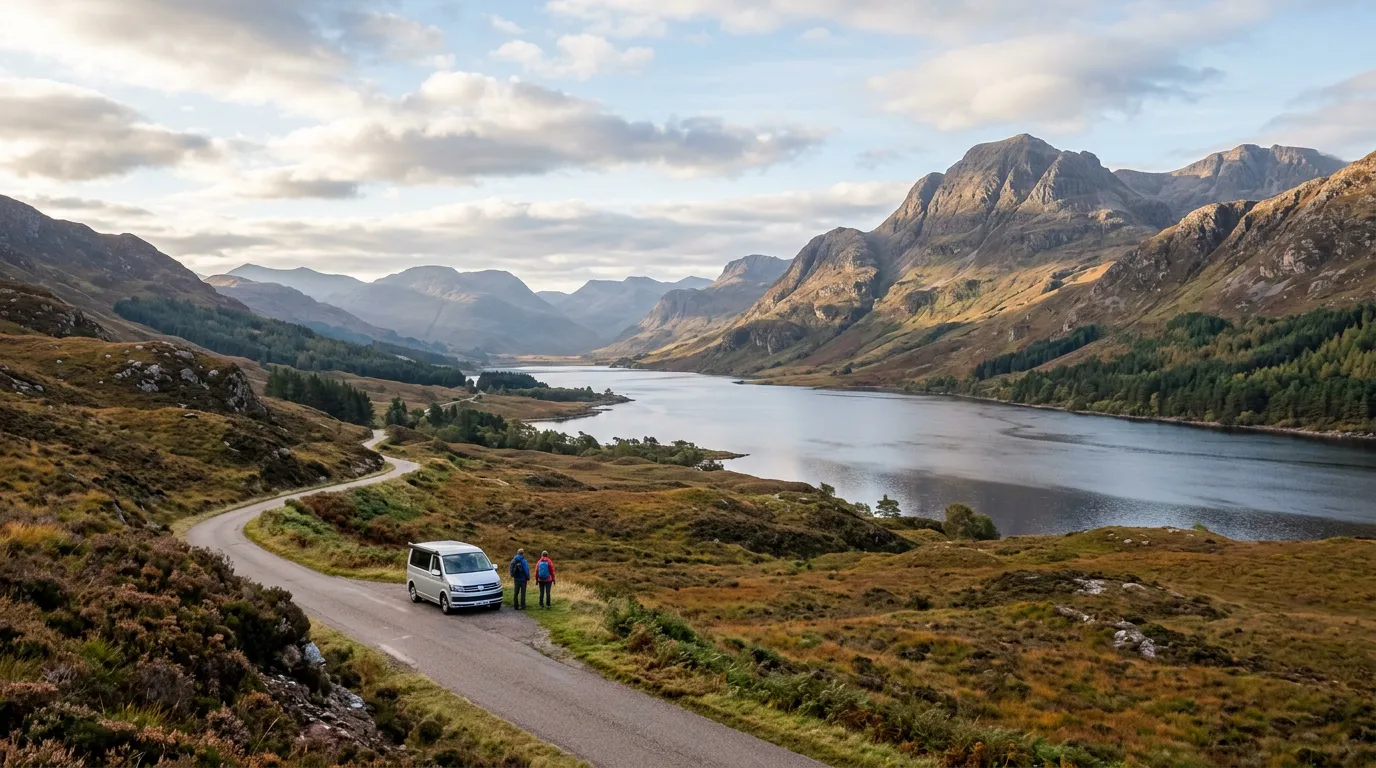
A remote paradise on a narrow peninsula in the deep south of Morocco. Dakhla is one of the world's top kitesurfing destinations, with a vast lagoon offering flat water and consistent winds. The setting is otherworldly: desert dunes meet turquoise waters, flamingos wade in the shallows, and the light is extraordinary. A long journey but worth every kilometer.
Mirleft Beach
Mirleft · Souss-Massa
A series of stunning cove beaches below a clifftop village between Tiznit and Sidi Ifni. Each beach has its own character: some have surf, others have calm swimming. The village of Mirleft is a growing surf destination with a laid-back atmosphere, colorful houses, and a growing number of surf camps and guesthouses. Still relatively undiscovered.
Sidi Kaouki
Sidi Kaouki · Marrakech-Safi
A wild, windswept beach 25 km south of Essaouira with a mystical atmosphere centered on the whitewashed marabout (saint's tomb) on the bluff. Less developed than Taghazout, it attracts surfers, windsurfers, and those seeking solitude. The village has a handful of guesthouses, surf camps, and a legendary sunset. Camel rides along the beach are popular.
Al Hoceima Beaches
Al Hoceima · Tanger-Tetouan-Al Hoceima
The crown jewel of the Rif Mediterranean, Al Hoceima sits on a stunning bay surrounded by the national park that bears its name. Plage Quemado is the main town beach, but the real treasures are the secluded coves of the national park: Cala Iris, Badis, and Torres are accessible by boat or rough track. Crystal-clear turquoise water rivaling anything in Greece.
Cabo Negro
Tetouan · Tanger-Tetouan-Al Hoceima
An upscale residential beach resort between Tetouan and M'diq. The beach is well-maintained with fine sand and calm Mediterranean waters. The area is popular with wealthy Moroccan families and has a golf course, yacht club, and high-end restaurants. It feels like a different Morocco here, closer to the Spanish Costa del Sol vibe.
M'diq Beach
M'diq · Tanger-Tetouan-Al Hoceima
One of the most popular Mediterranean beaches in northern Morocco. M'diq has calm, warm waters, a lively promenade, and a modern marina. The beach fills with Moroccan families in July and August. Less visited by international tourists, it offers an authentic Moroccan beach holiday experience with excellent seafood restaurants.
Saidia Beach
Saidia · Oriental
Known as the "Blue Pearl," Saidia boasts 14 km of fine sandy beach on the Mediterranean near the Algerian border. The water is warm and calm, and a massive resort complex (Mediterrania Saidia) has brought international-standard facilities including an 18-hole golf course, marina, and aquapark. The best Mediterranean beach infrastructure in Morocco.
Fnideq Beach
Fnideq · Tanger-Tetouan-Al Hoceima
A bustling Mediterranean beach town just south of the Ceuta border crossing. Fnideq (formerly Castillejos) has a long, wide sandy beach with calm, warm water. The town is a major shopping destination for Moroccans crossing from Ceuta. The beach is lively and authentically Moroccan, with family picnics, grilled fish vendors, and a festive summer atmosphere.
Asilah Beach
Asilah · Tanger-Tetouan-Al Hoceima
The beach at this art-filled coastal town stretches south from the whitewashed medina in a wide arc of golden sand. Asilah is known for its annual mural festival and beautifully painted old town. The beach is popular with Moroccan families in summer and wonderfully quiet in the shoulder seasons. The sunsets over the Atlantic are legendary.
Sidi Ifni Beach
Sidi Ifni · Souss-Massa
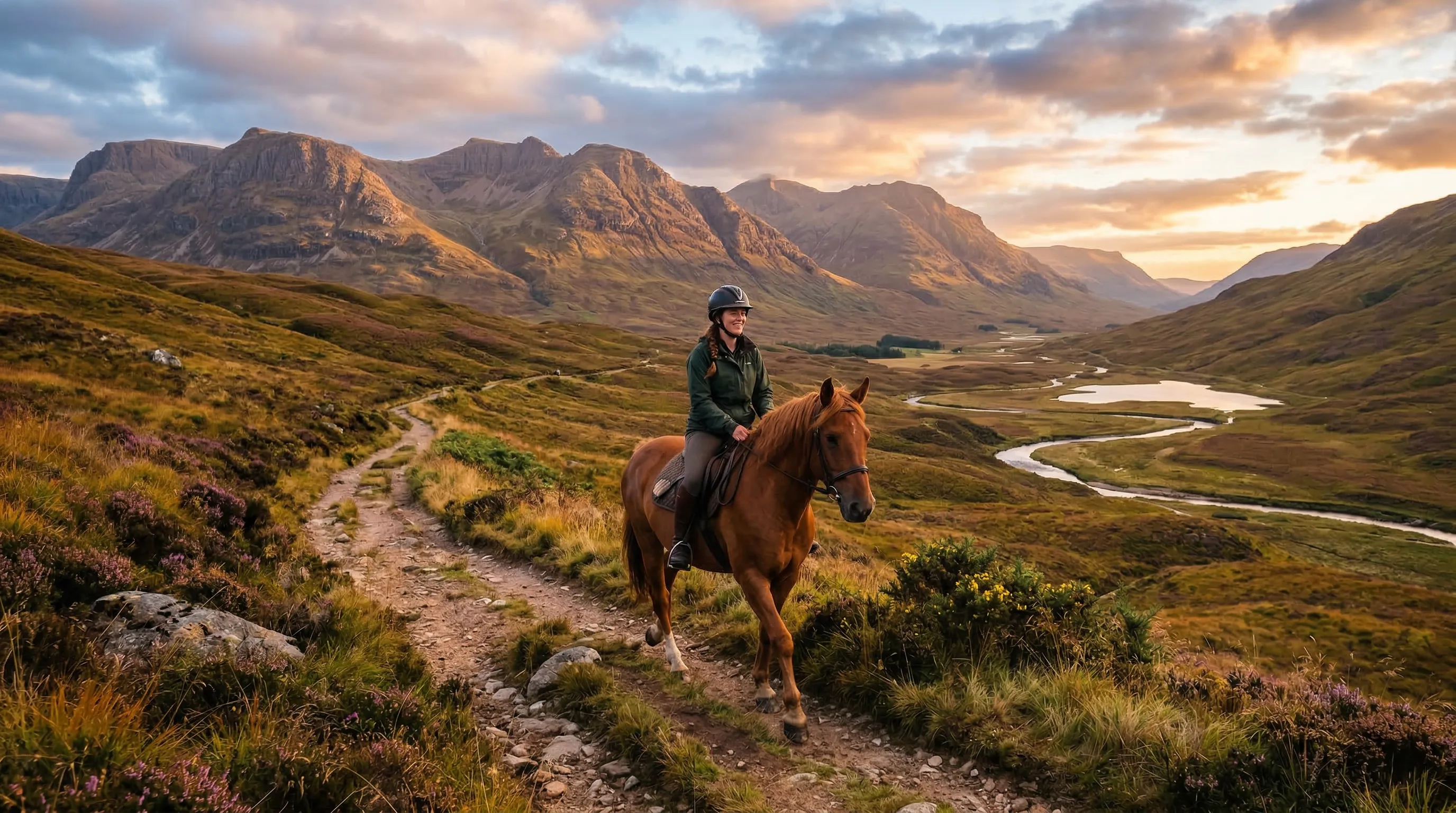
A former Spanish colony with Art Deco architecture and a long, wide beach that catches excellent swell. Sidi Ifni has a melancholic charm with its crumbling colonial buildings and misty climate (the "Blue Town" of the south). The beach is vast and often empty, with good surf at the southern end. Sunday market draws people from surrounding villages.
Dragon Beach (Dakhla)
Dakhla · Dakhla-Oued Ed-Dahab
A surreal spot on Dakhla's lagoon where a sand spit creates the shape of a dragon when seen from above. This is where kiteboarders come for the flattest water and most consistent winds in Morocco. The setting is utterly unique: desert on both sides, turquoise water, and virtually no one around. One of the top 5 kitesurfing spots on Earth.
Plage Blanche
Guelmim · Guelmim-Oued Noun
An immense, virtually untouched white sand beach stretching 40 km along the Atlantic coast. Accessible only by 4x4, Plage Blanche is one of the most pristine beaches in all of Africa. No buildings, no people, no sound except the waves. Endangered monk seals have been spotted here. This is the ultimate remote beach experience for those willing to make the journey.
Paradise Valley
Agadir · Souss-Massa
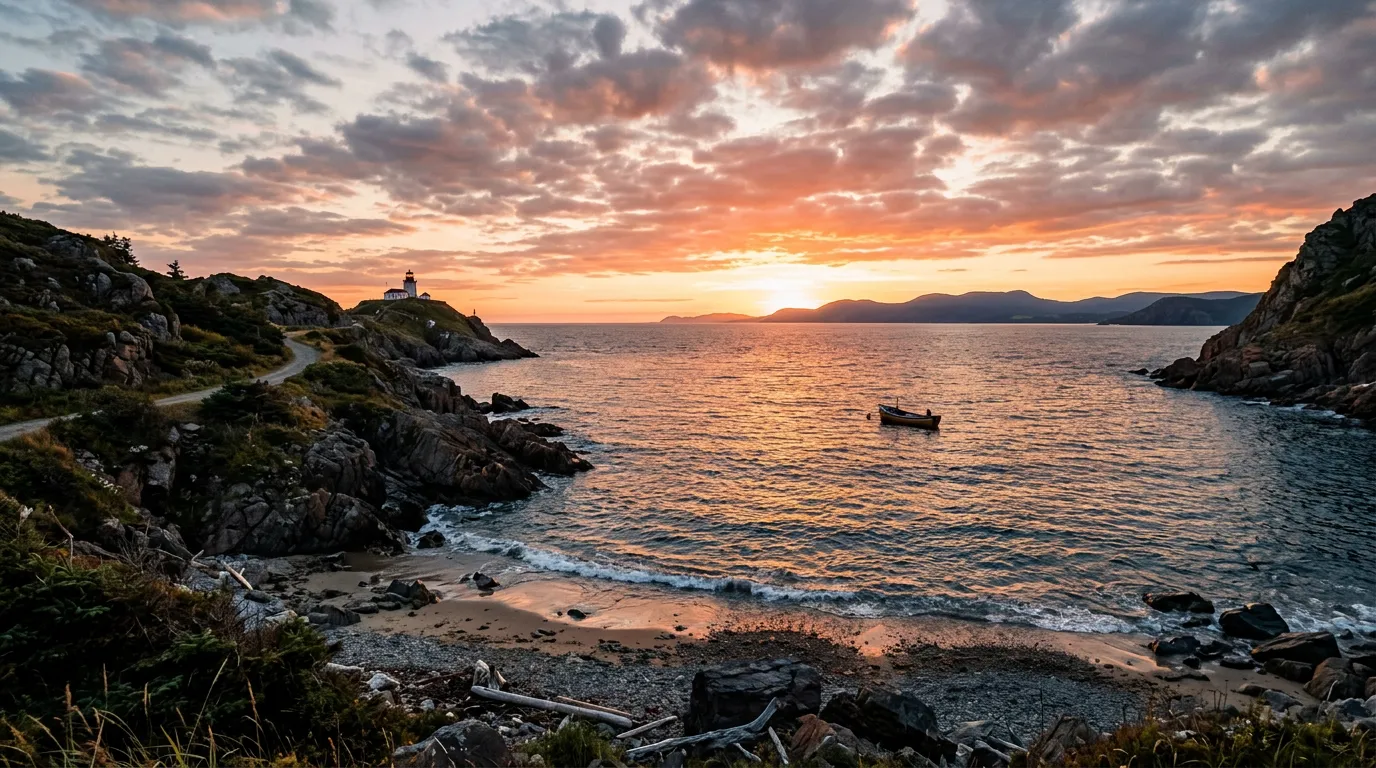
Not a beach but a series of natural freshwater pools and waterfalls in a palm-lined valley 30 minutes from Agadir. Locals and travelers swim in the emerald pools, jump from rocks, and picnic under palm trees. The water is refreshingly cold compared to the coast. A perfect half-day escape from the beach. Go early to avoid crowds.
Imsouane
Imsouane · Souss-Massa
A tiny fishing village perched above a sheltered bay that produces one of the longest rideable waves in Africa. The Bay offers a gentle, incredibly long right-hander perfect for longboarding and beginners, while the Cathedral break outside the bay delivers powerful reef waves for advanced surfers. The village has a raw, pre-tourism charm with fresh seafood shacks and a tight-knit surf community.
Morocco Surfing Guide
Morocco is one of the world's premier surf destinations, with consistent Atlantic swell, warm water by European standards, and a surf culture that rivals anything in Portugal, Indonesia, or California.
Why Morocco for Surfing?
Morocco's Atlantic coast faces directly into the path of North Atlantic storm systems that generate powerful, consistent swell from October through March. The coastline's varied geography — rocky points, reef shelves, and sandy bays — creates an extraordinary variety of wave types, from gentle longboard-friendly rollers to heavy, barreling reef breaks.
The epicenter of Moroccan surfing is the 30-kilometer stretch between Taghazout and Tamraght, which packs more quality breaks per kilometer than almost anywhere on Earth. But the surf extends far beyond this zone: from Imsouane's endless right-hander to Mirleft's secluded cove breaks, there are waves for every level and taste.
Surf Seasons
Top Surf Breaks
Anchor Point
Taghazout
Morocco's most famous wave. A long, fast, barreling right that wraps around a rocky point. Can hold big swell and offers rides of 200+ meters on the best days. Gets crowded but the quality is undeniable.
Killer Point
Taghazout
A heavy, fast right that breaks over a shallow reef shelf. Named for the orcas sometimes spotted offshore. The paddle-out can be challenging, and the wave packs serious power. Not for beginners.
Imsouane Bay
Imsouane
Possibly the longest wave in Africa. A gentle, forgiving right that peels across the bay for hundreds of meters. Perfect for longboarding and learning. The inside section is incredibly mellow.
Boilers
Taghazout
Named after a shipwreck boiler visible at low tide. A punchy, hollow right that breaks close to rocks. Shorter rides than Anchor Point but more intense. Experienced surfers only due to the rocky lineup.
Sidi Kaouki
Sidi Kaouki
A wide, sandy beach break offering multiple peaks. Less consistent than Taghazout but much less crowded. Great for progression and longboarding. The wind can be a factor, especially in the afternoon.
Panoramas
Taghazout
A mellow, user-friendly wave just south of Taghazout village. Perfect for intermediate surfers looking to build confidence. The inside is sandy and forgiving, while the outside offers more powerful sections.
Dracula
Taghazout area
A fast, hollow right that breaks over a rock shelf north of Taghazout. Less crowded than Anchor Point with a similar quality wave on its day. The takeoff zone is narrow and the reef is shallow.
Mirleft Breaks
Mirleft
Multiple breaks across Mirleft's cove beaches. Each cove faces a slightly different direction, meaning you can usually find something working. Far fewer crowds than Taghazout and a more raw, adventurous surf experience.
Surf Schools
Morocco has hundreds of surf schools, especially around Taghazout and Essaouira. Expect to pay:
- 2-hour group lesson: 250-400 MAD
- Private lesson: 500-800 MAD
- Week surf camp (all-in): 3,000-6,000 MAD
- Board rental (day): 100-200 MAD
- Wetsuit rental (day): 50-100 MAD
What to Bring
Morocco's water temperature ranges from 16C in winter to 22C in summer. Pack accordingly:
- Winter (Oct-Mar): 4/3mm full wetsuit
- Summer (Jun-Sep): 2mm shorty or boardshorts
- Spring/Autumn: 3/2mm full suit
- Reef booties for rocky breaks
- Sun protection (zinc, rash guard)
- Ear plugs for cold-water surfers
Surf Etiquette
Respect in the water ensures everyone has a good session:
- Person closest to the peak has priority
- Don't drop in on someone already riding
- Paddle around the break, not through it
- Respect locals — they surf here every day
- Don't paddle out at breaks above your level
- Keep beaches clean: pack out your trash
Kitesurfing & Windsurfing
Morocco's consistent trade winds and diverse conditions make it one of the world's top destinations for kite and wind sports.
Dakhla
Dakhla's lagoon is one of the top 3 kitesurfing destinations on the planet. A 40-km-long bay between the Sahara desert and the Atlantic Ocean creates a vast, shallow, flat-water paradise with thermal winds averaging 20-30 knots from March to November. The lagoon's shallow depth (often waist-deep) makes it safe for beginners, while the consistent, strong winds challenge advanced riders. Dragon Beach, a sand spit shaped like a dragon when seen from above, is the most iconic spot.
Schools & Camps:
- Dakhla Attitude (IKO certified)
- Ocean Vagabond
- PK25 Kite Camp
- Dakhla Spirit
- Westpoint Dakhla
Essaouira
Essaouira has been a windsurfing destination since the 1980s and has evolved into an equally popular kitesurfing spot. The Alizee trade winds funnel through the bay from April to September, creating consistent 15-25 knot conditions almost every afternoon. The main beach offers wave riding in the chop, while the flatter area near Moulay Bouzerktoune (25 km north) provides smoother conditions. The medina backdrop makes this the most photogenic wind sports destination in Morocco.
Schools & Rentals:
- ION Club Essaouira (windsurf + kite)
- Explora Watersports
- Magic Fun Afrika
- Ocean Vagabond Essaouira
- Kitesurfmaroc
Kitesurfing & Windsurfing Costs
Beach Safety in Morocco
Morocco's Atlantic coast in particular can be dangerous for inexperienced swimmers. Understanding local conditions is essential for a safe visit.
Understand the Currents
- Atlantic beaches often have strong rip currents that pull swimmers out to sea
- If caught in a rip current, swim parallel to shore, never against it
- Look for channels of darker, calmer water between waves — these are rip currents
- Mediterranean beaches are generally much calmer and safer for swimming
Flag System
- Green flag: safe swimming conditions
- Yellow flag: caution, moderate conditions
- Red flag: dangerous, no swimming
- Many Atlantic beaches are unguarded — no flag does not mean safe
- Only swim at lifeguarded beaches if you are not a strong swimmer
Sun Protection
- Morocco has intense UV, especially in summer (UV index 9-11)
- Wear SPF 50+ and reapply every 2 hours
- Avoid peak sun between 12:00-16:00 in summer
- Stay hydrated — dehydration is common on beach days
- Wear a hat and UV-protective sunglasses
Tides & Timing
- Atlantic coast has significant tidal range (up to 3 meters)
- Some beaches (like Legzira) are only accessible at low tide
- Check tide times before visiting cove beaches to avoid being trapped
- Rocks exposed at low tide can be very slippery
Jellyfish & Marine Life
- Jellyfish are occasional on both coasts, mainly in summer
- Portuguese man-of-war sightings are rare but occur on the Atlantic
- Sea urchins on rocky Mediterranean beaches — wear water shoes
- No dangerous sharks in Moroccan coastal waters
Emergency Information
- Emergency number: 150 (civil protection) or 19 (police)
- Lifeguards are present at major beaches June-September
- Carry a charged phone in a waterproof pouch
- Tell someone where you are going if visiting remote beaches
- Keep valuables locked in your car, not on the beach
Best Beach Hotels & Riads
From luxury lagoon-side retreats to purpose-built kitesurf camps, these are the finest coastal stays in Morocco.
La Sultana Oualidia
Oualidia
Perched on the lagoon with private boat access, infinity pool, and a celebrated restaurant serving the freshest oysters. Each suite has lagoon views and private terraces.
Heure Bleue Palais
Essaouira
A Relais & Chateaux property in the heart of the medina with a rooftop pool, cinema, and art collection. Steps from the beach and the ramparts.
Dakhla Attitude
Dakhla
A purpose-built kitesurf camp on the Dakhla lagoon with direct water access, equipment storage, and courses for all levels. Eco-lodge style rooms with lagoon views.
Sofitel Tamuda Bay
Cabo Negro / M'diq
A sleek, contemporary luxury resort on the Mediterranean coast with private beach, multiple pools, and a spa. The best luxury option on the north coast.
Hyatt Place Taghazout Bay
Taghazout
Modern resort hotel in the new Taghazout Bay development with ocean-view rooms, pool, and easy access to the surf. A step up from the village surf camps.
Sofitel Agadir Royal Bay
Agadir
Agadir's premier beachfront hotel with expansive gardens, multiple pools, and direct beach access. Ideal for families wanting a polished resort experience.
Beach Hopper's Itinerary
A 10-day coastal road trip from Tangier to Legzira, covering the best of Morocco's Atlantic coastline. Approximately 1,130 km of driving with beaches, medinas, surf breaks, and seafood along the way.
Tangier to Asilah
Start in Tangier where the Atlantic meets the Mediterranean at Cap Spartel. Visit the Caves of Hercules, then drive the scenic coast road south to Asilah. Spend the afternoon exploring the painted medina and enjoy a seafood dinner overlooking the ramparts.
Asilah to Oualidia
A longer driving day south along the Atlantic coast. Consider a lunch stop in Rabat at the stunning Kasbah des Oudaias, or push through to El Jadida to see the UNESCO-listed Portuguese cistern. Arrive in Oualidia for oysters at sunset by the lagoon.
Oualidia
A rest day to enjoy the tranquil lagoon. Swim in the calm turquoise waters, visit an oyster farm and taste freshly shucked oysters with lemon and Tabasco. Take a boat tour of the lagoon and watch the birds. La Sultana has an excellent spa if you want to treat yourself.
Oualidia to Essaouira
Drive south through Safi, Morocco's pottery capital, where you can watch artisans at work. Continue along the scenic coast to Essaouira. Check into a riad in the medina and walk the ramparts at golden hour. Dinner at a fish grill on the port.
Essaouira
Explore the UNESCO-listed medina, browse the thuya wood workshops, and try a wind sport on the beach. If conditions are calm, swim at the northern end of the beach. For a quieter experience, hire a taxi to Sidi Kaouki for the afternoon.
Essaouira to Imsouane
A short and beautiful drive south along the coast, passing through argan forests. Stop at a women's cooperative to learn about argan oil production. Arrive in tiny Imsouane and rent a board to ride the legendary long wave. Fresh sardines for dinner at the port.
Imsouane to Taghazout
One more morning session at Imsouane, then continue south to Taghazout, Morocco's surf capital. Check into a surf camp or guesthouse. Afternoon options include surfing Panoramas, a yoga class, or simply soaking up the village atmosphere. Watch sunset from the rocks.
Taghazout and Agadir
Start with a dawn surf session, then drive inland to Paradise Valley for a swim in the natural freshwater pools surrounded by palm trees. Afternoon at Agadir's resort beach to relax, and visit the massive Souk el Had for souvenirs and spices.
Agadir to Mirleft and Legzira
Drive south through Tiznit (stop to see the silversmiths) and on to Mirleft, where dramatic cove beaches sit below colorful cliffs. Continue to Legzira to see the legendary red rock arches, timing your visit for low tide. Stay in a clifftop guesthouse with Atlantic views.
Legzira to Agadir (return)
A morning walk on Legzira's red sand before driving to nearby Sidi Ifni to see the faded Spanish colonial architecture. Return to Agadir via the inland route through the Anti-Atlas foothills. Final evening watching the sunset from Agadir's promenade before your departure.
Road Trip Practical Tips
Car Rental
- Book in advance, especially in summer. Budget from 300 MAD/day for a small car.
- Rent from airports for the best selection. Tangier or Agadir airports work for this route.
- Choose a vehicle with good ground clearance if visiting remote beaches.
- Automatic transmission costs more but is available at all major agencies.
- Full insurance (CDW + theft) is strongly recommended.
Driving Tips
- The N1 coastal highway is well-maintained. Speed limit: 120 km/h on autoroutes, 60 km/h in towns.
- Fuel stations are plentiful. Fill up before remote stretches south of Tiznit.
- Avoid driving at night in rural areas (unlit roads, animals, pedestrians).
- Tolls on autoroutes are modest: Tangier to Rabat is about 70 MAD.
- Parking is easy outside cities. In towns, use official parking (5-10 MAD).
When to Visit: Seasonal Coastal Guide
Morocco's two coastlines have very different characters depending on the season. Here is what to expect throughout the year.
Winter (December - February)
Atlantic Coast
Mediterranean Coast
Spring (March - May)
Atlantic Coast
Mediterranean Coast
Summer (June - August)
Atlantic Coast
Mediterranean Coast
Autumn (September - November)
Atlantic Coast
Mediterranean Coast
Quick Reference
Best beach for families?
Oualidia Lagoon has calm, shallow water and is the safest Atlantic option. On the Mediterranean, Saidia has the best facilities including an aquapark. Agadir is the most convenient with resort-level amenities.
Best beach for couples?
Mirleft for secluded cove beaches and romantic sunsets. Essaouira for the medina-meets-beach atmosphere. Oualidia for oysters and a luxury lagoon-side stay at La Sultana.
Best beach for surfing?
Taghazout is the surf capital with breaks for all levels nearby. Imsouane has the longest wave. Sidi Kaouki for a quieter, less crowded experience.
Best beach for kitesurfing?
Dakhla is world-class and operates March to November. Essaouira is excellent from April to September with easier access from Marrakech.
Best remote/secluded beach?
Plage Blanche (Guelmim) is a 40 km untouched strand accessible only by 4x4. For something more accessible, Mirleft and Al Hoceima National Park have stunning secluded coves.
Can I swim in Morocco year-round?
Yes, but location matters. Agadir and Dakhla are comfortable year-round. Mediterranean beaches are warm June to September only. Atlantic water is coolest January to March (16-17C).
Plan Your Beach Holiday
Combine beach time with city exploration using our trip planner, or browse coastal accommodation options and road trip itineraries.