Discovering...
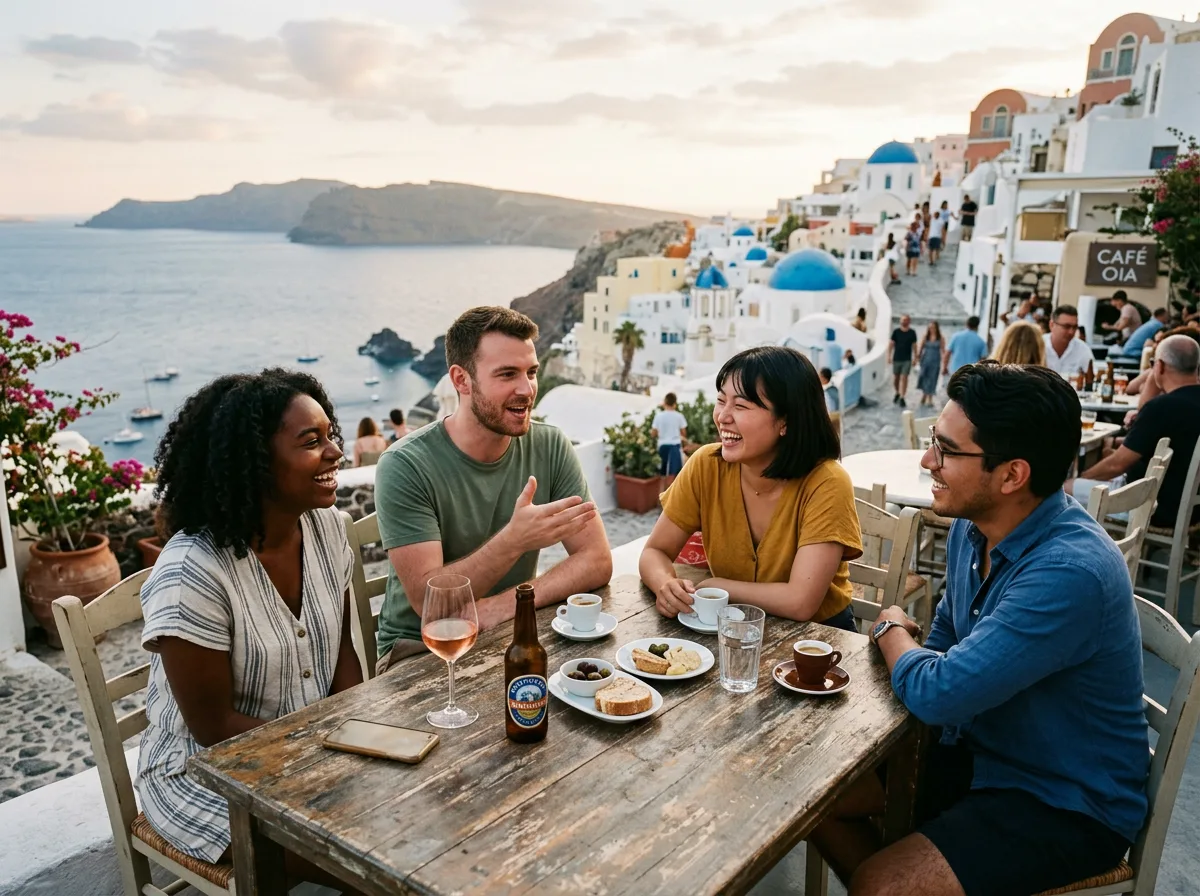
Culinary Experience
Moroccan Cooking Class
Explore a bustling souk with a local chef, learn the art of tagine, couscous, and pastilla, and feast on everything you create. The most delicious souvenir you will bring home from Morocco.
$30-80
Per Person
4-5
Hours
4.9
Rating
Why a Cooking Class Is the Best Thing You Can Do in Morocco
Moroccan cuisine is one of the world's great culinary traditions, a sophisticated tapestry woven from Berber, Arab, Andalusian, Ottoman, and French influences over more than a thousand years. It is a cuisine of patience and precision, where a single tagine may contain twenty spices in exact proportions, and where the difference between good couscous and extraordinary couscous lies in the love and attention of three separate steamings.
A cooking class takes you behind the scenes of this extraordinary food culture in a way that no restaurant meal ever could. You begin in the souk, where the organized chaos of a Moroccan market becomes your classroom. Your chef teaches you to identify the freshest produce by touch and smell, to distinguish true saffron from cheaper substitutes, and to navigate the social rituals of bargaining that are as much a part of Moroccan life as the food itself.
Back in the kitchen -- which might be a gleaming professional setup, a charming riad courtyard, or a traditional family home -- you cook under the patient guidance of someone who has been making these dishes since childhood. The experience is tactile and sensory in a way that recipe books cannot replicate. You feel the dough stretch between your fingers as you make msemmen. You smell the moment when toasted cumin seeds release their essential oils. You learn the exact shade of golden-brown that means your onions are perfectly caramelized for a tagine base.
Perhaps most importantly, you take these skills home. Long after your photographs have been filed away and your memories have softened, you can walk into your own kitchen, open a jar of ras el hanout, and be transported instantly back to a rooftop in Marrakech or a courtyard in Fes. A cooking class is not just an experience -- it is a souvenir that lasts a lifetime.
Hands-On Learning
Dishes You Will Learn
Most classes cover three to four dishes in a single session. These are the signature recipes you will master.
#1
45-60 min prep
Tagine
The crown jewel of Moroccan cuisine, named after the conical clay pot in which it slowly simmers. You will learn the art of layering spices, proteins, and vegetables in precise order so they meld into something far greater than the sum of their parts. Most classes teach chicken tagine with preserved lemons and olives (the most iconic version) alongside a lamb tagine with prunes and almonds. The secret lies in the low, slow heat that the clay pot provides -- and the patience to let it work its magic. You will discover how a handful of humble ingredients, treated with respect and time, become a dish that has sustained Moroccan families for centuries.
#2
90 min (3 steamings)
Couscous
Hand-rolling couscous is a meditative, deeply satisfying process that connects you directly to generations of Moroccan women who have performed this ritual every Friday for centuries. You begin with dry semolina, adding water and olive oil gradually while rolling the grains between your palms until they achieve the perfect tiny, uniform size. The grains are then steamed three times over a fragrant broth in a couscoussier, fluffed by hand between each steaming. The result is incomparably lighter and more flavorful than anything from a box. In Morocco, couscous is far more than food -- it is the dish of community, served every Friday after prayers and at every celebration.
#3
75 min
Pastilla (B'stilla)
Pastilla is the supreme achievement of Moroccan culinary art -- a dish so complex and refined that it was once reserved for royal banquets and wedding feasts. Layer upon layer of warqa (paper-thin pastry, similar to phyllo but handmade) are filled with shredded pigeon or chicken that has been cooked with saffron, ginger, and cinnamon, then mixed with caramelized onions and toasted almonds. The assembled pie is baked until golden, then dusted with powdered sugar and cinnamon. The interplay of sweet, savory, crispy, and tender in a single bite is revelatory. Making warqa from scratch is a skill that takes years to master, but your chef will demonstrate the technique.
#4
30 min
Msemmen
These square, layered Moroccan flatbreads are one of the first things you will smell each morning in any Moroccan neighborhood -- the irresistible aroma of buttery, flaky dough cooking on a flat griddle. The technique involves stretching a ball of dough paper-thin on an oiled surface (so thin you can see through it), then folding it into a square with layers of butter and fine semolina between each fold. When cooked, the exterior is crispy and golden while the interior remains soft and layered like a savory croissant. Msemmen is served for breakfast with honey and butter, or alongside tagine to soak up the sauce. Once you master the stretching technique, you will make these at home regularly.
Step by Step
A Typical Cooking Class Day
Here is what to expect from a standard half-day morning cooking class.
9:00 AM
Welcome & Introduction
Arrive at the cooking school or riad and meet your chef over a glass of fresh mint tea. Receive an overview of the day's menu, the history of each dish, and the key techniques you will learn.
9:30 AM
Guided Market Tour
Walk through the bustling souk with your chef as your guide. Learn to select the freshest vegetables, identify quality spices by smell and color, choose the right cuts of meat, and navigate the organized chaos of a Moroccan market. This is an education in itself.
10:30 AM
Spice Preparation
Back in the kitchen, learn to toast, grind, and blend your own spice mixtures. Understand the role of each spice in the Moroccan pantry -- cumin for earthiness, saffron for color and perfume, ras el hanout for complexity, preserved lemons for brightness.
11:00 AM
Hands-On Cooking
The main event. Under your chef's guidance, prepare three to four dishes from scratch. You do the chopping, the seasoning, the layering, and the shaping. Every step is explained in context, so you understand not just how but why.
12:30 PM
Bread & Sides
While the tagine simmers, learn to make msemmen or khobz (traditional round bread). Prepare Moroccan salads like zaalouk (smoky eggplant) and taktouka (roasted pepper). These accompaniments are essential to a complete Moroccan table.
1:00 PM
The Feast
Sit down to enjoy everything you have created, served family-style in the courtyard or on the rooftop. Your chef shares stories about Moroccan food culture, regional variations, and the role of food in Moroccan hospitality. Mint tea and pastries to close.
2:00 PM
Recipes & Farewell
Receive printed or digital recipe cards for every dish you prepared, along with tips for sourcing ingredients at home. Many chefs also share their personal WhatsApp or Instagram for follow-up questions when you cook at home.
Where to Take a Cooking Class
Each city offers a distinctly different culinary personality. Choose based on your itinerary and food interests.
Marrakech
$30-120/person
The culinary capital and most popular destination for cooking classes. Marrakech offers the widest range of options, from budget-friendly group classes to exclusive private sessions with celebrity chefs. The souk experience here is unrivaled -- your market tour will take you through the spice souks of the medina, past mountains of cumin, saffron, and ras el hanout, past butchers, bakers, and herbalists. Classes typically focus on the hearty, aromatic cuisine of southern Morocco: lamb tagines, chicken pastilla, and the classic Marrakchi tanjia (a slow-cooked meat dish unique to the city). Top schools include La Maison Arabe (Morocco's oldest cooking school, established 1946), Souk Cuisine, and Amal Women's Training Center.
Largest selection of schoolsIconic spice souk tourTanjia specialtyBoth budget and luxury options
Fes
$35-150/person
Fes is considered the gastronomic heart of Morocco, home to the country's most refined and complex cuisine. Fassi cooking reflects centuries of Andalusian, Arab, and Berber influence, producing dishes of extraordinary subtlety and sophistication. A cooking class in Fes will introduce you to dishes rarely found elsewhere: rfissa (a saffron-infused celebration dish), sweet-savory pastilla with pigeon, and the intricate spice blends that define Fassi cuisine. The market tour takes you through the world's largest car-free urban area, past medieval fondouks and Sufi shrines. Classes at Palais Amani begin in their organic rooftop garden where you harvest herbs.
Morocco's most refined cuisineWorld heritage medina market tourPastilla specializationRooftop garden harvesting
Essaouira
$35-100/person
The coastal cooking class experience is fundamentally different from inland Morocco. Here, the morning begins at the bustling fish market where the day's catch is auctioned in a theatrical display of shouting and hand signals. Your chef helps you select the freshest sardines, prawns, sea bream, or lobster. Back in the kitchen, you learn the art of chermoula (the magnificent Moroccan fish marinade of cilantro, garlic, cumin, paprika, and preserved lemons), seafood pastilla, and grilled fish the Essaouira way. The Atlantic wind, the cries of seagulls, and the relaxed coastal atmosphere make this a distinctly different culinary experience.
Fresh fish market tourSeafood specialtiesChermoula masterclassRelaxed coastal atmosphere
Class Types & Pricing
Three formats to suit every budget, schedule, and culinary ambition.
Group Class
$30-50/person
3-4 hours6-12 people
The most popular and affordable format. Join other travelers for a sociable, hands-on cooking experience. Ideal for solo travelers who want to meet people, or anyone seeking great value.
Guided market tour
3-4 dishes
Recipe booklet
Shared feast with drinks
Mint tea & pastries
Most Popular
Private Class
$60-80/person
4-5 hours1-6 people
Exclusive one-on-one or small-group session with a dedicated chef. Choose your own menu, learn at your own pace, and enjoy personalized instruction adapted to your skill level and dietary needs.
Private market tour
Custom menu selection
4-5 dishes
Dietary accommodations
Recipes & spice kit to take home
Farm-to-Table Premium
$80-150/person
5-7 hours2-8 people
A full-day immersive experience starting at an organic farm or garden. Harvest your own herbs and vegetables, then cook a multi-course meal using only what you have picked. Available in the Ourika Valley and Essaouira region.
Farm/garden harvest
Extended market tour
5-6 dishes
Wine or cocktail pairing
Artisanal spice collection
Practical Tips
Book 2-3 Days Ahead
Popular schools in Marrakech and Fes sell out during peak season (October-April). Book at least 2-3 days in advance, especially for private classes. During Ramadan, class times and menus may change, but special iftar (breaking-the-fast) cooking classes are often available.
Mention Dietary Needs Early
Most schools accommodate vegetarian, vegan, gluten-free, and halal requirements with advance notice. Moroccan cuisine is naturally rich in vegetable dishes, so vegetarian classes are exceptional. Mention allergies when booking, not on the day.
Come Hungry
Skip breakfast or eat very lightly. You will be cooking (and tasting) a large multi-course meal. The feast at the end is substantial. Many schools also send you home with leftovers if you cannot finish everything -- which is likely, given the portions.
Buy Spices After Class
Your chef can recommend trusted spice merchants where you will get quality products at fair prices. Buy whole spices rather than ground -- they last much longer and you can grind them fresh at home. A small spice collection makes the perfect self-souvenir.
Tipping Etiquette
Tipping your chef is appreciated but not obligatory. 50-100 MAD ($5-10) per person is generous for a group class. For a private class, 100-200 MAD is appropriate if you had an exceptional experience. Tips can be given directly to the chef at the end of the meal.
Related Experiences
Complete your Moroccan adventure with these complementary experiences.