Discovering...
Desert Experiences
Desert Camping in Morocco:
Sahara Camps & Glamping Guide
From basic bivouacs under the stars to luxury tents with en-suite showers. Everything you need to book the right Sahara camp for your budget and expectations.
The Truth About Desert Camping in Morocco
Spending a night in the Sahara is one of the most searched activities for Morocco travel, and the experience delivers. Riding a camel into golden dunes, eating tagine under a sky packed with stars, waking to watch sunrise paint the sand orange -- it stays with you. But the range of camp quality in Morocco is enormous, and marketing photos often misrepresent the reality. A "luxury camp" on one booking site might mean a mattress on the ground with a shared pit toilet.
This guide breaks down exactly what to expect at each price tier, compares the three main desert destinations, and names specific camps worth booking. Prices listed are for the 2025-2026 season and include dinner and breakfast unless stated otherwise. Seasonal pricing can change, so confirm directly with the camp before booking.
Three Types of Desert Camp
Budget, mid-range, and luxury deliver very different experiences. Know what you are paying for.
Basic Bivouac
From 250 MAD per person
Simple Berber tents with mattresses on the ground, shared pit toilet, no shower. Dinner cooked over open fire, communal sleeping area or small two-person tents. This is how desert camping worked for decades before glamping arrived. Authentic, stripped down, and cold at night. Bring your own sleeping bag for warmth.
Best for: Backpackers, budget travelers, those who want the raw experience
Bathrooms: Shared pit toilet behind a screen. No shower.
Power: None. Bring a headlamp and portable charger.
Mid-Range Camp
From 600 MAD per person
Proper beds with blankets in individual tents, shared bathroom block with flushing toilets and sometimes lukewarm showers. Dinner served at communal tables, Berber drums around the fire. These camps run the widest quality range, so read recent reviews carefully. Some are excellent; others cut corners.
Best for: Most travelers, couples, small groups wanting comfort without excess
Bathrooms: Shared block with flush toilets. Showers vary by camp.
Power: Common area may have charging via solar or generator.
Luxury Glamping
From 2,500 MAD per person
Full-size furnished tents with king beds, proper en-suite bathrooms with hot showers, Berber carpets, lantern lighting, and sometimes air conditioning. Multi-course dinner, private camel rides, sandboarding, quad biking, and spa treatments available. The best camps rival boutique hotels while sitting in the middle of the dunes.
Best for: Couples on honeymoon, families wanting comfort, luxury travelers
Bathrooms: Private en-suite with hot shower, flush toilet, running sink.
Power: In-tent charging, sometimes Wi-Fi in common area.
Erg Chebbi vs Erg Chigaga vs Agafay
Three distinct destinations, three completely different experiences. Choose based on your time, budget, and what matters most to you.
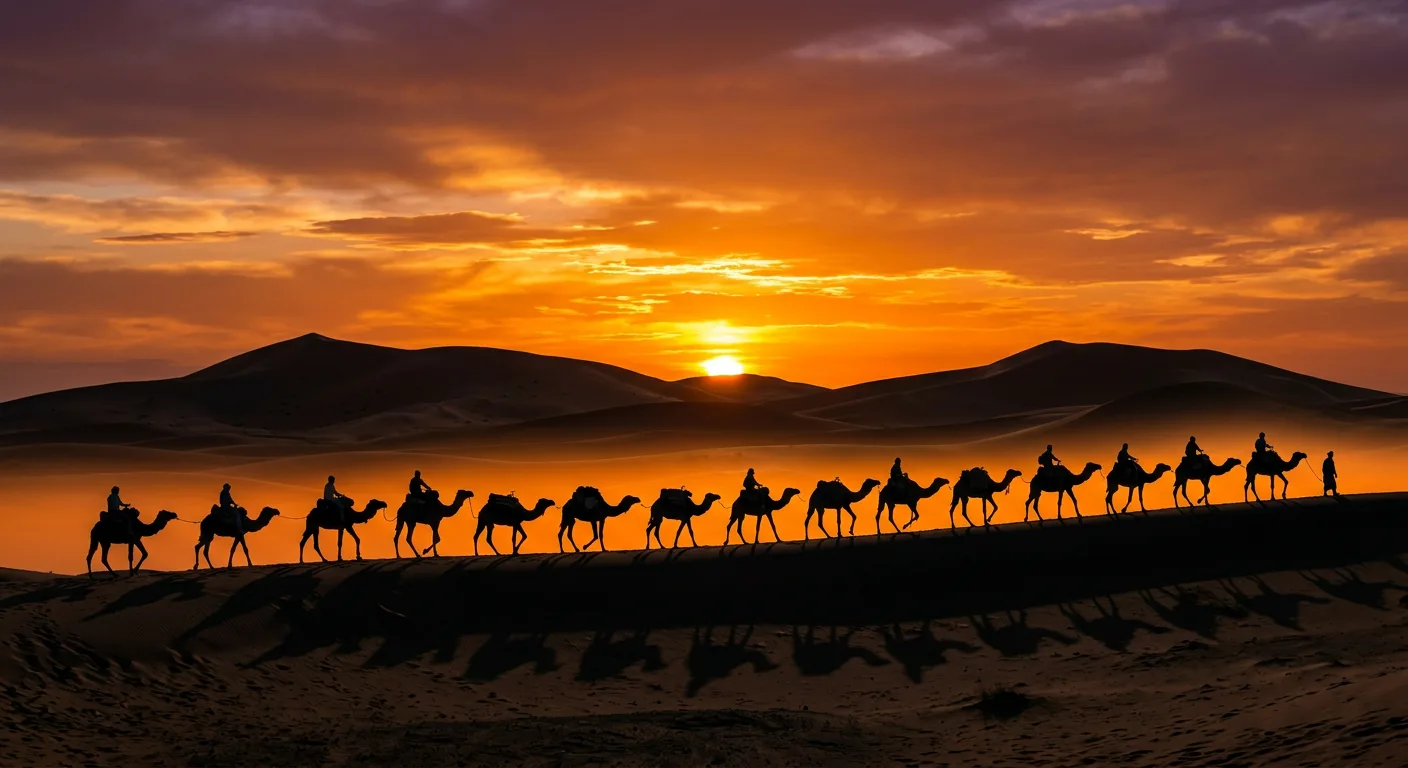
Up to 150 meters
Erg Chebbi (Merzouga)
8-10 hours by road from Marrakech
Morocco's most accessible major dune field. Erg Chebbi covers roughly 50km north-south and 5-10km east-west, with dunes reaching 150 meters. The town of Merzouga sits right at the dune edge, so you can walk from your hotel into the sand. Dozens of camps operate here across every budget tier. The infrastructure is mature: paved roads, ATMs in Merzouga, and regular transport from Fes, Marrakech, and Ouarzazate.
Pros
Easy access from Merzouga town
Widest range of camps and budgets
Tall dunes (up to 150m)
Nearby Khamlia gnawa music village
Cons
Can feel crowded at sunrise viewpoints in peak season
More commercialized than Chigaga
Long drive from Marrakech (8-10 hrs)
Recommended camps: Luxury: Merzouga Luxury Desert Camp, Kam Kam Dunes. Mid-range: Sahara Stars Camp, Camel Trek Bivouac. Budget: Berber Tents Merzouga.
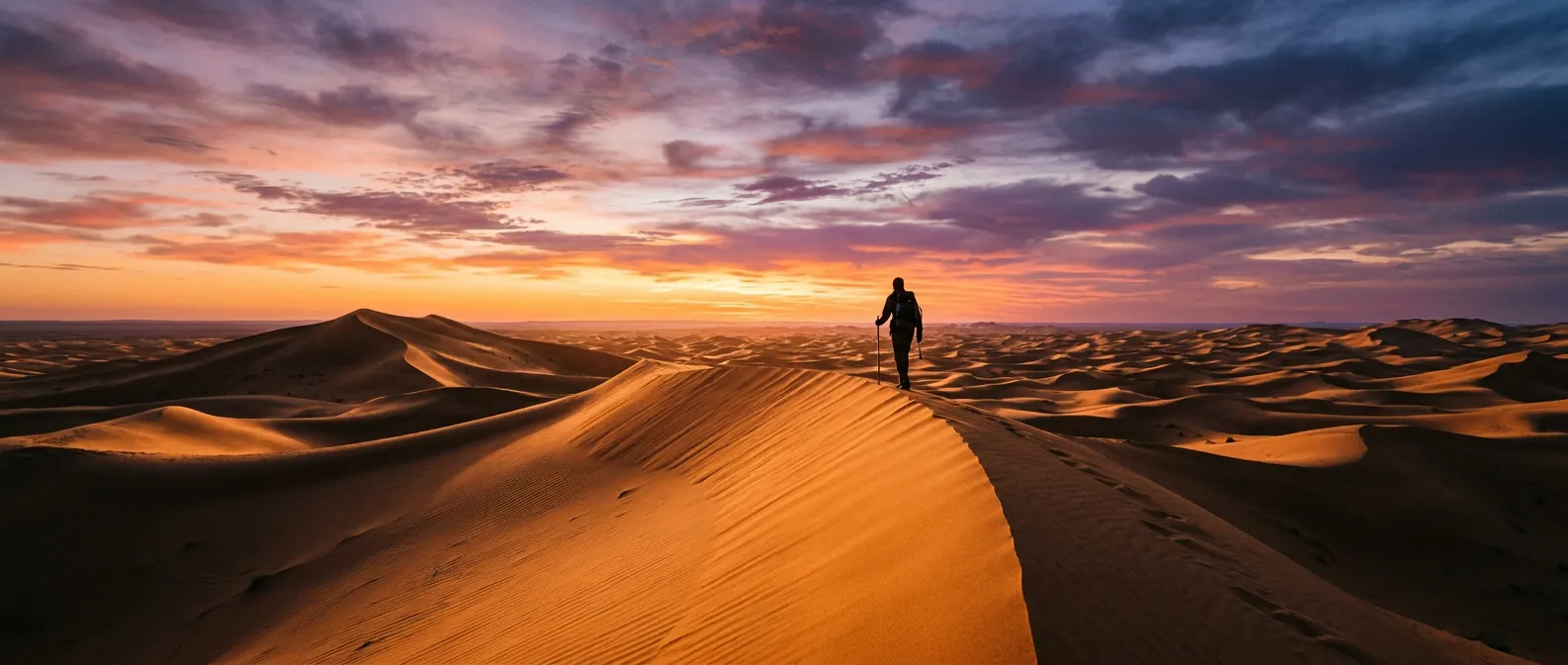
Up to 300 meters
Erg Chigaga (M'Hamid)
9-11 hours by road + 2 hours by 4x4 from Marrakech
Morocco's largest dune field, stretching 40km long and 15km wide, with dunes towering up to 300 meters. Reaching Chigaga requires a 4x4 journey of 50-60km from M'Hamid across flat desert terrain. This remoteness filters out casual visitors. Fewer camps operate here, and the sense of isolation is profound. At night, zero light pollution makes the Milky Way visible in startling detail.
Pros
Truly remote and uncrowded
Largest dunes in Morocco (up to 300m)
Best stargazing in the country
Feels like real Sahara expedition
Cons
Requires 4x4 transfer (from 500 MAD extra)
Fewer camp choices
Zero phone signal
Harder for short trips
Recommended camps: Luxury: Erg Chigaga Luxury Desert Camp, Desert Camps Morocco. Mid-range: Bivouac Chigaga, Nomad Life Camp.

No dunes (rocky plateau)
Agafay Desert (near Marrakech)
40 minutes from Marrakech
A barren, rocky plateau 30km southwest of Marrakech with Atlas Mountain views. Agafay is not a sand desert. There are no dunes. What it offers is convenience: 40 minutes from Marrakech, reliable luxury camps, full phone signal, and easy access. Several high-end camps here compete with each other on design, dining, and infinity pools. Good as a quick overnight escape from Marrakech, but do not expect the Sahara experience.
Pros
40 minutes from Marrakech
Full phone signal and 4G
Atlas Mountain views
Pool and spa at luxury camps
Cons
Not a real sand desert, no dunes
Does not feel like Sahara
Pricey for what is essentially a rocky field
Tourist-oriented
Recommended camps: Luxury: Scarabeo Camp, Inara Camp, La Pause. Mid-range: Agafay Desert Camp, Terre des Etoiles.
What a Desert Camp Night Looks Like
A typical overnight desert camp experience runs from mid-afternoon to mid-morning the next day. Here is the timeline, hour by hour.
3:00 - 4:00 PM
Arrive & Mount Camels
Most camps start the experience mid-afternoon. At Erg Chebbi, you meet your camel handler at the dune edge near Merzouga. At Chigaga, the 4x4 drops you at the camp or at a camel meeting point. The camel ride to camp takes 45 minutes to 1.5 hours depending on the camp's location in the dunes.
5:30 - 6:30 PM
Sunset on the Dunes
Your guide leads you to a high dune with panoramic views. The light shifts from gold to copper to pink as the sun drops. This is the most photographed moment of the trip. Bring your phone fully charged. Some camps offer sandboarding on the way back down.
7:00 - 9:00 PM
Dinner & Berber Music
Back at camp, dinner is served in a communal tent or under the stars. A typical meal includes Berber soup (harira), tagine with vegetables and chicken or lamb, couscous, fresh bread, and fruit. Staff bring out bendir drums and sing Amazigh songs around the campfire. Guests are welcome to join in.
9:00 - 11:00 PM
Stargazing
The Sahara has some of the darkest skies on Earth, especially at Erg Chigaga where light pollution is nonexistent. The Milky Way arcs overhead in visible detail. Some luxury camps provide telescopes and guided stargazing sessions. At budget camps, just lie on a dune and look up. No app or equipment needed.
5:30 - 6:30 AM
Sunrise Wake-Up
Staff knock on your tent around 5:30 AM. The pre-dawn walk up the nearest tall dune takes 10-15 minutes in soft sand. Watching the first light hit the dune crests, turning them from blue-grey to orange-gold, is the single best visual of any Morocco trip. Mornings in the desert are cold, so bring a fleece.
7:00 - 9:00 AM
Breakfast & Departure
Breakfast is typically Moroccan crepes (msemen), bread, jam, cheese, eggs, and mint tea. After breakfast, you ride the camels back out or take a 4x4. Most groups depart camp by 9:00 AM. The whole experience runs roughly 18 hours from arrival to departure.
Best Desert Camps in Morocco (2026)
Real camps with consistent reviews, named so you can look them up. Prices are per person for one night including dinner and breakfast. Seasonal pricing can change.
Merzouga Luxury Desert Camp
4.8/5 Erg ChebbiLuxury From 3,500 MAD per person
King-size beds, en-suite hot showers, multi-course dinners, private camel rides, sandboarding. One of the highest-rated luxury camps in the dunes. The tents have Berber carpets and lanterns. Staff-to-guest ratio keeps service personal.
Kam Kam Dunes
4.9/5 Erg ChebbiLuxury From 4,000 MAD per person
Consistently ranked among Morocco's best desert camps. Each tent has a private terrace facing the dunes. Bathrooms are fully tiled with rain showers. Food is outstanding. They run a smaller camp (12 tents max) so it never feels crowded.
Scarabeo Camp
4.7/5 AgafayLuxury From 2,800 MAD per person
Architecturally designed tents with Atlas Mountain views and a pool. Only 40 minutes from Marrakech. Great food, attentive staff, and a real sense of design. Not a Sahara experience, but the most stylish desert-adjacent camp in Morocco.
Erg Chigaga Luxury Desert Camp
4.8/5 Erg ChigagaLuxury From 5,000 MAD per person
The most remote luxury camp in Morocco. Reached only by 4x4 across open desert. En-suite tents, fine dining under the stars, guided dune walks, and absolute silence. The stargazing here surpasses anything at Erg Chebbi.
Sahara Stars Camp
4.5/5 Erg ChebbiMid-range From 800 MAD per person
Solid mid-range option with proper beds, shared but clean bathroom block, good tagine dinner, and organized sunrise hike. The communal fire and drum session is lively. Price includes camel ride, dinner, and breakfast.
Bivouac Chigaga
4.4/5 Erg ChigagaMid-range From 900 MAD per person
Simple but well-maintained camp deep in the Chigaga dunes. Individual tents with real beds, shared bathrooms, and solid Berber cooking. The remote location means you will likely be the only guests. 4x4 transfer included from M'Hamid.
Desert Camp Packing List
Pack light. You only need an overnight bag for the camp. Leave your main luggage in your hotel or vehicle.
Warm layers (fleece, down jacket)
Desert nights drop to 0-5°C in winter, 10-15°C in shoulder season
Headlamp or flashlight
Camps have limited lighting, and dune walks happen in the dark
Buff or scarf
Covers face during wind and sand, doubles as sun protection
Sealed plastic bags
Protect phone, camera, and electronics from sand infiltration
Portable charger
Budget and mid-range camps have no in-tent power
Closed-toe shoes and flip-flops
Shoes for camel ride, flip-flops for around camp
Sunscreen and sunglasses
Reflected UV off sand is intense, even in winter
Toiletries and wet wipes
Basic camps have no shower; wet wipes are your best friend
Cash in small bills
Tips for camel handlers (from 20-50 MAD) and camp staff
Minimal luggage
Only bring an overnight bag; leave main luggage in your hotel or vehicle
Best Time for Desert Camping
Timing matters more in the Sahara than almost anywhere else in Morocco. The difference between October and July is the difference between a magical night and a dangerous one.
| Season | Status | Day | Night | Notes |
|---|---|---|---|---|
| Oct - Nov | Peak | 28-32°C | 12-18°C | Best overall window. Warm days, cool nights, clear skies. Book camps 2-3 weeks ahead. |
| Mar - Apr | Peak | 25-30°C | 10-16°C | Second-best window. Occasional sandstorms in March. April is more stable. |
| Dec - Feb | Cool | 18-22°C | 0-8°C | Cold nights require serious warm layers. Fewer crowds. Some budget camps close. |
| May - Sep | Hot | 38-50°C | 22-30°C | Dangerously hot June-August. Most camps close or limit operations. Avoid unless you handle extreme heat well. |
Practical Realities Nobody Mentions
The stuff that matters but gets left out of glossy marketing photos.
Bathrooms & Showers
Budget camps: a hole in the ground behind a fabric screen. Mid-range: shared flush toilet block, showers sometimes available (lukewarm on a good day). Luxury: private en-suite with hot water. The bathroom situation is the single biggest quality-of-life difference between tiers. If this matters to you, spend more. Confirm bathroom details directly with the camp before booking.
Sandstorms
Most common in March and April. A mild sandstorm means reduced visibility, gritty air, and sand in every crevice of your belongings. A serious storm means you stay in your tent with everything sealed. Camps are built to handle moderate storms. Staff will delay your departure if needed. Keep electronics in sealed bags and accept that sand will follow you home.
Phone Signal & Wi-Fi
Erg Chebbi: weak Maroc Telecom signal near Merzouga. WhatsApp messages work; video calls do not. Erg Chigaga: zero signal, full stop. Agafay: full 4G, no issues. Some luxury camps advertise Wi-Fi via satellite, but it is slow and drops frequently. Plan to be offline for 18-24 hours. Download maps, entertainment, and anything you need before reaching camp.
Temperature Swings
The Sahara has extreme temperature variation. A 35°C afternoon can become a 5°C night. In December and January, nighttime temperatures near Erg Chebbi drop close to freezing. Budget camps provide blankets, but they may not be enough. Bring a fleece, a warm hat, and consider thermal base layers for winter trips. The pre-dawn sunrise walk is the coldest part.
Berber Music & Culture
Most camps include an evening drum session around the campfire. Staff play bendir (frame drums) and sing Amazigh songs from the region. At better camps, this is genuine and moving. At heavily commercial camps, it can feel performative. Near Merzouga, the village of Khamlia is home to Gnawa musicians descended from sub-Saharan Africans. Visit during the day for an authentic performance (from 50 MAD donation).
Camel Welfare
The camel ride is the standard transport to desert camps. Reputable camps own their camels and treat them well. Warning signs: camels with visible sores, muzzles tied shut, or handlers beating animals. If you see this, report it to your booking agent and leave a detailed review. Shorter rides (under 90 minutes) are easier on the camels. Some luxury camps now offer 4x4 transfers as an alternative.
Booking Tips That Save Money and Headaches
Desert camps operate differently from hotels. Know the system before you book.
Book direct when possible
Many camps have WhatsApp numbers and respond quickly. Booking direct avoids the 15-25% commission that platforms charge, which means you pay less or the camp earns more. Search the camp name plus "WhatsApp" or "direct booking."
Read reviews from the last 3 months
Desert camps change management, staffing, and quality frequently. A camp that was excellent in 2024 may have new owners in 2026. Sort reviews by "most recent" on Google Maps, TripAdvisor, and Booking.com.
Confirm exactly what is included
The standard package includes camel ride, dinner, accommodation, and breakfast. Extras that may cost more: sandboarding, quad biking, 4x4 transfers, and specific tent upgrades. Get it in writing via WhatsApp or email.
Avoid the cheapest Marrakech agency packages
Medina travel agencies sell 3-day Sahara tours from 800 MAD. At that price, the camp gets almost nothing and the experience reflects it. Budget at least 1,500 MAD for a 3-day tour from Marrakech that includes decent overnight accommodation.
Bring cash for tips
Camel handlers expect from 20-50 MAD per person. Camp staff who cook and serve appreciate from 20-50 MAD total. Guides who drive you from Marrakech expect from 100-200 MAD. None of these tips are mandatory, but they are standard practice and make up a significant part of workers' income.
Check cancellation policy
Desert weather is unpredictable. Sandstorms can delay departures. Ask about the camp's policy for weather-related changes before you book. Most reputable camps will reschedule or refund if conditions are genuinely dangerous.
Sahara Desert Experiences
Erg Chebbi Sunrise
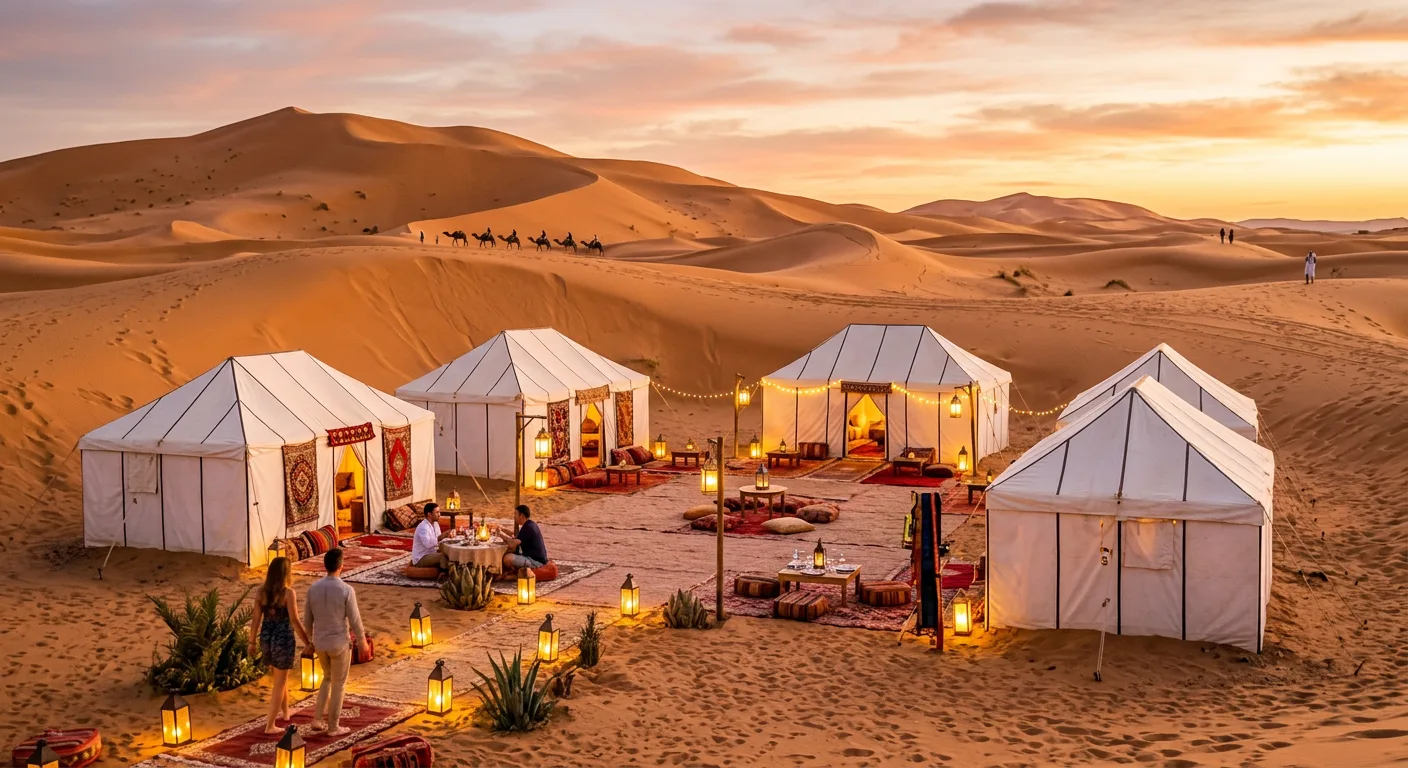
Desert Bivouac Camp
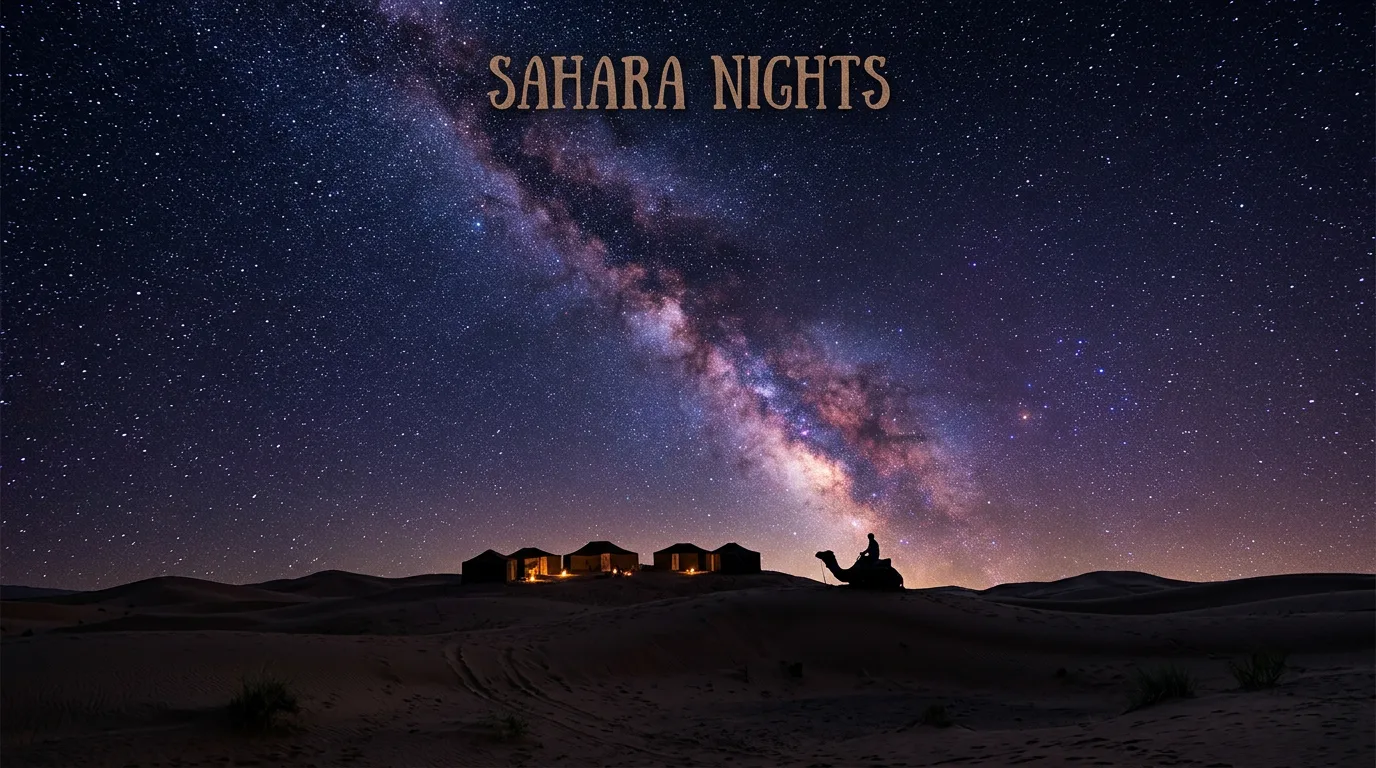
Sahara Stargazing
Frequently Asked Questions
Are desert camp bathrooms actually usable?
Depends on the tier. Basic bivouacs have a pit toilet behind a screen, no shower. Mid-range camps offer shared flush toilets and sometimes lukewarm showers. Luxury camps like Kam Kam Dunes and Merzouga Luxury Desert Camp provide private en-suite bathrooms with hot showers, flushing toilets, and running sinks. Always confirm bathroom details directly with the camp.
What is the best time of year for desert camping?
October through April. The sweet spots are October-November and March-April, with warm days (25-30°C) and cool nights (5-15°C). December-January nights drop near freezing. Avoid June through August: daytime temperatures reach 45-50°C and most camps close or reduce operations.
Is there phone signal in the Sahara?
Erg Chebbi (Merzouga): weak Maroc Telecom signal, enough for WhatsApp messages. Erg Chigaga: zero signal. Agafay: full 4G. Some luxury camps have satellite Wi-Fi, but it is slow. Plan to be offline for 18-24 hours and download everything you need before arriving.
How much does a desert camp night cost?
Budget bivouacs start from 250 MAD per person. Mid-range camps with proper beds run from 600-1,200 MAD per person. Luxury glamping costs from 2,500-8,000 MAD per person per night. All tiers typically include camel ride, dinner, and breakfast. Transport from Marrakech adds from 400-800 MAD for shared transfers. Seasonal pricing can change.
Should I choose Erg Chebbi or Erg Chigaga?
Erg Chebbi is easier to reach, has more camp options, and suits shorter trips. Erg Chigaga requires a 4x4 journey, is far more remote, and feels truly wild with dunes up to 300 meters. Choose Chebbi for convenience and variety. Choose Chigaga for isolation and the rawest Sahara experience available in Morocco.
What happens during a sandstorm?
You stay inside your tent with openings sealed. Sand gets into everything regardless. Camps are built to withstand moderate storms, and staff monitor conditions. Severe storms are rare but can delay departure by a few hours. Bring a face covering, keep electronics in sealed bags, and know that sand will be in your belongings for weeks afterward.
Is Agafay a real desert?
No. Agafay is a rocky, barren plateau 40 minutes from Marrakech. It has no sand dunes. The advantage is proximity, easy access, and reliable luxury camps with pools and Atlas Mountain views. If you want actual sand dunes, you must go to Erg Chebbi or Erg Chigaga. Agafay works well as a quick overnight escape from Marrakech, but it is not the Sahara.
Can I do a desert camp trip with children?
Yes, but choose your camp carefully. Luxury camps in Agafay or Erg Chebbi work best for families. Most camps accept children from age 4 for camel rides. The 8-10 hour drive to Merzouga is tough for small kids. Agafay is the easiest option since it is only 40 minutes from Marrakech. Many mid-range and luxury camps offer family tents.
Continue Exploring Morocco
Berber Culture Guide
Amazigh heritage, traditions, music, and village experiences across Morocco.
Read moreOuarzazate Guide
Gateway to the Sahara. Kasbahs, film studios, and the road to Merzouga.
Read morePhotography Guide
Best locations, golden hour tips, and camera settings for Sahara dune shots.
Read morePacking List
Complete packing guide for Morocco, including desert-specific essentials.
Read moreReady to Sleep Under Sahara Stars?
From a budget bivouac to a luxury glamping tent with hot showers and fine dining, the right desert camp turns a night in the sand into one of your best travel memories.
Plan it with a local expert
Travel Morocco with Serenity Morocco Tours
Crafting extraordinary journeys through Morocco's timeless landscapes. 100% private journeys, handcrafted around you.
ONMT Licensed 100% Private Tours 100% private tours since 2018
 from $2,011
 5 days Marrakech → Erg Chebbi
Sahara Desert Luxury Expedition
 from $2,054
 7 days Marrakech · Fes · Meknes · Rabat
Essential Morocco: Imperial Cities Circuit
 from $5,978
 14 days Full-country circuit
Sahara to Sea: Morocco Complete