Discovering...
Nature & Desert
Morocco Desert Oases:
Palm Groves, Kasbahs & Hidden Valleys
Discover the green jewels of the Sahara. From the vast Draa Valley to remote Figuig, Morocco's oases are living monuments to human ingenuity and nature's resilience.
Green Islands in a Sea of Sand: Morocco's Desert Oases
Along the southern edges of the Atlas Mountains, where the fertile north yields to the vast Sahara, Morocco's oases emerge like emerald mirages against ochre desert. These are not mere watering holes but entire civilizations built over millennia by Amazigh (Berber) communities who mastered the art of coaxing life from the driest landscapes on Earth. Palm groves stretching for kilometers, fortified kasbahs rising from mud walls, and ancient irrigation channels threading underground testify to the ingenuity that created these havens.
From the 200-kilometer ribbon of the Draa Valley to the remote palm groves of Figuig near the Algerian border, these oases offer landscapes of extraordinary beauty and cultural depth. Date palms provide not just fruit but shade, building material, and an entire ecosystem supporting agriculture and communities. The kasbahs and ksour that dot these valleys represent some of the finest earthen architecture in the world, while Berber villages keep alive traditions stretching back a thousand years.
Top Oases to Explore in Morocco
Seven remarkable oasis regions, each with its own character, history, and landscapes waiting to be discovered.
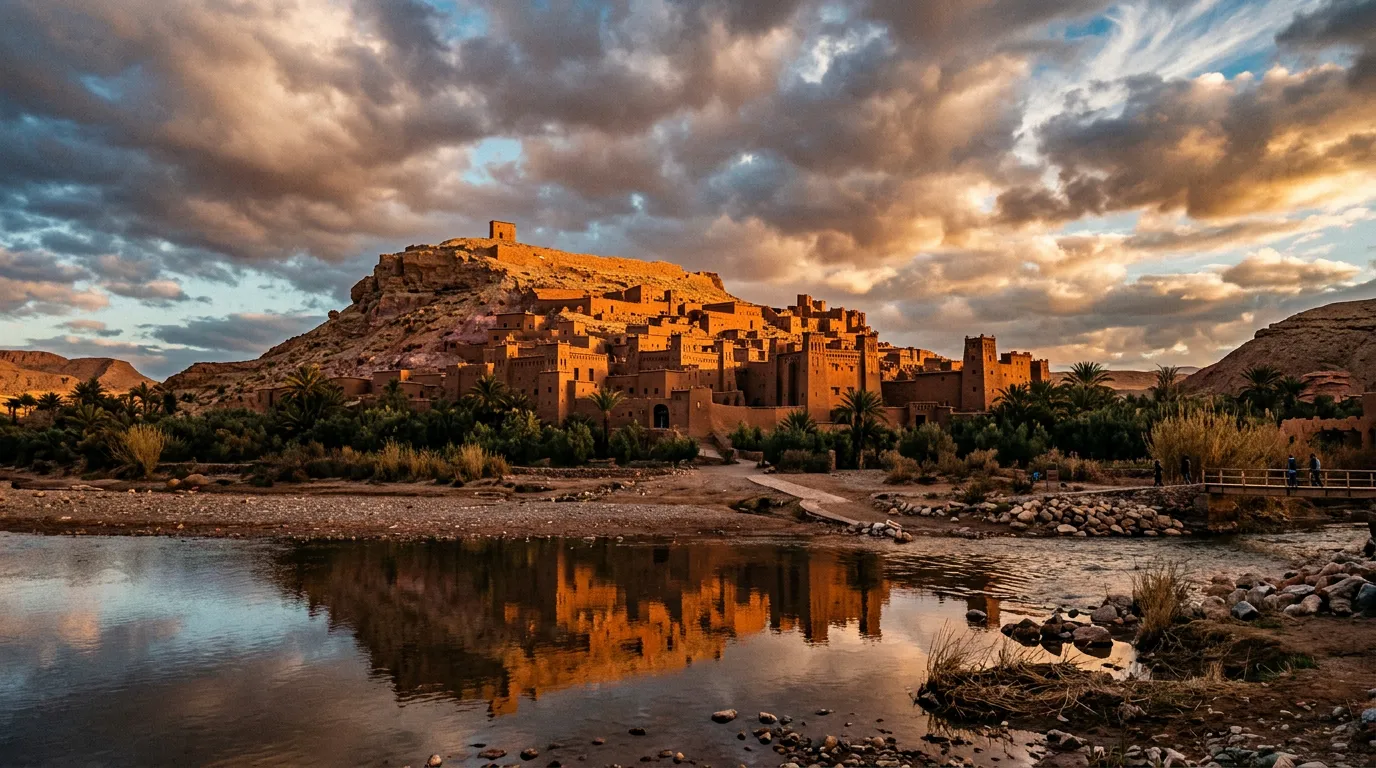
Skoura Oasis
Ouarzazate Province
The Skoura palm grove stretches across 25 kilometers with over 700,000 date palms, making it one of the largest and most impressive oases in Morocco. Hidden among the palms are over 50 kasbahs, including the magnificent 17th-century Kasbah Amridil, featured on the Moroccan 50-dirham banknote. The oasis is fed by traditional seguia channels from the Daddes River and sustains crops of almonds, figs, olives, and roses alongside its famous dates.
Kasbah Amridil (on 50 MAD note)
Over 700,000 date palms
Bird watching paradise
Rose harvest in April-May
Best time: October to April (date harvest in October)
From Marrakech: 4.5 hours via Tizi n'Tichka pass
Figuig Oasis
Oriental Region
Morocco's easternmost oasis, Figuig sits in a natural basin surrounded by mountains near the Algerian border. Seven historic ksour (fortified villages) dot the palm grove, each with its own character and history. With over 200,000 date palms, Figuig has been a crossroads of trans-Saharan trade for centuries. The oasis remains remarkably authentic, with traditional water-sharing systems still governing palm grove irrigation.
Seven historic ksour
Traditional water-sharing customs
Trans-Saharan trade heritage
Least-visited major oasis
Best time: November to March (mild winters)
From Marrakech: 10 hours (usually reached from Oujda, 6 hours)

Draa Valley
Draa-Tafilalet
The Draa River carved Morocco's longest and most dramatic valley, stretching over 200 kilometers from Ouarzazate to the desert town of M'Hamid. The valley floor is a ribbon of green amid barren mountains, with six distinct palm groves separated by rocky hamada desert. Ancient ksour and kasbahs line the route, and the valley produces some of Morocco's finest dates, particularly the prized Medjool variety.
200 km of palm-lined valley
Six distinct palm grove sections
Medjool date production
Ancient ksour along the route
Best time: October to April (date harvest October-November)
From Marrakech: 5 hours to Agdz, 6.5 hours to Zagora
Zagora Oasis
Draa-Tafilalet
Famous for its iconic roadside sign reading "Timbuktu 52 days" (by camel caravan), Zagora was once the last major settlement before the Sahara on the ancient trans-Saharan trade route. The oasis sprawls along the Draa River with dense palm groves, Berber villages, and a dramatic mountain backdrop. Jebel Zagora rises above town, offering sunrise hikes with panoramic views across the entire oasis and surrounding desert.
Gateway to Sahara desert camps
Jebel Zagora sunrise hike
Timbuktu 52 days sign
Amazigh pottery workshops
Best time: October to March (avoid extreme summer heat)
From Marrakech: 6.5 hours via Ouarzazate
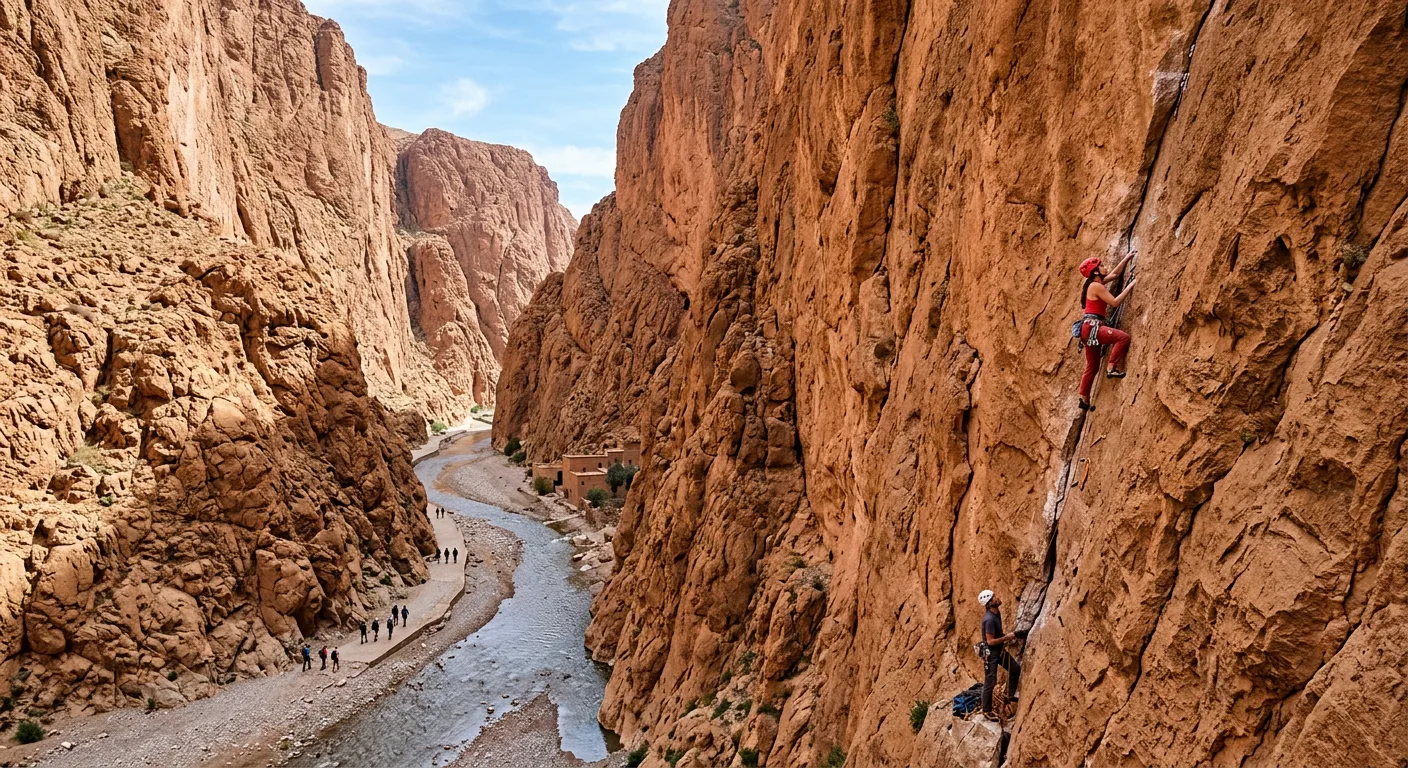
Tinghir & Todra Gorge
Draa-Tafilalet
Tinghir sits at the mouth of the spectacular Todra Gorge, where 300-meter-high canyon walls narrow to just 10 meters apart. The town's palm grove, one of the most beautiful in Morocco, is a lush tapestry of date palms, olive trees, and irrigated gardens fed by springs flowing from the gorge. Walking through the terraced gardens with the Atlas Mountains as a backdrop is an unforgettable experience.
Todra Gorge (300m canyon walls)
Spectacular terraced palm grove
Rock climbing destination
Traditional silver jewelry market
Best time: March to May and September to November
From Marrakech: 6 hours via Ouarzazate
Tata Oasis
Souss-Massa
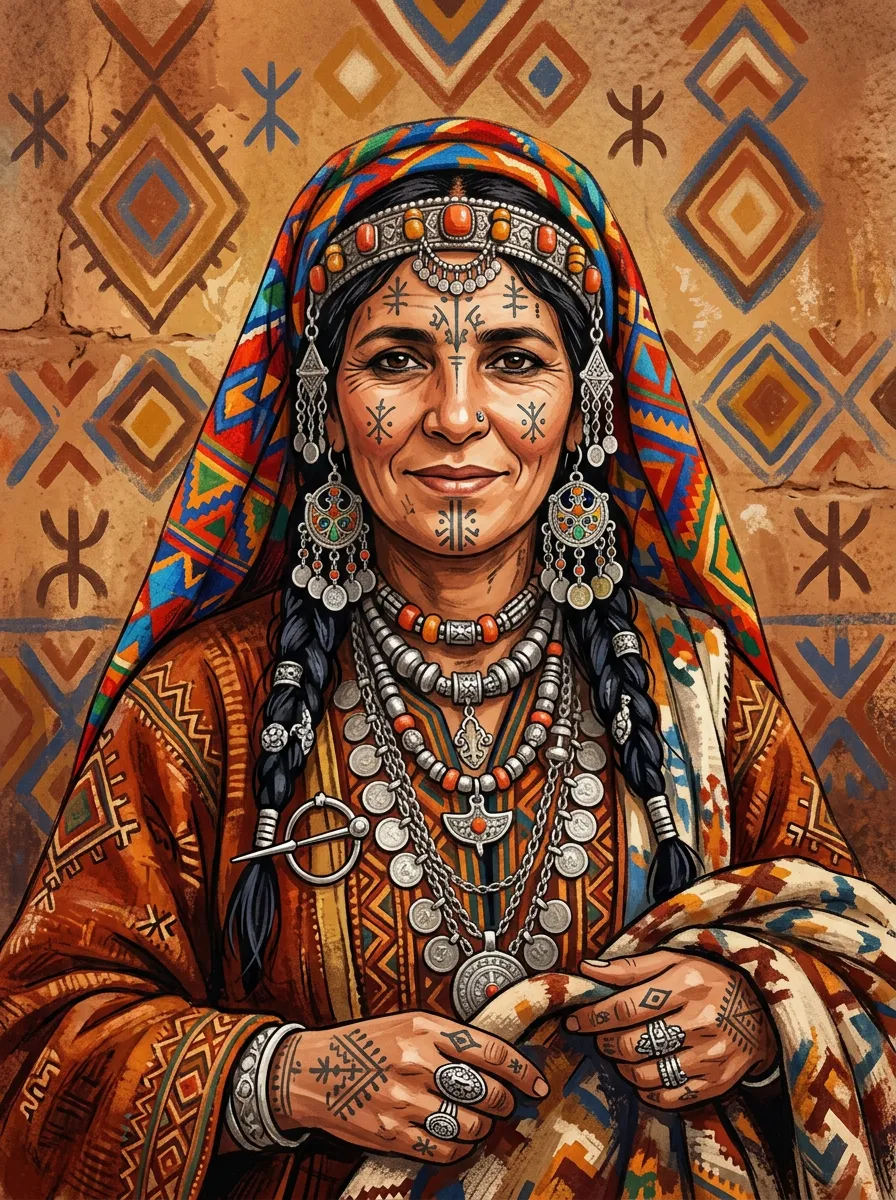
Tata is a hidden gem in the pre-Saharan Anti-Atlas region, far from the main tourist circuits. The oasis complex includes several smaller oases: Tata, Akka, Tissint, and Foum Zguid, each with distinctive character. Ancient rock engravings near Akka and Foum Chenna date back thousands of years, providing evidence of a once-green Sahara. The region is known for its Amazigh hospitality and traditional henna art.
Ancient rock engravings
Off-the-beaten-path location
Pre-Saharan landscapes
Traditional henna art traditions
Best time: November to March (can exceed 45 degrees Celsius in summer)
From Marrakech: 7 hours via Taroudant
Dades Valley & Skoura to Boumalne
Draa-Tafilalet
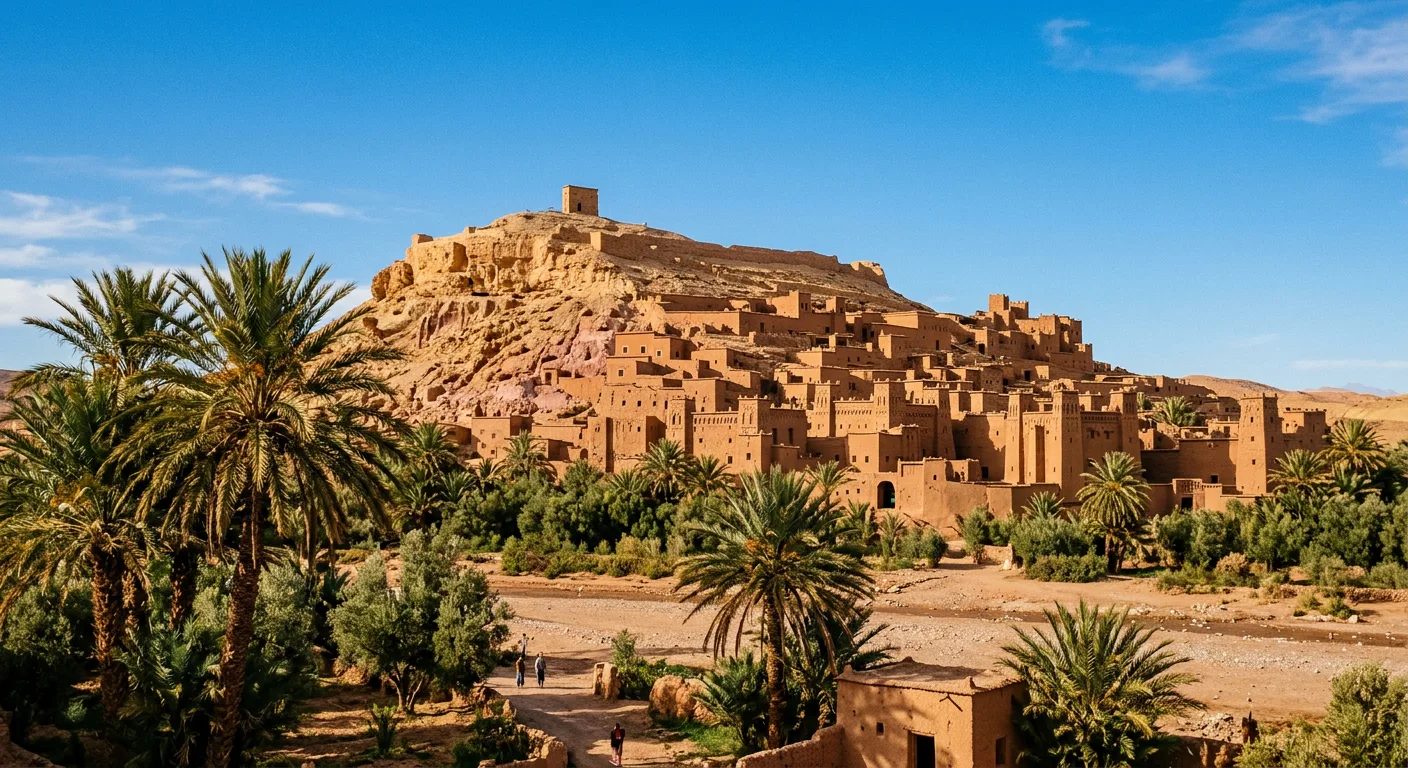
The Dades Valley connects Skoura to the Dades Gorge in a corridor of palm groves, rose gardens, and crumbling kasbahs. El Kelaa M'Gouna is the center of Morocco's rose industry, hosting the annual Rose Festival each May. The Dades Gorge presents twisting roads, dramatic rock formations including the "monkey fingers," and Berber villages on cliffsides.
Rose Valley and May festival
Monkey Fingers rock formations
Kasbah-lined valley road
El Kelaa M'Gouna rose products
Best time: April to May (rose harvest) and September to November
From Marrakech: 5.5 hours via Ouarzazate
Palm Groves & Date Farming
The date palm is the foundation of oasis life, providing food, shade, building materials, and an entire ecosystem.
Morocco is home to over 5 million date palms spread across its southern oases, producing an estimated 110,000 tonnes of dates annually. The date palm (Phoenix dactylifera) is the keystone species of the entire oasis ecosystem. Its canopy creates a microclimate 10 to 15 degrees cooler than the surrounding desert, enabling cultivation of olives, almonds, figs, pomegranates, and vegetables beneath its shade in a traditional three-tier agricultural system.
The Draa Valley and Tafilalet region produce the most renowned varieties. Medjool dates, the "king of dates," are prized for their large size, caramel flavor, and soft texture. Boufeggous, Jihel, Bouskri, and Bouslikhene are other important varieties. The annual harvest in October-November is a communal celebration, with skilled climbers ascending palms up to 25 meters tall to cut heavy fruit clusters.
Climate change and Bayoud disease have devastated some palm groves, reducing Morocco's date palm population by roughly two-thirds from its historical peak. Government and community programs are now replanting millions of disease-resistant palms, and sustainable tourism provides additional economic incentive to preserve these irreplaceable landscapes.
5M+
Date palms in Morocco
110K
Tonnes of dates per year
100+
Date palm varieties
Kasbah Architecture in Oasis Towns
Fortified earthen architecture that has defined Morocco's oasis landscape for centuries.
Kasbah Amridil, Skoura
One of the best-preserved kasbahs in Morocco, depicted on the 50-dirham banknote. This 17th-century fortress belonged to the powerful Nassiri family and features four corner towers, intricate geometric wall decorations, and a traditional garden. The family still maintains the kasbah and offers guided tours through its labyrinthine rooms, explaining centuries of family and regional history.
From 30 MAD
Kasbah Tamnougalt, Agdz
A sprawling fortified village at the gateway to the Draa Valley. The ksar dates to the 16th century and was once the seat of the Mezguita Berber tribe's governing council. Partially restored, it offers a fascinating walk through ancient streets, communal granaries, and rooftop viewpoints overlooking the entire Draa palm grove.
From 20 MAD (guide from 50 MAD)
Ksour of Figuig
Seven distinct ksour make up the Figuig oasis settlement, each historically governed by a different Amazigh tribe. The narrow alleys, covered passages, and shared courtyards reflect centuries of communal living adapted to desert conditions. Zenaga and Loudaghir are the most photogenic and best-preserved quarters.
Free (local guide from 200 MAD recommended)
Kasbah des Cigognes, Tinghir
Named for the storks that nest on its towers each spring, this kasbah overlooks the entrance to the Todra Gorge. The surrounding gardens and terraced orchards demonstrate how oasis architecture integrates with agricultural landscapes. The panoramic views from the upper terraces encompass the entire Tinghir palm grove.
From 20 MAD
Things to Do in Morocco's Oases
Adventure, culture, and relaxation amid some of the most dramatic landscapes in North Africa.
Prices shown are starting prices and may vary by season, provider, and group size.
Palm Grove Walks
Wander through ancient palm groves on shaded paths, discovering hidden kasbahs, irrigation channels, and Berber gardens. Skoura, Tinghir, and Figuig offer the most rewarding routes. Guided walks reveal the water management systems and agricultural practices that sustain these green islands in the desert.
Free independently; guided walks from 150 MAD
Skoura, Tinghir, Figuig, Draa Valley
Camel Trekking
Experience the oasis landscape as caravan traders did for centuries. Short sunset rides through palm groves or multi-day treks into the Sahara from Zagora or M'Hamid. Experienced guides share stories of the ancient trade routes that connected these oases to Timbuktu.
From 150 MAD for 1 hour; from 800 MAD for overnight trek
Zagora, M'Hamid, Draa Valley
Hiking & Gorge Exploration
The oasis region offers dramatic hiking. Todra Gorge provides easy riverside walks and challenging rock climbing. Jebel Zagora offers a rewarding sunrise hike above the oasis. The Dades Gorge winds through spectacular rock formations. Spring and autumn bring ideal temperatures.
Free independently; guided hikes from 300 MAD per day
Todra Gorge, Jebel Zagora, Dades Gorge
Kayaking & River Activities
When water levels allow (typically November to April), kayaking on Draa Valley reservoirs and El Mansour Eddahbi barrage near Ouarzazate offers a unique desert perspective. Some lodges arrange canoe trips through palm-fringed river sections. Check water conditions locally as they vary seasonally.
From 200 MAD for guided kayaking sessions
El Mansour Eddahbi, Draa River sections
Kasbah Visits & Heritage Tours
Explore centuries-old kasbahs and ksour dotting every oasis. Kasbah Amridil in Skoura, the ksour of Figuig, Draa Valley fortified granaries, and Kasbah Tamnougalt near Agdz are all accessible. Many have been partially restored with guided tours explaining their history and architecture.
From 20 MAD entry; guided heritage tours from 200 MAD
Skoura, Figuig, Agdz, Tamnougalt, Tinghir
Stargazing in the Desert
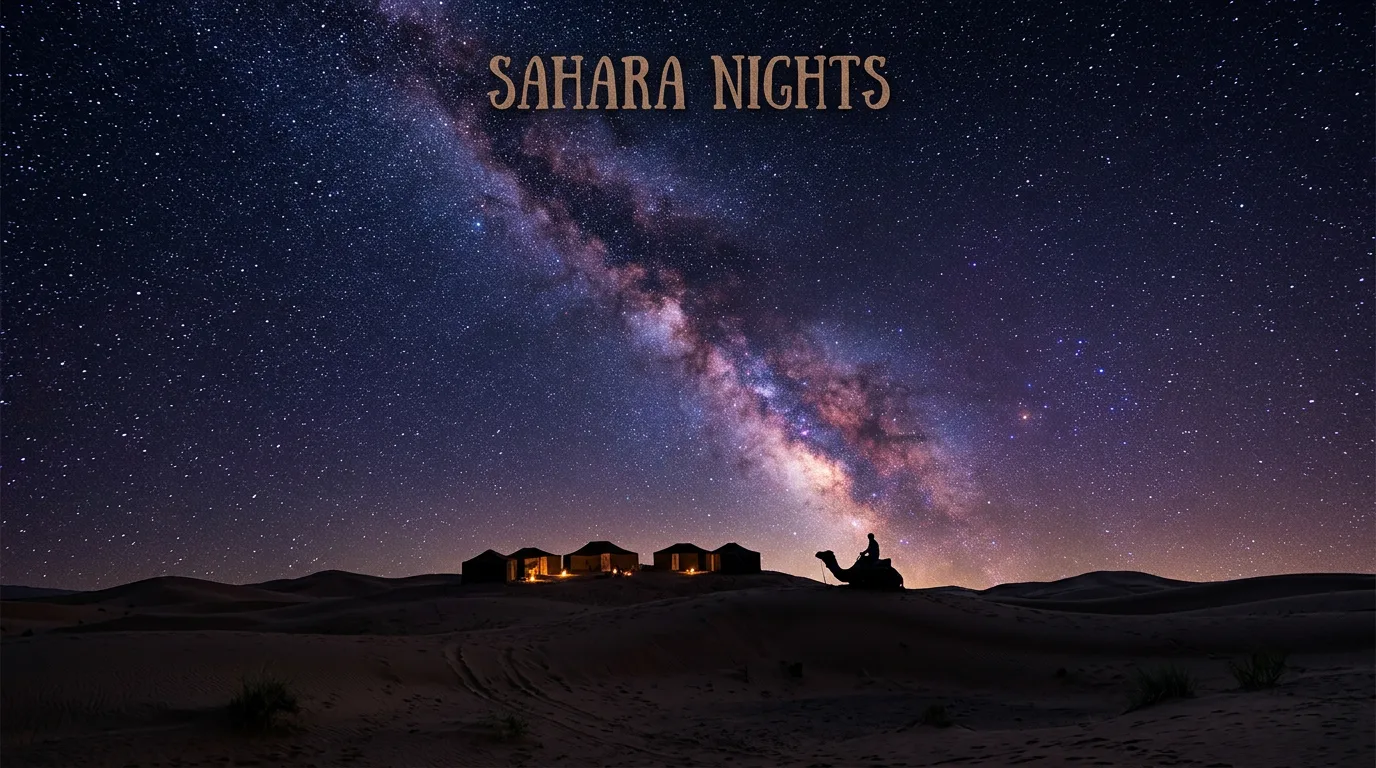
The clear desert skies above Morocco's oases offer some of the best stargazing in the Northern Hemisphere. Minimal light pollution makes the Milky Way visible to the naked eye. Desert lodges near Zagora provide telescopes and guided astronomy sessions combining ancient Berber star navigation with modern astronomy.
Free from desert camps; guided sessions from 100 MAD
Zagora, M'Hamid, Draa Valley desert camps
Where to Stay in Morocco's Oases
From restored kasbahs to desert bivouacs, accommodation options that immerse you in oasis life.
Prices are starting rates and may vary by season. Peak season (October-November) commands higher prices.
Restored Kasbahs & Riads
From 400 MAD to 3,000 MAD per nightStay in centuries-old kasbahs converted into atmospheric hotels. Thick earthen walls keep rooms cool in summer and warm in winter. Rooftop terraces offer views across palm groves. Properties range from simple family-run conversions to luxurious boutique hotels with pools, spas, and gourmet restaurants featuring local ingredients.
Atmospheric mud-brick architecture
Rooftop palm grove views
Traditional Berber decor
Often includes dinner and breakfast
Where: Skoura, Ouarzazate, Tinghir, Agdz
Desert Lodges & Ecolodges
From 500 MAD to 2,500 MAD per nightPurpose-built lodges blending into the desert landscape using sustainable materials and solar power. Many are owned by local families. Ecolodges feature organic gardens, natural swimming pools, and cultural programs including cooking classes, henna workshops, and village visits.
Sustainable solar-powered design
Organic gardens and local food
Cultural activity programs
Natural swimming pools
Where: Draa Valley, Zagora, Dades Valley
Desert Bivouacs & Camps
From 250 MAD (standard) to 2,000 MAD (luxury) per nightTraditional Berber-style tent camps in the desert beyond the oases. Standard camps use simple canvas tents with shared facilities, while luxury bivouacs offer private tents with real beds, en-suite bathrooms, and candlelit dining. Most are seasonal (October to April) and include meals, campfire music, and optional camel rides.
Saharan camping experience
Campfire music and stories
Included meals
Stargazing from your tent
Where: Zagora, M'Hamid, Erg Chigaga
Community Guesthouses
From 150 MAD to 350 MAD per night (includes meals)Simple, welcoming homes in oasis villages where families offer rooms to visitors. Accommodation is basic but clean, with shared bathrooms and home-cooked meals that are often the highlight. Revenue stays directly in the community. These offer the most authentic cultural exchange and a chance to experience daily oasis life.
Authentic home-cooked meals
Direct community support
Cultural exchange with families
Most affordable option
Where: Figuig, small Draa Valley villages, Tata region
Best Time to Visit Morocco's Oases
Timing your visit right makes all the difference in the desert. Here is what to expect each season.
Autumn (October - November)
Peak SeasonThe ideal time for oasis visits. The date harvest transforms villages into hives of activity. Temperatures cool to a pleasant 20 to 30 degrees Celsius during the day. Clear skies are perfect for photography and stargazing. Accommodations fill quickly, so book in advance.
Winter (December - February)
ExcellentCrisp, sunny days with comfortable temperatures of 15 to 25 degrees Celsius. Cool evenings require warm layers. The driest period with minimal rainfall. Fewer tourists mean better prices and more intimate experiences. Some desert camps may close in January.
Spring (March - May)
ExcellentPalm groves are at their greenest after winter rains. Rose harvest in the Dades Valley (May) draws visitors. Temperatures begin to rise but remain manageable at 22 to 35 degrees Celsius. April is particularly beautiful with wildflowers across the desert.
Summer (June - September)
Hot SeasonExtreme heat reaches 40 to 48 degrees Celsius in the Draa Valley and Zagora. Only recommended for heat-tolerant travelers. If visiting, stay in air-conditioned accommodation, plan activities for early morning and evening only. Significant accommodation discounts available.
Getting to Morocco's Oases
Transport options from major cities to the oasis regions of southern Morocco.
From Marrakech
N9 via Tizi n'Tichka pass to Ouarzazate (4 hours), then continue to Skoura (30 min), Tinghir (2.5 hours), or Zagora (2.5 hours)
CTM bus Marrakech to Ouarzazate from 90 MAD (4.5 hours), connections onward
Private transfer to Ouarzazate from 1,000 MAD, to Zagora from 1,500 MAD
From Fes
N13 via Midelt and Errachidia to Tinghir (8 hours) or Erfoud/Rissani (7 hours)
CTM bus Fes to Errachidia from 120 MAD (7 hours)
Grand taxis from Errachidia to Tinghir from 50 MAD
From Ouarzazate
N10 east to Skoura (40 min), Boumalne Dades (1.5 hours), Tinghir (2.5 hours)
N9 south to Agdz (1.5 hours), Zagora (3 hours), M'Hamid (4.5 hours)
Grand taxis to Zagora from 60 MAD, to Tinghir from 50 MAD
To Figuig
Easiest from Oujda: N17 south (6 hours drive)
CTM bus from Oujda to Figuig from 80 MAD
From Errachidia via Bouarfa (5.5 hours, rough road sections)
Cultural Experiences in Oasis Villages
Beyond the landscapes, oasis villages offer rich cultural encounters rooted in centuries of Amazigh tradition.
Date Harvest & Palm Grove Agriculture
Morocco's oases are sustained by date palms, with over 5 million trees across the country. The harvest season (October-November) is a communal event where families climb tall palms to cut heavy date clusters. Visitors during harvest can participate in picking, sorting, and tasting. Learn to distinguish varieties like Medjool (the "king of dates"), Boufeggous, Jihel, and Bouslikhene. Date-based products include syrup, jam, and the energy-rich date paste used by Berber travelers.
Where: Draa Valley, Zagora, Skoura, Tinghir
Khettara: Ancient Underground Irrigation
The khettara system is one of humanity's great engineering achievements. These underground channels, similar to Persian qanats, use gravity to transport water from mountain aquifers to oasis settlements across distances of up to 20 kilometers. Built and maintained communally for over a thousand years, some khettaras are still operational today. In the Tafilalet region near Erfoud, guided tours explain how these channels work and the communal water-sharing traditions that govern them.
Where: Tafilalet (Erfoud/Rissani), Figuig, Tinghir region
Berber Village Life & Crafts
Oasis villages preserve traditions that have adapted over centuries to the harsh but beautiful desert environment. Visit women's cooperatives producing carpets, pottery, and henna art. Watch blacksmiths forge tools using techniques passed down through generations. Learn about traditional mud-brick construction and the communal decision-making assemblies (jemaa) that still govern many villages. Markets in Zagora, Tinghir, and Rissani showcase local artisanship.
Where: All oasis regions, especially Zagora, Tinghir, Rissani
Tamegroute: Green Pottery & Sufi Library
The village of Tamegroute, south of Zagora, is renowned for two treasures. First, its pottery workshops produce distinctive green-glazed ceramics using techniques and mineral glazes unchanged for centuries. Second, the Nassiriyya Zaouia houses one of Morocco's oldest libraries with Qurans, astronomical texts, and mathematical treatises dating to the 13th century, some written in gold ink on gazelle skin. A small entry fee supports preservation.
Where: Tamegroute, 18 km south of Zagora
Practical Tips for Oasis Visitors
Essential advice for a comfortable and respectful visit to Morocco's desert oases.
Stay Hydrated
Drink at least 3 liters of water daily in the desert climate. Carry a reusable bottle and water purification tablets. Bottled water is available in all oasis towns from 5 MAD per 1.5L. Avoid ice in drinks at smaller establishments.
Sun Protection
Desert sun is intense year-round. Wear a wide-brimmed hat, apply SPF 50+ sunscreen regularly, and consider lightweight long-sleeved clothing. A shemagh (desert scarf) is useful for wind, sand, and sun protection. Purchase one locally from 30 MAD.
Respect Water Resources
Water is precious in oasis communities. Take short showers, never waste water, and respect irrigation channels (seguias). Do not swim in or pollute irrigation water. Ask before using communal water sources.
Photography Etiquette
Always ask permission before photographing people, especially women. Respect "no photo" requests at religious sites and private homes. Showing your photos to subjects is appreciated. A small tip (from 5-10 MAD) may be expected in tourist areas.
Support Local Communities
Buy directly from artisans and cooperatives rather than intermediaries. Hire local guides who know the area and whose families benefit from tourism. Stay in locally-owned guesthouses and eat at family-run restaurants.
Environmental Responsibility
Carry out all trash, as waste management in remote oases is limited. Use reef-safe sunscreen if swimming. Stick to marked trails to avoid damaging fragile desert ecosystems. Support eco-lodges that practice sustainable tourism.
Morocco's Oasis Landscapes
Draa Valley Palm Groves
Skoura Kasbah Architecture
Desert Stargazing
Frequently Asked Questions
What is the best time to visit Morocco desert oases?
October to April offers pleasant temperatures of 15 to 28 degrees Celsius. Spring (March-April) is ideal for green palm groves. The date harvest in October-November is particularly rewarding. Avoid June-August when temperatures exceed 45 degrees Celsius.
How do I get to the Draa Valley from Marrakech?
Take the N9 over the Tizi n'Tichka pass to Ouarzazate (4 hours), then continue to Zagora (2.5 hours more). Grand taxis from Ouarzazate to Zagora cost from 80 MAD. CTM buses also serve the route. Private transfers from Marrakech cost from 1,200 MAD.
Can I visit Figuig oasis as a tourist?
Yes, Figuig is open to tourists and is one of Morocco's most authentic oases. Located near the Algerian border, it requires effort to reach but rewards with genuine hospitality. Guesthouses from 250 MAD per night. A local guide (from 200 MAD per day) is recommended.
What is a khettara and where can I see one?
A khettara is an ancient underground irrigation channel using gravity to transport water from mountain aquifers to oasis settlements. These systems have sustained oases for over a thousand years. See functioning khettaras in the Tafilalet region near Erfoud, Figuig, and Tinghir.
Are camel rides available at Morocco oases?
Yes, widely available. Zagora offers 1-hour sunset treks (from 150 MAD) to multi-day expeditions. Skoura and Tinghir arrange palm grove excursions. Choose locally-run cooperatives that treat animals well. Seasonal pricing may vary.
What should I pack for visiting desert oases?
Lightweight loose clothing, wide-brimmed hat, SPF 50+ sunscreen, sturdy walking shoes, and a shemagh for wind and sand. Bring a reusable water bottle and drink at least 3 liters daily. A light jacket is essential for cool evenings. Modest dress is appreciated in villages.
How many days do I need to explore Morocco oases?
A minimum of 5 to 7 days covers the route from Ouarzazate through the Draa Valley to Zagora and back via Tinghir and Todra Gorge. For thorough exploration including Skoura, Dades Valley, Tata, or Figuig, plan 10 to 14 days.
Continue Exploring Morocco
Berber Culture Guide
Discover the Amazigh heritage, traditions, crafts, and village experiences across Morocco.
Read moreAtlas Mountains Guide
Hiking, trekking, and mountain experiences across the High, Middle, and Anti-Atlas ranges.
Read moreStargazing Guide
Dark sky locations, desert astronomy, and the best spots for stargazing in Morocco.
Read moreCamping Guide
Desert camping, bivouacs, and outdoor accommodation across Morocco's landscapes.
Read moreReady to Explore Morocco's Desert Oases?
From the vast palm groves of the Draa Valley to the hidden ksour of Figuig, Morocco's oases offer a journey through some of the most extraordinary landscapes and cultures in North Africa. Start planning your oasis adventure today.