Discovering...
Culture & Wellness
Complete Guide to Moroccan Hammams
The ritual, the etiquette, the products, and the best hammams across Morocco. From 50 MAD public baths to 2,500 MAD luxury spa rituals.
What Is a Moroccan Hammam?
The Moroccan hammam is far more than a bath. It is a cornerstone of daily life, a weekly ritual that has shaped Moroccan culture for over a thousand years. Rooted in Roman and Ottoman bathing traditions, the hammam was adapted by Moroccans into something uniquely their own: a communal cleansing ritual that is equal parts hygiene, social gathering, and spiritual renewal.
Every neighborhood in Morocco has its hammam. For most Moroccans, the weekly visit is as essential as Friday couscous. Mothers bring their daughters. Friends catch up on the week. Brides are ritually cleansed before their wedding. The stresses of daily life are literally scrubbed away with a rough kessa glove and a mound of black soap.
Historically, the hammam served a practical purpose: before indoor plumbing existed, it was the only place to bathe properly. Today, even with modern amenities, the tradition continues because a hammam provides something a shower at home cannot -- deep exfoliation, communal warmth, and a sense of renewal that goes beyond the physical.
The word "hammam" comes from the Arabic root "hamma," meaning "to heat." The earliest Moroccan hammams date to the 8th century, built alongside mosques as places of ritual purification (ghusl) before prayer. The Almohad and Marinid dynasties expanded hammam construction throughout the 12th-14th centuries, and many of those original structures still operate today in Fes and Marrakech.
Four Types of Moroccan Hammams
Not all hammams are the same. The experience, price, and atmosphere vary dramatically depending on which type you choose.
Public / Neighborhood Hammam
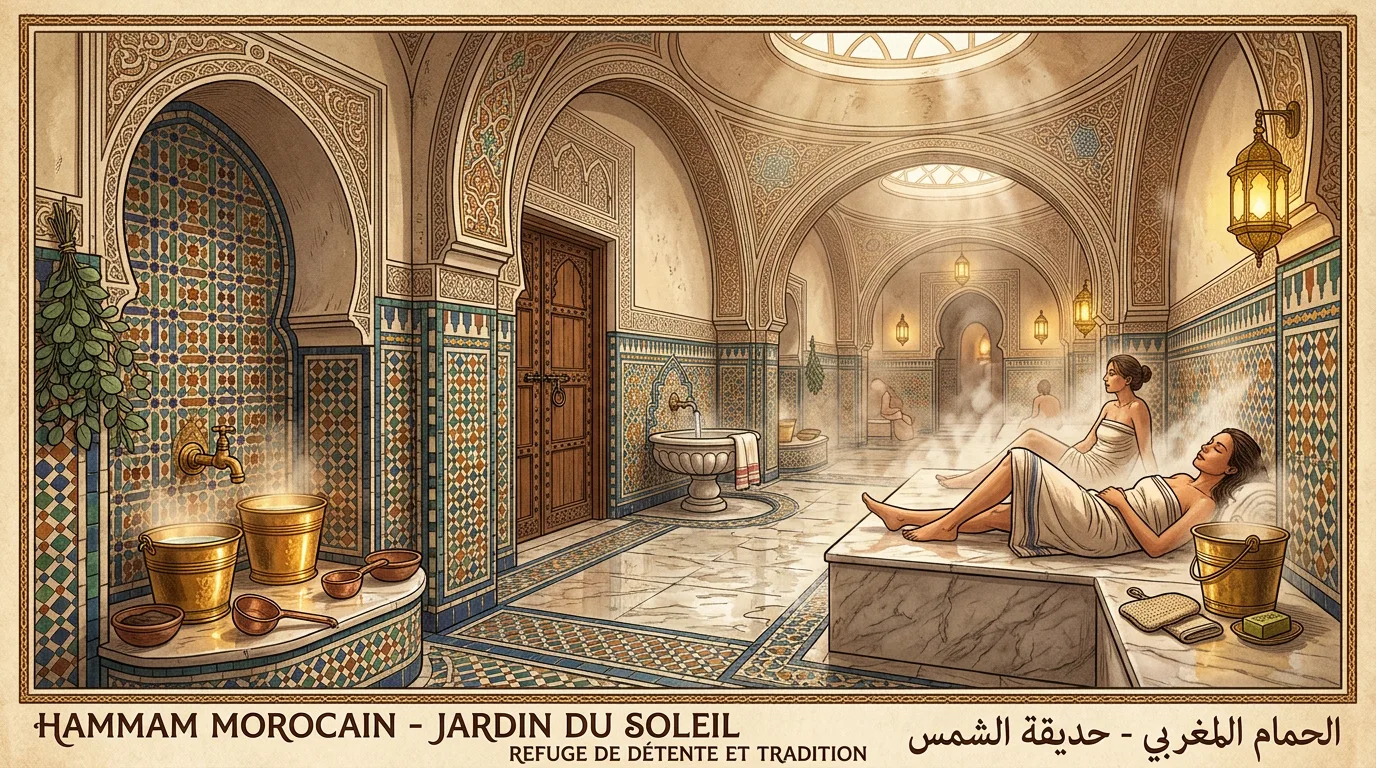
From 50 MAD entryThe backbone of Moroccan bathing culture. Found in every neighborhood (hay), these no-frills bathhouses serve locals on a daily and weekly basis. Tiled rooms with domed ceilings, star-shaped skylights, and buckets of hot water drawn from a central boiler. Gender-separated by time or section.
Best for: Budget travelers, cultural immersion, authentic experience
Examples: Hammam Dar el-Bacha (Marrakech), Hammam Sidi Aziz (Fes), Hammam Ziani (Casablanca)
Tourist-Friendly Spa Hammam
From 300 MAD per packageMid-range spas designed for international visitors. Staff speak French and English, guide you through every step, and provide all supplies. The hammam ritual is gentler, the rooms are cleaner, and the ambiance is more curated. Good balance of authenticity and comfort.
Best for: First-time visitors, families, those wanting a guided experience
Examples: Heritage Spa (Marrakech), Palais Amani Spa (Fes), Spa Lalla Mira (Essaouira)
Luxury Hotel Hammam
From 800 MAD per ritualFive-star hotel and resort spas with private hammam suites, marble interiors, heated massage beds, bespoke products, and post-treatment lounges with mint tea and pastries. Many use imported organic products alongside traditional Moroccan ingredients. Couples suites available.
Best for: Luxury travelers, couples, those celebrating special occasions
Examples: La Mamounia Spa (Marrakech), Royal Mansour Spa (Marrakech), Riad Laaroussa Spa (Fes)
Royal / Historic Hammam
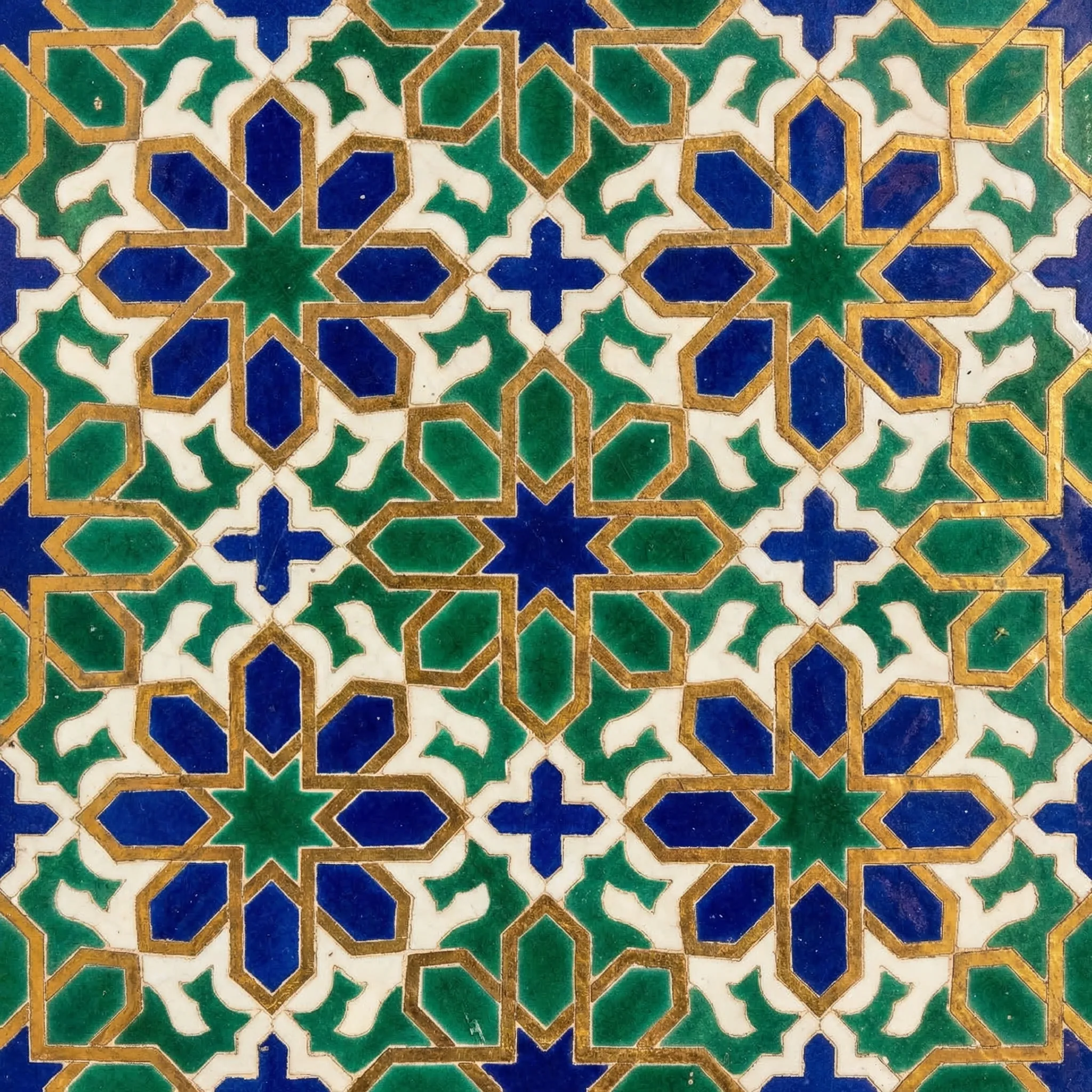
From 50 MAD (public) to 500 MAD (restored)Hammams with centuries of history, some dating back to the Saadian or Marinid dynasties. A few operate as public baths at local prices; others have been restored into boutique spa experiences. The architecture alone is worth the visit: carved stucco, original zellige tilework, and barrel-vaulted ceilings.
Best for: History lovers, architecture enthusiasts, photographers
Examples: Hammam Dar el-Bacha (Marrakech, 16th century), Hammam Sidi Ali Ben Harazem (Fes)
What to Expect: Step by Step
A first-time hammam visit can feel daunting. Here is exactly what happens at each stage so you can relax into the experience.
1
Arrive & Change
10 minutes
Enter the changing area and store clothes and valuables with an attendant or in a locker. Strip down to underwear. At luxury spas, you receive a robe, slippers, and are guided to a private changing area with amenities.
Tip: Bring your own padlock for public hammam lockers. Wear flip-flops from the start to protect your feet on wet tile floors.
2
Enter the Warm Room (Barid)
10-15 minutes
The hammam traditionally has three rooms of increasing temperature. Begin in the warm room to let your body acclimatize. Pour warm water over yourself from a bucket (satel). Humidity starts opening your pores and loosening your muscles.
Tip: Drink at least half a liter of water before entering. You will sweat heavily and need hydration throughout.
3
Move to the Hot Room (Skhoun)
15-20 minutes
The hottest room reaches 40-45 degrees Celsius with near-total humidity. Sit or lie on the warm marble floor and let the heat penetrate your muscles and open every pore. Pour hot water over yourself periodically from a bucket.
Tip: If you feel dizzy or lightheaded, move back to the cooler room immediately. There is no shame in pacing yourself.
4
Apply Savon Beldi (Black Soap)
10 minutes
A thick, dark olive-based soap is spread generously over your entire body. Let it sit for 5-10 minutes while the steam continues working. The soap softens dead skin cells and prepares your body for scrubbing. In public hammams, you apply it yourself or the kessala does it for you.
Tip: Buy quality savon beldi from a herbalist (attar) rather than tourist shops. Authentic savon beldi is dark, thick, and smells of olives.
5
The Gommage (Kessa Glove Scrub)
15-20 minutes
The centerpiece of the ritual. Using a coarse exfoliating mitt called a kessa glove, the kessala scrubs your entire body in firm, long strokes. Rolls of dead skin visibly peel away. Arms, legs, back, stomach, neck -- everything is scrubbed. The result: astonishingly smooth skin.
Tip: Say "bezzaf" (too much) or "shwiya" (gently) if the scrubbing is too vigorous. Kessalas appreciate honest communication.
6
Ghassoul Clay Mask
10-15 minutes
Natural mineral clay from the Atlas Mountains, mixed with rose water, is applied as a full-body and hair mask. Ghassoul draws out impurities, tightens pores, and conditions both skin and hair. Let the mask dry slightly before rinsing. Luxury spas may add essential oils or honey.
Tip: Ghassoul clay is available at any Moroccan herbalist from 15 MAD. It makes an excellent souvenir that works at home too.
7
Rinse & Cool Down
10-15 minutes
Rinse thoroughly with warm water, then gradually switch to cooler water. Move back through the rooms in reverse order, letting your body temperature decrease slowly. Some luxury spas offer a cold plunge pool or refreshing eucalyptus mist at this stage.
Tip: Alternate between warm and cool water during rinsing to boost circulation and close pores gradually.
8
Argan Oil & Rest
20-30 minutes
After drying off, apply argan oil to damp skin to lock in moisture. Then rest in the changing area or relaxation lounge. At public hammams, locals drink mint tea and socialize. At luxury spas, tea, dried fruits, and Moroccan pastries are served in a serene relaxation room.
Tip: Do not rush this step. The resting period is essential. Your body needs time to cool down, rehydrate, and absorb the benefits.
Hammam Etiquette for Tourists
Following these unwritten rules ensures a respectful and enjoyable experience for everyone.
Respect Gender Separation
Public hammams have strict gender separation. Some have separate sections; others alternate hours. Always check the schedule before visiting. Women can go topless; men keep underwear on at all times.
Bring Your Own Supplies
For public hammams, bring: towel, underwear, flip-flops, savon beldi, kessa glove, ghassoul clay, shampoo, and a small bucket (or buy one from 20 MAD). Luxury spas provide everything.
Tip the Kessala
If a kessala scrubs you at a public hammam, tip from 20-50 MAD depending on quality. At luxury spas, tipping from 50-100 MAD is appreciated but not mandatory. Tipping matters to kessalas.
Do Not Stare
The hammam is a place of body neutrality and acceptance. People of all shapes, sizes, and ages come here. Keep your eyes on your own space. This is deeply respected.
Be Quiet & Respectful
Public hammams can be social and conversational, but keep your voice moderate. In luxury spas, silence is expected. Never take photos inside any hammam. Leave your phone in the changing room.
Hydrate Before & After
Drink at least half a liter of water before entering. The intense heat causes heavy sweating and dehydration leads to dizziness. Continue hydrating after with water or mint tea.
Avoid After Heavy Meals
Wait at least 2 hours after eating. Heat and steam on a full stomach cause nausea. A light snack beforehand is fine.
Time Your Visit Well
Public hammams are busiest on Thursday evenings and Friday mornings (before Friday prayer). For a quieter experience, go on weekday mornings. Luxury spas are quietest on weekday afternoons.
Best Hammams by City
Each Moroccan city has its own hammam character. Here are the top picks for every destination.
Prices shown are starting prices. Seasonal pricing applies during peak tourist months (October-April) and may increase by 20-30%.
Marrakech
Marrakech is the hammam capital of Morocco. The medina alone has dozens of neighborhood hammams alongside world-renowned luxury spas. Every budget level is covered here.
Heritage Spa
Boutique SpaFrom 400 MAD
Restored riad, authentic hammam with luxury touches
Hammam de la Rose
Boutique HammamFrom 350 MAD
Rose-themed treatments with Dades Valley damask roses
Les Bains de Marrakech
Day SpaFrom 500 MAD
Palace setting, bestselling ghassoul clay mask package
Hammam Dar el-Bacha
Historic PublicFrom 50 MAD
16th-century, star-shaped skylights, deeply authentic
Hammam Mouassine
Public HammamFrom 50 MAD
Heart of medina, expert kessalas, popular with locals
Fes
Fes offers a more authentic, less touristy hammam experience. The medina hammams are among the oldest in Morocco, some dating back centuries. Fassi techniques use local herbs and time-honored methods.
Hammam Sidi Aziz
Historic PublicFrom 50 MAD
One of the oldest hammams in the Fes medina
Riad Laaroussa Spa
Riad SpaFrom 400 MAD
17th-century palace, original zellige, Fassi techniques
Palais Amani Spa
Boutique SpaFrom 350 MAD
In-house organic products, Andalusian garden herbs
Hammam Sidi Ali Ben Harazem
Public HammamFrom 50 MAD
Centuries-old neighborhood hammam, deeply local
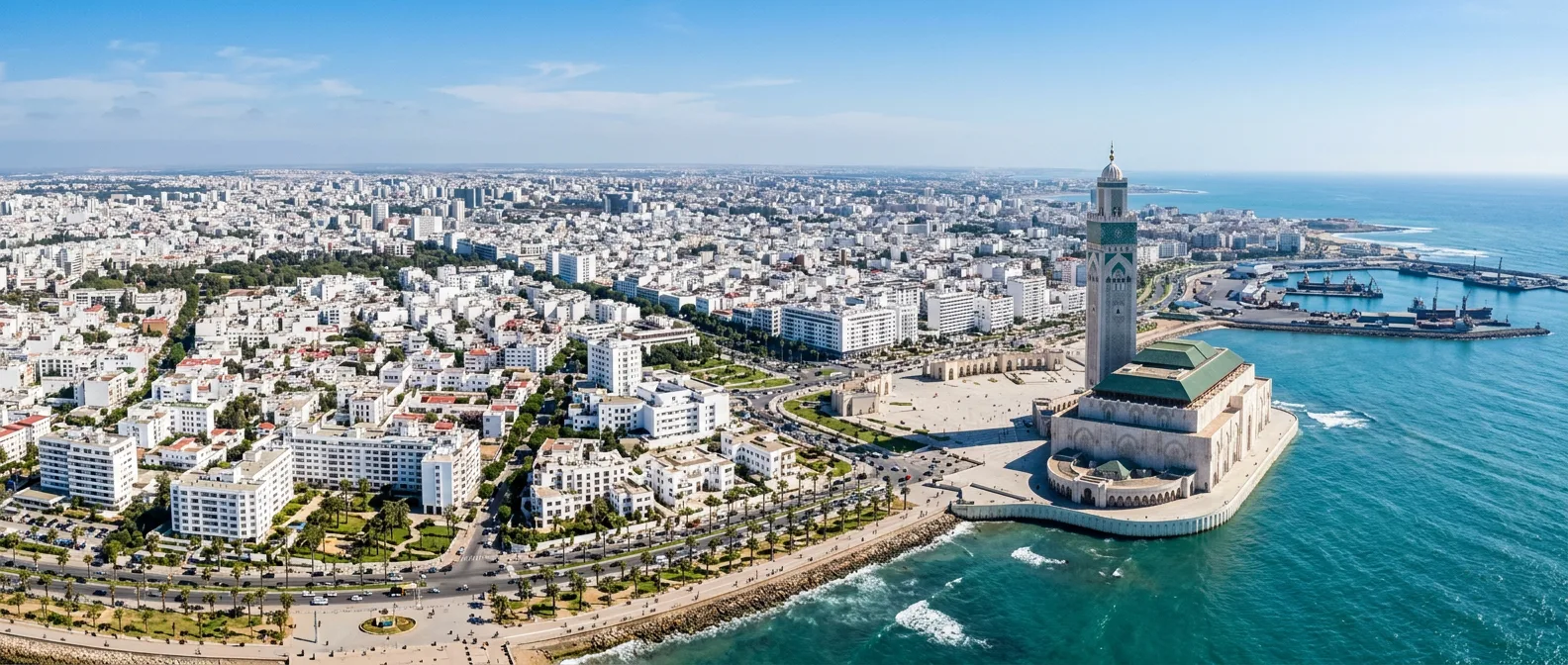
Casablanca
Casablanca blends modern wellness with traditional public baths. Contemporary spas fuse Moroccan tradition with international trends alongside authentic neighborhood hammams.
Hammam de la Mosquee Hassan II
Historic HammamFrom 100 MAD
Adjacent to the iconic mosque, stunning architecture
Mythic Oriental Spa
Day SpaFrom 350 MAD
Moroccan-Asian fusion treatments, central location
Hammam Ziani
Public HammamFrom 50 MAD
Popular neighborhood hammam, genuine local vibe
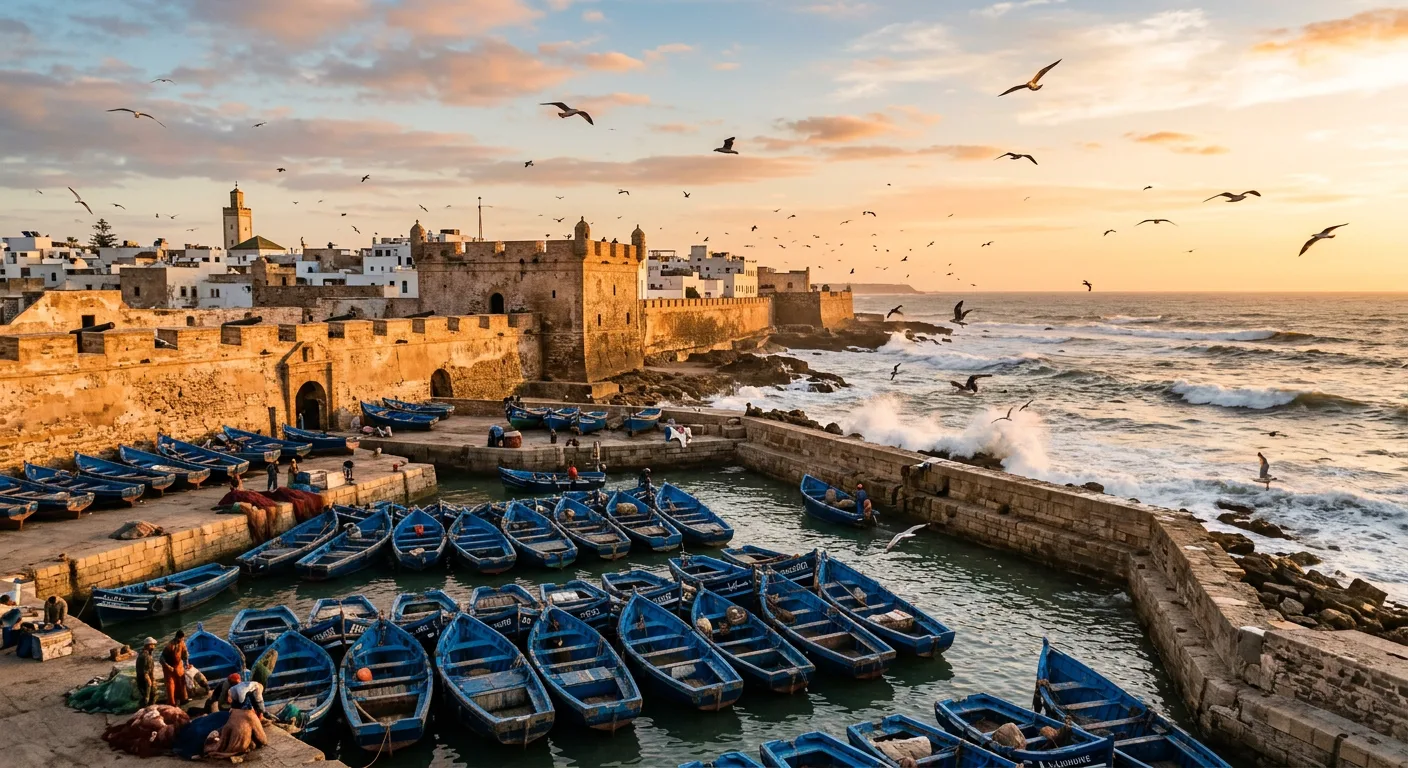
Essaouira
Essaouira blends traditional hammam culture with a coastal, laid-back atmosphere. Eco-conscious spas incorporate Atlantic sea salt and seaweed into treatments here.
Spa Lalla Mira
Eco SpaFrom 300 MAD
Eco-friendly, argan oil specialty, rooftop Atlantic views
Heure Bleue Palais Spa
Boutique SpaFrom 400 MAD
Heritage palace, heated indoor pool, sea salt scrubs
Les Bains de Mogador
Public HammamFrom 50 MAD
Local favorite near the medina, welcoming to visitors
Meknes
Meknes is often overlooked by tourists, making its hammams refreshingly local. The imperial city has well-preserved neighborhood hammams where you may be the only foreigner, plus a handful of riad spas.
Hammam Jedid
Historic PublicFrom 50 MAD
Near Bab Mansour, centuries-old neighborhood institution
Riad Lahboul Spa
Riad SpaFrom 300 MAD
Restored riad with private hammam, argan oil treatments
Hammam Bab Berdieyenne
Public HammamFrom 50 MAD
Working-class neighborhood hammam, completely authentic
Hammam Products: What They Are & Where to Buy
Five products define the hammam ritual. All are natural, locally sourced, and available at herbalists (attarine) across Morocco.
Savon Beldi (Black Soap)
From 20 MAD (250g)A thick, dark paste made from crushed olives, olive oil, and sometimes eucalyptus. Applied before the scrub to soften dead skin. Has a rich, earthy olive scent. Authentic versions come from Marrakech and the Souss region.
Buying tip: Buy from herbalists (attarine), not tourist shops. Real savon beldi is very dark, almost black, and has a thick paste-like consistency. Avoid watery or bright-colored imitations.
Ghassoul Clay (Rhassoul)
From 15 MAD (200g)A natural mineral clay mined exclusively from the Atlas Mountains near Fes. Mixed with rose water to form a paste, it draws out impurities, tightens pores, and conditions hair. Used for over 1,400 years in Morocco.
Buying tip: Look for chunks of raw ghassoul rather than pre-ground powder -- the chunks indicate less processing. The best quality comes from Moulouya Valley deposits.
Kessa Glove
From 15 MADA coarse exfoliating mitt woven from plant fibers or synthetic material. Comes in different grades: soft (for face and sensitive skin), medium (general body use), and rough (deep exfoliation). The gommage scrub is impossible without one.
Buying tip: Medium-grade is best for first-timers. Replace your kessa glove every 2-3 months. Let it dry completely between uses to prevent mildew.
Argan Oil (Cosmetic Grade)
From 80 MAD (100ml)Cold-pressed from the nuts of the argan tree, found only in southwestern Morocco near Essaouira and Agadir. Applied after the hammam to lock moisture into freshly exfoliated skin. Rich in vitamin E and essential fatty acids.
Buying tip: Cosmetic argan oil is deodorized and lighter than culinary argan oil. Buy from women's cooperatives near Essaouira for fair-trade certified quality. One drop goes a long way.
Rose Water
From 25 MAD (250ml)Distilled from Damask roses grown in the Dades Valley (Kelaat M'Gouna). Used to mix ghassoul clay, as a facial toner after the bath, and to scent the hammam atmosphere. The rose harvest happens each May.
Buying tip: True rose water has a delicate floral scent, not an overpowering perfume smell. Bottles from the Dades Valley cooperatives are the most authentic.
Health Benefits of the Hammam
The hammam is not just relaxation. It offers real, measurable health benefits that Moroccans have recognized for centuries.
Deep Skin Exfoliation
The kessa glove scrub removes layers of dead skin that regular showering cannot reach. Skin is left visibly smoother, and pores are thoroughly cleansed.
Improved Circulation
Alternating heat and cool water stimulates blood flow and improves lymphatic drainage. This reduces muscle tension and promotes faster recovery from physical activity.
Stress Relief
Heat, steam, and rhythmic scrubbing trigger deep relaxation. Cortisol levels drop. Many visitors describe the hammam as the most relaxing experience of their Morocco trip.
Respiratory Benefits
Hot, humid steam opens airways and clears congestion. Many hammams use eucalyptus-infused steam, adding natural decongestant properties.
Detoxification
Intense sweating helps release toxins through the skin. The ghassoul clay mask draws out additional impurities, leaving skin cleaner at a cellular level.
Joint & Muscle Relief
Sustained heat loosens stiff joints and relaxes tight muscles. Moroccans have used the hammam to ease aches after physical labor for centuries.
Hammam Price Guide 2026
What to expect to pay for every level of hammam experience in Morocco.
All prices are starting prices. Seasonal pricing applies during peak tourist months (October-April) and holiday periods.
Service
Price
Note
Public hammam entry
From 50 MAD
Steam rooms only, bring your own supplies
Kessala gommage (public)
From 50 MAD
Paid directly to the scrubber plus tip
Savon beldi + kessa glove
From 20 MAD
Buy at herbalist or hammam entrance
Ghassoul clay
From 15 MAD
Sold by weight at herbalists (attarine)
Budget spa hammam package
From 300 MAD
Hammam, gommage, and short massage
Mid-range spa package
From 500 MAD
Hammam, scrub, clay mask, 30-min massage
Luxury hammam ritual
From 800 MAD
Full ritual with premium products and massage
Ultra-luxury experience
From 1,500 MAD
Multi-hour ritual with bespoke products
Couples hammam (private)
From 1,200 MAD
Private room for two with full treatment
Argan oil massage (60 min)
From 300 MAD
Often added after the hammam ritual
Tips for First-Timers
Six pieces of practical advice to make your first hammam visit smooth and memorable.
Start with a Mid-Range Spa
Your first hammam should be at a tourist-friendly spa (from 300 MAD) where English-speaking staff guide you step by step. Save the raw public hammam experience for your second visit.
Ask Your Riad for Recommendations
Riad owners know the best local hammams and can confirm schedules, prices, and which ones welcome tourists. Some riads have their own private hammams.
Go Early in the Day
Morning visits mean cleaner water, fewer crowds, and more attentive kessalas. Thursday nights and Friday mornings are peak times at public hammams.
Hydrate Aggressively
Drink a full liter of water in the hour before your visit. Bring a water bottle inside. Dehydration in 45-degree steam happens fast and causes dizziness.
Communicate with Your Kessala
Use "shwiya" (gently), "bezzaf" (too much), or "meziane" (good). Kessalas respect feedback. The scrub should be firm but not painful.
Allow Two Hours Minimum
Rushing a hammam defeats its purpose. The ritual takes 90 minutes, but you need time to change, rest, and drink tea afterward. Plan nothing for at least 2 hours.
Frequently Asked Questions
What is a Moroccan hammam and how is it different from a sauna?
A Moroccan hammam uses humid steam (not dry heat like a sauna) combined with a multi-step cleansing ritual: steaming in progressively hotter rooms, cleansing with savon beldi (black soap), vigorous full-body exfoliation with a kessa glove, a ghassoul clay mask, and argan oil. The entire process takes 90 minutes to 2 hours. Saunas, by contrast, involve sitting in dry heat without any scrubbing or product application.
What should I wear inside the hammam?
In public hammams, women typically wear underwear bottoms and many go topless. Men wear underwear or swim shorts. Full nudity is not the norm in Morocco, unlike Turkish or Finnish baths. Luxury spas provide disposable underwear, a robe, and slippers upon arrival.
How much should I tip the kessala (scrubber)?
At a public hammam, tip from 20-50 MAD depending on quality and duration. Tipping is expected and forms a significant part of the kessala's income. At luxury spas, tipping from 50-100 MAD is appreciated but not mandatory as service charges are typically included in the price.
Can men and women visit the hammam together?
Not in public hammams, which are strictly gender-separated. Some have separate sections; others alternate hours for men and women. If you want to visit as a couple, book a private session at a luxury spa with couples rooms (from 1,200 MAD for two with full treatment).
Is the hammam suitable for people with sensitive skin?
Traditional products like savon beldi, ghassoul clay, and argan oil are natural and generally well-tolerated. However, the kessa scrub can be vigorous. Ask for a gentler scrub ("gommage doux") if needed. If you have skin allergies, do a patch test with any new product first, or inform spa staff in advance about your sensitivities.
Who should avoid the hammam?
Avoid the hammam if you have a heart condition, are pregnant, have active skin infections or open wounds, or have very low blood pressure. The intense heat (40-45 degrees Celsius) and high humidity place stress on the cardiovascular system. When in doubt, consult your doctor before visiting.
How often should I visit the hammam during my trip?
Moroccans typically visit once a week. For travelers, once or twice during a week-long trip is ideal. Try one visit to a public hammam for the cultural experience, and one to a luxury spa for the indulgence. Leave at least 2-3 days between visits so your skin can recover from the intensive exfoliation.
Related Guides
Morocco Spa Guide
Top 20 luxury spas and wellness experiences across Morocco, from resort spas to boutique day spas.
Read moreMorocco Culture Guide
Moroccan customs, traditions, and cultural etiquette to enhance your travel experience.
Read moreBest Riads in Morocco
Stay in restored traditional riads with hammams, courtyards, and rooftop terraces.
Read moreSolo Female Travel
Safety guide for women traveling alone in Morocco, including hammam tips and cultural advice.
Read moreReady to Experience the Moroccan Hammam?
Browse our city guides to find the best hammams at your destination. From 50 MAD neighborhood baths in Fes to luxury spa rituals in Marrakech, the hammam is waiting.