Discovering...
Self-Drive Travel
Morocco Rental Car
Guide 2026
The complete guide to renting and driving in Morocco. Companies, insurance, road conditions, fuel costs, toll routes, and the best self-drive itineraries from the Atlantic coast to the Sahara.
Why Rent a Car in Morocco
Morocco's geography practically demands a road trip. From the capital cities connected by smooth autoroutes to the winding mountain passes of the High Atlas and the desert tracks leading to Saharan dunes, driving gives you access to places that buses and trains simply do not reach. A rental car turns a one-week trip into something far more flexible -- stop at a roadside souk selling fresh argan oil, detour to a waterfall in the Rif, or spend an extra hour at a kasbah without worrying about a tour bus schedule.
That said, renting a car here requires some preparation. Insurance terms can be confusing, road conditions shift dramatically between regions, police checkpoints are routine, and navigating a car near a thousand-year-old medina wall requires patience. This guide covers every practical detail: which companies to book with, what insurance to get, how the roads actually are (not just what travel blogs claim), what fuel costs, how the toll system works, where to park, and which routes make the driving worthwhile.
Expect to pay from 250 MAD per day with a local company for a basic compact, or from 350 MAD per day with international brands like Hertz and Europcar. Factor in insurance, fuel, and tolls, and a week of self-drive travel costs significantly less than hiring a private driver -- while giving you total control over your itinerary. Seasonal pricing can change during peak travel months.
Rental Companies: International vs Local
Both options work. The right choice depends on your budget, comfort level, and how much you value predictability over price.
International Brands
Hertz
Largest fleet, airport desks at RAK/CMN/FEZ/AGA, reliable roadside assistance
Europcar
Strong presence across Morocco, good SUV selection, one-way rentals available
Avis
Well-maintained vehicles, loyalty program discounts, airport and city locations
Sixt
Competitive pricing, modern fleet, GPS included in premium packages
Pros
Newer vehicles, transparent insurance, English-speaking staff, international roadside assistance, online booking
Cons
Higher prices, strict fuel policies, damage inspections can be thorough to the point of finding pre-existing marks
Local Moroccan Companies
Medlock Car
Popular with budget travelers, offices in major cities
Jazz Car
Competitive rates, flexible pickup/dropoff, negotiable pricing for long rentals
Afrique Cars
Good fleet condition for a local brand, GPS available
SureCar Morocco
Growing reputation, newer vehicles than most local competitors
Pros
Lower prices (30-40% cheaper), flexible on pickup times, willing to negotiate for weekly/monthly rates, some deliver to your riad
Cons
Older vehicles, insurance terms less clear, some lack English-speaking staff, variable maintenance standards
Insurance Options Explained
Understanding your coverage before you sign the contract saves money and stress. Here is what each tier actually covers.
Basic Third-Party Liability
Included
Covers: Damage you cause to other vehicles and people. Required by Moroccan law.
Does not cover: Damage to your rental car, theft, windshield, tires, or undercarriage.
Recommendation: This alone is not enough. Always add CDW at minimum.
CDW (Collision Damage Waiver)
From 60 MAD/day
Covers: Damage to your rental car from collisions. Reduces your liability to a deductible (excess), typically from 5,000-15,000 MAD.
Does not cover: Theft, tires, windshield, undercarriage, roof, or interior damage.
Recommendation: Essential. Take this unless your credit card provides equivalent coverage.
Theft Protection (TP)
From 40 MAD/day
Covers: Vehicle theft and attempted theft damage. Reduces your liability to a deductible.
Does not cover: Personal belongings stolen from the car (use travel insurance for that).
Recommendation: Recommended, especially if parking overnight on streets outside major cities.
Super CDW (Full Coverage)
From 80-120 MAD/day
Covers: Reduces your deductible to zero. Covers everything CDW covers with no excess payment.
Does not cover: Typically excludes tires, windshield, undercarriage, and driving on unpaved roads (read the fine print).
Recommendation: Worth the peace of mind. Moroccan roads can surprise you with potholes and debris.
Documents You Need
Driving License
Your home country license is required. EU, US, Canadian, Australian, and UK licenses are accepted by most rental companies. The license must have been held for at least one year. Some companies require two years for drivers under 25.
International Driving Permit (IDP)
Not strictly mandatory for short stays, but highly recommended. Police at checkpoints may request one, and having it avoids complications. Available from your home automobile association (AAA, AA, RACV, etc.) for around $20. Valid for one year.
Passport
Carry your passport at all times. Police checkpoints are routine, especially on highways and at city entrances. A photocopy is not sufficient -- they want the original. Keep the rental contract in the car as well.
Credit Card
Required for the security deposit, typically from 3,000-10,000 MAD held on your card. Debit cards are not accepted by most companies. The deposit is released 2-4 weeks after return if no claims are filed. Visa and Mastercard are universally accepted.
Moroccan Driving Rules
Know these before you turn the key. Fines are collected on the spot by police.
Drive on the right
Morocco drives on the right side of the road. Overtake on the left. At roundabouts, give way to traffic already in the circle.
Speed limits
Urban areas: 40-60 km/h. National roads: 80-100 km/h. Autoroutes (highways): 120 km/h. Speed cameras are common and fines are immediate.
Seat belts mandatory
Front seat passengers must wear seat belts at all times. Rear seat belts are legally required too, though enforcement is inconsistent. Wear them anyway.
Mobile phone ban
Using a handheld phone while driving is illegal. Fines start from 300 MAD. Use a dashboard mount or Bluetooth if you need GPS navigation.
Alcohol limit: 0.02%
Morocco has near-zero tolerance. Even one beer can put you over the limit. Penalties include license suspension, heavy fines, and possible imprisonment. Do not drink and drive.
Roundabout priority
Traffic inside the roundabout has priority. In practice, many drivers enter without yielding, so proceed with caution and watch for cars cutting in from your right.
Police checkpoints
Expect routine police checkpoints on highways and at city entrances. Have your passport, license, IDP, and rental contract within reach. Stay calm, be polite, and comply.
Child seat rules
Children under 10 must ride in the rear. Car seats are not always available from rental companies -- bring your own or request one when booking.
Road Conditions by Region
Morocco's roads range from autoroutes that rival Europe to unpaved desert tracks. Know what to expect in each region.
Autoroutes (Toll Highways)
ExcellentMorocco's autoroute network connects Tangier-Casablanca-Marrakech-Agadir and Rabat-Fes-Oujda. Dual carriageway, smooth asphalt, clear signage in Arabic and French, rest stops every 50-80 km. Comparable to European motorways.
Keep toll tickets safe. Pay at exits. Credit cards accepted at most booths. Jawaz electronic toll tag available for frequent users.
National Roads (N-roads)
Good to FairSingle-carriageway roads connecting mid-sized cities. Generally well-surfaced but narrower than autoroutes. Expect slow-moving trucks, overlapping traffic, and occasional potholes. The N8 and N10 across the Atlas are scenic but demanding.
Allow extra time. Overtaking requires patience and clear sightlines. Many national roads wind through villages where speed drops to 40 km/h.
Atlas Mountain Roads
Fair to ChallengingMountain passes like Tizi n'Tichka (N9, 2,260m) and Tizi n'Test (R203, 2,092m) are paved but have tight hairpin turns, steep gradients, and limited barriers. Stunning scenery demands attention that should stay on the road.
Keep headlights on in tunnels and around blind corners. In winter (December-February), snow and ice can close high passes. Check conditions before departing.
Southern Desert Roads
VariableMain roads to Ouarzazate and Errachidia are paved and decent. Beyond that, roads to Merzouga, M'Hamid, and remote oases range from cracked tarmac to unpaved piste tracks. Sand drifts across roads after windstorms.
A 4x4 is essential for desert piste tracks. A regular car handles the paved road to Merzouga via Erfoud. Do not drive on sand dunes -- you will get stuck.
Coastal Roads
GoodThe Atlantic coast road from Tangier to Agadir is mostly well-maintained. The stretch between Essaouira and Agadir is particularly scenic. Roads around Asilah, El Jadida, and Oualidia are smooth and easy driving.
Fog is common on the coast in the mornings, especially between Casablanca and El Jadida. Use fog lights and reduce speed.
Autoroute Toll Prices
Morocco's toll highways are managed by Autoroutes du Maroc. Tolls are paid at exit booths in cash (MAD) or by credit card. Seasonal pricing can change.
| Route | Distance | Toll | Drive Time |
|---|---|---|---|
| Casablanca - Marrakech | 240 km | From 90 MAD | 2h 30min |
| Casablanca - Rabat | 90 km | From 30 MAD | 1h |
| Casablanca - Fes | 295 km | From 120 MAD | 3h |
| Casablanca - Tangier | 340 km | From 140 MAD | 3h 30min |
| Marrakech - Agadir | 260 km | From 100 MAD | 2h 45min |
| Rabat - Fes | 200 km | From 90 MAD | 2h 15min |
| Tangier - Rabat | 250 km | From 110 MAD | 2h 30min |
| Fes - Oujda | 325 km | From 130 MAD | 3h 15min |
Fuel Prices & Gas Stations
Diesel (Gasoil)
From 11-13 MAD/liter
Most rental cars run on diesel. Cheaper than petrol. Always confirm fuel type before driving away.
Petrol (Essence/Sans Plomb)
From 13-15 MAD/liter
Unleaded petrol. Less common in rental fleets but standard in some compact cars.
Gas stations
Widely available
Afriquia, Shell, Total, and Winxo stations are everywhere on autoroutes and in cities. In rural areas, stations are spaced 50-100 km apart -- fill up before mountain and desert drives.
Full tank return policy
Varies
Most companies require you to return the car with the same fuel level. Photograph the gauge at pickup. Returning it empty incurs a surcharge of from 200-400 MAD.
Fuel Cost Estimate for Common Routes
Marrakech - Fes
From 350 MAD
~530 km via autoroute
Marrakech - Merzouga
From 400 MAD
~560 km one way
Tangier - Marrakech
From 500 MAD
~580 km via autoroute
Parking in Morocco
Medina cities (Marrakech, Fes)
You cannot drive into the medina. Park outside the walls in a guarded lot (from 20-30 MAD/day) or at your riad's recommended parking. Gardiens (informal parking attendants in yellow vests) watch street spots for from 5-10 MAD.
Modern city centers
Paid parking zones in Casablanca, Rabat, and Tangier use coin-operated meters or attendants. From 5 MAD/hour is standard. Underground garages at malls charge from 10-20 MAD for several hours.
Hotels and riads
Most hotels outside medinas have free parking. Medina riads arrange parking at nearby lots, usually from 30-50 MAD per night. Ask when booking.
Overnight on streets
Avoid leaving your car on unlit streets overnight, especially with luggage visible. Use guarded lots. Petty theft from parked cars is uncommon but not unheard of.
Best Road Trip Routes
These four itineraries cover Morocco's greatest driving experiences, from coastal cruises to mountain passes and desert crossings.
Marrakech to Merzouga (Sahara Desert)
2-3 days one way560 km
Highlights: Tizi n'Tichka pass, Ait Benhaddou kasbah, Ouarzazate film studios, Dades Gorge, Todra Gorge, Erg Chebbi dunes
Road type: Paved throughout (N9, N10, R702). A regular car handles this route, but 4x4 gives extra comfort on the last stretch.
Best season: October-April. Summer temperatures in the desert exceed 45 C.
Atlantic Coast: Tangier to Essaouira
4-5 days850 km
Highlights: Asilah art town, Rabat capital sights, El Jadida Portuguese cistern, Oualidia oyster lagoon, Safi pottery, Essaouira wind and surf
Road type: Autoroute Tangier to Casablanca, then good national roads south. Easy driving on paved coastal roads.
Best season: Year-round, though April-June and September-November offer the best weather.
Grand Tour: Marrakech - Fes via Desert
7-10 days1,200+ km
Highlights: Atlas passes, Ouarzazate, Dades and Todra gorges, Merzouga dunes, Ziz Valley, Ifrane cedar forests, Volubilis Roman ruins, Fes medina
Road type: Mix of autoroute, national roads, and mountain passes. Standard car sufficient for the main route. 4x4 for desert side trips.
Best season: March-May and September-November for moderate temperatures across all elevations.
Chefchaouen & the Rif Mountains
2-3 days from Fes or Tangier200-300 km
Highlights: Blue-washed streets of Chefchaouen, Akchour waterfalls, Talassemtane National Park, Rif Mountain views, Ouezzane holy city
Road type: Mountain roads with curves but well-paved. Some steep sections. Not recommended at night.
Best season: April-June for wildflowers and pleasant temperatures. Avoid January-February when mountain roads can be icy.
Common Rental Car Scams to Avoid
Most rental experiences in Morocco go smoothly. But knowing these tactics means you will not be caught off guard.
Pre-existing damage not documented
Some companies charge you for scratches and dents that were already on the car. Before driving away, photograph every panel, bumper, wheel, and the interior. Record a video. Insist any existing damage is noted on the contract.
Fuel level disputes
The contract says "full to full" but the tank is not actually full at pickup. Photograph the fuel gauge. If the tank is not full, have the staff note the actual level on the paperwork.
Forced insurance upsells
Staff may insist you need additional insurance beyond what you booked online. Know your coverage before arriving. If your credit card covers CDW, bring the policy document. You can decline extras, but basic CDW is strongly recommended regardless.
Unofficial "helpers" at parking spots
Self-appointed parking attendants in tourist areas may demand money to "guard" your car. Official gardiens wear yellow or orange vests and work in marked zones. Paying from 5-10 MAD to an official gardien is normal. Ignore aggressive unofficial ones.
GPS tracking surcharges
Some local companies add GPS or tracking device fees not mentioned during booking. Read every line of the contract before signing. The total should match your online reservation.
Practical Driving Tips
Avoid Night Driving Outside Cities
Unlit roads, pedestrians in dark clothing, donkey carts without reflectors, and motorcycles without headlights are common after dark. If your itinerary has you arriving after sunset, plan to stop in the last town and continue in the morning.
Download Offline Maps
Google Maps and Maps.me both support offline downloads for Morocco. Download the regions you will drive through before leaving your hotel. Mobile data coverage drops in mountains and desert areas.
Carry Cash for Tolls and Fines
While toll booths increasingly accept credit cards, smaller exits may be cash-only. Police fines are always paid in cash. Keep from 500-1,000 MAD in small notes accessible in the car.
Fill Up Before Mountain and Desert Drives
Gas stations in rural areas can be 80-100 km apart. Before heading into the Atlas Mountains or toward the desert, fill your tank completely. The last reliable fuel stop before Merzouga is in Erfoud.
Photograph Everything at Pickup
Take photos and a video walkaround of the entire car before driving away. Document every scratch, dent, and chip. Email the photos to yourself with a timestamp. This is your best protection against damage disputes at return.
Stay Calm at Police Checkpoints
Checkpoints are routine and not a sign of trouble. Slow down, lower your window, greet the officer with "Bonjour" or "Salam," and hand over your documents when asked. Most stops take under a minute.
Driving Through Morocco
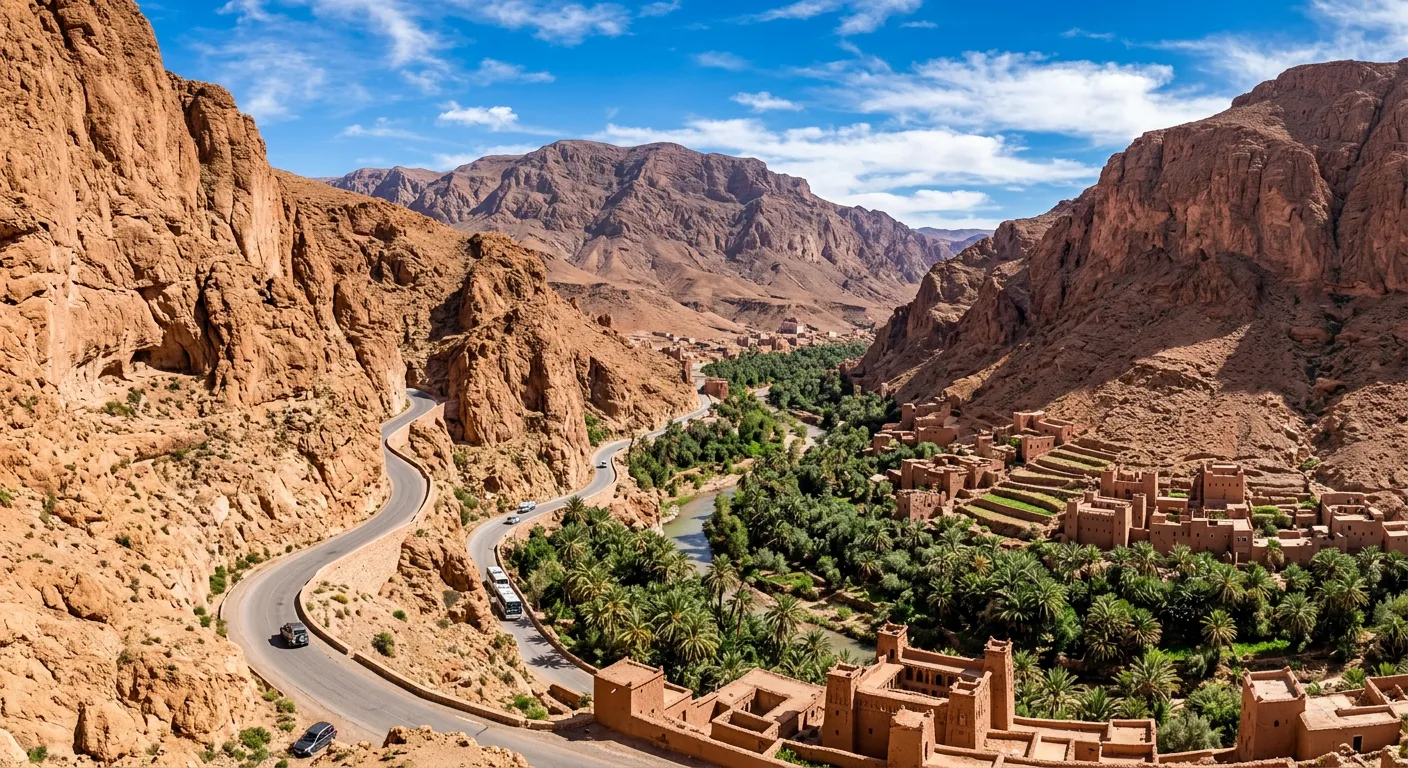
Dades Valley Road
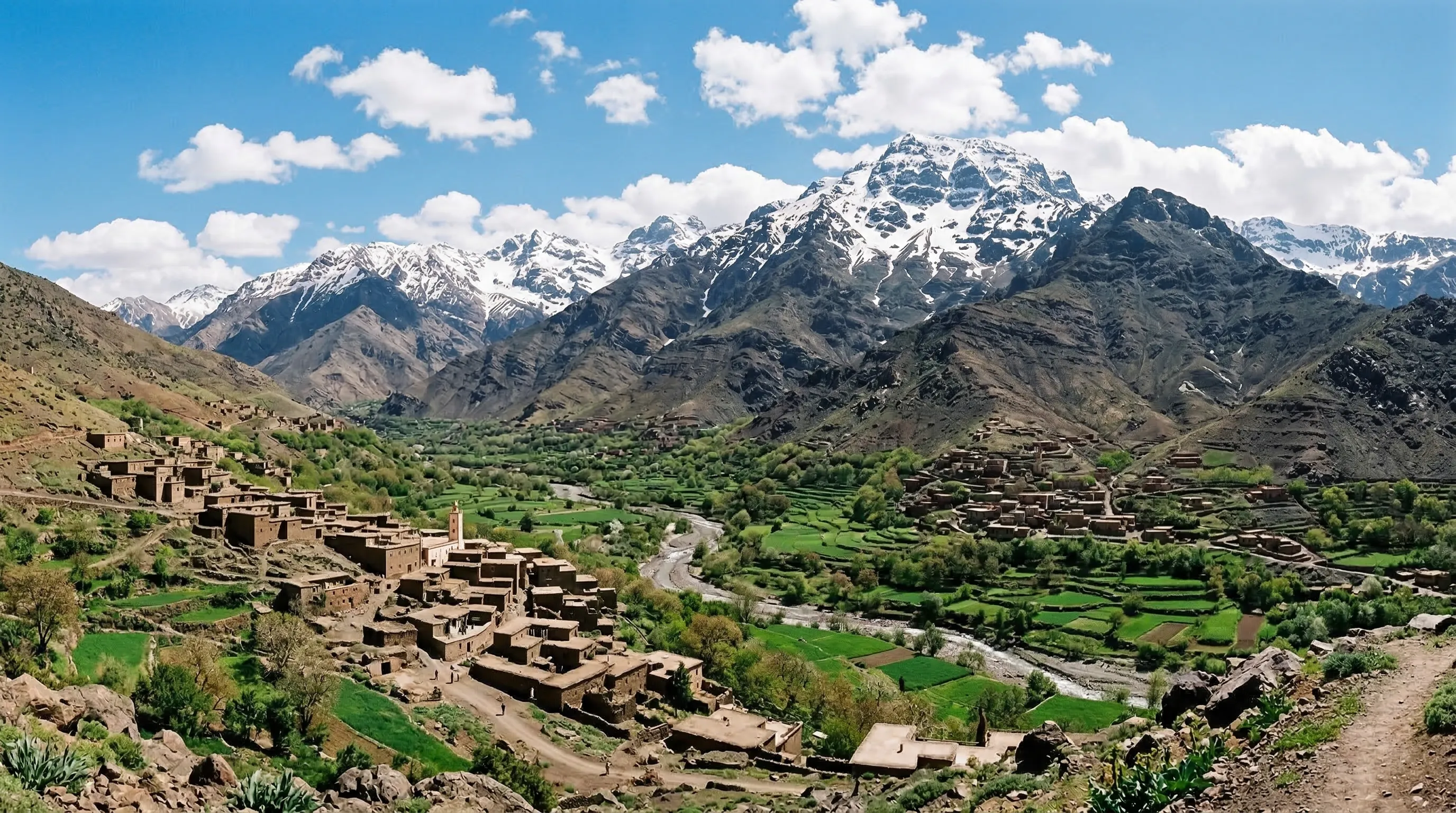
High Atlas Mountains
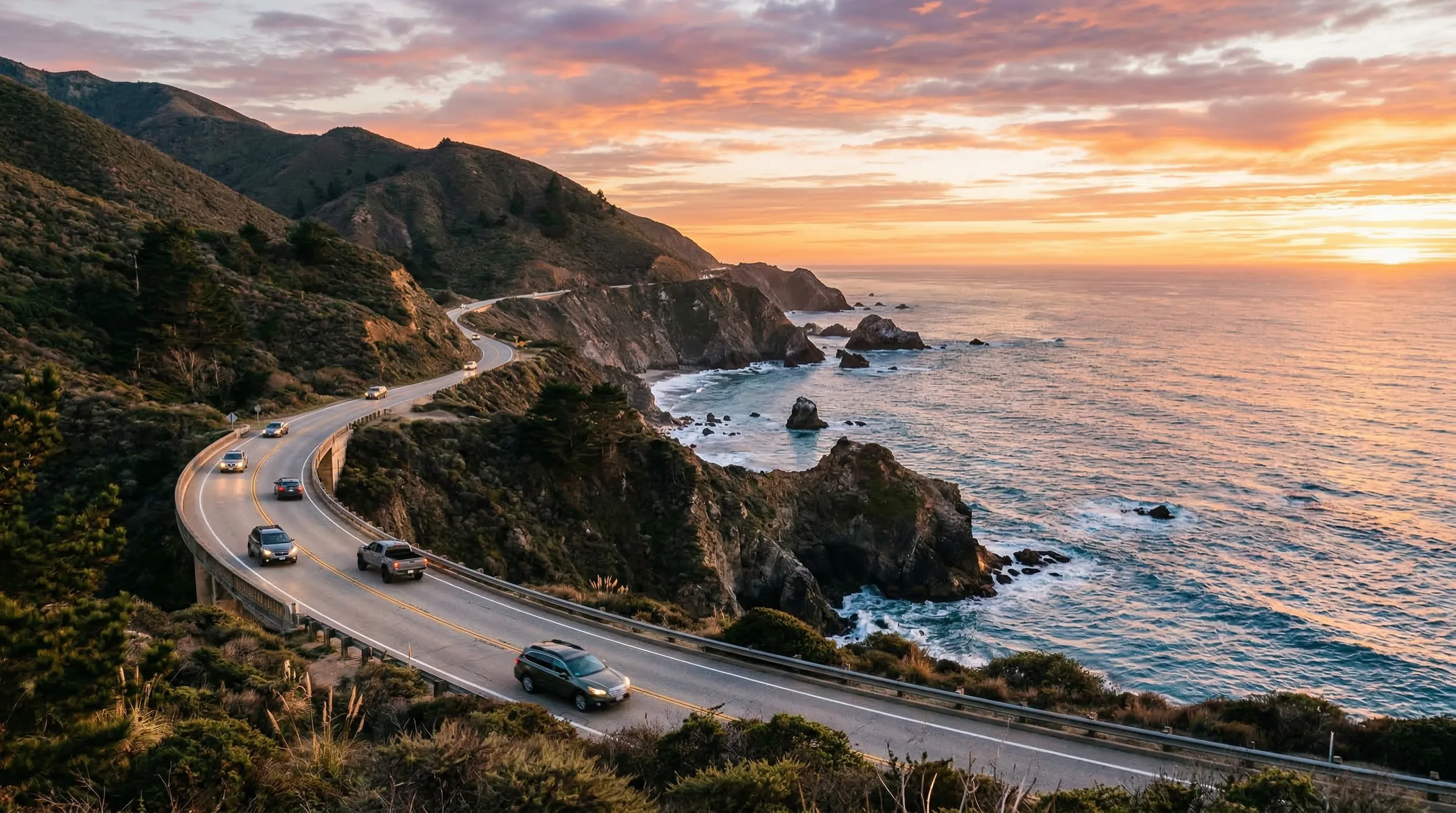
Dades Gorge
Frequently Asked Questions
Answers to the most common questions about renting and driving a car in Morocco.
Do I need an international driving permit to rent a car in Morocco?
It depends on your home country. EU and US licenses are accepted by most rental companies for stays under 90 days, but police at checkpoints may ask for an IDP. Getting one before your trip costs around $20 and eliminates any hassle. Australian, Canadian, and UK licenses are also generally accepted, but an IDP is recommended.
How much does it cost to rent a car in Morocco?
A basic compact car (Dacia Logan or similar) starts from 250 MAD per day with a local company and from 350 MAD per day with an international brand. SUVs suitable for mountain and desert roads start from 500 MAD per day. Prices rise sharply during Christmas, Easter, and July-August. Weekly rentals offer significant discounts, often 20-30% off the daily rate. Seasonal pricing can change.
Should I get full insurance coverage for a rental car in Morocco?
Yes. Road conditions vary dramatically and other drivers can be unpredictable. At minimum, take CDW (Collision Damage Waiver) and theft protection. Super CDW reduces your excess to zero and costs from 80-120 MAD per day extra. Some credit cards cover CDW abroad -- check your card terms before the trip and bring the policy document.
Is driving in Morocco safe for tourists?
Driving in Morocco is manageable if you stay alert. Highways (autoroutes) between major cities are excellent and well-maintained. Secondary roads in the mountains require careful driving due to tight curves and occasional livestock. Avoid driving at night outside cities, as unlit vehicles, pedestrians, and animals on the road are common hazards.
Can I take a rental car from Morocco into another country?
Cross-border travel is generally not permitted by rental contracts. Most companies explicitly prohibit taking cars into Algeria or Mauritania. Some will allow travel within Morocco only, and the GPS tracker in modern rental fleets will flag border crossings. If you need to cross borders, arrange separate transport.
What happens if I get a traffic fine while driving a rental car?
Police issue fines on the spot in Morocco. You pay cash directly to the officer, who provides a receipt. Fines range from 300 MAD for minor violations to 1,500 MAD or more for speeding. If you do not pay, the officer can hold your license until you do. The rental company may also charge you later for any camera-detected violations.
Are Moroccan roads good enough for a regular car or do I need an SUV?
A regular car handles all highways, most national roads, and city driving perfectly well. You only need an SUV or 4x4 for unpaved mountain passes (like Tizi n'Test in winter), desert tracks south of Zagora and Merzouga, and remote Atlas Mountain villages. For a standard Marrakech-Fes-coast trip, a compact car is sufficient.
Where should I pick up and drop off my rental car in Morocco?
Airport pickups in Marrakech (RAK), Casablanca (CMN), Fes (FEZ), and Agadir (AGA) are the most convenient. One-way rentals between different cities are available but carry a surcharge of from 500-1,500 MAD depending on the distance. Dropping off in the same city where you picked up avoids this fee.
Related Travel Guides
Morocco Road Trip Guide
Detailed itineraries, day-by-day routes, accommodation picks, and packing lists for driving across Morocco.
Read GuideMorocco Transport Guide
Trains, buses, grand taxis, and domestic flights. All your options for getting around without a car.
Read GuideMorocco Airport Guide
Arrivals, transfers, SIM cards, currency exchange, and getting from the airport to your hotel.
Read GuideMorocco Budget Calculator
Plan your daily spend including accommodation, food, transport, activities, and souvenirs.
Read GuideReady to Hit the Road?
A rental car unlocks Morocco's most rewarding experiences -- from mountain passes above the clouds to coastal roads where the Atlantic meets the Sahara. Book smart, drive safe, and let the road guide you.