Discovering...
Spa & Wellness
Morocco Spa & Wellness
Guide 2026
From ancient hammam rituals and argan oil treatments to world-class resort spas, Atlas Mountain yoga retreats, and Atlantic thalassotherapy. Everything you need to plan a wellness journey in Morocco.
Why Morocco for Spa & Wellness
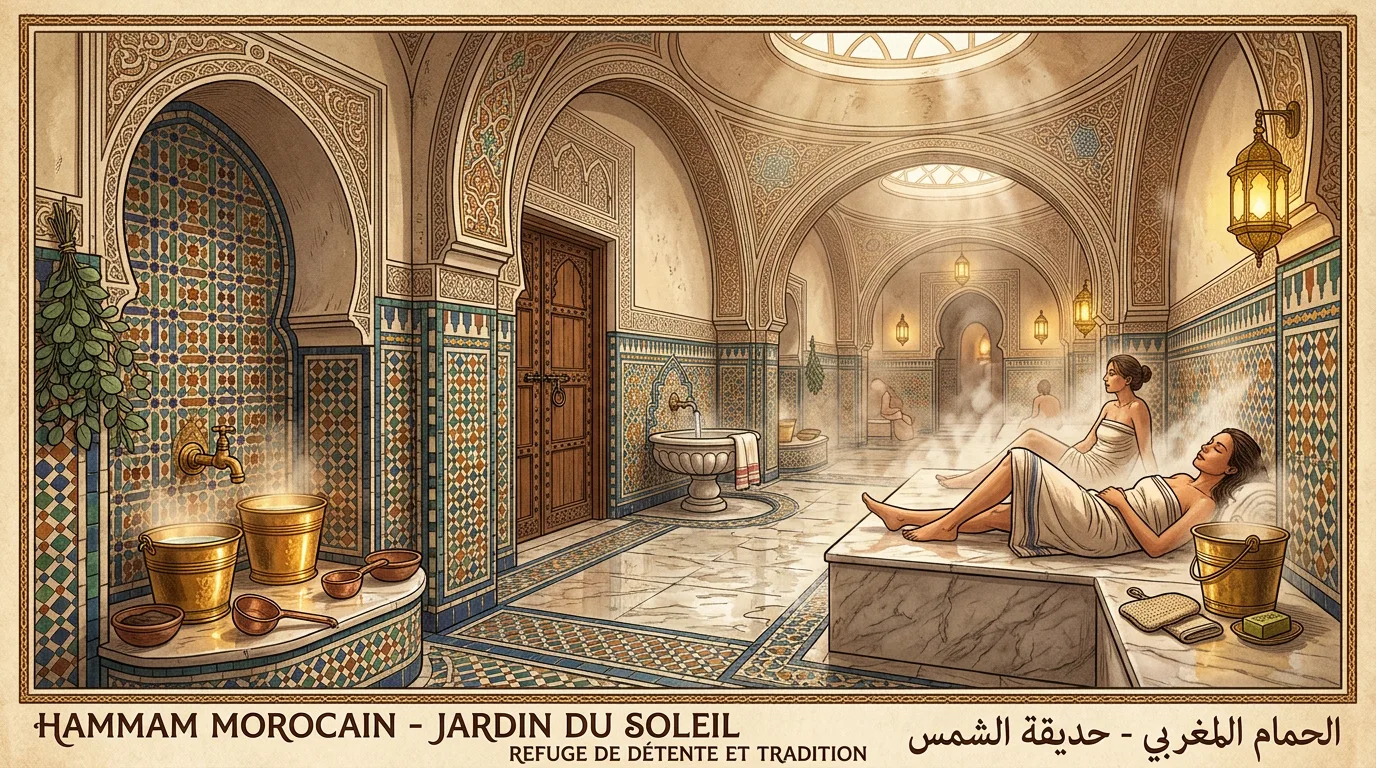
Morocco has practiced the art of bodily renewal for over a thousand years. The hammam, a steam bathhouse found in every neighborhood from Tangier to Tiznit, is the cornerstone of a wellness tradition built on natural ingredients the country produces in abundance: argan oil from the Souss, ghassoul clay from the Atlas, rose water from the Dades Valley, and saffron from Taliouine.
In the past two decades, international hotel brands have layered contemporary luxury onto this ancient foundation. Marrakech now hosts three of the most celebrated hotel spas on the African continent -- Royal Mansour, La Mamounia, and Mandarin Oriental -- each running multi-hour rituals that draw on centuries of local knowledge. Along the Atlantic coast, thalassotherapy centers in Essaouira and Agadir harness seawater and marine minerals. In the High Atlas, mountain kasbahs offer yoga retreats where the only sounds are birdsong and running water.
What makes Morocco distinctive is range. A neighborhood hammam costs from 50 MAD and delivers a scrub that rivals any spa treatment on Earth. A full day at Royal Mansour costs upward of 5,000 MAD and involves marble, gold leaf, and ingredients you cannot find outside this country. Both experiences are authentic, and both leave your skin transformed. This guide covers every tier.
Luxury Spas
Morocco's four most celebrated spa properties, each offering a different approach to world-class wellness.

Royal Mansour Spa
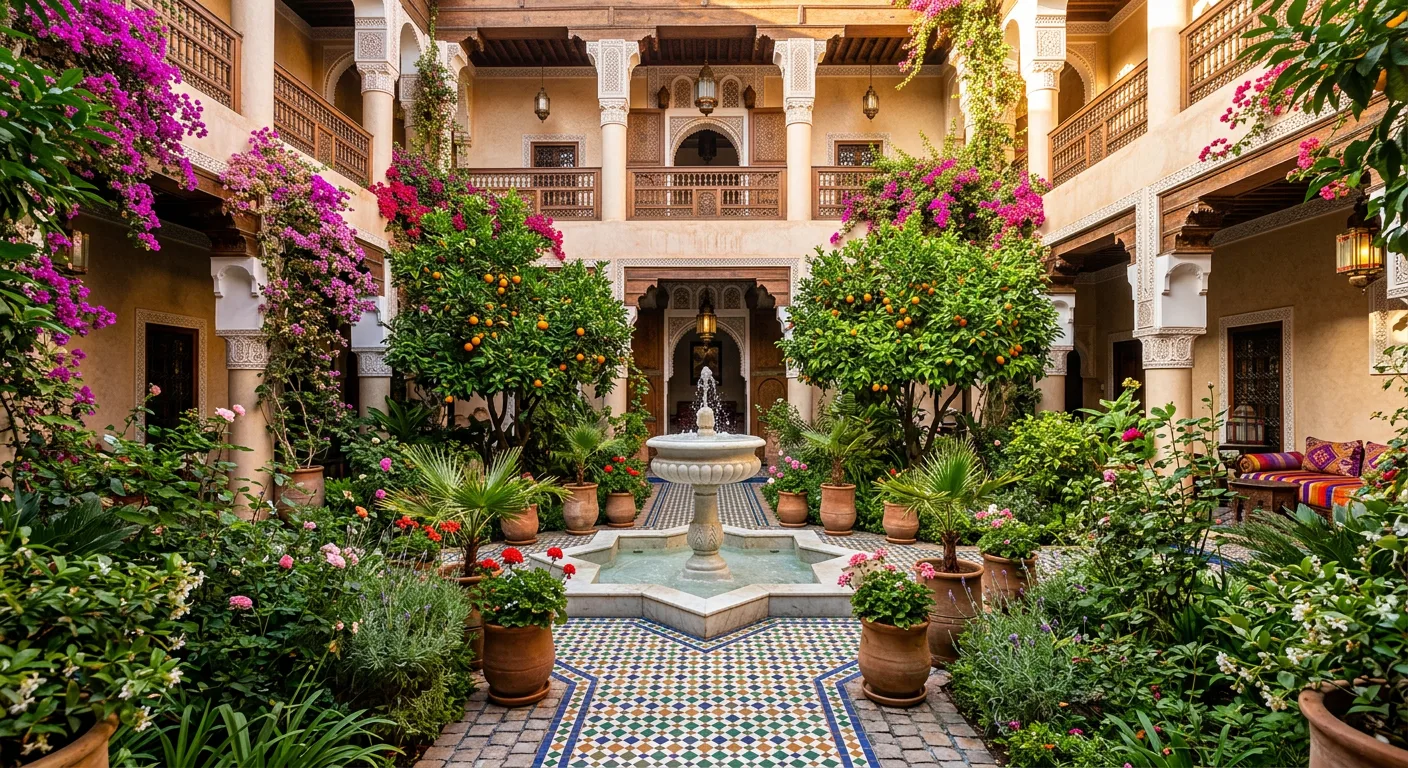
Conceived under the direction of King Mohammed VI, the Royal Mansour spa occupies a serene white pavilion of carved stucco and zellige mosaics. The three-room hammam journey moves through progressively warmer chambers before a thorough gommage with house-blended savon beldi. Private treatment suites open onto a courtyard with a domed indoor pool. Ancestral Moroccan beauty recipes form the treatment menu, using rose water from the Dades Valley and argan oil from Essaouira cooperatives.
Three-room hammam circuitDomed indoor poolAncestral beauty recipesPrivate treatment suites
From 1,500 MAD for hammam rituals2,500 sqm wellness area
La Mamounia Spa
La Mamounia has hosted dignitaries and travelers since 1923, and its spa matches the hotel's legendary standard. White Carrara marble lines the hammam chambers. Signature treatments draw on ingredients sourced region by region: argan oil from the Souss, saffron from Taliouine, rose from Kelaat M'Gouna. The outdoor pool garden, framed by hundred-year-old olive trees and Atlas Mountain views, extends the sense of restoration beyond the treatment room.
Carrara marble hammamRegion-sourced ingredientsAtlas Mountain pool gardenSince 1923 heritage
From 1,200 MAD for signature treatments2,500 sqm wellness area
Mandarin Oriental Spa
Set within 20 hectares of olive groves south of the medina, the Mandarin Oriental spa blends Asian wellness philosophy with Moroccan healing tradition. Nine treatment rooms surround a vitality pool. The signature "Moroccan Journey" is a three-hour ritual combining hammam, ghassoul clay wrap, and argan oil massage. A traditional hammam with heated marble benches sits alongside a modern fitness center and an outdoor relaxation garden with reflecting pools.
20-hectare olive grove settingNine treatment roomsThree-hour Moroccan JourneyEast-meets-Morocco philosophy
From 1,800 MAD for the Moroccan Journey1,800 sqm wellness area
Kasbah Tamadot Spa
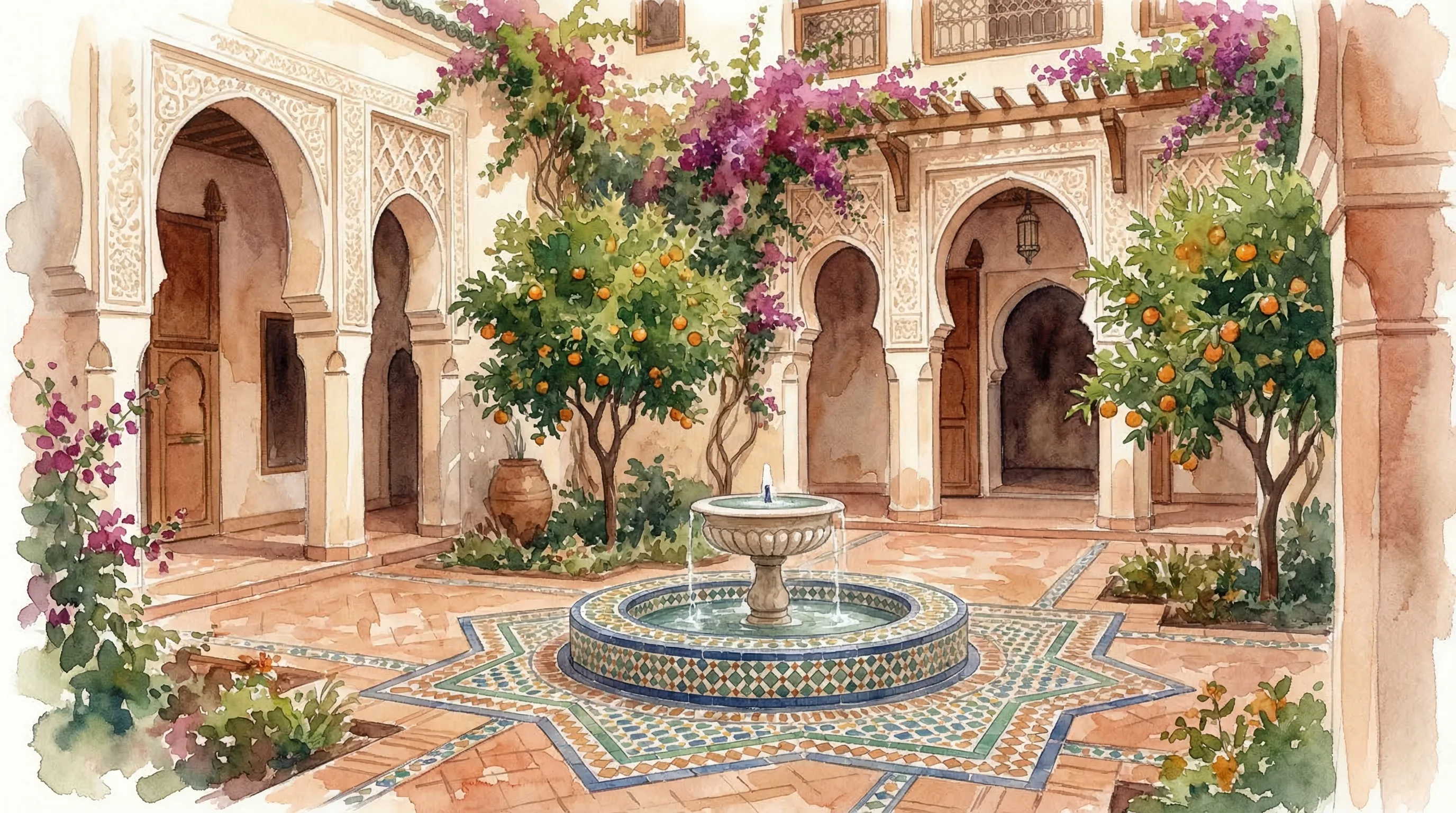
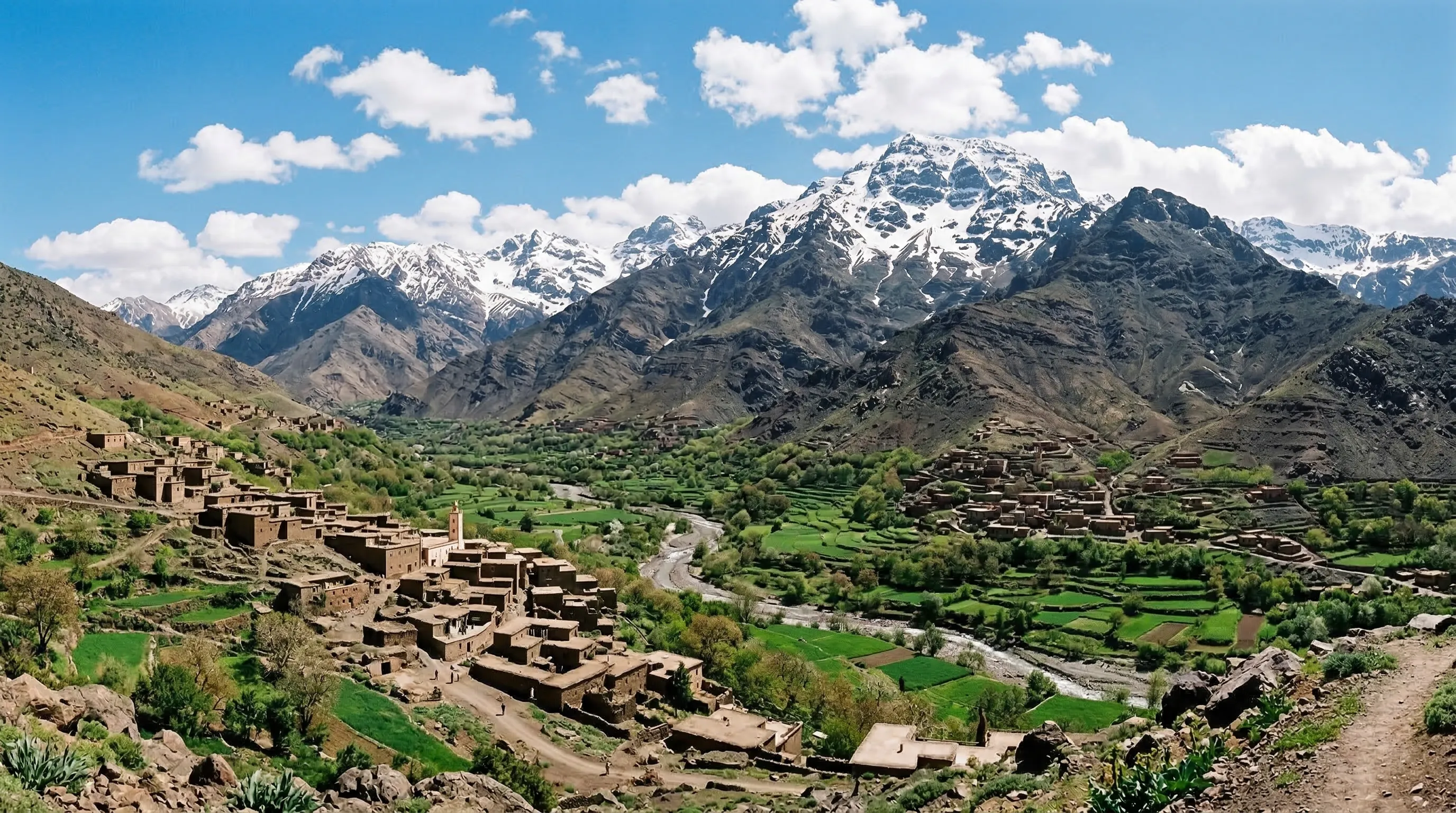
Sir Richard Branson's mountain retreat perches at 1,300 meters in the High Atlas above the village of Asni. The intimate spa includes a traditional hammam, heated infinity pool with panoramic mountain views, and treatment rooms that open onto terraces overlooking terraced Berber farmland. Therapists use locally sourced ingredients, and the clean mountain air itself becomes part of the healing. An ideal escape from the heat and bustle of Marrakech, just 45 minutes away.
1,300m altitudeInfinity pool with Atlas viewsBerber village settingLocally sourced ingredients
From 900 MAD for individual treatments800 sqm wellness area
Traditional Hammam vs. Modern Spa
Two distinct approaches to wellness exist side by side in Morocco. Understanding the difference helps you choose the right experience.
Feature
Traditional Hammam
Modern Spa
Core Ritual
Steam, savon beldi, kessa scrub, ghassoul clay, rinse
Consultation, treatment (massage, facial, body wrap), relaxation
Setting
Communal tiled rooms with domed ceilings, buckets of water
Private rooms, ambient music, controlled temperature and lighting
Products
Natural: black soap, ghassoul clay, argan oil, rose water
Brand product lines plus natural Moroccan ingredients
Duration
60-90 minutes for the full circuit
60 minutes per treatment, full-day packages available
Price Range
From 50 MAD (public) to 800 MAD (luxury hammam)
From 300 MAD (riad spa) to 3,000 MAD (resort signature)
Privacy
Gender-separated communal or private suite bookings
Fully private treatment rooms, couples suites available
Best For
Cultural immersion, deep exfoliation, social experience
Relaxation, targeted therapeutic work, pampered indulgence
Argan Oil Treatments
Morocco is the only country on Earth where argan trees grow naturally. Spas here use the freshest, purest cosmetic-grade oil available anywhere.
Full-Body Argan Oil Massage
60-90 minPure cosmetic-grade argan oil, warmed to body temperature, is worked into the skin using long flowing strokes. The oil absorbs quickly, delivering vitamin E and essential fatty acids deep into the dermis. Skin remains luminous and hydrated for days afterward. Many spas blend argan with a few drops of orange blossom or neroli essential oil.
From 300 MAD at mid-range spas
Argan & Rose Gold Facial
45-60 minA facial combining argan oil with Damascena rose extract and 24-karat gold leaf, offered at select luxury properties. Cleansing, gentle exfoliation, an argan-rose serum, and a gold-leaf mask leave the complexion radiant. The treatment draws on the Moroccan tradition of using natural oils as the primary skincare step.
From 500 MAD at luxury hotel spas
Argan Oil Hair Ritual
30-45 minWarm argan oil is massaged into the scalp and drawn through the hair from root to tip, then wrapped in a heated towel to allow deep penetration. After rinsing, hair is noticeably softer, shinier, and easier to manage. Moroccan women have used argan oil as a hair treatment for generations.
From 200 MAD at most spas
Thalassotherapy: Seawater Healing
Morocco's 3,500-kilometer coastline supports dedicated thalassotherapy centers that use heated Atlantic seawater, seaweed, and marine minerals.
Essaouira
Sofitel Thalassa Mogador
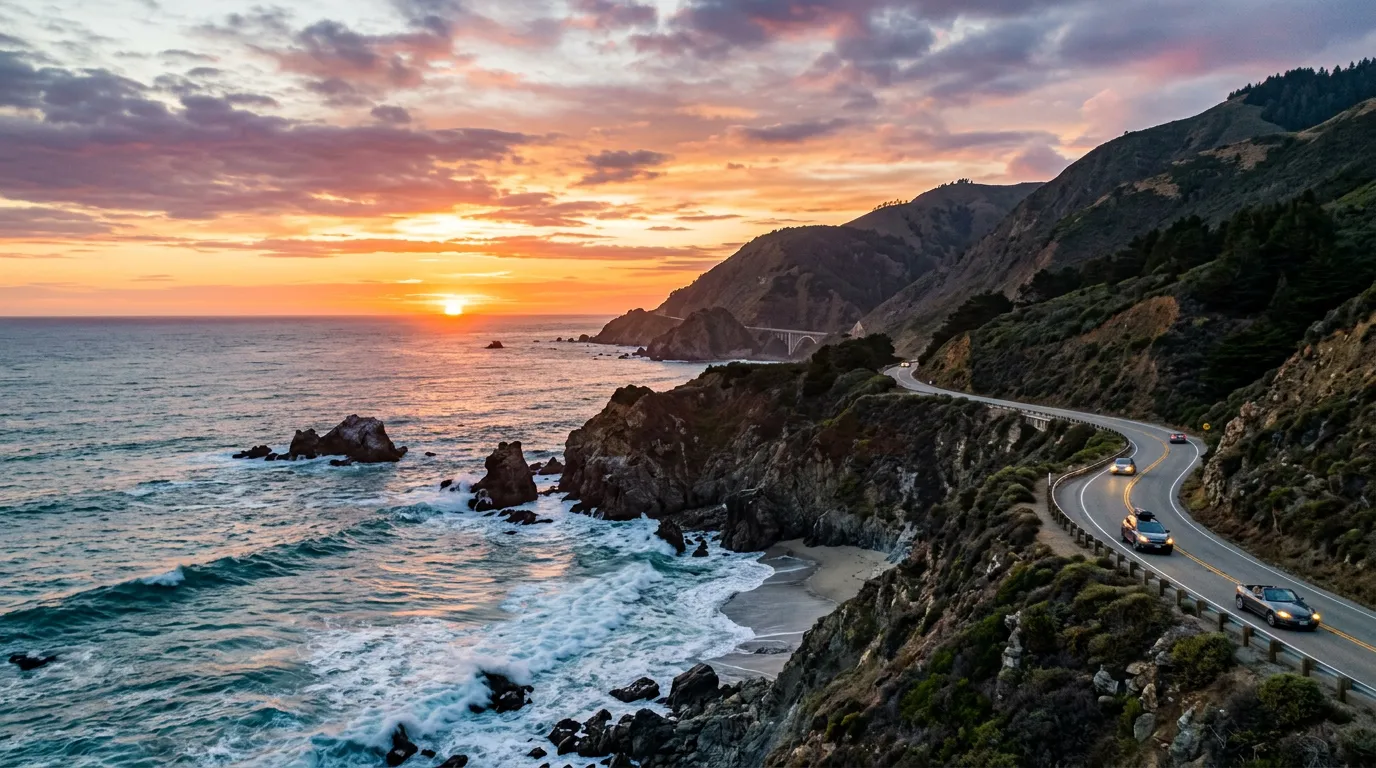
The Sofitel Thalassa Mogador is Morocco's premier thalassotherapy destination. Built directly on the Atlantic coast, the center pumps fresh seawater into heated pools, jet baths, and treatment rooms. Programs target everything from stress relief to post-surgical rehabilitation. The combination of Essaouira's bracing ocean air and mineral-rich Atlantic water creates conditions that European thalasso centers struggle to match.
Heated seawater pool circuitsAlgae body wrapsMarine mud therapyHydro-jet massageAqua-fitness sessions
From 600 MAD per session; multi-day packages from 4,000 MAD
Agadir
Atlantic Palace & Beach Resorts
Agadir's long sandy beachfront hosts several thalassotherapy resorts that operate year-round thanks to the city's 340 days of sunshine. Treatments pair seawater therapy with the warmth of the southern Moroccan climate. Agadir resorts tend to offer more affordable thalasso packages than Essaouira, and the adjacent Souss-Massa region provides fresh argan oil for complementary treatments.
Seawater hydrotherapy poolsSalt scrub exfoliationSeaweed wrapsUnderwater jet massageVitamin sea-air walks
From 500 MAD per session; weekly packages from 3,500 MAD
Yoga, Meditation & Wellness Retreats
Multi-day programs that combine movement, mindfulness, hammam sessions, and Moroccan cuisine in extraordinary settings.
Atlas Mountain Yoga Retreats
Ouirgane, Imlil, Ourika Valley
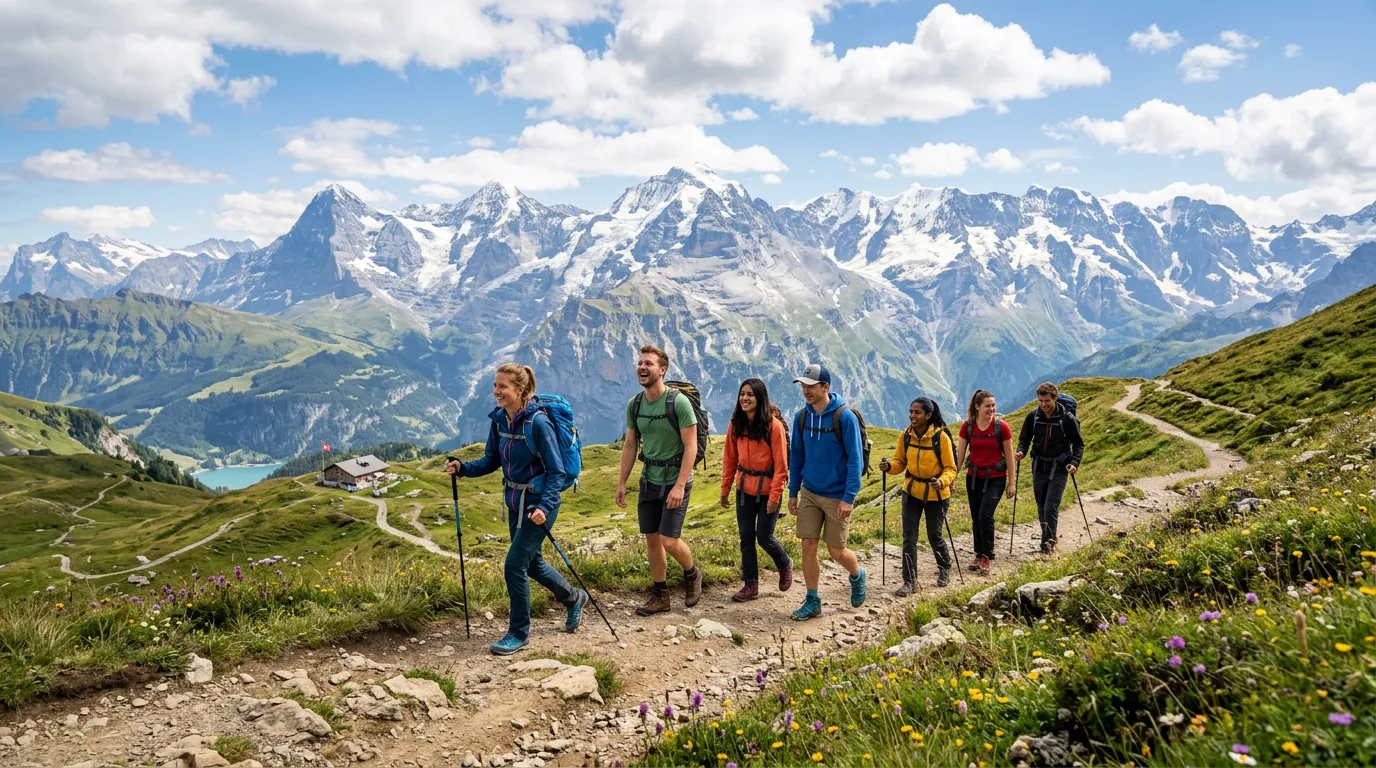
Mountain kasbahs and eco-lodges at altitudes between 900 and 1,500 meters host three-to-seven-day retreats combining morning and evening yoga with guided Atlas hikes, hammam sessions, and farm-to-table Moroccan cuisine. The silence of the valleys and the panoramic views from open-air yoga platforms create conditions difficult to replicate in a studio setting.
3-7 days
Accommodation, meals, daily yoga, one hammam, guided hike
From 3,500 MAD for a 3-day retreat
Essaouira Surf & Yoga
Essaouira, Sidi Kaouki
The Atlantic coast town of Essaouira and the surf village of Sidi Kaouki attract travelers who want to combine morning yoga with afternoon surf sessions. Retreats typically include beachfront yoga at sunrise, surf instruction with certified coaches, and evening meditation. The town's bohemian energy and fresh seafood dining round out the experience.
5-7 days
Accommodation, meals, daily yoga, surf lessons, board rental
From 4,500 MAD for a 5-day retreat
Meditation & Silence Retreats
High Atlas, Sahara Desert camps
For travelers seeking deep inner quiet, select properties in the High Atlas and luxury desert camps in the Sahara offer guided meditation, breathwork, and digital detox programs. The absolute silence of the desert at night or the stillness of a mountain valley at dawn creates a powerful container for contemplative practice. Programs typically limit group size to ten participants.
4-7 days
Accommodation, meals, guided meditation, breathwork, journal
From 4,500 MAD for a 4-day retreat
Wellness Resort Programs
Marrakech, Agadir, Atlas foothills
Full-service wellness resorts offer structured multi-day programs combining daily spa treatments, fitness classes, nutrition consultations, and cultural excursions. Properties like Amanjena near Marrakech and select Atlas kasbahs run week-long reset programs that include hammam, yoga, hiking, cooking classes, and personalized wellness assessments.
5-14 days
All treatments, meals, fitness, excursions, wellness consultation
From 8,000 MAD for a 5-day program
Moroccan Beauty Treatments
Specialty treatments built around Morocco's most prized natural ingredients, from saffron and rose petals to ghassoul clay and henna.
Saffron & Honey Body Wrap
75 minFrom 450 MAD
Taliouine saffron blended with wildflower honey is applied after the gommage, wrapped, and left for 20 minutes. Anti-inflammatory saffron and humectant honey leave skin glowing for days.
Rose Petal Ritual
90 minFrom 400 MAD
Damask roses from the Dades Valley provide rose water toner, rose oil massage, and rose petals floating in the rinse water. Available seasonally and year-round at select properties.
Ghassoul Clay Body Mask
45 minFrom 200 MAD
Atlas Mountain clay mixed with rose water is applied head to toe after steaming. Rich in silica and magnesium, it draws impurities while conditioning skin and hair.
Henna Art & Hair Treatment
60 minFrom 150 MAD
Natural henna paste conditions hair and creates decorative body art. Moroccan henna artists apply intricate designs on hands and feet, a tradition that doubles as a beauty treatment.
Kohl & Natural Makeup Session
30 minFrom 100 MAD
Traditional Moroccan kohl eyeliner and natural makeup using mineral-based pigments. Cosmetic herbalists in the medina offer personalized consultations alongside the application.
Spa & Hammam Etiquette
Respect these conventions and you will be welcomed warmly at any Moroccan spa or hammam.
Dress Modestly in Public Hammams
Women wear underwear, men wear swim shorts. Full nudity is not customary. Luxury spas provide disposable underwear and robes.
Tip the Tayeba
The hammam scrubber earns most of their income from tips. From 20-50 MAD is standard at public hammams. At luxury spas, 10-15% of the treatment cost is appropriate.
Arrive Hydrated
Drink at least 500 ml of water before entering. The steam causes heavy sweating. Avoid alcohol and heavy meals within two hours of treatment.
Communicate Comfort Level
Say "shwiya" (gently) or "bezzaf" (enough) to adjust scrubbing pressure. At luxury spas, therapists check your comfort level throughout. Never endure pain in silence.
Respect Gender Separation
Public hammams are strictly divided by gender. Some have separate wings; others alternate hours. Always verify the schedule before arriving.
Leave Electronics Behind
Phones and cameras are not appropriate in hammams or treatment areas. Leave valuables in your accommodation or in a provided locker.
Pricing by Tier
What to expect at each level, from a 50 MAD neighborhood hammam to a 5,000 MAD resort day.
All prices are starting prices in Moroccan Dirhams. Seasonal pricing can change during peak months (October-April).
| Tier | Entry | Scrub | Massage | Total Package |
|---|---|---|---|---|
| Public Hammam | From 50 MAD | From 50 MAD | Not typically included | From 100 MAD |
| Riad Spa | Included | Included | From 200 MAD (30 min) | From 300 MAD |
| Boutique Day Spa | Included | Included | From 300 MAD (60 min) | From 500 MAD |
| Luxury Hotel Spa | Included | Included | From 500 MAD (60 min) | From 1,200 MAD |
| Ultra-Luxury Resort | Included | Included | From 800 MAD (90 min) | From 2,500 MAD |
Couples & Honeymoon Spa Packages
Private hammam suites, candlelit massages, and multi-day honeymoon retreats designed for shared wellness experiences.
Private Couples Hammam
A dedicated hammam suite where both partners experience the scrub ritual simultaneously with two attendants, followed by a side-by-side massage in a candlelit room with rose petals and mint tea.
La Mamounia, Royal Mansour, luxury riadsFrom 1,500 MAD per couple
Honeymoon Spa Retreat
Multi-day packages with daily spa treatments, private dining, and romantic excursions. All-inclusive programs with champagne amenities and customizable treatment menus.
Amanjena, La Sultana, Selman MarrakechFrom 8,000 MAD for 3 nights
Desert Spa Under the Stars
Open-air massage under the Saharan sky, sand scrub exfoliation, and sunrise yoga on the dunes. The silence and starlight create an atmosphere no indoor spa can replicate.
Merzouga, Erg Chebbi luxury campsFrom 3,000 MAD per couple per night
Booking Tips
Practical advice for securing the best spa and wellness experiences in Morocco.
Book Luxury Spas 1-2 Weeks Ahead
Royal Mansour and La Mamounia often fill their treatment slots weeks in advance, especially October through April. Request specific therapists by name if you have a recommendation.
Ask About Midweek Discounts
Many luxury hotel spas offer 15-25% discounts on Tuesday through Thursday bookings. Day passes including pool access and one treatment are common promotional offers.
Confirm Seasonal Pricing
Peak season (October-April) rates at resort spas can be 20-30% higher than summer. Always confirm the current rate when booking. Prices listed in this guide are starting prices and seasonal pricing can change.
Non-Guest Access
Most five-star hotel spas welcome non-guests for treatments. Some offer day passes including pool and fitness center access. Call the spa directly rather than the hotel reception for availability.
Public Hammam Research
Ask your riad host to recommend a neighborhood hammam and confirm the gender schedule. Some have fixed hours; others alternate days. Your host can also arrange for a local woman to accompany first-time female visitors.
Group & Retreat Bookings
Yoga and meditation retreats often offer early-bird pricing 60-90 days before the start date. Groups of four or more can negotiate custom rates at most wellness properties.
Morocco's Wellness Landscape
Traditional Hammam Ritual
Atlas Mountain Yoga Retreat
Essaouira Thalassotherapy Coast
Frequently Asked Questions
Answers to the most common questions about spa and wellness travel in Morocco.
What is the difference between a traditional hammam and a modern spa in Morocco?
A traditional hammam is a communal steam bathhouse focused on scrubbing with black soap and a kessa mitt, costing from 50 MAD. A modern spa offers private treatment rooms, international techniques like Swedish massage or hot stone therapy, and premium product lines, starting from 500 MAD. Luxury spas like Royal Mansour and La Mamounia combine both approaches in multi-hour rituals.
How much do luxury spa treatments cost in Morocco?
Public hammams cost from 50 MAD. Mid-range riad spas charge from 300 MAD for a hammam and massage package. Luxury hotel spas like La Mamounia start from 1,200 MAD for signature treatments. Royal Mansour hammam rituals begin from 1,500 MAD. Full-day resort spa packages range from 2,500 to 5,000 MAD. Seasonal pricing can change during peak months.
What are argan oil spa treatments and why are they unique to Morocco?
Argan oil comes from trees that grow only in southwestern Morocco. Rich in vitamin E and essential fatty acids, it is used in massages, hair treatments, and facial care. An argan oil full-body massage costs from 300 MAD at mid-range spas. Luxury properties blend argan oil with rose water or saffron for bespoke formulations unavailable anywhere else in the world.
Where can I find thalassotherapy treatments in Morocco?
Thalassotherapy centers are concentrated along the Atlantic coast. Essaouira has the Sofitel Thalassa Mogador with heated seawater pools and marine treatments. Agadir offers several thalasso resorts along its beachfront. Casablanca and El Jadida also have facilities. Sessions start from 600 MAD. Multi-day thalasso packages cost from 4,000 MAD.
Are there yoga retreats in Morocco?
Yes. The Atlas Mountains around Ouirgane and Imlil host retreats combining yoga with mountain hiking and hammam sessions. The Essaouira coast offers surf-and-yoga programs. Marrakech has studio-based retreats in luxury riads. Programs run three to seven days, starting from 3,500 MAD for a three-day retreat including accommodation, meals, and daily sessions.
Can couples visit a hammam together in Morocco?
Traditional public hammams are strictly gender-separated. Couples who want to share the experience must book a private hammam suite at a luxury spa or riad. Royal Mansour, La Mamounia, and Mandarin Oriental all offer private couples hammam experiences. Couples packages start from 1,500 MAD and typically include hammam, scrub, massage, and tea service.
What is proper spa etiquette in Morocco?
In public hammams, women wear underwear and men wear swim shorts. Full nudity is not customary. Tip the tayeba (scrubber) from 20 to 50 MAD. At luxury spas, arrive 15 minutes early, speak softly in relaxation areas, and tip 10-15% of the treatment cost. Avoid eating a heavy meal within two hours of treatment. Hydrate well before and after steam sessions.
When is the best time for a spa holiday in Morocco?
October through April offers cooler weather that makes hot hammam sessions especially satisfying. Spring (March-May) combines pleasant temperatures with wildflower season in the Atlas Mountains. Summer is ideal for thalassotherapy and coastal retreats. Ramadan may affect some spa schedules at smaller properties but luxury hotel spas operate normally year-round.
Related Travel Guides
Traditional Hammam Guide
Step-by-step hammam ritual, what to bring, public vs private hammams, and city-by-city recommendations.
Read GuideMorocco Etiquette Guide
Dress code, tipping customs, greetings, and social norms for respectful travel across Morocco.
Read GuideLuxury Morocco Travel
The finest hotels, riads, restaurants, and premium experiences for luxury travelers.
Read GuideBest Beaches Morocco
Atlantic and Mediterranean beaches, surf spots, and coastal towns for combining beach and wellness.
Read GuideReady to Plan Your Morocco Wellness Journey?
Whether you want a 50 MAD neighborhood hammam scrub or a week-long retreat at Royal Mansour, Morocco offers wellness experiences at every level. Start exploring our destination guides to build your itinerary.