Discovering...
Coastal Guide
Best Beaches in Morocco:
Top 15 Coastal Gems for 2026
From the dramatic red arches of Legzira to the world-class surf of Taghazout and the turquoise lagoons of Dakhla. Your definitive guide to 3,500 km of stunning Moroccan coastline.
Why Morocco Is One of the World's Great Beach Destinations
Morocco sits at the crossroads of two great bodies of water. To the west, the Atlantic Ocean delivers powerful swells that have made this country one of the world's premier surfing destinations. To the north, the Mediterranean Sea offers calm, warm waters framed by pine-clad mountains and secluded coves. Between these two coasts stretches 3,500 kilometers of shoreline that encompasses an astonishing diversity of beach landscapes.
You will find towering red sandstone arches sculpted by millennia of wave action, endless golden sand dunes where the Sahara Desert tumbles into the Atlantic, sheltered turquoise lagoons where flamingos wade in the shallows, and whitewashed fishing villages where the day's catch is grilled on the beach at sunset. Morocco's beaches are not just places to swim and sunbathe. They are geological marvels, wildlife sanctuaries, surf playgrounds, and windows into a coastal culture that stretches back thousands of years.
What makes Moroccan beaches exceptional is the pairing of natural beauty with cultural richness. An afternoon at Essaouira beach is inseparable from the fortified medina that watches over it. A surf session at Taghazout leads to tagine dinners in a village that still smells of the morning's sardine catch. A visit to Oualidia's lagoon culminates in freshly shucked oysters at a waterside shack. The beach is never just the beach in Morocco. It is always part of something deeper.
This guide covers the 15 best beaches in Morocco across every category, from world-class surf spots to family-friendly lagoons, from secluded coves to luxury resort strands. Whether you are a surfer chasing the perfect wave, a family seeking safe swimming, or a photographer hunting for dramatic coastal landscapes, Morocco has a beach that will exceed your expectations.
Morocco's Two Coasts at a Glance
Understanding the difference between the Atlantic and Mediterranean coasts is the first step to choosing the right Moroccan beach for your trip.
Atlantic Coast
Stretches from Tangier south past Agadir to Dakhla
Powerful waves ideal for surfing and wind sports
Water temperature: 15-22 C depending on season
Cooled by the Canary Current, wetsuit recommended
Dramatic cliffs, rock formations, and dune landscapes
Consistent trade winds from April to October
Best for: Surfing, kitesurfing, dramatic scenery, beach walks, adventure
Mediterranean Coast
Runs from Tangier east to the Algerian border
Calm, warm waters perfect for swimming and families
Water temperature: 19-25 C in summer
No wetsuit needed from June to September
Pine forests, small coves, and clearer water
Developing resort infrastructure at Saidia and Cabo Negro
Best for: Families, swimming, resort holidays, Mediterranean cuisine, luxury
Top 15 Beaches in Morocco
Our hand-picked selection of the finest beaches along Morocco's Atlantic and Mediterranean coasts, covering every type of beach experience.
Beaches are ranked by overall experience, combining natural beauty, accessibility, water quality, and available activities.
#1
Dramatic scenery
Legzira Beach
Near Sidi Ifni, Southern Atlantic Coast
Water: 17-21 C
May to October
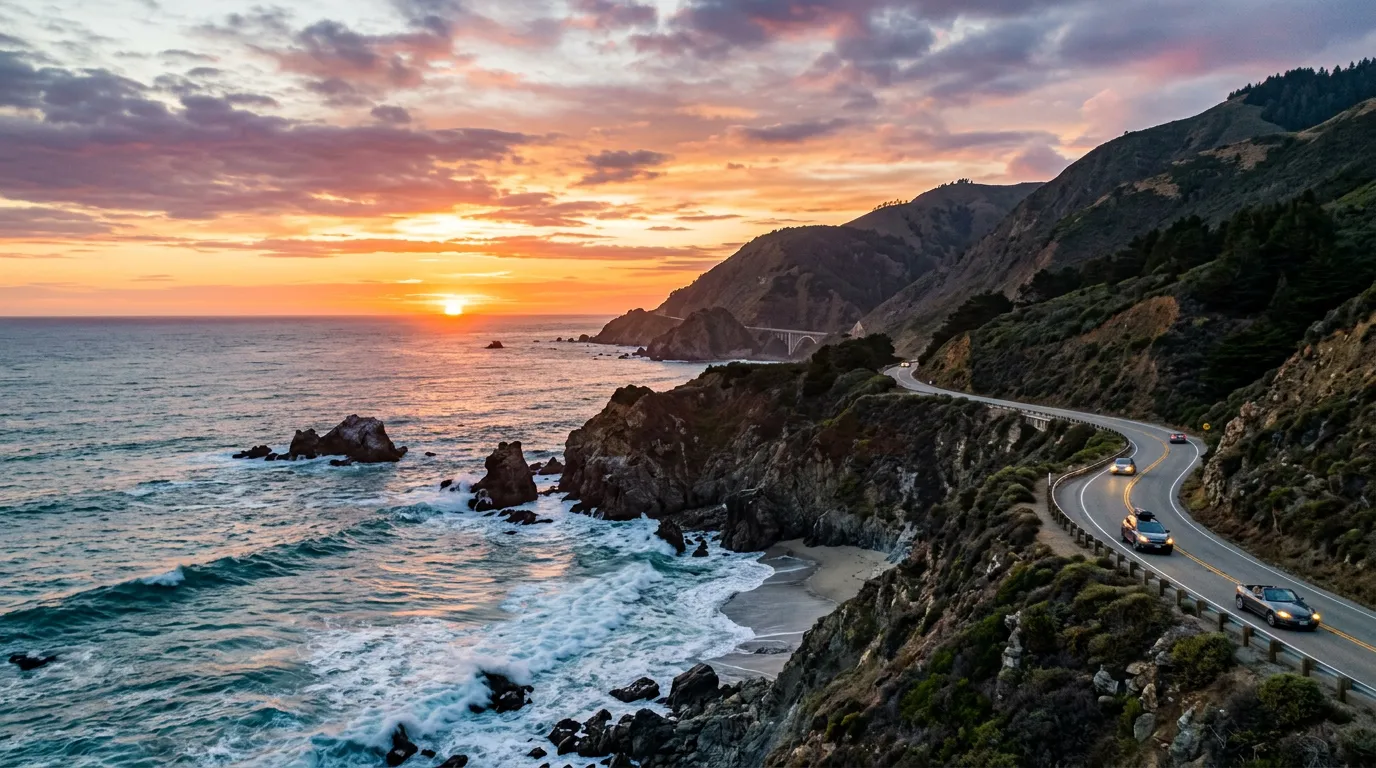
Legzira is Morocco's most iconic beach, defined by towering red and ochre sandstone arches that have been sculpted over millennia by the relentless Atlantic waves. The beach stretches for several kilometers of golden-red sand, framed by dramatic cliffs that glow with warm tones at sunset. Although one of the most famous arches collapsed in 2016, the remaining formations remain breathtaking. The beach is relatively uncrowded compared to northern resort destinations, and the surrounding area retains an authentic, undeveloped charm. The waters here are powerful and best suited for experienced swimmers. At low tide, you can walk along the base of the cliffs to explore sea caves and tidal pools teeming with marine life.
Highlights
Iconic red sandstone arches
Spectacular sunset colors
Sea caves at low tide
Relatively uncrowded
Best for: Photography, nature lovers, sunset seekers
#2
Surfing
Taghazout Beach
Taghazout, 20 km north of Agadir
Water: 17-22 C
September to April for surf, June to August for swimming
Taghazout has evolved from a sleepy fishing village into Morocco's undisputed surf capital, drawing wave riders from around the world to its collection of world-class breaks. The main beach offers consistent waves for intermediate and advanced surfers, while nearby spots like Anchor Point, Panoramas, and Devil's Rock provide variety for every ability level. The village atmosphere remains remarkably authentic despite its growing fame, with surf shops and cafes lining narrow streets that spill onto the golden sand. Surf camps offer all-inclusive packages with lessons, accommodation, and yoga from 800 MAD per day. Beyond surfing, the surrounding coastline offers secluded coves accessible by coastal walks, and the nearby Paradise Valley provides a freshwater swimming alternative in lush canyon pools.
Highlights
World-class surf breaks
Vibrant surf village atmosphere
Surf camps from 800 MAD per day
Paradise Valley nearby
Best for: Surfers, backpackers, yoga enthusiasts
#3
Wind sports & culture
Essaouira Beach
Essaouira, Central Atlantic Coast
Water: 16-21 C
April to November for wind sports, June to September for beach
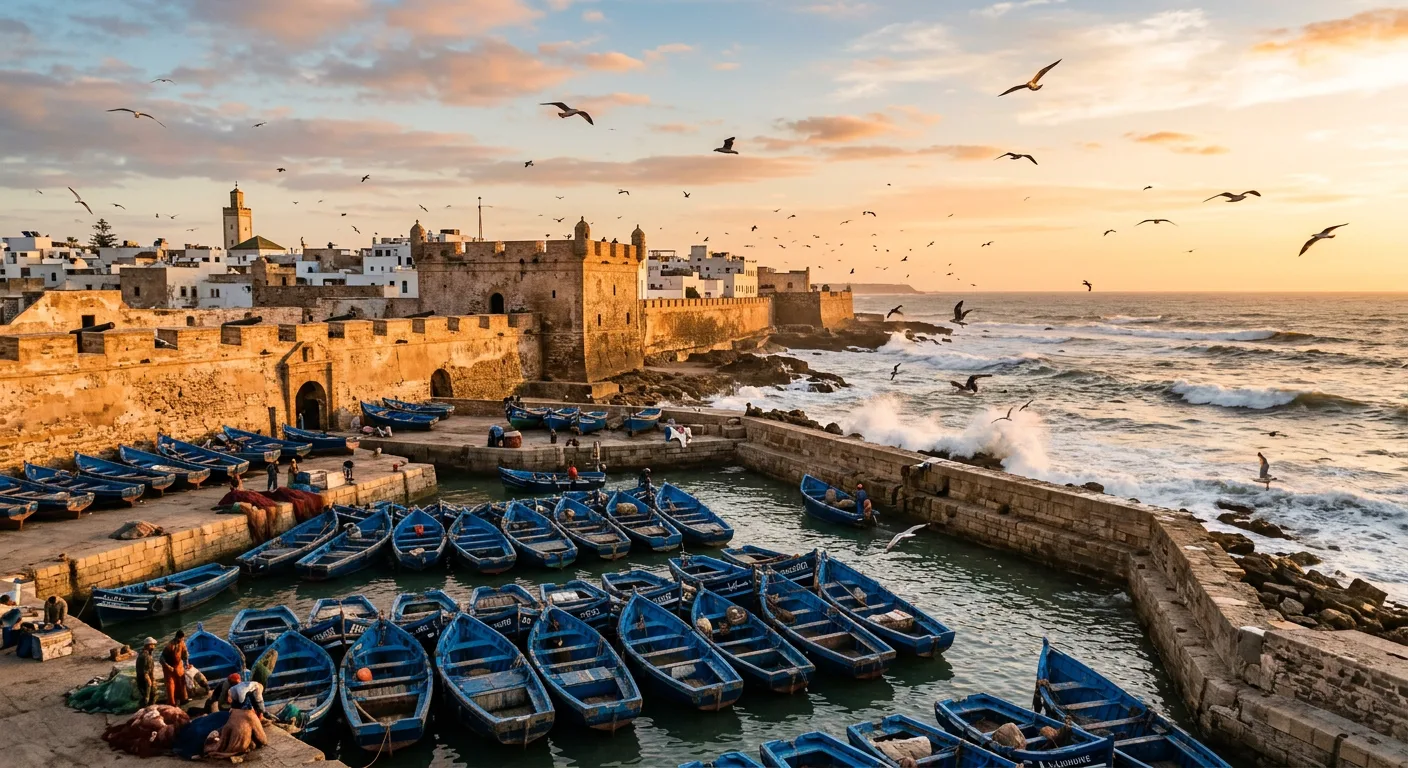
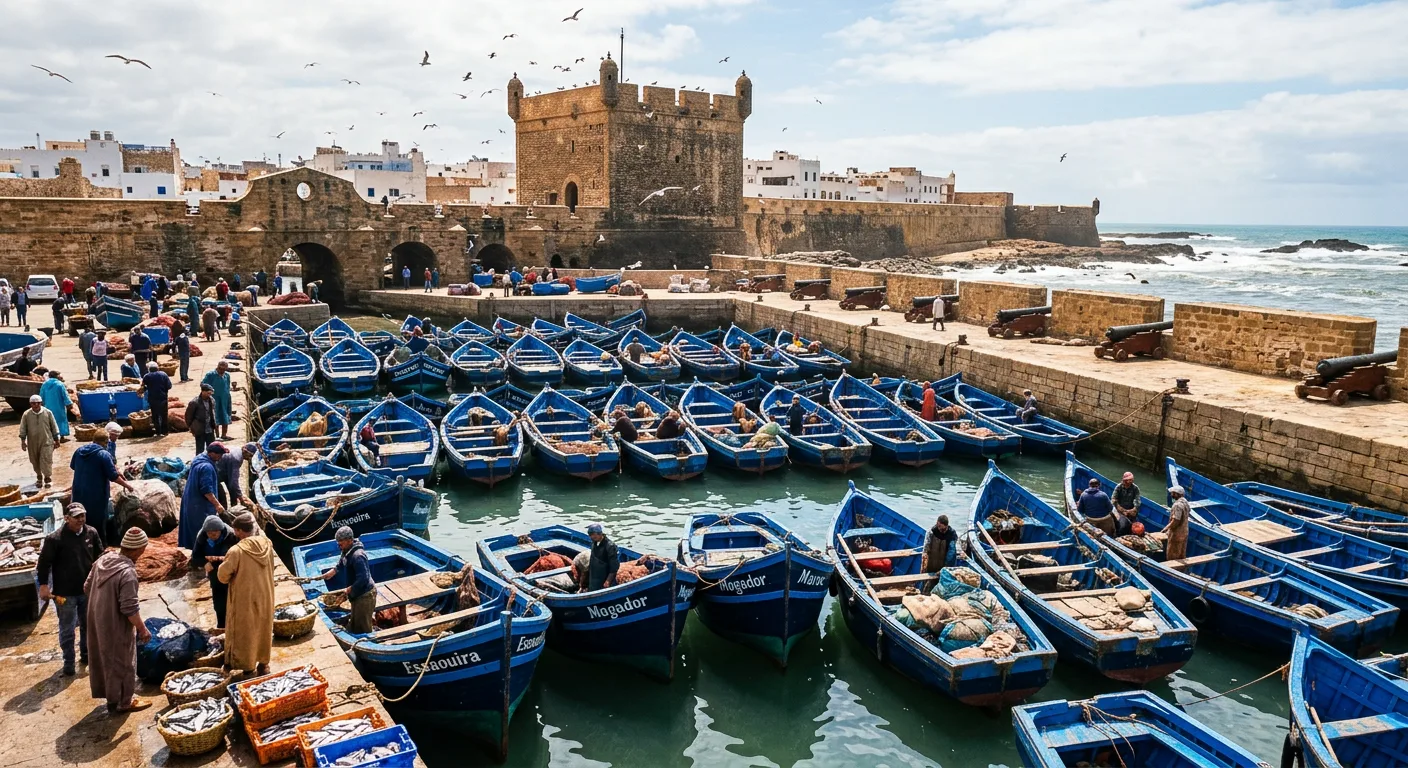
Essaouira's sweeping crescent beach stretches for several kilometers south from the historic fortified medina, offering a unique combination of beach life and cultural immersion that no other Moroccan beach can match. The consistent Atlantic trade winds that earned the city its ancient name of Mogador, meaning "the well-guarded," make this one of the best wind sports destinations in Africa. Kitesurfers and windsurfers fill the southern section of the beach, while the area near the medina walls is popular for football, camel rides, and leisurely walks. The beach is backed by sand dunes and argan groves, and the views of the medina ramparts and Mogador Island from the sand are postcard-perfect. Water temperatures are cool year-round due to the Canary Current, making a wetsuit advisable even in summer.
Highlights
Kitesurfing and windsurfing capital
Historic medina backdrop
Camel rides on the beach
Year-round wind sports
Best for: Kitesurfers, culture lovers, photographers
#4
Kitesurfing & adventure
Dakhla Beach
Dakhla, Southern Saharan Coast
Water: 18-23 C
March to November for kitesurfing, year-round for beach
Dakhla sits on a narrow peninsula jutting into the Atlantic, creating a vast lagoon of shallow, warm, turquoise water that has become one of the world's premier kitesurfing destinations. The lagoon's flat water and steady winds create ideal conditions for beginners and freestyle riders, while the ocean side delivers powerful waves for experienced kiters. Beyond kitesurfing, Dakhla offers a truly remote and otherworldly landscape where the Sahara Desert meets the Atlantic Ocean. White sand dunes cascade into turquoise waters, flamingos wade in shallow lagoons, and the night sky blazes with stars unmarred by light pollution. Eco-lodges and kite camps have sprung up along the lagoon, offering sustainable accommodation from 1,500 MAD per night with full-board and kitesurfing packages.
Highlights
World-class kitesurfing lagoon
Sahara meets the Atlantic
Flamingos and wildlife
Eco-lodge accommodation
Best for: Kitesurfers, adventure travelers, nature enthusiasts
#5
Relaxation & surf
Sidi Kaouki Beach
Sidi Kaouki, 25 km south of Essaouira
Water: 16-21 C
May to October for beach, year-round for surf
Sidi Kaouki is what Taghazout was twenty years ago: a quiet, windswept beach village with a handful of surf camps, a legendary marabout shrine on the rocks, and an atmosphere of complete tranquility. The long, wide beach attracts surfers who find Essaouira too crowded, as well as travelers seeking solitude and simplicity. The waves are consistent and forgiving, making this an excellent spot for beginner and intermediate surfers. The village has a small but growing collection of guesthouses, surf camps, and beachfront cafes serving fresh fish and tagines. Horseback riding along the beach at sunset is a highlight, and the absence of mass tourism means you can often have large stretches of sand entirely to yourself. A new yoga and wellness scene is emerging, drawing those seeking digital detox and connection with nature.
Highlights
Uncrowded and peaceful
Excellent beginner surf spot
Horseback riding on the beach
Yoga and wellness retreats
Best for: Surfers, solitude seekers, yoga practitioners
#6
Family & lagoon
Oualidia Beach
Oualidia, between El Jadida and Safi
Water: 17-22 C
June to September
Oualidia is Morocco's best-kept coastal secret: a sheltered crescent-shaped lagoon where calm, warm waters lap against golden sand, protected from the open Atlantic by a natural sandbar. This makes it the safest and most family-friendly beach destination in the country, where even small children can paddle and swim without fear of currents or strong waves. The lagoon is famous for its oyster farms, and eating freshly harvested oysters with lemon and a glass of wine at one of the waterside shacks is a quintessential Moroccan coast experience. At high tide, the lagoon fills and creates a natural swimming pool of extraordinary beauty. The surrounding cliffs are dotted with elegant small hotels and a royal palace, lending the area an exclusive but relaxed atmosphere.
Highlights
Sheltered lagoon with calm waters
Famous oyster farms
Safest swimming beach in Morocco
Royal palace and exclusive atmosphere
Best for: Families, food lovers, couples seeking tranquility
#7
Secluded & scenic
Mirleft Beach
Mirleft, between Tiznit and Sidi Ifni
Water: 17-22 C
May to October
Mirleft is a cluster of several stunning beaches tucked into rocky coves along one of the most dramatic stretches of Morocco's southern Atlantic coast. Each beach has its own character: some are wide expanses of golden sand, others are intimate crescents framed by volcanic cliffs. A ruined French fort perches on the cliffs above, adding a romantic, timeless quality to the landscape. The town itself is small and charming, with a growing community of artists, surfers, and expats who have been drawn by the beauty and affordability of this overlooked region. Beach access sometimes requires short scrambles down clifftop paths, which helps keep the crowds away. The sunsets here, with the sun sinking into the Atlantic beyond the silhouetted cliffs, are among the most dramatic in Morocco.
Highlights
Multiple secluded cove beaches
Dramatic cliff scenery
Ruined French fort above the beach
Growing artsy village
Best for: Adventure seekers, couples, off-the-beaten-path travelers
#8
Culture & beach
Asilah Beach
Asilah, Northern Atlantic Coast
Water: 17-22 C
June to September
Asilah pairs a beautiful Atlantic beach with one of Morocco's most charming whitewashed medinas, creating a coastal destination that appeals equally to beach lovers and culture seekers. The main beach stretches south from the medina walls, with golden sand and gentle waves that are relatively calm by Atlantic standards. The medina is famous for its street murals and annual arts festival, and the contrast of the white-and-blue painted walls against the beach and ocean creates a distinctly artistic atmosphere. Asilah is popular with Moroccan families during summer weekends, giving it a lively, authentic energy that tourist-oriented resorts lack. The surrounding coast features several quieter beaches accessible by car, including the beautiful Paradise Beach to the south. Fresh seafood restaurants along the harbor front serve grilled fish and calamari at excellent prices.
Highlights
Whitewashed medina with street murals
Annual arts festival
Calm waters for families
Excellent seafood restaurants
Best for: Culture lovers, families, art enthusiasts
#9
Nature & lagoon
Moulay Bousselham Beach
Moulay Bousselham, Kenitra Province
Water: 16-21 C
October to March for birdwatching, June to September for beach
Moulay Bousselham is where Morocco's Merja Zerga lagoon, a Ramsar-designated wetland of international importance, meets the Atlantic Ocean. The beach is long, wild, and largely undeveloped, stretching for kilometers in both directions from the small fishing village. The lagoon behind the beach is a birdwatcher's paradise, home to hundreds of species including flamingos, spoonbills, and rare marsh harriers, especially during migration season from October to March. Local fishermen offer boat tours of the lagoon at sunset, gliding past reed beds and sand islands in traditional wooden boats. The beach itself is popular with windsurfers due to the consistent winds funneled between the lagoon and the ocean. The village has a handful of simple guesthouses and fish restaurants serving the day's catch, maintaining an atmosphere of genuine coastal Moroccan life far from any tourist infrastructure.
Highlights
Merja Zerga lagoon and birdwatching
Flamingos and rare bird species
Authentic fishing village
Sunset lagoon boat tours
Best for: Birdwatchers, nature lovers, eco-travelers
#10
Resort & family
Agadir Beach
Agadir, Central Atlantic Coast
Water: 17-22 C
Year-round, peak June to September
Agadir boasts Morocco's longest and most developed urban beach: a sweeping 10-kilometer crescent of golden sand backed by a modern promenade lined with hotels, restaurants, and cafes. Rebuilt entirely after the devastating 1960 earthquake, Agadir has a distinctly modern character unlike any other Moroccan city. The beach is well-maintained with sun loungers from 30 MAD per day, clean facilities, and lifeguards on duty throughout the summer season. The gentle slope into the ocean and moderate waves make it one of the safest Atlantic beaches for swimming and ideal for families with children. The corniche promenade is perfect for evening walks, and the marina area offers upscale dining and boat trips. While Agadir lacks the historic charm of Essaouira or the surf credibility of Taghazout, it delivers reliable sunshine with over 300 sunny days per year and the most complete beach resort infrastructure in Morocco.
Highlights
10 km of golden sand
Over 300 sunny days per year
Full resort infrastructure
Safe swimming for families
Best for: Families, resort holidaymakers, winter sun seekers
#11
Mediterranean luxury
Cabo Negro Beach
Cabo Negro, near Tetouan, Mediterranean Coast
Water: 19-25 C
June to September
Cabo Negro is one of Morocco's most exclusive Mediterranean beach destinations, set along a beautiful stretch of coastline east of Tetouan. The beach features fine white sand and calm, warm Mediterranean waters that are warmer and clearer than the Atlantic coast. The area has attracted upscale development including golf courses, yacht clubs, and stylish beach clubs that cater to Moroccan and European holidaymakers. The surrounding pine-forested hills add a green backdrop that sets it apart from the arid landscapes typical of Moroccan beach destinations. During July and August, Cabo Negro buzzes with a sophisticated summer atmosphere, with beach parties, live music, and a social scene centered around the marina. The nearby Tamuda Bay has become a hub for luxury hotel brands. Outside of summer, the beach is peaceful and nearly deserted, offering a serene escape.
Highlights
Warm Mediterranean waters
Upscale beach clubs
Golf courses and marina
Pine-forested hills backdrop
Best for: Luxury travelers, golfers, Mediterranean beach lovers
#12
Surf & local culture
Mehdia Beach
Mehdia, near Kenitra, Atlantic Coast
Water: 16-21 C
Year-round for surf, June to September for beach
Mehdia is one of central Morocco's most popular surf beaches, located just minutes from the city of Kenitra and within easy reach of Rabat. The beach offers consistent beach breaks that work across a range of tide and swell conditions, making it a reliable spot when other breaks are flat. The Kasbah of Mehdia, a historic fortress built on the cliffs above the beach, provides a dramatic and photogenic backdrop that elevates the scenery beyond a typical surf break. The beach is hugely popular with Moroccan surfers and families on weekends, creating an energetic and authentically local atmosphere. Several surf schools operate from the beach, offering lessons from 300 MAD per session. The river mouth at the northern end of the beach creates a natural break that is particularly good for beginners. A small collection of cafes along the beach road serves excellent grilled fish sandwiches and fresh juice.
Highlights
Consistent surf breaks
Historic Kasbah backdrop
Popular with local surfers
Surf lessons from 300 MAD
Best for: Surfers, day-trippers from Rabat, local beach culture
#13
Mediterranean resort
Saidia Beach
Saidia, Eastern Mediterranean Coast
Water: 19-25 C
June to September
Saidia, often called the "Blue Pearl" of Morocco, boasts 14 kilometers of fine golden sand along the Mediterranean coast near the Algerian border. The beach is one of the warmest and calmest in Morocco, with Mediterranean waters that reach 25 degrees Celsius in summer and gentle waves ideal for swimming and paddling. The Moroccan government has invested heavily in developing Saidia as a major tourism destination, with a purpose-built marina, golf courses, waterparks, and international hotel chains. The result is Morocco's most complete beach resort after Agadir, but with warmer water and a Mediterranean rather than Atlantic character. The marina hosts sailing events and offers boat trips along the coast. The Moulouya River estuary nearby is a protected nature reserve home to diverse birdlife. Outside the resort zone, the old town of Saidia retains an authentic Moroccan character with traditional markets and restaurants.
Highlights
14 km of golden sand
Warmest waters in Morocco
Marina with sailing facilities
Waterparks and family activities
Best for: Families, Mediterranean holiday seekers, water sports
#14
Secluded & natural
Paradise Beach (Plage Rmilate)
Near Asilah, Northern Atlantic Coast
Water: 17-22 C
June to September
Paradise Beach, known locally as Plage Rmilate, lives up to its name: a pristine crescent of white sand enclosed by forested cliffs, accessible only by a winding dirt road through cork oak and eucalyptus woodland. The beach feels worlds apart from civilization, despite being just 20 minutes from Asilah. The water is startlingly clear by Atlantic standards, with turquoise hues that rival Mediterranean beaches. Natural shade is provided by the surrounding forest, and the cliffs create a sense of privacy and seclusion. During weekdays outside of summer, you may have the entire beach to yourself. In July and August, local families arrive to enjoy the sheltered waters, but it never feels overcrowded. There are no permanent facilities on the beach, so bring water, food, and a shade canopy. The surrounding forest is excellent for walking and mountain biking, and wild camping is tolerated in the woods above the beach.
Highlights
Pristine white sand in forested cove
Clear turquoise waters
Natural shade from forest canopy
Peaceful and uncrowded
Best for: Nature lovers, couples, wild camping enthusiasts
Beaches by Type: Find Your Perfect Match
Whether you are a surfer, a family, a solitude seeker, or a luxury traveler, Morocco has a beach tailored to your style.
Best Beaches for Surfing
Morocco is a world-class surf destination. The Atlantic coast delivers consistent swells from September to April, with water temperatures requiring a 3/2 wetsuit in winter and a shorty in summer.
Taghazout
The surf capital of Morocco. Anchor Point offers one of the longest right-hand point breaks in Africa. Multiple breaks for all levels within walking distance.
Sidi Kaouki
Consistent, forgiving beach breaks ideal for beginners and intermediates. Less crowded than Taghazout with a mellower atmosphere.
Mehdia
Central Morocco's best surf beach with reliable beach breaks. River mouth section excellent for learning. Easy day trip from Rabat.
Imsouane
Home to the longest wave in Morocco, a gentle right-hand point break that can ride for over 800 meters on a big swell. Perfect for longboarders.
Essaouira
Consistent beach breaks south of the medina. More wind than Taghazout but great for combined surf and cultural trips.
Best Beaches for Families
Family beaches need calm waters, lifeguards, clean facilities, and nearby amenities. Morocco's lagoons and Mediterranean beaches are the best choices for families with children.
Oualidia Lagoon
The safest swimming in Morocco. Sheltered lagoon with calm, shallow water perfect for children. Oyster farms add a culinary dimension for parents.
Agadir
Full resort infrastructure with lifeguards, sun loungers, clean facilities, and gentle waves. Hotels with kids clubs line the beach.
Saidia
Warm Mediterranean water, waterparks, and purpose-built resort facilities. The gentlest waves in Morocco make it ideal for toddlers.
Cabo Negro
Calm Mediterranean waters with beach clubs offering children's activities. Pine forests behind the beach provide shade for picnics.
Asilah
Moderate Atlantic waves, wide sandy beach, and a charming medina for cultural outings between beach sessions. Popular with Moroccan families.
Best Secluded Beaches
Morocco still has wild, uncrowded beaches where you can walk for kilometers without seeing another person. Most are on the southern Atlantic coast, far from major cities.
Paradise Beach
Hidden in a forested cove near Asilah with no permanent facilities. Pristine white sand and turquoise water accessible only by dirt road.
Mirleft Coves
Multiple secluded beaches tucked into dramatic cliff formations. Short scrambles down clifftop paths keep the crowds away.
Sidi Kaouki
Long stretches of empty beach south of the village. Walk ten minutes from the surf camps and you are alone with the Atlantic.
Legzira
Despite its fame, Legzira remains relatively uncrowded due to its remote location. Explore sea caves at low tide in solitude.
Moulay Bousselham
Wild, undeveloped beach stretching for kilometers. The lagoon side offers peaceful boat rides through reed beds and bird sanctuaries.
Best Luxury Beach Experiences
For travelers seeking refined beach experiences with high-end accommodation, fine dining, and polished service, these destinations deliver coastal luxury Moroccan-style.
Cabo Negro / Tamuda Bay
Morocco's most luxurious Mediterranean coast. Five-star hotels, golf courses, and sophisticated beach clubs with international standards.
Dakhla Eco-Lodges
Exclusive eco-camps on a remote lagoon where the Sahara meets the Atlantic. All-inclusive kitesurfing and wellness packages from 1,500 MAD per night.
Agadir Sofitel & Fairmont
International luxury hotel brands on a pristine beach with pools, spas, and fine dining. The most polished resort experience in Morocco.
Oualidia La Sultana
A boutique luxury hotel overlooking the lagoon, known for its oyster bar, infinity pool, and exclusive atmosphere.
Essaouira Beach Hotels
Boutique riads and hotels where Atlantic surf culture meets refined Moroccan design. Beach horseback riding and sunset cocktails on the ramparts.
Best Time to Visit Morocco's Beaches
Morocco's long coastline means there is always a beach in season somewhere in the country. Here is what to expect throughout the year.
September is the single best month for Moroccan beaches: warm water, fewer crowds, and the first surf swells arriving.
Spring (March - May)
GoodAir: 18-25 C
Water: 16-19 C
Pleasant air temperatures with cool water. Ideal for beach walking, surfing, and coastal exploration. Wildflowers bloom along cliff paths. Crowds are minimal and accommodation prices are lower. A wetsuit is essential for swimming on the Atlantic coast.
Best for: Surfing, coastal hiking, photography, birdwatching
Summer (June - August)
ExcellentAir: 25-35 C
Water: 19-23 C
Peak beach season with the warmest water and air temperatures. Atlantic beaches benefit from cooling trade winds. Mediterranean beaches (Saidia, Cabo Negro) reach their warmest at 25 degrees. This is the busiest period, especially during July and August when Moroccan families flock to the coast. Book accommodation well in advance.
Best for: Swimming, family beach holidays, Mediterranean coast
Autumn (September - November)
ExcellentAir: 20-28 C
Water: 19-22 C
The sweet spot for beach holidays in Morocco. Water temperatures remain warm from summer heat retention while crowds thin significantly after the Moroccan school holiday ends in September. Surf season begins with the first Atlantic swells arriving in October. September is arguably the best single month for Morocco beaches overall.
Best for: Surfing, swimming, kitesurfing, fewer crowds
Winter (December - February)
Surf seasonAir: 14-20 C
Water: 15-18 C
Cold water and shorter days make this off-season for beach holidays, but prime time for surfing. The Atlantic coast receives powerful swells that create world-class waves. Agadir remains warm and sunny, earning its reputation as a winter sun destination. Dakhla offers kitesurfing year-round. Not recommended for beach swimming except at Agadir and points south.
Best for: Surfing, winter sun in Agadir, kitesurfing in Dakhla
Water Sports in Morocco
From world-class surfing to kitesurfing, scuba diving to stand-up paddleboarding, Morocco's coastline is a water sports playground.
Surfing
Morocco is one of the world's top surf destinations, with consistent Atlantic swells from September to April producing world-class waves. The coastline between Agadir and Essaouira is the epicenter, with Taghazout and Imsouane offering the most celebrated breaks.
Where: Taghazout, Imsouane, Sidi Kaouki, Mehdia, Essaouira
Price: From 300 MAD per lesson, from 800 MAD per day at surf camps
Season: September to April for best swells, year-round for beginners
Kitesurfing
Morocco's consistent trade winds and flat-water lagoons make it a premier kitesurfing destination. Dakhla's vast lagoon is world-renowned, while Essaouira and Sidi Kaouki offer wind sport conditions combined with cultural attractions.
Where: Dakhla, Essaouira, Sidi Kaouki, Moulay Bousselham
Price: From 500 MAD per lesson, from 1,200 MAD per day at kite camps
Season: March to November in Dakhla, April to September in Essaouira
Windsurfing
The same trade winds that make Morocco excellent for kitesurfing also create ideal windsurfing conditions. Essaouira has been a windsurfing destination since the 1980s, and the sport maintains a loyal following alongside its kitesurfing sibling.
Where: Essaouira, Moulay Bousselham, Dakhla, Sidi Kaouki
Price: From 400 MAD per lesson, equipment rental from 250 MAD per hour
Season: April to October
Stand-Up Paddleboarding
SUP has grown rapidly in Morocco, with calm lagoons and sheltered beaches offering ideal conditions for beginners. Oualidia lagoon, Agadir beach, and Saidia provide the flattest water. Dawn sessions before the wind picks up are magical.
Where: Oualidia, Agadir, Saidia, Dakhla lagoon, Asilah
Price: From 150 MAD per hour rental, from 300 MAD per lesson
Season: Year-round in sheltered areas, mornings best before wind
Scuba Diving & Snorkeling
The Mediterranean coast offers the clearest waters for diving, with visibility reaching 20 meters at sites around Al Hoceima and Cabo Negro. Atlantic diving is possible at sheltered sites near Essaouira and Agadir, though visibility is more variable.
Where: Al Hoceima, Cabo Negro, Essaouira (Mogador Island), Agadir
Price: From 500 MAD per dive, from 200 MAD for snorkeling trips
Season: June to October for best visibility
Jet Skiing & Parasailing
Motorized water sports are available at the larger resort beaches, primarily Agadir and Saidia. These offer an adrenaline-fueled alternative to wind-powered sports, with jet ski rentals and parasailing rides available directly from the beach.
Where: Agadir, Saidia, Cabo Negro marina
Price: From 400 MAD per 30-minute jet ski rental, from 300 MAD per parasail ride
Season: June to September
Beach Safety Tips for Morocco
Essential safety information for swimming, water sports, and sun exposure along Morocco's Atlantic and Mediterranean coasts.
Understand Atlantic Currents
The Atlantic coast of Morocco has powerful rip currents that can sweep even strong swimmers out to sea. Learn to identify rip currents, which appear as darker, choppier channels of water flowing away from shore. If caught in a rip, swim parallel to the beach until you escape the current, then swim back to shore. Never try to swim directly against a rip current.
Swim at Supervised Beaches
Supervised beaches display flag systems: green means safe to swim, yellow means caution with moderate conditions, and red means swimming is prohibited due to dangerous conditions. Lifeguards are on duty at major beaches from June to September. Avoid swimming at unsupervised beaches unless you are a confident ocean swimmer who understands local conditions.
Protect Against Sun Exposure
Morocco's sun is intense, especially on the coast where reflected light from the water and sand increases UV exposure. Apply SPF 50 sunscreen every two hours and after swimming. The hours between 12 pm and 3 pm are the most dangerous for sunburn. Wear a wide-brimmed hat and UV-protective sunglasses. Sunburn can occur even on overcast days due to Morocco's latitude.
Stay Hydrated
Combination of heat, sun, wind, and salt water leads to rapid dehydration at Moroccan beaches. Bring at least 2 liters of water per person per day. Avoid excessive alcohol consumption in the heat. Signs of heat exhaustion include dizziness, headache, and nausea. Seek shade and hydrate immediately if you experience these symptoms.
Watch for Sea Urchins and Jellyfish
Sea urchins are common on rocky sections of Moroccan beaches, particularly on the Atlantic coast. Wear water shoes when entering the water from rocky areas. Jellyfish appear periodically, especially in late summer on the Mediterranean coast. If stung, rinse with vinegar or salt water (never fresh water) and seek medical attention for severe reactions.
Secure Your Belongings
Petty theft can occur at busy beaches, particularly at Agadir, Essaouira, and popular urban beaches. Never leave valuables unattended on the beach. Use waterproof phone pouches if swimming. Leave expensive jewelry at your accommodation. At quieter beaches, the risk is lower, but basic precautions are always sensible.
Respect Local Customs
Morocco is a moderate Muslim country. At resort beaches in Agadir and Saidia, standard swimwear is accepted. At public beaches in smaller towns, more modest beachwear is appreciated. Topless sunbathing is not accepted anywhere in Morocco. When walking to and from the beach, cover up with a light garment as a courtesy.
Know Emergency Numbers
Save these numbers before heading to the beach: Police 19, Fire and ambulance 15, Gendarmerie (rural areas) 177. The coast guard can be reached through 177 for marine emergencies. Many beaches have emergency phone numbers posted at lifeguard stations. Download offline maps before visiting remote beaches where mobile signal may be limited.
What to Pack for a Morocco Beach Trip
The essentials for making the most of Morocco's beaches, from sunscreen to surf wax.
Sun Protection
SPF 50+ reef-safe sunscreen
Wide-brimmed hat or surf cap
UV-protective sunglasses with strap
Lightweight long-sleeve rash guard
Lip balm with SPF protection
After-sun aloe vera gel
Water Essentials
Wetsuit (3/2 for winter, shorty for summer)
Water shoes for rocky beaches
Waterproof phone pouch
Quick-dry towel (microfiber)
Reusable water bottle (2 liter minimum)
Snorkel and mask for Mediterranean coast
Beach Comfort
Beach mat or lightweight blanket
Pop-up shade canopy for remote beaches
Insulated cooler bag for snacks and water
Sand-free beach bag with zip closure
Reading material or offline entertainment
Small first aid kit with antiseptic
Photography & Extras
Waterproof or underwater camera
GoPro or action camera for surf sessions
Drone (check local regulations first)
Portable power bank for long beach days
Light cover-up for walking to and from beach
Cash in small MAD notes for beach vendors
Where to Stay at Morocco's Beaches
Accommodation options vary dramatically by beach destination. Here is what to expect and what to budget at each type of coastal destination.
Destination
Accommodation Type
Price Range
Best Option
Taghazout
Surf camps, guesthouses
From 300 MAD per night
Surf camp with all-inclusive package
Essaouira
Riads, boutique hotels
From 450 MAD per night
Riad in medina near the beach
Agadir
Resort hotels, apartments
From 600 MAD per night
Beachfront hotel with pool
Dakhla
Eco-lodges, kite camps
From 1,500 MAD per night
Lagoon-side eco-lodge with kite package
Saidia
Resort hotels, riads
From 500 MAD per night
Marina-view hotel with beach access
Oualidia
Boutique hotels, auberges
From 700 MAD per night
Lagoon-view hotel with oyster bar
Mirleft
Guesthouses, surf lodges
From 250 MAD per night
Clifftop guesthouse with ocean views
Sidi Kaouki
Surf camps, B&Bs
From 200 MAD per night
Beachfront surf camp with yoga
Insider Tip: Book Direct for Beach Stays
Surf camps, guesthouses, and small coastal hotels often offer significantly lower prices when you book directly by email or WhatsApp rather than through booking platforms. Many beach accommodations in Morocco are small owner-operated businesses that prefer direct communication. You will also find it easier to arrange extras like surf lessons, airport transfers, and kitesurfing packages when booking directly with the property.
Morocco's Coastal Landscapes
Atlantic Beach Culture
Coastal Cliff Scenery
Fishing Port Heritage
Frequently Asked Questions
What is the best beach in Morocco?
Legzira Beach near Sidi Ifni is widely considered the most spectacular beach in Morocco, famous for its dramatic red sandstone arches carved by centuries of ocean erosion. For surfing, Taghazout is the top destination with world-class point breaks. For a mix of beach, culture, and atmosphere, Essaouira beach offers the complete package with its medina backdrop and consistent wind for kitesurfing.
When is the best time to visit Moroccan beaches?
The best time for beach holidays in Morocco is June through September, when water temperatures reach 20 to 23 degrees Celsius and air temperatures are warm but moderated by Atlantic breezes. The Mediterranean coast (Saidia, Cabo Negro) is warmest from July to August. For surfing, the best swells arrive from October through March. Shoulder months of May and October offer fewer crowds and pleasant conditions.
Is it safe to swim at Moroccan beaches?
Swimming is generally safe at Morocco's supervised beaches, particularly at resort beaches in Agadir, Saidia, and Cabo Negro. However, the Atlantic coast has strong currents and undertows that can be dangerous for inexperienced swimmers. Always swim at beaches with lifeguards (indicated by red and green flags), avoid swimming alone, and respect local warnings about rip currents. Mediterranean beaches tend to have calmer waters suitable for families.
Can you surf in Morocco?
Morocco is one of the best surf destinations in the world. The Atlantic coast between Agadir and Essaouira offers world-class point breaks, reef breaks, and beach breaks suitable for all levels. Taghazout is the epicenter of Moroccan surf culture, with consistent waves from September to April. Anchor Point near Taghazout produces long right-hand point breaks comparable to those in Indonesia or California. Surf camps offer lessons from 300 MAD per session.
What should I wear to the beach in Morocco?
Morocco is a moderate Muslim country and beach dress codes depend on location. At resort beaches in Agadir, Saidia, and hotel pools, standard Western swimwear is widely accepted. At public beaches in smaller towns, more modest swimwear is appreciated. Many Moroccan women swim in full clothing or modest swimwear. Topless sunbathing is not accepted anywhere in Morocco. When walking to and from the beach, cover up with a light layer as a sign of respect.
Are there beach resorts in Morocco?
Yes, Morocco has several beach resort areas. Agadir is the largest beach resort destination, with a long promenade lined with international hotels from 800 MAD per night. Saidia on the Mediterranean coast is developing rapidly as a purpose-built resort area. Essaouira and Taghazout offer boutique beach accommodations. Dakhla is emerging as an exclusive kitesurfing and wellness destination with luxury eco-camps from 1,500 MAD per night.
How long is Morocco's coastline?
Morocco has approximately 3,500 kilometers of coastline, split between the Atlantic Ocean to the west and the Mediterranean Sea to the north. The Atlantic coast stretches from Tangier down past Agadir to the southern regions of Dakhla and Laayoune. The Mediterranean coast runs from Tangier east to the Algerian border. This extensive coastline creates an enormous variety of beach landscapes, from rocky coves to endless sand dunes.
What water sports are available at Moroccan beaches?
Morocco offers exceptional water sports opportunities. Surfing is the most popular, concentrated around Taghazout and Essaouira. Kitesurfing thrives in Dakhla, Essaouira, and Sidi Kaouki, where consistent trade winds create ideal conditions. Windsurfing is popular at Moulay Bousselham and Essaouira. Stand-up paddleboarding is available at calmer beaches in Agadir and Saidia. Scuba diving is offered at Al Hoceima and along the Mediterranean coast. Jet skiing and parasailing are available at resort beaches in Agadir.
Continue Exploring Morocco's Coast
Morocco Beaches Guide
Complete overview of every beach region in Morocco, from the Mediterranean to the deep south.
Read moreSurfing in Morocco
Detailed surf guide covering breaks, surf camps, equipment rental, and the best swells of the year.
Read moreWater Sports Guide
Kitesurfing, windsurfing, diving, and paddleboarding across all Moroccan coastal destinations.
Read moreEssaouira City Guide
The windy coastal city where beach culture meets historic medina. Restaurants, riads, and activities.
Read moreAgadir City Guide
Morocco's premier beach resort city with over 300 days of sunshine and 10 km of golden sand.
Read moreBest Time to Visit Morocco
Month-by-month climate guide to help you plan the perfect timing for your Moroccan beach holiday.
Read moreReady to Discover Morocco's Stunning Coastline?
From the thundering Atlantic surf of Taghazout to the turquoise lagoons of Dakhla, from the cultural charm of Essaouira to the secluded coves of Mirleft, Morocco's 3,500 km of coastline awaits your footprints in the sand.