Discovering...
Seasonal Travel Guide
Morocco in Spring:
Best Destinations, Weather & Festivals
Why March, April, and May deliver the perfect Moroccan experience. Wildflower blooms, ideal hiking weather, the Rose Festival, and uncrowded medinas await.
Why Spring Is the Best Time to Visit Morocco
Ask any seasoned Morocco traveler when to visit, and the answer is almost always spring. From March through May, Morocco transforms into a landscape of extraordinary beauty. The Atlas Mountains erupt in wildflowers. The Dades Valley turns pink with millions of Damask roses. The ancient medinas of Fes and Marrakech bask in warm sunshine without the oppressive heat of summer.
Spring means comfortable days of 20 to 28 degrees, cool nights perfect for sleeping, and landscapes that are green and alive. It is the ideal season for hiking the Atlas, exploring the Sahara before summer heat, and wandering Chefchaouen's blue streets draped in morning mist. Compared to autumn peak season, spring offers similar weather with fewer crowds and better prices.
6 Reasons Spring Is Morocco's Best Season
From weather to wildlife, festivals to fewer crowds, here is why experienced travelers choose spring.
Perfect Weather Across the Country
Warm days (20-28 degrees) without scorching summer heat. Cool evenings for sleeping. Explore medinas, hike mountains, and ride camels in comfort.
Wildflower Blooms & Green Landscapes
The Atlas is carpeted in wildflowers, the Rif turns emerald green, and the Valley of the Roses turns pink in May. Photographers will be in paradise.
Fewer Crowds Than Autumn
Autumn is peak season. Spring offers similar weather with fewer tourists. Explore the Fes medina without crowds and find riad availability easily.
Festival Season Begins
The Rose Festival in May, Gnawa Festival and Sacred Music Festival in June. Cultural events and Amazigh celebrations dot the calendar.
Ideal Hiking & Trekking Season
Snow melts on high passes, trails open up, and conditions are ideal for day hikes to multi-day treks. Toubkal and Mgoun circuits peak from mid-April.
Last Chance for the Sahara
March and April are the final comfortable window before summer makes the dunes unbearable. Cool nights and warm days for perfect camping.
Spring Weather by City & Region
Morocco's geography creates dramatically different climates. Here is what to expect across the country in March, April, and May.
Temperatures are averages. Actual conditions vary year to year. Mountain and desert temperatures can shift rapidly.
Marrakech
March
23°C / 11°C
4 days
April
26°C / 13°C
3 days
May
30°C / 16°C
2 days
Warm and sunny. Perfect for medina exploring and day trips. May gets hot by midday.
Fes
March
19°C / 8°C
6 days
April
22°C / 10°C
5 days
May
27°C / 14°C
3 days
Milder than Marrakech with more rainfall. Green hills surround the city. April is ideal.
Chefchaouen
March
17°C / 7°C
7 days
April
20°C / 9°C
6 days
May
24°C / 12°C
4 days
Cooler mountain climate. The Rif turns emerald green. Morning mist adds magic to blue streets.
Essaouira
March
19°C / 12°C
4 days
April
20°C / 13°C
3 days
May
21°C / 15°C
1 day
Mild and breezy. The Atlantic moderates temperatures. Wind picks up from April.
Sahara (Merzouga)
March
26°C / 12°C
1 day
April
30°C / 16°C
1 day
May
35°C / 20°C
0 days
March and April are the last comfortable months before summer heat. Visit early.
Atlas Mountains
March
14°C / 2°C
6 days
April
18°C / 5°C
5 days
May
22°C / 9°C
3 days
Snow melts through spring. Wildflowers from April. Ideal trekking from mid-April.
Best Destinations for a Spring Visit
From snow-capped mountains to desert dunes, these destinations shine brightest during spring.
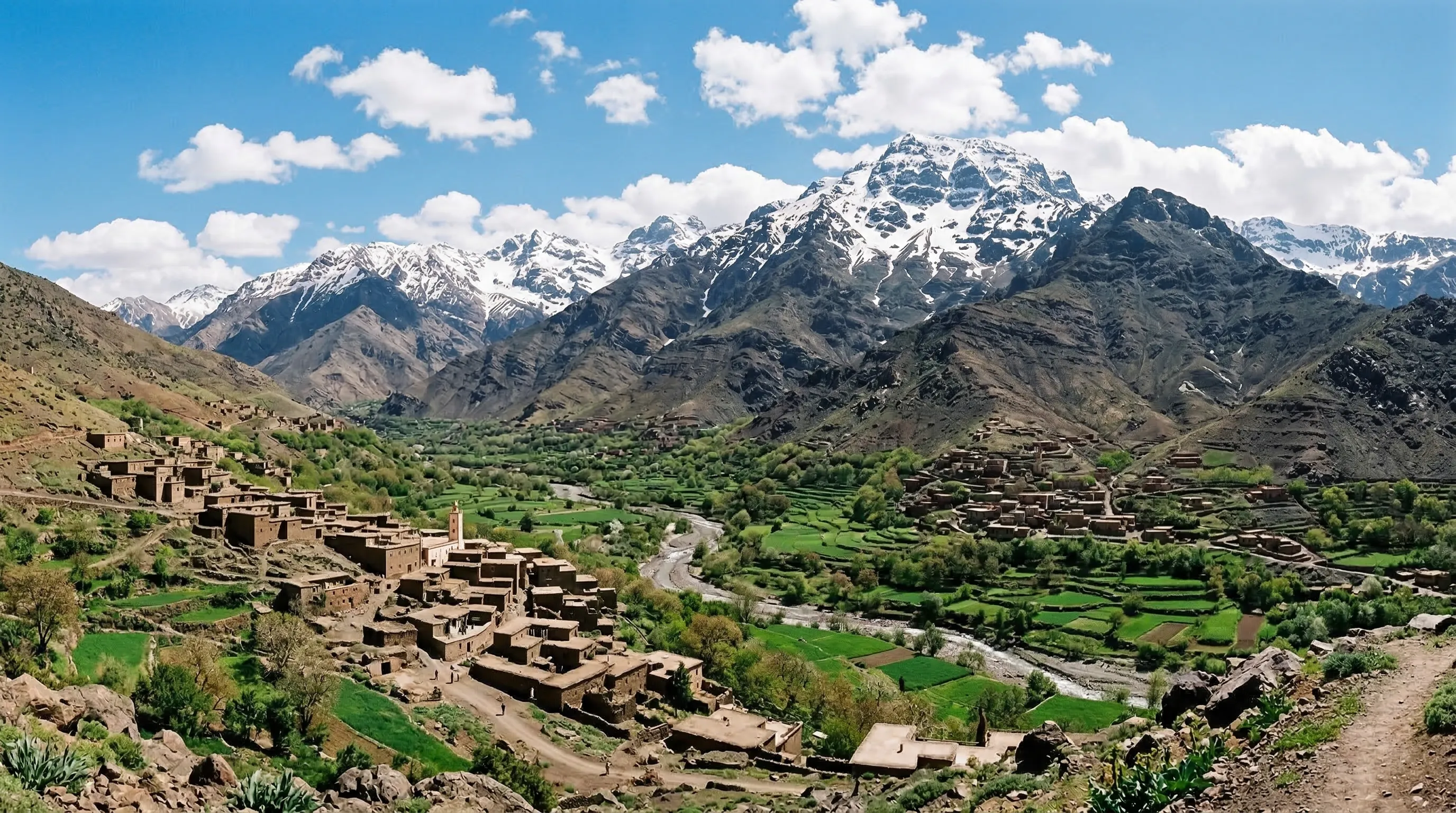
Atlas Mountains
April & May
Spring transforms the High Atlas into a trekking paradise. Snow melts on peaks above 3,000m, feeding waterfalls and turning valleys green. Wildflowers carpet alpine meadows from April, and Berber villages come alive. The Toubkal circuit, Mgoun traverse, and Ait Bougmez valley are at their finest.
Wildflower meadows
Waterfall season
Ideal trekking temperatures
Snow-capped peak views
Green Berber villages

Chefchaouen & the Rif
March to May
The blue city is magical in spring. The Rif Mountains turn vivid green, morning mist drifts through the blue streets, and the air is fresh. Hiking in Talassemtane National Park is at its best, with wildflowers, waterfalls, and the God's Bridge natural arch.
Misty blue mornings
Green Rif Mountains
Waterfall hikes
Fewer tourists
Cool comfortable weather

Sahara Desert
March & early April
March and early April offer the last comfortable Sahara window before summer heat. Daytime temperatures are warm (25-30 degrees) but not extreme, and nights are cool for camping under the stars. Erg Chebbi and Erg Chigaga dunes are stunning in spring light.
Comfortable camping temperatures
Stunning desert light
Star-filled nights
Last window before summer heat
Camel trekking season
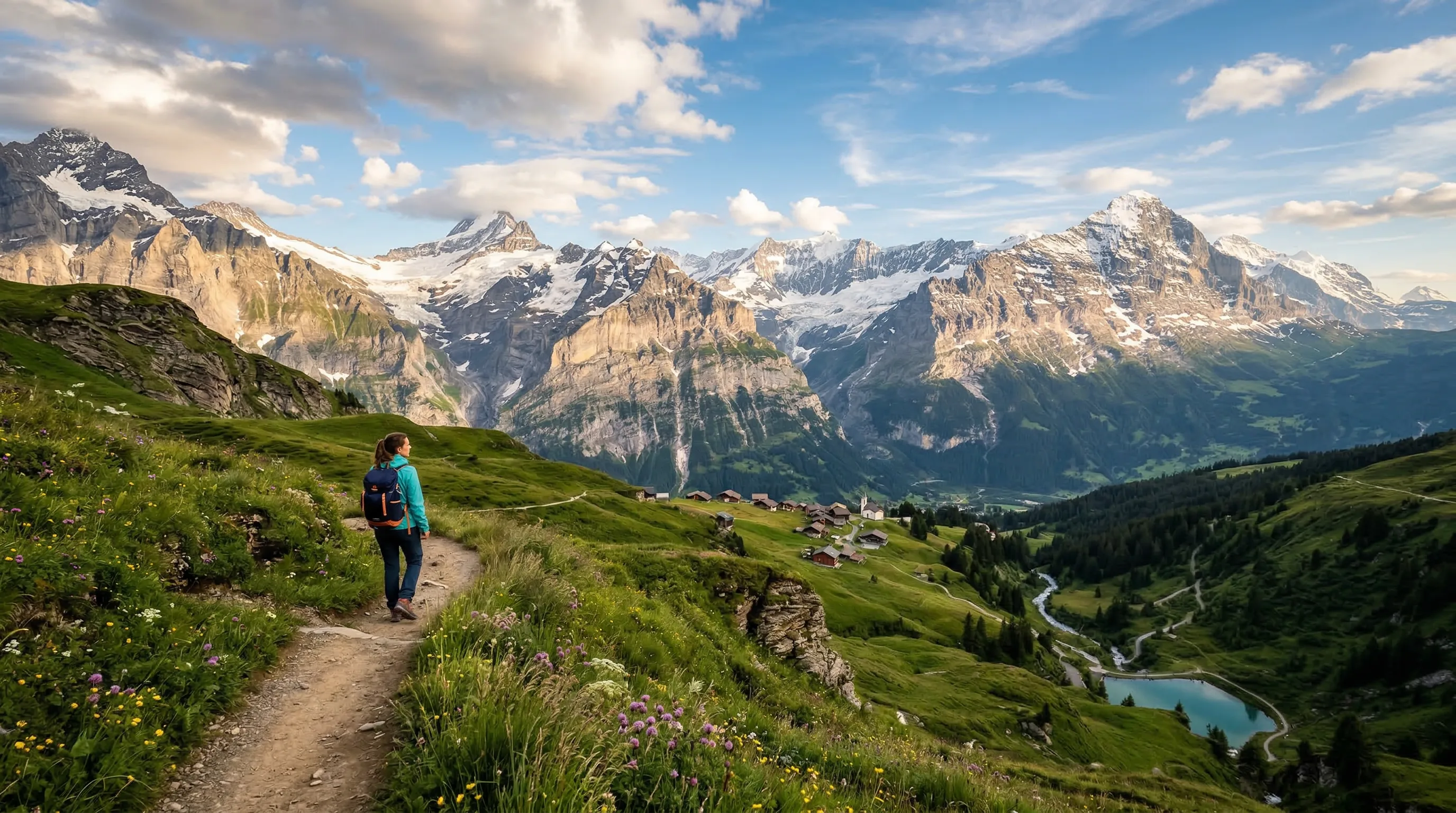
Dades & Todra Valleys
April & May
The Dades Valley erupts in pink roses each May, culminating in the Rose Festival. The Todra Gorge is magnificent year-round, but spring brings the best light and comfortable hiking temperatures. The Road of a Thousand Kasbahs is lined with blossoming fruit trees.
Rose harvest (May)
Todra Gorge hiking
Kasbah route blooms
Rose Festival
Perfect gorge temperatures
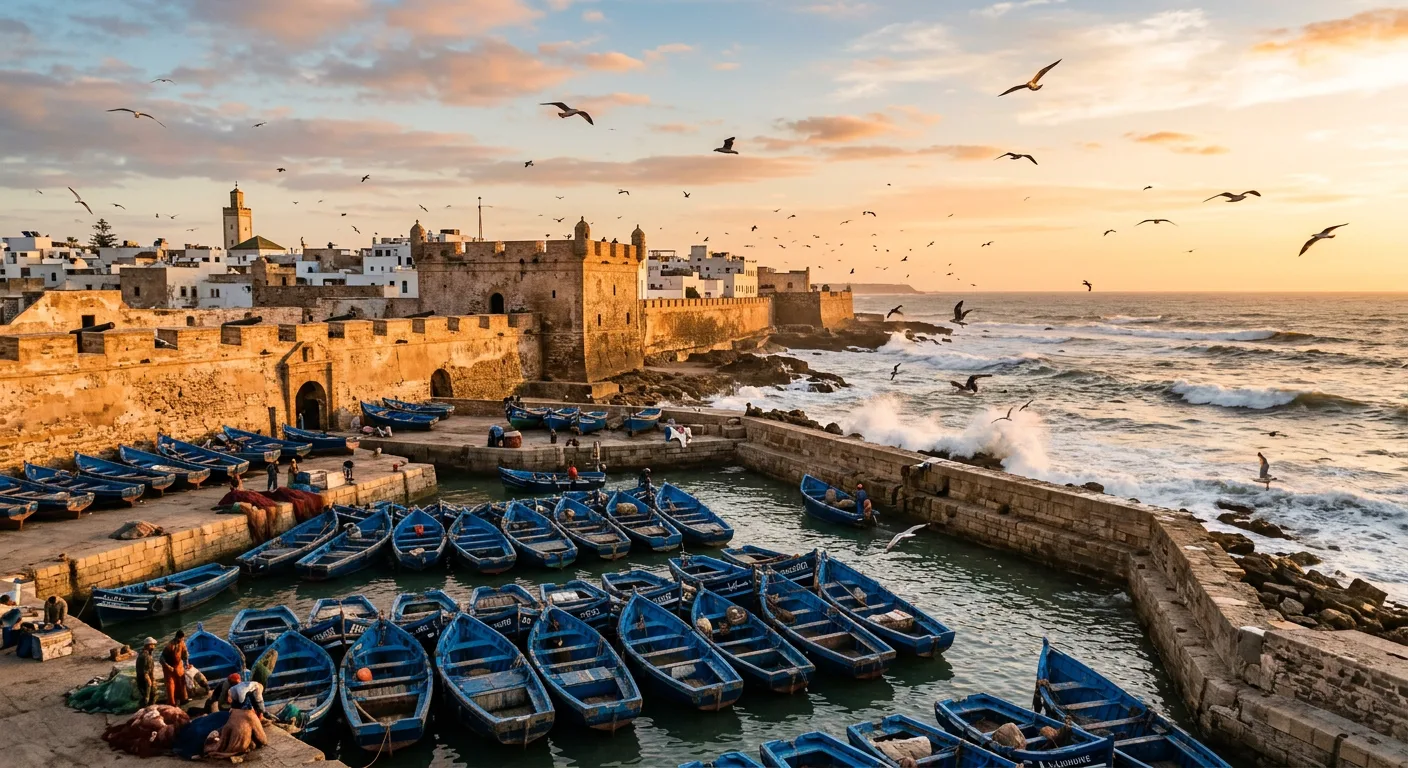
Essaouira & the Coast
April to June
Essaouira's spring is mild and breezy, ideal for medina exploration, beach walks, and fresh seafood. Trade winds from April make it a top windsurfing destination. The laid-back atmosphere and Gnawa music scene are a perfect counterpoint to Marrakech.
Mild coastal weather
Gnawa Festival (June)
Windsurfing season
Uncrowded medina
Fresh seafood season
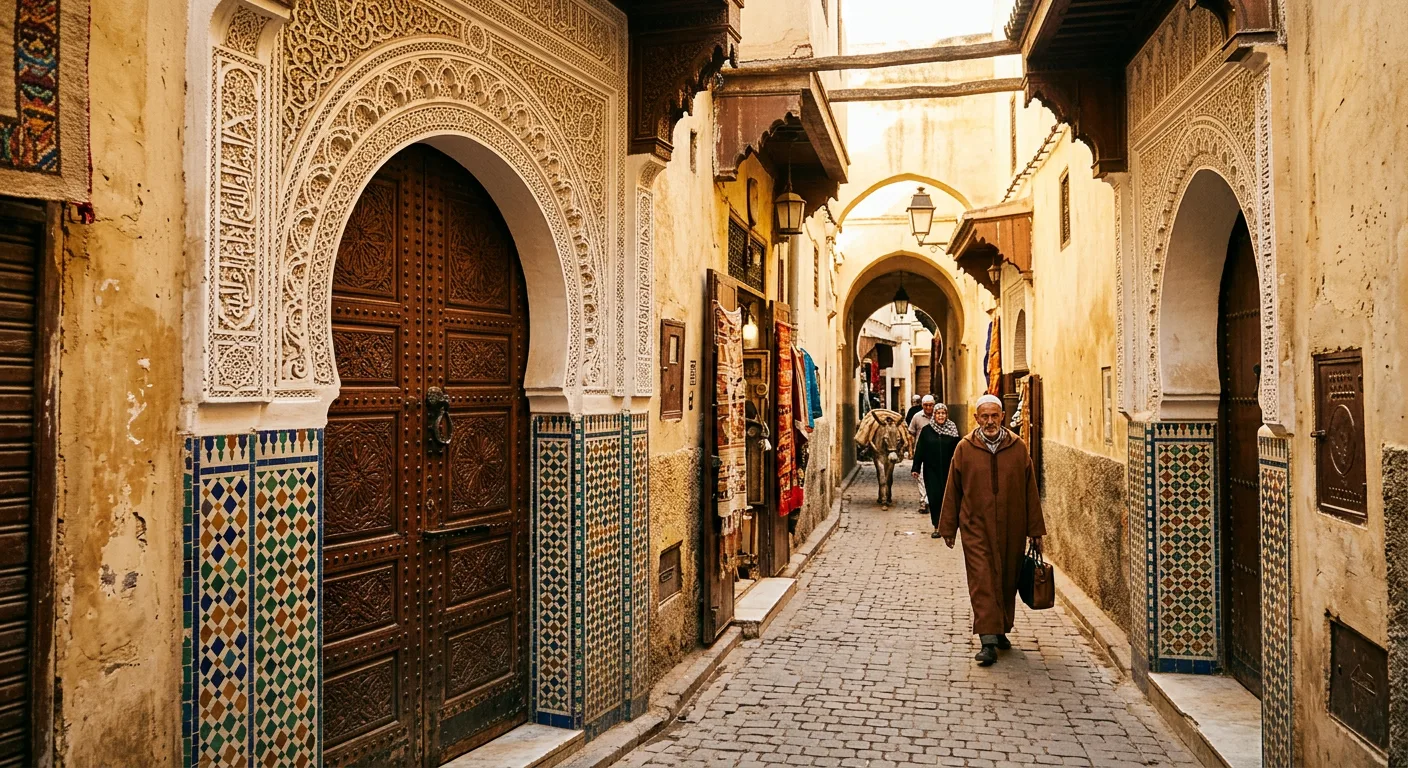
Fes
March to May
Spring is ideal for the Fes medina without peak-season crowds or summer heat. The countryside is green, day trips to Volubilis and Meknes are pleasant, and the Sacred Music Festival in June is a fitting climax to a spring visit.
Comfortable medina exploration
Green countryside
Fewer crowds
Sacred Music Festival (June)
Pleasant day trip weather
Spring Festivals & Cultural Events
Spring kicks off Morocco's vibrant festival season. From rose harvest celebrations to world-class music events.
Rose Festival (Festival des Roses)
Kelaat M'gouna, Dades ValleyMid-May (varies with harvest)
The most iconic spring festival in Morocco. The Dades Valley produces thousands of tons of Damask roses each year, and this festival celebrates the harvest with parades, music, dancing, and the crowning of a Rose Queen. Stalls sell rose water, rose oil, rose soap, and rose-infused sweets. The entire valley turns pink.
Tip: Book accommodation in Kelaat M'gouna or nearby Boumalne Dades at least 2 weeks in advance. The festival draws thousands of visitors.
Gnawa World Music Festival
EssaouiraLate June (sometimes late May)
A world-renowned music festival celebrating Gnawa spiritual music and its fusion with jazz, blues, and world music. Free open-air concerts take place throughout Essaouira's medina and along the beach. International and Moroccan artists perform over four days. The atmosphere is electric.
Tip: Essaouira fills up completely during the festival. Book accommodation 1-2 months ahead. Many riads double their prices during this period.
Fes Festival of World Sacred Music
FesEarly June
One of the most prestigious music festivals in Africa. Held in stunning venues including the Bab Makina palace grounds, it brings together sacred music traditions from Sufi chanting to gospel to Hindustani classical. A deeply spiritual and culturally enriching experience.
Tip: Ticket prices range from 200 MAD for single concerts to 1,500 MAD for full festival passes. Some outdoor fringe events are free.
Almond Blossom Season
Tafraoute, Anti-AtlasLate February to mid-March
The Anti-Atlas town of Tafraoute is surrounded by almond groves that burst into pink and white blossoms in late winter and early spring. The Almond Blossom Festival features Amazigh music, traditional foods, and celebrations among the stunning granite landscapes of the Anti-Atlas.
Tip: The exact timing depends on the weather. Check locally before traveling. Tafraoute itself is a charming base for exploring the painted rocks and Ameln Valley.
Moussem of Tan-Tan
Tan-Tan, Southern MoroccoMay or June
A UNESCO-recognized gathering of nomadic peoples from across the Sahara, featuring camel races, traditional music, poetry, and trading. One of the last large-scale nomadic gatherings in North Africa.
Tip: Accommodation in Tan-Tan is basic. Many visitors base themselves in Guelmim (80 km north) and drive in.
Crowd Levels & Pricing by Month
How crowds and prices shift across the spring months, so you can choose the best timing for your budget and preferences.
Riad prices are averages for mid-range accommodation. Seasonal pricing can change during festivals and holidays.
March
Crowds:Low to Moderate
Pricing:Shoulder season rates
Avg Riad:From 500 MAD/night
Almond blossoms, green landscapes, occasional rain, possible Ramadan overlap
April
Crowds:Moderate
Pricing:Shoulder to peak rates
Avg Riad:From 600 MAD/night
Wildflower peak, ideal Atlas hiking, Easter crowds, warm and pleasant
May
Crowds:Moderate to High
Pricing:Approaching peak rates
Avg Riad:From 650 MAD/night
Rose Festival, last Sahara month, warm cities, perfect coast weather
Ramadan & Spring Travel
Ramadan follows the lunar calendar and sometimes falls during spring. Here is what to know if your trip overlaps.
What Changes During Ramadan
Many restaurants close during daylight hours and shops reduce hours. Life slows during the day but comes alive after sunset with iftar meals and festive evenings. Tourist restaurants in major cities usually remain open.
Why It Can Be a Highlight
Experiencing iftar is one of Morocco's most memorable cultural experiences. Streets come alive at sunset, families share elaborate meals, and many riads offer special iftar dinners. It is a privilege to witness.
Respectful Travel During Ramadan
Avoid eating, drinking, or smoking in public during fasting hours. Dress conservatively. Be patient with reduced services. Hotel restaurants remain open for guests.
Ramadan Dates
Ramadan shifts roughly 10-11 days earlier each year. Check exact dates before planning. Eid al-Fitr (ending Ramadan) is a major holiday when businesses close for 2-3 days.
Spring Itinerary Suggestions
Two curated routes that make the most of Morocco's spring season, from classic highlights to nature-focused adventures.
7-Day Classic Spring Tour
Marrakech - Atlas - Dades Valley - Sahara - FesFrom 8,000 MAD per person
1
Arrive Marrakech. Explore Jemaa el-Fna and the souks in pleasant spring afternoon.
2
Day trip to Ouzoud Waterfalls (full spring flow) or Marrakech gardens in bloom.
3
Drive the High Atlas via Tizi n'Tichka to Ait Benhaddou. Continue to Dades Valley.
4
Morning Todra Gorge hike. Drive to Merzouga for sunset camel ride into Erg Chebbi.
5
Sahara sunrise. Drive to Fes via Midelt and the cedar forests (spring greenery).
6
Full day in the Fes medina: tanneries, Bou Inania madrasa, Al-Attarine.
7
Jardin Jnan Sbil (spring blooms). Depart or continue to Chefchaouen.
Budget is per person based on mid-range accommodation, shared transport, and meals at local restaurants. Seasonal pricing can change during festivals and peak periods.
10-Day Nature & Festivals Route
Fes - Chefchaouen - Essaouira - Dades Valley - MarrakechFrom 12,000 MAD per person
1
Arrive Fes. Evening medina walk as spring light fades over rooftops.
2
Day trip to Volubilis (wildflowers among Roman columns) and Meknes.
3
Drive to Chefchaouen. Blue medina and Ras el-Maa waterfall.
4
Hike Spanish Mosque viewpoint and Talassemtane National Park.
5
Travel to Essaouira. Sunset on the ramparts over the Atlantic.
6
Essaouira: medina, port, beach, Gnawa music, argan cooperative.
7
Drive to Dades Valley. Valley of the Roses (May for Rose Festival).
8
Todra Gorge hike. Kasbahs along the Road of a Thousand Kasbahs.
9
Drive to Marrakech via Ait Benhaddou. Evening in Jemaa el-Fna.
10
Jardin Majorelle, Bahia Palace, souks. Farewell rooftop dinner.
Budget is per person based on mid-range accommodation, shared transport, and meals at local restaurants. Seasonal pricing can change during festivals and peak periods.
What to Pack for Morocco in Spring
Spring weather varies dramatically across Morocco. Layers are your best friend. Here is what to bring.
Clothing
- Lightweight breathable layers (cotton or linen)
- Long-sleeve shirts for sun protection and mosques
- Light jacket or fleece for cool evenings
- Warm layer for Atlas Mountains (even in May)
- Comfortable walking shoes for medina cobblestones
- Scarf or shawl (sun, cold, and modesty)
Weather Essentials
- Packable rain jacket (March and April)
- Sunscreen SPF 50+ (strong sun even on cloudy days)
- Sunglasses with UV protection
- Wide-brimmed hat or cap
- Lip balm with SPF
Hiking & Outdoors
- Hiking boots with ankle support (Atlas treks)
- Daypack for day hikes and medina exploring
- Reusable water bottle (stay hydrated)
- Quick-dry towel for hammam or beach
- Binoculars for birdwatching (spring migration)
Practical Spring Travel Tips
Sun Protection Is Essential
The spring sun is deceptively strong, especially in the mountains and desert. Wear SPF 50+, reapply frequently, and always wear a hat. Sunburn can ruin a trip quickly.
Expect Some Rain
March and April bring spring showers, especially in northern Morocco. These are usually short afternoon showers. A packable rain jacket is enough. By May, rain is rare.
Book Atlas Treks Early
Spring is peak trekking season. Guides and mountain refuges book quickly for Toubkal in April and May. Book guided treks 2-3 weeks in advance, longer for multi-day routes.
March Offers Best Value
March is shoulder season: lower riad prices (from 400 MAD per night) and fewer crowds. By May, prices climb. Easter week sees temporary spikes in popular destinations.
Best Light for Photography
Golden hour light is warm and long, green landscapes contrast with terracotta architecture, and wildflowers add color everywhere. The Sahara in spring light is particularly photogenic.
Wildflower Timing
The Anti-Atlas blooms earliest (February-March), the Middle Atlas and Rif peak in April, and the High Atlas runs late April through June. The Valley of the Roses peaks in mid-May.
Frequently Asked Questions
Is spring the best time to visit Morocco?
Spring (March to May) is widely considered the best time to visit. Temperatures are warm but not extreme, wildflowers bloom everywhere, Atlas hiking conditions are ideal, and crowds are smaller than autumn. The only consideration is Ramadan, which may affect dining options.
What is the weather like in Morocco in spring?
Marrakech averages 20-28 degrees, coastal cities like Essaouira are 16-22 degrees, and the Atlas Mountains range from 10-20 degrees. Rainfall decreases from March to May. Evenings are cool, especially in mountains and desert, so pack layers.
What festivals happen in Morocco during spring?
Key festivals include the Rose Festival in Kelaat M'gouna (May), the Gnawa World Music Festival in Essaouira (late June), Fes Sacred Music Festival (June), and the Almond Blossom Festival in Tafraoute (February-March). Exact dates vary each year.
Does Ramadan affect spring travel in Morocco?
Ramadan dates shift yearly. Some restaurants close during the day and public life slows, but tourist areas remain open. Experiencing iftar dinners can be culturally enriching. Hotel restaurants serve meals throughout the day for guests.
What should I pack for Morocco in spring?
Pack layers: lightweight clothing for warm days, a warm jacket for evenings and mountains, comfortable walking shoes, sunscreen SPF 50+, sunglasses, hat, and a light rain jacket for March-April. Modest clothing for mosques and rural areas.
Is March or April better for visiting Morocco?
Both are excellent. March offers lower prices and fewer crowds but more rain. April is drier, warmer, with wildflowers in full bloom and ideal hiking. Easter may bring temporary crowds. For budget, choose March. For nature and hiking, choose April.
Related Guides
Morocco Flowers Guide
Wildflowers, rose valleys, and botanical gardens across Morocco by season.
Read moreAtlas Mountains Guide
Trekking routes, Berber villages, and adventure in the High Atlas.
Read moreMorocco Packing List
Complete packing guide for every season and activity in Morocco.
Read moreMorocco Weather Guide
Year-round weather, temperatures, and the best time to visit each region.
Read more