Discovering...
Summer Travel Planning
Morocco Summer Travel
Guide 2026
Where to go when the heat hits. Coastal escapes, mountain retreats, music festivals, and practical tips for navigating Morocco between June and September.
Summer in Morocco: A Tale of Two Climates
Morocco in summer splits into two realities. Inland cities like Marrakech and Fes become furnaces, with afternoon temperatures regularly exceeding 40 C. The Sahara becomes genuinely dangerous. But along the 3,500 km Atlantic and Mediterranean coastline, ocean breezes hold temperatures in the low to mid twenties. The Atlas Mountains offer another escape, with valleys and villages sitting 10-15 degrees cooler than the plains below.
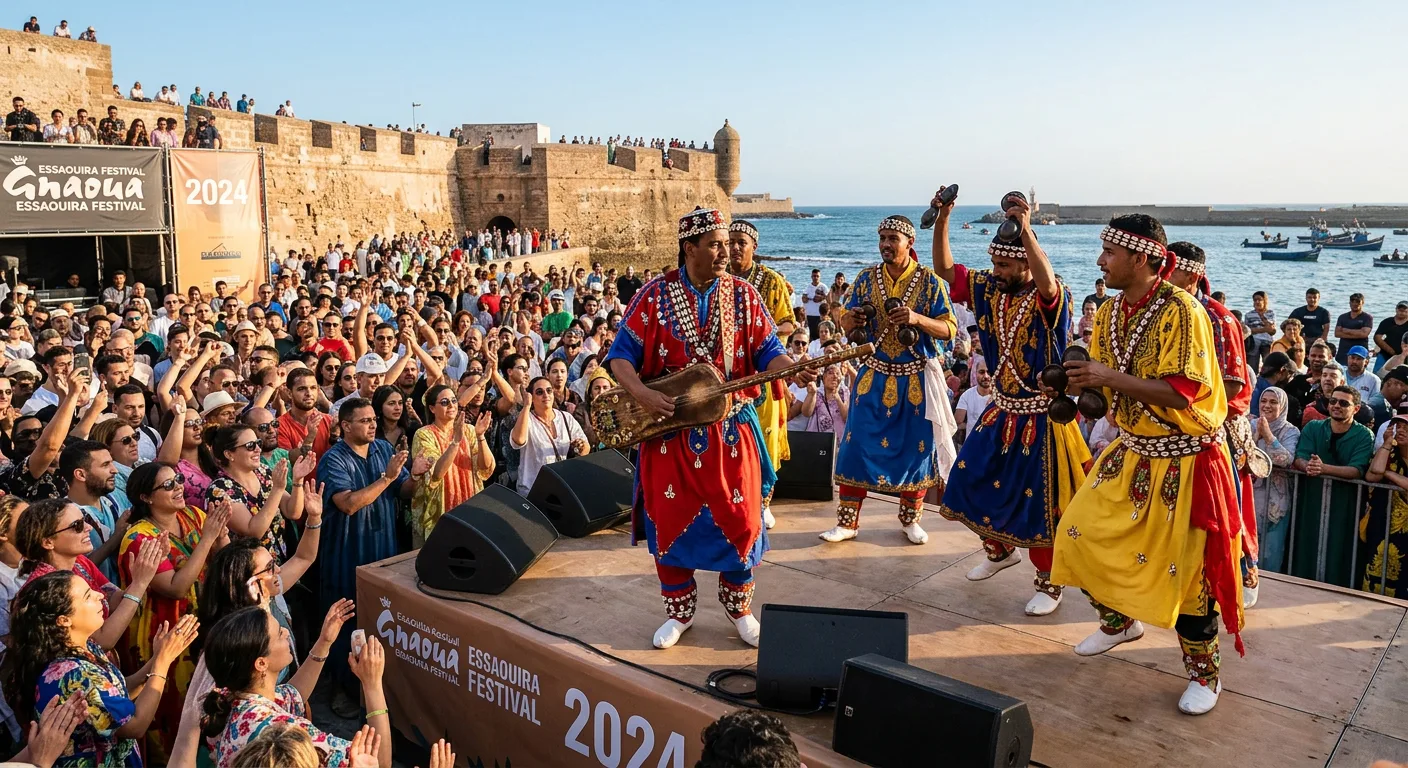
Summer is also festival season. The Gnaoua World Music Festival fills Essaouira with trance rhythms and international acts. Mawazine in Rabat draws millions. Agadir hosts the Timitar Festival celebrating Amazigh culture. Night markets come alive after sunset when temperatures finally relent, and the country shifts into an after-dark rhythm that suits the season.
This guide covers every angle: which regions stay comfortable, how to handle the heat in inland cities, the best beaches and water activities, festival schedules, accommodation strategies (AC and pools are not optional), and practical tips for staying healthy, hydrated, and within budget during peak season.
Summer Weather by Region
Morocco spans from Atlantic beaches to Sahara dunes. Summer comfort depends entirely on where you go.
Atlantic Coast
22-28 C (72-82 F)Essaouira, Agadir, Asilah, El Jadida
Ocean breezes keep temperatures moderate. Morning fog common in Essaouira. Afternoons clear and sunny. Humidity stays low. Wind picks up in the afternoon, ideal for kite and windsurfing.
Verdict: Best summer destination. Comfortable all day without AC.
Northern Coast & Rif
25-33 C (77-91 F)Tangier, Chefchaouen, Tetouan, Al Hoceima
Mediterranean influence moderates temperatures in Tangier and the Rif. Chefchaouen sits at 600m elevation with cooler nights. Al Hoceima offers calm Mediterranean beaches. Evenings are pleasant.
Verdict: Excellent for combining coast and mountain. Chefchaouen is 5-8 degrees cooler than Fes.
Inland Cities
35-45 C (95-113 F)Marrakech, Fes, Meknes, Beni Mellal
Intense dry heat from late June through August. Midday is punishing. Mornings before 10am and evenings after 7pm are manageable. Locals retreat indoors during the hottest hours. Air conditioning is a necessity.
Verdict: Doable with planning: sightsee early morning and late evening, rest midday at your pool.
Atlas Mountains
20-30 C (68-86 F)Ifrane, Ourika Valley, Imlil, Dades Gorge
Altitude drops temperatures significantly. Ifrane at 1,650m rarely exceeds 28 C. Ourika Valley and Imlil offer river swimming. Clear skies and low humidity make hiking comfortable. Nights can drop to 12-15 C.
Verdict: Perfect for hiking and nature. The escape locals use when inland cities overheat.
Sahara Desert
40-50 C (104-122 F)Merzouga, Zagora, M'Hamid
Extreme heat makes traditional desert tours inadvisable in July-August. Sand surface temperatures can reach 70 C. Even short camel rides become dangerous. Dehydration risk is severe.
Verdict: Avoid in summer. Book desert trips for October through April instead.
Coastal Escapes: Where Morocco Stays Cool
These Atlantic towns are the destinations Moroccans themselves head to when summer heat takes hold inland.
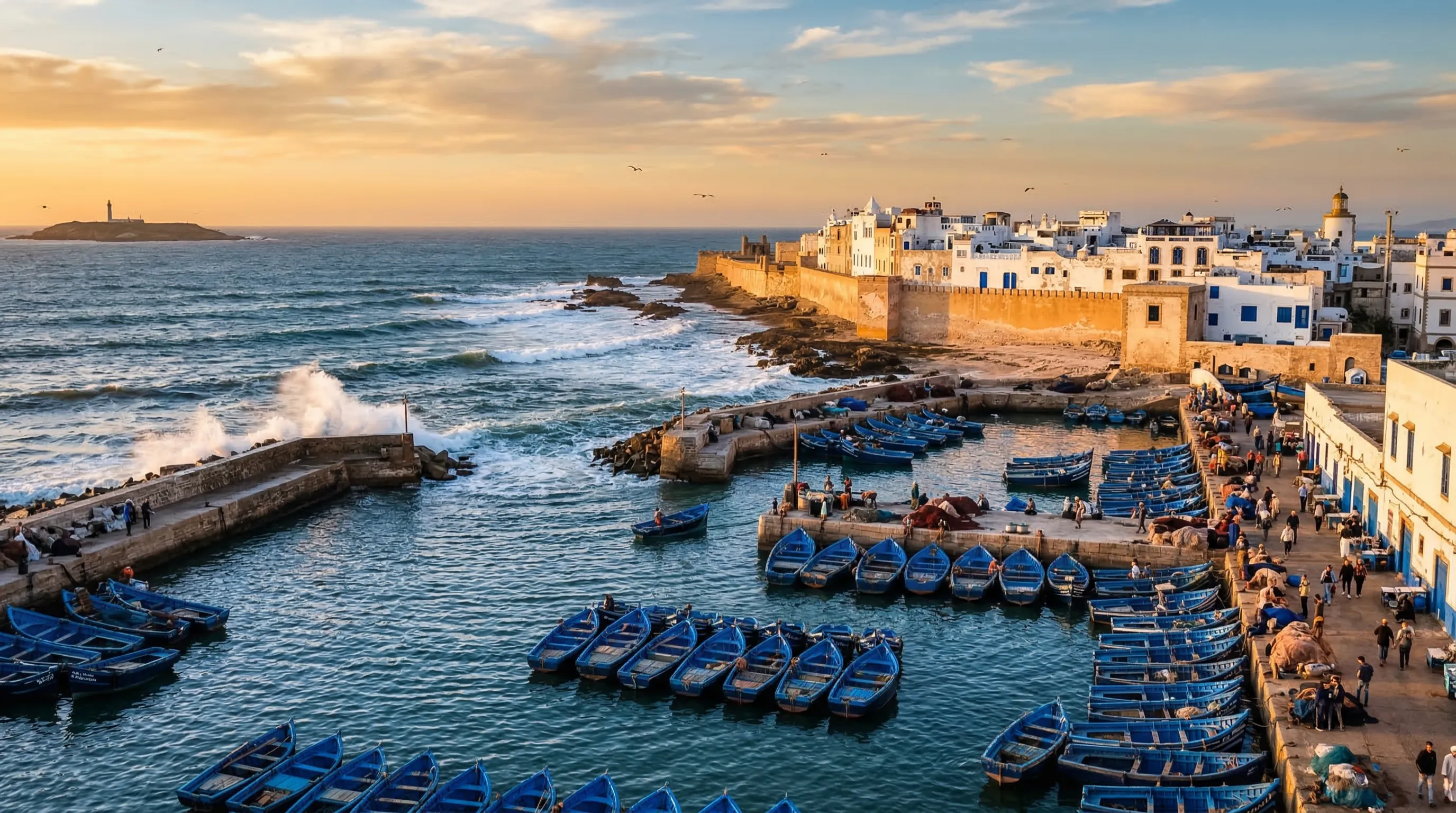
Essaouira
Wind City of Africa · 20-25 C
The best summer base in Morocco. Atlantic trade winds (the alizee) keep Essaouira cool when Marrakech is scorching. The medina is a UNESCO World Heritage site with relaxed streets, art galleries, and fresh seafood grills at the port. Surfers and kiteboarders flock here June through September.
Top Activities
- Windsurfing at Sidi Kaouki
- Gnaoua festival (June)
- Fresh grilled sardines at the port
- Medina gallery walks
- Sunset along the ramparts
From 400 MAD per night for a riad with rooftop terrace
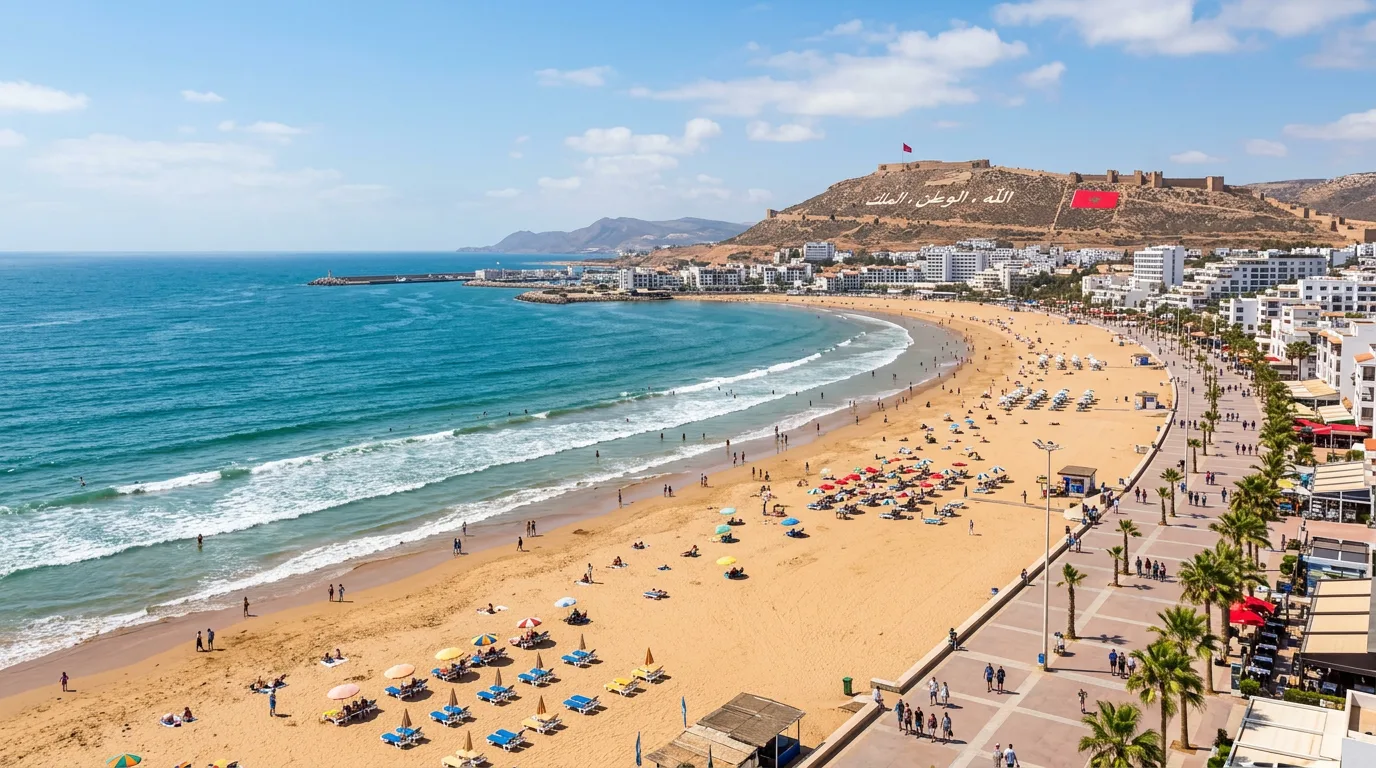
Agadir
Morocco's Resort Capital · 23-28 C
A modern beach city with a 10 km crescent of sand, resort hotels with pools, a long corniche promenade, and the most reliable sunshine in Morocco. Agadir rebuilt after the 1960 earthquake and now caters to sun-and-sea tourism with an international airport and direct European flights.
Top Activities
- Beach lounging on Agadir Bay
- Paradise Valley day trip
- Souss-Massa National Park
- Jet skiing and parasailing
- Sunset at the Kasbah ruins
From 600 MAD per night for a beachfront hotel with pool
Asilah
The Painted Town · 22-27 C
A whitewashed coastal town 45 minutes south of Tangier. Asilah is known for its annual arts festival (August), mural-covered medina walls, and calm Atlantic beaches. Less crowded than Essaouira and more laid-back than Agadir. A favorite weekend escape for Moroccan families.
Top Activities
- Asilah Arts Festival (August)
- Paradise Beach
- Medina mural walks
- Seafood restaurants on the ramparts
- Day trip to Larache and Lixus ruins
From 350 MAD per night for a guesthouse near the medina
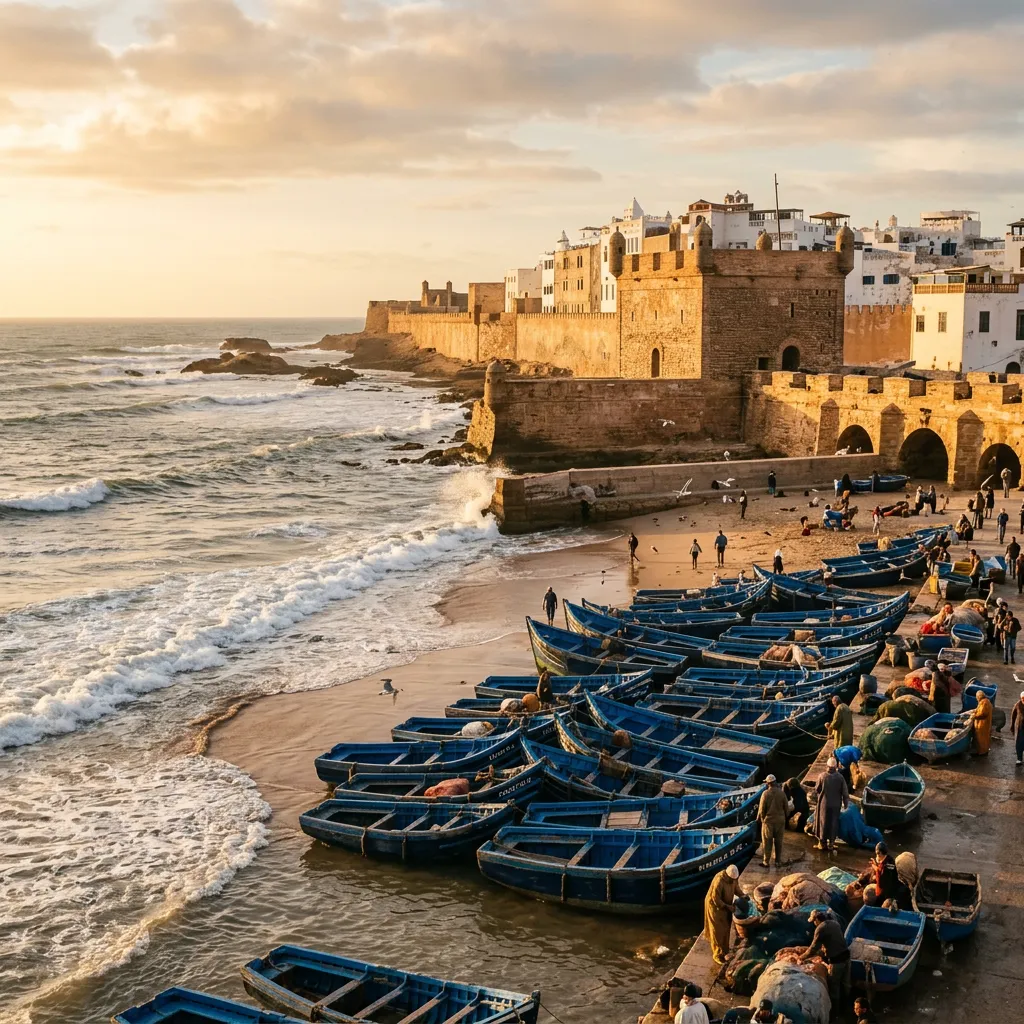
Oualidia
Lagoon Swimming & Oysters · 22-26 C
A sheltered Atlantic lagoon between El Jadida and Safi. The calm, shallow waters make Oualidia the safest swimming beach in Morocco and the top choice for families with children. The village is famous for its oyster farms, where you can eat a dozen fresh oysters for from 80 MAD at waterside shacks.
Top Activities
- Lagoon kayaking
- Oyster farm visits
- Birdwatching (flamingos)
- Surfing at nearby Safi
- Overnight in a cliffside auberge
From 500 MAD per night for a lagoon-view room
Atlas Mountain Retreats
When the coast is not enough, head uphill. The Atlas offers natural air conditioning and some of Morocco's best hiking.
Ourika Valley
1,000-1,500m 25-32 C 45 min from Marrakech
River pools, seven waterfalls hike, Berber villages, saffron gardens. Day-trippable from Marrakech or stay overnight at a mountain guesthouse.
Imlil & Toubkal Region
1,700-4,167m 18-28 C 90 min from Marrakech
Gateway to Jebel Toubkal, North Africa's highest peak. Summer is the prime trekking season. Walnut and apple orchards line the trails. Guesthouses from 300 MAD include dinner.
Ifrane & Middle Atlas
1,650m 20-28 C 1 hour from Fes
Known as "Morocco's Switzerland." Cedar forests, Barbary macaques, clean mountain air. Rarely exceeds 28 C in summer. Lake Dayet Aoua for picnics and birdwatching.
Chefchaouen
600m 25-33 C 4 hours from Fes
The blue-washed Rif mountain town. Cooler than Fes by 5-8 degrees. Akchour waterfalls and the God's Bridge natural arch are within hiking distance. Relaxed pace of life.
Summer Festivals
Morocco's biggest cultural events happen in summer. Several are free and draw hundreds of thousands of attendees.
Gnaoua World Music Festival
June · EssaouiraMorocco's most internationally recognized festival blends traditional Gnaoua trance music with jazz, blues, and world music. Outdoor stages throughout the medina are free. Headliner concerts draw 300,000+ attendees over four days. Book accommodation months in advance.
Tip: Free outdoor stages open at 4pm daily. VIP seated areas require tickets from 500 MAD.
Mawazine Festival
June · RabatOne of the largest music festivals in the world by attendance, regularly exceeding 2.5 million visitors. International headliners span pop, hip-hop, R&B, and Arabic music across multiple stages in the capital. Many stages are free, with ticketed headline acts.
Tip: OLM Souissi stage for international headliners. Nahda stage for Arabic and Moroccan artists.
Fes Festival of World Sacred Music
June · FesA more intimate affair bringing Sufi, gospel, Hindu devotional, and Andalusian classical performances to the courtyards and gardens of Fes. Concerts in the Bab Makina courtyard under the stars are unforgettable. Daytime talks and round-table discussions complement the music program.
Tip: Evening concerts at Bab Makina sell out. Book tickets from 200 MAD as soon as the lineup drops.
Timitar Festival
July · AgadirCelebrates Amazigh (Berber) music alongside international acts. Free open-air concerts along the Agadir beachfront draw massive local crowds. The festival showcases Moroccan musical diversity with chaabi, gnaoua, raï, and contemporary Amazigh fusion.
Tip: Completely free. Arrive early for good spots near the main stage on the corniche.
Asilah Arts Festival
August · AsilahArtists from across Morocco and internationally are invited to paint murals on the medina walls. The festival includes art exhibitions, poetry readings, and panel discussions. The murals remain year-round, turning the old town into an open-air gallery.
Tip: Watch artists paint live in the mornings. Visit workshops and exhibitions in the afternoon.
Water Activities
From Atlantic surf to Atlas river pools, water is the antidote to Moroccan summer heat.
Surfing
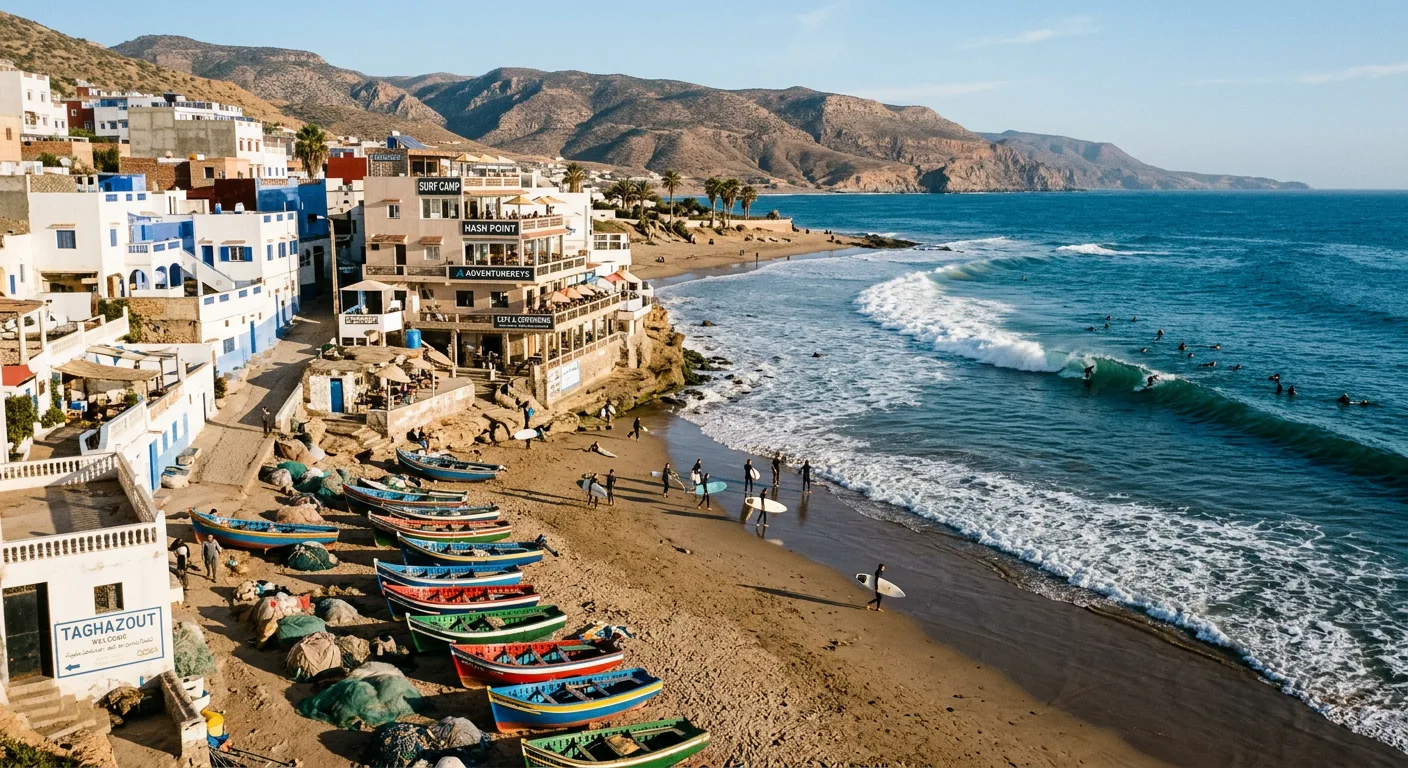
Morocco's Atlantic coast has become a world-class surf destination. Summer waves are gentler, making June-August the best time for beginners. Taghazout has the highest concentration of surf camps and instructors.
Where: Taghazout, Imsouane, Sidi Kaouki, Tamri
Season: Summer swells are smaller and ideal for beginners. Winter brings big waves for experienced surfers.
Lessons from 350 MAD per session. Board rental from 150 MAD per day.
Kitesurfing & Windsurfing
Essaouira and Dakhla are world-renowned wind sports destinations. The summer alizee wind blows reliably every afternoon, creating flat-water lagoon conditions in Dakhla and wave-riding opportunities in Essaouira.
Where: Essaouira, Dakhla, Moulay Bousselham
Season: Summer trade winds (June-September) deliver consistent 15-25 knot conditions daily.
Lessons from 600 MAD for 2 hours. Equipment rental from 400 MAD per day.
River & Waterfall Swimming
Natural swimming holes in the Atlas foothills offer the most refreshing escape from summer heat. Ouzoud Falls has pools beneath the cascades. Paradise Valley near Agadir has turquoise rock pools connected by short hikes.
Where: Ouzoud Falls, Ourika Valley, Paradise Valley, Akchour
Season: Best June-August when rivers are warm and flow is manageable. Spring runoff can make currents dangerous.
Free access. Guided hikes from 200 MAD.
Jet Skiing & Parasailing
Agadir and the Mediterranean coast offer motorized water sports with professional operators. Marina Smir near Tetouan has a well-equipped water sports center. Saidia on the Algerian border has the longest beach in Morocco.
Where: Agadir, Tangier, Marina Smir, Saidia
Season: All summer. Calmest seas in July-August.
Jet ski rental from 500 MAD per 30 minutes. Parasailing from 400 MAD per ride.
Night Markets & After-Dark Dining
Summer shifts Morocco's eating schedule later. Dinner at 10pm is normal. Night markets peak between 9pm and midnight.
Marrakech: Jemaa el-Fnaa
The most famous night market in North Africa transforms every evening around 6pm. Over 100 food stalls serve grilled meats, snail soup, fresh juices, and Moroccan salads. In summer, the square stays active until after midnight when temperatures finally drop below 30 C.
Must try: Lamb tangia, fresh orange juice (from 10 MAD), snail soup (from 5 MAD)
Fes: Rcif Square & Talaa Kebira
Fes has a more local night food scene. Stalls near Rcif Square sell brochettes, harira, and stuffed msemen. The medina alleys stay cooler than the open squares. Street food in Fes is generally cheaper than Marrakech.
Must try: Fassi pastilla, kefta brochettes (from 15 MAD), avocado smoothie (from 12 MAD)
Rabat: Avenue Mohammed V & Oudaya Kasbah area
Rabat offers a clean, organized street food scene along the main avenue. Locals gather at ice cream stands and fresh juice carts until late. The Oudaya Kasbah area has terrace cafes overlooking the Bou Regreg river with cooling evening breezes.
Must try: Maakouda (potato fritters, from 5 MAD), ice cream (from 15 MAD), seafood pastilla
Essaouira: Port & Place Moulay Hassan
The port fish stalls are the highlight. Choose your fish from the display, negotiate a price, and it is grilled on the spot with cumin, salt, and lemon. Evenings on Place Moulay Hassan feature live Gnaoua musicians and a relaxed, breezy atmosphere.
Must try: Grilled sardines (from 30 MAD per plate), seafood mixed grill, chermoula fish
Where to Stay: AC & Pool Are Not Optional
Your accommodation strategy matters more in summer than any other season. Prioritize cooling facilities.
Riads with Plunge Pools
Many renovated riads in Marrakech and Fes have courtyard plunge pools. The thick walls and central courtyard design of traditional riads naturally stay 5-10 degrees cooler than outside temperatures. A riad with a pool is the ideal Marrakech summer base.
From 600 MAD per nightMarrakech, Fes, Essaouira
Beach Resort Hotels
Agadir and Saidia have full-service resort hotels with large pools, beach access, and all-inclusive options. Most have strong AC, multiple restaurants, and kids clubs. Direct beach access saves on daily taxi costs.
From 800 MAD per nightAgadir, Saidia, El Jadida, Tangier
Mountain Guesthouses
Simple but comfortable guesthouses in the Atlas foothills offer natural cooling at altitude. No AC needed at 1,000m+ elevation. Many have terraces with valley views, home-cooked meals, and access to hiking trails and river swimming spots.
From 300 MAD per nightImlil, Ourika Valley, Ifrane, Chefchaouen
Budget Hostels with AC
Modern hostels in major cities now offer AC dorm rooms and rooftop terraces. Verify AC before booking in summer since older hostels may only have fans. Many have communal kitchens where you can prepare cold meals during the hottest hours.
From 150 MAD per nightMarrakech, Fes, Rabat, Casablanca
Seasonal pricing can change. Rates are higher June-August compared to shoulder season.
Beating the Heat in Marrakech & Fes
You can visit inland cities in summer. You just need to change your schedule.
The Summer Daily Schedule
6:00 - 10:00 AM
Prime sightseeing window. Visit souks, palaces, and mosques while temperatures are in the mid-twenties. Markets are quieter with better light for photography.
10:00 AM - 12:00 PM
Visit indoor attractions: museums, madrasas, art galleries. The Bahia Palace and Ben Youssef Madrasa in Marrakech, the Bou Inania in Fes. Thick walls keep interiors cool.
12:00 - 4:00 PM
Retreat to your riad. Swim in the plunge pool, nap in an air-conditioned room, read on the rooftop terrace under shade. This is how locals handle the heat.
4:00 - 7:00 PM
Head out again as shadows lengthen. Explore neighborhoods you missed in the morning. Visit a hammam for a cooling scrub and steam session.
7:00 PM - midnight
Golden hour. Rooftop terraces, night markets, outdoor dining. Temperatures drop into the high twenties. Jemaa el-Fnaa peaks after 9pm. The city comes alive.
What to Pack for Morocco in Summer
Pack light but smart. Sun protection and hydration gear are non-negotiable.
Lightweight long-sleeve shirts
Sun protection while respecting dress codes. Cotton or linen breathes in heat.
Wide-brim sun hat
Covers face, ears, and neck. Non-negotiable for inland cities and hiking.
SPF 50+ sunscreen
Moroccan sun is intense. Reapply every 2 hours. Harder to find locally and more expensive.
Reusable water bottle (1L+)
Refill at restaurants and hotels. Reduces plastic waste and saves from 10 MAD per bottle.
Comfortable walking sandals
Leather or sport sandals for medinas and beaches. Break them in before the trip.
Swimwear & quick-dry towel
For beaches, hotel pools, and river swimming in the Atlas. Pack two sets.
Light jacket or cardigan
AC in restaurants and malls can be aggressive. Coastal evenings drop to 18-20 C.
Electrolyte sachets
Oral rehydration salts prevent heat exhaustion. Pharmacies in Morocco sell them from 5 MAD.
Health & Hydration
Summer heat demands respect. These are not suggestions -- they are necessities.
Drink 3-4 Liters Daily
Your body loses water fast in Moroccan summer heat. Start every morning with 500ml before leaving your accommodation. Carry water everywhere. By the time you feel thirsty, you are already dehydrated.
Avoid Midday Exposure
Between 12pm and 4pm, temperatures in inland cities peak at 40-45 C. Follow the local pattern: sightsee in the morning, rest at your riad pool after lunch, then head out again in the late afternoon.
Eat Light & Hydrating
Moroccan summer salads (zaalouk, taktouka, khobz with olive oil) are designed for the heat. Watermelon, melon, and fresh orange juice are everywhere. Heavy tagines are better for cooler evenings.
Recognize Heat Exhaustion
Symptoms include headache, dizziness, nausea, rapid heartbeat, and excessive sweating that suddenly stops. Move to shade immediately, apply cool water to the neck and wrists, and drink slowly. Seek medical help if symptoms persist for more than 30 minutes.
Protect Your Skin
Apply SPF 50+ sunscreen 30 minutes before going outside. Wear a hat and sunglasses. Moroccan pharmacies stock good sunscreen brands (Avene, La Roche-Posay) but prices are higher than in Europe. Bring your own.
Mind Food Hygiene in Heat
Summer heat accelerates spoilage. Eat at stalls with high turnover where food is cooked fresh. Avoid pre-cut fruit sitting in the sun. Peel your own fruit. Stick to bottled or filtered water. Street food from busy stalls is generally safe.
Ramadan & Summer Travel
Ramadan follows the Islamic lunar calendar and shifts earlier by roughly 10 days each year.
In 2026, Ramadan is expected to fall approximately in late February to late March, so summer travelers will not encounter it. However, the Islamic calendar shifts annually, and in future years Ramadan will again overlap with summer months as it did in the 2010s.
When Ramadan falls in summer, days are longer and the fast (no food or water from sunrise to sunset) becomes more demanding. This affects daily rhythms: many restaurants close during the day in smaller towns, shops may shorten hours, and the overall pace slows. Hotels and tourist-oriented restaurants in major cities continue serving food to non-Muslim guests, though eating openly in public during fasting hours is considered disrespectful.
The upside of visiting during Ramadan is the iftar experience. Every evening at sunset, the fast breaks with dates, harira soup, and communal meals. Some riads host iftar dinners for guests. Night markets become livelier than usual, and the atmosphere after dark is festive.
Planning ahead: Always check the Islamic calendar for your specific travel dates. The exact start of Ramadan depends on moon sighting and can shift by a day or two.
Peak-Season Budget Tips
Summer is peak season in Morocco. Prices rise 20-40% across the board. These strategies keep costs manageable.
1
Book Coastal Accommodation Early
Essaouira and Agadir fill up by May for the summer months. Booking 2-3 months ahead can save 30-40% compared to last-minute rates. Riads with pools in Marrakech also spike during summer.
2
Travel Midweek
Domestic tourists flood coastal towns on weekends (Thursday evening through Sunday). Midweek rates at beach hotels drop from 800 MAD to from 500 MAD per night.
3
Use Night Buses
CTM and Supratours run overnight AC buses between major cities. A Marrakech-Essaouira ticket costs from 80 MAD. You save a night of accommodation and arrive in the cool morning.
4
Eat Where Locals Eat
Tourist restaurants charge from 120 MAD for a tagine. Local restaurants two streets away serve the same meal for from 40 MAD. Night market food stalls are the best value: full meals from 25 MAD.
5
Negotiate Activities in Groups
Surf lessons, boat trips, and guided hikes are cheaper per person when booked as a group. A private surf lesson costs from 350 MAD but a group class drops to from 200 MAD per person.
6
Use Trains Over Taxis
ONCF trains connect Tangier, Rabat, Casablanca, and Marrakech with AC comfort. A Casablanca-Marrakech second-class ticket costs from 100 MAD versus from 350 MAD for a shared grand taxi.
All prices are approximate. Seasonal pricing can change based on demand and availability.
Summer in Morocco
Essaouira Coast
Gnaoua Festival
Taghazout Surf
Frequently Asked Questions
Common questions about visiting Morocco in summer.
How hot does Morocco get in summer?
Inland cities like Marrakech and Fes regularly hit 40-45 C (104-113 F) in July and August. Coastal cities like Essaouira and Agadir stay between 22-28 C (72-82 F) thanks to Atlantic breezes. The Sahara can exceed 50 C (122 F). Coastal and mountain destinations are the best summer options.
Is summer a good time to visit Morocco?
Summer works well if you choose the right destinations. Coastal cities (Essaouira, Agadir, Asilah, Tangier) and mountain areas (Chefchaouen, Ifrane, Ourika Valley) remain comfortable. Avoid inland cities and the Sahara during midday. Summer also brings major music festivals and fewer crowds at beach towns than European resorts.
What should I pack for Morocco in summer?
Lightweight, breathable cotton or linen clothes that cover shoulders and knees for cultural respect. A wide-brim hat, SPF 50 sunscreen, reusable water bottle, sunglasses, and comfortable walking sandals. Bring a light jacket for air-conditioned spaces and cool coastal evenings. Swimwear for beaches and hotel pools.
Are Morocco summer festivals worth attending?
Absolutely. The Gnaoua World Music Festival in Essaouira (June) draws international artists and is free for outdoor stages. Mawazine in Rabat (June) is one of the largest music festivals in the world by attendance. The Fes Festival of World Sacred Music and the Timitar Festival in Agadir round out a packed summer calendar.
How much does a summer trip to Morocco cost?
Summer is peak season, so prices are 20-40% higher than shoulder season. Budget travelers can manage from 500 MAD per day (hostel, street food, local transport). Mid-range travelers should budget from 1,200 MAD per day (3-star hotel with pool, restaurants, activities). Luxury options start from 3,000 MAD per day. Seasonal pricing can change based on demand.
Is it safe to swim at Moroccan beaches?
Most popular beaches have lifeguards during summer. Atlantic beaches can have strong currents and undertow, so always swim near guarded areas. Agadir, Legzira, and Oualidia lagoon are calmer. Essaouira is windier and better for surfing than swimming. Check local flags: green means safe, red means stay out of the water.
How do I stay hydrated in Moroccan summer heat?
Drink at least 3-4 liters of water per day. Carry a reusable bottle and refill at restaurants. Avoid alcohol during peak heat hours. Eat watermelon, oranges, and cucumber-heavy salads. Moroccan mint tea, despite being hot, helps regulate body temperature. Add oral rehydration salts if you are sweating heavily.
Does Ramadan affect summer travel in Morocco?
In 2026, Ramadan falls approximately in February-March, so it will not overlap with summer. When Ramadan does occur in summer months (as it did in earlier years), restaurants may close during daytime in smaller towns, but tourist areas and hotels continue serving food. Check the Islamic calendar for your specific travel dates.
Related Travel Guides
Best Beaches in Morocco
Every major beach from Agadir to Saidia, ranked by swimming safety, scenery, and facilities.
Read GuideMorocco Weather Guide
Month-by-month climate breakdown for every region to help you pick the right travel window.
Read GuideMorocco Packing Guide
Season-specific packing lists, dress codes, and gear recommendations for every type of trip.
Read GuideBudget Travel Morocco
Day-by-day budget breakdowns, money-saving strategies, and cost comparisons across cities.
Read GuideReady to Plan Your Morocco Summer Trip?
Explore our city guides, book coastal accommodation early, and let Morocco's Atlantic breezes, mountain trails, and festival nights shape your summer.