Discovering...
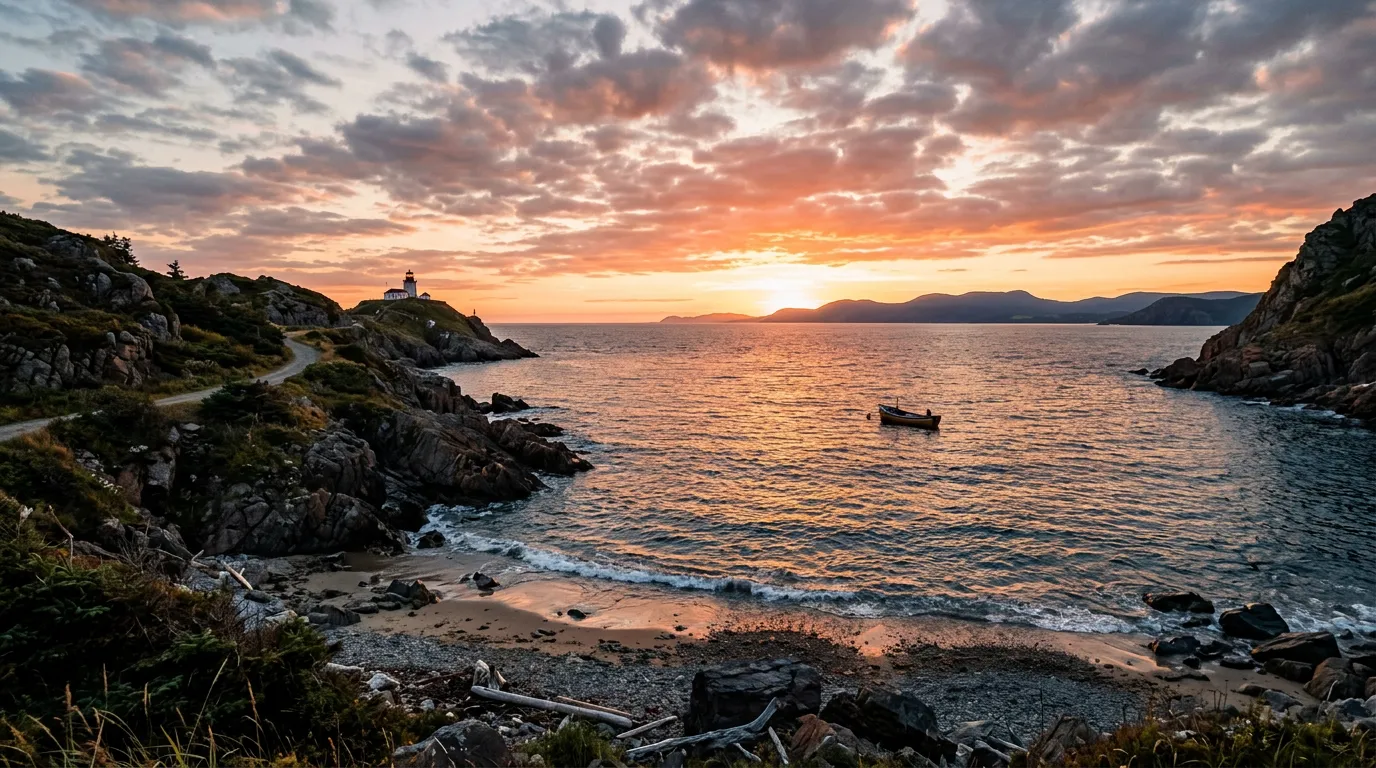
Protected Wilderness
National Parks & Nature Reserves
From the snow-capped summit of Toubkal to the flamingo-filled lagoons of the Saharan coast, Morocco's 11 national parks protect some of the most diverse and dramatic landscapes in all of Africa. Discover trails, wildlife, permits, and the conservation stories that make each park extraordinary.
National Parks
11
Protected areas
Protected Land
26,000+ km²
Total coverage
Highest Point
4,167m
Jebel Toubkal
Plant Species
4,500+
20% endemic
Bird Species
480+
In protected areas
Est. First Park
1942
Toubkal NP
Morocco's Protected Wilderness
Morocco established its first national park, Toubkal, in 1942 — decades before most African nations gained independence, let alone began conservation programs. Since then, the country has built a network of 11 national parks and dozens of nature reserves protecting over 26,000 square kilometers of wildly diverse terrain, from alpine peaks above 4,000 meters to Saharan wetlands at sea level.
What makes Moroccan national parks exceptional is their ecological range. Within a single day's drive, you can traverse ancient cedar forests where Barbary macaques swing through misty canopies, descend through juniper-studded gorges patrolled by golden eagles, cross high passes with views stretching to the Sahara, and arrive at coastal lagoons where flamingos wade in pink-tinged shallows. No other country in the Mediterranean basin offers this concentration of ecosystems in such close proximity.
Morocco's parks also tell remarkable conservation stories. The recovery of the northern bald ibis from fewer than 100 birds to approximately 700 is one of the great species comebacks. The reintroduction of Dorcas gazelles, the replanting of millions of Atlas cedars, and the protection of the world's largest Mediterranean monk seal colony are all testaments to Morocco's growing commitment to its natural heritage.
For visitors, the parks offer everything from challenging multi-day treks to gentle forest walks, from world-class birdwatching to marine snorkeling, from mountain refuge camping to luxury ecolodge stays. Unlike many national park systems, most Moroccan parks have minimal entry fees and bureaucracy, making access straightforward for independent travelers and guided groups alike.
11
National Parks
Established since 1942
40+
SIBE Reserves
Additional protection
26,000+
km² Protected
3.6% of Morocco
6
Ecosystems
Desert to alpine
Complete Park Guides
In-depth profiles of every major national park in Morocco, with trails, species, permits, and the best time to visit each one.

High Atlas Mountains
Toubkal National Park
Est. 1942
380 km²
1,800m - 4,167m
April to June, September to November
Mountaineering
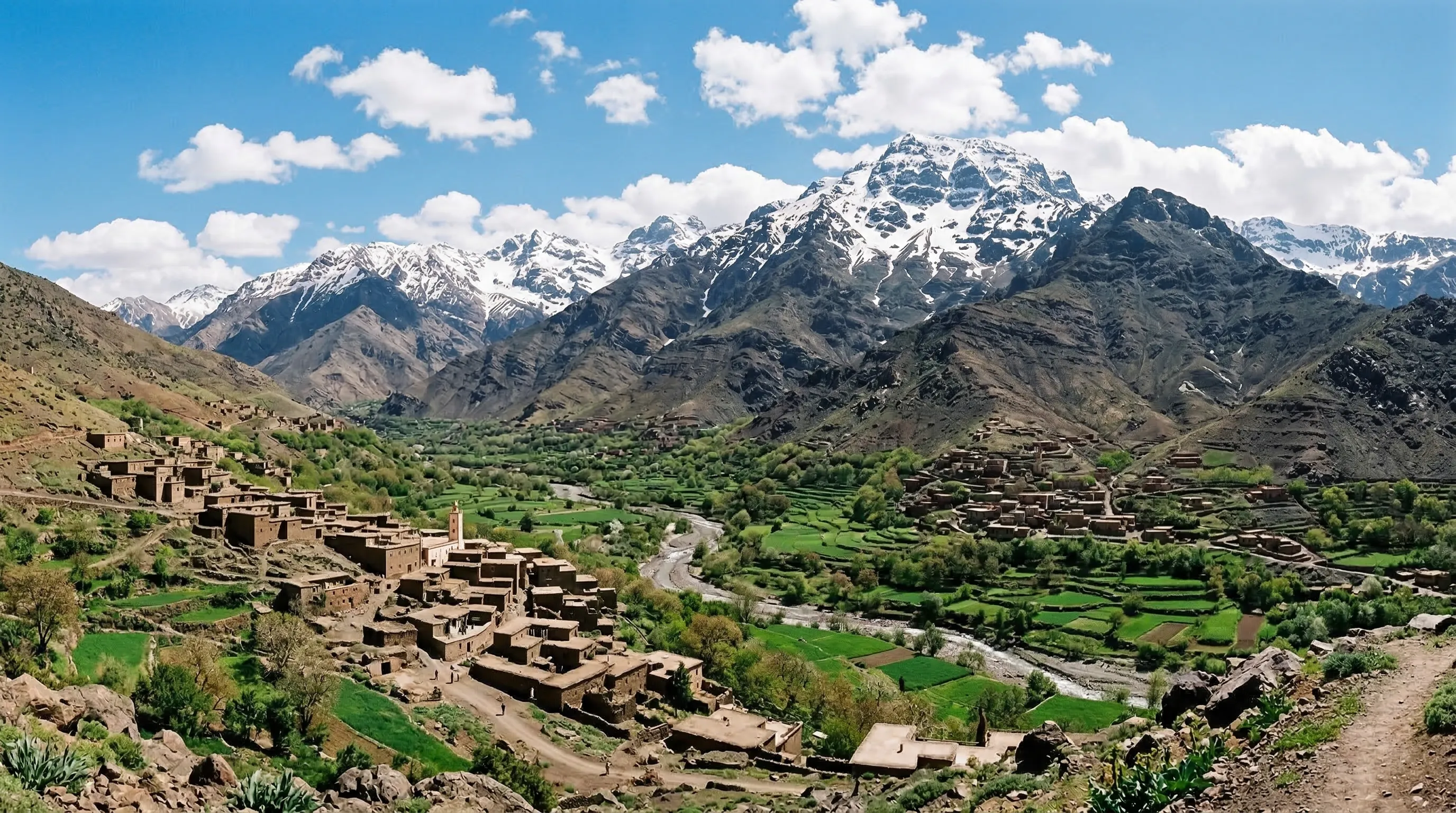
Morocco's oldest and most celebrated national park, established in 1942, centers on Jebel Toubkal, the highest peak in North Africa at 4,167 meters. The park protects a rugged high-altitude landscape of deep valleys, permanent snowfields, and over 900 plant species.
Toubkal National Park is the crown jewel of Moroccan conservation. Sprawling across 380 square kilometers of the central High Atlas, it encompasses a world of extremes: scorching summer valleys that give way to snow-clad peaks, alpine lakes that freeze solid in winter, and scree slopes that burst with wildflowers in spring. The summit of Jebel Toubkal draws thousands of trekkers annually, but the park's true riches lie in its less-visited corners. The Azzaden Valley offers multi-day treks through Berber villages where traditional agriculture has shaped the landscape for centuries. Barbary sheep navigate impossible cliff faces on the eastern ridges, while golden eagles circle overhead. The park has been at the center of Morocco's ibex reintroduction program, and sightings of these agile mountain goats are increasingly common. The Imlil Valley serves as the primary gateway, with a network of mountain refuges and guesthouses making extended treks accessible. Spring brings a spectacular wildflower season, with over 100 species blooming above the treeline.
Key Highlights
North Africa's highest peak, Berber villages, alpine flora, Barbary sheep, dramatic gorges
Best Trails
- Toubkal Summit via Imlil (2 days)
- Azzaden Valley Circuit (3-4 days)
- Lac d'Ifni Trek (2 days)
- Tizi n'Ouanoums Pass
- Around Toubkal Circuit (5-6 days)
Key Species
Barbary sheepGolden eagleAtlas day geckoBarbary partridgeLevaillant's woodpeckerNorth African ibex (reintroduced)
Entry & Permits
Small entry fee at Imlil trailhead. Licensed guide required for summit in winter. Mountain refuge reservations recommended.
Best Season
April to June, September to November. Summit accessible June to October without technical gear.
Middle Atlas Mountains
Ifrane National Park
Est. 2004
500 km²
1,600m - 2,400m
March to June for macaque babies and wildflowers
Primate watching
Protecting the magnificent Atlas cedar forests of the Middle Atlas, Ifrane National Park is the best place in Morocco to observe Barbary macaques in their natural habitat. The park encompasses ancient forests, volcanic lakes, and a rich understory teeming with wildlife.
Ifrane National Park is a realm of mist-draped cedar forests, tranquil mountain lakes, and troops of Barbary macaques swinging through ancient trees. The park's 500 square kilometers protect the largest remaining stands of Atlas cedar in Morocco, some specimens exceeding 800 years of age and towering 40 meters above the forest floor. The cedar forests around Azrou are the undisputed highlight: here, habituated troops of 20 to 50 macaques go about their daily lives largely unconcerned by quiet human observers. Males are notably involved in infant care, and spring brings a wave of tiny babies clinging to their mothers. Beyond the primates, the park harbors the reintroduced Barbary stag (also called Atlas deer), making it the only place in North Africa where wild deer roam. The volcanic lake of Dayet Aoua attracts crested coots, marbled teal, and dozens of other waterbird species, particularly in spring and early summer. The 800-year-old Gouraud Cedar, a single massive tree near the Azrou-Ifrane road, has become an iconic landmark. In autumn, the cedar and oak forests turn spectacular shades of gold and amber, rivaling any European forest for color.
Key Highlights
Ancient cedar forests, Barbary macaques, mountain lakes, Barbary stag, endemic flora
Best Trails
- Azrou Cedar Forest Walk (2-3 hours)
- Dayet Aoua Lake Circuit (half day)
- Ras el Ma Spring Trail
- Tizi n'Tretten Ridge
- Michliffen Forest Loop
Key Species
Barbary macaqueAtlas cedarBarbary stagBooted eagleCrested cootMarbled tealLevaillant's woodpecker
Entry & Permits
No entry fee. Local guides available at Azrou and Ifrane. Vehicles restricted on some forest roads.
Best Season
March to June for macaque babies and wildflowers. October to November for autumn colors. Snow possible December to February.
Atlantic Coast, south of Agadir
Souss-Massa National Park
Est. 1991
340 km²
0m - 300m
Year-round
Birdwatching
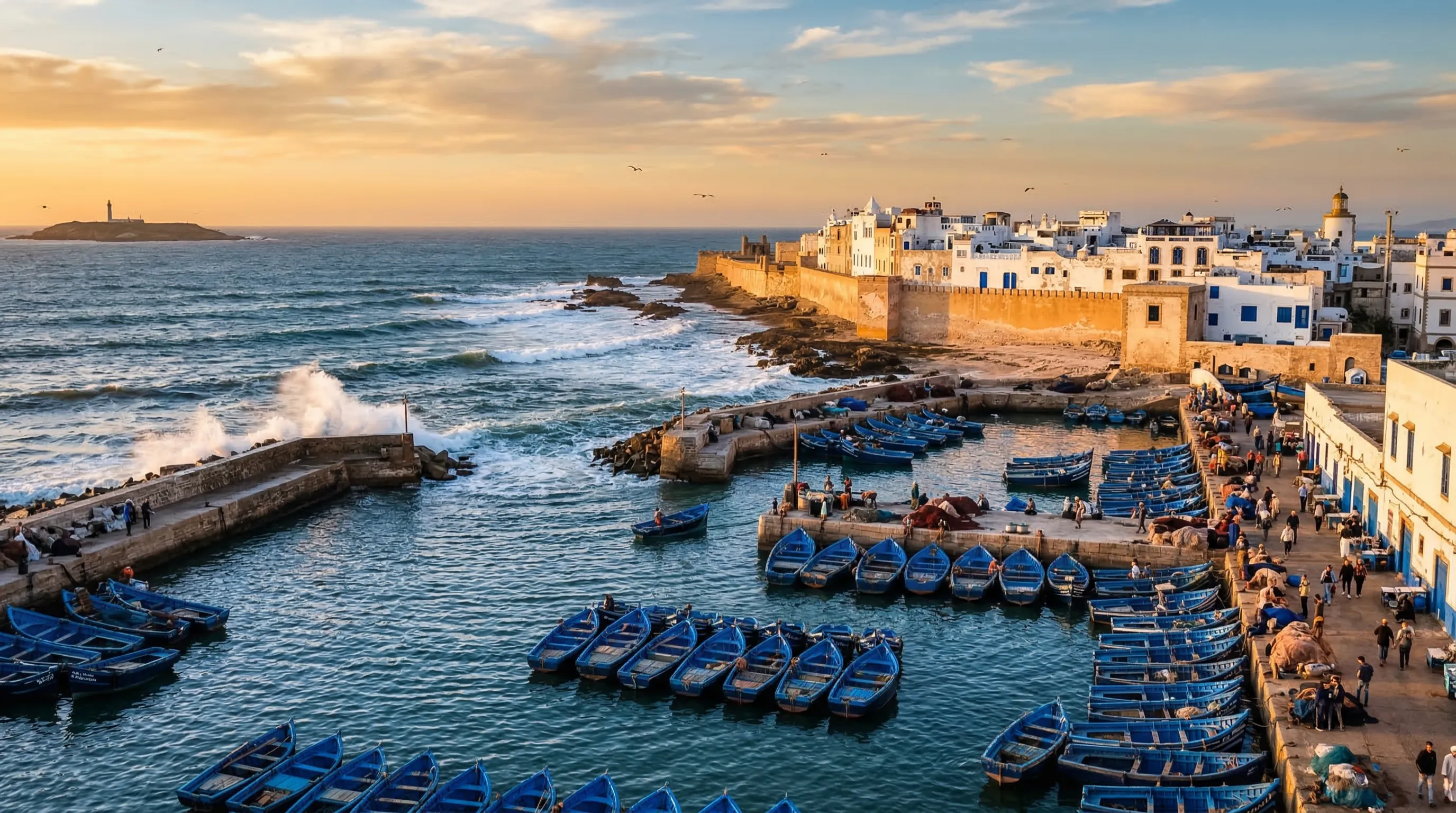
The last stronghold of the critically endangered northern bald ibis, Souss-Massa National Park stretches along 65 km of wild Atlantic coastline south of Agadir. The park encompasses estuaries, sand dunes, argan woodland, and coastal cliffs that shelter over 250 bird species.
Souss-Massa is Morocco's most important park for wildlife conservation and arguably its finest for birdwatching. The 340-square-kilometer reserve protects a diverse mosaic of coastal habitats: windswept Atlantic cliffs where northern bald ibises nest, brackish estuaries where flamingos wade in pink-tinged shallows, and inland argan forests where Dorcas gazelles browse beneath gnarled trees. The northern bald ibis story is one of conservation's greatest victories. In the 1990s, fewer than 100 individuals survived worldwide, virtually all of them here. Through decades of nest-site protection, community engagement with local farmers, and satellite tracking, the population has recovered to approximately 700 wild birds. Watching these glossy-black birds with their distinctive bare red faces launch from cliff nests at dawn is an unforgettable experience. The Massa river estuary is a migration hotspot, drawing hundreds of species of waders, raptors, and waterfowl. Guided walks reveal tracks of golden jackals, footprints of Saharan hares, and the unmistakable slides of Egyptian cobras. The park also protects significant argan woodland, where goats famously climb the trees to eat fruit.
Key Highlights
Northern bald ibis colony, flamingos, Dorcas gazelles, 65 km wild coastline, argan forest
Best Trails
- Oued Massa Estuary Walk (half day)
- Northern Bald Ibis Cliff Trail (2-3 hours)
- Coastal Dune Path to Sidi Rbat (full day)
- Argan Forest Circuit (3 hours)
- Tifnit Beach to Massa (full day)
Key Species
Northern bald ibisDorcas gazelleGreater flamingoGolden jackalMoussier's redstartEgyptian cobraBarbary ground squirrel
Entry & Permits
Small entry fee at main gates. Guide strongly recommended for ibis viewing sites. 4WD useful for remote sections.
Best Season
Year-round. October to March for peak waterbird numbers. Northern bald ibis visible year-round, best at dawn.
Rif Mountains, near Chefchaouen
Talassemtane National Park
Est. 2004
580 km²
500m - 2,159m
March to June for wildflowers
Endemic botany
Home to the last stands of Moroccan fir, a species found nowhere else on Earth, Talassemtane protects some of the most dramatic mountain scenery in the Rif range. Deep gorges, cascading waterfalls, and dense forests create a world apart from the Mediterranean coast below.
Talassemtane National Park is a botanical treasure trove set amid the wild, rugged landscapes of the Rif Mountains. Its 580 square kilometers shelter the last surviving populations of the Moroccan fir (Abies maroccana), a relic species that has clung to these misty mountain ridges since the last ice age. The fir forests grow at elevations above 1,500 meters, often shrouded in cloud, creating an atmosphere more reminiscent of Scandinavia than North Africa. Below the fir belt, dense forests of Barbary oak, cork oak, and maritime pine clothe the steep slopes. The park is most accessible from Chefchaouen, Morocco's famous blue city, and the Akchour waterfalls have become a celebrated hiking destination. The Grand Cascade drops over 100 meters, while the smaller Cascade of the Gorge is framed by dramatic canyon walls. Raptors are a highlight: Bonelli's eagle, peregrine falcon, and short-toed eagle all breed within the park. The rare Barbary leopard was historically reported here, though no confirmed sightings have occurred in decades. The park connects to the proposed Bouhachem National Park, creating a vital wildlife corridor through the Rif. Cannabis cultivation in surrounding areas poses ongoing challenges for conservation management.
Key Highlights
Endemic Moroccan fir, Akchour waterfalls, dramatic gorges, near Chefchaouen, rare raptors
Best Trails
- Akchour Waterfalls Trail (half day)
- God's Bridge Natural Arch (3 hours)
- Moroccan Fir Ridge Walk (full day)
- Jebel Lakraa Summit (2 days)
- Chefchaouen to Akchour (full day)
Key Species
Moroccan fir (endemic)Bonelli's eaglePeregrine falconBarbary macaqueOtterFire salamanderBarbary oak
Entry & Permits
No formal entry fee. Small parking fee at Akchour trailhead. Licensed guide recommended for remote trails.
Best Season
March to June for wildflowers. September to November for clear weather. Waterfalls best after winter rains (February to April).
Mediterranean Coast
Al Hoceima National Park
Est. 2004
480 km²
0m - 600m
May to October for marine activities and diving
Marine wildlife
Morocco's premier Mediterranean marine and terrestrial park combines dramatic coastal cliffs with crystal-clear waters, hosting the largest osprey colony on the Mediterranean and rich underwater ecosystems featuring dolphins, sea turtles, and thriving coral communities.
Al Hoceima National Park is where the Rif Mountains plunge dramatically into the Mediterranean Sea, creating a coastline of staggering beauty. The park encompasses both terrestrial and marine zones, protecting 480 square kilometers of cliff-lined shores, hidden coves accessible only by boat, and underwater ecosystems of exceptional clarity. The jewel of the park is its osprey colony, the largest on the Mediterranean, with over 30 breeding pairs nesting on sea stacks and cliff ledges. Watching these magnificent fish-hunting raptors dive into the turquoise waters below is one of Morocco's great wildlife spectacles. Bottlenose dolphins are resident in the park waters, and loggerhead sea turtles nest on remote beaches. The underwater world is equally impressive: Posidonia seagrass meadows shelter seahorses, octopus, and grouper, while rocky reefs are encrusted with corals and sponges. The park's terrestrial side features maquis-covered slopes, with Audouin's gull colonies and Eleonora's falcon sightings during breeding season. The town of Al Hoceima serves as a base, though the most pristine sections are reached by boat. Sustainable fishing practices within the park have led to a remarkable recovery of marine life, serving as a model for Mediterranean conservation.
Key Highlights
Mediterranean marine park, osprey colony, dolphins, pristine coves, underwater ecosystems
Best Trails
- Cala Iris Coastal Path (half day)
- Bades Peninsula Circuit (3 hours)
- Torres de Alcala Trail (full day)
- Jebel Tidiquin Approach (2 days)
- Marine Snorkeling Route (boat required)
Key Species
OspreyBottlenose dolphinLoggerhead sea turtleAudouin's gullGrouperMoray eelPosidonia seagrass
Entry & Permits
No entry fee for terrestrial areas. Boat permits required for marine zones. Diving requires authorization from park authority.
Best Season
May to October for marine activities and diving. April to June for osprey nesting. Year-round for coastal walks.
Atlantic Coast, south of Tan-Tan
Khenifiss National Park
Est. 2006
1,850 km²
0m - 150m
October to March for peak bird numbers
Remote birding
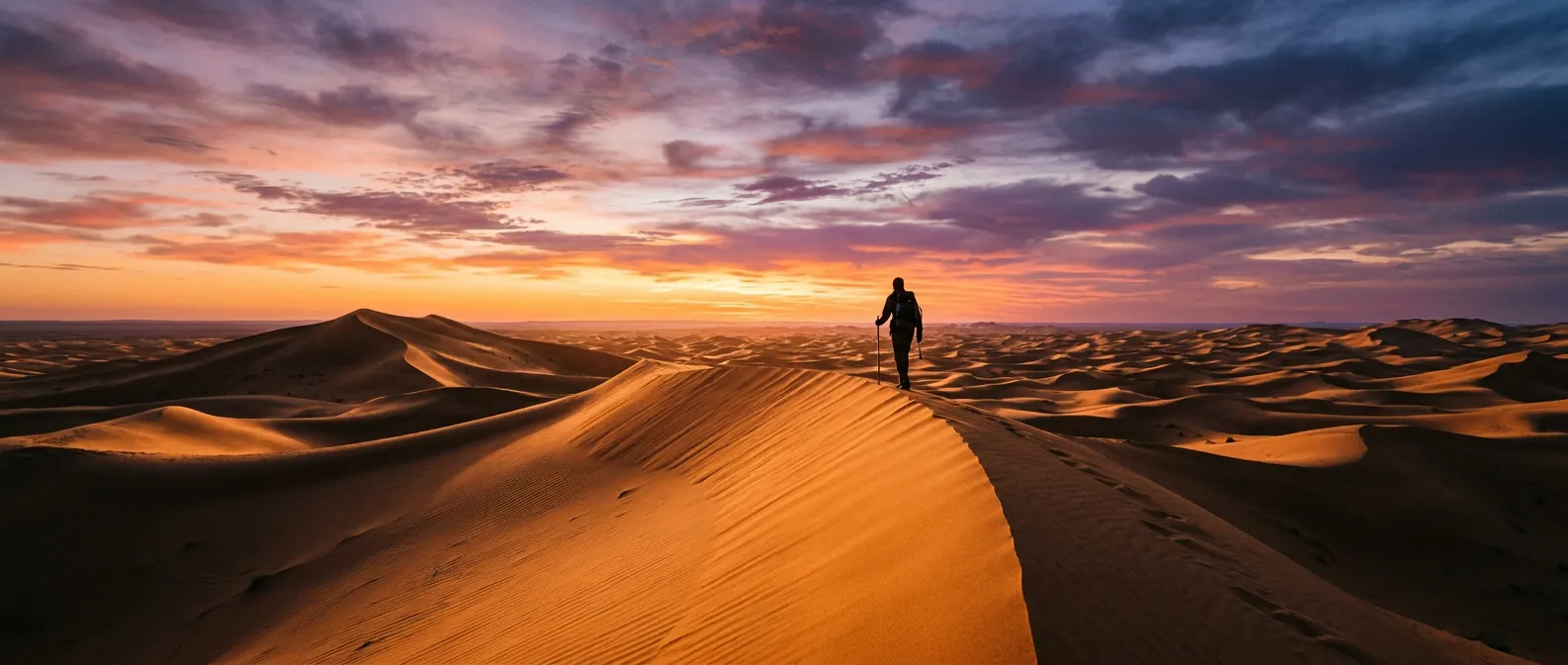
Where the Sahara meets the Atlantic, Khenifiss National Park protects one of Morocco's most remote and extraordinary landscapes. The park's centerpiece is a vast coastal lagoon, a Ramsar wetland of international importance that attracts thousands of migratory flamingos and wading birds.
Khenifiss National Park is a place of haunting, otherworldly beauty where golden Saharan dunes slide into the cold Atlantic and a vast turquoise lagoon shimmers beneath an enormous sky. At 1,850 square kilometers, it is one of Morocco's largest parks, yet among its least visited. The Khenifiss lagoon is a Ramsar wetland of international significance, one of the most important stopover sites on the East Atlantic Flyway. Thousands of greater flamingos, spoonbills, and wading birds gather here, particularly during winter migration. The contrast of pink flamingos against golden dunes and blue ocean creates photography opportunities found nowhere else in Morocco. Inland, the park protects classic Saharan ecosystems: sand cat, fennec fox, and desert hedgehog inhabit the dunes and rocky hamada. The coast supports a small population of Mediterranean monk seals, one of the world's rarest marine mammals. Access requires a sturdy 4WD vehicle and careful planning, as facilities are nonexistent. The nearest town, Akhfenir, offers basic supplies. This remoteness is precisely the park's appeal: visitors who make the effort are rewarded with genuine wilderness solitude. The transition from Saharan desert to Atlantic coast, compressed into just a few kilometers, creates one of the planet's most dramatic ecological gradients.
Key Highlights
Saharan lagoon, flamingos, monk seal habitat, dunes, desert-meets-ocean, Ramsar wetland
Best Trails
- Lagoon Shoreline Walk (half day)
- Dune Ridge to Ocean (3 hours)
- Flamingo Observation Points (varies)
- Coastal Cliff Path South (full day)
- Desert Interior Drive Circuit (4WD, full day)
Key Species
Greater flamingoSand catFennec foxMediterranean monk sealEurasian spoonbillDesert hedgehogCream-colored courser
Entry & Permits
Registration required at park entrance. 4WD essential. No facilities within the park. Self-sufficient equipment necessary.
Best Season
October to March for peak bird numbers. Year-round for desert landscapes. Avoid June to August due to extreme heat.
Eastern High Atlas
Haut Atlas Oriental National Park
Est. 2004
490 km²
1,200m - 3,077m
May to October for trekking
Remote trekking
A wild and seldom-visited park protecting the eastern High Atlas ecosystems. High-altitude junipers, significant raptor populations, and Barbary sheep inhabit rugged terrain that offers genuine wilderness experiences far removed from tourist trails.
Haut Atlas Oriental National Park is arguably Morocco's most authentic wilderness experience. Spanning 490 square kilometers of the eastern High Atlas, it protects a landscape of soaring ridgelines, deep-cut gorges, and ancient juniper forests that most visitors to Morocco never see. The M'Goun massif, at 3,077 meters, anchors the western boundary. This is sheep and raptor country: Barbary sheep traverse impossible cliff faces at dawn, while overhead, lanner falcons, Egyptian vultures, and golden eagles ride the thermals. The park's juniper forests are among the oldest in North Africa, with gnarled specimens estimated at over 1,000 years old. In spring, the meadows below the ridgelines explode with wildflowers, including numerous species found nowhere else. Traditional Berber villages dot the valleys, where centuries-old agricultural practices continue largely unchanged. The Ait Bouguemez Valley, sometimes called the Happy Valley, provides the most accessible entry point, with a handful of guesthouses and local guides offering multi-day treks deep into the park. Unlike Toubkal, you may walk for an entire day without seeing another trekker. The park faces challenges from overgrazing and drought, but community-based conservation programs are showing promising results.
Key Highlights
Barbary sheep, junipers, raptors, M'Goun massif, remote wilderness, traditional villages
Best Trails
- M'Goun Summit Trek (3-4 days)
- Ait Bouguemez to Zawyat Ahansal (4 days)
- Cathedral Rocks Circuit (full day)
- Agouti Valley Walk (half day)
- Tessaout Gorge Trek (2-3 days)
Key Species
Barbary sheepLanner falconEgyptian vultureGolden eagleJuniper forestsAtlas mountain viperTristram's warbler
Entry & Permits
No entry fee. Licensed mountain guide strongly recommended for multi-day treks. Mule hire available in villages.
Best Season
May to October for trekking. June for wildflowers. September to November for clearest skies and raptor migration.
Middle Atlas, near Taza
Tazekka National Park
Est. 1950
680 km²
500m - 1,980m
March to June for waterfalls and wildflowers
Caving
One of Morocco's oldest parks, Tazekka protects dense oak and cedar forests on the flanks of Jebel Tazekka. The park is famous for the Friouato Cave system, spectacular waterfalls, and a scenic road that loops through some of the Middle Atlas's most beautiful forest landscapes.
Tazekka National Park is a hidden gem of the Middle Atlas, just 15 kilometers from the historic city of Taza. Established in 1950, it is Morocco's second-oldest national park, recently expanded to 680 square kilometers to protect a wider range of habitats. Jebel Tazekka rises to 1,980 meters, clothed in dense forests of holm oak, cork oak, and Atlas cedar. The park's star attraction is the Gouffre du Friouato, one of the deepest cave systems in North Africa, plunging to a depth of 271 meters. The entrance chamber alone is immense, and guided descents reveal chambers decorated with stalactites and stalagmites formed over millions of years. Above ground, the Cascades de Ras el Oued tumble through mossy gorges, and the seasonal lake of Dayat Chiker fills after autumn rains, attracting waterbirds to an otherwise forested landscape. A paved scenic road loops through the park, making it accessible to those who prefer driving to hiking. The forests support wild boar, Barbary macaques in the cedar zones, and an impressive variety of raptors including short-toed eagle and booted eagle. The park's proximity to the Taza Gap, a natural corridor between the Rif and Middle Atlas, gives it biogeographic significance as a meeting point for species from both mountain ranges.
Key Highlights
Waterfalls, Friouato Cave, oak forests, scenic drives, Dayat Chiker seasonal lake
Best Trails
- Friouato Cave Descent (half day, guided)
- Jebel Tazekka Summit Trail (full day)
- Cascades de Ras el Oued Walk (2 hours)
- Scenic Loop Road (driving, 3 hours)
- Dayat Chiker Lake Circuit (2 hours)
Key Species
Wild boarBarbary macaqueShort-toed eagleBooted eagleHolm oakCork oakCave-dwelling bats
Entry & Permits
Small fee for Friouato Cave entry. Guide required for cave descent. No fee for park trails.
Best Season
March to June for waterfalls and wildflowers. October to November for autumn colors. Cave accessible year-round.
Saharan edge, between Ouarzazate and Zagora
Iriqui National Park
Est. 1994
1,230 km²
400m - 900m
November to March for cooler temperatures
Desert ecology
Centered on a seasonal lake that fills after rains and transforms the surrounding desert, Iriqui National Park protects a vast swathe of Saharan-edge habitat. When the lake appears, flamingos and waterfowl arrive in an otherwise arid landscape, creating one of Morocco's most surreal natural spectacles.
Iriqui National Park is Morocco's most enigmatic protected area. Sprawling across 1,230 square kilometers of the pre-Saharan zone between Ouarzazate and Zagora, it encompasses a landscape that shifts dramatically with the rains. At the park's heart lies Iriqui Lake, which in dry years is nothing more than a vast, cracked clay pan shimmering with heat mirages. But when winter rains are generous, the lake fills to create a shallow inland sea that attracts thousands of flamingos, marbled ducks, and migratory waders to the middle of the desert. This transformation from barren wasteland to teeming wetland is one of Morocco's most remarkable natural phenomena. In the surrounding stony desert and scrubland, adapted Saharan fauna persists: Dorcas gazelles, rarely seen but present, move in small family groups. Desert monitors bask on rocky outcrops. At night, the desert comes alive with jerboas, sand vipers, and the occasional caracal. The park is crossed by the ancient caravan route between Ouarzazate and Zagora, and nomadic herders still move through with their flocks. Accessibility is challenging, with only rough pistes penetrating the interior. This remoteness preserves the park's wild character but means visitors should come prepared with sufficient water, fuel, and navigation tools. The night skies are among the darkest in Morocco, making Iriqui an emerging destination for astrotourism.
Key Highlights
Seasonal desert lake, Saharan fauna, gazelles, migratory birds when water present
Best Trails
- Lake Bed Walk (varies with water levels)
- Eastern Hammada Drive (4WD, full day)
- Nomad Route Ouarzazate-Zagora (2 days)
- Desert Dawn Wildlife Circuit (early morning)
- Clay Pan Photography Walk (2-3 hours)
Key Species
Dorcas gazelleGreater flamingo (seasonal)Desert monitorCream-colored courserEgyptian nightjarSaharan horned viperJerboa
Entry & Permits
No formal entry system. 4WD essential. Self-sufficient travel required. GPS navigation recommended.
Best Season
November to March for cooler temperatures. Lake most likely to fill December to February. Avoid June to August.
Greater High Atlas
Toubkal Extensions & Buffer Zones
Est. 2008
800+ km² (total protected area)
1,000m - 4,167m
Year-round, varying by altitude
Extended treks
The expanded Toubkal protected area encompasses buffer zones and biological corridors that connect the original national park to surrounding habitats. These extensions protect migration routes for Barbary sheep, safeguard watersheds, and support community-based conservation across the greater High Atlas.
Recognizing that the original 380-square-kilometer Toubkal National Park was insufficient to protect the full range of species that depend on the High Atlas ecosystem, Morocco has progressively expanded the protected area through buffer zones and biological corridors. These extensions, totaling over 800 square kilometers of protected landscape, connect the core park to the Ourika Valley, the Oukaimeden plateau, and the upper Nfis Valley. The Oukaimeden area, at 2,600 meters, is Morocco's principal ski resort in winter but transforms into a botanical paradise in summer, with rock carvings dating back thousands of years. The Ourika Valley provides a critical altitudinal gradient, from 1,000 meters at its entrance to over 3,000 meters at its head, supporting an extraordinary range of habitats within a short distance. Community-managed protected areas within these extensions involve local villages in conservation decisions and benefit-sharing from tourism. Guesthouses, mule trails, and local guide cooperatives create economic incentives for habitat protection. The corridor approach has been particularly important for Barbary sheep, whose populations need connected territories to maintain genetic diversity. These extensions represent a modern, integrated approach to conservation that balances ecological needs with the livelihoods of the Berber communities who have stewarded these mountains for millennia.
Key Highlights
Expanded conservation corridors, Ourika Valley, Oukaimeden, connecting habitats
Best Trails
- Ourika Valley to Setti Fatma Waterfalls (half day)
- Oukaimeden Plateau Circuit (full day)
- Nfis Valley Trek (3-4 days)
- Tizi n'Test Pass Drive (scenic drive)
- Rock Art Trail at Oukaimeden (2 hours)
Key Species
Barbary sheepNorth African ibexGolden eagleBarbary partridgeAtlas mountain viperEndemic alpine floraDipper
Entry & Permits
No specific permits for buffer zones. Local guide cooperatives offer services in most valleys. Trekking permits may be required for certain corridors.
Best Season
Year-round, varying by altitude. Oukaimeden: June to September for walking, December to March for skiing. Ourika: March to November.
Nature Reserves & SIBE Sites
Beyond national parks, Morocco protects critical habitats through a network of Sites of Biological and Ecological Interest (SIBE) and Ramsar wetlands.
Merja Zerga
Ramsar Wetland / SIBEAtlantic Coast, Moulay Bousselham
Morocco's most important wetland for migratory birds. Over 400 species recorded, including globally significant populations of flamingos, spoonbills, and marbled teal.
Aguelmam Sidi Ali
SIBE / Mountain LakeMiddle Atlas
Highest natural lake in Morocco at 2,080 meters. Important site for breeding waterbirds and endemic amphibians. Surrounded by old-growth cedar and juniper forests.
Oued Loukkos Marshes
Ramsar WetlandNorthern Morocco, near Larache
Critical breeding site for marbled teal and crested coot. One of the last remaining large freshwater marshes in North Africa.
Tamri Cliffs
SIBE / CoastalAtlantic Coast, between Agadir and Essaouira
Secondary nesting site for northern bald ibis. Dramatic coastal cliffs with raptor nesting sites and endemic coastal flora.
M'Sabih Talaa Reserve
Wildlife ReserveMarrakech-Safi
Captive breeding and release center for Dorcas gazelle, addax, and scimitar-horned oryx. Part of Morocco's ungulate recovery programs.
Sidi Boughaba Lake
Ramsar Wetland / SIBENear Kenitra
Freshwater lake surrounded by forest. Important wintering site for European and African migratory species. Accessible nature trail and visitor center.
Cap des Trois Fourches
SIBE / MediterraneanNear Nador
Dramatic Mediterranean promontory with important seabird colonies, endemic plant species, and traditional fishing communities.
Oued Massa Estuary
SIBE / Coastal WetlandWithin Souss-Massa NP
One of the richest estuarine ecosystems in Morocco. Key feeding ground for northern bald ibis and hundreds of migratory wader species.
Endemic Species of Morocco
Species found only in Morocco or North Africa, many of which depend entirely on the national park network for their survival.
Tree
Moroccan Fir
Abies maroccana
Talassemtane NP, Rif Mountains above 1,500m
The only fir species in Africa, surviving as a relic population of approximately 5,000 hectares in the high Rif. Threatened by climate change and deforestation.
Tree
Atlas Cedar
Cedrus atlantica
Middle Atlas, Rif, High Atlas (1,300-2,600m)
Morocco's most iconic tree, forming ancient forests that support entire ecosystems. Some individuals exceed 900 years. Climate change causing significant dieback at lower elevations.
Mammal
Barbary Macaque
Macaca sylvanus
Cedar and oak forests of the Middle Atlas and Rif
The only macaque outside Asia and the only non-human primate in North Africa. Approximately 8,000 individuals remain in Morocco, down from millions historically.
Reptile
Atlas Day Gecko
Quedenfeldtia trachyblepharus
High Atlas above 2,500m, rocky terrain
A tiny, remarkable gecko adapted to extreme altitude conditions. Active during the day unlike most geckos, and can tolerate freezing temperatures at high elevation.
Reptile
Moroccan Spiny-Tailed Lizard
Uromastyx nigriventris
Anti-Atlas and pre-Saharan arid zones
A large herbivorous lizard up to 40 cm long with an armored tail used for defense. Basking specialist adapted to extreme heat.
Reptile
Atlas Mountain Viper
Vipera monticola
High Atlas and Middle Atlas mountains, rocky habitats
Morocco's only endemic viper, a small and rarely seen species of high mountain rocky areas. Venomous but extremely shy and non-aggressive.
Tree
Argan Tree
Argania spinosa
Souss Valley, Anti-Atlas, endemic to southwestern Morocco
UNESCO Biosphere Reserve tree endemic to Morocco. Produces the prized argan oil. Roots stabilize soil against desertification. Traditionally climbed by goats.
Bird
Moroccan Magpie
Pica mauritanica
Widespread in forests and gardens across Morocco
Recently recognized as a distinct species from the European magpie. Found only in North Africa, distinguished by a blue eye patch and different vocalizations.
Flora Guide: Morocco's Iconic Trees
Five tree species that define Morocco's landscapes and play vital ecological, economic, and cultural roles.
Flora Guide
Argan Tree
Argania spinosa
Semi-arid plains and hills of the Souss Valley and Anti-Atlas
Souss Valley between Agadir and Essaouira, Taroudant foothills, Anti-Atlas slopes
UNESCO-designated Biosphere Reserve species. Produces argan oil, prized in cosmetics and cuisine. Roots prevent soil erosion and desertification. Cooperatives employ thousands of women in oil production.
Flora Guide
Atlas Cedar
Cedrus atlantica
Mountain forests between 1,300 and 2,600 meters in the Middle Atlas, Rif, and High Atlas
Azrou and Ifrane National Park, Tazekka, Rif Mountains, High Atlas passes
Morocco's most majestic tree. Ancient specimens reach 40 meters tall and 800+ years old. The cedar forests are critical habitat for Barbary macaques, raptors, and hundreds of other species. Severely threatened by drought and climate change.
Flora Guide
Thuya Tree
Tetraclinis articulata
Dry hillsides and coastal regions of northern and central Morocco
Essaouira region, Khemisset forests, northern Morocco hillsides
Prized for its aromatic, beautifully figured wood used in traditional Moroccan craftsmanship, particularly in Essaouira. The root burls are carved into boxes, chess sets, and decorative objects. Conservation concerns due to overharvesting.
Flora Guide
Cork Oak
Quercus suber
Humid regions of the Mamora Forest, Rif, and Middle Atlas foothills
Mamora Forest near Rabat, Rif foothills, Ben Slimane Forest
The Mamora Forest near Rabat is one of the world's largest cork oak forests. Cork is harvested sustainably every 9 years without killing the tree. The forest supports wild boar, raptors, and a rich understory.
Flora Guide
Atlas Pistachio
Pistacia atlantica
Semi-arid zones of the High Atlas and Anti-Atlas, gorges and dry valleys
Dades Gorge, Todra Gorge, Anti-Atlas valleys, road to Ouarzazate
A drought-adapted tree that provides vital shade and resources in arid landscapes. Its small fruits feed wildlife and can be pressed for oil. Ancient specimens with massive trunks dot the landscape around Dades and Todra Gorges.
Conservation & Volunteering
How Morocco is protecting its natural heritage and how visitors can contribute to conservation efforts across the national park network.
Species conservation
Northern Bald Ibis Recovery
A multi-decade effort to save the critically endangered northern bald ibis from extinction. Nest-site protection, farmer engagement, satellite tracking, and captive breeding have increased the wild population from fewer than 100 to approximately 700 birds.
How You Can Help
Visit Souss-Massa with licensed guides (fees support conservation), volunteer with GREPOM birdwatching surveys, sponsor nest monitoring equipment.
Habitat restoration
Atlas Cedar Reforestation
Over 10 million cedar seedlings have been planted since 2005 across the Middle Atlas, replacing forests lost to drought, overgrazing, and illegal logging. New drought-resistant varieties are being developed.
How You Can Help
Join community planting events organized through Ifrane National Park, support local cooperatives that manage sustainable forest resources.
Anti-poaching
Barbary Macaque Protection
Combating the illegal pet trade that removes infant macaques from wild troops. Awareness campaigns, ranger patrols, and rehabilitation centers work together to protect remaining populations.
How You Can Help
Never photograph macaques being displayed as props in Jemaa el-Fna or other tourist areas. Report illegal trade. Support Barbary Macaque Awareness & Conservation.
Reintroduction programs
Saharan Ungulate Breeding
Captive breeding facilities at M'Sabih Talaa and R'Mila produce Dorcas gazelles, addax, and scimitar-horned oryx for release into wild habitats. Over 500 gazelles have been returned to the wild.
How You Can Help
Support ecotourism in Souss-Massa where gazelle revenues fund breeding programs. Volunteer with monitoring surveys during release programs.
Ocean conservation
Marine Protected Areas
Al Hoceima National Park's marine zone has demonstrated how fishing restrictions can restore Mediterranean ecosystems. Expanding the model to other coastal sites along both Atlantic and Mediterranean coastlines.
How You Can Help
Choose sustainable seafood when dining in coastal Morocco. Support diving operators who follow conservation protocols. Report illegal fishing in protected zones.
Sustainable livelihoods
Community Conservation Cooperatives
Programs that link conservation to economic benefits for local communities. Guesthouses, guide cooperatives, and handicraft projects create incentives for habitat protection in and around national parks.
How You Can Help
Stay in community-run guesthouses, hire local guides through cooperatives, purchase locally made handicrafts, and choose tour operators that employ local staff.
Photography Opportunities
The most photogenic locations across Morocco's national parks, with practical tips for capturing each scene.
1
Toubkal Summit at Dawn
Alpine panorama, sunrise over the Atlas
June to October, 5:00-6:00 AM
Overnight at the Toubkal Refuge. Start the summit push at 3:00 AM to reach the top for sunrise. The 360-degree view extends to the Sahara on clear mornings.
2
Azrou Cedar Forest
Barbary macaques, ancient cedars
Year-round, early morning
Use a 70-200mm lens and maintain 3-5 meters distance. Spring brings babies clinging to mothers. The mist filtering through 800-year-old cedars creates ethereal light.
3
Souss-Massa Ibis Cliffs
Northern bald ibis colonies
Dawn, year-round
Position on the cliff tops above nesting sites. A 400mm lens is ideal. The birds launch at dawn to forage, creating dramatic silhouettes against the ocean.
4
Khenifiss Lagoon
Flamingos against Saharan dunes
October to March, golden hour
The juxtaposition of pink flamingos, turquoise water, and golden dunes is unique to this location. Wide-angle captures the full scene; telephoto for individual birds.
5
Akchour Waterfalls
Cascading water, gorge landscapes
February to April after winter rains
Arrive early to avoid crowds. A tripod and neutral density filter create silky water effects. The surrounding green forest provides excellent framing.
6
Al Hoceima Osprey Dives
Osprey hunting, Mediterranean coast
April to June, midday
Position on cliff edges overlooking osprey territories. Use a fast shutter speed (1/2000s minimum) and continuous autofocus to capture the diving sequence.
Camping in National Parks
From mountain refuges to wild camping under the stars, Morocco's parks offer overnight experiences that connect you to the landscape.
Toubkal Mountain Refuges
Mountain refugeToubkal NP
The French Alpine Club (CAF) maintains refuges at key points on the Toubkal circuit. Neltner Refuge at 3,207m is the base for summit attempts. Basic bunks, cooking facilities, and extraordinary views.
Facilities: Bunks, blankets, cooking area, water source, guardian
Lac d'Ifni Wild Camp
Wild campingToubkal NP
Wild camping is permitted at this stunning high-altitude lake at 2,312 meters. The reflection of Toubkal's peaks in the still waters at dawn is unforgettable. Carry all supplies and leave no trace.
Facilities: None. Bring all equipment, water purification, and waste bags.
Azrou Forest Campsites
Designated campsiteIfrane NP
Several designated camping areas within the cedar forests near Azrou. Wake to the sound of macaques moving through the canopy above your tent. Accessible by car.
Facilities: Flat ground, some fire pits, nearby water. No electricity.
Souss-Massa Coastal Camp
Designated areaSouss-Massa NP
Camping permitted at designated sites along the coastal trail. Fall asleep to the sound of Atlantic surf and wake for dawn ibis-watching. Basic but magical.
Facilities: Flat ground only. Bring water, food, and shelter.
Ait Bouguemez Valley Gites
Community guesthouseHaut Atlas Oriental NP
While not camping per se, village guesthouses in the Happy Valley offer rooftop sleeping under the stars. Home-cooked Berber food and genuine hospitality.
Facilities: Bedding, meals, hot water (sometimes), traditional toilets
Tazekka Forest Camp
Wild campingTazekka NP
Wild camping under cork and holm oaks in Tazekka's ancient forests. Multiple clearings along the scenic loop road make ideal pitches. Bring all supplies.
Facilities: None. Bring all equipment. Water from seasonal streams (purify).
Essential Camping Tips
Equipment
- 3-season tent (4-season above 3,000m)
- Sleeping bag rated to -5°C minimum
- Water purification system
- Headlamp with spare batteries
- Cooking stove and fuel
Safety
- Tell someone your route and expected return
- Carry sufficient water (3L minimum/day)
- Check weather forecasts before departing
- Store food away from sleeping area
- Know basic first aid
Leave No Trace
- Pack out all rubbish, including food scraps
- Use established fire rings only
- Camp on durable surfaces
- Bury human waste 200m from water
- Respect wildlife and other visitors
Guided Nature Tours
Expert-led expeditions into Morocco's national parks, from single-day wildlife walks to multi-day wilderness treks with licensed mountain guides.
Toubkal Summit Expedition
Challenging2-3 days from Marrakech
$120-200 per person
Guided ascent of North Africa's highest peak. Overnight at mountain refuge, summit at dawn for spectacular views. Licensed mountain guides, mules for luggage, meals included.
Ifrane Macaque & Cedar Experience
EasyFull day from Fes
$60-90 per person
Visit the cedar forests of Azrou to observe Barbary macaques with a naturalist guide. Walk through ancient groves, visit the 800-year-old Gouraud Cedar, and explore Dayet Aoua lake for waterbirds.
Souss-Massa Ibis & Wildlife Tour
Moderate2 days from Agadir
$150-250 per person
Expert-led birdwatching tour focused on the critically endangered northern bald ibis. Visit nesting cliffs, Massa estuary, and argan forests. Spotting scopes provided.
Rif Mountains Fir Forest Trek
Challenging4-5 days from Chefchaouen
$300-500 per person
Multi-day trek through Talassemtane National Park to see the endemic Moroccan fir, Akchour waterfalls, and dramatic Rif scenery. Botanist and ornithologist guides available.
Al Hoceima Marine Discovery
Easy-Moderate2 days from Al Hoceima
$120-180 per person
Boat-based exploration of the Mediterranean marine park. Osprey viewing, dolphin watching, snorkeling in pristine coves, and coastal cliff walks. Marine biologist guide.
M'Goun Wilderness Trek
Challenging5-7 days from Marrakech
$350-600 per person
Deep trek into the eastern High Atlas through the Happy Valley and beyond. Summit M'Goun at 3,077 meters. Traditional Berber village stays. True wilderness experience.
Khenifiss Desert-Ocean Safari
Moderate3 days from Tan-Tan
$200-350 per person
Expedition to the remote Saharan lagoon park. 4WD journey through desert landscapes, flamingo observation, coastal dune walks, and camping under pristine dark skies.
Tazekka Cave & Forest Adventure
Easy-ModerateFull day from Fes or Taza
$50-80 per person
Explore the Friouato Cave system with experienced guides, then walk through oak and cedar forests. Visit waterfalls and the scenic loop road. Accessible family-friendly option.
Best Season for Each Park
When to visit Morocco's national parks for the best weather, wildlife, and trail conditions in each season.
Spring
March - May
Best Parks
Toubkal (wildflowers), Ifrane (macaque babies), Talassemtane (waterfalls), Tazekka (cascades)
Ideal temperatures for hiking. Wildflower season in the Atlas. Waterfalls at peak flow. Green landscapes. Some high passes still snowy in March.
Summer
June - August
Best Parks
Toubkal (summit season), Al Hoceima (marine), Haut Atlas Oriental (high altitude)
Best for high-altitude trekking and summit attempts. Hot in lowlands and desert parks. Excellent for marine parks. Avoid Khenifiss and Iriqui due to extreme heat.
Autumn
September - November
Best Parks
Ifrane (autumn colors), Souss-Massa (birds return), Khenifiss (migration), all parks excellent
Arguably the best overall season. Pleasant temperatures across all elevations. Autumn colors in cedar forests. Migratory birds arriving at coastal parks. Clear mountain skies.
Winter
December - February
Best Parks
Souss-Massa (peak birds), Khenifiss (flamingos), Iriqui (possible lake), Tazekka (cave)
High Atlas parks snow-covered above 2,000m. Excellent for coastal and desert-edge parks. Peak waterbird numbers at wetlands. Cool but sunny days ideal for lowland walks.
Responsible Nature Tourism
How to enjoy Morocco's national parks while contributing positively to conservation and local communities.
Hire Local Guides
Licensed local guides know the parks intimately and their fees support families in mountain and rural communities. For specialist birding, botanizing, or photography, seek guides with specific expertise rather than general tour operators. Guide cooperatives in most park gateway towns ensure fair wages and professional standards.
Stay in Community Accommodation
Guesthouses (gites) in villages adjacent to parks keep tourism revenue in local hands. In the High Atlas, Rif, and Middle Atlas, community-run gites offer authentic hospitality, home-cooked meals, and an economic incentive for habitat protection. Book directly rather than through large tour companies when possible.
Minimize Your Impact
Stay on marked trails to prevent erosion. Pack out all waste including biodegradable items. Never remove plants, rocks, or archaeological artifacts. Keep noise levels low, especially near wildlife. Camp only in designated areas or on durable surfaces. Use existing fire rings and avoid cutting vegetation for fuel.
Report Wildlife Crime
If you witness illegal hunting, trapping, or the sale of protected species products, report it to park authorities or the national forestry agency (HCEFLCD). The illegal pet trade in Barbary macaques and the poaching of raptors and gazelles remain serious threats that visitor reports can help combat.
Choose Ethical Operators
Select tour operators who employ local staff, contribute to conservation projects, and follow responsible tourism guidelines. Ask about their environmental policies and community engagement. The best operators limit group sizes, avoid wildlife disturbance, and invest in habitat protection.
Support Conservation Directly
Many parks accept donations or offer volunteer opportunities. GREPOM (the Moroccan ornithological society) welcomes volunteer bird counters. Tree-planting events in the Middle Atlas accept international participants. Purchasing handicrafts from park-adjacent cooperatives supports conservation-friendly livelihoods.
Explore Morocco's Protected Wilderness
From the summit of Toubkal to the flamingo lagoons of Khenifiss, Morocco's national parks offer some of the most diverse and rewarding nature experiences in the Mediterranean. Start planning your park adventure today.