Discovering...
Centuries of Healing Tradition
Morocco Spa & Wellness Guide
From the ancient steam rituals of the hammam to argan oil treatments, coastal thalassotherapy, and desert healing retreats, Morocco offers one of the richest wellness traditions on Earth. Discover how to experience it all.
Moroccan Wellness Traditions
For over a thousand years, Morocco has cultivated a rich tapestry of wellness practices that blend Berber, Arab, Andalusian, and African healing traditions into a unique culture of self-care.
The Hammam Tradition
At the heart of Moroccan wellness lies the hammam, a communal steam bathhouse that has been the center of hygiene, beauty, and social life since the 7th century. Influenced by Roman bath culture and refined through Islamic traditions of ritual purification, the hammam is far more than a bath — it is a weekly ceremony of cleansing, connection, and renewal that every Moroccan household observes.
Natural Ingredients
Morocco's diverse geography produces an extraordinary range of natural beauty ingredients. Argan oil from the southwestern forests, rose water from the Dades Valley, ghassoul clay from the Atlas Mountains, black soap from olive groves, and henna from the southeast. These ingredients have been used in Moroccan beauty rituals for centuries and are now sought after by the global beauty industry.
Healing Landscapes
From the Atlas Mountains with their clean air and herbal traditions, to the Atlantic coast with its thalassotherapy centers, to the Sahara Desert with its sand bathing therapy and profound silence, Morocco's diverse landscapes each offer their own unique form of healing. The country is a natural wellness destination where the environment itself is the treatment.
1,000+
Years of Tradition
10,000+
Hammams Nationwide
50+
Natural Ingredients
2019
UNESCO Heritage (Gnawa)
Traditional Hammam Guide
Everything you need to know about the Moroccan hammam experience — the ancient bathing ritual that has been the cornerstone of Moroccan wellness culture for over a millennium.
What Is a Hammam?
A hammam (also spelled hamam) is a traditional steam bathhouse that has been central to North African and Middle Eastern culture for centuries. The word comes from the Arabic root “hamma” meaning “to heat.” In Morocco, the hammam is far more than a place to wash — it is a social institution, a beauty salon, a place of ritual purification, and a community gathering space all in one.
Every Moroccan neighborhood has its own hammam, and the weekly visit is as fundamental to Moroccan life as the Friday mosque service. Families go together, friends catch up, brides undergo elaborate pre-wedding ceremonies, and new mothers are welcomed back with special hammam rituals. It is where community bonds are strengthened and beauty secrets are passed from grandmother to granddaughter.
The traditional Moroccan hammam consists of a series of interconnected rooms of increasing heat: the cool room (al-barid), the warm room (al-wastani), and the hot room (al-sakhun). The ritual progresses through these rooms with specific products applied at each stage — black soap, eucalyptus steam, the vigorous kessa scrub, ghassoul clay, and finally rose water and argan oil.
What to Expect
Your first hammam visit can feel overwhelming, but the experience is deeply rewarding. In a public hammam, you will enter through a modest doorway into a changing room. After undressing (most Moroccans keep underwear on), you proceed through the heated rooms carrying your bucket of supplies.
The tayaba (female attendant) or tayab (male attendant) will guide you through the ritual if you visit a tourist-friendly or private hammam. In public hammams, you can hire a scrubber for 30 to 50 MAD or bring a friend to help. The gommage (scrub) is the highlight — prepare to be amazed at the amount of dead skin that rolls off your body.
After the scrub, a ghassoul clay mask is applied, left for 10 minutes, then rinsed off with buckets of warm and cool water. The session concludes in the relaxation area with mint tea and, in premium hammams, an argan oil massage. The entire experience typically lasts 1 to 2 hours, and you will leave feeling like you have been reborn.
The Hammam Ritual: Step by Step
1
Arrival & Preparation
Enter the changing area (maslakh) and undress. In public hammams, Moroccans wear underwear. In private spa hammams, disposable underwear is provided. Store belongings in a locker, take a moment to relax, and prepare for the experience.
5-10 min
2
The Warm Room (Bayt al-Wastani)
Move into the first heated room where moderate temperature and humidity begin opening your pores. Sit on warm marble or tile, let the steam envelop you, and allow your body to acclimatize to the heat gradually over 10 to 15 minutes.
10-15 min
3
Black Soap Application (Savon Beldi)
A thick olive-oil-based paste called savon beldi is generously applied to your entire body. This traditional black soap, often enriched with eucalyptus, is left on the skin for several minutes to soften dead skin cells and deeply nourish the skin.
10 min
4
The Hot Room (Bayt al-Sakhun)
Proceed to the hottest room where intense steam fully opens your pores. The black soap continues working on your skin while the heat relaxes deep muscle tension. Temperatures can reach 45 to 50 degrees Celsius. Breathe slowly and let the steam cleanse your respiratory system.
10-15 min
5
Gommage Scrub (Kessa)
The signature moment of the hammam. Using a rough exfoliating mitt called a kessa, the tayaba (hammam attendant) vigorously scrubs your entire body with firm, rhythmic strokes. Rolls of dead skin visibly peel away, revealing fresh, glowing skin beneath.
15-20 min
6
Ghassoul Clay Mask
A mineral-rich clay called ghassoul (or rhassoul), sourced exclusively from the Atlas Mountains, is applied as a full-body mask. This natural clay draws out impurities, tightens pores, and leaves skin incredibly smooth. Some hammams also apply it to hair and scalp.
10-15 min
7
Rinse & Cool Down
Buckets of alternating warm and cool water are poured over you to rinse away the clay and close your pores. Some luxury hammams use rose water in the final rinse for a fragrant, luxurious finish. You move gradually back through the rooms as your body temperature normalizes.
10 min
8
Relaxation & Mint Tea
Return to the resting area, wrapped in warm towels, where you relax on cushions and are served traditional Moroccan mint tea. This final phase is essential: the combination of deep cleansing and total relaxation leaves you profoundly renewed. Many hammams offer argan oil massage at this stage.
15-30 min
Public vs Private Hammam: Which Should You Choose?
Public Hammam (Hammam Beldi)
Cost: 15-30 MAD entry + 30-50 MAD for tayaba tip
Experience: The authentic local experience. You will be surrounded by Moroccan families going about their weekly ritual. Facilities are basic (tiled rooms, buckets, communal spaces) but functional.
What to bring: Towel, flip-flops, change of underwear, kessa glove, savon beldi. Available at entrance for 10-30 MAD.
Best for: Travelers seeking genuine cultural immersion and comfortable with communal bathing.
Note: Strictly gender-separated. Men and women have either separate facilities or alternating time slots.
AuthenticAffordableCulturalSocial
Private / Spa Hammam
Cost: 200-800 MAD (mid-range) / 800-2,000+ MAD (luxury)
Experience: A curated, comfortable experience with professional attendants. Beautiful tiled interiors, premium products, private rooms, and a relaxation area with mint tea.
What to bring: Nothing. Towels, robes, slippers, products, and disposable underwear are all provided.
Best for: First-timers, those who prefer privacy, couples, and anyone wanting a premium relaxing experience.
Note: Many riad hotels offer private hammam experiences for guests. Book directly with your accommodation.
ComfortablePrivateLuxuriousGuided
Hammam Etiquette
Men and women always have separate sessions or facilities. Never enter the wrong session.
Bring flip-flops, a towel, and a change of underwear to public hammams.
Complete nudity is not the norm in public hammams; wear underwear at all times.
Tip the hammam attendant (tayaba) 20 to 50 MAD, or more for excellent service.
Drink plenty of water before and after to stay hydrated in the heat.
Apply argan oil post-hammam to lock in moisture while pores are open.
Avoid eating a large meal right before your hammam visit.
Leave the hot room immediately if you feel dizzy or unwell.
In public hammams, it is polite to share soap and scrubbing supplies with neighbors.
Remove all jewelry before entering the steam rooms.
Speak quietly and respect the calm, meditative atmosphere.
Pregnant women and those with heart conditions should consult a doctor first.
Argan Oil Treatments
Known as “liquid gold,” argan oil is Morocco's most celebrated natural product. The argan tree (Argania spinosa) grows only in southwestern Morocco, making it one of the rarest and most precious oils in the world.
Origin & Production
The argan tree is endemic to the Souss-Massa region of southwestern Morocco, particularly the area between Essaouira and Agadir. UNESCO designated the argan forest as a Biosphere Reserve in 1998, recognizing both its ecological importance and the cultural practices surrounding its harvest.
Argan oil production has traditionally been the work of Berber women, who crack the extremely hard argan nut by hand, extract the kernels, and grind them into oil using stone mills. Today, women's cooperatives throughout the Souss-Massa region produce both culinary and cosmetic grades of argan oil, providing vital income for rural communities.
Cosmetic-grade argan oil (used in spa treatments) is cold-pressed from unroasted kernels, preserving its full concentration of vitamin E, essential fatty acids (omega-6 and omega-9), and antioxidants. It takes approximately 30 kilograms of argan fruit to produce just one liter of oil.
Benefits for Skin & Hair
Deep Moisturizing
Rich in oleic and linoleic acids, argan oil penetrates the skin barrier to deliver lasting hydration without clogging pores.
Anti-Aging
High vitamin E and ferulic acid content neutralize free radicals, reducing fine lines and improving skin elasticity.
Anti-Inflammatory
Natural anti-inflammatory properties help soothe conditions like eczema, psoriasis, and acne-prone skin.
Hair Restoration
Repairs damaged hair, reduces frizz, adds natural shine, and protects against heat and UV damage.
Nail Strengthening
Regular application strengthens brittle nails and softens cuticles through deep nourishment.
Scar & Stretch Mark Reduction
Promotes skin cell regeneration and improves the appearance of scars, stretch marks, and hyperpigmentation.
Argan Oil Spa Treatments
Argan Oil Full-Body Massage
60-90 min From 300 MAD
A deeply moisturizing massage using pure cosmetic-grade argan oil. The massage therapist works the oil into the skin using long, flowing strokes combined with pressure-point techniques. Argan oil absorbs quickly and leaves the skin soft, nourished, and lightly fragrant without any greasy residue.
Deep hydrationMuscle tension reliefAnti-aging propertiesSkin elasticity boost
Argan Hair & Scalp Treatment
45 min From 200 MAD
A restorative treatment where warm argan oil is massaged into the scalp and worked through the hair from root to tip. The oil is left to penetrate under a warm towel or steam for 20 minutes, then rinsed. The result is deeply conditioned, shiny hair with a healthy scalp.
Hair strengtheningSplit-end repairScalp nourishmentNatural shine
Argan & Rose Body Wrap
75 min From 400 MAD
The body is coated in a blend of argan oil and Moroccan rose extracts, then wrapped in warm linens. As the body heats, the oils penetrate deeply while the rose soothes and tones the skin. After 30 minutes, the wrap is removed and the remaining oil is massaged into the skin.
Total body nourishmentRose aromatherapyDetoxificationSkin tone improvement
Argan Anti-Aging Facial
60 min From 350 MAD
A targeted facial treatment using argan oil combined with prickly pear seed oil (another Moroccan specialty). The facial includes cleansing, gentle exfoliation, a ghassoul clay mask, and a final application of concentrated argan serum. Rich in vitamin E and ferulic acid, the treatment targets fine lines and age spots.
Wrinkle reductionSkin brighteningPore minimizingAntioxidant protection
Moroccan Beauty Rituals
Morocco's beauty traditions draw on centuries of knowledge and a wealth of natural ingredients. These four pillars of Moroccan beauty are still used daily across the country and are increasingly sought after worldwide.
Ghassoul Clay
Atlas Mountains
Mined exclusively from a unique deposit in the Atlas Mountains near Fes, ghassoul (also spelled rhassoul) is a mineral-rich clay that has been used for over 1,400 years. It absorbs excess oil and impurities without stripping the skin of its natural moisture, making it a remarkably effective yet gentle cleanser. Used as a face mask, body treatment, and even shampoo.
Face maskBody wrapHair cleanserScalp treatment
Typical price: 15-40 MAD per 200g
Rose Water (Maward)
Dades Valley (Valley of Roses)
Each spring in the Dades Valley, millions of Damask rose petals are hand-picked at dawn and steam-distilled into pure rose water. This centuries-old tradition produces a fragrant hydrosol used as a skin toner, perfume, culinary ingredient, and refreshing facial mist. The annual Rose Festival in Kelaat M'Gouna celebrates the May harvest.
Facial tonerHair mistCooking ingredientPerfume base
Typical price: 30-80 MAD per 500ml
Black Soap (Savon Beldi)
Nationwide tradition
The essential preparation for the hammam gommage, savon beldi is made from olive oil and macerated black olives, producing a dark, paste-like soap with a rich, earthy aroma. Applied to the skin and left for 10 minutes in the steam room, it softens dead skin cells for removal with the kessa exfoliating glove. Some varieties are enriched with eucalyptus, lavender, or argan oil.
Pre-gommage preparationDeep pore cleansingSkin softeningBody exfoliation
Typical price: 20-60 MAD per 200g
Henna (Henna)
Southeastern Morocco
Henna is deeply woven into Moroccan culture, used for both beauty and celebration. The leaves of the henna plant are dried, ground into a fine powder, and mixed with water and lemon juice to create a paste that stains the skin in reddish-brown patterns. Bridal henna ceremonies (known as the Laylat al-Henna) are elaborate rituals where professional artists (neqqashat) decorate the bride with intricate geometric and floral designs.
Body art (mehndi)Hair dye and conditionerBridal ceremoniesNail tinting
Typical price: 50-500 MAD per session
Top Spa Experiences by City
Morocco's best spa and wellness destinations, curated by city. Each location offers its own character, from the palatial spas of Marrakech to the oceanfront thalassotherapy of Agadir.
Marrakech
— The Spa Capital of Morocco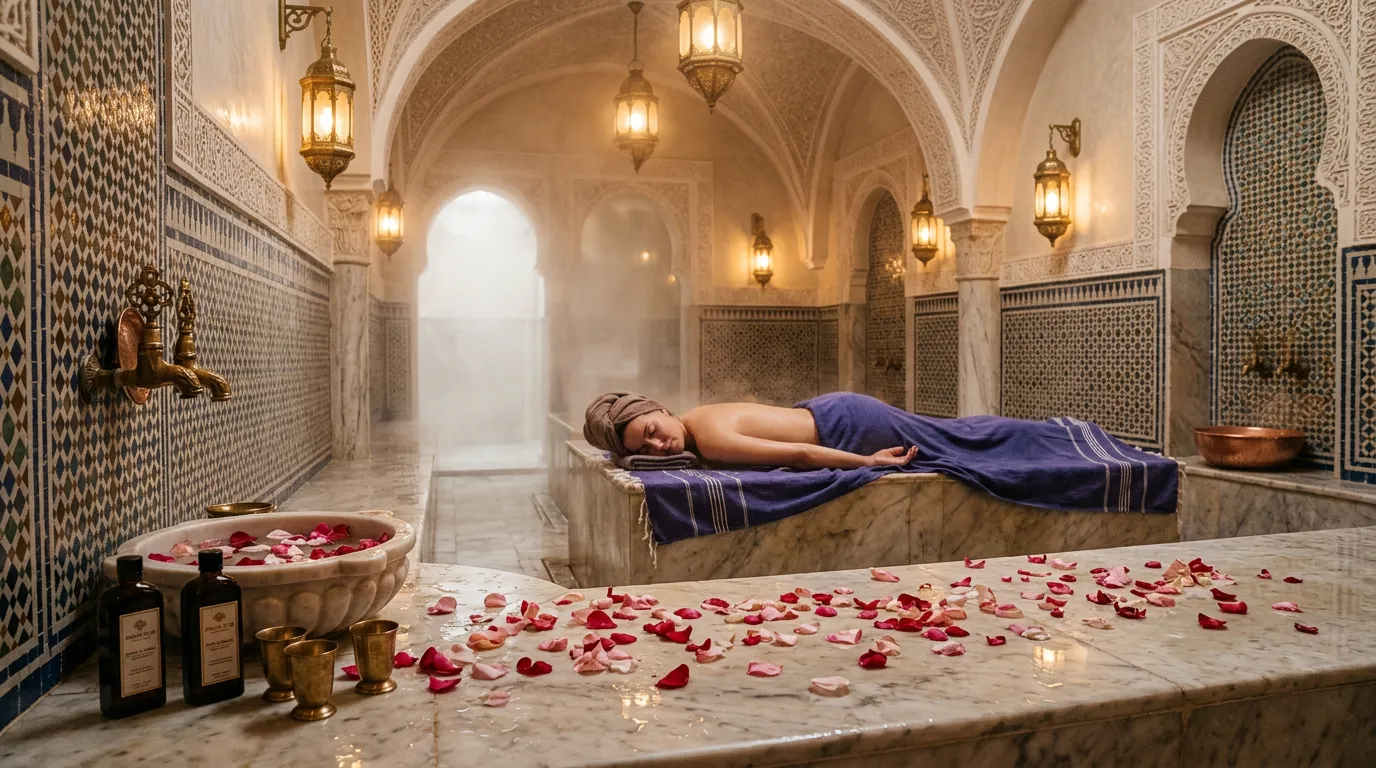
4.9
Ultra-Luxury Palace Spa
Royal Mansour Spa
One of the most luxurious spas in Africa, set within the Royal Mansour palace hotel. The 2,500 square meter spa features a traditional hammam, indoor pool, beauty salon, and treatment rooms offering both Moroccan and international wellness protocols. The signature Royal Hammam uses 24-carat gold leaf for the ultimate indulgence.
Gold leaf hammamIndoor pool2,500 sqm facilityPalace setting
From 1,500 MAD
4.9
Heritage Luxury Spa
La Mamounia Spa
The legendary La Mamounia hotel's spa draws on centuries of Moroccan beauty traditions. Set in lush gardens, the spa includes a traditional hammam, vitality pool, and an extensive menu of treatments using locally sourced ingredients: argan oil, orange blossom, Atlas Mountain herbs, and Saharan minerals.
Heritage hammamGarden settingOrange blossom ritualVitality pool
From 1,200 MAD
4.8
Boutique Medina Spa
Heritage Spa
A beautifully designed spa in the medina that blends Moroccan architectural heritage with world-class services. Known for its exceptional gommage technique and premium locally sourced products, including argan oil from Essaouira and rose water from the Dades Valley. An intimate, authentic experience.
Medina locationLocal productsExpert gommageIntimate setting
From 500 MAD
4.9
Premium Day Spa
Les Bains de Marrakech
A palatial spa near the Saadian Tombs offering the most comprehensive hammam and wellness experience in Marrakech. Spread across multiple levels of a grand riad, it features a traditional hammam circuit, private treatment suites, a swimming pool, and a rooftop terrace. Half-day and full-day packages available.
Multi-level venueSwimming poolFull-day packagesRooftop terrace
From 600 MAD
Fes
— Imperial Heritage & Authentic Hammams
4.8
Riad Palace Spa
Spa Laaroussa
Located within the exquisite Riad Laaroussa in the heart of the Fes medina, this intimate spa offers a deeply authentic hammam experience in a 17th-century palace setting. The hammam chamber features original tadelakt walls and is heated by a traditional wood-fired boiler, preserving centuries-old methods.
17th-century palaceWood-fired heatingOriginal tadelaktPrivate experience
From 400 MAD
4.7
Luxury Hotel Spa
Riad Fes Spa
The spa at the five-star Riad Fes is one of the most luxurious wellness experiences in the imperial city. Built into the ancient riad architecture, it features a marble hammam, a swimming pool, and treatment rooms overlooking the medina rooftops. The signature Ceremony of the Senses combines hammam with a full aromatherapy journey.
Marble hammamRooftop viewsSwimming poolAromatherapy packages
From 500 MAD
4.7
Boutique Hammam
Le Bain Bleu
A beautifully designed private hammam in the Fes medina offering a curated experience with local beauty products. The blue-tiled rooms reference the famous Fes blue pottery tradition. A relaxed, artist-designed space that perfectly bridges tradition and modern aesthetics. Couples treatments available.
Blue-tiled roomsArtisan designLocal productsCouples treatments
From 400 MAD
Essaouira
— Coastal Wellness & Thalassotherapy4.8
Resort Thalassotherapy Spa
Sofitel Mogador Spa
A world-class thalassotherapy center on the Essaouira coast. The spa uses Atlantic seawater in hydrotherapy pools, jet showers, and body wraps. Combined with Moroccan hammam traditions and argan oil treatments sourced from the local cooperatives, it offers a uniquely Moroccan coastal wellness experience.
ThalassotherapyOcean viewsSeawater poolsLocal argan treatments
From 600 MAD
4.7
Boutique Palace Spa
Heure Bleue Palais Spa
Set within a beautifully restored French colonial palace overlooking the medina and Atlantic, this intimate spa combines European spa techniques with traditional Moroccan treatments. The rooftop pool with ocean views provides a serene setting for post-treatment relaxation.
Rooftop poolOcean viewsPalace settingEuropean-Moroccan fusion
From 400 MAD
Agadir
— Beach Resort & Thalassotherapy Hub4.7
Thalassotherapy Center
Atlantic Palace Thalasso & Spa
One of Morocco's premier thalassotherapy centers, located on the Agadir beachfront. The center uses heated Atlantic seawater in a range of hydrotherapy treatments including jet baths, affusion showers, seaweed wraps, and underwater massage. A complete health-focused spa experience overseen by medical professionals.
Medical thalassotherapyBeachfront locationSeaweed treatmentsProfessional oversight
From 500 MAD
4.8
Luxury Resort Spa
Sofitel Agadir Royal Bay Spa
A sprawling spa within the Sofitel resort featuring both thalassotherapy and traditional Moroccan treatments. The spa includes an indoor seawater pool, hammam, beauty center, and extensive treatment menu. The argan oil ritual, using locally pressed oil from the Souss Valley, is a signature experience.
Seawater poolArgan oil ritualResort settingComprehensive menu
From 500 MAD
4.6
Resort Wellness Center
Tikida Golf Palace Spa
A large wellness center within the Tikida Golf Palace resort. The spa offers traditional hammam, thalassotherapy, and modern fitness facilities. Particularly well-suited for active wellness travelers who want to combine golf, swimming, and spa treatments in a single resort setting.
Golf resort settingThalassotherapyFitness centerMultiple pools
From 400 MAD
Yoga & Meditation Retreats
Morocco's diverse landscapes — from Atlantic surf beaches to Atlas mountain peaks to Saharan dunes — provide extraordinary backdrops for yoga and meditation practice.
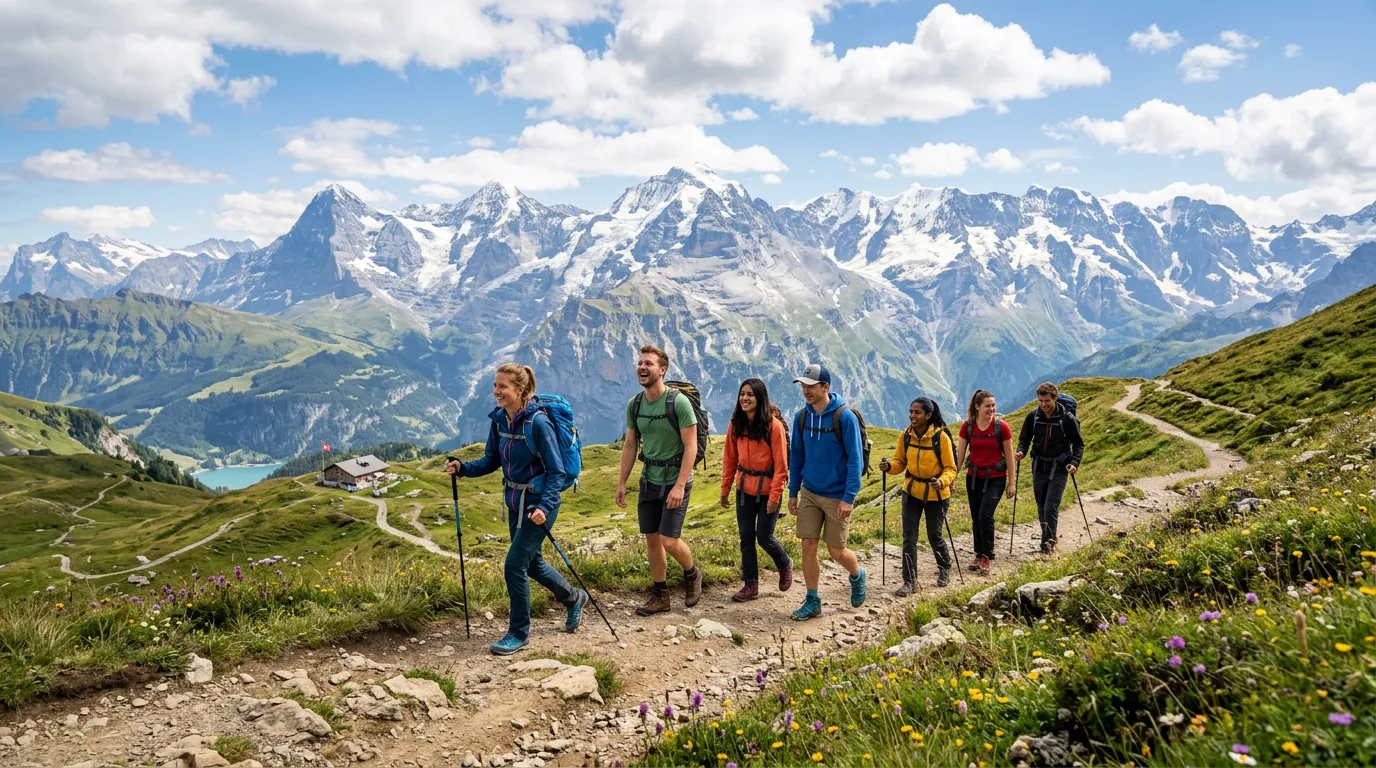
Retreat
Surf & Yoga Retreat Taghazout
Taghazout 7 days
Combine daily yoga sessions with world-class surfing on the Atlantic coast. Rooftop yoga at sunrise, surf lessons during the day, and meditation at sunset. Healthy organic meals and a relaxed community atmosphere make this a favorite for solo travelers.
Daily yogaSurf lessonsOrganic mealsOcean views
From 5,500 MAD
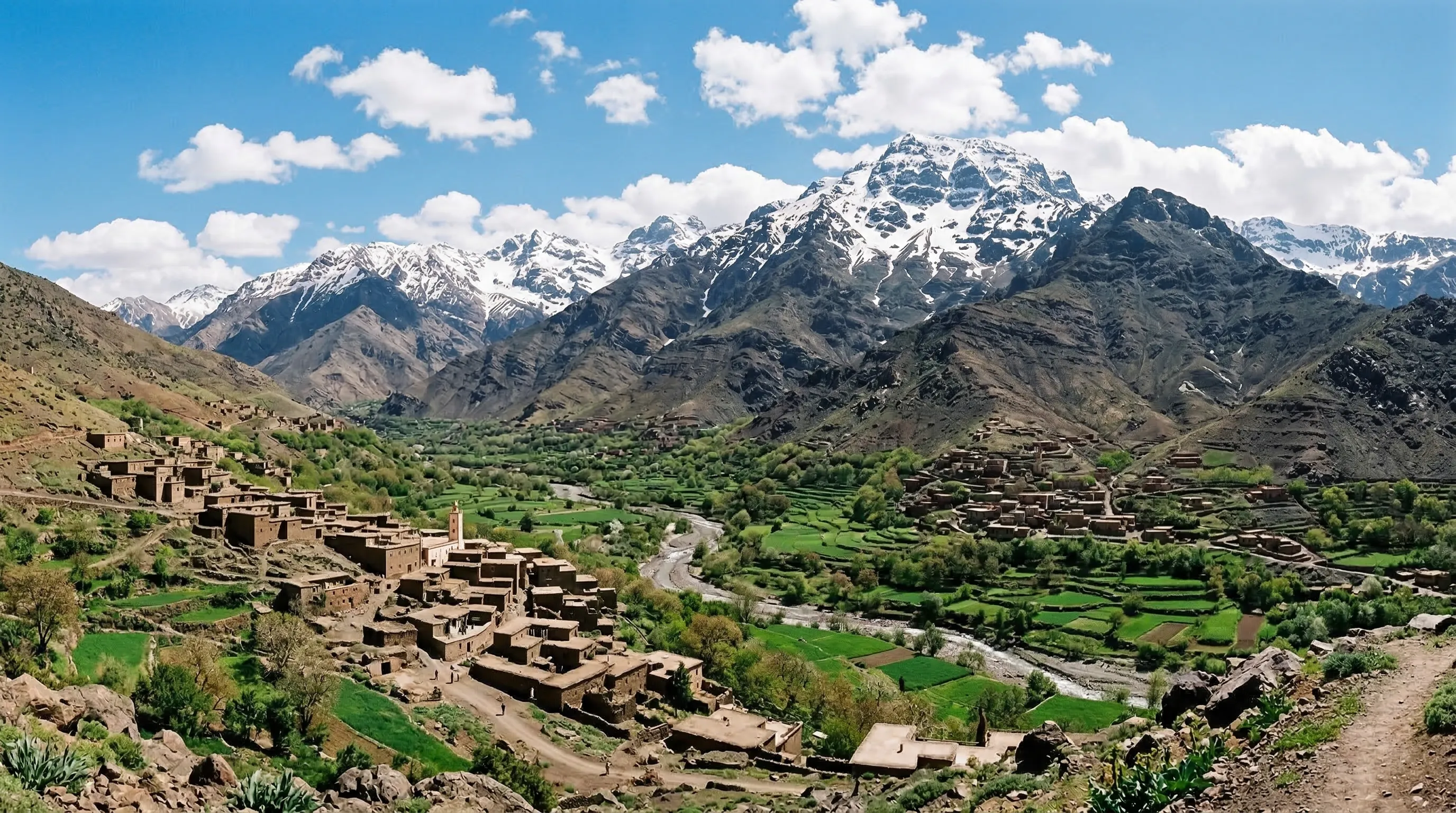
Retreat
Atlas Mountain Yoga Escape
Imlil 5 days
A secluded retreat in the High Atlas Mountains with daily yoga practice, guided mountain walks, and traditional Berber hospitality. The crisp mountain air and panoramic views create a transformative setting for deepening your practice.
Mountain yogaGuided hikesBerber cuisineMeditation
From 4,200 MAD
Retreat
Essaouira Mindfulness Retreat
Essaouira 4 days
A holistic retreat combining mindfulness meditation, gentle yoga, and creative workshops in a restored riad overlooking the Atlantic. Perfect for those seeking inner peace and creative inspiration in the windswept coastal city.
MindfulnessGentle yogaArt workshopsSea views
From 3,800 MAD

Retreat
Sahara Desert Yoga Retreat
Merzouga 3 days
A unique retreat that combines yoga and meditation with the transformative power of the Sahara. Practice on the dunes at sunrise, meditate under the stars, and experience profound desert silence that resets the nervous system.
Desert yogaStargazingCamel trekSound healing
From 3,500 MAD

Retreat
Riad Retreat Marrakech
Marrakech 4 days
An urban retreat in a luxurious medina riad. Daily yoga in the courtyard garden, hammam sessions, cooking classes, and guided medina walks create the perfect combination of wellness and cultural immersion in the Red City.
Riad yogaHammam includedCooking classMedina tour
From 4,500 MAD
Retreat
Dades Valley Yoga & Hiking
Dades Gorge 5 days
Set in the dramatic landscape of the Dades Gorge with morning yoga on the terrace overlooking the canyon, afternoon hikes through rose-filled valleys, and evening meditation sessions. The scenery alone is profoundly restorative.
Canyon viewsValley hikesRose valleyStargazing
From 3,900 MAD
Thalassotherapy
Morocco's Atlantic coastline provides the foundation for world-class thalassotherapy centers — spa facilities that use heated seawater, seaweed, marine mud, and ocean climate for therapeutic treatments.
What Is Thalassotherapy?
Thalassotherapy (from the Greek “thalassa” meaning sea) uses the therapeutic properties of seawater, marine products, and the maritime climate to promote health and well-being. The Atlantic Ocean off Morocco's coast is rich in minerals, trace elements, and marine organisms that are absorbed through the skin during treatments.
Treatments typically include heated seawater baths and jet showers, underwater massage, algae and seaweed body wraps, marine mud applications, and aquagym sessions. Medical thalassotherapy programs are designed in consultation with physicians and can address chronic fatigue, joint pain, respiratory conditions, and post-surgical recovery.
Benefits of Thalassotherapy
Pain Relief
Warm seawater and hydrotherapy jets relieve muscle tension, joint pain, and arthritis symptoms.
Circulation
Marine mineral absorption improves blood circulation and lymphatic drainage.
Respiratory Health
Iodine-rich sea air and steam treatments clear respiratory passages.
Skin Renewal
Seaweed wraps and marine mud detoxify the skin and promote cell regeneration.
Stress Reduction
The combination of warm water, massage, and ocean atmosphere profoundly reduces stress and anxiety.
Post-Surgical Recovery
Medical thalassotherapy programs accelerate healing and restore mobility after surgery.
Top Thalassotherapy Centers
Essaouira
Sofitel Mogador Thalasso Center
Morocco's premier thalassotherapy destination. The center pumps fresh Atlantic seawater directly into treatment rooms, maintaining it at therapeutic temperatures. Treatments include seawater jet baths, algae body wraps, underwater pressure massage, and affusion showers. A 3-day thalassotherapy cure is the most popular package, addressing fatigue, joint pain, and stress.
Seawater jet bathsAlgae wrapsUnderwater massageAffusion showersAquagym
From 600 MAD per session / 3,500 MAD for 3-day cure
Agadir
Atlantic Palace Thalasso
A medically supervised thalassotherapy center on the Agadir seafront. The facility uses heated Atlantic seawater in a full circuit of hydrotherapy treatments. Programs are designed in consultation with on-site physicians and can target specific health goals including post-surgical recovery, chronic pain management, and weight management.
Medical consultationSeawater circuitSeaweed therapyPressotherapyMarine mud wraps
From 500 MAD per session / 4,000 MAD for 4-day program
El Jadida
Mazagan Beach Resort Thalasso
A 2,000 square meter oceanfront thalassotherapy center combining seawater treatments with Moroccan hammam traditions. The Atlantic seawater is used in hydrotherapy pools, jet showers, and body wraps. One of the most comprehensive thalassotherapy facilities in North Africa, with both wellness and medical programs available.
Hydrotherapy circuitSeawater jacuzziOcean-view hammamMarine body wrapsReflexology
From 600 MAD per session / 5,000 MAD for 5-day program
Desert Wellness Retreats
The Sahara Desert offers a form of wellness that no spa can replicate. The vast silence, the infinite horizon, and the absence of modern distractions create a powerful environment for mindfulness, healing, and inner renewal.
Sand Bathing Therapy (Psammotherapy)
In Merzouga, the ancient practice of burying oneself in hot sand has been used by locals for generations to treat rheumatism, joint pain, and skin conditions. During summer months (June to September), the desert sand reaches temperatures of 60 to 70 degrees Celsius. Patients are buried up to their neck for 10 to 20 minutes under supervision. Several guesthouses in Merzouga offer organized sand bath experiences.
Merzouga 100-200 MAD per session
Digital Detox Desert Camps
Several luxury desert camps now offer structured digital detox programs. Surrender your devices on arrival and spend 2 to 3 days immersed in the desert: journaling, sandboarding, stargazing, and sharing stories around the campfire. Participants consistently report improved sleep, reduced anxiety, and renewed perspective.
Erg Chebbi / Erg Chigaga From 2,500 MAD (2-3 days)
Dune Meditation & Sound Healing
Guided meditation sessions on the dunes at sunrise and sunset harness the desert's natural silence. Many retreats incorporate sound healing with Berber drums, Tibetan singing bowls, and the natural acoustics of the desert landscape. The complete absence of light pollution also makes the Sahara one of the best stargazing locations on Earth.
Merzouga / M'Hamid From 1,500 MAD (2 days)
Nomadic Wellness Caravans
Multi-day camel treks with wellness elements woven throughout: morning stretching on the dunes, wild herb identification with Berber guides, cooking over open fire, sleeping under the stars, and practicing gratitude in the vast silence. These journeys mirror the ancient trade caravan routes and provide a deeply transformative experience.
M'Hamid to Erg Chigaga From 3,000 MAD (3 days)
Traditional Berber Healing
The Amazigh (Berber) people of Morocco have preserved a rich tradition of natural healing that predates Arab influence by centuries. These practices are still alive in mountain villages, medina herbalist shops, and increasingly in wellness retreats.
Herbal Medicine (Al-Attar)
The Berber herbalist tradition is one of the oldest in North Africa. Every medina has its own attar (herbalist) whose shop is stacked floor-to-ceiling with dried herbs, roots, barks, and minerals. Common Berber remedies include thyme tea for colds and respiratory ailments, wormwood (chiba) for digestive issues, verbena (louiza) for relaxation and sleep, and fenugreek for general vitality. Many of these remedies have been validated by modern research.
Honey Therapy
Moroccan mountain honey, particularly from the Atlas and Rif regions, is prized for its therapeutic properties. Thyme honey is used for wound healing and sore throats. Euphorbia honey (daghmous) is believed to boost immunity and treat respiratory conditions. Many Berber healers combine honey with black seed (nigella) oil, known locally as habbat al-barakah (the blessed seed), for a powerful immune-boosting tonic.
Cupping (Hijama)
The practice of wet and dry cupping has deep roots in Moroccan traditional medicine. Performed by experienced practitioners (hajjam), cupping involves placing heated glass cups on the skin to create suction, which is believed to improve blood flow, reduce pain, and remove toxins. In Morocco, cupping is traditionally performed on specific days and combined with herbal preparations.
Aromatic Steam Treatments
Berber women have long used aromatic steam treatments (tbukhira) for both beauty and health. A clay pot filled with water and herbs (rosemary, thyme, eucalyptus, lavender) is heated, and the patient sits draped in a blanket over the fragrant steam. This home remedy treats congestion, skin ailments, and general fatigue. It is essentially a personal, portable hammam experience.
Spiritual Healing & Music Therapy
The Gnawa tradition combines spiritual healing with music. Gnawa ceremonies (lilas) involve hypnotic rhythms played on the guembri (bass lute) and metal castanets (qraqeb), combined with chanting, incense, and trance. While rooted in spiritual belief, the ceremonies have documented therapeutic effects, particularly for stress and psychological well-being. UNESCO recognized Gnawa culture as Intangible Cultural Heritage in 2019.
A Note on Traditional Healing
Traditional Berber healing practices are part of a living cultural heritage and should be approached with respect and an open mind. While many herbal remedies have been validated by modern research, traditional healing is not a substitute for professional medical care. Always consult a qualified medical practitioner for serious health concerns. When visiting herbalists (attarin) in the medina, be aware that some may exaggerate the properties of their products for commercial purposes.
Spa & Wellness Price Guide
What to expect to pay for wellness experiences across Morocco, from budget-friendly public hammams to luxury resort spa retreats.
| Experience | Budget | Mid-Range | Luxury |
|---|---|---|---|
| Public hammam entry | 15-30 MAD | N/A | N/A |
| Public hammam + gommage | 50-80 MAD | N/A | N/A |
| Hotel / riad hammam | N/A | 200-500 MAD | N/A |
| Luxury spa hammam package | N/A | N/A | 500-2,000 MAD |
| Full-body argan oil massage | 100-200 MAD | 300-500 MAD | 600-1,500 MAD |
| Thalassotherapy session | N/A | 400-600 MAD | 800-1,500 MAD |
| Yoga retreat (per day) | 300-500 MAD | 600-1,000 MAD | 1,500-3,000 MAD |
| Desert wellness retreat (3 days) | 1,500-2,500 MAD | 3,000-5,000 MAD | 8,000-15,000 MAD |
| Henna body art session | 50-100 MAD | 150-300 MAD | 300-500 MAD |
| Argan oil (cosmetic, per liter) | 150-250 MAD | 250-400 MAD | 400-600 MAD |
| Rose water (per 500ml) | 30-50 MAD | 50-80 MAD | 80-150 MAD |
All prices in Moroccan Dirham (MAD). 10 MAD is approximately 1 USD / 0.90 EUR. Prices as of 2025 and may vary by season and establishment.
What to Bring to a Hammam
Your packing list depends entirely on whether you are visiting a public or private hammam. Here is everything you need for each.
Public Hammam Checklist
Towel (large)
For drying off afterward; not provided in public hammams
Flip-flops
Essential for hygiene on wet tile floors
Change of underwear
Your hammam pair will be soaked
Plastic bag
For wet items after the session
Black soap (savon beldi)
Can buy at entrance for 10-20 MAD
Exfoliating glove (kessa/kiis)
Can buy at entrance for 10-20 MAD
Ghassoul clay
Optional; can buy at entrance for 10-20 MAD
Small bottle of argan oil
For post-hammam skin moisture
Water bottle
Stay hydrated; the heat is intense
Small amount of cash
20-50 MAD for tayaba tip + 15-30 MAD entry
Private / Luxury Hammam Checklist
Nothing required
Everything is provided: towels, robes, slippers, products
Swimsuit (optional)
Disposable underwear is usually provided
Water bottle
Some spas provide water, but bring your own to be safe
Cash or card for tip
50-100 MAD for your therapist is appreciated
Pro Tip
Even at luxury hammams, bring your own water bottle. The heat is dehydrating, and while most spas provide water, having your own ensures you stay hydrated throughout the experience. Avoid caffeine and alcohol before and immediately after your hammam session.
Explore More Morocco Guides
Continue planning your Moroccan wellness journey with these related guides.
Traditional Hammam Guide
Deep dive into the Moroccan hammam experience with the top 12 hammams across Morocco.
Wellness & Healing
Broader wellness guide covering hot springs, mountain retreats, and holistic healing.
Yoga Retreats
Dedicated guide to yoga and meditation retreats across Morocco.
Argan Oil Guide
Everything about Morocco's liquid gold: production, uses, and where to buy.
Moroccan Culture & Etiquette
Cultural customs, dress codes, and social norms for respectful travel in Morocco.
Activities & Experiences
Browse all activities and bookable experiences across Morocco.
Ready to Experience Moroccan Wellness?
Whether you seek the ancient ritual of the hammam, the healing power of argan oil, or the profound silence of the Sahara, Morocco offers wellness experiences found nowhere else on Earth.