The Amazigh, commonly known as Berbers, are the indigenous people of North Africa with a culture predating the Arab conquest by millennia. Today, their traditions remain a vital part of Morocco's cultural fabric.
Who are the Amazigh? The Amazigh (meaning "free people") are the original inhabitants of North Africa. They have their own language (Tamazight, now an official language of Morocco), alphabet (Tifinagh), and rich cultural traditions distinct from Arab Moroccan culture.
Language: Tamazight has three main dialects in Morocco: Tarifit (Rif), Tamazight (Middle Atlas), and Tashelhit (High Atlas and Souss). Since 2011, Amazigh has been an official language alongside Arabic.
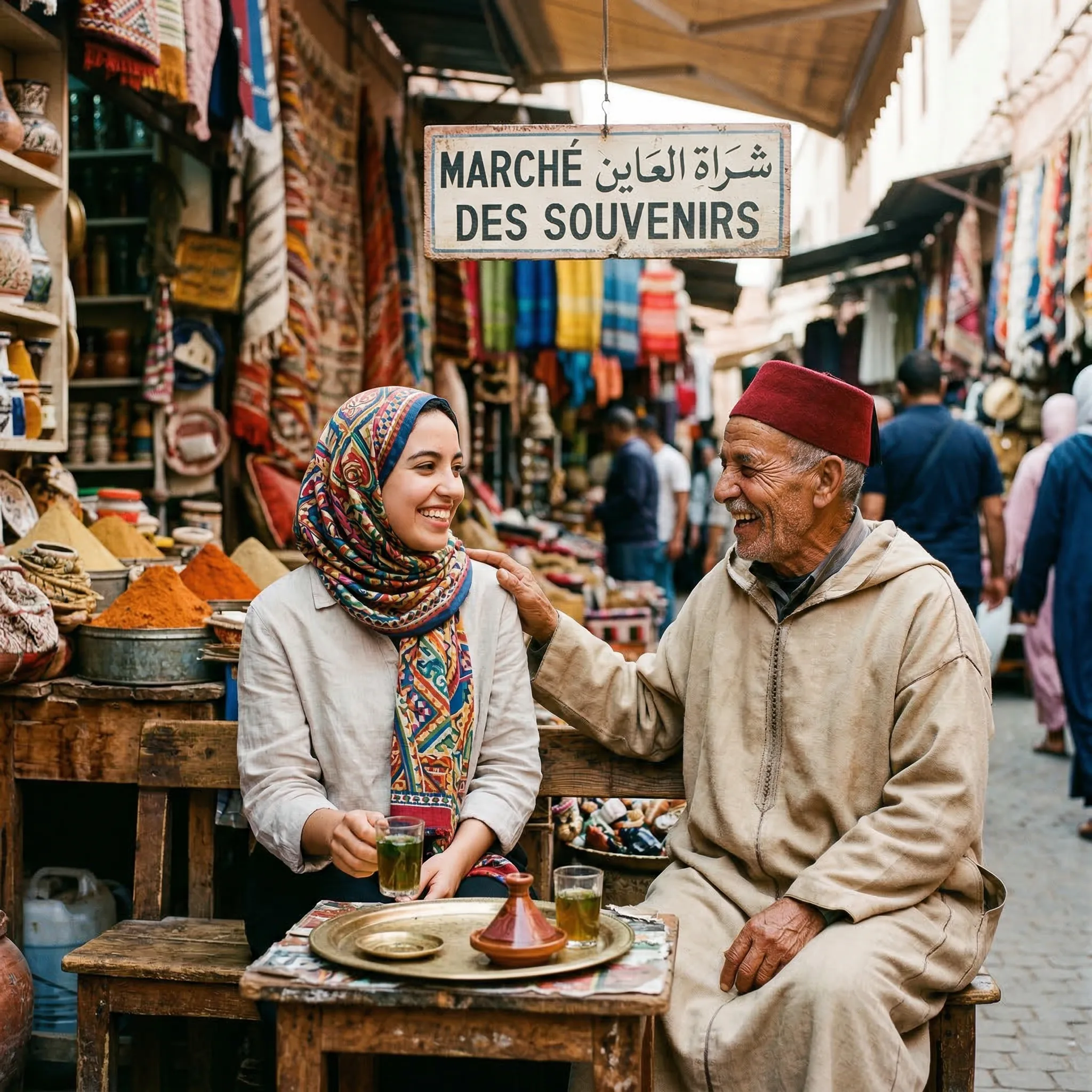
Village Life: Berber villages cling to mountain slopes in the Atlas and Rif ranges. Life revolves around agriculture, livestock, and community. Hospitality is a sacred value, and visitors are often invited for tea and meals.
Visiting Respectfully: Hire a local guide who knows the community. Ask permission before taking photos. Dress modestly. Accept tea when offered. Support the local economy by buying directly from artisans.
Festivals: The Imilchil Marriage Festival is the most famous Amazigh celebration, where young men and women from surrounding tribes gather to choose their partners. Other festivals celebrate the harvest, the new year (Yennayer), and seasonal changes.
Crafts: Amazigh women are renowned for their weaving, producing carpets, blankets, and textiles with symbolic geometric patterns. Each region has its own distinctive style, colors, and motifs that tell stories of the weaver's life.

Written by
Youssef Amrani
Born in Fes, educated in Paris. 15 years in travel journalism covering North Africa and the Mediterranean.