Medina Food Tour
Taste your way through centuries of culinary heritage in Morocco's ancient medinas. From sizzling kefta on charcoal grills to honey-soaked chebakia in hidden pastry shops, every narrow alley reveals a new flavor.
250-1200
MAD / Person
3-6
Hours
4.8
Rating
15+
Tastings
The Soul of Morocco Is on the Plate
Morocco's medinas are living, breathing culinary museums. Every twisted alleyway, every sunlit courtyard, every smoke-filled grill station tells a story that stretches back through Berber, Arab, Andalusian, and French influences to create one of the world's most complex and rewarding food cultures. A medina food tour is not merely a meal -- it is an immersion into the heart of Moroccan identity.
The street food tradition in Morocco is ancient and deeply democratic. Kings and laborers eat at the same stalls. The best harira in the city might come from a woman ladling soup from a cart on an unnamed corner. The most extraordinary mechoui might be found behind a doorway you would walk past a hundred times without noticing. This is why a knowledgeable local guide transforms a walk through the medina from a pleasant stroll into a revelatory journey through centuries of culinary craft.
From the pre-dawn bakers pulling golden khobz from wood-fired ovens to the late-night grill masters turning kefta skewers over glowing charcoal at Jemaa el-Fna, Morocco's medinas feed millions of people every day with food that is fresh, flavorful, and astonishingly affordable. A complete street food lunch that would cost 200 MAD in a restaurant can be assembled for 30-40 MAD from the right vendors -- and it will taste better.
Whether you join a guided tour or venture out on your own armed with this guide, the medina food experience will reshape your understanding of Moroccan cuisine and leave you with flavors that linger long after you have returned home.
Your Culinary Journey
A Day of Flavors: Morning to Night
A comprehensive food tour spans three distinct routes, each capturing a different rhythm of the medina's culinary life. Follow one or combine all three for the ultimate experience.
Morning Route (8:00 AM - 12:00 PM)
Bakeries, Breakfast & the Spice Souk
Neighborhood Ferran (Bakery)
Begin at a communal wood-fired bakery where locals bring their own dough to bake. Taste fresh khobz straight from the oven, still warm and fragrant, alongside baghrir (semolina pancakes) drizzled with honey and butter.
Sfenj Cart
Follow the aroma to a sfenj vendor frying Moroccan doughnuts in a cauldron of hot oil. Eat them within seconds of leaving the fryer -- the texture is incomparable when fresh. Pair with a glass of bissara from the neighboring stall.
Olive & Pickle Souk
Navigate the barrels of cured olives in every shade from green to deep purple. Sample varieties marinated in harissa, preserved lemons, garlic, or herbs. Learn to distinguish cured from brined and find your favorite for a take-home bag.
Spice Souk (Rahba Kedima)
Enter the aromatic heart of the medina. Pyramids of cumin, saffron, ras el hanout, and turmeric glow in shafts of sunlight. A knowledgeable guide teaches you to identify quality saffron, test cumin freshness, and understand the 20+ ingredients in ras el hanout.
Afternoon Route (2:00 PM - 5:00 PM)
Hidden Stalls, Artisan Foods & Sweet Treats
Mechoui Alley
Tucked behind a nondescript doorway in the Marrakech medina, a row of vendors display whole roasted lambs. Watch the carver pull apart impossibly tender meat and serve it on a plate with cumin salt and bread. This is pure, elemental Moroccan food.
Tangia Workshop
Visit a tangia artisan who prepares the clay urns of seasoned meat each morning for delivery to the hammam furnace. Learn the centuries-old technique and taste a tangia that has been slow-cooking since dawn.
Traditional Pastry Shop
Step into a medina patisserie where artisans hand-shape chebakia, briouat, and gazelle horns (kaab el ghzal). Sample the flaky, honey-soaked creations alongside a glass of freshly brewed mint tea.
Argan Oil Cooperative
Meet the women who hand-crack and cold-press argan nuts into Morocco's liquid gold. Taste the difference between culinary argan oil (toasted, nutty, intense) and cosmetic-grade oil. Purchase directly from the cooperative.
Evening Route (6:00 PM - 9:30 PM)
Night Market, Grills & the Jemaa el-Fna Feast
Snail Soup Stand
As the sun sets, the snail soup vendors set up their steaming cauldrons. Join the locals perched on stools around the cart, sipping the herbaceous broth and fishing out snails with a toothpick. An unmissable and deeply local experience.
Jemaa el-Fna Food Stalls
The famous square transforms into the world's largest open-air restaurant each evening. Navigate over 100 stalls offering grilled meats, seafood, harira, salads, and fresh juices. Your guide leads you to the best vendors and helps you order like a local.
Kefta & Brochette Grill Row
Sit down at a charcoal grill stall where flames lick skewers of lamb, chicken, and kefta. The smoke, the sizzle, the crush of diners -- this is Moroccan street food at its most theatrical and delicious.
Rooftop Mint Tea Finale
End the evening at a rooftop cafe overlooking the medina. Sip mint tea poured from height by a practiced hand, taste one final pastry, and reflect on a day of extraordinary flavors as the call to prayer echoes across the ancient city.
The Essential Tastings
15+ Must-Try Moroccan Street Foods
From savory slow-cooked meats to flaky honey-soaked pastries, these are the dishes that define Morocco's extraordinary street food culture. Prices listed are typical street vendor rates.
Tangia Marrakchia
40-60 MADThe iconic bachelor's dish of Marrakech. Seasoned lamb or beef is slow-cooked overnight in a clay urn nestled in the embers of a hammam furnace. The result is meltingly tender meat with an intense, smoky depth that no oven can replicate. Traditionally prepared by men for Friday gatherings.
B'stilla (Pastilla)
20-40 MADA magnificent layered pastry that encapsulates Morocco's culinary sophistication. Flaky warqa dough wraps around spiced pigeon or chicken, almonds, and eggs, dusted with cinnamon and powdered sugar. The interplay of sweet and savory defines Moroccan cuisine at its finest.
Harira
5-10 MADMorocco's beloved lentil and tomato soup, rich with chickpeas, fresh herbs, and often lamb. This is the quintessential Ramadan iftar dish, served at sunset to break the fast. Street vendors sell it year-round from steaming cauldrons, ladled into earthenware bowls.
Msemen
3-8 MADSquare, flaky flatbread cooked on a flat griddle until golden and crispy on the outside, soft and layered within. Eaten plain with honey and butter for breakfast, or stuffed with spiced kefta, onions, and herbs for a heartier street snack. Watch the vendors stretch and fold the dough with mesmerizing skill.
Tanjia-Style Lamb Mechoui
30-50 MAD per portionWhole lamb slow-roasted in an underground clay oven for hours until the meat falls apart at the touch. Vendors display the glistening carcass and carve portions to order, served with cumin salt and fresh bread. The fat renders to a silky, smoky richness.
Snail Soup (Babbouche)
5-10 MADAn earthy, aromatic broth simmered with thyme, licorice root, caraway, and peppercorns, filled with dozens of small garden snails. Believed to have digestive and warming properties. The broth is the real star -- complex, herbaceous, and unlike anything else in Moroccan cuisine.
Sfenj (Moroccan Doughnuts)
1-2 MAD eachLight, airy rings of unsweetened fried dough, served piping hot from the fryer. Deceptively simple, the best sfenj have a delicate crunch outside and a cloud-like interior. Eaten plain, dipped in sugar, or drizzled with honey. The ultimate Moroccan breakfast street food.
Kefta Brochettes
15-25 MADSpiced ground lamb or beef formed around metal skewers and grilled over charcoal until charred and juicy. Seasoned with cumin, paprika, onion, and fresh parsley. Served with bread, harissa, and a simple salad of tomatoes and onions. The smoke and sizzle draw you in from a block away.
Zaalouk
10-15 MADA smoky, garlicky salad of roasted eggplant and tomatoes, seasoned with cumin, paprika, and olive oil. Served warm or at room temperature with crusty khobz bread for dipping. One of Morocco's most beloved cooked salads and a staple of every meal.
Bissara
5-8 MADA thick, velvety soup of dried split fava beans, pureed to a smooth consistency and finished with a generous pour of olive oil, cumin, and paprika. This is the working-class breakfast of northern Morocco, hearty, nourishing, and deeply satisfying on cool medina mornings.
Maakouda (Potato Fritters)
3-5 MADGolden, crispy-coated potato cakes spiced with cumin and turmeric, deep-fried until crackling. Often tucked into a khobz sandwich with harissa and chopped salad. A beloved street snack that delivers maximum satisfaction for minimal dirhams.
Khobz (Moroccan Bread)
1.5-3 MAD per loafRound, dense, and slightly chewy, khobz is the backbone of every Moroccan meal. Baked fresh in communal wood-fired ovens each morning, the bread is used as a utensil to scoop tagines, salads, and soups. Follow the aroma of baking bread to find the neighborhood ferran (bakery).
Moroccan Mint Tea
5-15 MADGunpowder green tea brewed with generous bundles of fresh spearmint and sweetened liberally with sugar, poured from height to create a frothy top. More ritual than beverage, mint tea is Morocco's symbol of hospitality and the punctuation mark of every social interaction.
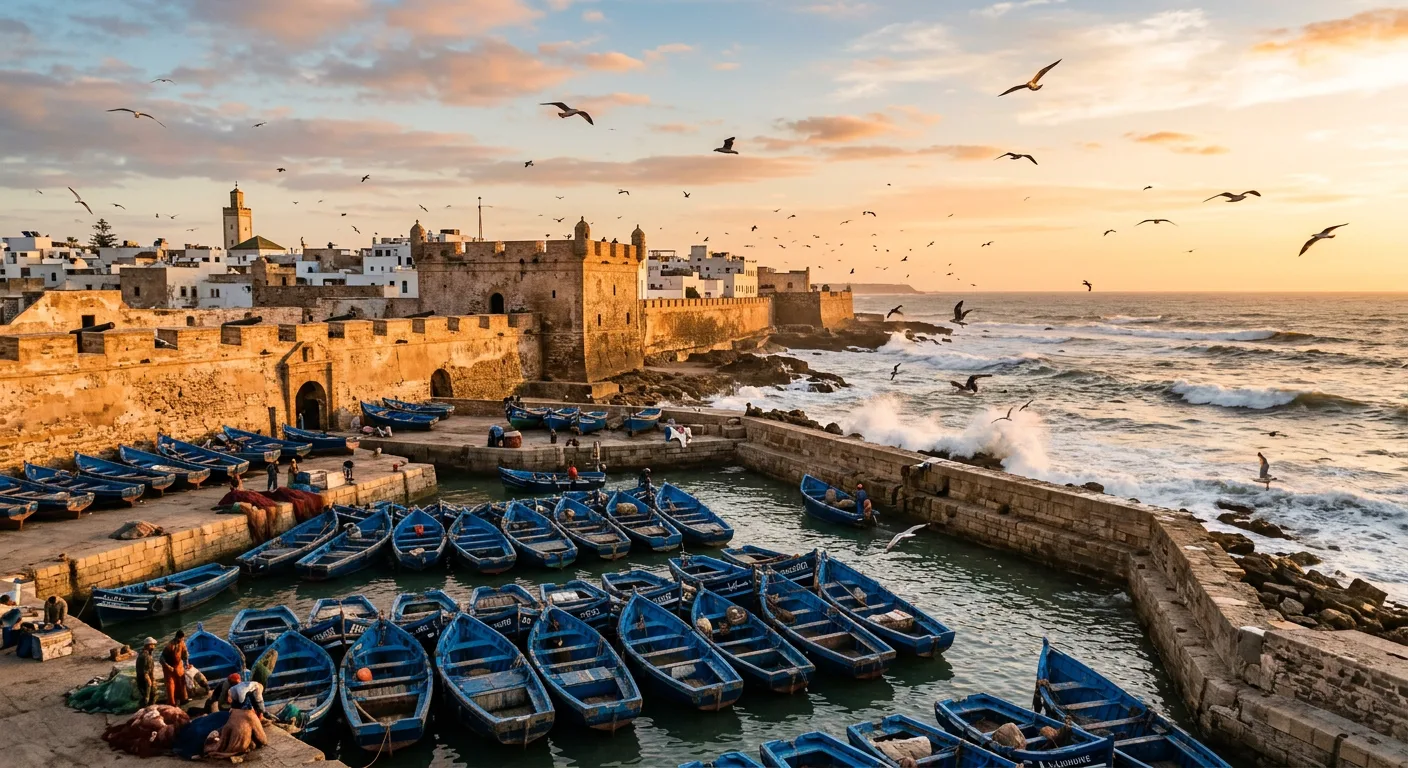
Fresh Orange Juice
4-10 MADStalls piled high with pyramids of oranges press juice to order in front of you. Morocco's oranges are exceptionally sweet and aromatic, especially during the winter season. At Jemaa el-Fna, dozens of competing vendors line the square, creating a festival of citrus color.
Chebakia
5-15 MAD per pieceAn intricate flower-shaped pastry of sesame-coated dough, deep-fried until crisp, then soaked in warm honey. Scented with orange blossom water, anise, and cinnamon, chebakia is the signature sweet of Ramadan but available year-round in medina pastry shops.
Briouat
5-10 MAD eachCrispy triangular or cigar-shaped pastries filled with spiced minced meat, cheese, or sweetened almond paste. The warqa dough wrapper shatters on first bite, giving way to intensely flavored fillings. Both savory and sweet versions are essential medina snacks.
Trusted Guides
Best Food Tour Operators
These highly-rated operators have been vetted for food quality, guide knowledge, safety standards, and authentic local connections. Book directly for the best rates.
Marrakech
Marrakech Food Tours
Jemaa el-Fna deep dive, 10+ tastings, spice market visit, small groups (max 8)
Taste of Marrakech
Off-the-beaten-path stalls, local family kitchen visit, cooking demo included
Medina Culinary Walks
Budget-friendly, morning bakery focus, vegetarian route available
Fes
Fes Culinary Journey
Oldest medina in the world, traditional Fassi cuisine, b'stilla workshop
A Taste of Fes
Full-day experience, market shopping, cooking class, lunch included
Casablanca
Casa Food Adventures
Modern Moroccan cuisine, Central Market visit, seafood focus, Art Deco district
Casablanca Street Eats
Habous Quarter, traditional pastries, affordable local spots
Dietary Considerations
Morocco is one of the most accommodating destinations for diverse dietary needs, with deep traditions of halal, vegetarian, and naturally gluten-free cooking.
Halal
Morocco is a Muslim-majority country, so virtually all street food and restaurant food is halal by default. Meat is slaughtered according to Islamic guidelines. Alcohol is not served at street food stalls. Pork is extremely rare and clearly labeled when available in international hotels.
Vegetarian
Moroccan cuisine has an extensive tradition of vegetable-based dishes. Zaalouk, taktouka, loubia (white bean stew), vegetable tagines, couscous with seven vegetables, and dozens of cooked salads are all naturally meat-free. Most tour operators offer dedicated vegetarian routes.
Vegan
While not traditionally a vegan cuisine, many Moroccan dishes are naturally plant-based. Bissara, zaalouk, harira (meat-free versions), msemen (without butter), fruit juices, olives, and argan-oil-dressed salads are all vegan. Inform your guide in advance for a fully curated vegan route.
Gluten-Free Note
Bread is central to Moroccan dining, but many dishes are naturally gluten-free: grilled meats, tagines (without bread), salads, soups like bissara and harira, and fruit. Couscous contains gluten. Alert your guide to avoid bread-based and pastry items.
Food Safety Tips
Moroccan street food is generally safe and hygienic, especially from established vendors. Follow these practical tips for a worry-free culinary adventure.
Choose Busy Stalls
High turnover means fresh food. If locals are lined up, the food is both safe and delicious. Avoid stalls with pre-cooked food sitting at room temperature.
Eat Freshly Cooked
Prioritize food cooked to order in front of you. Sizzling grills, fresh-from-the-fryer sfenj, and steaming harira are all safe bets. Avoid buffet-style displays.
Drink Bottled Water
Tap water in Morocco is treated but may cause stomach upset for visitors. Stick to sealed bottled water, hot tea (boiled), and freshly pressed juices from trusted stalls.
Wash or Peel Fruit
Buy whole fruits you can peel yourself (oranges, bananas). Avoid pre-cut fruit from street vendors. Reputable food tour guides carry hand sanitizer and wet wipes.
Ease In Gradually
Start with milder dishes on your first day and gradually introduce richer, spicier foods. Your digestive system will adapt. Carry basic anti-diarrheal medication as a precaution.
Communicate Allergies Clearly
Learn key Arabic phrases for your allergies or carry a printed allergy card. Most Moroccan food contains nuts, gluten, and dairy. Tour guides can help communicate dietary needs to vendors.
Taste the Seasons
Seasonal Specialties
Morocco's food changes with the seasons. Each time of year brings unique ingredients, festivals, and dishes that make every visit a new culinary discovery.
Spring (March - May)
Fresh fava beans (ful), artichoke tagine, herb-laden spring salads, wild asparagus, rose-flavored pastries during the M'gouna Rose Festival in May
Summer (June - August)
Chilled avocado and almond milkshakes, watermelon juice, fig season begins, cold zaalouk salads, prickly pear cactus fruit (available at street carts)
Autumn (September - November)
Date harvest (especially from Zagora and Erfoud), pomegranate season, olive pressing season, fresh argan oil, quince tagine
Winter (December - February)
Peak orange season (sweetest juice), tangerine season, hearty harira and bissara soups, rfissa (festival chicken dish), preserved lemon making season
Ramadan Food Traditions
Ramadan transforms Morocco's food culture into something extraordinary. During the holy month, streets are quiet during the day, but the hours before iftar (sunset meal) buzz with preparation. The breaking of the fast follows a beloved ritual that has remained unchanged for centuries.
Harira
The essential first course of every iftar meal. Rich, warming, and nourishing after a day of fasting.
Chebakia
The signature Ramadan pastry. Flower-shaped, deep-fried, and soaked in honey with sesame seeds.
Dates & Milk
Traditionally the very first food consumed at iftar, following the Prophet's example. Moroccan dates are exceptional.
Sellou (Sfouf)
A dense, energy-rich mixture of toasted flour, almonds, sesame, and honey. Provides sustained energy during fasting.
Briouat
Crispy pastry parcels in both sweet (almond) and savory (meat) versions, prepared in enormous quantities for Ramadan.
Rghaif & Msemen
Flaky, layered flatbreads prepared fresh each evening, served with honey, butter, or savory fillings.
Visiting during Ramadan offers a unique cultural experience, but most daytime food stalls are closed. Plan food tours for after iftar (sunset). The post-iftar night markets are magical and lively.
The Aromatic Heart of the Medina
Spice Market Guide
No medina food tour is complete without navigating the spice souk. Here is what to look for, how to identify quality, and what to bring home.
Ras el Hanout
80-200 MAD/100g
Literally "head of the shop," this is the spice merchant's signature blend of 20-30 spices including cardamom, clove, cinnamon, cumin, coriander, nutmeg, and sometimes dried rosebuds. Every merchant has a proprietary recipe passed through generations.
Quality tip: The best blends are complex and fragrant, not dominated by any single spice. Ask to smell before buying and compare several vendors.
Saffron
15-30 MAD/gram
Morocco produces some of the world's finest saffron in the Taliouine region. Genuine saffron threads are deep crimson with a slightly bitter, hay-like aroma. When rubbed between wet fingers, real saffron releases a vivid golden-orange dye slowly.
Quality tip: Beware of safflower or dyed corn silk sold as saffron. Genuine threads are uniform in color and never bright red or yellow. Buy from trusted vendors only.
Cumin
20-40 MAD/100g
The backbone of Moroccan cooking, used in virtually every savory dish. Moroccan cumin is known for its warm, earthy intensity. Buy whole seeds and grind fresh for the most potent flavor.
Quality tip: Fresh cumin seeds are olive-green to brown, fragrant when rubbed. Avoid pale, dusty seeds that have lost their essential oils.
Turmeric
15-30 MAD/100g
Used for color and its earthy, peppery flavor in soups, rice, and marinades. Moroccan markets sell both whole rhizomes and ground powder. High-quality turmeric stains skin bright yellow on contact.
Quality tip: Good turmeric powder is vivid orange-yellow and fragrant. Dull, pale powder may be adulterated with fillers.
Dried Rosebuds
30-60 MAD/50g
Fragrant Damascena rose petals dried in the Dades Valley, used in ras el hanout, desserts, and the famous rose water. The Kelaat M'gouna rose festival in May celebrates this aromatic treasure.
Quality tip: Look for tightly closed buds with a deep pink color and strong, sweet fragrance. Loose, pale petals have lost their aroma.
Bargaining Advice
Bargaining is expected and part of the experience. Start by offering about 40-50% of the asking price and negotiate from there. Buy from multiple vendors to compare quality. Fixed-price shops exist and are fine, but you will pay a premium. Your food tour guide can recommend honest vendors and help negotiate fair prices.
Extend Your Experience
Cooking Class Add-Ons
Take the flavors home with you. Pair your food tour with a hands-on cooking class to master the techniques behind Morocco's most beloved dishes.
La Maison Arabe Cooking Workshop
One of the most respected cooking schools in Morocco. Classes include a guided market shopping trip to source ingredients, followed by hands-on preparation of a full Moroccan meal in a stunning riad kitchen. You learn tagine, couscous, and pastilla techniques.
Includes: Market visit, ingredients, recipe booklet, full meal, mint tea ceremony
Palais Amani Cooking Class
Set in a beautifully restored palace in the Fes medina. The class focuses on traditional Fassi cuisine, including the art of hand-rolling couscous and preparing the city's famous b'stilla. Small groups ensure personalized instruction.
Includes: Ingredients, recipe cards, full lunch, rooftop tea service
Amal Women's Training Center
A social enterprise that trains disadvantaged women in the culinary arts. Your class fee directly supports their mission. The classes are warm, intimate, and focused on home-style Moroccan cooking that you can recreate in your own kitchen.
Includes: Ingredients, recipe booklet, full meal, supporting a social cause
L'Atelier Madada
A coastal cooking experience focused on Essaouira's famous seafood traditions. Learn to prepare chermoula-marinated fish, seafood tagine, and the region's signature dishes using the freshest catch from the harbor market.
Includes: Harbor market visit, ingredients, full seafood meal, wine pairing option
Visual Feast
Flavors in Focus
A glimpse into the colors, textures, and energy of Morocco's medina food scene.
Colorful Moroccan tagine dishes at a medina food stall

Pyramids of colorful spices in a Moroccan souk

Fresh Moroccan mint tea being poured from height
Grilled kefta brochettes over charcoal flames
Fresh orange juice stalls at Jemaa el-Fna
Traditional Moroccan bread at a medina bakery
Booking & Practical Tips
Everything you need to know to plan the perfect medina food tour experience.
Book 2-3 Days Ahead
Popular operators fill up quickly, especially during peak season (October-April). Book at least 2-3 days in advance. For private tours, a week's notice is recommended. Most operators accept bookings via their website, email, or WhatsApp.
Come Hungry
Food tours involve 10-15 tastings across 3-6 hours. Skip breakfast or lunch before your tour to make the most of every stop. Pace yourself -- guides understand if you need to pause between tastings. Carry a bottle of water.
Bring Cash in MAD
Street food vendors and small medina shops accept cash only. Carry 200-300 MAD in small denominations (10, 20, 50 MAD notes) for tips, extra purchases, and spice market shopping. ATMs are available near all medina entrances.
Photography Etiquette
Ask before photographing vendors and their food. Most are happy to pose once you have purchased something. Your guide can help navigate photography etiquette. The best food photos come from the golden hour light that filters into the medina corridors.
Small Groups Are Better
Medina alleys are narrow and crowded. Tours with 8 or fewer participants allow better access to small stalls, more personal interaction with vendors, and easier navigation. Private tours for 2-4 people offer the best experience.
Tipping Guide
Tip your guide 50-100 MAD per person for a half-day tour, 100-200 MAD for a full day. Round up small purchases at stalls. If a vendor lets you photograph their craft, buying a small item (5-10 MAD) is a thoughtful gesture of appreciation.
Common Questions
Frequently Asked Questions
How much does a medina food tour cost in Morocco?
Guided medina food tours typically cost between 250-1200 MAD ($25-120 USD) per person, depending on the duration, number of tastings included, and whether a cooking class is added. Budget self-guided walks sampling street food can be done for under 100 MAD if you know where to go.
Is Moroccan street food safe to eat?
Yes, Moroccan street food is generally safe when you follow basic precautions. Eat at busy stalls with high customer turnover, choose freshly cooked items prepared in front of you, avoid pre-cut raw fruit and uncooked salads from street vendors, and drink bottled or boiled water. Guided food tours take you to vetted, hygienic vendors with established reputations.
Are there vegetarian and vegan options?
Absolutely. Moroccan cuisine features many naturally vegetarian and vegan dishes including zaalouk (roasted eggplant salad), harira (lentil soup in meat-free versions), bissara (fava bean soup), msemen with honey, fresh seasonal fruits, and a wide variety of olive and preserved lemon dishes. Most tour operators offer vegetarian-specific routes on request.
What is the best time of day for a food tour?
Morning tours (8-12 AM) are ideal for bakeries, breakfast foods, and spice markets when they are freshest and least crowded. Evening tours (5-9:30 PM) capture the electric energy of Jemaa el-Fna and the night food stalls. Avoid midday (12-3 PM) when many stalls close during the hottest hours, especially in summer.
Should I tip my food tour guide?
Yes, tipping is customary and appreciated. For a half-day food tour, 50-100 MAD per person is appropriate. For a full-day private tour, 100-200 MAD per person is standard. Tips are a significant part of guides' income in Morocco and reflect your satisfaction with the experience.
Can I do a food tour during Ramadan?
Yes, but with adjustments. Most daytime food stalls close during Ramadan as locals fast from dawn to sunset. Evening food tours after iftar (the sunset meal) are magical -- the markets come alive with special Ramadan dishes and festive energy. Many tour operators offer special Ramadan-themed evening tours.
How do I handle food allergies on a tour?
Inform your tour operator about allergies when booking. Common allergens in Moroccan food include nuts (almonds, peanuts), gluten (bread, pastries), dairy, and sesame. Carry a printed allergy card in Arabic and French. Reputable guides will communicate your needs to each vendor and suggest safe alternatives.
What should I wear on a medina food tour?
Wear comfortable walking shoes with good grip, as medina streets are narrow, uneven, and sometimes slippery. Dress modestly (covering shoulders and knees) out of respect for local culture. Bring a light layer for air-conditioned restaurants and a sun hat for outdoor market sections.
Related Experiences
Combine your food tour with these other unforgettable Moroccan experiences.