Discovering...
مرحبا بكم في المغرب
The Essenceof Morocco
Twelve centuries of heritage converge in a kingdom where artisans still chisel zellige by hand, medinas hum with medieval commerce, and the Sahara whispers stories older than any city wall. This is not sightseeing. This is immersion.
0+
UNESCO Sites
0
Imperial Cities
0+
Centuries of History
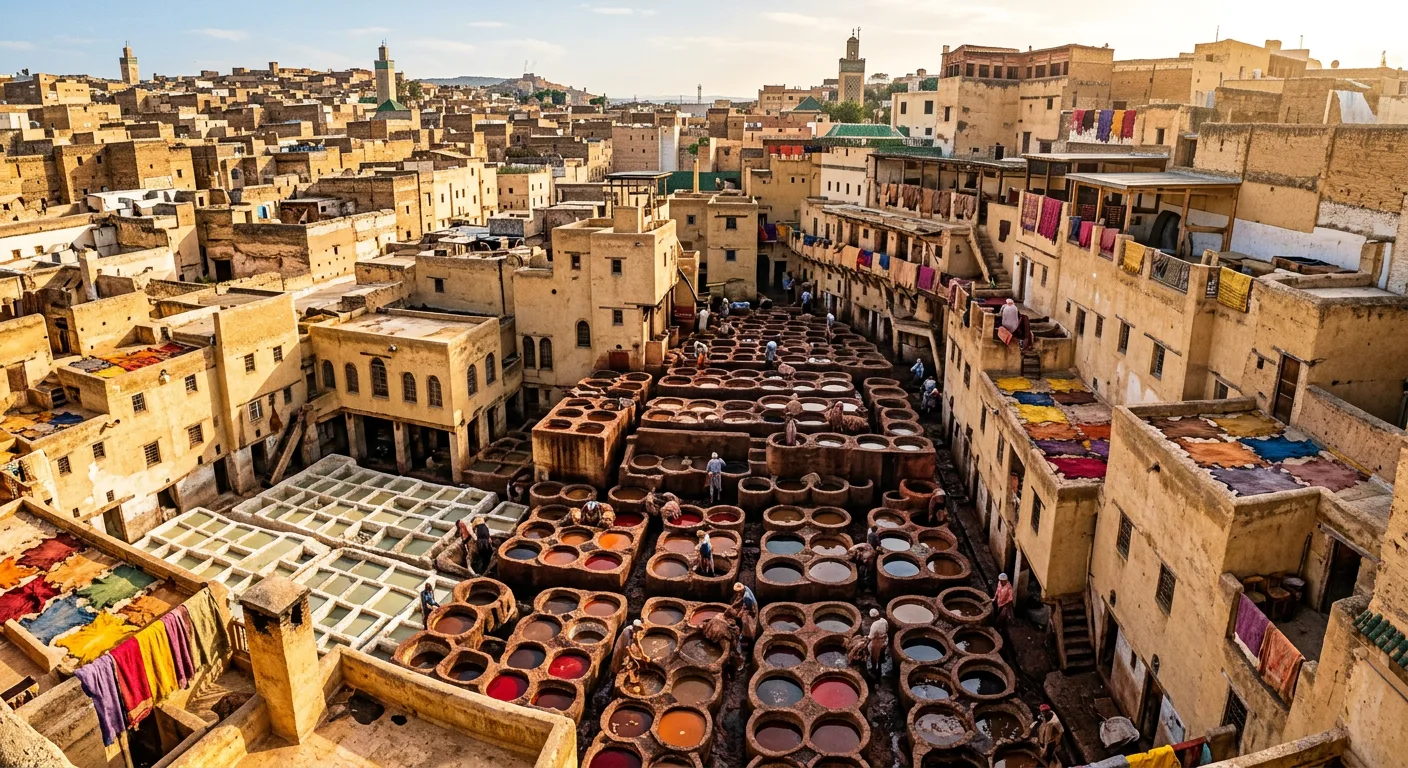
UNESCO Heritage
Medina of Fes
Founded 789 AD
المدن العتيقة
The Imperial Cities
Four ancient capitals, each a masterwork of Islamic architecture and living heritage. Together they form the cultural backbone of the Moroccan kingdom.

01 -- The Red City
Marrakech
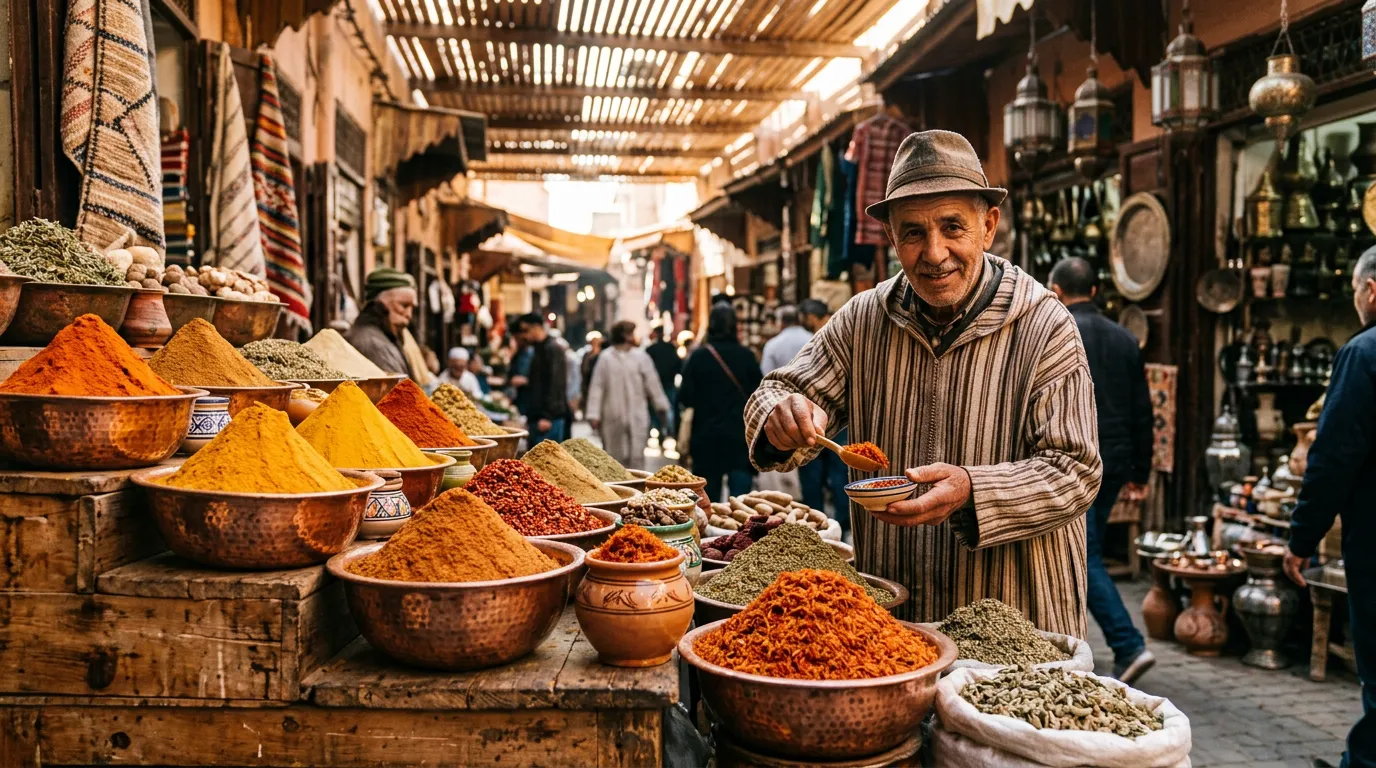
Where the ancient Saadian dynasty left its indelible mark in ochre and gold. The Jemaa el-Fnaa pulses with storytellers, musicians, and healers continuing traditions older than the city walls themselves. Navigate the souk labyrinth where copperworkers, leather artisans, and spice merchants have plied their trades for nine centuries.
Explore Marrakech02 -- The Spiritual Capital
Fes
Home to the oldest university in the world (Al Quaraouiyine, founded 859 AD) and a medina so vast it remains the largest car-free urban zone on Earth. The Chouara tanneries still dye leather using medieval techniques with saffron, indigo, and antimony. Every narrow street holds a masterclass in living archaeology.
Explore Fes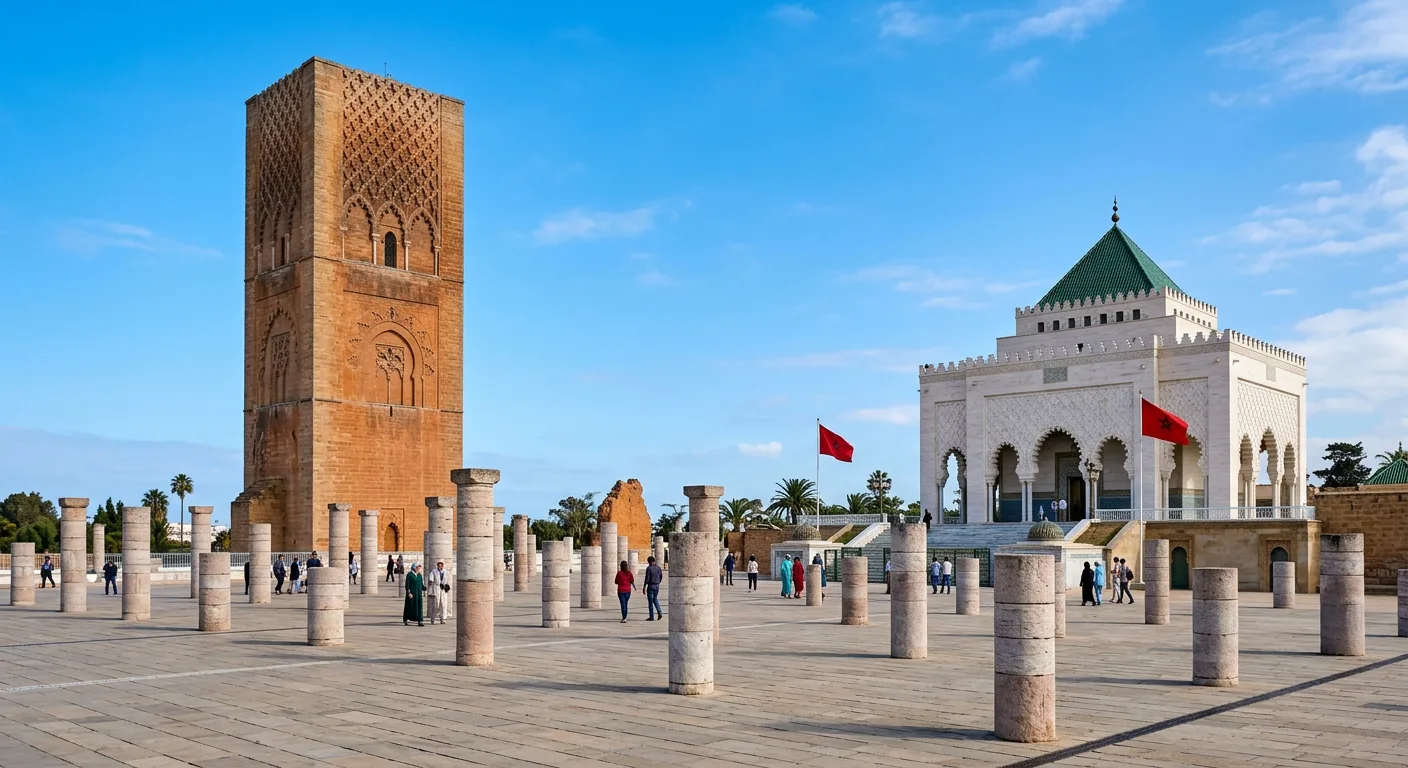
03 -- The Capital of Light
Rabat
Morocco's elegant administrative capital blends Almohad grandeur with contemporary vision. The Hassan Tower stands unfinished since the 12th century, a testament to ambitions that transcended even the Almohad caliphate. The Kasbah of the Udayas crowns the Bou Regreg estuary with whitewashed Andalusian beauty.
Explore Rabat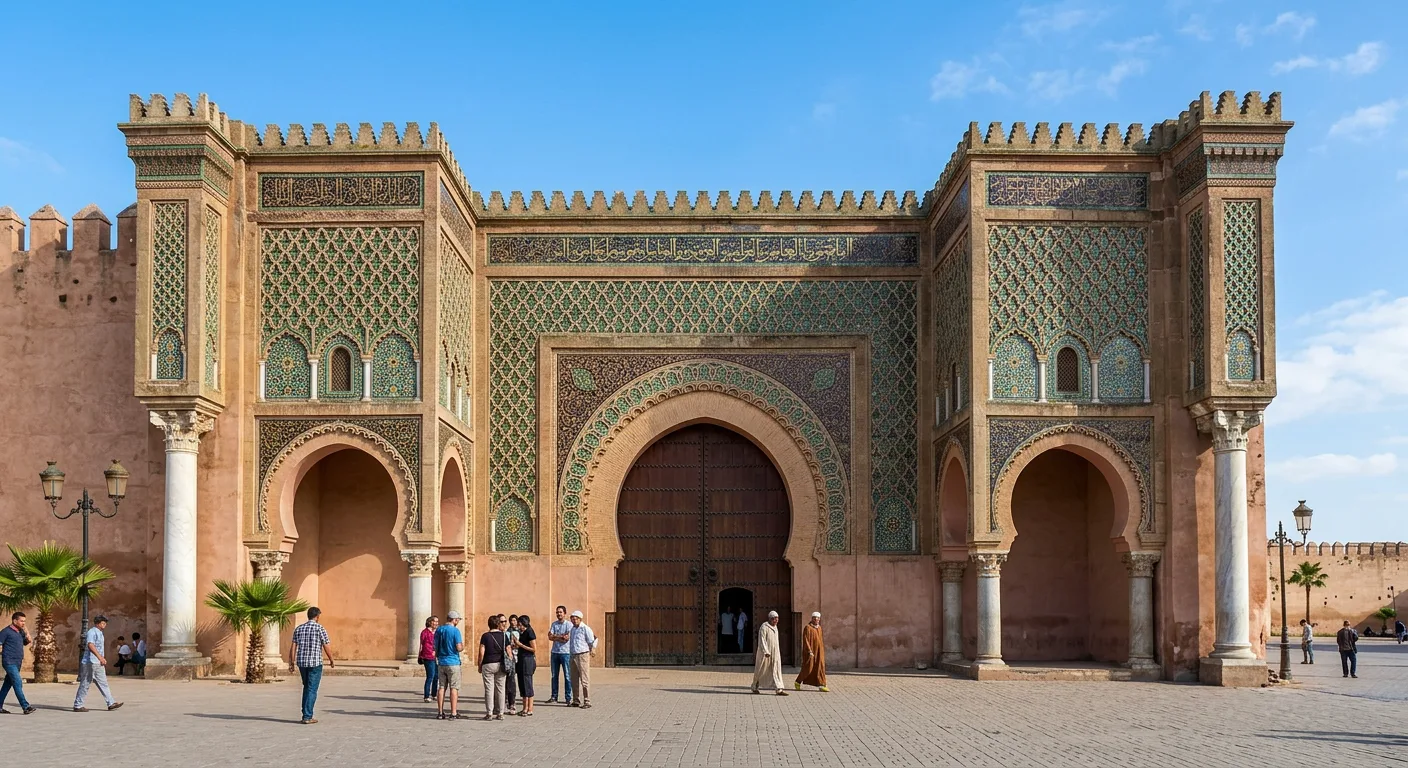
04 -- The Versailles of Morocco
Meknes
Built by Sultan Moulay Ismail to rival the splendor of Versailles, Meknes is the quietest of the imperial quartet and the most rewarding for those who seek substance over spectacle. The monumental Bab Mansour gateway is considered the finest in all of North Africa, its zellige and carved stucco undiminished by three centuries.
Explore MeknesHeritage Pathways
The Threads of Culture
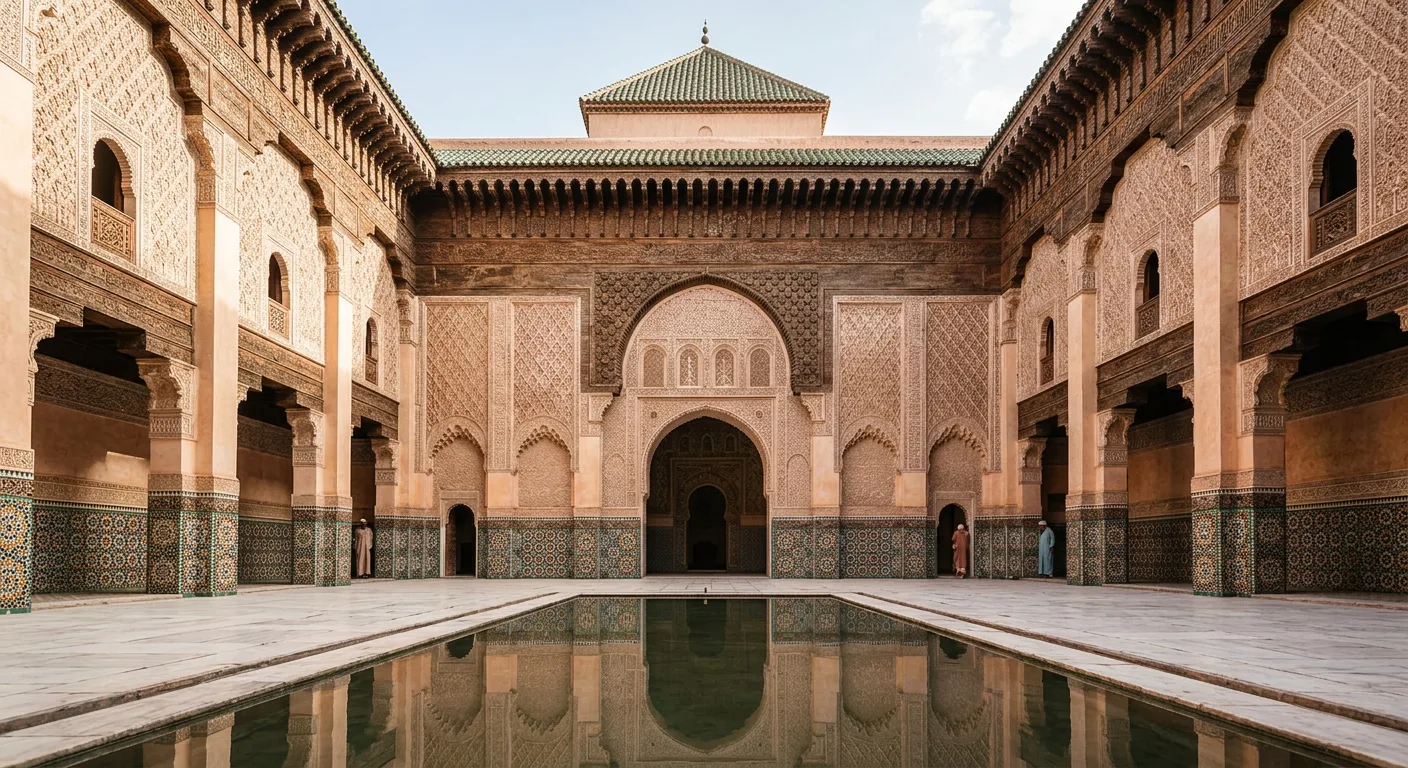
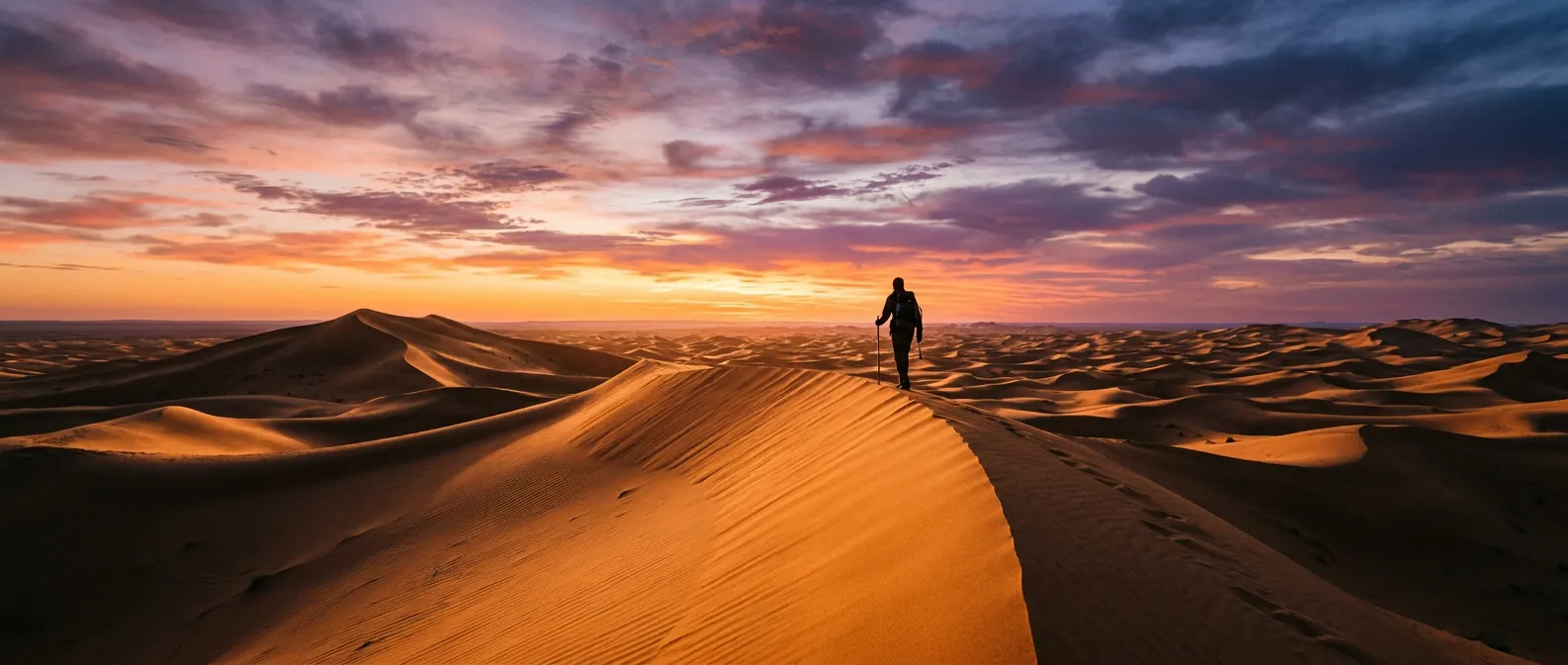
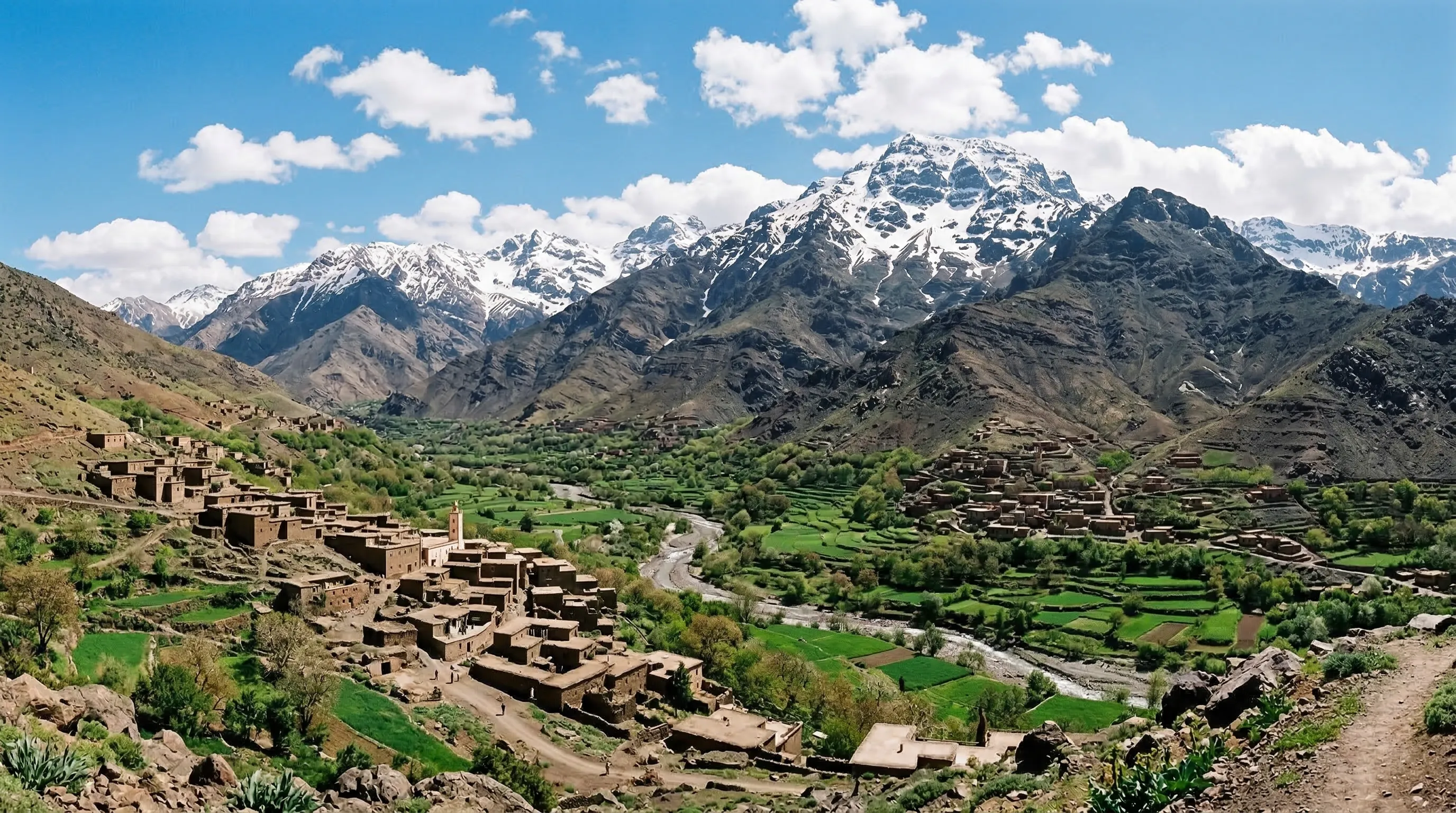
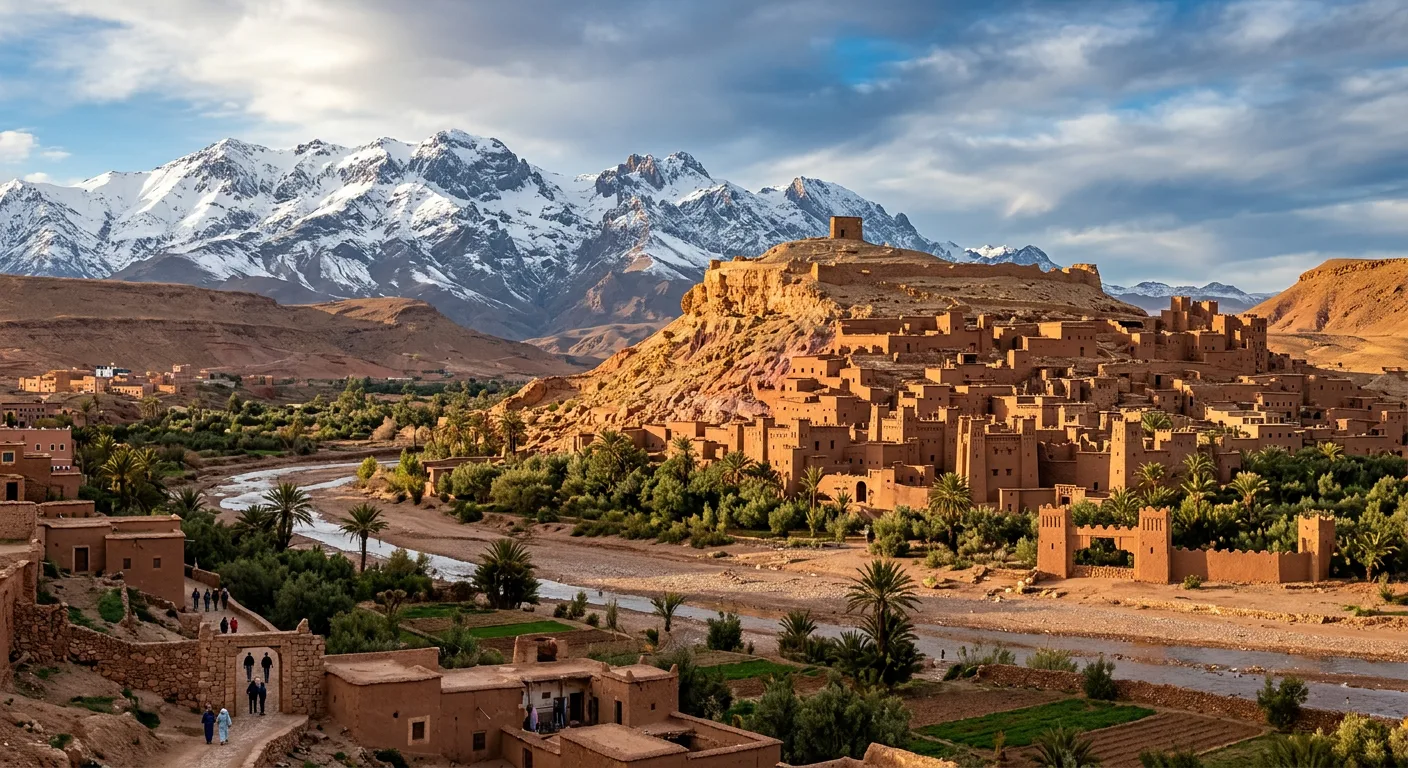
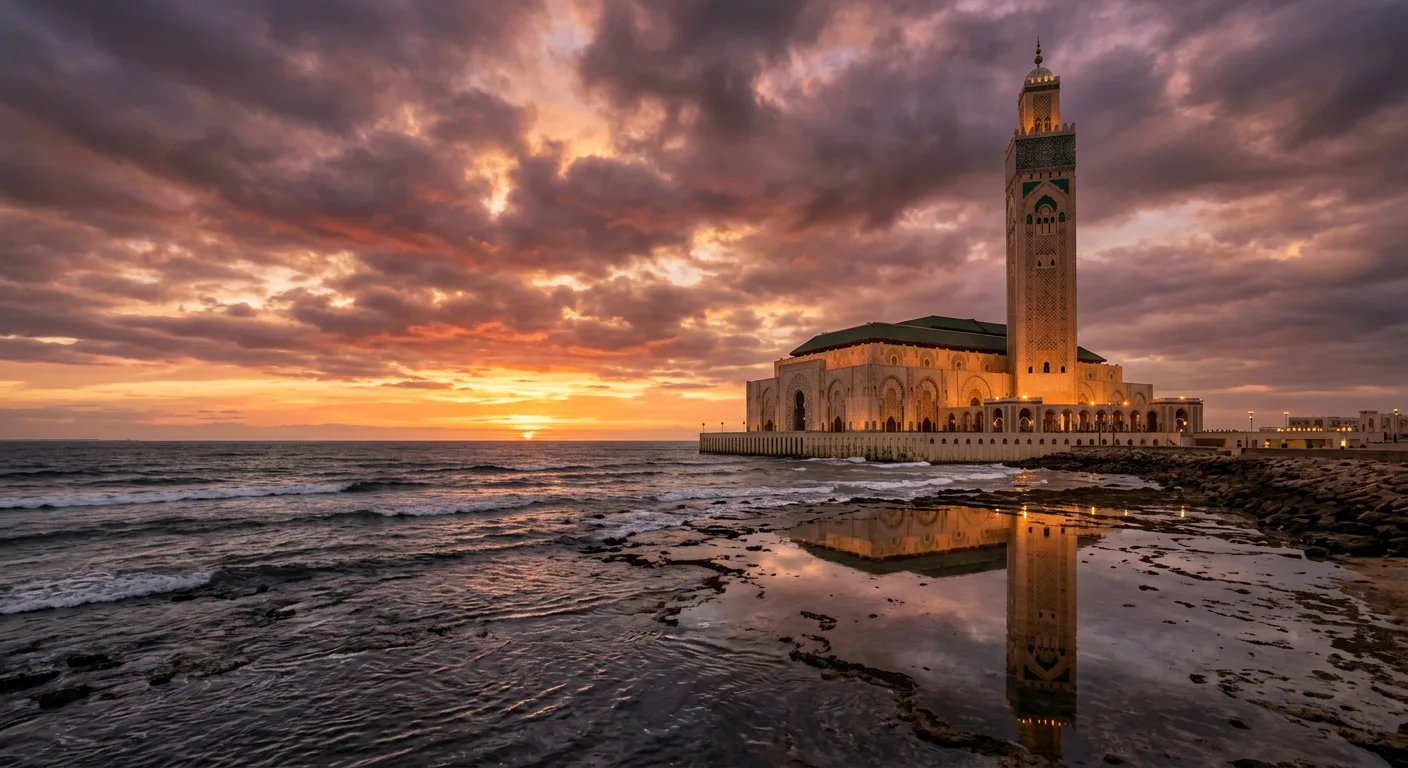
From the mathematical precision of zellige tilework to the raw grandeur of Saharan dunes, Morocco offers four distinct corridors of cultural discovery.
Beyond the Capitals
Discover Every Corner
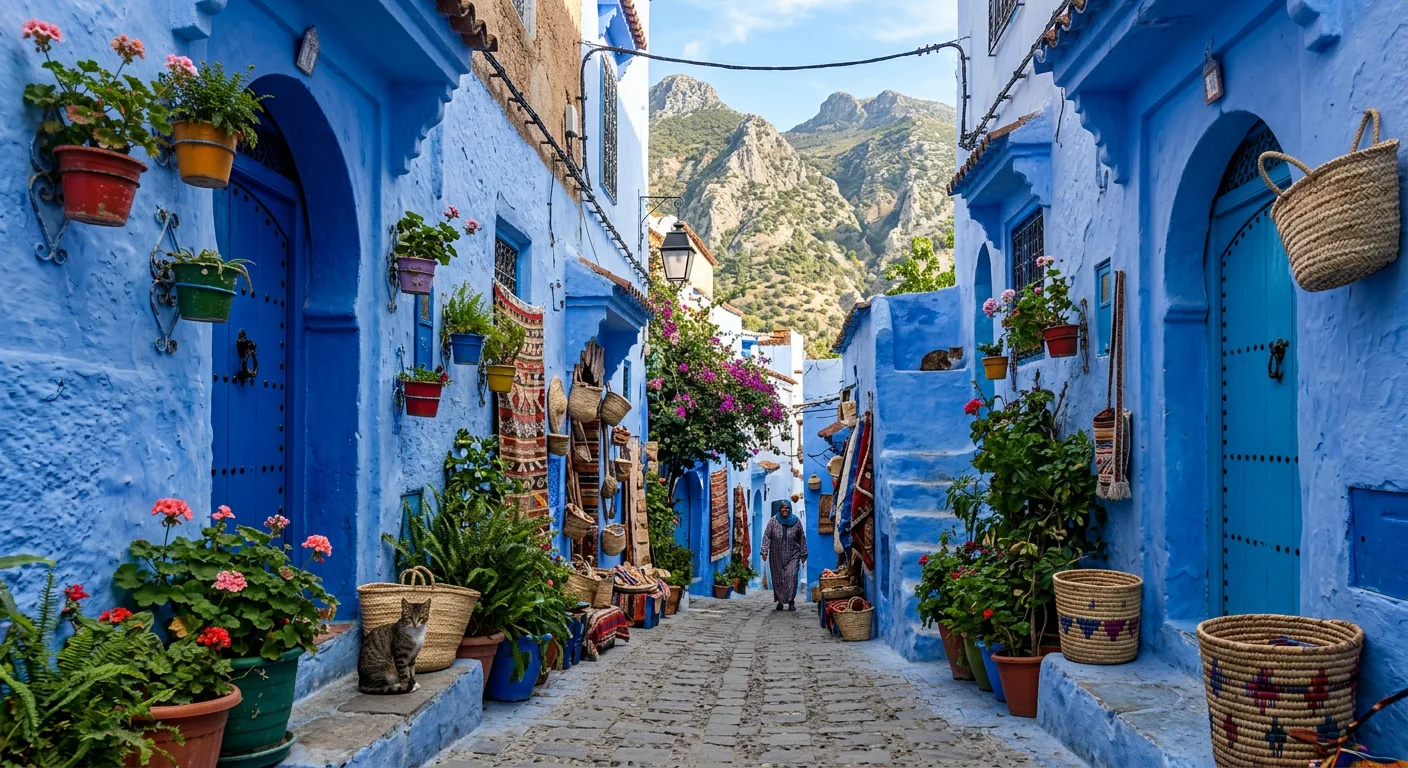
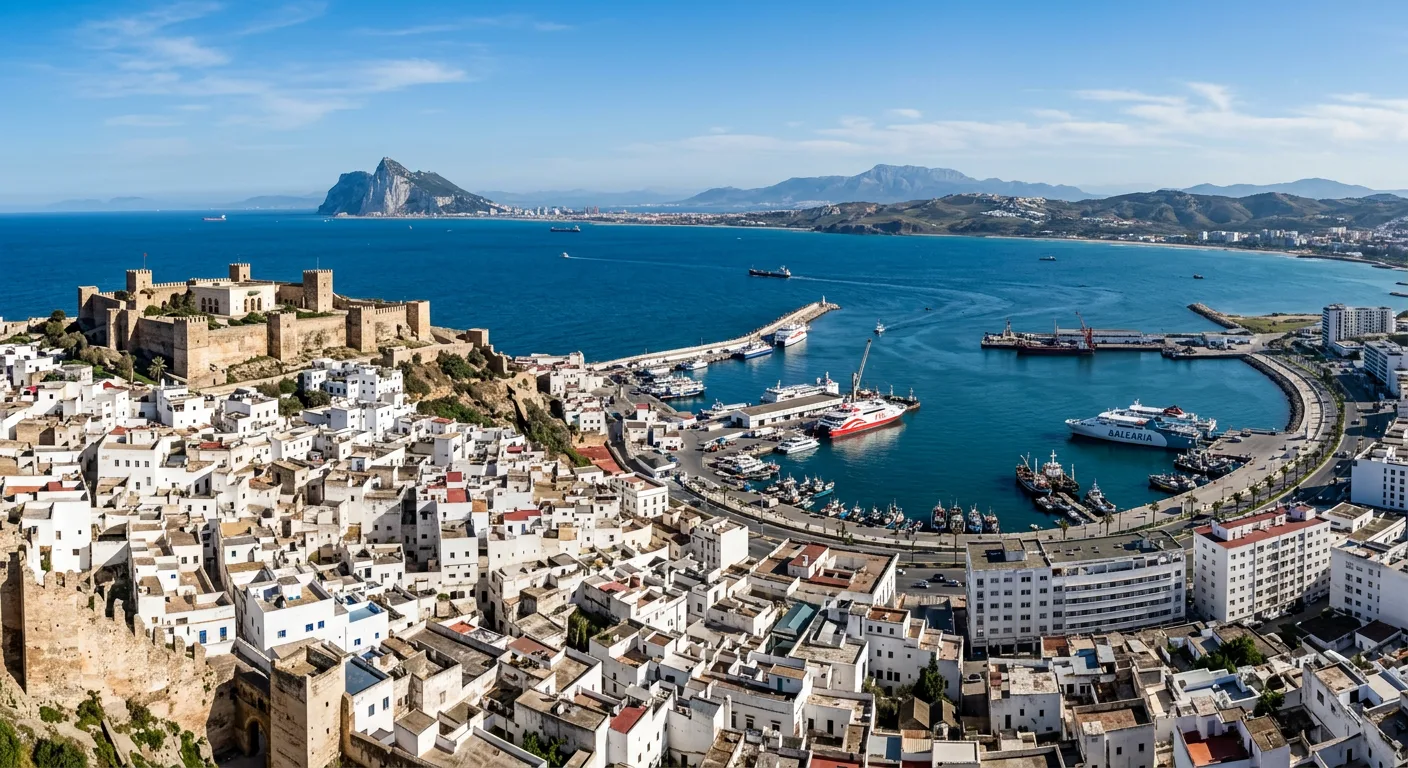
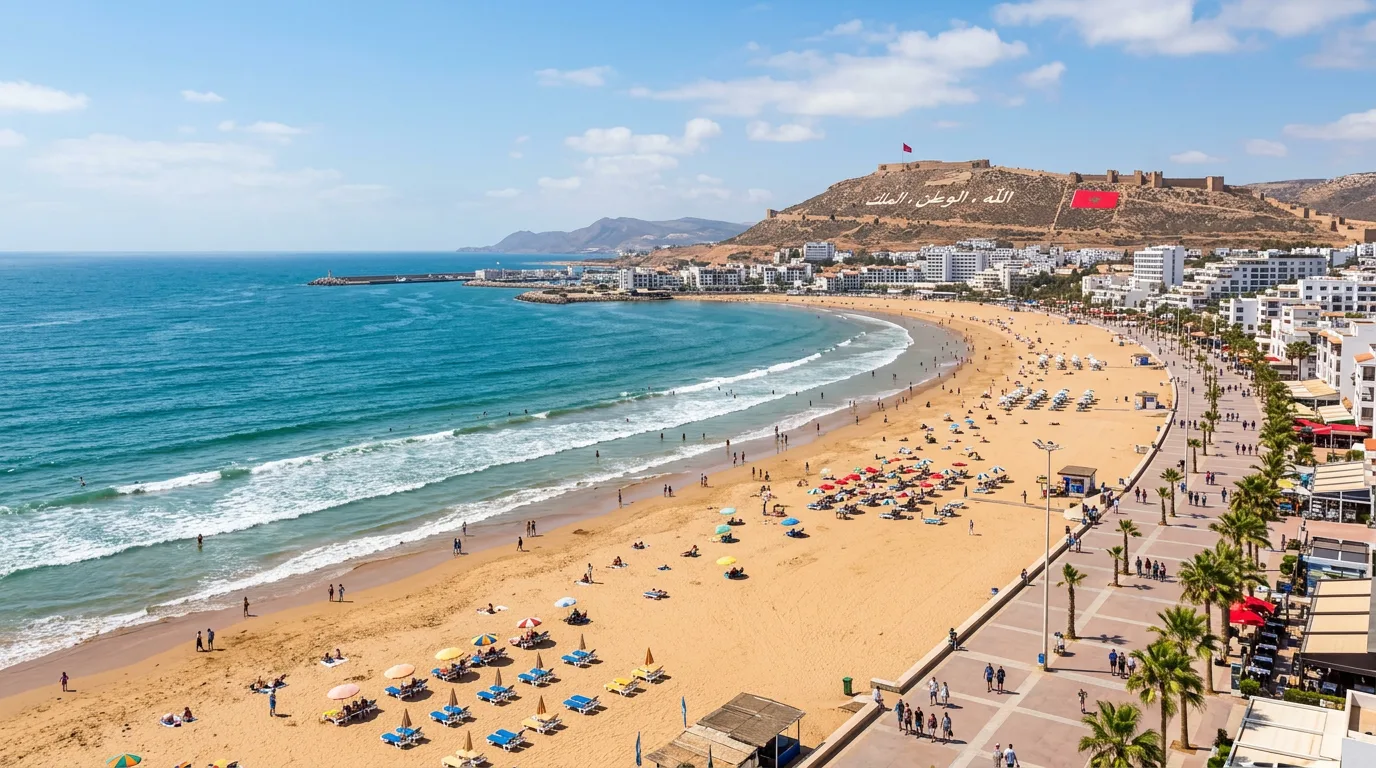
From the blue-washed streets of Chefchaouen to the windswept fortifications of Essaouira, every destination in Morocco tells a distinct story.
Curated for You
Signature Experiences
Handpicked cultural journeys, vetted by our local team and refined by thousands of traveler reviews.
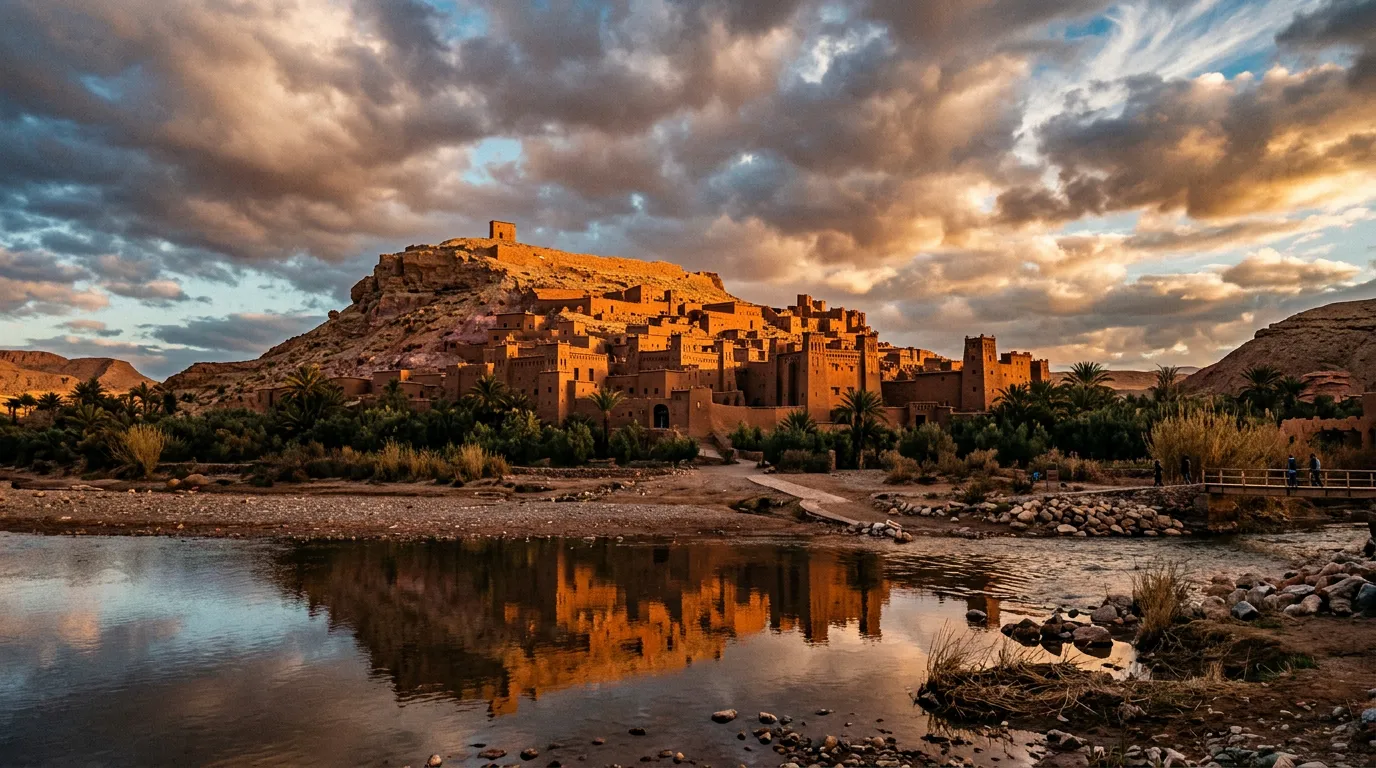
Heritage
Fes Medina Heritage Walk
4 hours
Explore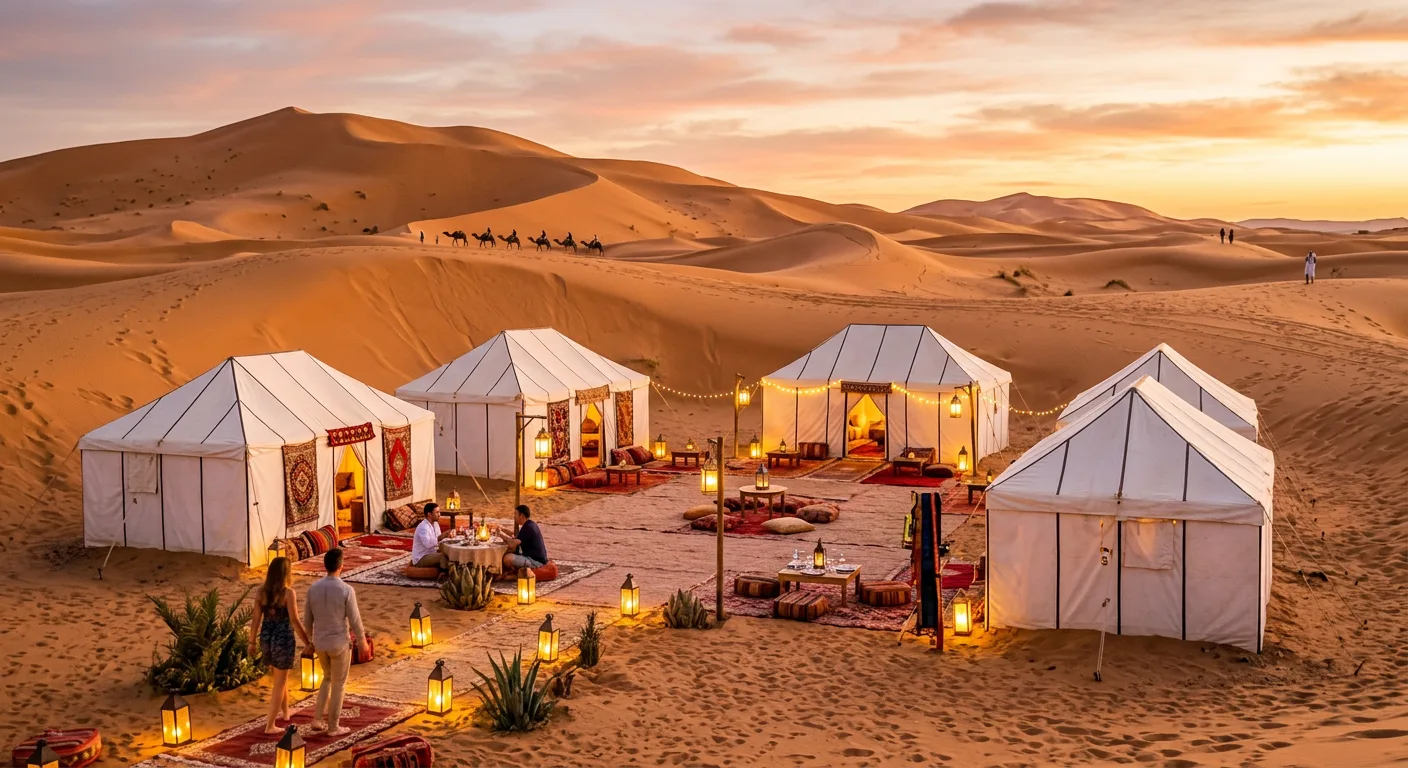
Popular
Sahara Luxury Camp Experience
2 days
Explore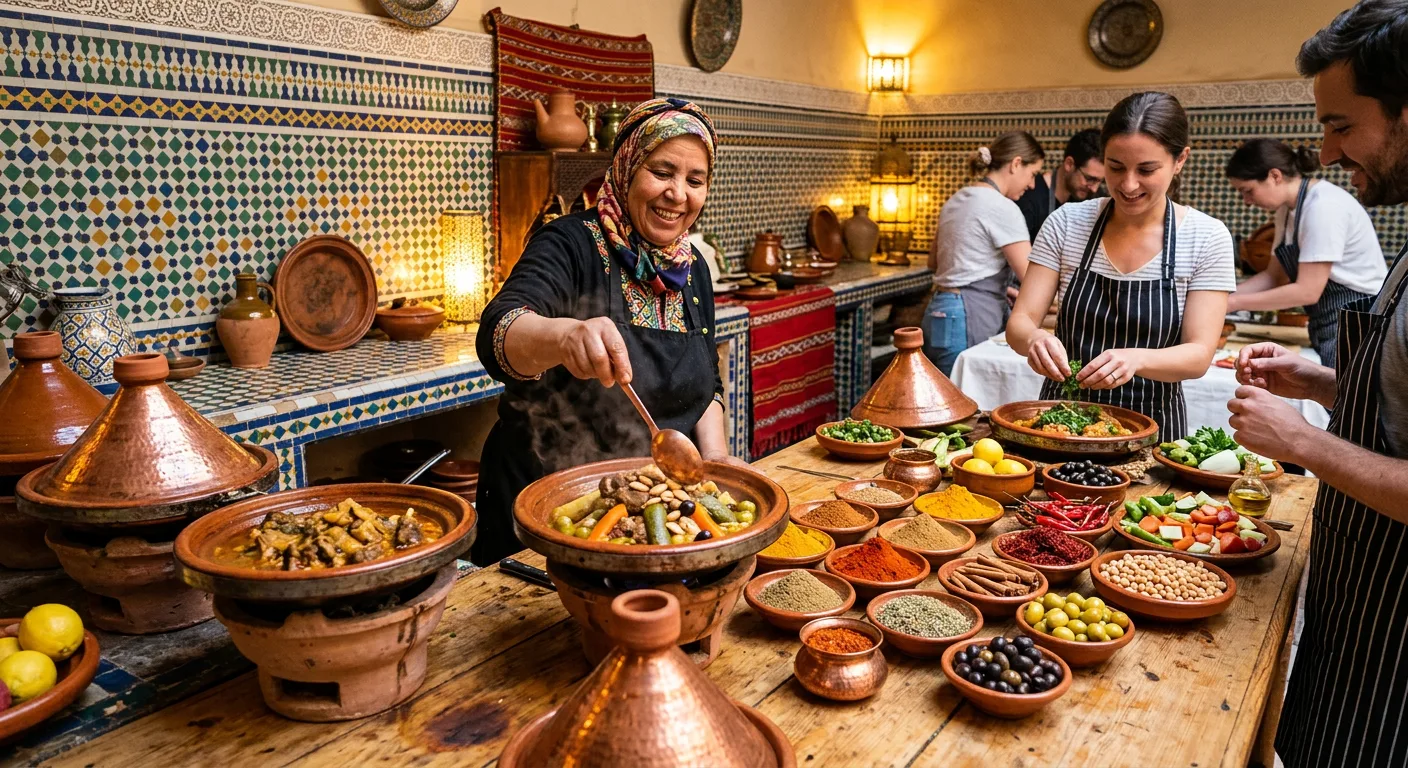
Cultural
Traditional Cooking Class
3 hours
Explore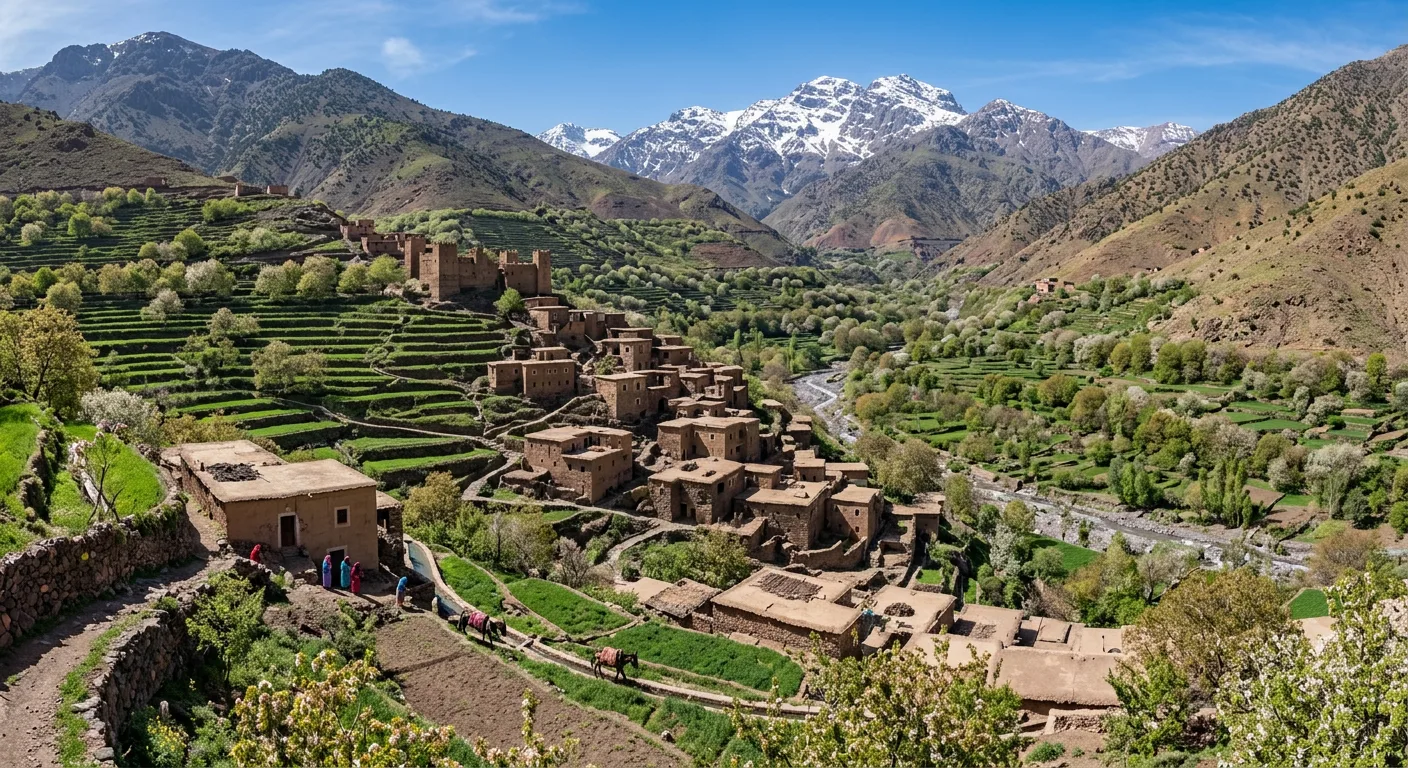
Adventure
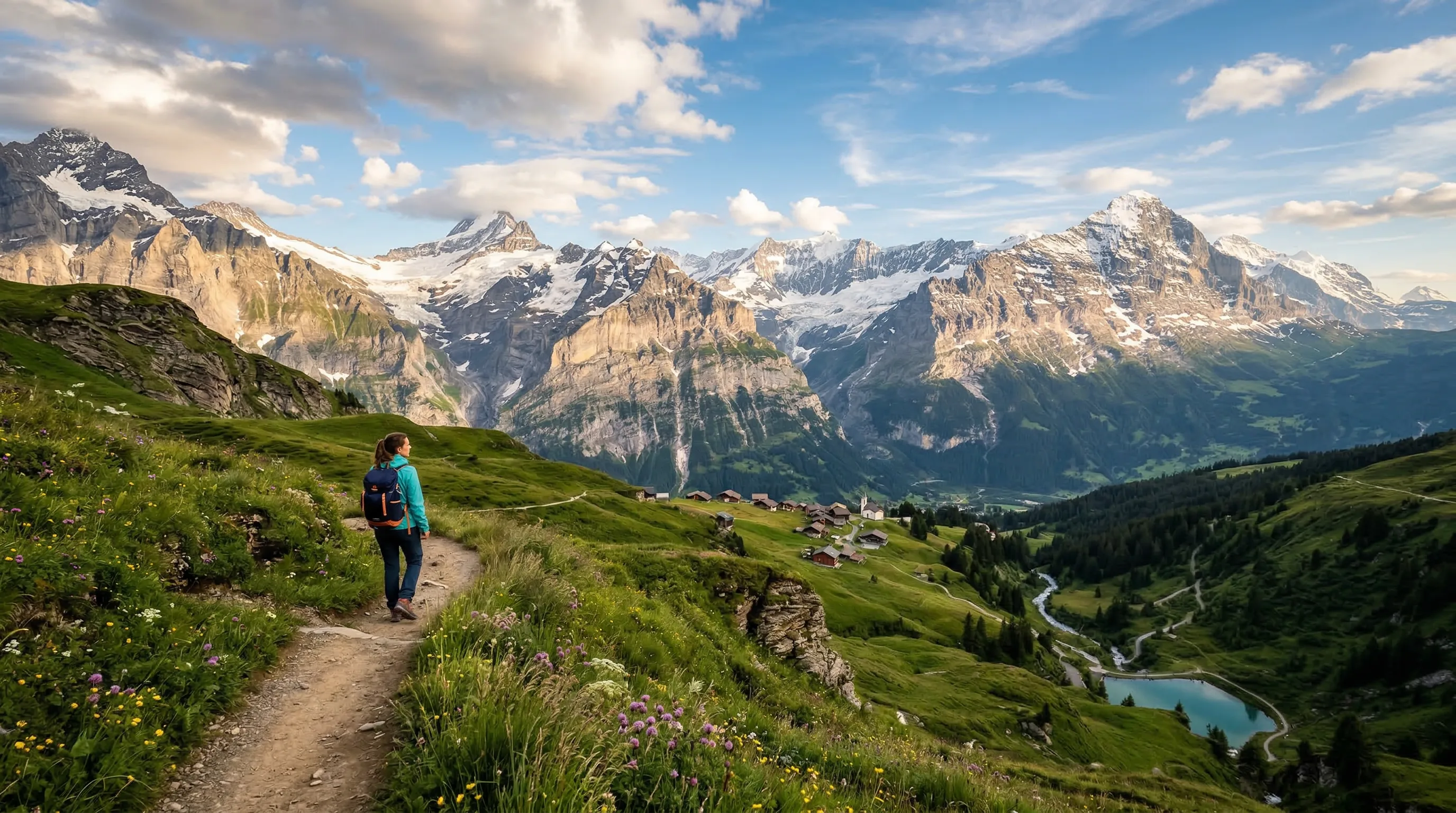
Atlas Mountains Day Trek
Full day
Explore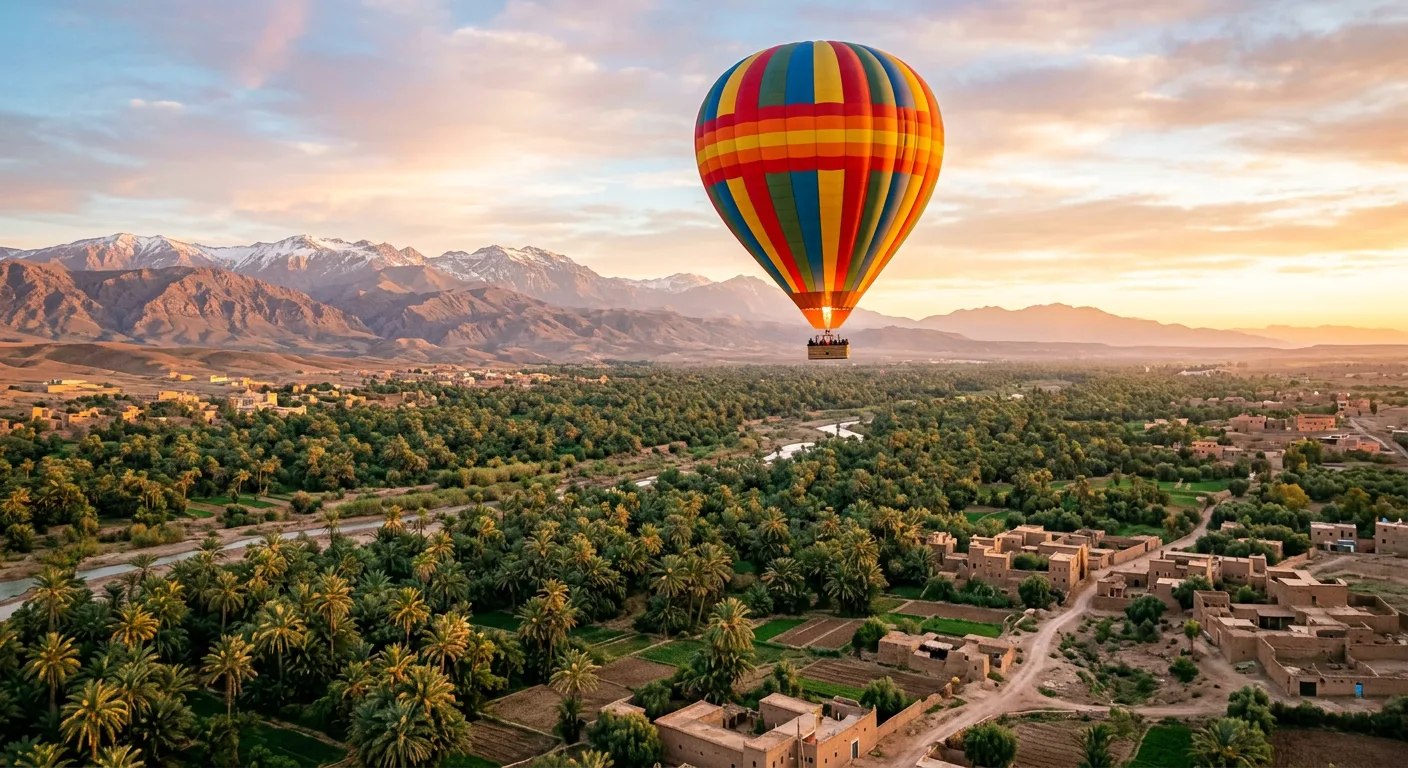
Exclusive
Hot Air Balloon over Marrakech
1.5 hours
Explore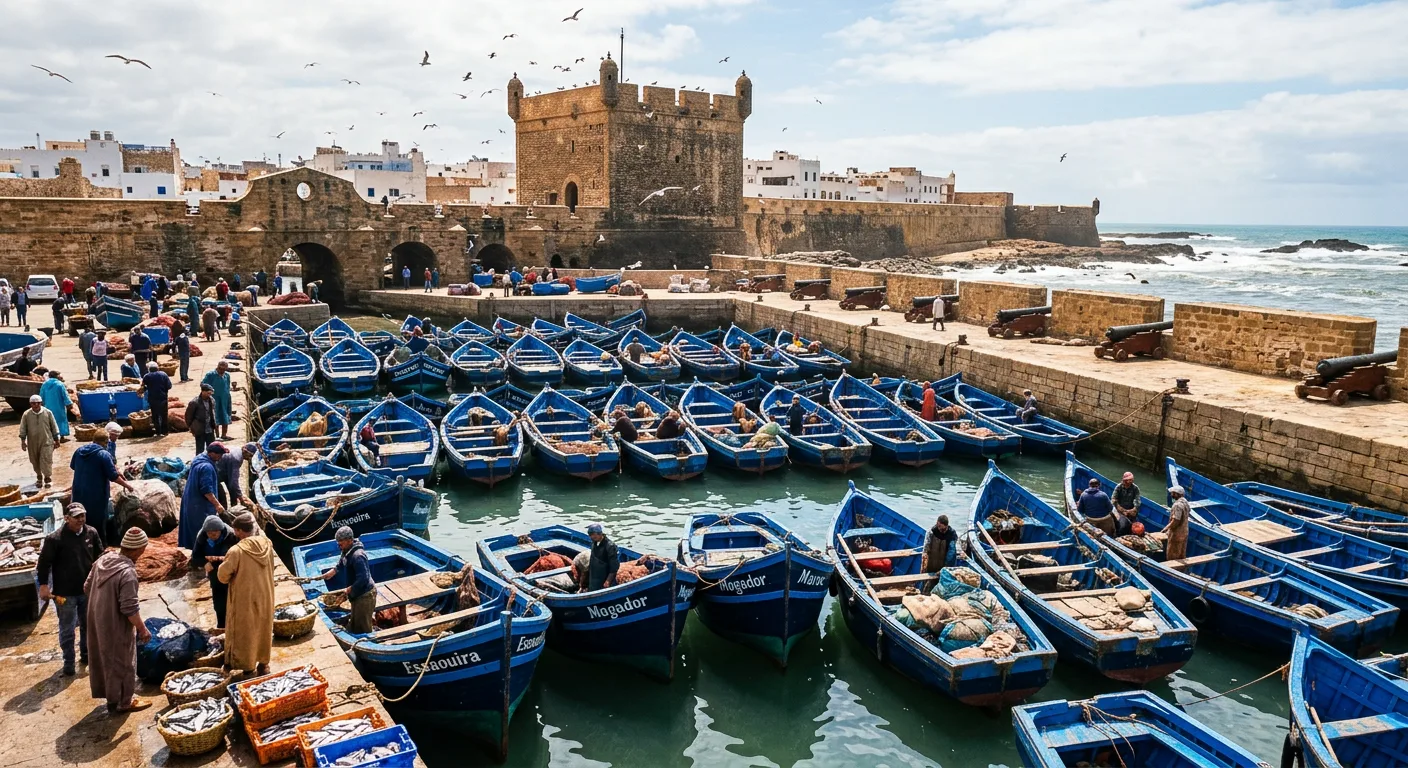
Coastal
Essaouira Coastal Discovery
Full day
Explore
Wellness
Hammam & Spa Ritual
2 hours
Explore
0+
Years crafting authentic Morocco experiences
Why CityToursmoroccoCrafted by Locals,
Crafted by Locals,
Built for You
We are not aggregators copying guidebooks. Our team lives across Morocco, from the medina of Fes to the coast of Essaouira. Every recommendation comes from direct experience, every guide is personally vetted, and every itinerary is built on local knowledge you cannot find in any app.
Vetted Local Guides
Every guide holds official credentials and has been personally interviewed by our team.
Insider Itineraries
Routes that bypass tourist traps and lead to the authentic heart of each city.
Small Group Focus
Maximum 8 travelers per group to ensure personal attention and genuine connections.
Best Price Promise
Direct partnerships with local operators mean no middleman markups on any experience.
Traveler Voices
Stories from the Road
0.0
Average Rating
0+
Verified Reviews
0%
Would Recommend
Solo Adventure
“Morocco rewrote everything I thought I knew about travel. The colors, the kindness of strangers, the silence of the desert at dawn -- it stays with you forever.”
Amelia Chen
Vancouver, Canada
Adventure
“From the labyrinthine medina of Fes to the surf breaks of Taghazout, every single day felt like a completely different country. Absolutely extraordinary.”
Lucas Moretti
Milan, Italy
Family Vacation
“The riads, the food, the warmth of the people. We came for a week and immediately extended to three. CityGuide made planning effortless.”
Sarah Okonkwo
London, UK
تقاليد حية
Living Traditions
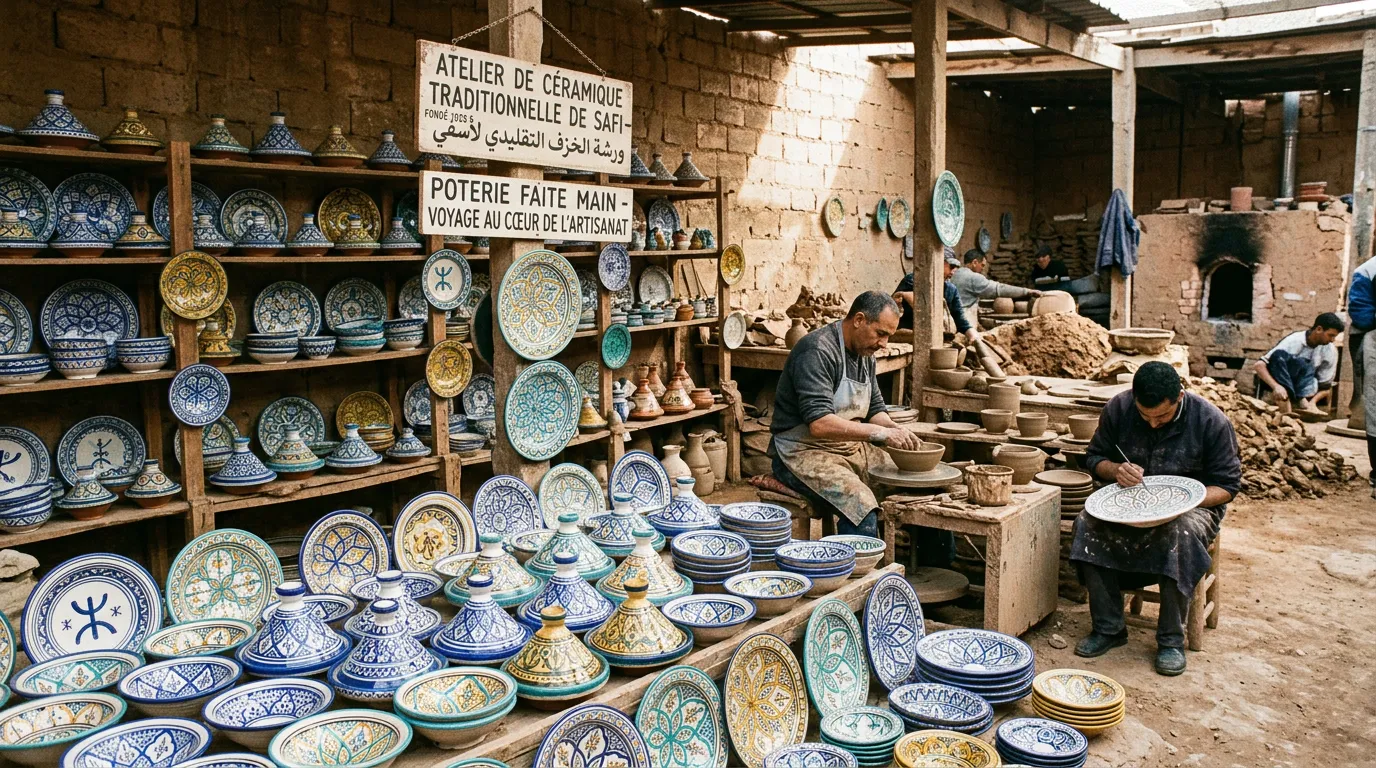
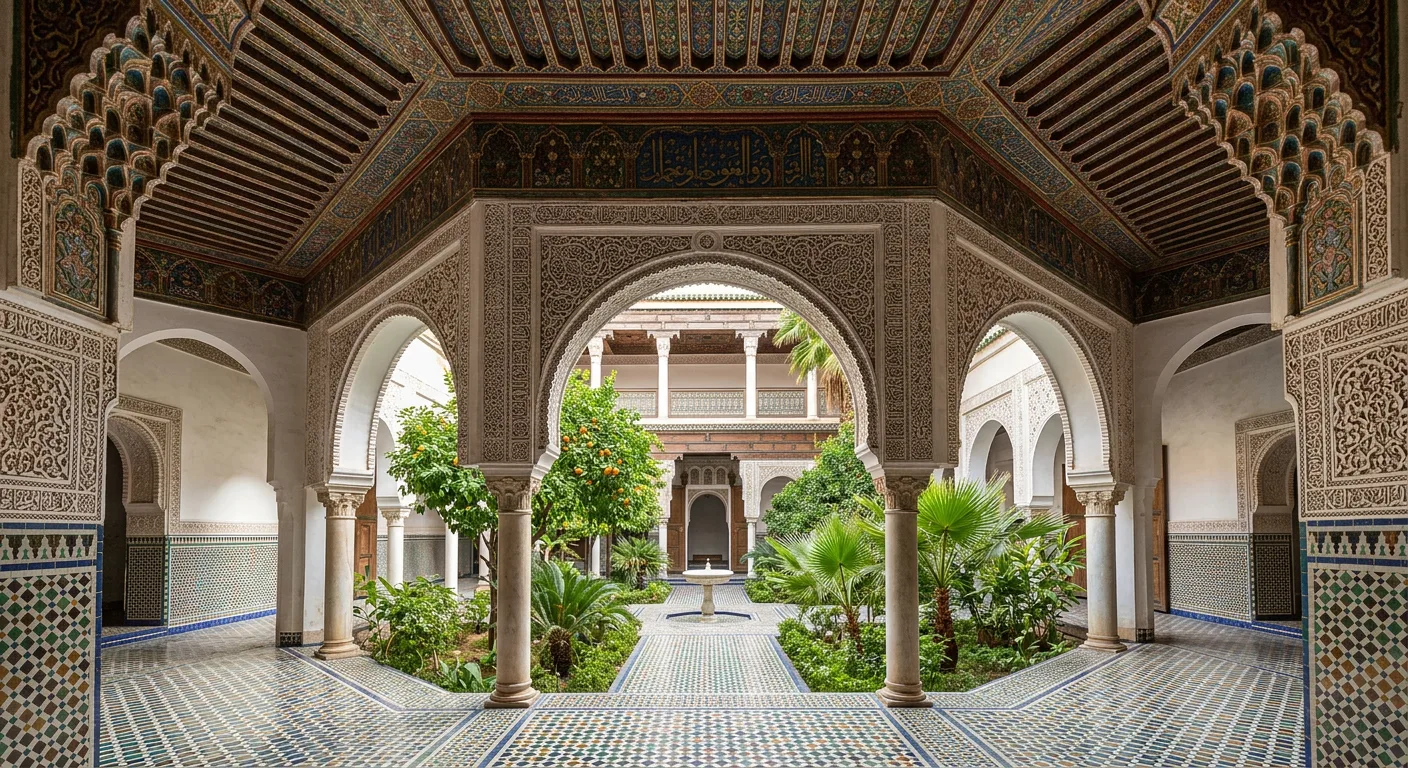
Morocco does not preserve its culture in museums. It practices it daily, in bathhouses and tea rooms, on looms and in foundries, through music and prayer. These are the traditions you will encounter firsthand.
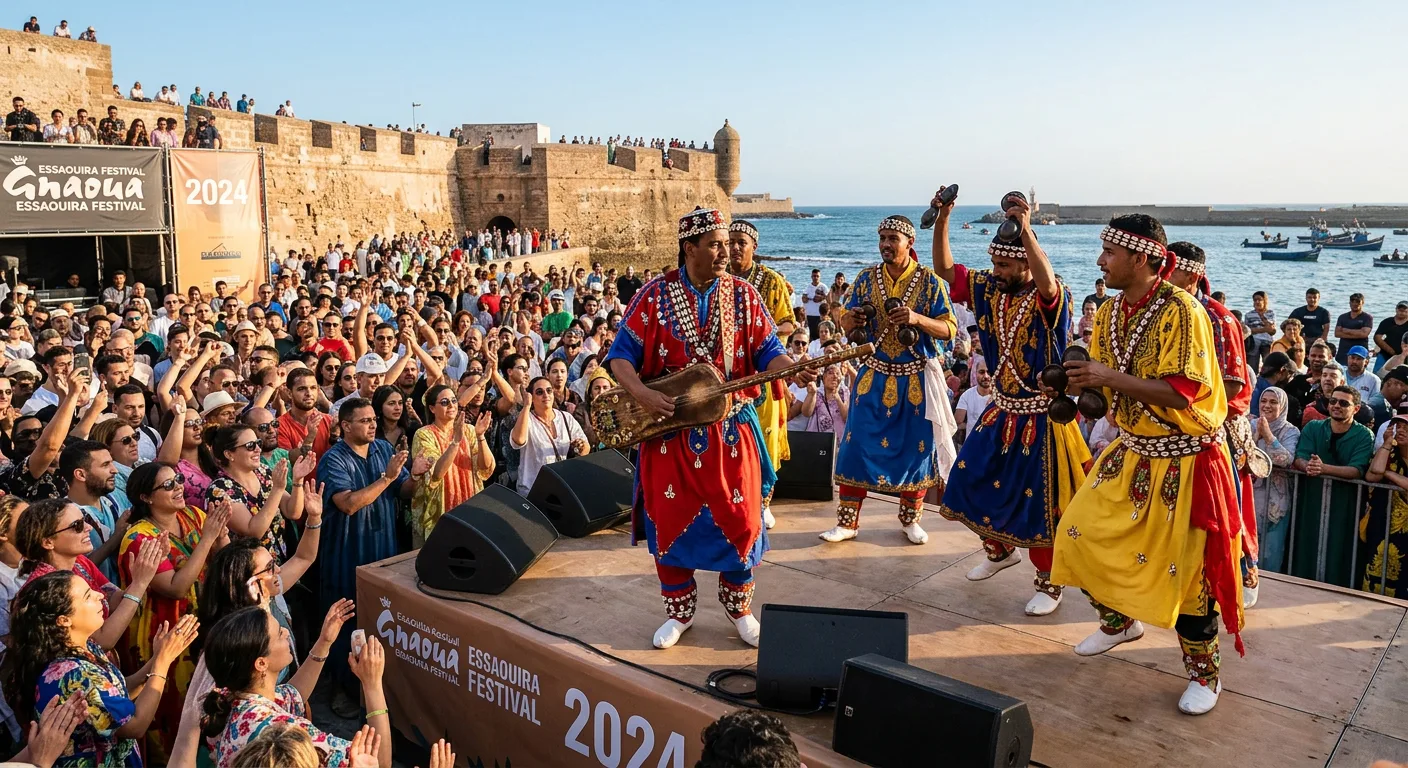
Your Journey BeginsLet Us Craft Your
Let Us Craft Your
Cultural Journey
Tell us your dates, interests, and travel style. Our local team will build a bespoke itinerary that weaves together the heritage, flavors, and encounters that make Morocco unforgettable.
From the Journal
All Articles Deep Reads on Morocco
Common Questions
Planning Your Visit
Everything first-time and returning visitors ask about traveling in Morocco, answered by our local team.
Is Morocco safe for tourists?
Morocco is generally very safe for tourists and welcomes over 14 million visitors annually. The government has invested significantly in tourism security. Standard precautions apply: stay aware in crowded medinas, use licensed guides for treks and desert excursions, and keep valuables secure. Solo female travelers report positive experiences, though modest dress is appreciated outside major tourist areas.
What is the best time to visit Morocco?
Spring (March to May) and autumn (September to November) offer the most comfortable temperatures for exploring cities and trekking. Summer is ideal for coastal towns like Essaouira and the Atlas Mountains, while winter brings snow to the peaks (great for skiing near Oukaimeden) and mild weather on the coast. Ramadan dates shift yearly -- it offers a unique cultural experience but some restaurants close during daylight hours.
What should I wear in Morocco?
Morocco is relatively liberal, but modest dress is respectful, especially outside tourist zones. Lightweight, loose-fitting clothes covering shoulders and knees are ideal for both culture and climate. A scarf is useful for visiting mosques (exterior areas) and sun protection. In Marrakech, Casablanca, and resort areas, casual Western attire is completely normal.
Do I need a visa for Morocco?
Citizens of the USA, EU member states, UK, Canada, Australia, Japan, and many other countries do not need a visa for stays up to 90 days. Your passport must be valid for at least six months beyond your date of arrival. Always confirm the latest visa requirements with your nearest Moroccan consulate before traveling.
How much does a Morocco trip cost?
Morocco offers exceptional value for travelers at every budget. Budget travelers can manage on 400-600 MAD (40-60 USD) per day, covering hostels, street food, and local transport. Mid-range travelers should budget 1,000-2,000 MAD (100-200 USD) daily for charming riads, restaurant meals, and guided tours. Luxury experiences -- private desert camps, palace riads, exclusive guides -- start from 3,000 MAD (300+ USD) per day.
What currency does Morocco use?
Morocco uses the Moroccan Dirham (MAD). ATMs are widely available in all cities. Credit cards are accepted at hotels, upscale restaurants, and larger shops. Cash is essential for medina shopping, local eateries, taxis, and tipping. Exchange bureaux in tourist areas offer competitive rates. Euros and US dollars are sometimes accepted in tourist zones but at unfavorable rates.
How do I get around Morocco?
Morocco has an excellent transport network. The Al Boraq high-speed train connects Tangier, Rabat, and Casablanca. ONCF trains link major cities comfortably. CTM and Supratours buses reach destinations trains cannot. Grand taxis (shared) are efficient for shorter inter-city routes. Within cities, petit taxis are affordable -- always insist on the meter. Renting a car is ideal for Atlas Mountain passes and remote kasbahs.
Is it safe to drink the water in Morocco?
Tap water in major cities like Marrakech, Rabat, and Casablanca is treated and technically safe, but most travelers (and many locals) prefer bottled water to avoid digestive adjustment issues. Bottled water is inexpensive and available everywhere. Avoid ice in street-side drinks, and peel fruit or wash it with bottled water in rural areas.
Your Gateway to
Morocco's Secrets
Insider guides, seasonal travel tips, hidden gems, and exclusive offers delivered directly to your inbox. Join 15,000+ Morocco enthusiasts.
Unsubscribe anytime. We respect your privacy and never share your data.