Discovering...
Atlas Mountains Morocco
Atlas Mountains Guide:
Trekking, Day Trips & Things to Do
Three mountain ranges, one extraordinary destination. From the 4,167-meter summit of Toubkal to gentle valley day trips from Marrakech. Complete guide with costs from 200 MAD.
Why the Atlas Mountains Are Morocco's Greatest Natural Wonder
The Atlas Mountains are the spine of Morocco, a vast chain of three distinct ranges stretching over 2,500 kilometers from the Atlantic coast to the eastern borders. They divide the fertile plains of the north from the Sahara Desert to the south, creating a world of snow-capped summits, deep gorges, cedar forests, and ancient Berber villages that has captivated travelers for centuries. Whether you are seeking a challenging multi-day trek to the summit of North Africa's highest peak or a leisurely day trip from Marrakech through flower-filled valleys, the Atlas Mountains deliver an experience unlike anywhere else on earth.
What sets the Atlas apart is its extraordinary diversity. The High Atlas thrusts peaks above 4,000 meters where alpine conditions demand serious trekking gear. An hour's drive away, the Middle Atlas offers cool cedar forests and crater lakes that feel like Northern Europe. Further south, the Anti-Atlas presents a landscape of pink granite, desert oases, and ancient rock formations over 300 million years old. Add in the warmth of Berber hospitality, where every village trail leads to an invitation for mint tea, and you have one of the world's most rewarding mountain destinations.
This guide covers all three Atlas ranges, the top destinations, the best seasons, how to get there from Marrakech, where to stay, guided versus self-guided options, transport details, costs, and answers to every common question about visiting the Atlas Mountains.
4,167 m
Toubkal summit
3 Ranges
High, Middle & Anti-Atlas
200 MAD
Starting cost (day trip)
45 min
From Marrakech
High Atlas vs Middle Atlas vs Anti-Atlas
Three distinct mountain ranges, each with its own character, landscape, and appeal. Understanding the differences helps you choose the right Atlas experience.
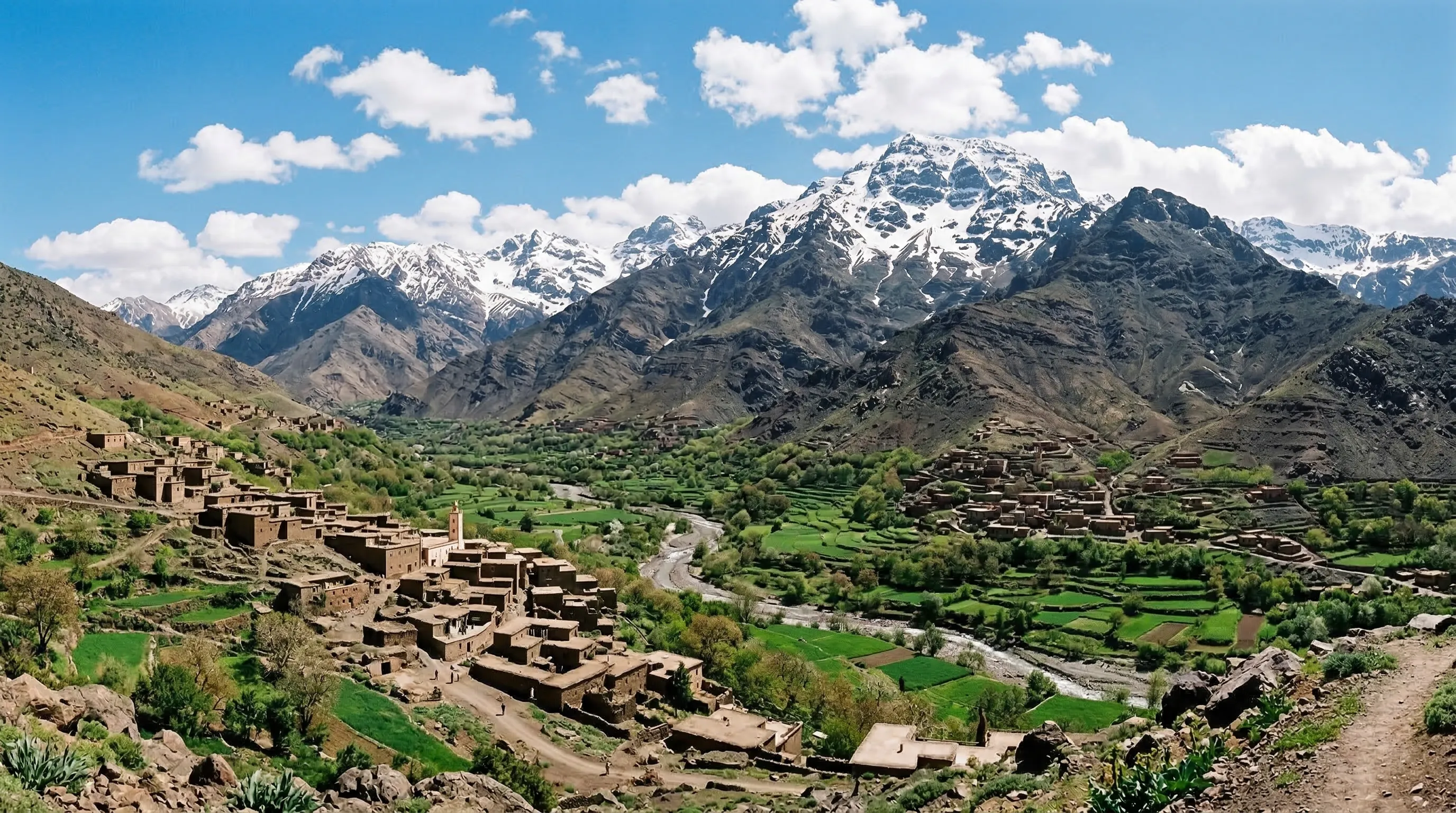
High Atlas
North Africa's rooftop with peaks above 4,000 m
2,000-4,167 m
Highlights
Toubkal, Imlil, Ourika Valley, Ait Bougmez
Best For
Trekking, summit climbing, Berber culture
Best Season
April-October (trekking), December-March (skiing)
The High Atlas is the backbone of Morocco, stretching 700 kilometers from the Atlantic coast to the Algerian border. This is where North Africa's highest peaks rise above ancient Berber villages, where mule trails wind through walnut groves and terraced fields, and where the summit of Jebel Toubkal at 4,167 meters rewards climbers with views stretching from the Sahara to the sea. The High Atlas is the primary destination for trekkers visiting Morocco.
Key Attractions
Jebel Toubkal: North Africa's highest peak at 4,167 meters
Imlil: the main trekking hub and gateway to Toubkal
Ourika Valley: popular day trip with waterfalls and gardens
Ait Bougmez: the "Happy Valley" for multi-day treks
Tizi n'Tichka pass: dramatic road crossing at 2,260 meters
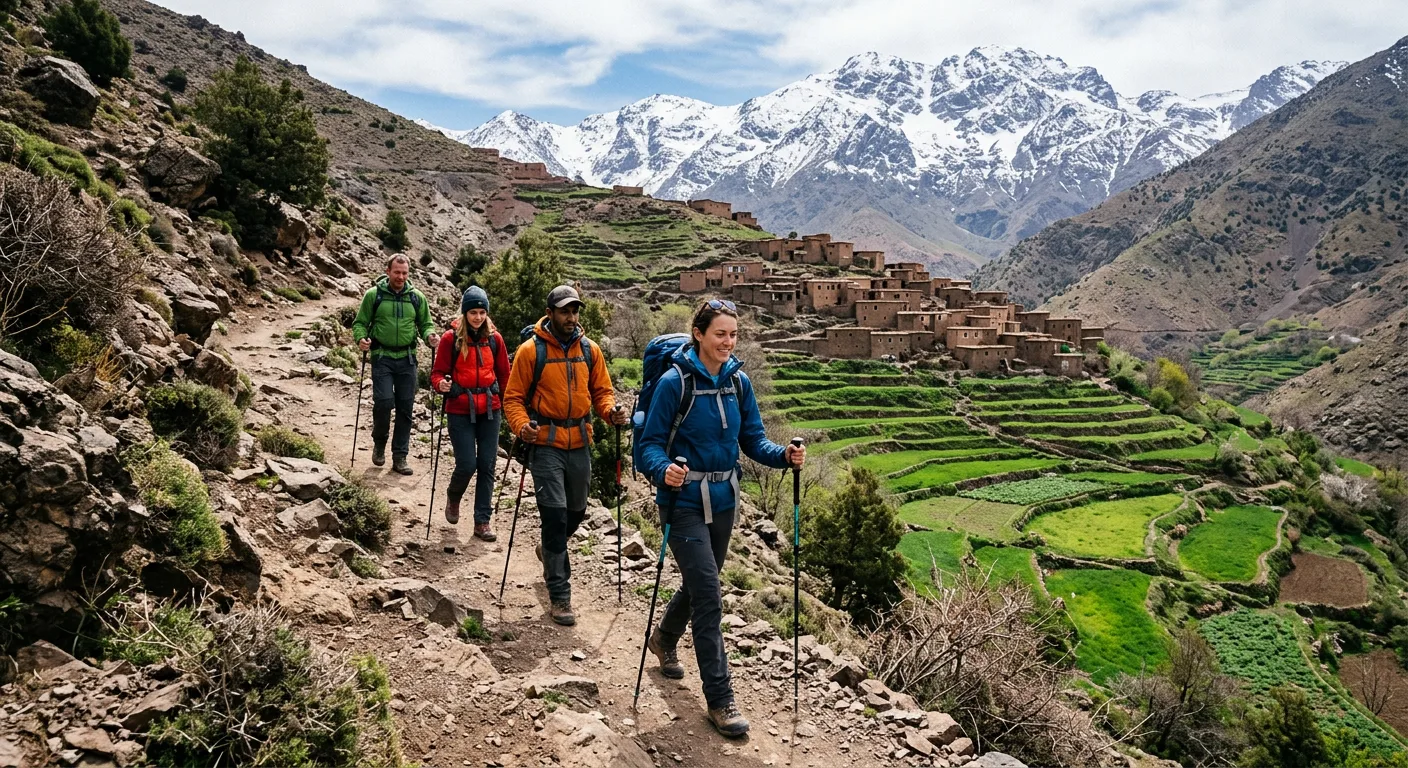
Middle Atlas
Cedar forests, lakes, and Barbary macaques
1,000-3,340 m
Highlights
Ifrane, Azrou, Ras el Ma, Bin el Ouidane
Best For
Nature walks, wildlife, cooler climate escapes
Best Season
Year-round (best April-June, September-November)
The Middle Atlas is Morocco's green heart: a lower, lusher range carpeted in cedar and oak forests, dotted with crater lakes, and home to the last wild Barbary macaques in Africa. The charming town of Ifrane, nicknamed "Little Switzerland," sits at 1,650 meters and feels nothing like the rest of Morocco with its clean streets, alpine architecture, and winter snowfall. The Middle Atlas is less visited by tourists, making it perfect for those seeking tranquility.
Key Attractions
Ifrane: "Little Switzerland" with alpine architecture
Azrou cedar forest: home to wild Barbary macaques
Bin el Ouidane: turquoise reservoir for kayaking and swimming
Ras el Ma springs: natural water source in forested hills
Michlifen ski resort: Morocco's most accessible winter sport
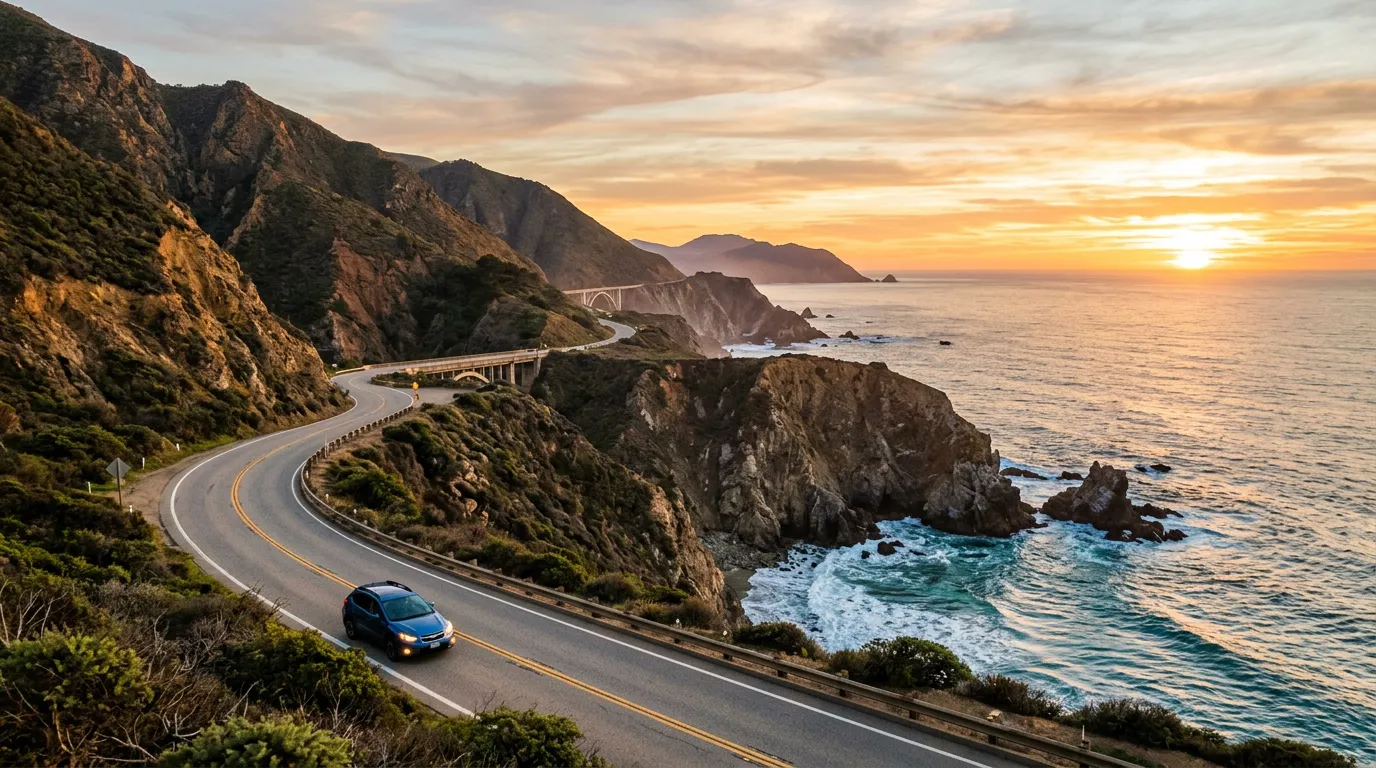
Anti-Atlas
Ancient desert mountains with oasis valleys
500-2,712 m
Highlights
Tafraoute, Jebel Saghro, Ameln Valley, Paradise Valley
Best For
Desert trekking, rock climbing, photography
Best Season
October-April (too hot in summer)
The Anti-Atlas is Morocco's oldest mountain range, formed over 300 million years ago, and it shows in its dramatic weathered granite formations, painted gorges, and stark desert beauty. This is the Morocco of pink-hued villages nestled among almond groves, of prehistoric rock art, and of vast silence under star-filled skies. The Anti-Atlas is at its best when the High Atlas is snow-covered, making it the premier winter trekking destination.
Key Attractions
Tafraoute: pink granite boulder fields and painted rocks
Jebel Saghro: volcanic massif between Atlas and Sahara
Ameln Valley: 26 villages carved into cliff faces
Paradise Valley: palm-lined pools near Agadir
Ait Mansour gorge: dramatic canyon with ancient granaries
Top Things to Do in the Atlas Mountains
From summiting North Africa's highest peak to sipping mint tea in a Berber village, these are the essential Atlas Mountains experiences.
All prices are starting prices per person. Seasonal pricing applies and costs may vary by group size and operator.
Toubkal Summit
High Atlas 2-3 days Moderate-Challenging From 2,500 MAD guided
North Africa's highest peak at 4,167 meters. The standard route from Imlil takes 2 days with an overnight at the refuge. No technical climbing in summer, but altitude demands good fitness and acclimatization.
360-degree panorama from the summit
Overnight at Toubkal Refuge (3,207 m)
Berber villages en route
Imlil Base Camp
High Atlas 1-3 days Easy-Moderate From 200 MAD independent
The main gateway to Toubkal at 1,740 meters. Imlil is a charming Berber village with guesthouses, cafes, and trails radiating in every direction. Perfect for day walks, acclimatization, and experiencing mountain village life.
Network of easy day walks through walnut groves
Traditional Berber guesthouses with rooftop terraces
Starting point for Toubkal and Azzaden Valley treks
Ourika Valley
High Atlas Day trip Easy From 200 MAD independent
The most accessible Atlas experience from Marrakech, just 45 minutes south. A lush valley with seven waterfalls, Berber villages clinging to hillsides, aromatic herb gardens, and riverside restaurants. The classic Atlas Mountains day trip.
Setti Fatma seven waterfalls hike
Berber village visits with mint tea
Aromatic and medicinal garden tours
Ouzoud Falls
Middle Atlas Day trip Easy From 400 MAD from Marrakech
Morocco's most spectacular waterfall, plunging 110 meters in three cascades surrounded by olive groves and red cliffs. Wild Barbary macaques play in the trees, and rainbow mist rises from the plunge pool. A 2.5-hour drive from Marrakech.
110-meter cascading waterfall with rainbow mist
Wild Barbary macaques in surrounding trees
Boat rides at the base of the falls
Ait Bougmez Valley
Central High Atlas 3-5 days Moderate From 800 MAD per day guided
Known as the "Happy Valley," Ait Bougmez is a remote, wide valley surrounded by 3,000-meter peaks. Traditional Berber agriculture, ancient granaries, dinosaur footprints, and some of Morocco's finest multi-day trekking routes make this a hidden treasure.
Traditional Berber farming villages with earth architecture
Gateway to M'Goun summit (4,071 m)
Dinosaur footprints and prehistoric rock carvings
Berber Villages
All three ranges 1-4 days Easy-Moderate From 300 MAD per day with guide
The soul of the Atlas Mountains is in its Berber villages. Earth-built houses clinging to hillsides, terraced fields irrigated by ancient channels, communal ovens, and legendary hospitality. Villages like Armed, Aremd, Tacheddirt, and Setti Fatma offer authentic cultural immersion.
Overnight homestays with Berber families
Traditional cooking classes and bread baking
Seasonal festivals and weekly souks
Guided vs Self-Guided: How to Explore
Your Atlas Mountains experience depends on the type of adventure you want. Here are the three main approaches, with honest advice on when each works best.
Guided Day Trip
From 500-1,200 MAD per person
The easiest way to experience the Atlas. A driver picks you up from your Marrakech hotel, a guide leads you through villages and trails, and lunch is included. Ideal for Ourika Valley, Ouzoud Falls, and Imlil day visits.
Hotel pickup and drop-off included
English-speaking guide and driver
Traditional Berber lunch included
No planning or navigation needed
Best for: First-time visitors, families, limited time in Marrakech
Guided Multi-Day Trek
From 800-2,000 MAD per day per person
The definitive Atlas experience. A licensed mountain guide, muleteers, a cook, and pre-arranged accommodation at gites or campsites. Essential for Toubkal, M'Goun, Ait Bougmez, and remote valley circuits.
Licensed mountain guide with local knowledge
Mule support for luggage and equipment
All meals prepared by camp cook
Deep cultural immersion with Berber communities
Best for: Trekkers, summit seekers, cultural immersion, remote valleys
Self-Guided Exploration
From 200-500 MAD per day
Take a grand taxi or rent a car and explore at your own pace. Best for Ourika Valley, Imlil day walks, and the Tizi n'Tichka road. Not recommended for remote multi-day routes where trails are unmarked.
Complete freedom of schedule and pace
Lowest daily cost (transport and meals only)
Spontaneous detours and village encounters
Guesthouses welcome walk-in travelers
Best for: Experienced travelers, day trips, well-marked routes, budget travelers
Safety Note
For any trek above 3,000 meters or on unmarked trails, always hire a licensed mountain guide. Morocco requires guides to be government-certified, ensuring they have first aid training, route knowledge, and emergency protocols. A guide costs from 500-1,000 MAD per day and is the single best investment you can make for safety and cultural connection in the Atlas Mountains.
Best Time to Visit the Atlas Mountains
The Atlas Mountains offer year-round experiences, but the ideal season depends on your chosen destination and activity.
Spring (March-May)
Excellent15-25 C (valleys), 5-15 C (peaks)
The best overall season for the Atlas Mountains. Wildflowers carpet the valleys, waterfalls flow with snowmelt, almond trees blossom in the Anti-Atlas, and temperatures are ideal for trekking. April is the single best month for most visitors.
Best for: Ourika Valley, Imlil day walks, Anti-Atlas, Ouzoud Falls
Summer (June-August)
Good (high altitude)30-40 C (valleys), 15-25 C (peaks)
Too hot for low-elevation day trips but the prime season for high-altitude trekking. This is when Toubkal, M'Goun, and high passes are snow-free and accessible. Start early each day and carry plenty of water.
Best for: Toubkal summit, M'Goun traverse, Ait Bougmez multi-day treks
Autumn (September-November)
Excellent18-28 C (valleys), 8-18 C (peaks)
Warm, stable weather with fewer crowds than spring. October is arguably the finest month for Atlas trekking: golden light, comfortable temperatures, and the harvest season brings villages to life. High passes remain open until late November.
Best for: All destinations, especially Ait Bougmez and Berber village treks
Winter (December-February)
Limited to Specialist10-18 C (valleys), -5 to 5 C (peaks)
Snow covers the High Atlas above 2,500 meters, closing many trekking routes. However, the Anti-Atlas and lower valleys like Ourika remain accessible with crisp, clear weather. Oukaimeden ski resort opens, and Jebel Saghro is at its winter best.
Best for: Anti-Atlas, Jebel Saghro, Ourika Valley, Oukaimeden skiing
Where to Stay in the Atlas Mountains
From basic mountain refuges to luxury kasbah hotels, the Atlas offers accommodation for every budget and style.
Prices are starting rates per night. Seasonal pricing applies and costs may vary.
Mountain Gites (Guesthouses)
From 200-500 MAD per nightTraditional Berber guesthouses offering simple rooms, shared bathrooms, and home-cooked meals. Found in every trekking village. The most authentic and affordable way to stay in the mountains.
Dinner and breakfast included
Mattress and blankets on floor or bed
Shared bathroom facilities
Rooftop terrace with mountain views
Eco-Lodges & Kasbah Hotels
From 600-2,500 MAD per nightMid-range to upscale properties blending traditional architecture with modern comfort. Heated pools, hammams, and gourmet Moroccan cuisine in stunning mountain settings.
Private en-suite rooms
Swimming pool and hammam
Restaurant with local cuisine
Organized excursions and guides
Mountain Refuges
From 150-250 MAD per nightAlpine-style shelters on trekking routes, most famously the Toubkal Refuge at 3,207 meters. Basic dormitory beds with meals available. Essential for summit treks and multi-day routes.
Dormitory bed with mattress
Meals available from 80-150 MAD
Basic washing facilities
Communal dining area
Camping
Free to 50 MAD per nightWild camping is permitted in most mountain areas. Organized campsites exist near popular trailheads. Guided treks often include camping with all equipment provided by the support team.
Freedom to camp almost anywhere
Equipment provided on guided treks
Campfire cooking with guide teams
Stargazing under clear mountain skies
Getting There from Marrakech
Marrakech is the gateway to the Atlas Mountains. Here is how to reach each major destination with current prices and journey times.
DestinationTransportCostTime
Imlil (Toubkal gateway)Grand taxiFrom 200-300 MAD90 minutes
Shared taxis from Bab er-Rob; or private for 400-600 MAD
Ourika ValleyShared minibus / grand taxiFrom 20-50 MAD45-60 minutes
Frequent departures from Bab er-Rob; most affordable option
Ouzoud FallsOrganized day tripFrom 400-800 MAD2.5 hours each way
Public transport requires 2 changes; tours far more convenient
Ait Bougmez ValleyPrivate transfer / rental carFrom 800-1,500 MAD4-5 hours
Remote location; no direct public transport. 4x4 recommended in winter
Oukaimeden (ski resort)Grand taxi / private carFrom 200-500 MAD75 minutes
Winding mountain road; chains required in winter snow
Tizi n'Tichka passBus / private carFrom 60-100 MAD2 hours
On the Marrakech-Ouarzazate road; CTM and Supratours buses available
Transport Tips
Grand taxis depart from Bab er-Rob in Marrakech when full (6 passengers). You can buy extra seats to leave sooner. Agree on the price before departing.
Rental cars give maximum flexibility. Roads to Ourika and Imlil are paved. For Ait Bougmez, a 4x4 is recommended, especially in winter. International driving permit required.
Frequently Asked Questions
Everything you need to know about visiting the Atlas Mountains, answered by experienced travelers.
How do I get to the Atlas Mountains from Marrakech?
The Atlas Mountains begin just 30 minutes south of Marrakech. Grand taxis to Imlil cost from 200-300 MAD (90 minutes). Shared minibuses run to Ourika Valley for 20-50 MAD (45 minutes). Private transfers cost from 400-600 MAD. Many hotels and riads arrange day trips with transport included from 500 MAD per person.
What is the best time to visit the Atlas Mountains?
Spring (March-May) and autumn (September-November) offer the best conditions with mild temperatures and clear skies. Summer (June-August) is ideal for high-altitude trekking. Winter brings snow above 2,500 meters, perfect for the Anti-Atlas and skiing at Oukaimeden. April and October are widely considered the two finest months.
Do I need a guide for the Atlas Mountains?
A guide is strongly recommended for multi-day treks and summit attempts like Toubkal. For day trips to Ourika Valley or Ouzoud Falls, you can visit independently. Licensed mountain guides cost from 500-1,000 MAD per day and provide navigation, safety, cultural insight, and logistical support. Guides must be licensed by the Moroccan government.
What is the difference between the High Atlas, Middle Atlas, and Anti-Atlas?
The High Atlas is the tallest range (peaks above 4,000 m) with dramatic Berber villages and serious trekking. The Middle Atlas is lower and greener with cedar forests, lakes, and Barbary macaques near Ifrane. The Anti-Atlas is the oldest range (300+ million years) with desert landscapes, granite formations, and oasis valleys in the south.
How much does an Atlas Mountains day trip cost?
An independent day trip to Ourika Valley costs from 200-400 MAD including transport and lunch. Organized tours from Marrakech cost from 500-1,200 MAD per person including transport, guide, and lunch. Ouzoud Falls tours cost from 400-800 MAD. Prices vary seasonally, and costs can change based on group size and operator.
Can I do the Toubkal summit as a day trip?
No, the Toubkal summit requires at least 2 days with an overnight at the refuge (3,207 m). You can, however, do a day hike from Imlil to the refuge and back, or explore the Imlil valley trails as a day trip from Marrakech. The Imlil area itself makes an excellent day trip even without attempting the summit.
Where should I stay in the Atlas Mountains?
Imlil has guesthouses from 200-500 MAD per night and is the best trekking base. Ourika Valley has eco-lodges from 400-1,200 MAD for a scenic retreat. Kasbah hotels near Ait Bougmez cost from 300-800 MAD. The Toubkal Refuge offers dormitory beds from 150-250 MAD. Camping is free in most areas. Seasonal pricing applies.
Is the Atlas Mountains safe for tourists?
Yes, the Atlas Mountains are very safe. Berber communities are famously hospitable and welcoming. The main risks are altitude sickness above 3,000 meters, rapid weather changes, and rough terrain on unmarked trails. Hiring a licensed guide eliminates most safety concerns. Solo female travelers consistently report feeling welcome and safe.
Related Guides
Continue planning your Atlas Mountains adventure with these in-depth guides.
Atlas Mountains Complete Guide
In-depth coverage of every village, pass, and valley across all three Atlas ranges.
Read guide
Trekking in Morocco
Detailed trekking routes, multi-day itineraries, and trail maps across Morocco's diverse landscapes.
Read guide
Morocco Hiking Guide
Top treks, difficulty ratings, packing lists, and costs for every hiking region in Morocco.
Read guide
Mountains of Morocco
All of Morocco's mountain ranges explored: geography, culture, climate, and adventure.
Read guide
Adventure Activities Morocco
Beyond trekking: mountain biking, rock climbing, skiing, paragliding, and desert adventures.
Read guide
Ready to Explore the Atlas Mountains?
From summit treks to valley day trips, the Atlas Mountains offer adventures for every traveler. Start planning your journey with our detailed guides and discover Morocco's greatest natural wonder.