Discovering...
Coastal Travel Guide
Morocco's Best
Beach Towns
From the wind-hammered surf breaks of Taghazout to the calm lagoon at Oualidia and the Saharan kitesurfing paradise of Dakhla — a complete guide to Morocco's 3,500 km coastline.
Two Coasts, Dozens of Beach Towns, One Country
Morocco has over 3,500 km of coastline split between the Atlantic Ocean and the Mediterranean Sea. The Atlantic side is wild, windswept, and home to some of the best surf breaks in Africa. The Mediterranean side is calmer, warmer, and draws Moroccan families and European holidaymakers looking for blue water and soft sand.
Between these two coasts, Morocco offers beach towns that range from fishing villages barely touched by tourism to fully equipped surf towns with yoga studios on every corner. You can eat freshly shucked oysters at a lagoon in Oualidia, watch the sun set through red stone arches at Legzira, ride world-class waves at Taghazout, or kitesurf across a Saharan lagoon in Dakhla where the nearest city is a full day's drive away.
This guide covers eight of the best beach towns and coastal destinations in Morocco, with practical information on how to get there, where to stay, what to do, and when to go. Each town has a distinct personality, and choosing the right one depends on what you want from a coastal trip.
The 8 Best Beach Towns in Morocco
Each town serves a different type of traveler. Surfers, artists, families, kite addicts, and solitude-seekers all have a place on Morocco's coast.
Essaouira
Wind City — artists, surfers, backpackers
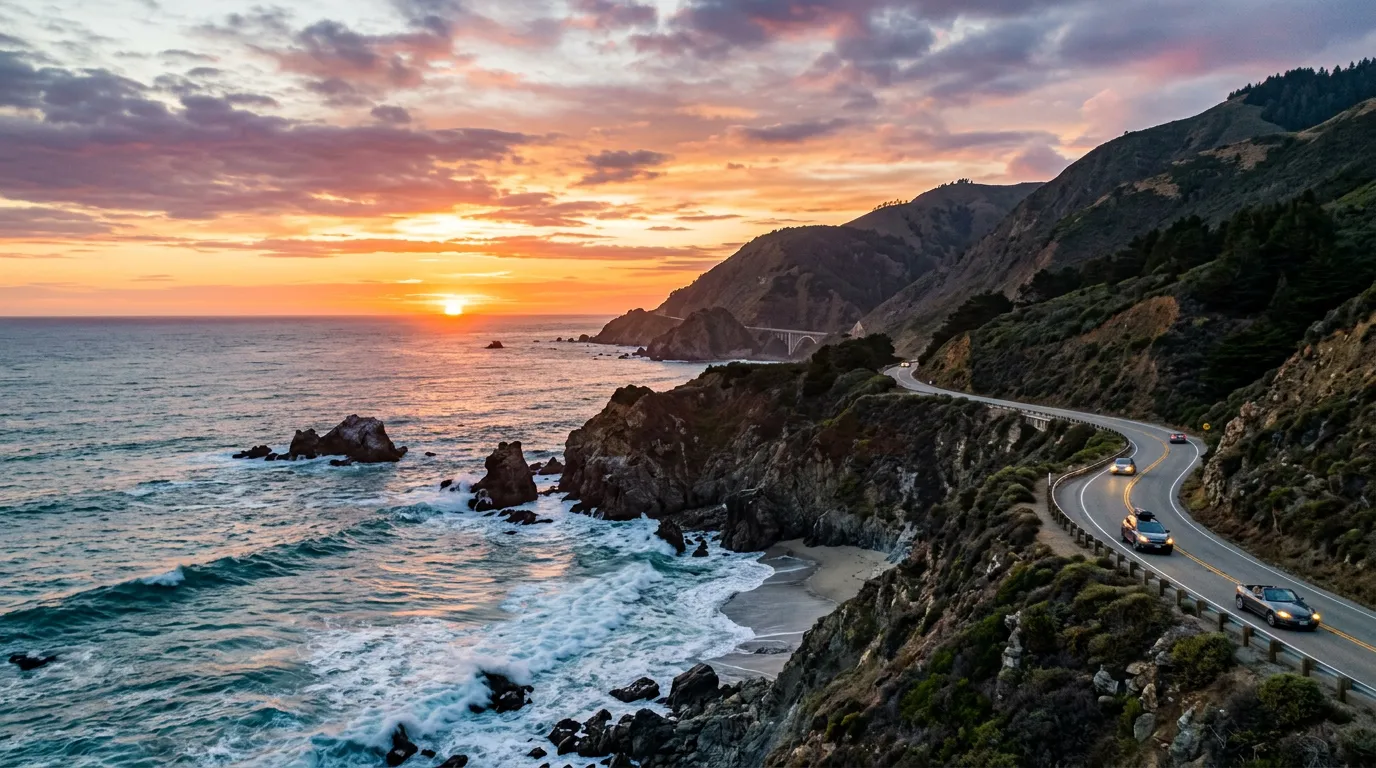
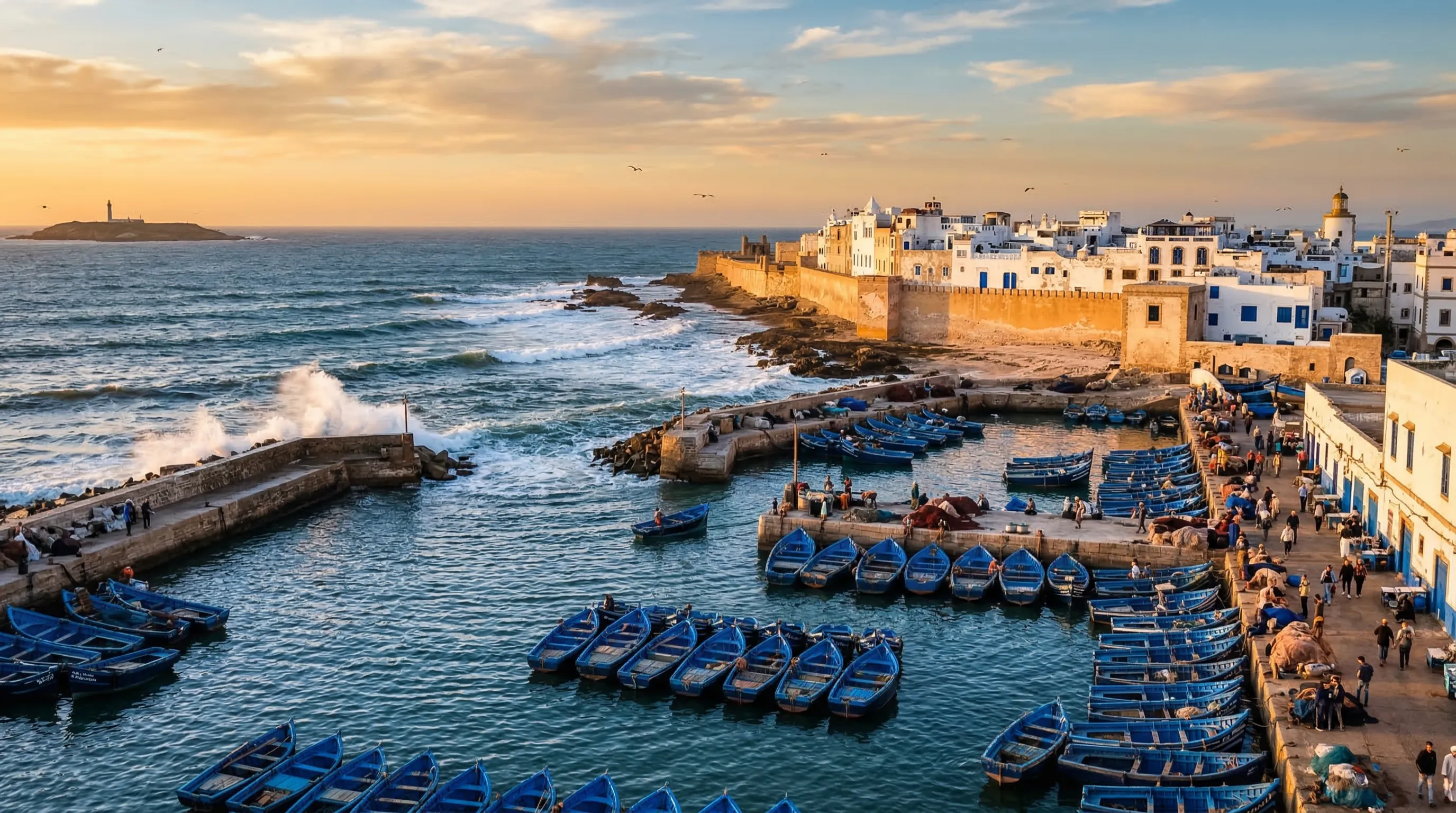
Essaouira is the beach town that does not need sunshine to impress. The Atlantic wind hammers this fortified port city almost every day, which is exactly why windsurfers and kitesurfers keep coming back. Behind the ramparts, the medina is a UNESCO World Heritage Site — a compact grid of blue-shuttered streets, art galleries, thuya wood workshops, and seafood grills. The pace is slower than Marrakech, the touts are fewer, and the Gnaoua World Music Festival each June draws crowds from across the globe. The fishing port is worth a morning visit: watch boats unload sardines and sea bream, then eat grilled fish at the harbor stalls for from 40 MAD a plate.
Beaches
- Main Beach — wide, sandy, constant wind. Camel rides, football, kite flyers. Strong currents make swimming tricky.
- Sidi Kaouki — 25 km south. Quieter, great for surfing and horseback riding along the shore.
- Moulay Bouzerktoun — 20 km north. One of Morocco's top windsurfing and kitesurfing spots.
Activities
Windsurfing, kitesurfing, surfing at Sidi Kaouki, camel rides, fishing trips, medina exploring, Gnaoua music scene, argan oil cooperative visits.
Best Season
April-June & September-October (less wind). Wind sports: year-round.
Getting There
Direct buses from Marrakech (2.5h, from 70 MAD). Shared grand taxis available. Small airport with limited domestic flights.
Accommodation
Riads in the medina from 250 MAD, hostels from 100 MAD, beachfront hotels from 600 MAD. The medina has the most character; beachside spots like Ocean Vagabond offer direct sand access.
Taghazout
Surf capital — backpackers, wave riders, yoga retreats
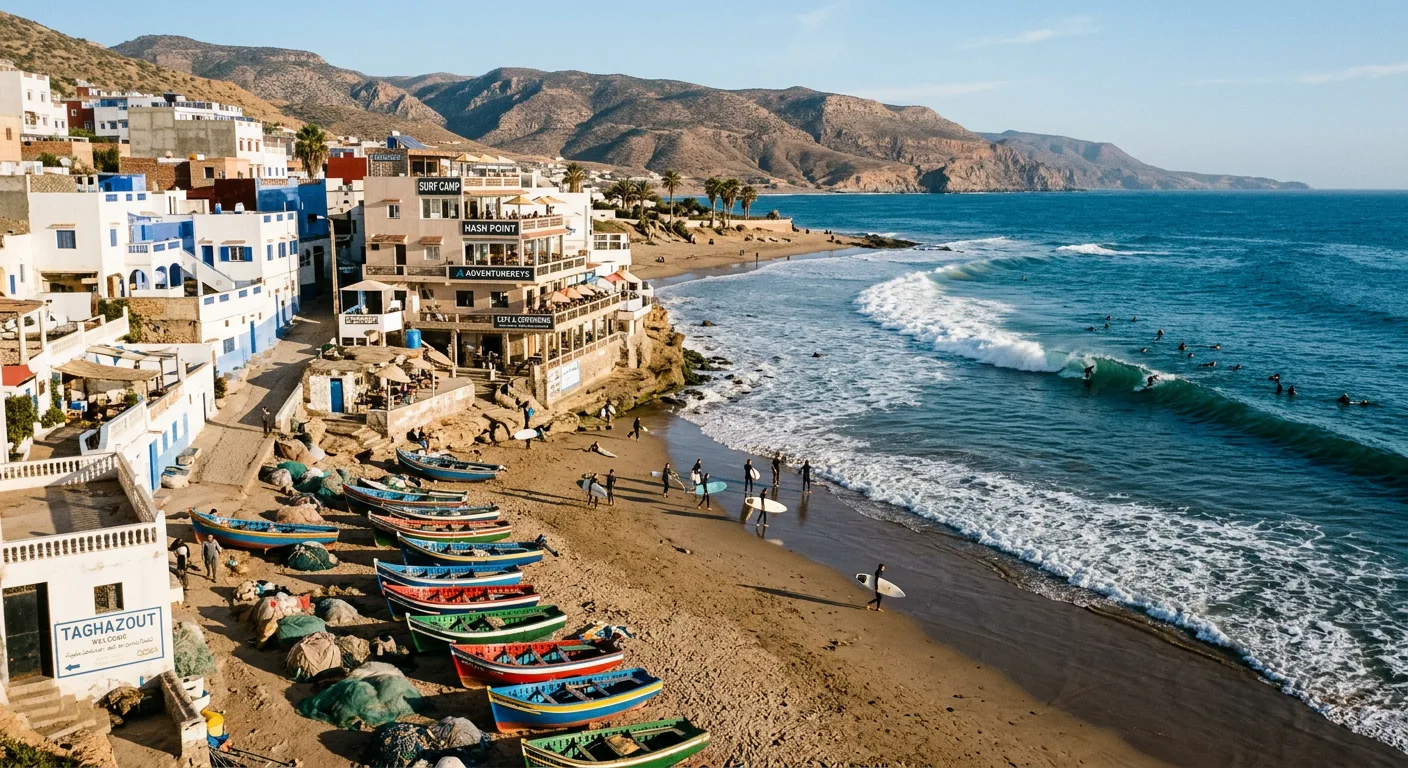
Taghazout was a fishing village until surfers discovered its point breaks in the 1960s. Today it is Morocco's surf headquarters — a single street of cafes, board rental shops, and rooftop terraces looking out at the Atlantic. The vibe is laid-back to the point of horizontal. Mornings start with yoga on a rooftop, afternoons are spent chasing waves, and evenings end with tagine and mint tea. The coastline north and south of town holds over a dozen breaks, from beginner-friendly Panoramas to the powerful Anchor Point, considered one of the best right-hand point breaks in North Africa. A massive luxury development (Taghazout Bay) has added upscale hotels without erasing the scruffy charm of the old village.
Beaches
- Taghazout Beach — the main village beach. Mellow wave for longboarding, right in front of the cafes.
- Anchor Point — world-class right-hand point break. Experienced surfers only. Best December-February.
- Panoramas — gentle beach break south of the village. Perfect for beginners and surf lessons.
- Killer Point — heavy, hollow wave over rocks. Advanced surfers, big swell days only.
Activities
Surfing (lessons from 300 MAD), yoga retreats, cliff jumping at Paradise Valley, day trips to Agadir and Tiznit, skateparking at Taghazout Bay resort.
Best Season
Surfing: October-March (biggest swells). Sunshine: year-round.
Getting There
Fly into Agadir Al Massira airport. Grand taxi from Agadir center (from 100 MAD, 20 min). Bus from Marrakech to Agadir (3.5h, from 80 MAD), then taxi north.
Accommodation
Surf hostels from 80 MAD/night, surf camp packages (7 nights + lessons) from 3,500 MAD, boutique guesthouses from 400 MAD, Taghazout Bay luxury resort from 1,500 MAD.
Asilah
Art town — culture, murals, family-friendly
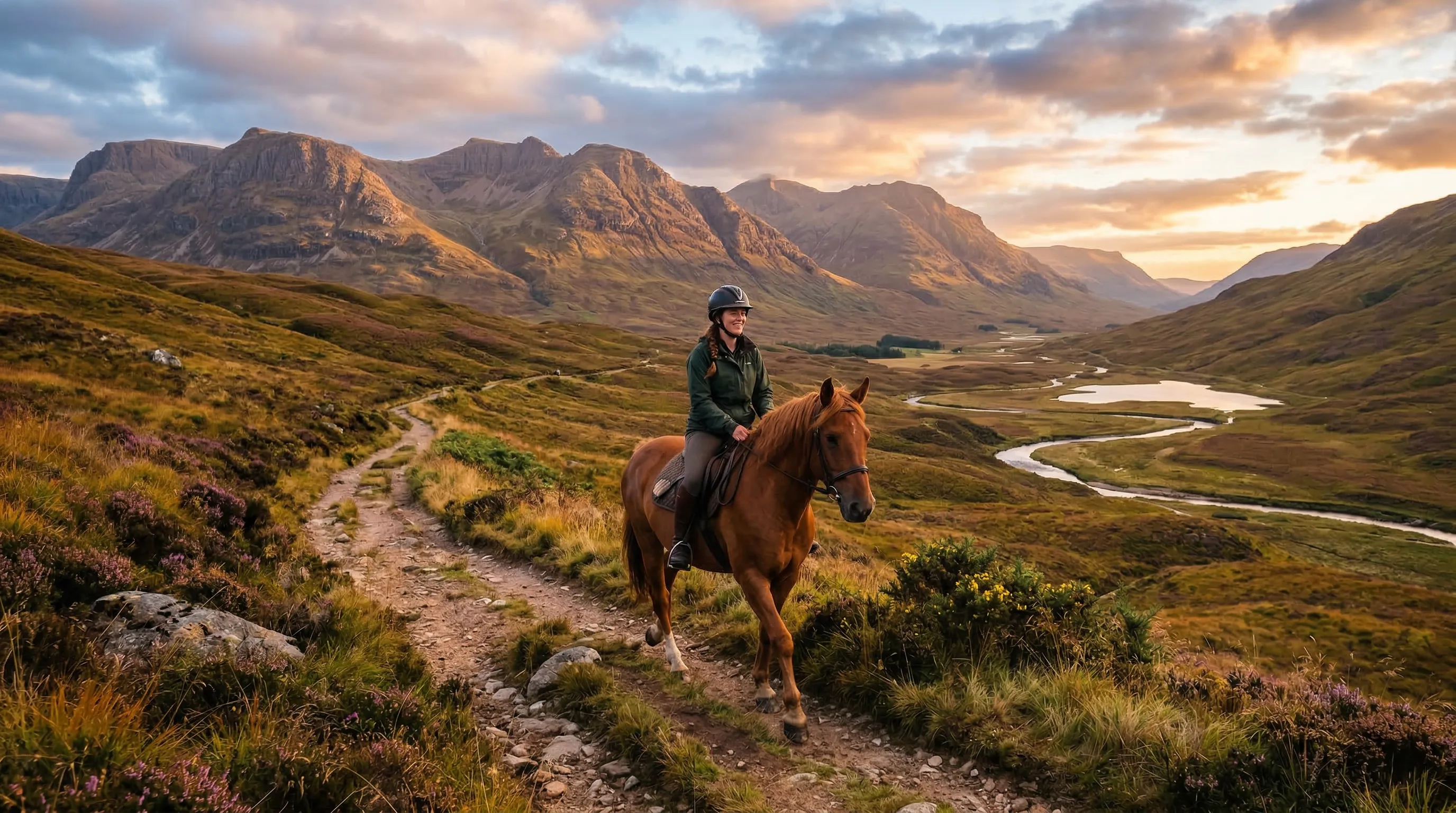
Asilah is the quietest, most refined beach town on Morocco's Atlantic coast. The medina is tiny, immaculate, and covered in murals — repainted each summer during the annual Asilah Arts Festival, which has run since 1978. Portuguese fortifications ring the old town, and from the ramparts you can watch the sun drop into the Atlantic. The beaches north of town are calm and family-friendly, a contrast to the rough Atlantic surf further south. Asilah draws Moroccan and Spanish weekenders rather than backpackers, so the restaurants tend to be a step above the average coastal town. Fresh fish, Spanish-influenced tapas, and strong coffee dominate the dining scene. The train connection to Tangier makes this an easy day trip or a peaceful base for exploring the north.
Beaches
- Paradise Beach (Rmilat) — calm, clean, sandy. Popular with Moroccan families in summer.
- Town Beach — right below the medina walls. Small but scenic with views of the Portuguese ramparts.
Activities
Mural walking tours, Portuguese ramparts exploration, Asilah Arts Festival (August), horseback riding, fresh seafood dining, day trips to Larache and Lixus ruins.
Best Season
June-September (warm water, outdoor murals festival in August).
Getting There
Train from Tangier (45 min, from 25 MAD). Train from Casablanca (4.5h). Grand taxis from Tangier. Easy day trip from Tangier.
Accommodation
Riads inside the medina from 300 MAD, budget pensions from 150 MAD, beach apartments for rent from 400 MAD/night in summer. Seasonal pricing can change — August rates double.
Mirleft
Off-the-radar — independent travelers, empty beaches
Mirleft is what Taghazout looked like 20 years ago. This small town sits above a series of cliff-backed coves on the Anti-Atlas coast, two hours south of Agadir. There are no resorts, no chain restaurants, and no crowds. The beaches are reached by scrambling down rocky paths, and on most days you will have an entire cove to yourself. A growing number of guesthouses and a few cafes have appeared, but the infrastructure is deliberately minimal. Travelers come here specifically to disconnect. The weekly souk brings the surrounding Berber countryside into town, and the sunsets from the cliff paths are some of the finest on the Moroccan coast.
Beaches
- Plage Marabout — dramatic cliff-backed beach with a white marabout (shrine) on the headland. Swimmable in calm conditions.
- Aftas Beach — sheltered cove with calmer water than the open beaches.
- Sidi Mohammed Ben Abdellah — long, empty stretch south of town. Almost always deserted.
Activities
Beach walking, cliff hiking, surfing (uncrowded breaks), birdwatching, day trips to Legzira and Sidi Ifni, visiting the weekly souk.
Best Season
March-June & September-November. Summer is hot but quiet.
Getting There
Grand taxi from Tiznit (30 min, from 20 MAD). Bus from Agadir to Tiznit (2h), then taxi. No direct transport from Marrakech — route through Agadir and Tiznit.
Accommodation
Guesthouses from 150 MAD, small hotels from 200 MAD, a handful of boutique stays from 500 MAD. No large hotels or resorts — that is the point.
Sidi Ifni
Retro colonial — Art Deco, fishing town, melancholy charm
Sidi Ifni was the last Spanish territory in Morocco, handed back only in 1969. The Art Deco cinema, the old Spanish consulate, and the crumbling airstrip are reminders of that colonial chapter. The town sits on a cliff above a wide beach, wrapped in Atlantic fog more mornings than not. There is a faded, end-of-the-road atmosphere that appeals to a specific kind of traveler — the type who finds beauty in peeling paint and empty plazas. The fishing port produces some of the freshest and cheapest seafood on the coast. Grilled sole and chips at a port-side stall costs from 30 MAD. Legzira Beach, with its famous red stone arches, is a 15-minute drive south and is the primary reason many visitors pass through.
Beaches
- Town Beach — long, wide, often foggy in the morning. Fishing boats pulled up on the sand.
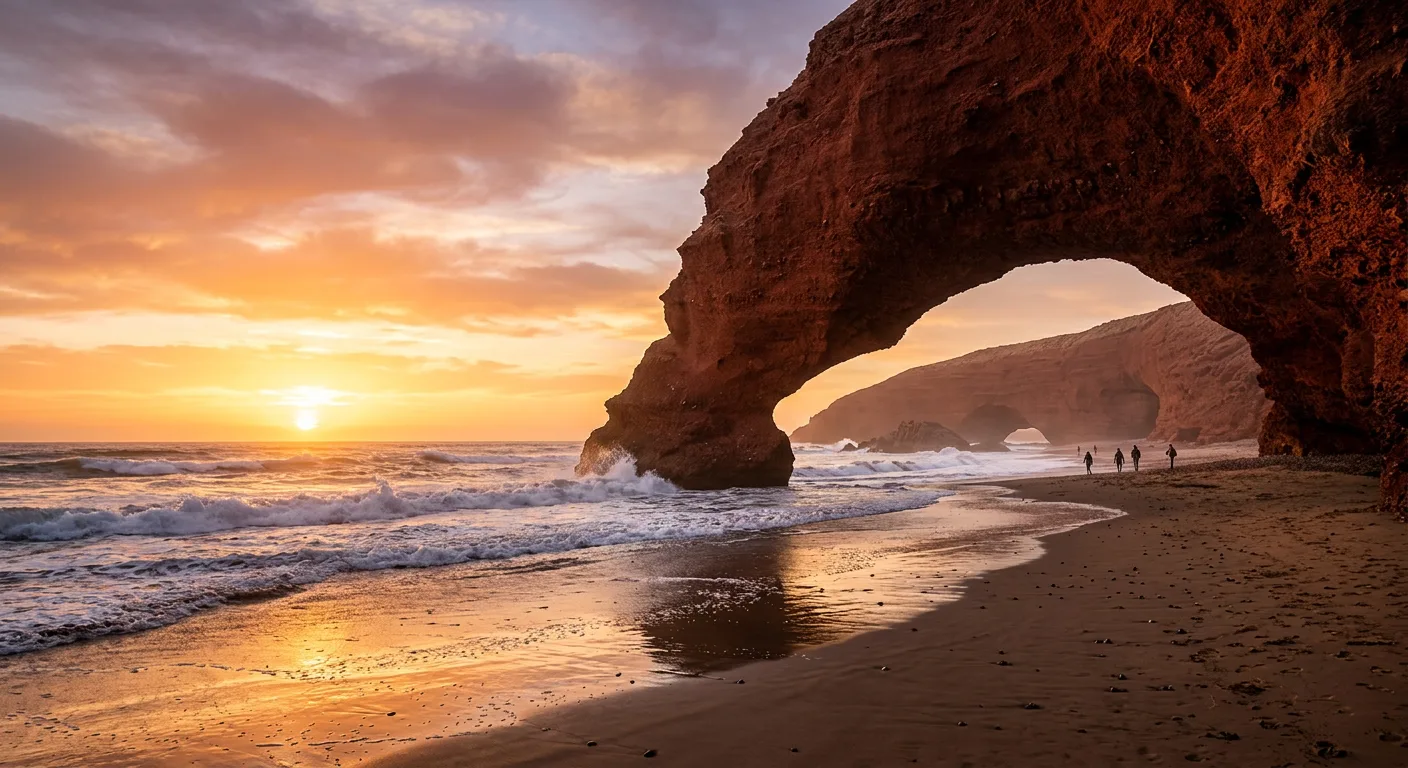
- Legzira Beach — 10 km south (technically its own area). Famous for its monumental red stone arches carved by the Atlantic.
Activities
Art Deco architecture walks, seafood at the port, day trip to Legzira arches, surfing, exploring abandoned Spanish colonial buildings.
Best Season
March-November. Fog rolls in during winter mornings but burns off by midday.
Getting There
Grand taxi from Tiznit (1.5h, from 40 MAD) or from Mirleft (30 min). No train station. Bus service from Agadir via Tiznit.
Accommodation
Basic hotels from 120 MAD, guesthouses from 200 MAD, a few renovated riads from 400 MAD. Very limited luxury options.
Dakhla
Extreme sports — kitesurfing, remote Saharan peninsula
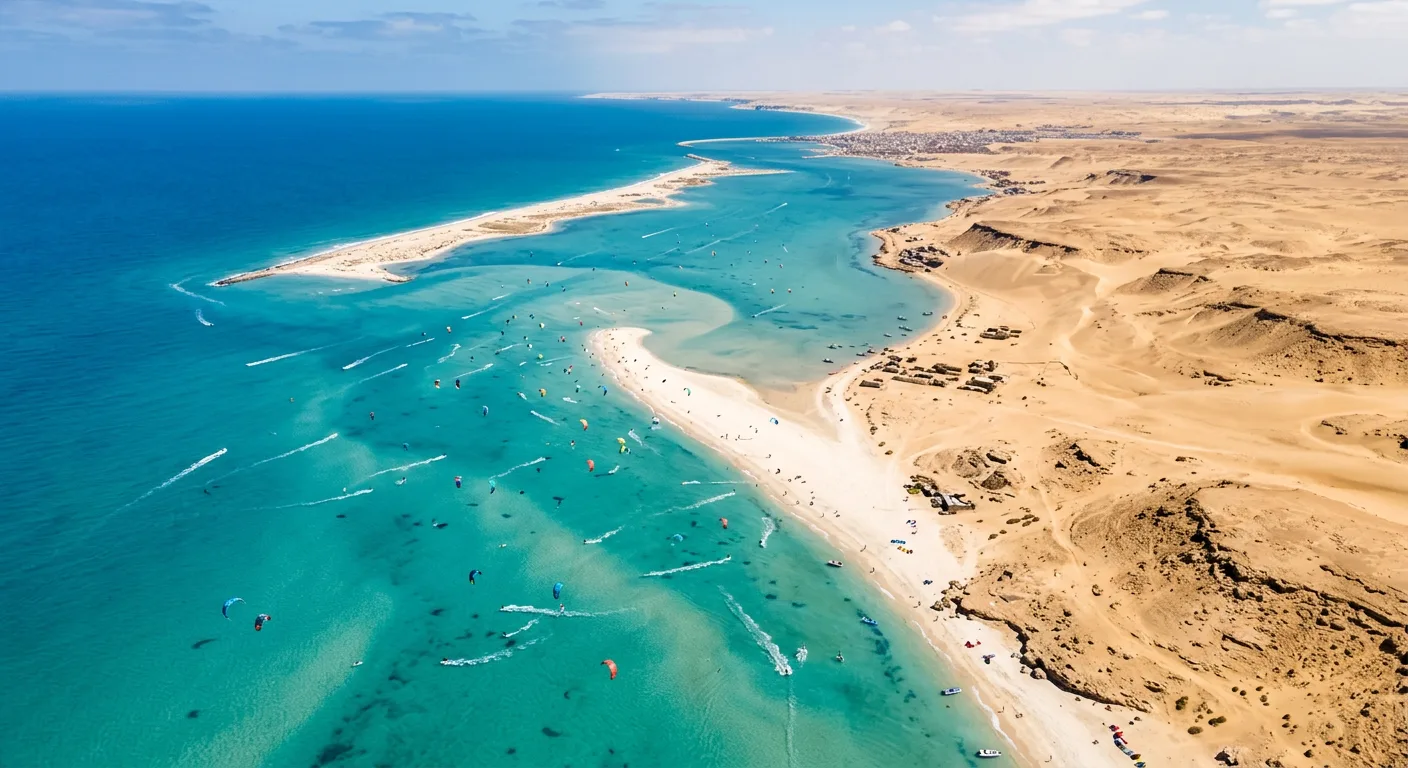
Dakhla is not a beach town in the traditional sense — it is a wind-sports mecca at the edge of the Sahara. The town sits on a narrow peninsula jutting into the Atlantic, creating a 40 km lagoon with flat, warm water and near-constant trade winds. Professional kitesurfers rank it among the top five spots on Earth. The surrounding landscape is pure desert: sand, sky, and ocean merging at the horizon. Getting here requires either a flight from Casablanca or a multi-day drive through Western Sahara. The remoteness is part of the draw. Oyster farms dot the lagoon, flamingos wade in the shallows, and at night the star visibility is extraordinary. Several well-run kite camps offer all-inclusive packages that handle logistics in a region where independent travel takes effort.
Beaches
- Dakhla Lagoon — 40 km long, flat water, consistent wind. The main kite and windsurf playground.
- Foum El Bouir — white sand on the lagoon, shallow for miles. Speed kiting and freestyle.
- PK25 — a kite camp zone on the lagoon. Flat water, no obstacles, ideal for learning.
- Atlantic Side — open ocean beaches with waves. Less developed, good for surfing and fishing.
Activities
Kitesurfing (camps from 5,000 MAD/week all-inclusive), windsurfing, stand-up paddle, fishing trips, flamingo watching, desert excursions, oyster farm visits.
Best Season
March-November for kiting (wind 80%+ of days). Fishing: year-round.
Getting There
Flights from Casablanca (2h, from 800 MAD one-way on Royal Air Maroc). Driving from Marrakech takes 18+ hours. Most visitors fly.
Accommodation
Kite camps from 800 MAD/night (all-inclusive with gear), town hotels from 300 MAD, eco-lodges on the lagoon from 600 MAD. Most visitors book all-inclusive kite packages.
Legzira
Natural wonder — dramatic arches, photography, sunsets
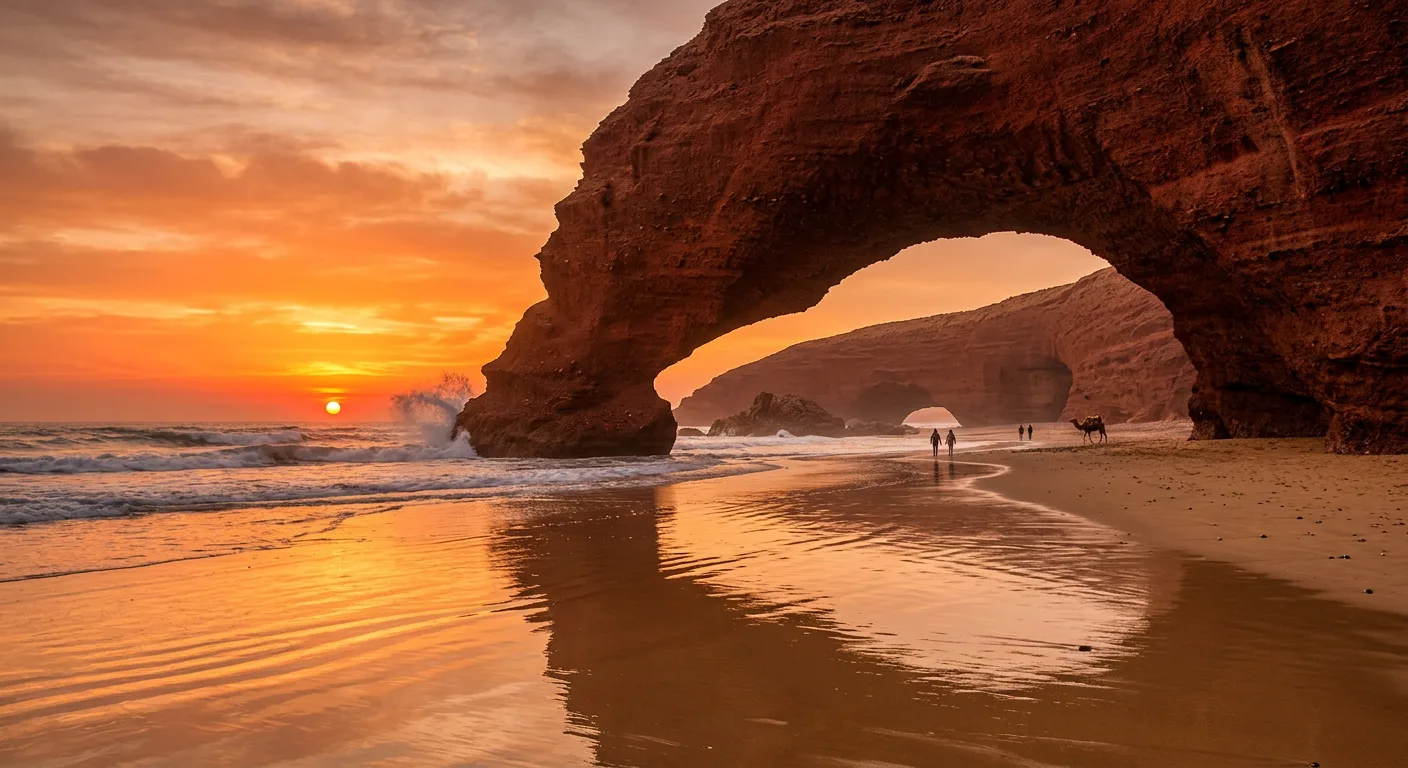
Legzira is a beach, not a town, but it deserves a place on this list for its geological drama alone. Massive red sandstone arches rise from the sand, carved into shape by Atlantic waves over millions of years. One of the two largest arches collapsed in September 2016, but the remaining formations are still among the most photographed natural features in Morocco. Visiting requires timing: at high tide, the beach disappears and the arches are inaccessible. Check the tide tables and arrive two hours before low tide for the best light and the most walking room. The cliffs above offer paragliding launches, and a few guesthouses perched on the edge serve meals with a view that would cost ten times as much anywhere in southern Europe.
Beaches
- Legzira Beach — the main attraction. Red and orange stone arches sculpted by millennia of wave erosion. One major arch collapsed in 2016; remaining formations are still spectacular.
Activities
Photography, beach walking at low tide, swimming (careful of currents), surfing, sunset watching, paragliding from the cliffs above.
Best Season
March-November. Low tide is essential for walking under the arches.
Getting There
Grand taxi from Sidi Ifni (15 min, from 20 MAD). From Tiznit, grand taxi to Sidi Ifni then onward. No public bus to the beach itself.
Accommodation
A handful of cliffside guesthouses from 200 MAD with direct beach views. Basic auberges from 150 MAD. Most visitors stay in Sidi Ifni or Mirleft and day-trip to Legzira.
Oualidia
Lagoon town — families, oysters, calm water
Oualidia is where Moroccans go when they want a beach that is actually safe to swim in. The town wraps around a crescent-shaped lagoon protected from the Atlantic by a natural sandbar, creating a pool of calm, warm water that is perfect for families and non-swimmers. Oualidia is also Morocco's oyster capital — the lagoon's clean, nutrient-rich water supports several oyster farms, and you can eat a dozen freshly shucked oysters with lemon for from 50 MAD at waterside shacks. The town itself is small and unhurried. Birdwatchers come for the flamingos and herons that feed in the lagoon at dawn. La Sultana, one of Morocco's finest boutique hotels, sits on the lagoon shore and offers a rare taste of luxury in an otherwise low-key destination.
Beaches
- Oualidia Lagoon — calm, shallow, sheltered from Atlantic waves by a sandbar. Safe swimming for children.
- Outer Beach — beyond the sandbar, open Atlantic. Stronger waves, surfable on good days.
Activities
Lagoon swimming, kayaking, oyster tasting (from 50 MAD per dozen), birdwatching (flamingos, herons), surfing on the outer beach, boat rides.
Best Season
May-October. Water is warmest July-September.
Getting There
Grand taxi from El Jadida (1h, from 30 MAD). Bus from Casablanca to El Jadida (1.5h), then taxi. Driving from Marrakech takes about 3.5 hours.
Accommodation
Small hotels from 250 MAD, La Sultana Oualidia (luxury) from 2,500 MAD, guesthouses from 200 MAD. Limited options overall — book ahead in summer. Seasonal pricing can change in July-August.
Atlantic Coast vs Mediterranean Coast
Morocco's two coastlines could belong to different countries. Here is how they compare.
Water temperatures are approximate and vary by specific location and year.
Feature
Atlantic Coast
Mediterranean Coast
Water Temperature (Summer)
19-22 degrees C
23-26 degrees C
Water Temperature (Winter)
16-18 degrees C
15-17 degrees C
Wave Conditions
Large swells, strong currents
Calm, small waves
Wind
Strong and constant (especially Essaouira)
Light to moderate
Best For
Surfing, kitesurfing, dramatic scenery
Swimming, family holidays, resort stays
Coast Length
Approx. 2,800 km
Approx. 500 km
Key Towns
Essaouira, Taghazout, Asilah, Mirleft
Al Hoceima, Saidia, M'diq, Fnideq
Tourism Style
Independent, surf culture, bohemian
Resort, beach clubs, European influence
Sand Color
Golden to red (Legzira)
White to golden
Seafood Speciality
Sardines, sea bream, oysters (Oualidia)
Prawns, squid, anchovies
Water Activities Along the Coast
Morocco's coast supports everything from beginner surf lessons to professional kitesurfing competitions. Here is what you can do and what it costs.
Surfing
Best spot: Taghazout & Sidi Kaouki
Season: October-March (biggest swells)
Level: All levels — beginner spots and expert-only point breaks
From 200 MAD/day (board rental), from 300 MAD (lesson)
Kitesurfing
Best spot: Dakhla Lagoon & Moulay Bouzerktoun
Season: March-November (Dakhla), June-September (Essaouira)
Level: Intermediate to advanced (Dakhla has beginner areas)
From 500 MAD/session, from 5,000 MAD/week camp
Windsurfing
Best spot: Essaouira & Dakhla
Season: Year-round (Essaouira), March-November (Dakhla)
Level: Intermediate to advanced
From 400 MAD/half-day rental
Kayaking & SUP
Best spot: Oualidia Lagoon & Dakhla
Season: May-October
Level: All levels — lagoon conditions are flat and calm
From 100 MAD/hour
Fishing Trips
Best spot: Essaouira, Sidi Ifni, Dakhla
Season: Year-round
Level: No experience needed
From 300 MAD/half-day on a local boat
Snorkeling & Diving
Best spot: Al Hoceima (Mediterranean), Cap Spartel
Season: June-September (clearest water)
Level: All levels (snorkeling), certified divers (scuba)
From 400 MAD/dive, from 100 MAD/snorkel rental
Which Beach Town Is Right for You?
For Surfers
Taghazout is the obvious choice, with breaks for every level within walking distance. Beginners should head to Panoramas or book a surf camp with daily lessons. Advanced riders should time a visit for December-February when Anchor Point and Killer Point deliver serious Atlantic swell. Sidi Kaouki (near Essaouira) is a quieter alternative.
For Kitesurfers & Windsurfers
Dakhla for flat-water lagoon conditions and near-guaranteed wind. Essaouira and Moulay Bouzerktoun for wave riding in wind. Dakhla is remote and requires a flight, but the lagoon conditions are world-class. Essaouira is easier to reach and has a full medina to explore between sessions.
For Families
Oualidia has the safest swimming on the Atlantic coast thanks to its protected lagoon. Children can paddle in shallow, calm water while parents eat oysters. Asilah is another strong pick — the Paradise Beach is calm, the medina is safe for wandering, and the train connection to Tangier makes logistics simple.
For Photographers & Artists
Asilah for the mural-covered medina and rampart sunsets. Legzira for the red stone arches at golden hour. Essaouira for the fishing port, blue boats, and medina light. Sidi Ifni's Art Deco architecture offers a different, more melancholic visual palette.
For Off-the-Beaten-Path Travelers
Mirleft delivers empty beaches, cliff-backed coves, and minimal tourist infrastructure. Sidi Ifni has a faded, end-of-the-road character that rewards slow travelers. Both are reachable from Tiznit and can be combined in a southern coast road trip with Legzira.
For Budget Travelers
Taghazout hostels start from 80 MAD. Sidi Ifni hotels from 120 MAD. Mirleft guesthouses from 150 MAD. All three towns have cheap eats under 40 MAD. Essaouira has the widest range of budget options but prices jump in summer. Avoid July-August if you are counting dirhams.
Coastal Packing Essentials
Six items that make a real difference on Morocco's coast.
Reef-safe sunscreen
UV is intense on the Moroccan coast year-round. Reef-safe formulas protect marine life in shallow reef areas.
Rash guard or UV shirt
Doubles as sun protection and wetsuit for warmer months. Essential for surfing and snorkeling.
Water shoes or reef sandals
Rocky entries at Mirleft, Legzira, and many surf breaks. Protects against sea urchins.
Windbreaker or light jacket
Essaouira and Taghazout get cold wind even in summer. Evenings on the coast cool down fast.
Tide chart app
Critical for Legzira (arches accessible at low tide only) and reef-break surfing at Taghazout.
Modest swimwear cover-up
Morocco is conservative. A sarong or cover-up is appreciated when walking from beach to town.
Beach Safety in Morocco
The Atlantic is powerful and unpredictable. Respect it.
Rip Currents Are Common
Atlantic beaches regularly produce strong rip currents. If caught, do not swim against it. Swim parallel to shore until free, then angle back in. Many beaches lack lifeguards — ask locals about conditions before entering.
Check Tides Before Visiting Legzira
At high tide, the beach at Legzira disappears completely and the arches become inaccessible. People have been trapped by rising water. Check tide charts online and arrive at least two hours before low tide.
Surf Within Your Level
Anchor Point, Killer Point, and Boilers near Taghazout are expert-only breaks over shallow reef and rocks. Beginners should stick to beach breaks like Panoramas. Surf schools will direct you to appropriate spots.
Sun and Wind Combine for Fast Burns
The Atlantic wind cools your skin, masking UV exposure. Apply sunscreen every 90 minutes even on overcast days. Essaouira's wind makes cloud cover deceptive — you can burn badly without feeling hot.
Jellyfish Season (August-September)
Portuguese man-of-war and other jellyfish appear along the Atlantic coast in late summer. Watch for them on the sand. If stung, rinse with seawater (not fresh water) and seek a pharmacy for antihistamine cream.
Valuables on the Beach
Do not leave bags unattended on busy beaches in Essaouira or Asilah during peak season. Use waterproof pouches for phones and cash. At quieter spots like Mirleft or Sidi Ifni, theft is rare but basic precautions still apply.
Eating on the Coast
Morocco's coastal cuisine revolves around seafood, and the further south you go, the cheaper and fresher it gets. At Essaouira's fish market stalls, you pick your fish from the display, the cook grills it over charcoal, and you eat it with bread, harissa, and a salad for from 40 MAD. In Sidi Ifni, a full plate of grilled sole with fries costs from 30 MAD at the port.
Oualidia is Morocco's oyster capital. Freshly shucked oysters with lemon cost from 50 MAD per dozen at lagoon-side stands. The more formal restaurants serve them with mignonette and champagne. Sardines — grilled whole, drizzled with chermoula, and served on newspaper — are the coast's signature street food, available everywhere from Tangier to Dakhla for from 15 MAD.
Tagines and couscous remain staples even at the beach. Fish tagine with tomatoes, potatoes, and preserved lemon is the coastal version of Morocco's national dish. In Asilah, the Spanish influence shows up in tapas bars and seafood paella. Taghazout's surf cafes serve smoothie bowls, avocado toast, and international dishes alongside traditional fare — a reflection of its international surf crowd.
When to Visit: Season by Season
Timing depends entirely on what you want to do.
Spring (March-May)
Air: 18-24 degrees C. Water: 17-19 degrees C. Moderate wind.
Wildflowers along the coast, uncrowded beaches, good surfing conditions. Mirleft and Legzira are at their best. Dakhla kite season begins.
Water is still cool for swimming. A wetsuit is needed for surfing.
Summer (June-August)
Air: 25-35 degrees C. Water: 20-23 degrees C. Strong wind at Essaouira.
Peak beach season. Warmest water temperatures. Asilah Arts Festival in August. All towns busy with Moroccan and European visitors.
Accommodation prices peak in July-August. Book ahead for Essaouira and Oualidia. Essaouira stays windy — not a sunbathing beach.
Autumn (September-November)
Air: 20-28 degrees C. Water: 20-22 degrees C. Wind easing.
Still warm enough for swimming through October. Surf season building. Fewer crowds after schools restart. Excellent for Taghazout and Dakhla.
September can bring jellyfish to Atlantic beaches. October is the sweet spot for most towns.
Winter (December-February)
Air: 12-18 degrees C. Water: 16-18 degrees C. Big Atlantic swells.
Prime surf season at Taghazout. Whale watching possible off the south coast. Quiet towns, low prices. Dakhla wind drops — less ideal for kiting.
Too cold for casual beach swimming on the Atlantic. The Mediterranean coast is equally cold. This is a surf-and-explore season, not a sunbathe-and-swim season.
Frequently Asked Questions
Answers to the most common questions about Morocco's beach towns.
What is the best beach town in Morocco for surfing?
Taghazout is the undisputed surf capital. The town sits on a coastline with over a dozen breaks suited to all levels, from the gentle foam of Panoramas to the powerful barrels of Killer Point and Anchor Point. December through March delivers the biggest swells. Surf camps and board rentals start from 200 MAD per day.
Is it safe to swim at Morocco's Atlantic beaches?
Many Atlantic beaches have strong currents, undertow, and large waves. Stick to beaches with lifeguards on duty, especially Essaouira's main beach, Legzira (watch the tide), and Oualidia's lagoon, which is the safest swimming spot on the Atlantic coast. The Mediterranean side around Al Hoceima and Saidia has calmer, warmer water better suited to casual swimmers.
When is the best time to visit Morocco's beach towns?
June through September offers the warmest water and most sunshine. Essaouira and Taghazout stay windy year-round, making them ideal for wind sports even in winter. Dakhla is best from March to November for kitesurfing. Oualidia and Asilah are most pleasant from May through October. Avoid the Atlantic coast in January if you just want to sunbathe — water temperatures drop to 16-17 degrees Celsius.
How do I get to Taghazout from Marrakech?
Take a direct bus from Marrakech to Agadir (3.5 hours, from 80 MAD on CTM or Supratours). From Agadir, a grand taxi to Taghazout costs from 100 MAD per person (20 minutes). Alternatively, rent a car at Agadir airport — the drive from Marrakech to Taghazout takes about 3.5 hours via the toll motorway through Agadir.
Can I find budget accommodation in Moroccan beach towns?
Absolutely. Taghazout has hostels from 80 MAD per night and surf camp packages (board, lessons, accommodation, meals) from 500 MAD per day. Mirleft has guesthouses from 150 MAD. Sidi Ifni has basic hotels from 120 MAD. Essaouira has the widest range, from 100 MAD hostels to luxury riads at 2,000+ MAD. Seasonal pricing can change in July-August when rates across all towns rise 30-50 percent.
Which Moroccan beach town is best for families with children?
Oualidia. The protected lagoon has calm, shallow water that is ideal for young children. The town is quiet, uncrowded, and known for its oyster farms and fresh seafood. Essaouira is a strong second choice — the medina is walkable, camel rides are available on the beach, and there are plenty of family-friendly riads.
Is Dakhla worth the long journey from northern Morocco?
If you are into kitesurfing, windsurfing, or want a genuinely remote Atlantic experience, yes. Dakhla sits on a peninsula in the Saharan south with a massive lagoon that produces flat, warm water and consistent wind — arguably the best kite spot in Africa. Getting there requires a flight from Casablanca (2 hours) or a very long drive (18+ hours from Marrakech). Most visitors stay at all-inclusive kite camps.
What is the difference between Morocco's Atlantic and Mediterranean coasts?
The Atlantic coast is longer, wilder, and windier — perfect for surfing and wind sports but cold for swimming outside summer. The Mediterranean coast (from Tangier east to Saidia) has warmer, calmer water, smaller waves, and a more European beach-holiday feel. The Atlantic has more character and culture; the Mediterranean has more resort infrastructure and family-friendly beaches.
Related Travel Guides
Morocco Surfing Guide
Detailed surf spot guide covering every break from Taghazout to Sidi Kaouki, with swell charts and season tips.
Read GuideMorocco Kitesurfing Guide
Dakhla, Essaouira, and Moulay Bouzerktoun — the best kite spots, wind statistics, and camp recommendations.
Read GuideBest Beaches in Morocco
Ranked list of Morocco's finest beaches across both coasts, with access info and crowd levels.
Read GuideEssaouira City Guide
Full guide to Essaouira: medina, riads, restaurants, Gnaoua festival, argan cooperatives, and day trips.
Read GuideMore Coastal & Outdoor Guides
Fishing in Morocco
Sea fishing charters, river fishing in the Atlas, and lake fishing — species, seasons, and permits.
Camping Guide
Beach camping, desert bivouacs, and mountain wild camping — regulations, gear, and best sites.
Road Trip Routes
Coastal road trip itineraries connecting beach towns from Tangier to Dakhla with driving times and stops.
Yoga Retreats
Beachside yoga retreats in Taghazout, Essaouira, and Dakhla combining surf, yoga, and Moroccan cuisine.
Family Travel Guide
Kid-friendly beaches, family riads, and practical tips for traveling Morocco with children.
Budget Travel
How to travel Morocco on a tight budget: cheap eats, hostels, transport savings, and free activities.
Ready to Hit the Coast?
Explore our city guides, surf reports, and transport information to plan your Moroccan beach trip.