Discovering...
Senior Travel Guide
Morocco for Seniors
— Travel Guide 2026
The complete guide for travelers over 60. Accessibility tips, comfortable accommodations, health advice, pace-friendly itineraries, and guided tour recommendations.
Why Morocco Is Perfect for Senior Travelers
Morocco is one of the most rewarding destinations for travelers over 60. The country offers a unique combination of rich culture, warm climate, affordable luxury, and a deep cultural respect for elders that you will feel in every interaction. In Moroccan society, older people are honored and treated with genuine deference, making senior travelers feel valued and welcome.
This guide covers every aspect of visiting Morocco as a senior — from accessible accommodations and navigating ancient medinas safely, to health considerations, pace-friendly itineraries, and guided tour recommendations. With modern private hospitals in every major city, professional guides, and luxury accommodations at a fraction of European prices, Morocco offers comfort and cultural richness in equal measure.
Why Seniors Love Morocco
Cultural richness, comfort, and affordability that few destinations can match.
Elders Honored
Cultural Respect
Moroccan culture deeply respects older people
300+ Sunny Days
Climate
Warm Mediterranean and semi-arid climate year-round
Private Clinics Available
Healthcare
English-speaking doctors in all major cities
Very Affordable
Value for Money
Luxury experiences at a fraction of European prices
Cultural advantage: In Morocco, age brings respect. Older travelers are treated with more courtesy, patience, and warmth. You will be offered seats, given priority, and addressed with respectful language. The Moroccan pace of life — tea ceremonies, unhurried meals, and leisurely strolls — naturally suits travelers who prefer quality over speed.
Best Cities in Morocco for Senior Travelers
Top destinations reviewed from a senior traveler's perspective.

Marrakech
Vibrant with luxury options
Marrakech is the top choice for senior travelers thanks to its exceptional tourist infrastructure. The city offers world-class luxury riads and hotels, professional guided tours that handle all logistics, and an extraordinary range of cultural experiences. The Gueliz new town area is modern and easy to navigate, and many hotels offer wheelchair access and medical assistance on call.
Senior-Friendly Highlights
Luxury accommodations from 800 MAD per night with elevator access
Majorelle Garden and Bahia Palace are accessible on flat ground
Private cooking classes and hammam experiences available
Modern hospitals and pharmacies within 15 minutes
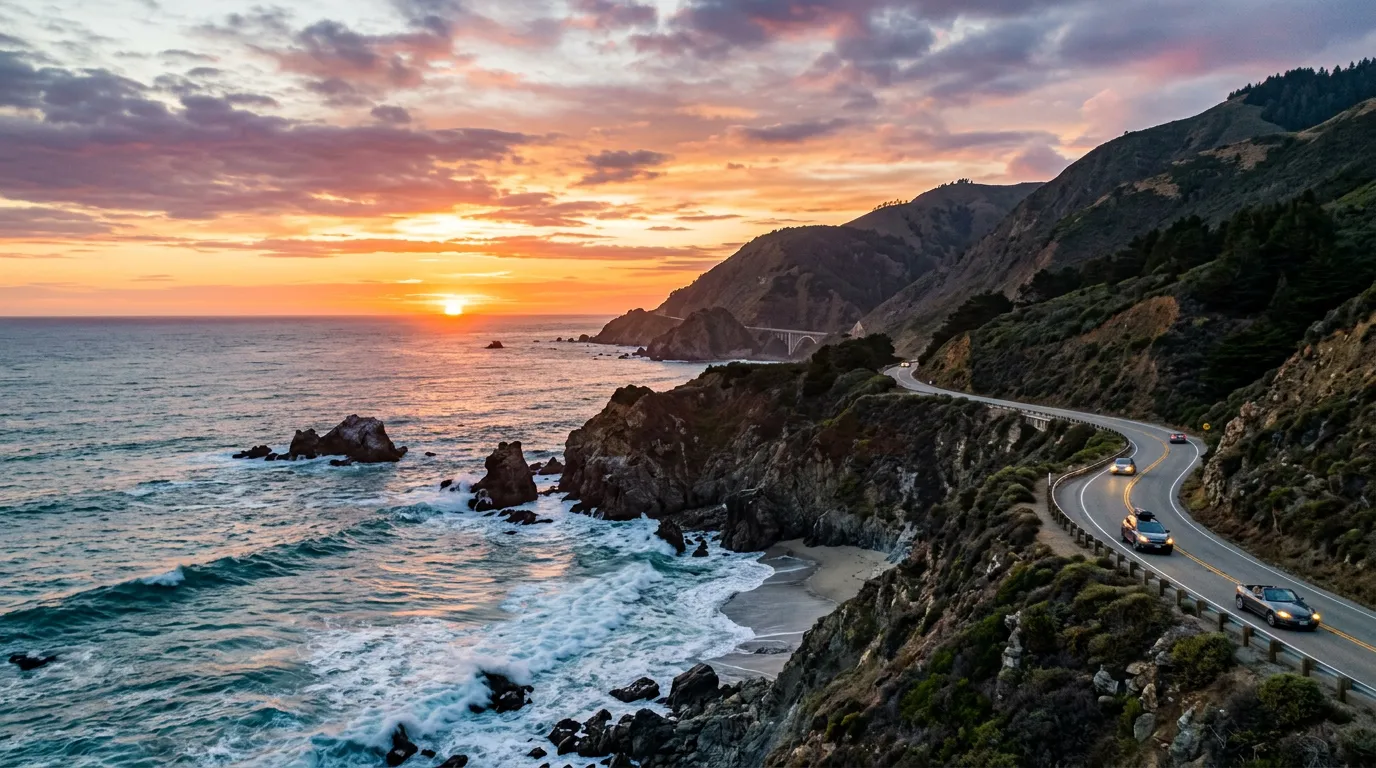
Essaouira
Relaxed coastal pace
Essaouira is ideal for seniors who prefer a gentle pace. The medina is one of the most accessible in Morocco with a relatively flat grid layout and manageable size. The Atlantic breeze keeps temperatures comfortable even in summer, and the relaxed atmosphere with excellent seafood makes it perfect for leisurely exploration.
Senior-Friendly Highlights
Flat, grid-layout medina that is easy to navigate on foot
Cool ocean breezes keep temperatures comfortable year-round
Fresh seafood restaurants with terrace seating from 80 MAD
Small enough to explore without exhaustion
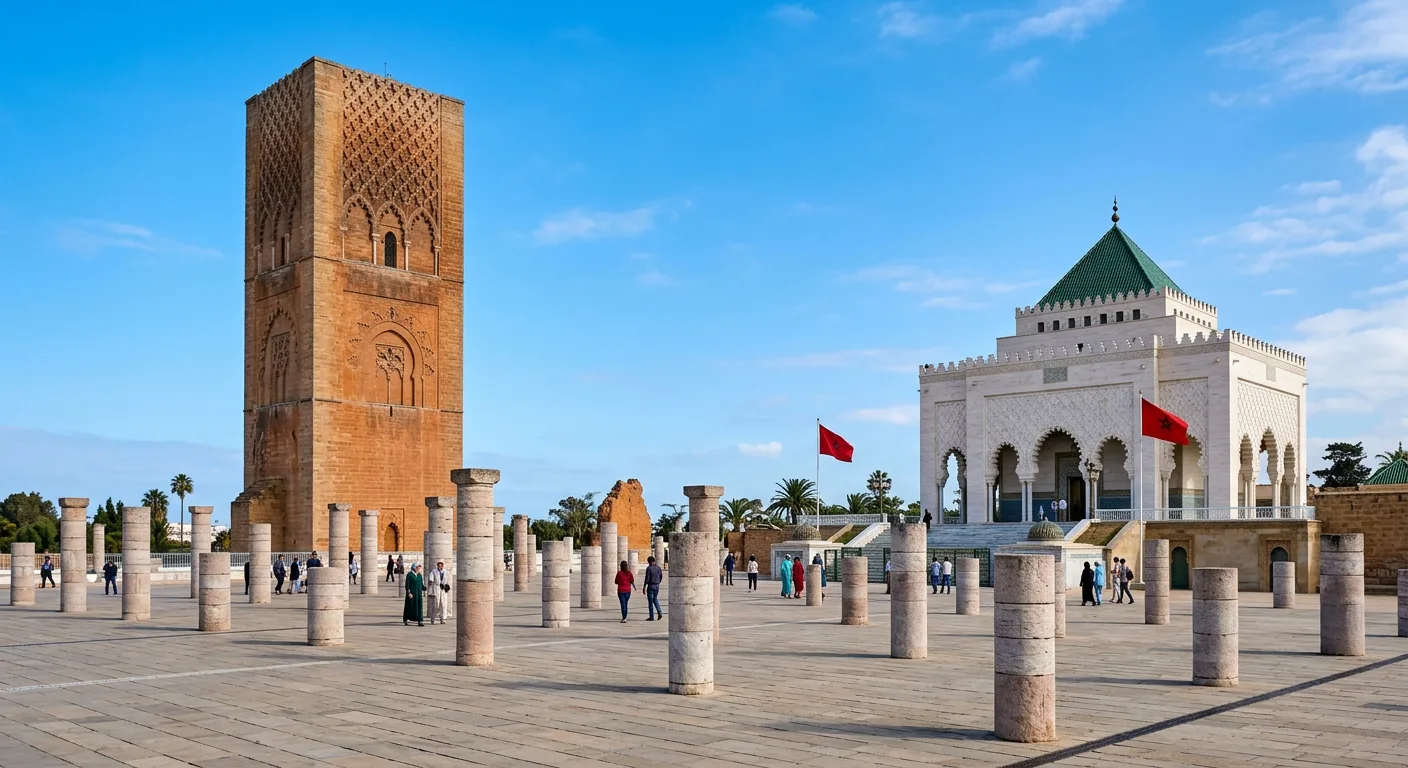
Rabat
Modern and organized
Morocco's capital is one of the easiest cities for seniors to navigate. Modern infrastructure, a clean tram system, wide boulevards, and well-maintained public spaces make Rabat feel more European than many Moroccan cities. The medina is clean and organized, and cultural sites are spread across manageable distances.
Senior-Friendly Highlights
Modern tram system with step-free access at all stops
Wide, well-maintained boulevards and sidewalks
Hassan Tower and Mausoleum are accessible on flat ground
Major hospitals and international clinics nearby
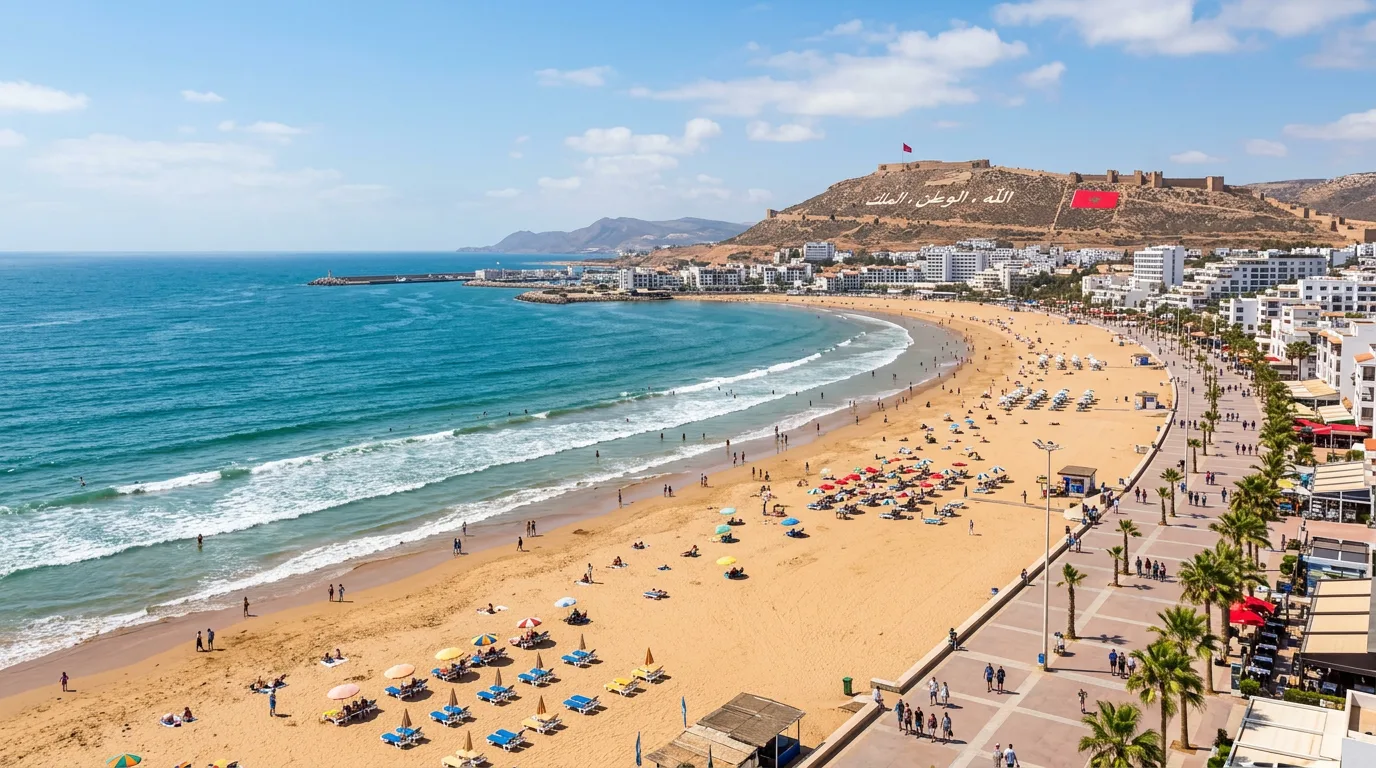
Agadir
Beach resort comfort
Agadir is the most physically accessible city in Morocco. Rebuilt as a modern resort city after the 1960 earthquake, it has wide streets, modern buildings, and resort-style infrastructure. The long beachfront promenade is flat and perfect for morning walks. It offers maximum comfort for seniors with mobility considerations.
Senior-Friendly Highlights
Modern grid layout with wide, flat streets and sidewalks
Beachfront promenade ideal for gentle walks and wheelchair users
All-inclusive resorts with full accessibility features
Modern Souss-Massa hospital with international standards
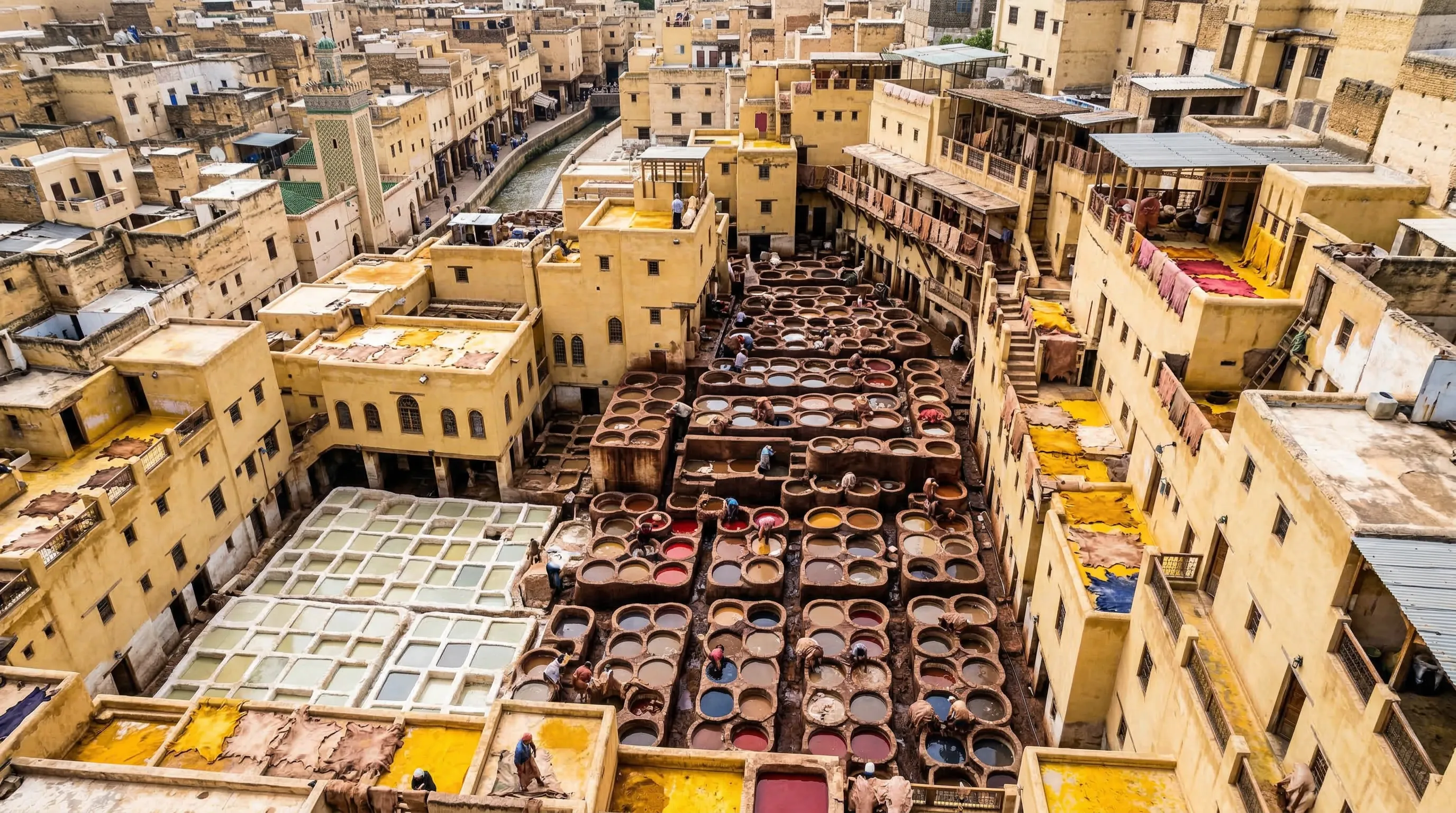
Fes
Culturally rich but challenging
Fes offers the most authentic cultural experience in Morocco, but seniors should plan carefully. The ancient medina has steep hills, narrow passages, and uneven cobblestones. A licensed guide is essential. Stay in a luxury riad with ground-floor access and take the medina in short morning sessions with rest breaks.
Senior-Friendly Highlights
The world's most authentic medieval city experience
Licensed guides who know step-free routes through the medina
Exceptional luxury riads with ground-floor rooms available
Ville Nouvelle area is modern and flat for easy walking
Health and Medical Information
Everything seniors need to know about medical facilities, medications, and health precautions.
Prescription Medications
Bring a full supply of all prescriptions plus an extra week as buffer. Carry in original packaging with a doctor's letter. Specific brands may not be available locally, though generics are stocked.
Carry medications in hand luggage, never in checked bags
Bring a doctor's letter in English and French listing all medications
Pack an extra week of all prescriptions as a safety buffer
Pharmacies in Morocco are marked with green crosses and are widespread
Private Hospitals and Clinics
Private hospitals in all major cities have English-speaking doctors, modern equipment, and reasonable fees. Standard consultations from 300 MAD. Emergency treatment available 24 hours.
Clinique Internationale Marrakech: English-speaking staff, 24-hour emergency
Clinique du Parc Casablanca: full-service private hospital
Clinique Agdal Rabat: modern facility near the embassy district
Your hotel or riad can arrange a doctor visit to your room if needed
Heat and Hydration
Heat is the biggest health risk for seniors. Inland cities exceed 40 degrees Celsius in summer. Plan outdoor activities for early morning or late afternoon, and rest during the hottest hours.
Drink at least 2 to 3 liters of bottled water daily
Avoid outdoor activities between 12:00 and 16:00 in summer months
Wear a wide-brimmed hat, sunglasses, and loose light-colored clothing
Watch for signs of heat exhaustion: dizziness, nausea, rapid heartbeat
Food and Water Safety
Drink only bottled water, including for brushing teeth. Choose busy restaurants with high food turnover. Avoid raw salads and unpeeled fruits from street vendors.
Drink only sealed bottled water from reputable brands like Sidi Ali or Ain Saiss
Eat at restaurants with high turnover where food is freshly prepared
Cooked tagines and grilled meats are generally safe choices
Carry anti-diarrhea medication and oral rehydration sachets
Comfortable Accommodations for Seniors
The best accommodation types for senior travelers with accessibility tips and price guidance.
Luxury Riads with Ground-Floor Access
From 800 MAD / nightBest for: Cultural atmosphere, personal service
The most charming option for seniors. Best luxury riads offer ground-floor rooms with walk-in showers. Staff arrange transport, accommodate dietary needs, and the courtyard setting is perfect for relaxing.
Always request a ground-floor room when booking to avoid steep riad staircases
Ask about walk-in showers versus traditional bathtub-only bathrooms
Staff will arrange trusted drivers, guides, and restaurant reservations
Riad La Sultana and Royal Mansour in Marrakech are senior-friendly
Five-Star International Hotels
From 1,500 MAD / nightBest for: Full accessibility, modern amenities
International chains like Four Seasons Marrakech, Sofitel Rabat, and Fairmont Royal Palm offer elevators, accessible rooms, 24-hour medical assistance, and staff trained in senior guest needs. The safest choice for travelers with mobility concerns.
Request accessible rooms with grab bars, walk-in showers, and wide doorways
Four Seasons and Fairmont have on-call medical services
Concierge services arrange private tours with accessible vehicles
Many offer airport wheelchair assistance and private transfers
Boutique Hotels in Ville Nouvelle
From 600 MAD / nightBest for: Modern comfort, easy neighborhood access
New town hotels balance Moroccan charm with modern convenience. Wide sidewalks, restaurants, and pharmacies are walking distance. Easier to navigate than medina locations.
Gueliz district in Marrakech has flat streets and modern amenities
Look for hotels with elevators and 24-hour reception
Modern areas have ATMs, pharmacies, and supermarkets within walking distance
Taxis to the medina are inexpensive and take 5 to 10 minutes
All-Inclusive Beach Resorts
From 1,200 MAD / nightBest for: Maximum convenience, relaxation focus
All-inclusive resorts in Agadir offer the easiest experience for seniors. Meals, activities, and pool access are handled. Many have on-site spas, adapted pools, and medical staff for peace of mind.
RIU and Iberostar in Agadir have excellent accessibility features
All-inclusive packages remove the stress of daily meal planning
Ask about adapted rooms with roll-in showers before booking
Seasonal pricing can change; book shoulder season for best value
Senior-Friendly Tours and Experiences
From private guided tours to gentle cultural activities, all adapted to your pace.
Private Guided City Tours
From 600 MAD / half dayPrivate guides tailor pace to your comfort, know accessible medina routes, and handle all vendor interactions. The single best investment for senior travelers in Morocco.
Booking Tip: Request a guide experienced with senior travelers. Your hotel can arrange this. Licensed guides carry official ID cards.
Small Group Cultural Tours
From 8,000 MAD / 7 daysCompanies like Saga Holidays and Riviera Travel offer small-group tours for over-50s with comfortable hotels, air-conditioned vehicles, and gentle daily itineraries with built-in rest time.
Booking Tip: Book tours labeled "gentle pace" or "easy walking" for the most comfortable experience.
Cooking Classes and Food Tours
From 400 MAD / classSeated cooking classes teach tagine, couscous, and pastilla from expert Moroccan cooks. A wonderful low-impact cultural activity. Food tours involve gentle walking with frequent stops.
Booking Tip: La Maison Arabe and Amal Center in Marrakech offer seated classes. Ask for a private session.
Private Driver Day Excursions
From 1,200 MAD / full dayA private driver with air-conditioned vehicle is ideal for exploring beyond cities. Visit the Atlas Mountains, Ouzoud Waterfalls, or scenic routes with stops at your leisure.
Booking Tip: Request a Mercedes Vito or Toyota Land Cruiser for best comfort. Your hotel can arrange a trusted driver.
Garden and Palace Visits
From 70 MAD / entranceMajorelle Garden has paved paths and seating. Bahia Palace is on one level. Menara Gardens offer flat walks. Among the most accessible cultural attractions in Morocco.
Booking Tip: Visit in the morning when cooler and less crowded. Wheelchair access varies; call ahead.
Transport Options Ranked by Comfort
Each transport mode rated for comfort, accessibility, and suitability for older travelers.
Private Driver
Comfort: ExcellentThe best transport option for seniors. Drivers handle navigation and logistics while you relax in air-conditioned comfort. Stop anywhere for photos, rest, or refreshments.
Typical cost from 1,200 MAD per day including fuel and the driver
Request a Mercedes Vito, Toyota Land Cruiser, or similar comfortable vehicle
Your hotel or riad can recommend a trusted driver
Agree on the itinerary, stops, and total price before departure
First-Class Trains (ONCF)
Comfort: Very GoodONCF trains connect major cities with comfortable first-class carriages offering assigned seats, air conditioning, and quiet atmosphere. The Al Boraq high-speed train is modern and smooth.
Book first class for assigned seats, more space, and quieter carriages
The Al Boraq high-speed train is the smoothest ride in Morocco
Rabat Agdal station is newer and more accessible than Rabat Ville
Assistance for boarding can be requested at major stations
Domestic Flights
Comfort: GoodRoyal Air Maroc connects major cities with short flights. Marrakech to Fes takes one hour versus seven by train. Wheelchair assistance available at all airports.
Marrakech to Fes flights from 400 MAD if booked in advance
Request wheelchair or buggy assistance when booking
Domestic flights eliminate exhausting overland journeys
Casablanca Mohammed V is the main hub for connections
Premium Buses (CTM)
Comfort: AdequateCTM and Supratours serve routes not covered by trains (Essaouira, Chefchaouen) with assigned seats and air conditioning. Seats may feel cramped on longer journeys. Rest stops every 2-3 hours.
Book seats near the front for less bumpy ride and easier exit
CTM buses have air conditioning and assigned seating
Marrakech to Essaouira takes approximately 3 hours by CTM bus
Consider a private driver for longer routes if budget allows
Pace-Friendly Itineraries for Seniors
Curated itineraries with built-in rest time and gentle daily schedules.
Gentle Introduction to Morocco (7 Days)
Easy From 12,000 MAD total (comfortable) Marrakech, Essaouira
Day 1
Arrive Marrakech
Airport transfer to luxury riad. Rest, settle in, and gentle evening walk in Gueliz.
Day 2
Marrakech
Private guided tour of Bahia Palace and Majorelle Garden (flat, accessible). Afternoon rest. Optional hammam.
Day 3
Marrakech
Gentle medina walk with guide. Afternoon: private cooking class (seated).
Day 4
Essaouira
Private driver (2.5 hours) with argan cooperative stop. Seafront hotel. Evening rampart walk.
Day 5
Essaouira
Gentle medina exploration, art galleries, seafood lunch at the port from 100 MAD.
Day 6
Return
Free morning. Afternoon driver back to Marrakech. Farewell dinner.
Day 7
Departure
Relaxed morning. Private transfer to Marrakech airport.
Imperial Cities at a Gentle Pace (10 Days)
Moderate From 18,000 MAD total (comfortable) Marrakech, Rabat, Fes
Day 1-2
Marrakech
Arrive and rest. Day 2: Bahia Palace, Saadian Tombs, Majorelle Garden with guide. Hammam.
Day 3
Train to Rabat
First-class train (4 hours). Hotel in Agdal district. Evening tram ride.
Day 4
Rabat
Hassan Tower, Mausoleum (flat). Kasbah des Oudaias. Tea overlooking the river.
Day 5
Train to Fes
Train (2.5 hours). Luxury riad ground-floor room. Rest. Evening Ville Nouvelle walk.
Day 6
Fes
Private guided medina tour on accessible routes. Bou Inania, tanneries, artisan workshops.
Day 7
Fes
Cooking class. Jnan Sbil Garden. Or day trip to Meknes and Volubilis.
Day 8
Train to Marrakech
First-class train (7 hours via Casablanca). Rest evening.
Day 9
Marrakech
Free day: shopping, spa, or Ourika Valley day trip. Farewell dinner.
Day 10
Departure
Private transfer to airport.
Accessibility Tips
Practical advice for navigating Morocco with mobility considerations.
Medina Navigation
Hire a licensed guide who knows accessible routes with minimal stairs
Visit medinas in the early morning when streets are emptiest and coolest
Wear supportive shoes with good grip for uneven cobblestone surfaces
Plan medina visits in 1 to 2 hour sessions with rest breaks
Wheelchair and Mobility Aid Access
Traditional medinas are very difficult for wheelchairs due to narrow streets and steps
Modern areas (Gueliz Marrakech, Ville Nouvelle Fes, Agdal Rabat) are more accessible
Five-star hotels have the best wheelchair-accessible facilities
Request wheelchair assistance at airports when booking flights
Dietary Needs and Allergies
Moroccan cuisine naturally accommodates many dietary needs: gluten-free tagines, vegetable couscous
Inform your riad or hotel of dietary restrictions at check-in
Carry a dietary card in Arabic and French explaining your allergies
Nuts are widely used in Moroccan cooking; alert restaurants if allergic
Communication and Emergencies
Emergency numbers: 19 (police), 15 (ambulance), 150 (fire)
Buy a local SIM card at the airport from 30 MAD
Download offline Google Maps and save your hotel address in Arabic
Carry a card with your hotel address in Arabic for taxi drivers
Travel Insurance for Senior Travelers
Essential, not optional. Here is what to look for and which providers specialize in senior travelers.
Age-Specific Coverage
Many standard policies have age limits at 65-75. Specialist providers like AllClear, Staysure, and World Nomads offer policies for older travelers with no upper age limit at higher premiums.
Pre-Existing Conditions
Declare all conditions honestly; undisclosed conditions void your policy. Senior-focused insurers cover high blood pressure, diabetes, and heart conditions at reasonable premiums.
Medical Evacuation
Ensure coverage for medical evacuation and repatriation. This is the most important component. Evacuation from Morocco can cost from 50,000 MAD without insurance.
Trip Cancellation
Choose policies covering cancellation for medical reasons, including conditions developing after booking. Some offer "cancel for any reason" at higher premiums.
Estimated Insurance Costs
For a 2-week trip: from 800 MAD (age 60-65), from 1,500 MAD (age 66-75), from 2,500 MAD (age 76+). Specialist senior providers like AllClear and Staysure are recommended for over-75s. Seasonal pricing can change; always compare multiple providers before purchasing.
Frequently Asked Questions
Is Morocco a good destination for senior travelers?
Yes, Morocco is an excellent destination for seniors. The culture deeply respects elders, the climate is warm and sunny for most of the year, and there is a wide range of comfortable accommodations including luxury riads and five-star hotels. Guided tours handle all logistics, and the pace can be tailored to your comfort level. Many cities have modern medical facilities, and the cost of living is very affordable.
What are the best cities in Morocco for older travelers?
Marrakech offers the best tourist infrastructure with luxury accommodations and guided experiences. Rabat is modern, clean, and easy to navigate with a tram system. Essaouira has a flat, walkable medina and a relaxed coastal atmosphere. Agadir is a modern resort city with wide streets and beach accessibility. Fes is culturally rich but the medina has steep hills, so a guide and comfortable shoes are essential.
Are there accessible accommodations in Morocco for seniors?
Yes. International chain hotels like Sofitel, Four Seasons, Fairmont, and Marriott offer elevators, accessible rooms, and medical assistance. Many luxury riads have been renovated with ground-floor rooms and walk-in showers. When booking, specifically request ground-floor rooms and ask about step-free access. Prices for accessible luxury accommodations start from 1,200 MAD per night.
What medical facilities are available for tourists in Morocco?
Morocco has private hospitals and clinics in all major cities that meet international standards. Clinique Internationale in Marrakech, Clinique du Parc in Casablanca, and Clinique Agdal in Rabat have English-speaking doctors. Most pharmacies are well-stocked with common medications. Bring a sufficient supply of your prescription medications with a doctor letter, as specific brands may not be available locally.
Do I need travel insurance for Morocco as a senior?
Travel insurance is essential for seniors visiting Morocco. Standard policies often have age limits, so use specialist providers like AllClear, Staysure, or World Nomads that cover travelers over 65. Ensure your policy covers pre-existing conditions, medical evacuation, trip cancellation, and repatriation. A comprehensive policy for a two-week trip typically costs between 800 and 2,500 MAD depending on age and coverage level.
What is the best time of year for seniors to visit Morocco?
Spring (March to May) and autumn (September to November) are ideal for seniors. Temperatures range from 20 to 28 degrees Celsius, which is comfortable for walking and sightseeing. Avoid June through August when inland cities exceed 40 degrees Celsius, which can be dangerous for older travelers. Winter (December to February) is mild on the coast but cold in the mountains and desert at night.
How accessible are Moroccan medinas for people with mobility issues?
Traditional medinas can be challenging with narrow streets, uneven cobblestones, steps, and slopes. Marrakech medina has some wider main streets but many narrow alleys. Essaouira has the most accessible medina with a relatively flat grid layout. Using a licensed guide who knows accessible routes is highly recommended. Consider exploring medinas in the morning when they are less crowded and cooler.
What transport is most comfortable for senior travelers in Morocco?
Private drivers are the most comfortable option for seniors, typically costing from 1,200 MAD per day. The Al Boraq high-speed train between Tangier and Casablanca is modern and smooth. ONCF first-class train carriages have comfortable assigned seats. For longer distances, domestic flights with Royal Air Maroc connect major cities. Avoid grand taxis, which are cramped shared vehicles with limited legroom.
Continue Planning Your Trip
Senior Travel Hub
More resources for senior travelers.
Read moreHealth Guide
Health and medical guide for Morocco.
Read moreTrip Cost Guide
Budget breakdown for Morocco.
Read moreLuxury Morocco
Premium experiences and five-star hotels.
Read moreBest Riads
Top-rated riads with accessibility info.
Read moreMorocco Awaits You
With the right preparation and a comfortable pace, you will discover one of the world's most fascinating countries while being treated with the warmth that Moroccan culture reserves for its honored elders.