Discovering...
Scuba Diving & Marine Adventures
Morocco Scuba Diving
Guide 2026
From the grouper-rich Mediterranean reefs of Al Hoceima to Dakhla's whale shark waters on the Saharan Atlantic. Dive sites, PADI courses, gear rental, and season planning across two coastlines.
Two Coastlines, Two Oceans, One Country
Morocco sits at the junction of the Mediterranean Sea and the Atlantic Ocean, with over 3,500 kilometers of coastline running from the Strait of Gibraltar down to the Saharan shores near Mauritania. This geographic position creates diving conditions found nowhere else in North Africa: warm Mediterranean reef systems in the north, nutrient-rich Atlantic walls in the center, and remote Saharan lagoons in the far south where sea turtles and whale sharks congregate.
Diving in Morocco remains under the international radar. While neighboring Egypt and its Red Sea resorts dominate North African dive tourism, Morocco quietly harbors marine reserves that rival anything in the western Mediterranean. Al Hoceima National Park protects grouper and barracuda populations that have been fished out of most European waters. Dakhla, 1,200 kilometers south of Casablanca, offers megafauna encounters that would cost twice as much in the Maldives or Galapagos.
Whether you are a certified diver looking for uncrowded sites or a beginner considering your first PADI course, Morocco offers a combination of marine biodiversity, affordability, and cultural richness that few dive destinations can match. Fun dives start from 600 MAD for two boat dives, and a full Open Water certification runs from 2,500 MAD -- a fraction of European or Southeast Asian prices.
Mediterranean vs Atlantic Diving
Two different seas produce two distinct diving experiences. Here is how they compare.
| Feature | Mediterranean Coast | Atlantic Coast |
|---|---|---|
| Water Temperature | 14-25 °C (seasonal) | 16-23 °C (more stable) |
| Visibility | 10-30 m (peaks in summer) | 5-25 m (variable) |
| Current Strength | Generally mild | Moderate to strong |
| Marine Life Style | Reef fish, grouper, nudibranch | Pelagics, rays, turtles, sharks |
| Best For | Wall dives, macro photography | Pelagic encounters, adventure diving |
| Certification Level | All levels | Intermediate to advanced recommended |
| Season | June - October | Year-round (Dakhla), Jun-Oct elsewhere |
| Wetsuit Needed | 3mm summer, 5mm spring/autumn | 5mm minimum, 7mm winter |
Top Dive Sites in Morocco
Six regions across the Mediterranean and Atlantic coasts, each with distinct underwater topography and marine life.
Al Hoceima National Park
MediterraneanProtected marine reserve with the densest grouper populations in the western Mediterranean
Al Hoceima sits inside a national park that extends offshore, creating one of the most biodiverse marine zones in North Africa. Rocky pinnacles drop from 5 meters to beyond 40 meters, covered in gorgonian fans, orange cup corals, and dense colonies of sponges. Large dusky grouper, barracuda schools, and moray eels are resident year-round. The park restricts fishing, which means marine life density here surpasses almost any other spot on the Moroccan coast.
Depth Range
5-40 m
Visibility
15-30 m
Water Temp
16-25 °C
Best Months
June - September
Named Dive Sites:
Ile de TerreCala Bonita WallQuemado ReefBadis Pinnacles
Cabo Negro & M'diq
MediterraneanAccessible wall dives with regular octopus, nudibranch, and sea bream sightings
The stretch between Cabo Negro and M'diq offers several wall and reef dives reachable by short boat rides from Tetouan or M'diq marina. Rocky drop-offs host dense octopus populations, colorful nudibranchs, and patrolling schools of sea bream and dentex. The area is less protected than Al Hoceima, but the proximity to Tangier and Tetouan makes it the most accessible Mediterranean diving in Morocco. Several dive centers operate from M'diq port.
Depth Range
8-35 m
Visibility
10-25 m
Water Temp
16-24 °C
Best Months
June - October
Named Dive Sites:
Cabo Negro PointM'diq ReefRestinga ShoalsMarina Wall
Ceuta Border Area
Mediterranean / Strait of GibraltarStrait of Gibraltar currents attract pelagics including tuna, dolphins, and seasonal sunfish
The waters near the Ceuta border zone sit where the Mediterranean meets the Atlantic through the Strait of Gibraltar. Strong currents funnel nutrients that attract pelagic species rarely seen elsewhere in Morocco: bluefin tuna, common dolphins, sunfish (mola mola), and occasional minke whales. Drift dives along the strait walls are advanced-level due to currents, but the marine life payoff is significant. Dive centers in Fnideq and the Ceuta area serve this zone.
Depth Range
10-45 m
Visibility
8-20 m
Water Temp
15-23 °C
Best Months
May - October
Named Dive Sites:
Strait WallBenzú ReefPunta Almina DropIsla de Perejil
Essaouira
AtlanticSnorkeling-focused with rocky coves, Mogador island bird colonies, and rich intertidal zones
Essaouira is better known for wind and surf than for diving, but the rocky coastline and Mogador islands offer worthwhile snorkeling and shallow dive experiences. The intertidal rock pools teem with sea urchins, anemones, small octopus, and blennies. Boat trips to the Mogador islands (Iles Purpuraires) combine snorkeling with birdwatching -- Eleonora's falcons and osprey nest on the cliffs above. Diving is limited by Atlantic swell and lower visibility, but adventurous divers find interesting macro life on the rock formations.
Depth Range
5-20 m
Visibility
5-15 m
Water Temp
16-21 °C
Best Months
July - September
Named Dive Sites:
Mogador Island CovesBorj el Baroud ReefDiabat RocksPort Breakwater
Agadir & Taghazout
AtlanticWarm Atlantic waters with ray encounters, reef fish, and wreck dives
The Agadir coastline benefits from the Canary Current, which brings relatively warm water and nutrients. Several rocky reef systems between Agadir and Taghazout host stingrays, eagle rays, grouper, and large schools of sardines that attract dolphins. There are a handful of wreck dives -- fishing boats and a cargo vessel -- that have become artificial reefs covered in barnacles and soft corals. Dive centers in Agadir and Taghazout run daily boat trips from June through October.
Depth Range
8-30 m
Visibility
8-20 m
Water Temp
17-22 °C
Best Months
June - October
Named Dive Sites:
Taghazout ReefAgadir WreckBanana Beach WallImourane Rocks
Dakhla
Atlantic (Saharan)Lagoon diving with sea turtles, rays, and seasonal whale shark sightings
Dakhla's enormous lagoon and outer Atlantic coastline make it Morocco's most unexpected dive destination. The lagoon's shallow, warm waters host green sea turtles, guitar sharks, eagle rays, and dense schools of mullet. Outside the lagoon, the open Atlantic delivers seasonal whale shark sightings (November to February) and humpback whale migrations. Dakhla is remote -- a 90-minute flight from Casablanca -- but the combination of uncrowded sites, warm water, and megafauna encounters makes it worth the journey.
Depth Range
5-25 m
Visibility
10-25 m
Water Temp
18-23 °C
Best Months
Year-round (whale sharks Nov-Feb)
Named Dive Sites:
Dakhla LagoonPointe de l'OrDragon IslandPuerto Rico Bay
Dive Season by Month
Water temperature and visibility shift significantly between seasons. Plan your trip around these conditions.
Winter (Dec-Feb)
Med. Temp
14-16 °C
Atlantic Temp
16-18 °C
Med. Visibility
10-20 m
Atlantic Visibility
8-15 m
Off-season for Mediterranean diving. Atlantic coast at Dakhla remains diveable. Whale shark season near Dakhla peaks.
Spring (Mar-May)
Med. Temp
16-19 °C
Atlantic Temp
17-19 °C
Med. Visibility
10-20 m
Atlantic Visibility
8-15 m
Water warming up. Plankton blooms reduce visibility but attract filter feeders. Dive centers reopen in April.
Summer (Jun-Aug)
Med. Temp
22-25 °C
Atlantic Temp
19-22 °C
Med. Visibility
20-30 m
Atlantic Visibility
10-20 m
Peak season. Best visibility, warmest water. All dive centers operating. Book PADI courses in advance.
Autumn (Sep-Nov)
Med. Temp
20-23 °C
Atlantic Temp
19-21 °C
Med. Visibility
15-25 m
Atlantic Visibility
10-18 m
Excellent shoulder season. Fewer crowds, still-warm water. September and October are arguably the best months overall.
PADI Certification Courses
Get certified in Morocco at a fraction of European prices. Most dive centers also accept SSI and CMAS students.
Discover Scuba Diving (DSD)
Pool briefing followed by a shallow ocean dive to 12 meters. An instructor stays with you throughout.
1 day 1-2 dives No experience needed
From 800 MAD
Seasonal pricing can change
PADI Open Water Diver
Full certification allowing you to dive independently to 18 meters worldwide. Theory, pool sessions, and ocean dives.
3-4 days 4 open water dives Minimum age 10, swimming ability
From 2,500 MAD
Seasonal pricing can change
PADI Advanced Open Water
Extends your depth limit to 30 meters. Includes deep dive, navigation, and three specialty electives.
2-3 days 5 adventure dives Open Water certification
From 2,000 MAD
Seasonal pricing can change
PADI Rescue Diver
Stress management, problem-solving, and rescue techniques. A significant step toward professional-level diving.
3-4 days Rescue scenarios Advanced Open Water + EFR
From 3,000 MAD
Seasonal pricing can change
Fun Dives (certified divers)
Two guided boat dives at local sites. Equipment rental included at most centers. Seasonal pricing can change.
Half day 2 boat dives Any certification
From 600 MAD
Seasonal pricing can change
Equipment Rental Pricing
Most dive centers include basic equipment in their dive packages. Standalone rental rates for certified divers bringing partial gear.
| Equipment | Daily Rate |
|---|---|
| Full equipment set (BCD, reg, wetsuit, mask, fins) | From 350 MAD/day |
| Wetsuit only (3mm or 5mm) | From 80 MAD/day |
| BCD + Regulator | From 200 MAD/day |
| Mask, snorkel, fins set | From 100 MAD/day |
| Dive computer rental | From 150 MAD/day |
| Underwater camera rental (GoPro) | From 200 MAD/day |
| Snorkeling gear (mask, snorkel, fins) | From 100 MAD/day |
Prices are approximate and can vary by location and season. Dakhla and remote areas may charge more due to logistics. Seasonal pricing can change.
Marine Life of Morocco
What you can expect to see beneath the surface on both coasts.
Mediterranean Species
- Dusky grouper (Epinephelus marginatus) -- large resident populations in Al Hoceima
- Mediterranean barracuda -- schools of 20-50 individuals patrolling walls
- Moray eels (both Mediterranean and spotted species) in rocky crevices
- Octopus vulgaris -- extremely common, visible on almost every dive
- Nudibranchs -- over a dozen species across rocky reef habitats
- Sea bream and dentex -- abundant schooling fish on mid-depth reefs
- Gorgonian sea fans -- purple and red colonies on walls below 15 meters
- Sunfish (mola mola) -- seasonal visitors in the Strait of Gibraltar area
Atlantic Species
- Green sea turtles -- resident in Dakhla lagoon, commonly spotted
- Eagle rays and stingrays -- sandy bottoms near Agadir and Dakhla
- Guitar sharks (Rhinobatos) -- Dakhla lagoon speciality
- Whale sharks -- seasonal (Nov-Feb) off Dakhla, Morocco's largest fish
- Dolphins (common and bottlenose) -- frequently seen on boat crossings
- Sardine and mackerel bait balls -- attract pelagic predators near Agadir
- Humpback whales -- migration route passes Dakhla (Feb-Apr), seen from boats
- Large schools of mullet and barracuda in the Dakhla lagoon shallows
Snorkeling Alternatives
Not ready to dive? Morocco offers excellent snorkeling on the Mediterranean coast and in the Dakhla lagoon.
Al Hoceima Coves
Sheltered coves within the national park offer snorkeling in 2-5 meters of crystal-clear water. Octopus, sea bream, and colorful wrasse are visible from the surface. Boat trips to remote coves start from 300 MAD.
Visibility: Up to 25 m
Cabo Negro & M'diq
Rocky shoreline with easy entry points for shore-based snorkeling. Sea urchins, starfish, and small reef fish populate the shallows. Rental gear available at beach clubs for from 100 MAD per day.
Visibility: Up to 20 m
Dakhla Lagoon
Warm, shallow, and calm -- the Dakhla lagoon is ideal for snorkeling. Green sea turtles, rays, and schools of fish in waist-to-chest-deep water. Some kite-surf centers offer snorkeling add-ons from 200 MAD.
Visibility: Up to 15 m
Underwater Photography Tips
Practical advice for capturing Morocco's underwater world on camera.
Bring a Wide-Angle Lens
Morocco's dive sites feature walls, pinnacles, and large marine life. A wide-angle or fisheye lens captures these scenes far better than a macro setup. Visibility limits make close subjects with wide framing the winning combination.
Use Red Filters on the Atlantic
Atlantic waters absorb red light quickly. A red filter on your GoPro or housing restores natural color without post-processing. Remove the filter below 5 meters on Mediterranean dives where water is clearer.
Shoot Upward for Silhouettes
Mediterranean grouper and barracuda silhouetted against the blue surface make striking images. Position yourself below the subject and shoot upward using natural light.
Respect Marine Life
Do not chase, touch, or harass marine animals for a photograph. Maintain neutral buoyancy to avoid damaging reef structures. The best wildlife shots come from patience, not pursuit.
Getting to Morocco's Dive Regions
Logistics for reaching each dive area from Morocco's main airports and cities.
Al Hoceima
Fly to Al Hoceima Cherif Al Idrissi Airport (AHU) from Casablanca (1h 15min). Alternatively, drive from Tangier (5 hours) or Fes (4.5 hours). Local dive centers arrange boat departures from Al Hoceima port.
Cabo Negro & M'diq
Fly to Tangier Ibn Battouta Airport (TNG), then drive south 45 minutes to M'diq. Tetouan is 20 minutes from M'diq. Dive boats depart from M'diq marina.
Ceuta Border Area
Access from Fnideq, a 30-minute drive south of Tangier. Some divers base in Tangier or Tetouan. Dive centers in the area provide transport to boat launch points.
Essaouira
Fly to Essaouira Mogador Airport (ESU) from Casablanca (1h) or drive from Marrakech (2.5 hours). Boat trips to dive and snorkel sites depart from the main port.
Agadir & Taghazout
Fly to Agadir Al Massira Airport (AGA) with direct flights from many European cities. Taghazout is 20 minutes north. Dive boats depart from Agadir port and Taghazout beach.
Dakhla
Fly to Dakhla Airport (VIL) from Casablanca (1h 30min). There is no practical overland route for most visitors. Dive and kitesurf operators arrange transfers from the airport to the lagoon camps, typically 30-45 minutes.
Safety & Practical Tips
What you need to know before descending into Moroccan waters.
Choose a Certified Center
Only dive with centers holding valid PADI, SSI, or CMAS affiliation. Ask to see their insurance certificate and check that instructors carry current certifications. Reputable centers display these openly.
Get DAN Insurance
Divers Alert Network (DAN) insurance covers hyperbaric treatment and emergency evacuation worldwide. Annual plans cost around 350 MAD and are worth every dirham, especially for diving in remote areas like Dakhla.
Watch for Currents
Atlantic dive sites can have strong currents, particularly near the Strait of Gibraltar and along exposed headlands. Always carry a surface marker buoy (SMB). Listen to your dive guide's briefing about current direction and strength.
Respect Depth Limits
Dive within your certification level. Open Water divers should stay above 18 meters. Advanced divers are certified to 30 meters. The nearest hyperbaric chambers are in Casablanca and Rabat -- prevention is better than treatment.
Thermal Protection
Even in summer, Atlantic waters can feel cold at depth. A 5mm wetsuit is the minimum for Atlantic dives year-round. Mediterranean summer dives are comfortable in 3mm, but bring a 5mm for spring and autumn.
Hydrate and Rest
Morocco's sun and heat can dehydrate you before you even enter the water. Drink at least 2 liters of water on dive days. Avoid alcohol the night before diving. Allow a 24-hour surface interval before flying.
How to Choose a Dive Center
Morocco has a growing dive industry. Use these criteria to find a reliable operator.
Valid PADI, SSI, or CMAS affiliation displayed publicly
Ask for the center's store number. You can verify it on the PADI website. Unaffiliated operators may lack proper training standards and insurance coverage.
Equipment in good condition and recently serviced
Check BCDs for leaks, regulators for free-flow, and wetsuits for tears. Well-maintained gear is the clearest sign of a professional operation. Ask when regulators were last serviced.
Small group sizes (maximum 4-6 divers per guide)
Large groups underwater reduce safety and enjoyment. The best Moroccan dive centers keep ratios at 4:1 or lower. For beginners, 2:1 is ideal.
Clear emergency action plan and oxygen kit on the boat
Every dive boat should carry emergency oxygen, a first aid kit, and a communication device. Ask the center about their emergency protocol and nearest hyperbaric chamber location.
Online reviews from recent visitors
Check Google Maps and TripAdvisor for reviews from the current year. Moroccan dive tourism is growing, and some newer centers are excellent while others may still be developing their operations.
Morocco's Coastal Waters
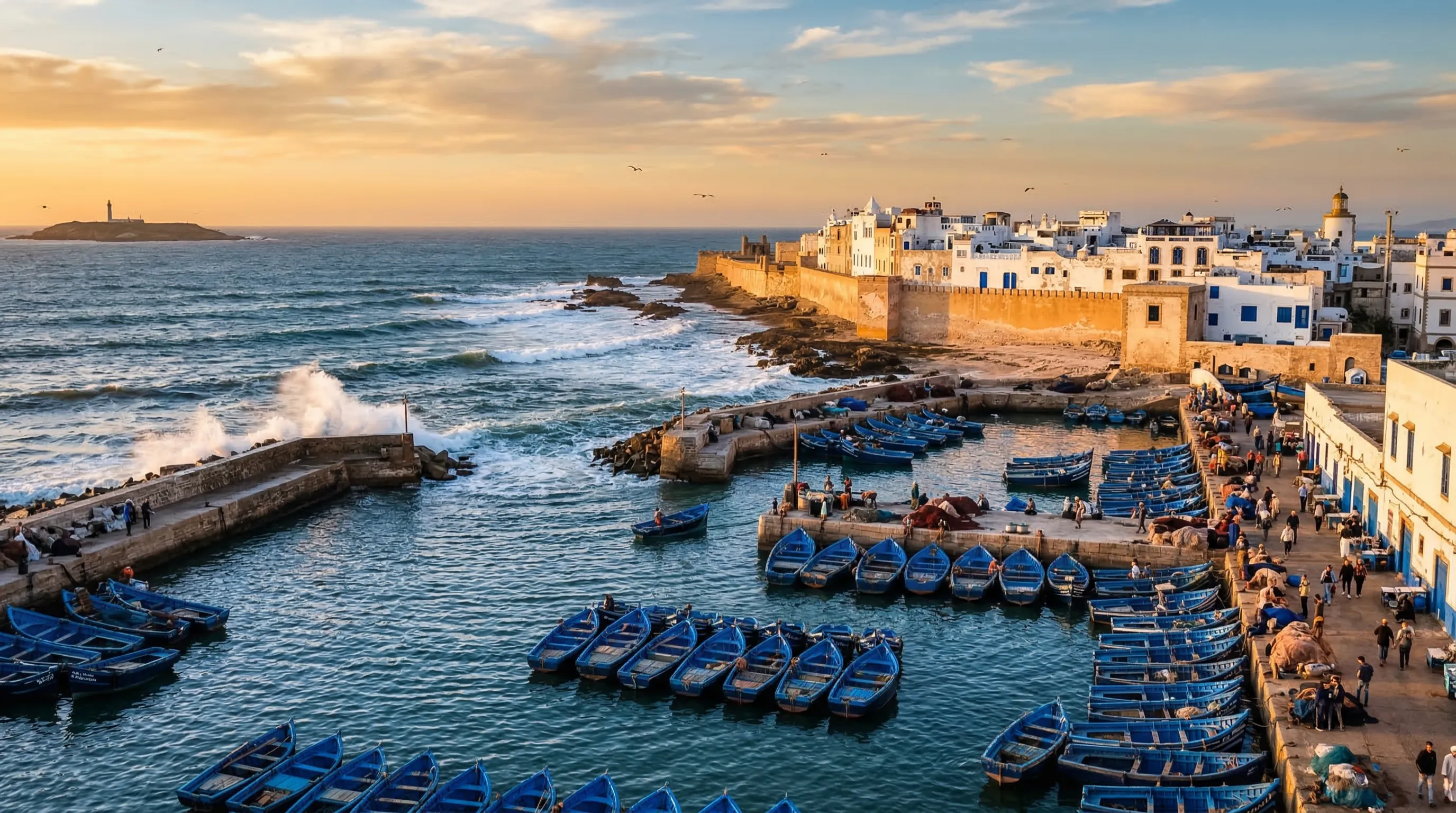
Mediterranean Coastline
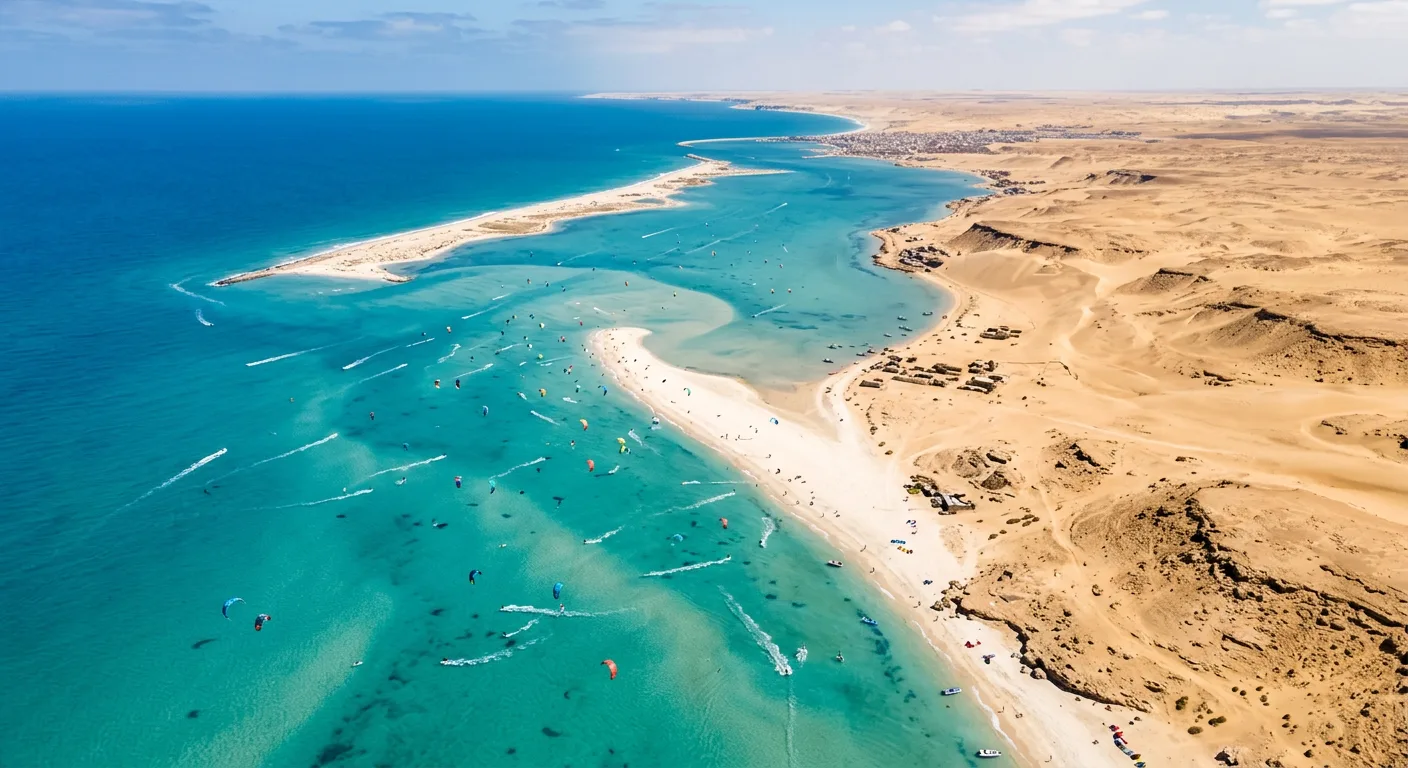
Dakhla Lagoon
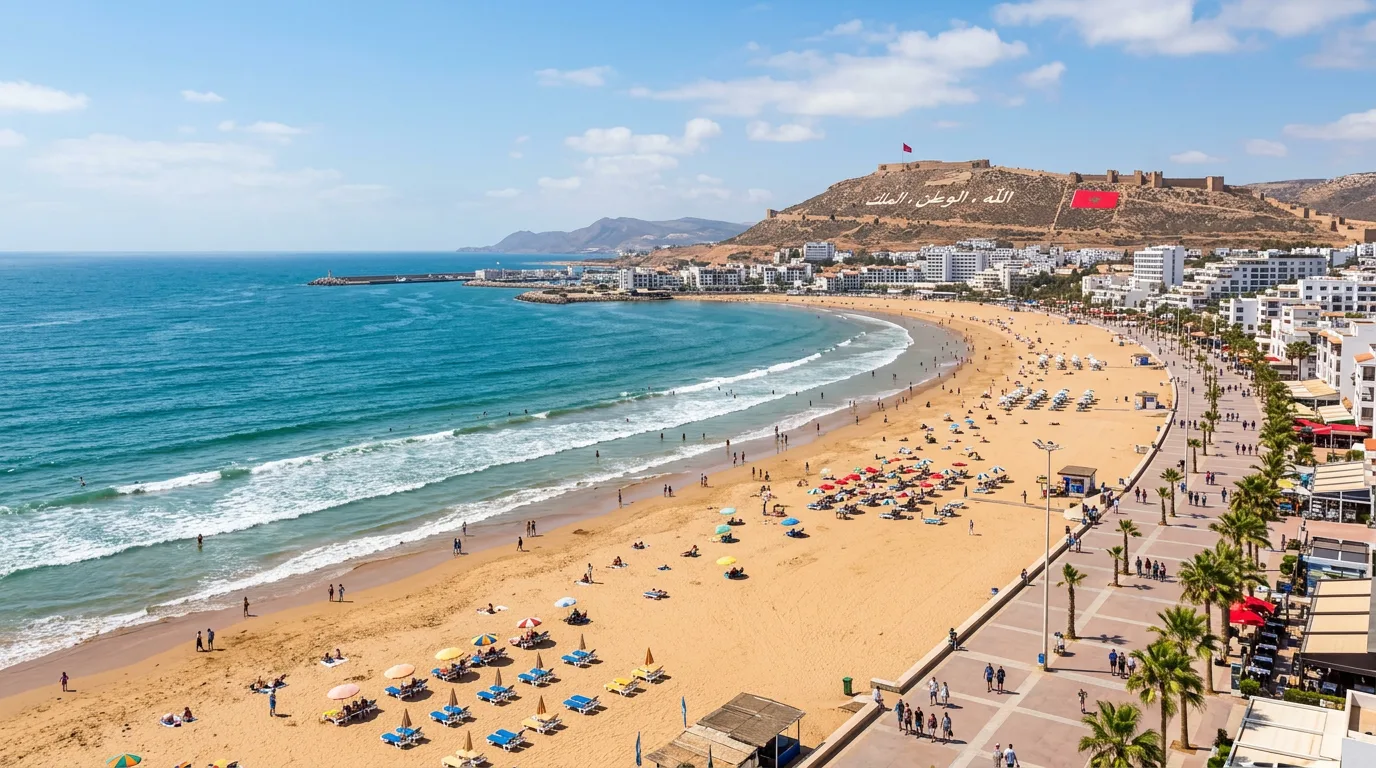
Agadir Coast
Frequently Asked Questions
Answers to the most common questions about scuba diving in Morocco.
What is the best time of year for scuba diving in Morocco?
The Mediterranean coast (Al Hoceima, Cabo Negro) is best from June through September, when water temperatures reach 22-25 degrees Celsius and visibility exceeds 20 meters. The Atlantic coast near Dakhla is diveable year-round with water temperatures of 18-23 degrees Celsius. Agadir is best from July to October. Seasonal pricing can change during peak summer months.
How much does a PADI Open Water course cost in Morocco?
A PADI Open Water Diver certification typically costs from 2,500 MAD to 4,500 MAD depending on the dive center and location. This includes theory sessions, confined water practice, and four open water dives. Advanced Open Water courses cost from 2,000 MAD to 3,500 MAD. Discover Scuba Diving introductory experiences start from 800 MAD. Seasonal pricing can change.
Is Morocco good for scuba diving compared to the Red Sea?
Morocco offers a different diving experience. The Mediterranean coast around Al Hoceima has protected marine reserves with grouper, barracuda, and octopus on rocky reef systems. The Atlantic coast provides pelagic encounters and unique cold-water marine life. Visibility is generally lower than the Red Sea (10-25 meters vs 30+ meters), but Morocco combines diving with cultural travel in a way Egypt cannot match.
Do I need a diving license to scuba dive in Morocco?
Yes. You need a recognized certification (PADI, SSI, CMAS, or equivalent) to dive independently. If you have no certification, most dive centers offer Discover Scuba Diving (DSD) experiences where an instructor guides you through a shallow dive after a brief pool session. A DSD costs from 800 MAD and requires no prior experience.
What marine life can I see while diving in Morocco?
The Mediterranean side hosts grouper, moray eels, barracuda, octopus, nudibranchs, sea bream, and occasional sunfish (mola mola). The Atlantic coast adds encounters with rays, sea turtles, dolphins, and seasonal whale sharks near Dakhla. Both coasts have dense fields of sea urchins, colorful sponges, and gorgonian fans on rocky walls.
Can I snorkel instead of scuba dive in Morocco?
Yes. Al Hoceima, Cabo Negro, and the coves near Ceuta offer excellent snorkeling with visibility up to 20 meters in summer. Snorkeling gear rental costs from 100 MAD per day. Guided snorkeling boat trips start from 300 MAD. The Mediterranean coast is better for snorkeling than the Atlantic, which tends to have more swell and lower visibility near shore.
Is it safe to dive in Morocco?
Yes, diving in Morocco is safe when you use a reputable, insured dive center with certified instructors. The main risks are strong Atlantic currents on the western coast and cold water temperatures that require proper thermal protection. Always verify your dive center carries valid PADI or SSI certification, has functioning safety equipment, and carries DAN or equivalent insurance coverage.
Where is the nearest hyperbaric chamber in Morocco?
The main hyperbaric chambers are located at military hospitals in Casablanca and Rabat. Al Hoceima has a smaller facility. Dive centers operating in remote areas like Dakhla coordinate emergency evacuations to Casablanca. Always dive within your certification limits, carry DAN insurance, and confirm your dive center has an emergency action plan before you descend.
Related Travel Guides
Best Beaches in Morocco
Top-rated beaches across the Mediterranean and Atlantic coasts for swimming, surfing, and relaxation.
Read GuideMorocco Surfing Guide
Surf spots from Taghazout to Dakhla with wave conditions, board rental, and surf camp recommendations.
Read GuideDakhla Travel Guide
Complete guide to Morocco's Saharan peninsula -- kitesurfing, lagoon sports, desert excursions, and where to stay.
Read GuideMorocco Adventure Guide
Outdoor activities across Morocco: trekking, climbing, kayaking, sandboarding, and extreme sports.
Read GuideReady to Dive Morocco?
From your first breaths underwater to advanced pelagic encounters, Morocco's two coastlines offer diving experiences you will not find anywhere else in North Africa. Start planning your underwater adventure today.