Discovering...
Adventure & Outdoors
Wild Camping in Morocco:
The Complete Guide
From Atlantic coast beaches to Sahara sand dunes and Atlas Mountain valleys. Everything you need to know about free camping, overlanding, and van life in Morocco.
Why Morocco Is a Wild Camper's Dream
Morocco is one of the most accessible and rewarding wild camping destinations in the world. With landscapes ranging from Atlantic beaches and cedar forests to volcanic plateaus and Saharan sand seas, the country offers an astonishing variety of places to pitch a tent or park a van for the night. The climate is mild for much of the year, the people are famously hospitable, and the cost of living is low enough to sustain weeks or months on the road.
Every year, thousands of overlanders, van lifers, and backpackers descend on Morocco. The surf coast between Essaouira and Sidi Ifni hosts a thriving van life community from October to April. The Sahara draws desert campers seeking silence and stargazing. The Atlas Mountains offer alpine-style camping with Berber village hospitality just a short walk away.
This guide covers the legal status of wild camping, the best regions, overlanding routes, essential gear, safety considerations, leave no trace principles, and how wild camping compares to established campsites. Whether you are planning a weekend bivouac or a month-long overlanding expedition, this is your starting point.
Is Wild Camping Legal in Morocco?
The short answer: it is generally tolerated outside cities, but the full picture is more nuanced.
Where Wild Camping Is Generally Tolerated
In rural Morocco, wild camping is widely accepted and rarely questioned. Remote beaches, desert areas, mountain valleys, and open countryside are all common camping spots. Moroccans have a deep tradition of hospitality, and seeing a tent or van parked respectfully on open land is not unusual. Locals may approach you out of curiosity or to offer tea and bread, not to ask you to move.
Remote beaches and coastal areas
Open desert and hamada
Mountain valleys and meadows
Roadside pulloffs in rural areas
Where to Avoid or Ask Permission
Camping within or near cities and towns is not acceptable. National parks and protected areas may have restrictions. Military zones (common near the Algerian border and in Western Sahara) are strictly off-limits. Farmland and land near villages should only be used with the owner's permission. When in doubt, ask. A simple "Momkin n-khayym hna?" (Can I camp here?) goes a long way.
Cities and urban areas
National parks without permits
Military and border zones
Private farmland (ask first)
Practical Tips for Staying on the Right Side
- Always greet locals and ask if it is okay to camp. Even a simple smile and gesture works.
- Arrive late and leave early to minimize your footprint. Set up after sunset and pack up by mid-morning.
- Keep your campsite tidy and discreet. A single tent draws less attention than a full campsite setup.
- If police ask you to move, comply politely. They are generally friendly and may suggest a better spot.
Best Wild Camping Regions in Morocco
Five distinct landscapes, each offering a completely different camping experience.
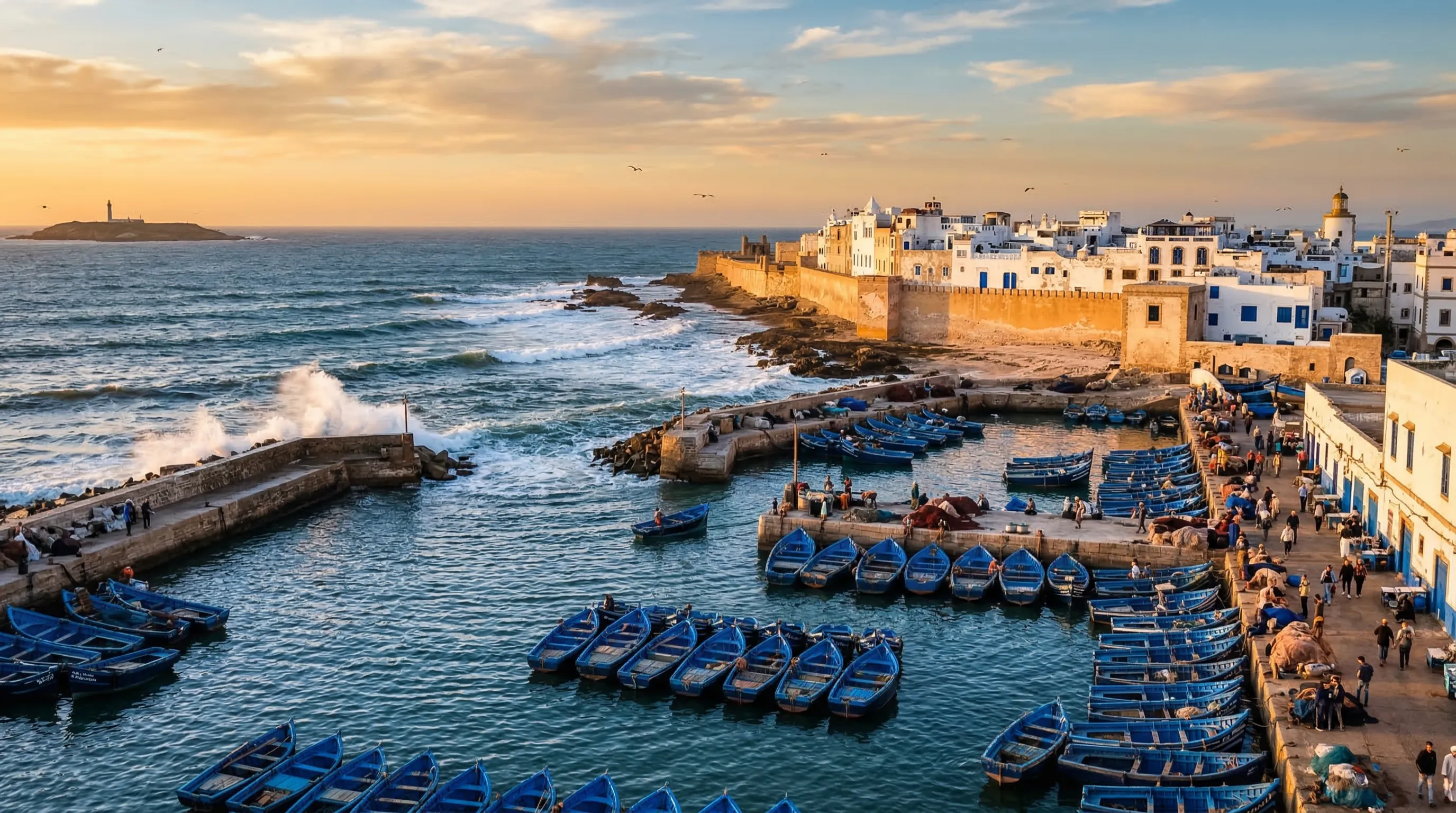
Atlantic Coast
Easy September - May Sandy beaches, rocky cliffs, coastal plains
The stretch between Essaouira and Sidi Ifni is a wild camper's paradise. Dozens of secluded beaches offer flat ground, ocean views, and spectacular sunsets. Surf towns like Taghazout, Imsouane, and Mirleft have established van life communities with water and supplies nearby.
Secluded beach spots
Surf community culture
Mild year-round temperatures
Easy vehicle access
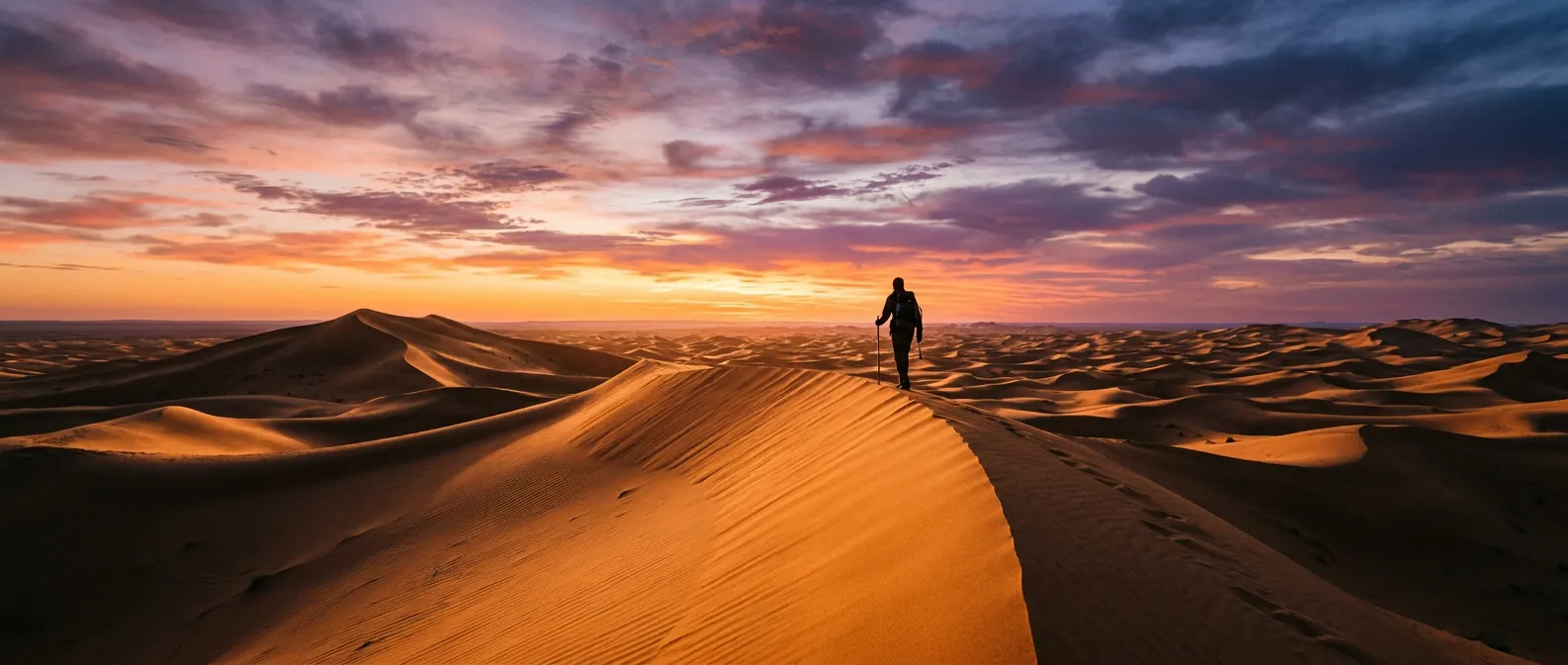
Sahara Desert
Advanced October - April Sand dunes, rocky hamada, oasis valleys
Camping under the stars in the Sahara is a bucket-list experience. The erg regions near Merzouga (Erg Chebbi) and Zagora (Erg Chigaga) offer iconic dune camping. Rocky desert plateaus provide firmer ground for vehicles. Nights are stunningly clear but temperatures drop dramatically. A 4x4 is essential for off-piste exploration.
World-class stargazing
Iconic sand dune landscapes
Berber nomad encounters
Complete silence and solitude
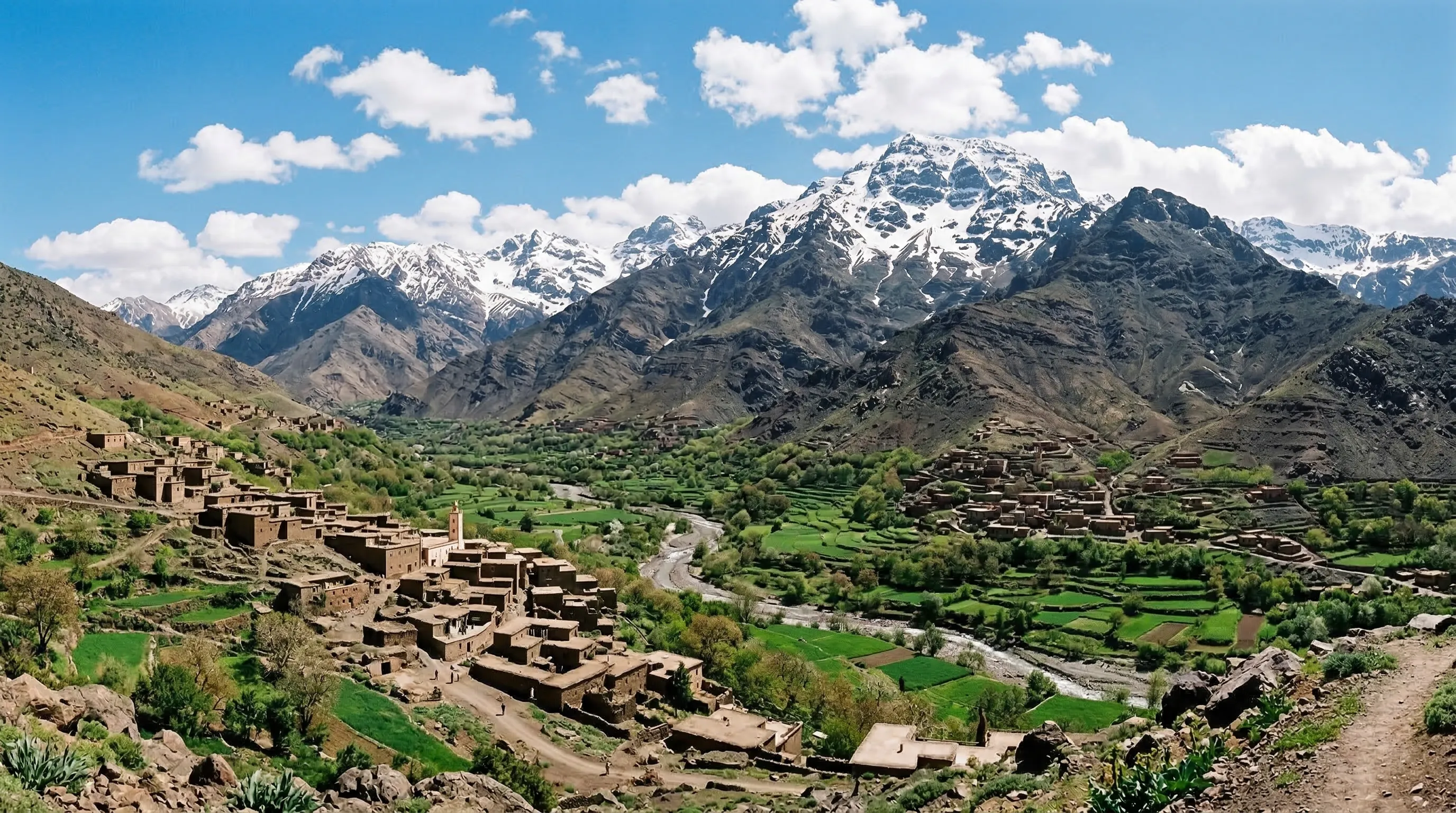
High Atlas Mountains
Moderate to Advanced May - October Mountain valleys, alpine meadows, river gorges
The High Atlas offers dramatic mountain camping with snow-capped peaks as your backdrop. Camp in valleys near Imlil, along the Tizi n'Tichka pass, or in the Ourika Valley. Higher elevations are accessible late spring to early autumn. Mountain streams provide fresh water but always filter before drinking.
Dramatic mountain scenery
Fresh mountain streams
Berber village hospitality
Cool summer temperatures
Anti-Atlas
Moderate October - May Granite formations, palm oases, arid valleys
The Anti-Atlas around Tafraoute is one of Morocco's hidden gems for wild camping. Surreal granite boulder formations, painted rocks, and ancient palm oases create an otherworldly landscape. Fewer tourists than the High Atlas and exceptionally welcoming locals. Roads are paved but quiet.
Surreal rock formations
Few other tourists
Ancient palm oases
Painted Rocks of Tafraoute
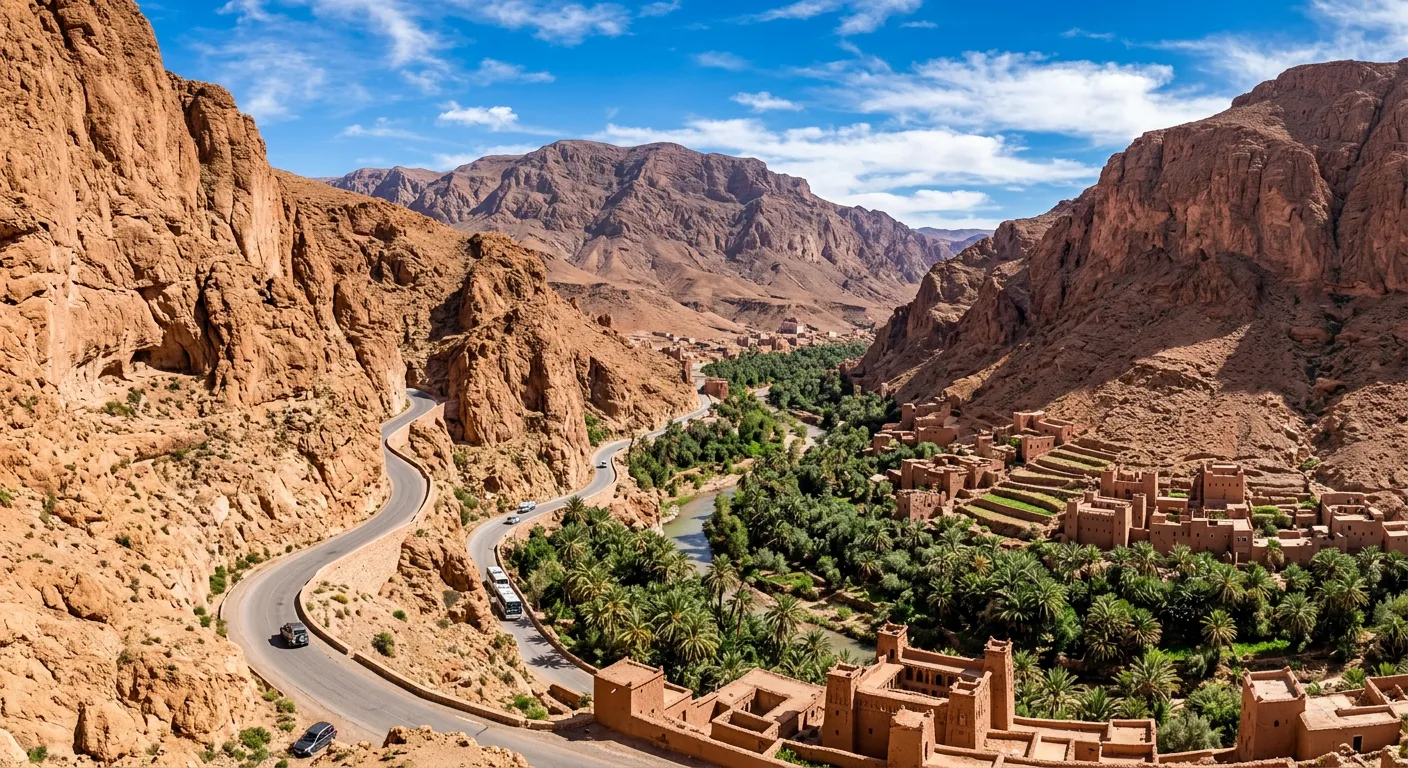
Todra & Dades Gorges
Moderate March - November Canyon floors, riverside flats, terraced valleys
The dramatic gorges of Todra and Dades offer sheltered camping between towering canyon walls. The Dades Valley road winds through kasbahs and rock formations. Todra Gorge narrows to just 10 meters wide with 300-meter walls. Flat riverbed spots make excellent campsites, but watch for flash flood risk.
Towering canyon walls
Ancient kasbah ruins
Rock climbing opportunities
Sheltered from wind
Overlanding Routes Through Morocco
Four tried-and-tested routes for overlanders, from easy coastal cruises to advanced desert circuits.
Fuel costs approximately 14 MAD per liter. Seasonal pricing and availability may affect fuel prices in remote areas.
Atlantic Coast Run
7-10 days 800 km Easy
The classic coastal overlanding route. Paved roads throughout with countless beach pulloffs for overnight stops. Surf towns provide supplies, cafes, and community. Ideal for first-time overlanders.
Route: Tangier - Asilah - Essaouira - Taghazout - Agadir - Mirleft - Sidi Ifni - Legzira
Any vehicle or campervan
Sahara Circuit
10-14 days 1,200 km Advanced
The ultimate Morocco overlanding loop. Crosses the High Atlas via Tizi n'Tichka, traverses the Sahara edge, and returns through the Draa Valley. Desert tracks require 4x4 capability.
Route: Marrakech - Ait Benhaddou - Ouarzazate - Todra Gorge - Merzouga - Zagora - Draa Valley - Marrakech
4x4 strongly recommended
Anti-Atlas Explorer
5-7 days 600 km Moderate
Off-the-beaten-path through Morocco's most photogenic geological landscapes. Granite boulders, painted rocks, palm oases, and remote Berber villages. Paved main roads with optional off-road detours.
Route: Agadir - Tiznit - Tafraoute - Igherm - Tata - Foum Zguid - Zagora
4x4 recommended for side tracks
Northern Mountains Loop
5-7 days 500 km Moderate
From cedar forests of the Middle Atlas to the Sahara edge. Camp among Barbary macaques in Azrou, beside the Ziz River, and in the dunes of Merzouga. Altitude varies from 500m to 2,000m.
Route: Fes - Ifrane - Azrou - Midelt - Errachidia - Ziz Gorge - Merzouga
Any vehicle (4x4 for mountain tracks)
Essential Gear Checklist
What to bring for wild camping in Morocco, organized by category. Do not underestimate the importance of water and navigation gear.
Shelter
- 3-season tent (freestanding recommended)
- Groundsheet or footprint
- Tarp for shade and wind protection
- Sleeping bag rated to 0°C for mountains
Water & Food
- 20L water jerry cans (minimum 2)
- Water filter or purification tablets
- Portable gas stove and fuel canisters
- Cooler box for perishables
Navigation
- Offline GPS maps (Maps.me or OsmAnd)
- Paper road map as backup
- Compass
- Satellite communicator for remote areas
Vehicle
- Full-size spare tire (two for Sahara)
- Air compressor for tire deflation
- Tow rope and recovery straps
- Sand tracks or ladders for soft sand
Safety
- Comprehensive first aid kit
- Fire extinguisher
- Headlamp and spare batteries
- Emergency whistle and mirror
Comfort
- Folding camp chairs and table
- Solar shower bag (heats in sun)
- LED lantern for camp lighting
- Portable toilet for desert camping
Safety Tips for Wild Camping
Morocco is a safe country, but the outdoors demand respect. Know the risks before you go.
Flash Floods in Wadis
Never camp in a dry riverbed (wadi). Flash floods can occur without warning, even if it is sunny where you are. Rain in distant mountains sends walls of water down wadis. Camp on higher ground above the flood line.
Extreme Temperatures
Summer Sahara temperatures exceed 45°C during the day. Mountain nights can drop below freezing even in spring. Always carry warm layers and sun protection. Avoid midday desert hiking from June to September.
Wildlife Awareness
Shake out shoes and check sleeping bags for scorpions in desert areas. North African horned vipers are present but shy. Stray dogs can be territorial. Keep food sealed to avoid attracting wildlife to your camp.
Vehicle Preparation
Carry at least two full-size spare tires for Sahara crossings. An air compressor is essential for re-inflating tires after sand driving. Keep fuel above half tank in remote areas. Stations can be 200 km apart in the south.
Communication
Mobile coverage is surprisingly good along main roads but drops in mountains and deep desert. Carry a satellite communicator for emergencies in truly remote areas. Always tell someone your planned route and expected arrival.
Coastal Winds & Tides
Atlantic coast winds can be fierce, especially around Essaouira and Tarfaya. Secure your tent with heavy-duty stakes or weight it with rocks. Check tide charts before camping on beaches to avoid being caught by rising water.
Leave No Trace: Responsible Wild Camping
Morocco's wild landscapes are a privilege to camp in. Keep them beautiful for future visitors.
Pack Out All Waste
Carry every piece of trash with you when you leave. This includes food scraps, cigarette butts, and grey water. Morocco's wild spaces are pristine because travelers respect them.
Use Existing Fire Rings
If you make a campfire, use an existing fire ring or a portable fire pit. Never leave a fire unattended. Fully extinguish with water before leaving. In dry seasons, avoid fires entirely.
Camp on Durable Surfaces
Pitch your tent on rock, gravel, sand, or dry grass. Avoid delicate vegetation, especially in oases and mountain meadows. Move your vehicle off the road onto established pulloffs.
Bury Human Waste
Dig a cathole 15-20 cm deep and at least 60 meters from any water source, trail, or campsite. Pack out toilet paper in a sealed bag. Use a portable toilet in the desert where digging is impractical.
Respect Wildlife
Do not feed animals. Store food securely to avoid attracting wildlife. Watch for scorpions and snakes in desert areas. Keep a safe distance from Barbary macaques in the Middle Atlas.
Be Considerate of Locals
Ask permission before camping near villages or on farmland. Respect local customs and dress modestly. Leave gifts or buy from local shops as a gesture of thanks. Learn a few words of Darija or Tamazight.
Water & Food Supplies
Water is your most critical resource when wild camping. Plan your supply strategy carefully.
Water Sources & Strategy
Carry a minimum of 5 liters per person per day. In the Sahara, double that. Refill at gas stations, village fountains, and municipal taps. Many villages have public water taps (robinet) that are free to use. 1.5-liter bottles of mineral water cost from 4 MAD in shops. For long stretches, carry 20-liter jerry cans and a water filter for natural sources in the mountains.
Pro tip: Mountain streams above 2,000m elevation are generally clean but should still be filtered. Never drink from lowland rivers or wadis without treatment. Boiling or UV purification works alongside filtering.
Food Resupply Points
Even in remote areas, Morocco has small village shops (hanout) that sell bread, canned goods, eggs, vegetables, and cooking gas. Fresh bread is baked daily in most villages from 1.50 MAD per loaf. Weekly souks (market days) in towns offer fresh produce, olives, cheese, and dried goods at excellent prices. Marjane and Carrefour supermarkets in larger towns are good for bulk stocking.
Fresh bread (khobz)From 1.50 MAD
Eggs (dozen)From 15 MAD
Cooking gas canisterFrom 15 MAD
Bottled water (1.5L)From 4 MAD
Established Campsites vs. Wild Camping
Both have their place. Here is how they compare so you can decide what works best for each leg of your trip.
Cost
Wild Camping
Completely free. You only pay for your own supplies, fuel, and food.
Established Campsite
From 50 MAD per person per night for basic sites. From 100-200 MAD for sites with hot showers, electricity, and Wi-Fi.
Facilities
Wild Camping
No facilities. You need to bring your own water, toilet solution, and waste management. Solar showers or wet wipes for hygiene.
Established Campsite
Toilets, showers (sometimes hot), electricity hookups, Wi-Fi at some, communal kitchens, and sometimes a small shop or cafe.
Safety
Wild Camping
Generally safe in Morocco, but you are responsible for choosing a secure location. No on-site security or emergency help nearby.
Established Campsite
Gated sites with security. Other campers nearby. Staff can help in emergencies. Located near towns with medical facilities.
Experience
Wild Camping
Complete freedom and solitude. Wake up to untouched landscapes. True connection with nature. The authentic adventure experience.
Established Campsite
Social atmosphere. Meet other travelers. Share tips and stories. More comfortable but less adventurous.
Location & Freedom
Wild Camping
You choose your spot. Camp on beaches, in mountains, beside oases, or in the desert. Limited only by access and common sense.
Established Campsite
Fixed locations near towns or tourist routes. Convenient but you do not choose your view or neighbors.
Van Life in Morocco
Morocco has become one of Europe's top van life destinations, with a large and growing community of mobile travelers.
Getting Your Van to Morocco
Ferries run from Algeciras and Tarifa (Spain) to Tangier Med, taking 1-2 hours. From 700 MAD one-way for a van. You can also sail from Sete (France) to Tangier with GNV or from Genoa (Italy). Your vehicle registration document, driving license, and green card insurance are required. Temporary vehicle import is granted for 6 months.
Monthly Van Life Budget
A comfortable van life budget in Morocco is from 8,000-12,000 MAD per month (roughly 750-1,100 EUR). This covers fuel (from 14 MAD per liter), food from local markets and shops, occasional campsite stays, gas refills, and miscellaneous expenses. Wild camping keeps costs low. Eating tagines at roadside stops costs from 35-50 MAD.
Popular Van Life Hubs
Taghazout (surf and yoga community), Imsouane (laid-back surf village), Mirleft (quiet coastal town), Essaouira (wind and culture), and Dakhla (kitesurfing paradise) are the main gathering points. Each has its own character and attracts different crowds. Park Ups change from season to season as spots become crowded or restricted.
Van Security Tips
Morocco is very safe for van lifers. Park in well-lit areas near other vans when possible. Use steering locks and window covers. Avoid leaving valuables visible. In cities, use guarded parking lots (gardien) from 20-30 MAD overnight. The biggest risk is petty theft, not violent crime. Lock up when away and you will be fine.
Morocco's Wild Camping Landscapes
Sahara Desert Sunrise
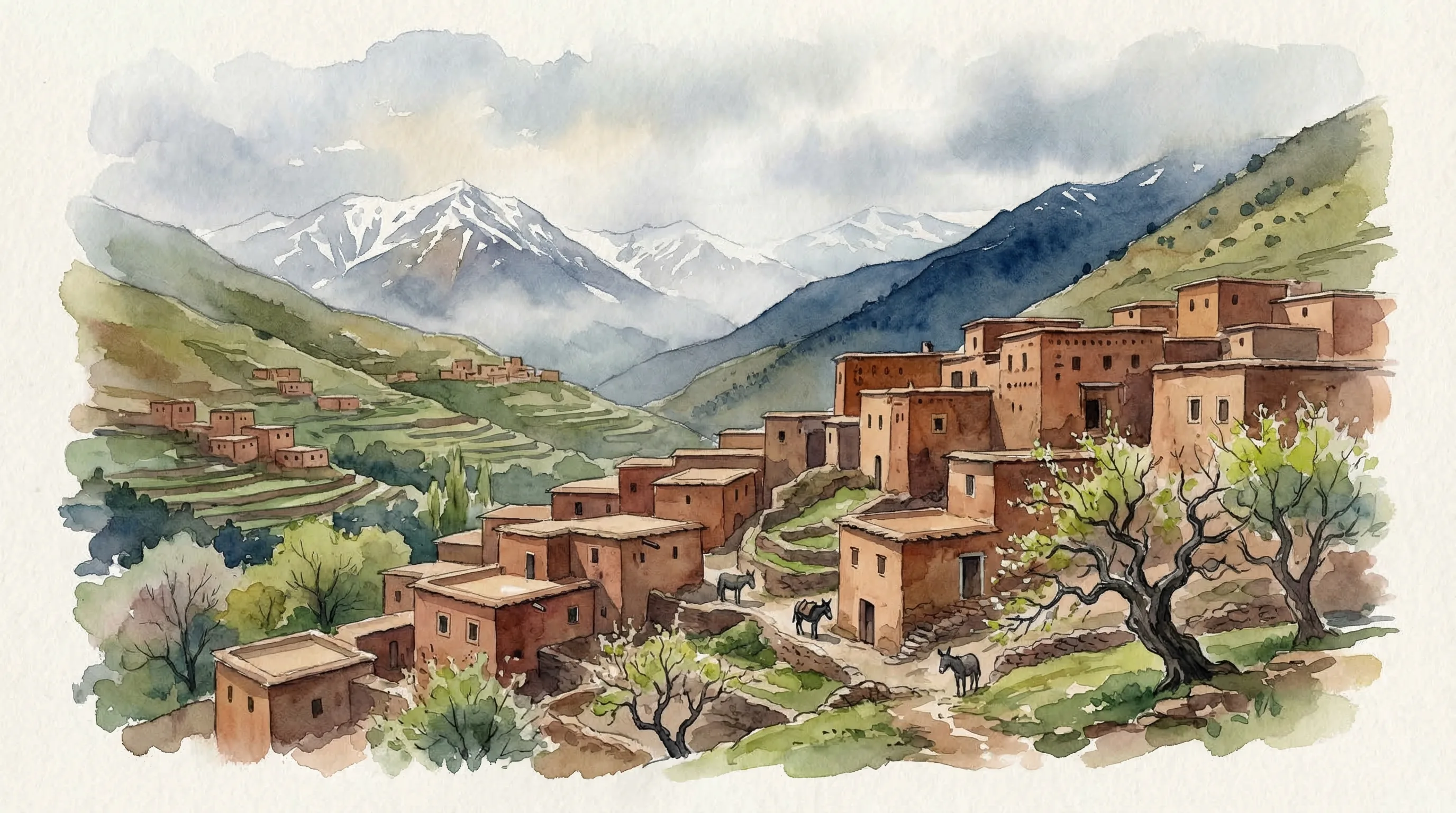
Atlas Mountain Valley
Atlantic Coast
Frequently Asked Questions
Is wild camping legal in Morocco?
Wild camping in Morocco occupies a grey area. There is no specific law banning it outside cities and protected areas, and it is generally tolerated in rural and remote locations. However, it is always best to ask local permission, avoid military zones, and camp discreetly. In cities and towns, camping is not permitted outside designated campsites.
Do I need a 4x4 for overlanding in Morocco?
For basic coastal and main road camping, a standard vehicle or campervan is sufficient. However, for Sahara desert tracks, High Atlas mountain passes, and remote Anti-Atlas trails, a 4x4 with good ground clearance is strongly recommended. Many overlanders use equipped 4x4s or converted vans with off-road capability.
Is it safe to wild camp in Morocco?
Morocco is generally very safe for wild camping. Moroccans are famously hospitable and it is common for locals to check on campers and even invite them for tea. The main risks are environmental: flash floods in wadis, extreme heat in summer, cold nights in the mountains, and strong coastal winds. Always tell someone your plans and avoid isolated urban areas.
How much does wild camping in Morocco cost?
Wild camping itself is free. Budget around 200-400 MAD per day for food, fuel, and water. Established campsites range from 50-150 MAD per night. Fuel costs approximately 14 MAD per liter. A full overlanding trip through Morocco can be done on from 300 MAD per day including all expenses. Seasonal pricing may affect fuel and campsite costs during peak tourist months.
What is the best time of year for wild camping in Morocco?
October to April is ideal for the coast and desert. May to October is best for the Atlas Mountains when snow melts and passes open. Avoid the Sahara in July and August when temperatures exceed 45°C. The Atlantic coast is pleasant year-round but windiest from March to May.
Related Guides
Morocco Camping Guide
Established campsites, glamping options, and campground reviews across Morocco.
Read moreSahara Desert Guide
Desert tours, camel treks, luxury camps, and Sahara survival tips.
Read moreMorocco Driving Guide
Road rules, fuel, tolls, mountain passes, and rental car tips for Morocco.
Read moreAtlas Mountains Guide
Hiking trails, Berber villages, Toubkal ascent, and mountain adventure planning.
Read more