Discovering...
Africa's Top Surf Destination
Surfing in Morocco:
Your 2026 Surf Guide
World-class waves from Taghazout to Dakhla, surf camps from 3,500 MAD per week, gear rental from 150 MAD, season-by-season wave forecast, and everything you need to plan the ultimate Morocco surf trip.
Why Morocco Is Africa's Premier Surf Destination
Morocco sits at the crossroads of the Atlantic Ocean and the African continent, catching every swell that North Atlantic storms send southward. The result is a coastline blessed with an extraordinary diversity of waves: powerful point breaks peeling for hundreds of meters, hollow reef breaks that barrel on big swells, and gentle beach breaks that welcome first-time surfers. From Taghazout to Dakhla, Morocco offers something for every surfer at a fraction of European or Australian prices.
The surf culture is unlike anywhere else. You will paddle out in lineups overlooked by ancient fishing villages, refuel with tagine and mint tea, and watch sunsets from rooftop terraces above the Atlantic. Whether you are a complete beginner or chasing the barrels of Anchor Point, this guide covers everything: the best surf spots, season guide, camps, gear rental prices, wetsuit recommendations, and transport logistics.
8+
World-class surf spots
Sep-Apr
Peak surf season
150 MAD
Board rental / day
15-22 C
Water temperature
Best Surf Spots in Morocco
From the legendary point breaks of Taghazout to the empty waves of Dakhla, these are the surf spots that make Morocco a global surfing destination.
Conditions vary by season and swell direction. Check forecasts before each session.
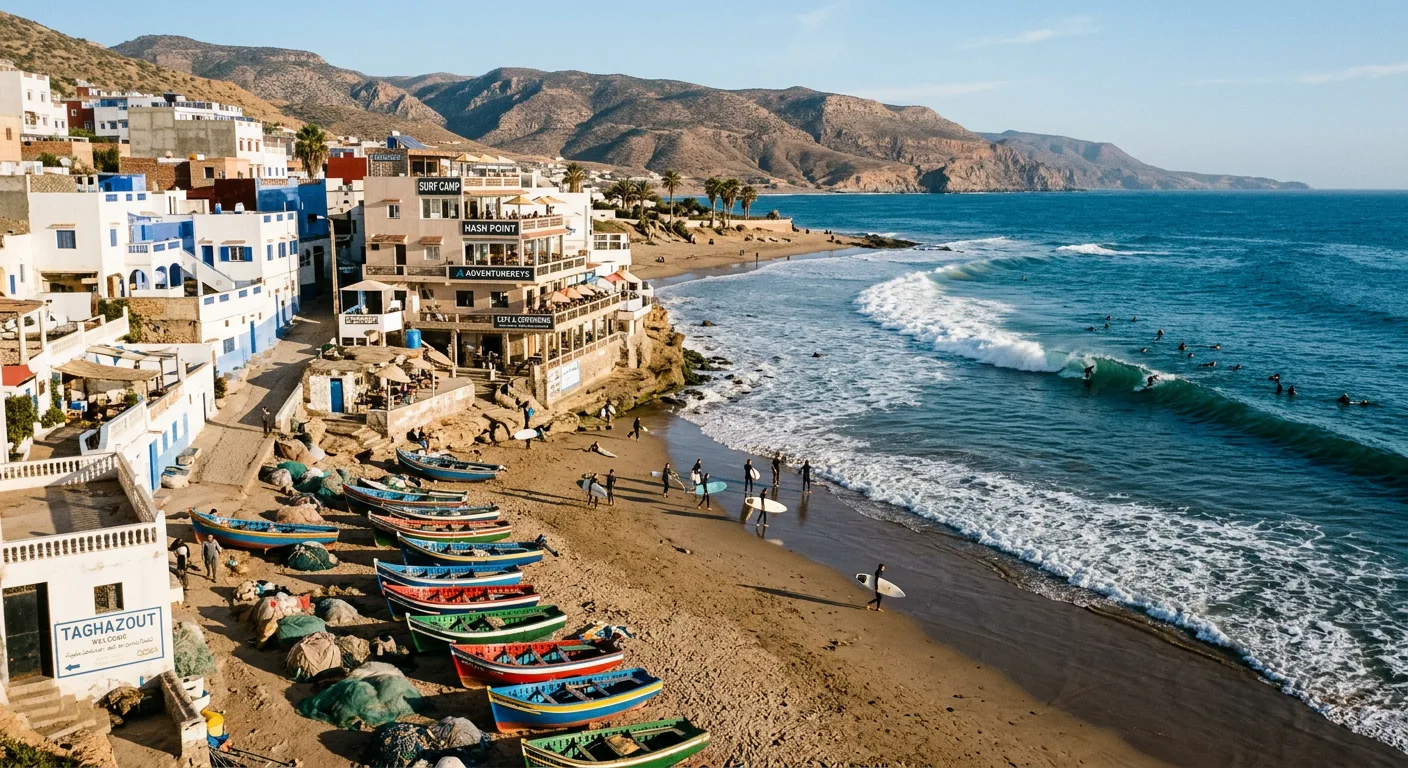
Anchor Point, Taghazout
Right-hand point break
Intermediate to Advanced
Best Swell
NW swells, 1.5-3m
Best Season
October-March
Level
Intermediate to Advanced
Morocco's most famous wave and one of the best right-hand point breaks in the world. When a solid northwest swell hits the reef, perfectly formed walls peel for up to 300 meters along the rocky coast. The takeoff is steep and powerful, with barrel opportunities on bigger days. Best on mid to low tide with a clean NW swell and light offshore east winds.
Highlights
Up to 300-meter rides on a good swell
Barrel sections on bigger winter swells
Walking distance from Taghazout village
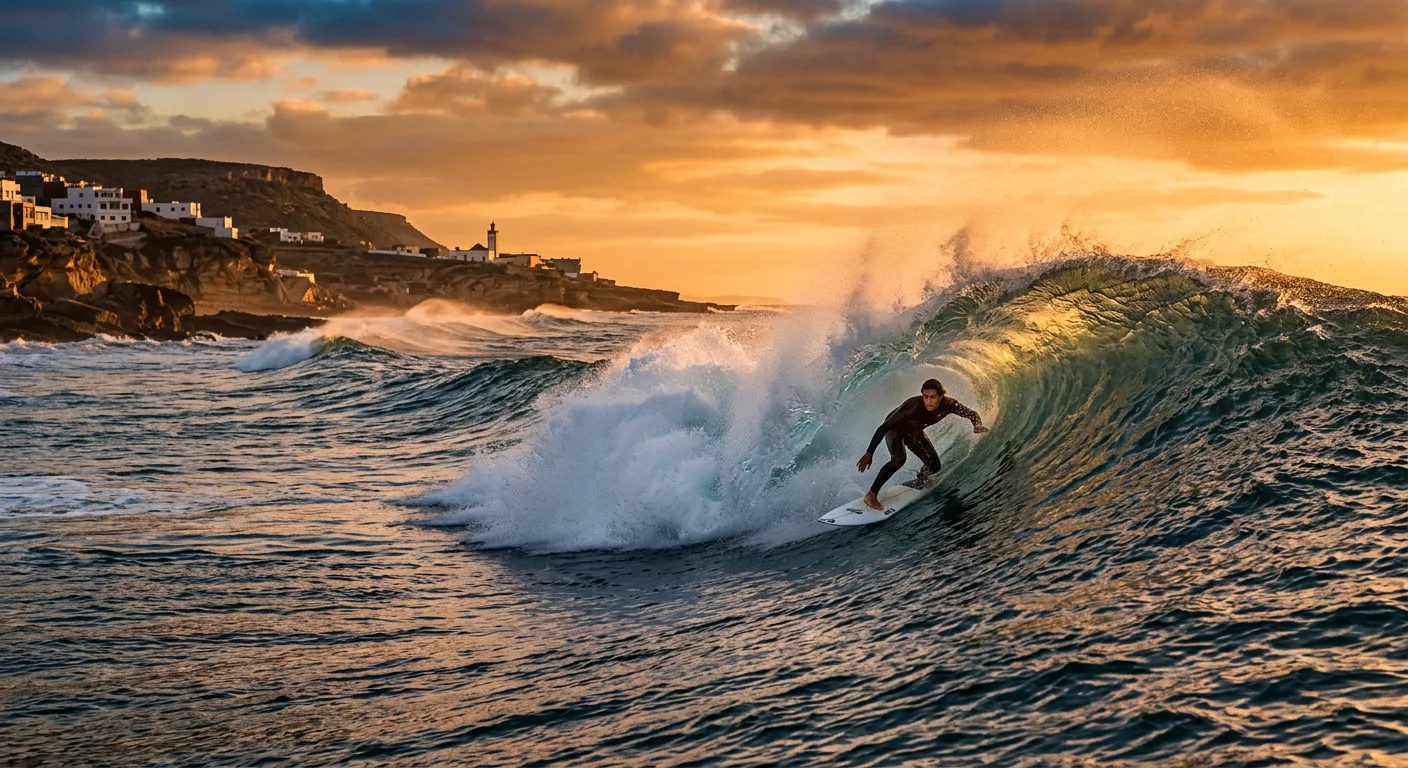
Killer Point, Taghazout
Reef break
Advanced
Best Swell
NW-W swells, 2-4m
Best Season
November-February
Level
Advanced
Named after occasional orca sightings, Killer Point is a heavy reef break that comes alive on bigger swells. The wave breaks over a shallow rock shelf, producing thick, hollow sections that demand experience. Access requires a cliff scramble. Not for the faint-hearted, but an unforgettable wave for advanced surfers seeking the most intense surfing in North Africa.
Highlights
Thick, hollow waves for experienced surfers only
Less crowded than Anchor Point despite world-class quality
Best on solid 2-4 meter northwest to west swells
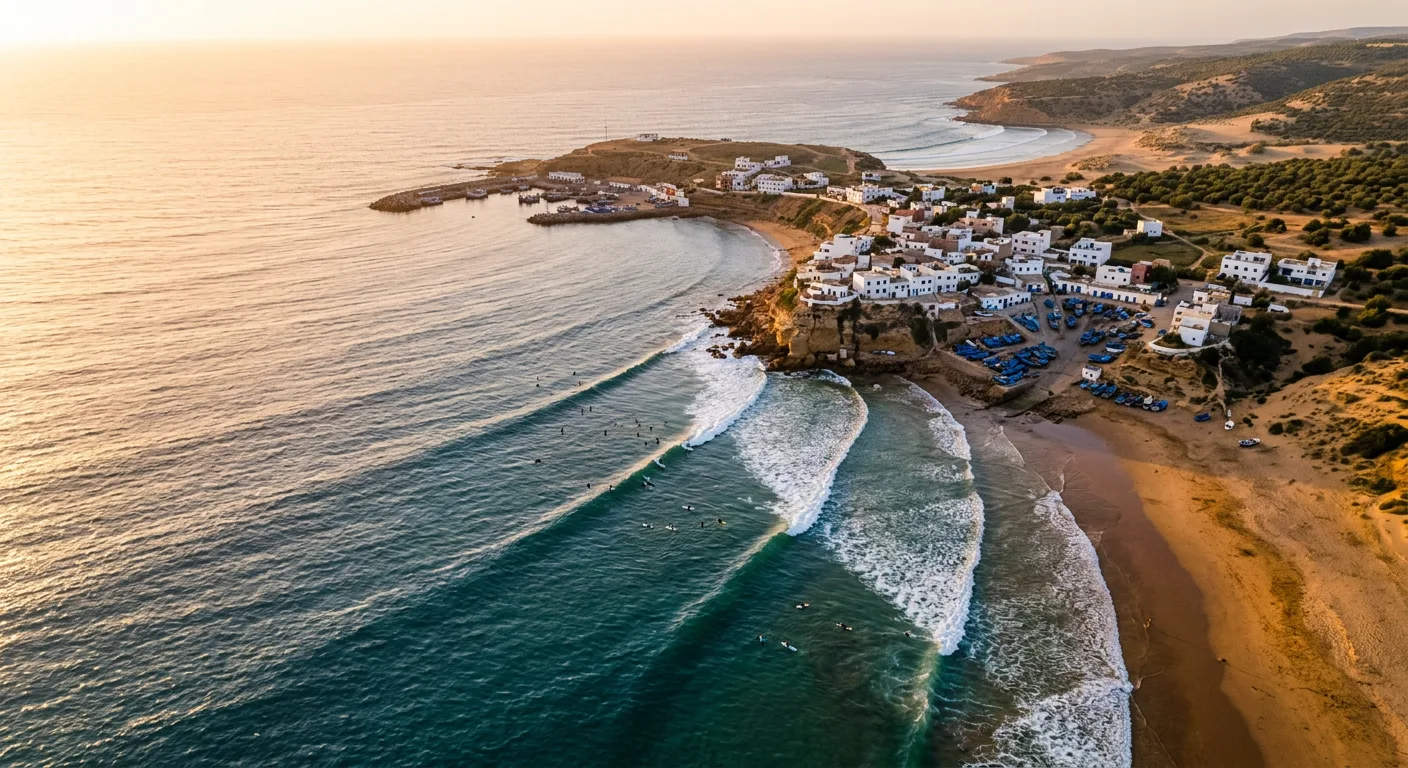
Imsouane
Right-hand point break & beach break
All Levels
Best Swell
NW-W swells, 1-2.5m
Best Season
September-April
Level
All Levels
A magical surf village 90 minutes north of Agadir, home to the longest right-hand wave in Africa. "The Bay" offers rides of up to 800 meters with gentle, slow-peeling walls perfect for longboarding. The Cathedral nearby offers more punch for shortboarders. The village is beautifully unspoiled with fresh seafood restaurants overlooking the point.
Highlights
Up to 800-meter rides on the longest wave in Africa
Perfect for longboarding with slow, mellow walls
Cathedral reef break for advanced shortboarding
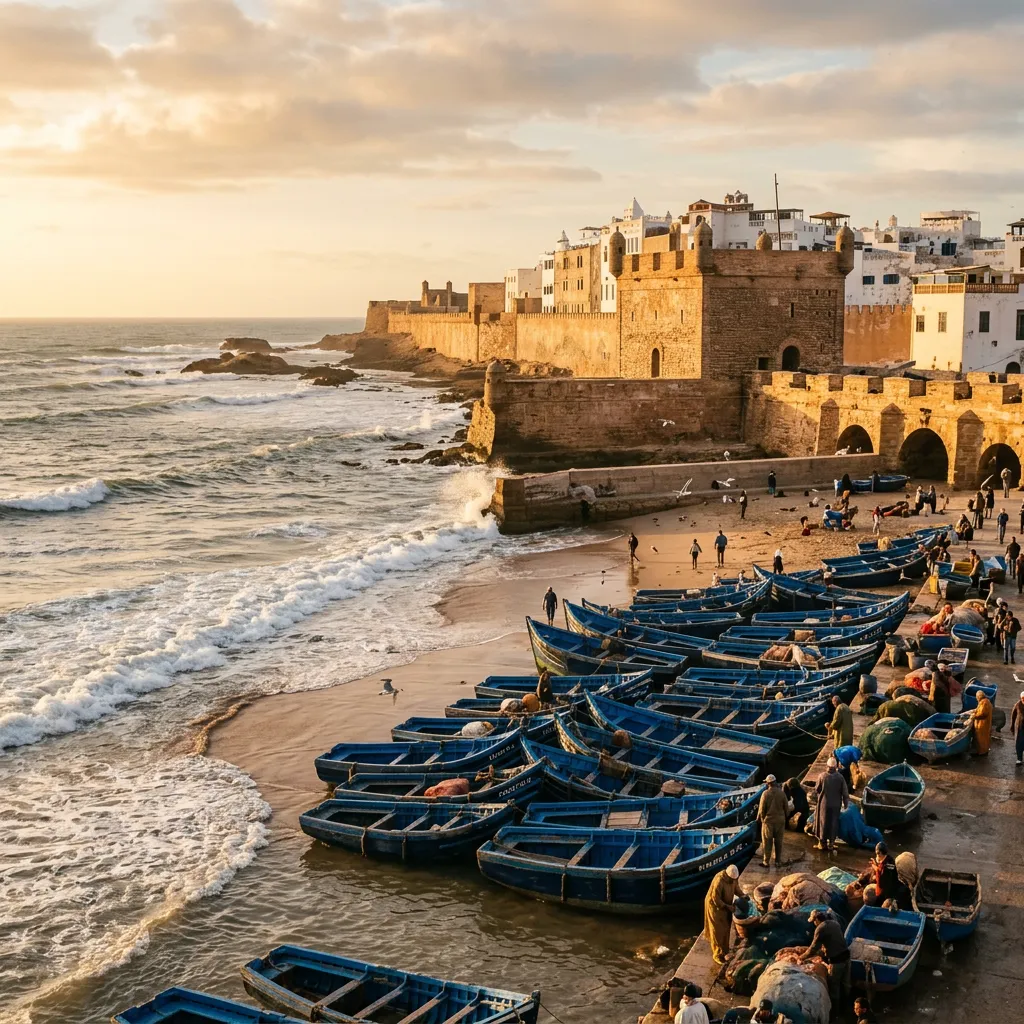
Essaouira
Beach break & wind swell
Beginner to Intermediate
Best Swell
W-SW swells, 1-2m
Best Season
October-March (surfing)
Level
Beginner to Intermediate
Essaouira's long sandy beach offers consistent waves driven by powerful Atlantic trade winds. The beach breaks are forgiving and spread out, ideal for learning. Moulay Bouzerktoune, 25 km north, has a quality right-hand point break for more experienced surfers. The UNESCO-listed medina, seafood, and culture make Essaouira a unique surf destination.
Highlights
Consistent beach breaks ideal for learning
UNESCO-listed medina just steps from the surf
Moulay Bouzerktoune point break for intermediate+ surfers
Sidi Kaouki
Beach break
Beginner to Intermediate
Best Swell
W-NW swells, 0.5-2m
Best Season
Year-round
Level
Beginner to Intermediate
A tranquil beach village 25 km south of Essaouira with uncrowded waves and a laid-back atmosphere. The wide sandy beach produces gentle waves ideal for beginners, while bigger swells deliver punchy peaks for more experienced riders. Several small surf camps line the beach road, and the sunsets are legendary.
Highlights
Uncrowded beach break with beginner-friendly waves
Affordable surf camps right on the beach
Legendary Atlantic sunsets and peaceful vibes
Dakhla
Beach, reef & point breaks
Intermediate to Advanced
Best Swell
NW-W swells, 1-3m
Best Season
October-April
Level
Intermediate to Advanced
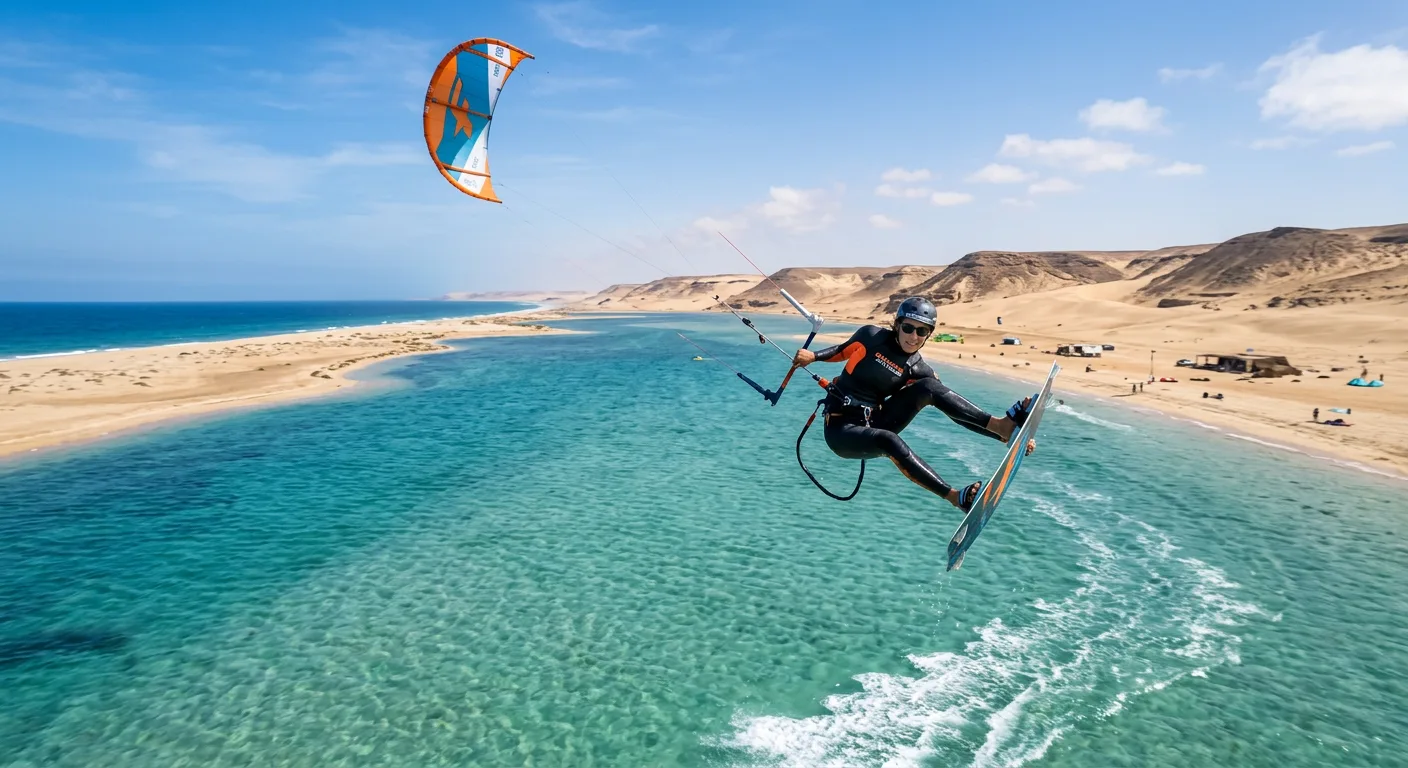
A remote peninsula in Morocco's deep south with empty, world-class waves and zero crowds. The coastline is dotted with reef breaks, point breaks, and beach breaks that rarely see another surfer. The desert landscape meeting the ocean creates surreal scenery. Also world-class for kitesurfing on the flat lagoon.
Highlights
Empty lineups with world-class waves and zero crowds
Surreal desert-meets-ocean landscape
Combine surfing with world-class kitesurfing
Mehdia Beach
Beach break
Beginner to Intermediate
Best Swell
NW swells, 0.5-2m
Best Season
October-March
Level
Beginner to Intermediate
The closest quality surf spot to Rabat, near Kenitra. The wide sandy beach produces fun, punchy peaks that work on various swell directions. Popular with the Moroccan surf community, offering good waves, easy access from northern cities, and a taste of authentic local surf culture.
Highlights
Closest quality surf to Rabat and Casablanca
Authentic local Moroccan surf scene
Easy access from northern cities by car or train
Oualidia
Sheltered lagoon & gentle beach break
Beginner
Best Swell
Any swell, 0.5-1.5m
Best Season
Year-round
Level
Beginner
A small coastal town between Casablanca and Essaouira, famous for oysters and a beautiful sheltered lagoon. The lagoon offers flat, protected water ideal for absolute beginners and children. The outer beach produces gentle waves when there is swell. A wonderful alternative for families or first-timers.
Highlights
Sheltered lagoon perfect for absolute beginners and families
Famous for fresh oysters and seafood restaurants
Peaceful, uncrowded alternative to busier surf towns
Morocco Surf Season Guide
Understanding the seasons is key to scoring the best waves in Morocco. Here is what to expect month by month.
Early Autumn (Sep-Oct)
ExcellentWater: 20-22 CWaves: 0.5-1.5m, building
The surf season ramps up as autumn swells arrive. Water is still warm, crowds are thin, and conditions are clean. September starts with smaller waves ideal for beginners, while October brings consistent overhead swells. Arguably the best time for intermediate surfers.
Wetsuit: 3/2mm full suit or shorty
Best for: Intermediate surfers, beginners (Sep), surf camps
Peak Season (Nov-Jan)
EpicWater: 16-18 CWaves: 1.5-4m, consistent
When Morocco earns its world-class reputation. Powerful North Atlantic storms send consistent NW swells at the coast. Anchor Point, Killer Point, and Taghazout reef breaks light up with overhead waves. January delivers the biggest swells. Crowds increase around Christmas and New Year.
Wetsuit: 4/3mm full suit essential
Best for: Advanced surfers, big wave seekers, experienced intermediates
Late Winter (Feb-Mar)
ExcellentWater: 16-17 CWaves: 1-3m, powerful
Powerful swells continue though consistency tails off vs Nov-Jan. February produces some of the cleanest days when high pressure settles between storms. March brings warming air temps. Crowds thin after peak holiday season. Quality waves without the peak-season buzz.
Wetsuit: 4/3mm full suit essential
Best for: All levels at appropriate breaks, longboarders, photographers
Spring (Apr-May)
GoodWater: 17-19 CWaves: 0.5-1.5m, inconsistent
Warmer air and water, but swell consistency drops as the storm track shifts north. Still surfable days at beach breaks and Imsouane. Trade winds pick up creating choppy afternoons. Good shoulder season for surf-yoga retreats. Essaouira shines for kitesurfing.
Wetsuit: 3/2mm full suit
Best for: Beginners, longboarders, surf-yoga combo trips, kitesurfers
Summer (Jun-Aug)
Flat (but warm)Water: 20-22 CWaves: 0.3-1m, small
The flattest season for surfing. North Atlantic swells shut down and trade winds create choppy conditions. Warm water makes it enjoyable for beginners on gentle ripples. Imsouane can still pick up small swells. Prime season for kitesurfing in Essaouira and Dakhla.
Wetsuit: 2mm shorty or board shorts
Best for: Beginners only, kitesurfers, beach holidays, warm water
Surf Camps & Schools
Whether you are catching your first wave or chasing barrels, Morocco has the right coaching for you.
All prices are starting prices per person. Seasonal pricing applies and costs may vary by operator.
Beginner Surf Schools
From 300 MAD per lesson
Structured learn-to-surf programs with ISA/BSA certified instructors. 2-3 hour classes include all equipment. Groups of 4-8 students at gentle beach breaks in Taghazout, Tamraght, Sidi Kaouki, and Essaouira.
ISA/BSA certified instructors with all equipment included
Small group sizes of 4-8 students on safe beach breaks
Video analysis available for faster improvement
Intermediate Coaching
From 500 MAD per session
Targeted guidance at reef and point breaks for surfers who can catch green waves. Focus on wave selection, ocean reading, turning technique, and confidence in bigger surf. Video coaching is common.
Reef and point break sessions at quality waves
Video analysis with frame-by-frame breakdown
Small groups of 2-4 or private sessions available
Advanced Surf Guiding
From 800 MAD per session
Local knowledge connecting you with guides who know every reef, rock, and tide window. They take you to the best waves including secret spots not in any guidebook. Includes transport and water photography.
Access to secret spots and uncrowded waves
Transport to remote reef and point breaks
Water photography and video included with many guides
Gear Rental & Prices
A complete breakdown of surf gear rental costs in Morocco. All prices are starting prices and may vary by season, location, and operator.
ItemCostNotes
Foam surfboard (beginner)From 150 MAD / dayIdeal for first-timers; soft and forgiving
Shortboard (fiberglass)From 200 MAD / dayPerformance boards for experienced surfers
Longboard (9ft+)From 250 MAD / dayPerfect for Imsouane and mellow point breaks
Wetsuit rental (full)From 50 MAD / dayEssential November-March; 4/3mm recommended
Wetsuit rental (shorty)From 30 MAD / daySpring, early autumn, and warmer summer days
Surf lesson (2 hours, group)From 300 MADBoard, wetsuit, and instruction included
Surf lesson (2 hours, private)From 600 MADOne-on-one coaching for fastest improvement
Weekly surf camp packageFrom 3,500 MADAccommodation, meals, daily lessons, equipment
Board repairFrom 100 MADDing repair available at most surf shops in Taghazout
Surf photography sessionFrom 300 MADWater and land photos of your session
Water Temperature & Wetsuit Guide
Choosing the right wetsuit is essential for comfortable surfing in Morocco. Here is what you need for each season.
November-March
Water temp: 15-17 C
Wetsuit: 4/3mm full suit
Booties recommended, hood on cold mornings
April-May
Water temp: 17-19 C
Wetsuit: 3/2mm full suit
Comfortable without booties for most surfers
June-August
Water temp: 20-22 C
Wetsuit: 2mm shorty or board shorts
Rash guard for sun protection; trunks OK at southern spots
September-October
Water temp: 20-22 C
Wetsuit: 3/2mm full suit or shorty
Water still warm; shorty fine in September
Surf & Yoga Retreats
Morocco has become a world-renowned destination for combining surfing with yoga. Taghazout and Tamraght are the epicenters, with dozens of retreats offering the perfect balance of waves and wellness.
The typical surf and yoga retreat follows a transformative daily rhythm: sunrise yoga on a rooftop terrace overlooking the ocean, healthy breakfast, mid-morning surf coaching at the best break based on conditions, leisurely lunch, afternoon free time or massage, sunset yoga flow, and communal Moroccan dinner. Retreats range from budget-friendly shared accommodation (from 5,000 MAD per week) to luxury boutique experiences with private coaching and spa treatments (from 12,000 MAD per week). Most run Saturday to Saturday with Agadir airport transfers included.
Daily Surf + Yoga
Morning waves, afternoon flow
From 5,000 MAD / week
Budget to luxury options
Oct-Mar Best Season
Good waves, warm weather
Budget vs Luxury Surf Trips
Morocco caters to every budget. Here is what you can expect at each price point for a week-long surf trip.
Budget Surf Trip
From 2,000-4,000 MAD / week
Shared hostel dorm, local restaurant tagines, board rental from a beach shack, and independent surfing or group lessons.
Hostel dorm from 100-200 MAD / night
Local meals from 30-60 MAD
Board rental from 150 MAD / day
Mid-Range Surf Camp
From 4,000-7,000 MAD / week
Dedicated surf camp with private or shared room, daily breakfast, guided surf sessions, and all equipment included.
Private or shared room with breakfast
Daily guided surf sessions with coach
All equipment and transport to breaks
Luxury Surf & Yoga Retreat
From 8,000-15,000 MAD / week
Premium ocean-view accommodation, gourmet meals, private surf coaching, daily yoga, spa treatments, and cultural excursions.
Private ocean-view suite with gourmet meals
Private surf coaching and daily yoga
Spa, hammam, and cultural excursions
All prices are approximate starting prices. Seasonal pricing applies and costs may vary by season, operator, and availability.
Getting to the Surf Spots
How to reach Morocco's best surf destinations from major cities and airports.
Marrakech to Taghazout
3-3.5 hours
CTM/Supratours bus to Agadir (from 120 MAD), then grand taxi to Taghazout (from 30 MAD). Direct transfer from 500 MAD.
Marrakech to Essaouira
2.5-3 hours
CTM/Supratours bus (from 80 MAD). Direct transfer from 400 MAD. Frequent daily departures.
Agadir Airport to Taghazout
30-45 minutes
Grand taxi (from 200 MAD), airport transfer (from 250 MAD). Many surf camps offer free airport pickup.
Agadir to Imsouane
1.5 hours
Grand taxi or private transfer (from 300 MAD). No direct bus; most surfers share taxis.
Casablanca to Mehdia
2.5 hours
Train to Kenitra (from 80 MAD), then grand taxi to Mehdia beach (from 20 MAD).
Casablanca to Dakhla
1.5 hour flight
Royal Air Maroc or Air Arabia flights from Casablanca (from 800 MAD one way). Overland is 20+ hours.
Surf Culture in Morocco
What makes surfing in Morocco such a unique and unforgettable experience goes far beyond the waves.
The Taghazout Scene
Taghazout has grown from a fishing village into Morocco's surf capital without losing its soul. Surf shops, cafes, and guesthouses with ocean-facing rooftop terraces line the main street. The vibe is international yet authentically Moroccan, with local surfers sharing waves with visitors from around the world.
Beyond the Waves
A surf trip here is as much about the culture as the waves. Between sessions, explore ancient medinas, sip mint tea in hidden riads, eat grilled sardines on the harbour wall, trek through argan groves, and swim in the emerald rock pools of Paradise Valley.
The Local Surf Community
Morocco's local surf scene is thriving with young surfers competing internationally. Respect in the water is important: follow lineup etiquette, do not drop in, and show appreciation for the community. A smile and a "salam" go a long way.
Surf Etiquette & Safety
The surfer closest to the peak has right of way. Never drop in on someone riding. At point breaks, wait your turn. Always check conditions, be aware of rocks and currents, and never surf alone at isolated breaks. Travel insurance covering surfing is strongly recommended.
Frequently Asked Questions
Everything you need to know about surfing in Morocco, answered by experienced surf travelers.
When is the best time to surf in Morocco?
The best surf season runs from September to April. October through December offers clean, consistent swells for all levels. January to March brings the biggest waves (3-5 meters). Summer has smaller waves but warmer water, suitable for beginners. Seasonal pricing applies.
What are the best surf spots in Morocco?
Top spots include Anchor Point (world-class right-hand point break), Killer Point (advanced reef break), Imsouane (longest right in Africa), Essaouira (wind-driven beach breaks), Sidi Kaouki (uncrowded beginners), Dakhla (remote, zero crowds), Mehdia (near Rabat), and Oualidia (sheltered lagoon).
How much does it cost to surf in Morocco?
Board rental from 150-300 MAD/day, wetsuit rental from 50-100 MAD/day, 2-hour group lesson from 300 MAD, week-long surf camp from 3,500 MAD (including accommodation, meals, lessons). Premium surf-yoga retreats from 8,000-15,000 MAD/week. Prices vary by season.
Do I need a wetsuit to surf in Morocco?
Yes, for most of the year. November-March: 4/3mm full suit (water 15-17 C). Spring/autumn: 3/2mm. Summer: shorty or board shorts. Most surf camps and shops provide wetsuits.
Is Morocco good for beginner surfers?
Excellent. Sidi Kaouki, Tamraght, Oualidia lagoon, and Taghazout beach breaks offer gentle waves ideal for learning. Dozens of schools provide certified instruction with all equipment. Affordable prices and warm climate make it one of the best places in the world to learn.
Can I combine surfing with yoga in Morocco?
Absolutely. Taghazout and Tamraght are global hubs for surf-yoga retreats. Daily surf in the morning and yoga in the afternoon. Week-long packages from 5,000 to 15,000 MAD including accommodation, meals, coaching, and yoga instruction.
How do I get to the surf spots from Marrakech?
Taghazout is 3-3.5 hours via Agadir. CTM/Supratours buses to Agadir from 120 MAD, then taxi from 30 MAD. Essaouira is 2.5-3 hours by bus from 80 MAD. Many surf camps offer Agadir airport transfers.
What is the surf culture like in Morocco?
Vibrant and growing. Taghazout blends Moroccan hospitality with surf lifestyle: mint tea after sessions, tagine for dinner, sunsets from rooftop terraces. The local scene is thriving with talented young surfers competing internationally.
Related Guides
Continue planning your Morocco surf trip with these in-depth guides.
Morocco Surfing Overview
Quick overview of surfing opportunities across Morocco with links to specific surf spots and coastal towns.
Read guide
Taghazout Surf Guide
Deep dive into Taghazout: every break, best seasons, surf camps, accommodation, and local tips.
Read guide
Morocco Water Sports
Kitesurfing, kayaking, stand-up paddleboarding, and more water activities along Morocco's Atlantic coast.
Read guide
Essaouira City Guide
UNESCO medina, seafood, wind sports, and culture in Morocco's "Wind City of Africa."
Read guide
Agadir Travel Guide
Gateway to Taghazout and Imsouane. Beaches, resorts, day trips, and the best of southern Morocco.
Read guide
Morocco Beach Towns
From Asilah to Dakhla: discover Morocco's most beautiful coastal towns for surf, seafood, and sunsets.
Read guide
Ready to Surf Morocco?
From the legendary point breaks of Taghazout to the empty lineups of Dakhla, Morocco's waves are waiting. Start planning your surf trip today, or explore everything else this extraordinary country has to offer.
Plan it with a local expert
Travel Morocco with Serenity Morocco Tours
Crafting extraordinary journeys through Morocco's timeless landscapes. 100% private journeys, handcrafted around you.
ONMT Licensed 100% Private Tours 100% private tours since 2018
 from $2,011
 5 days Marrakech → Erg Chebbi
Sahara Desert Luxury Expedition
 from $2,054
 7 days Marrakech · Fes · Meknes · Rabat
Essential Morocco: Imperial Cities Circuit
 from $5,978
 14 days Full-country circuit
Sahara to Sea: Morocco Complete